
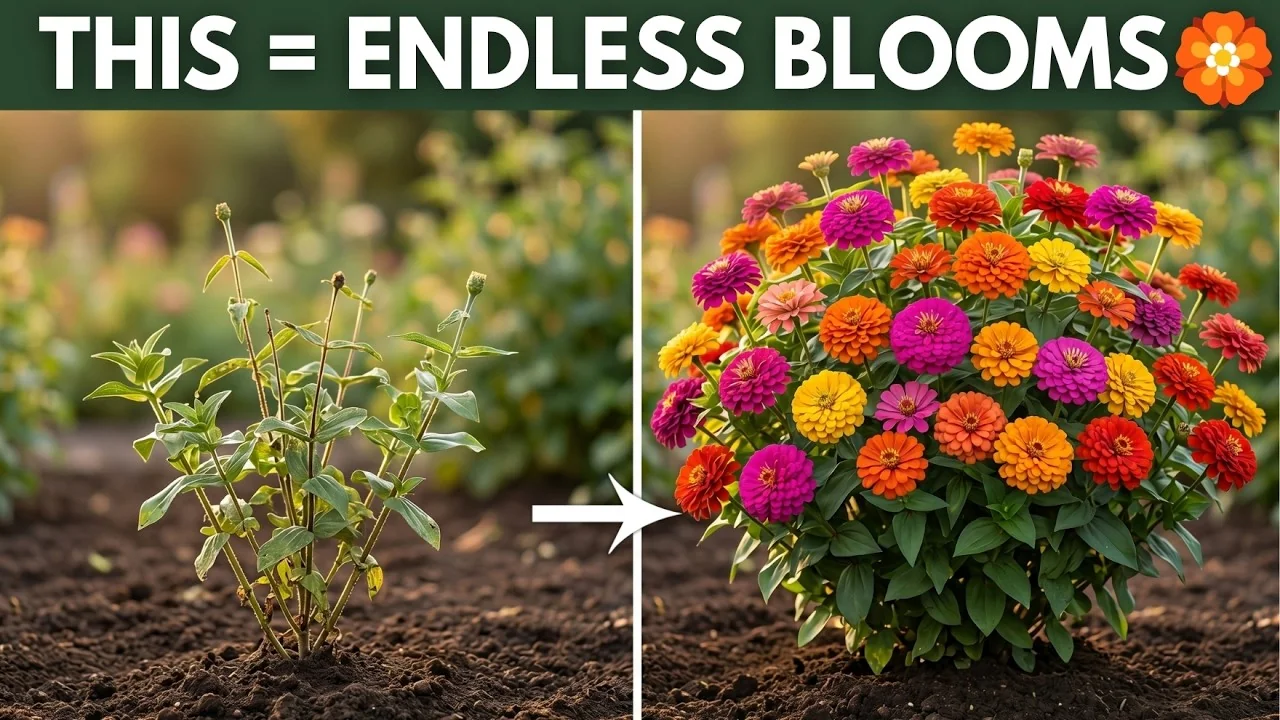
If your zinnias keep giving you two or three sad blooms and then quitting on you, I need you to stop everything. The difference between a zinnia plant that flowers for a few weeks and one that explodes with color from June until the first frost is not luck. It comes down to ten very specific things almost nobody tells you.
Most of them go against the advice you’ve probably been following. Here’s my promise to you. By the end, you’ll know exactly how to grow zinnias that pump out fresh flowers nonstop.
You do not need fancy equipment, expensive soil, or years of experience. You just need to do these ten things in the right order. Let’s get into it.
1. Sow in place for Continuous Zinnia Blooming
Zinnias hate having their roots disturbed. They are not like tomatoes or peppers that shrug off transplanting. Start them where they will stay.
Direct sow your seeds right where you want them to grow. Push them about a quarter inch into the soil, cover them lightly, and let them germinate in place. No transplant shock, no setback.
Timing is the part people get wrong. Zinnias are heat lovers, and cold soil stalls or rots seed. Wait until your soil has genuinely warmed past 70 degrees, usually a week or two after last frost when nights are no longer chilly.
Stick your finger in the dirt. If it feels cool and clammy, wait. If it feels like a warm day at the beach, you are ready, and your zinnias will sprint out of the ground in four to seven days.
2. Pinch early for Continuous Zinnia Blooming
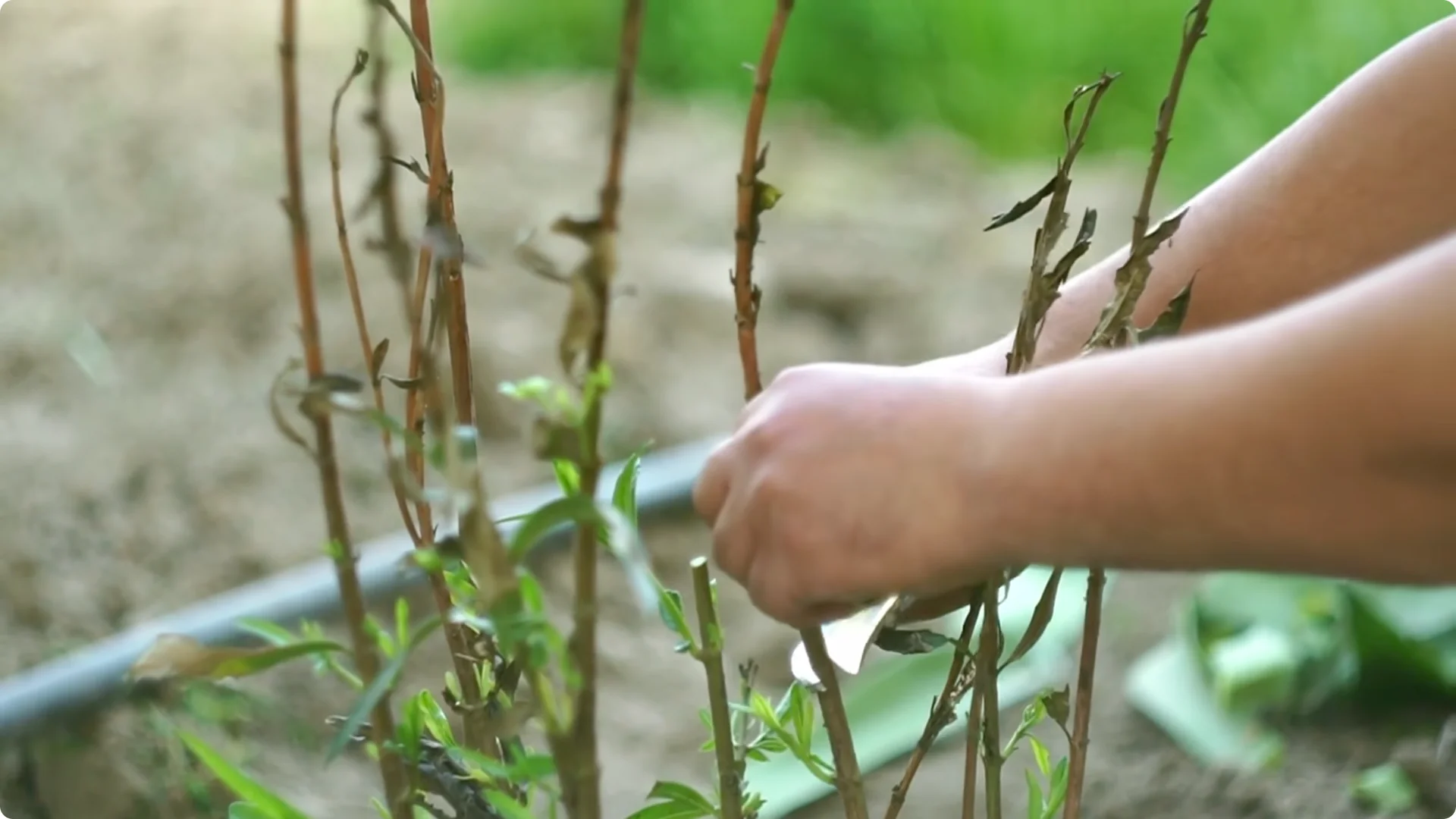
This is the one that makes beginners gasp, and it is probably the single most powerful trick. When your zinnia is eight to twelve inches tall with three or four sets of leaves, take clean scissors and cut the entire top off. Snip right above a set of leaves, removing the top three or four inches.
It feels like you are killing your plant. You are not. You are doing the opposite.
That single growing tip you removed was telling the plant to grow tall and lanky on one main stem. The moment you cut it, the plant pushes out multiple new stems from below the cut. A pinched zinnia is a generous zinnia.
Instead of one stem with one flower, you get a bushy plant with six, eight, even ten stems. Each one can produce its own blooms. Do this early, do it on every plant, and watch the difference.
3. Space generously for Continuous Zinnia Blooming
Crowding is the silent killer of nonstop blooms. The packet might tell you six inches apart, and you will be tempted to cram them in. More crowding means weaker plants, smaller flowers, and a disease problem you will fight all season.
Zinnias are prone to powdery mildew, which shows up as a white dusty coating on the leaves. Poor air circulation triggers it, and plants packed shoulder to shoulder are the cause. When air can move freely, leaves dry fast after rain or dew and mildew cannot get a foothold.
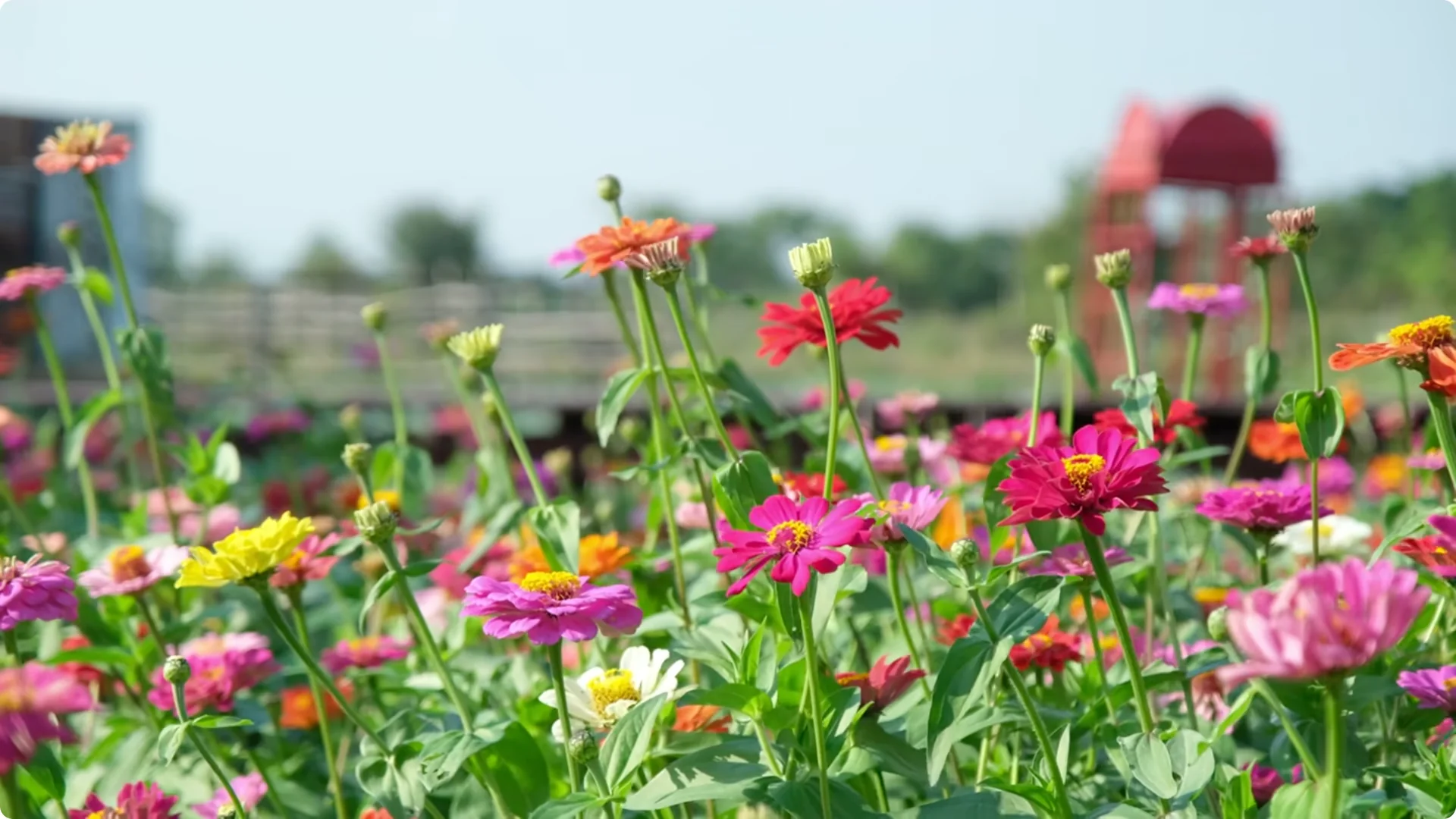
Give them real breathing room, around nine to twelve inches for bigger varieties. Your bed may look sparse at first. Be patient and those well spaced plants will out bloom a crowded bed by a mile.
Read More: Sprinkle Help Orchids Grow Bloom
4. Water the soil for Continuous Zinnia Blooming
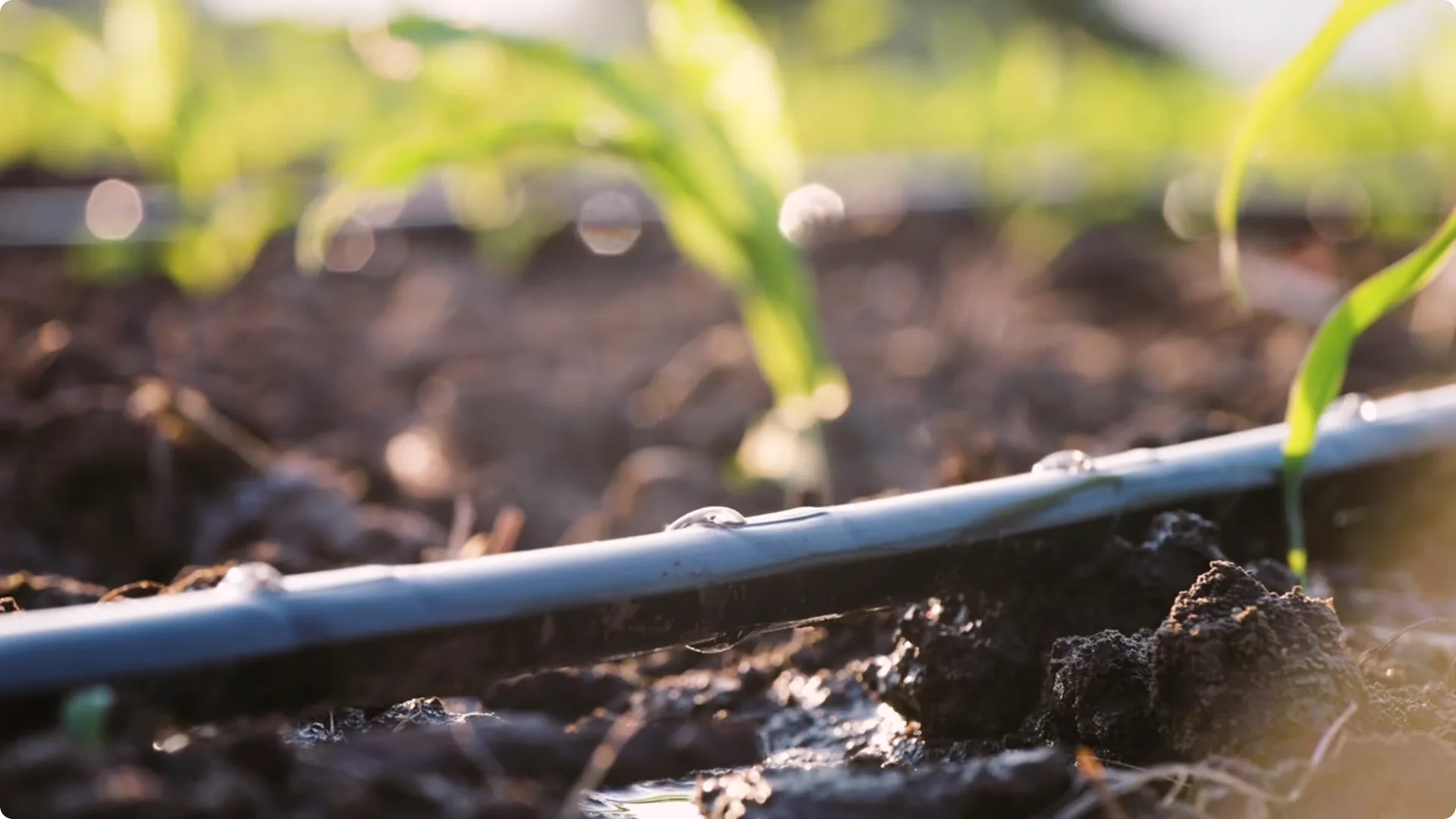
How you water matters just as much as how often. Water lands on the dirt, never on the foliage. Splashing water across leaves, especially in the evening, creates warm, damp conditions that fungal diseases love.
Aim your hose or can at the base of the plant and keep leaves dry. A soaker hose or drip line is even better since it delivers water straight to roots with zero splash. Water in the morning so any stray moisture can evaporate through the day.
Water deeply but less often. A good soak two or three times a week trains roots to grow deep and strong. Shallow daily watering creates shallow lazy roots.
5. Feed right for Continuous Zinnia Blooming

You can love your zinnias to death with too much fertilizer. Dumping on nitrogen heavy food builds leaves, not flowers. Overfeed with the wrong stuff and you get a jungle of green and barely a bloom.
What zinnias want is phosphorus and potassium for flowering and strong stems. Reach for a fertilizer where the middle and last numbers are higher than the first, often marketed for blooms or tomatoes. Feed lightly every couple of weeks and that is plenty.
Zinnias are not fussy and thrive in average soil. If you mixed compost into the bed at planting, you are most of the way there. Resist the urge to overdo it.
6. Deadhead deep for Continuous Zinnia Blooming
A zinnia has exactly one goal in life, and it is to make seeds. Once a flower starts forming seeds, the plant slows down production. Your mission is to never let it finish that job.
Deadhead the moment a bloom looks tired, papery, or faded. Every spent flower you remove tells the plant to keep making more. Do this every few days and your zinnias will never stop.
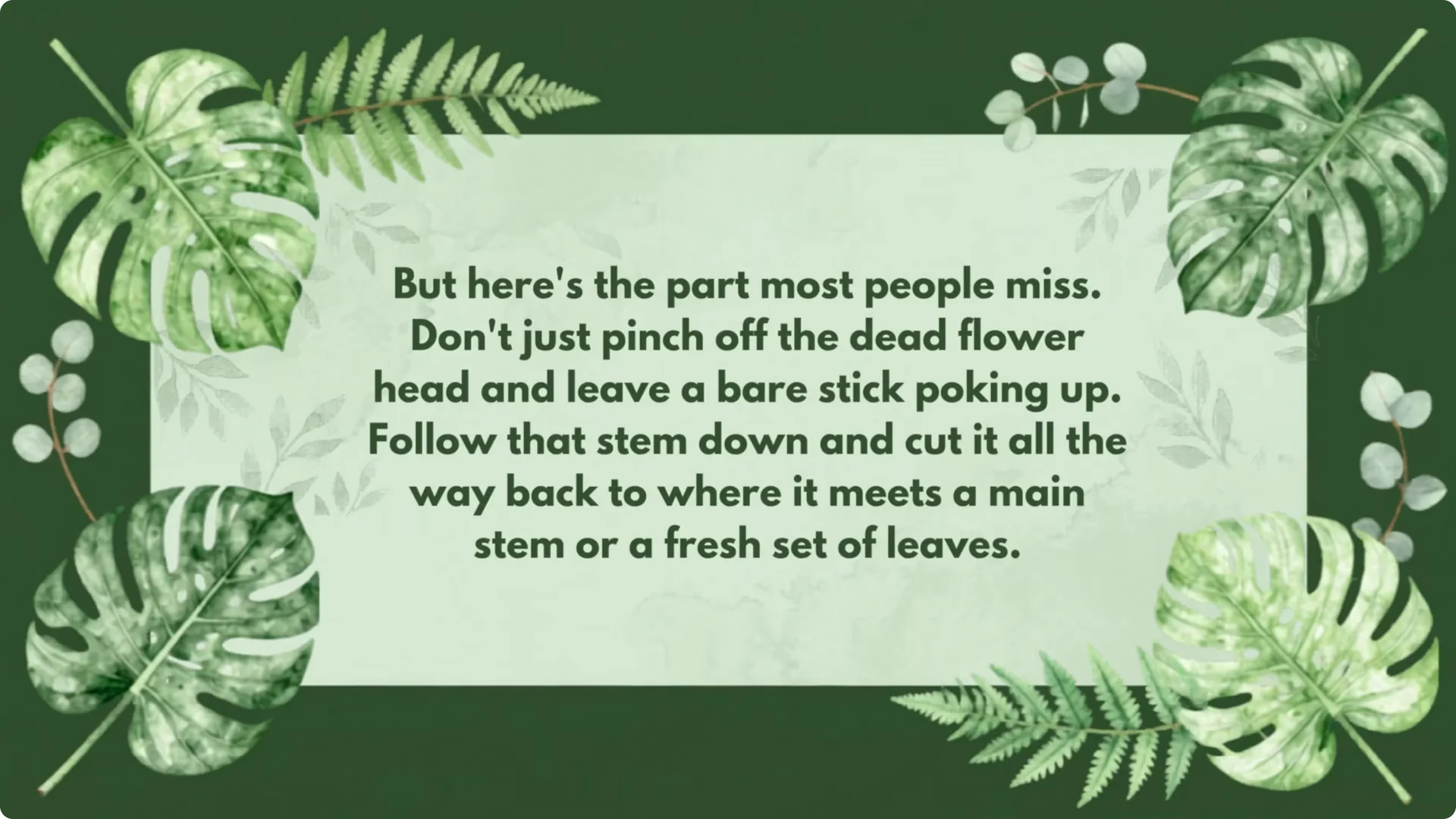
Do not just pinch off the head and leave a bare stick. Follow the stem down and cut all the way back to a main stem or a fresh set of leaves. Cutting deep encourages fresh branching and more flowering stems.
Read More: Help Orchid Root Bloom Faster
7. Cut for the vase to fuel Continuous Zinnia Blooming

If you feel guilty about cutting for a vase, I am here to free you. Cutting zinnias is one of the best things you can do. Zinnias are the ultimate cut and come again flower.
The more you cut, the more they grow, because you are stopping seed production and forcing fresh growth. Do not snip a short little stem near the top. Reach deep and cut a long stem down to a junction with leaves.
This gives you a long stem for the vase and triggers the plant to branch lower, making it bushier and more productive. Use the wiggle test to know if a bloom is ready. If the stem is floppy it is not ready, if it is stiff, cut it.
A properly cut zinnia will last a week or more in a vase. The plant will thank you by sending up even more. Cut boldly and cut often.
8. Choose varieties for Continuous Zinnia Blooming

Not all zinnias are created equal. Some types are more productive, more disease resistant, and more persistent bloomers. Picking the right one makes everything easier.
For big, classic, full flowers for cutting, look for the tall Benary’s Giant series. They are vigorous, have strong stems, and show real resistance to powdery mildew. For branching and an avalanche of smaller blooms, the Oklahoma and Queen series are workhorses.
If humidity and disease are a struggle, try narrow leaf types sold as Profusion or Zahara. They shrug off mildew, they do not even need deadheading to keep going, and they bloom from spring to frost with little effort. Match the variety to your goal and your climate.
9. Mulch to protect Continuous Zinnia Blooming
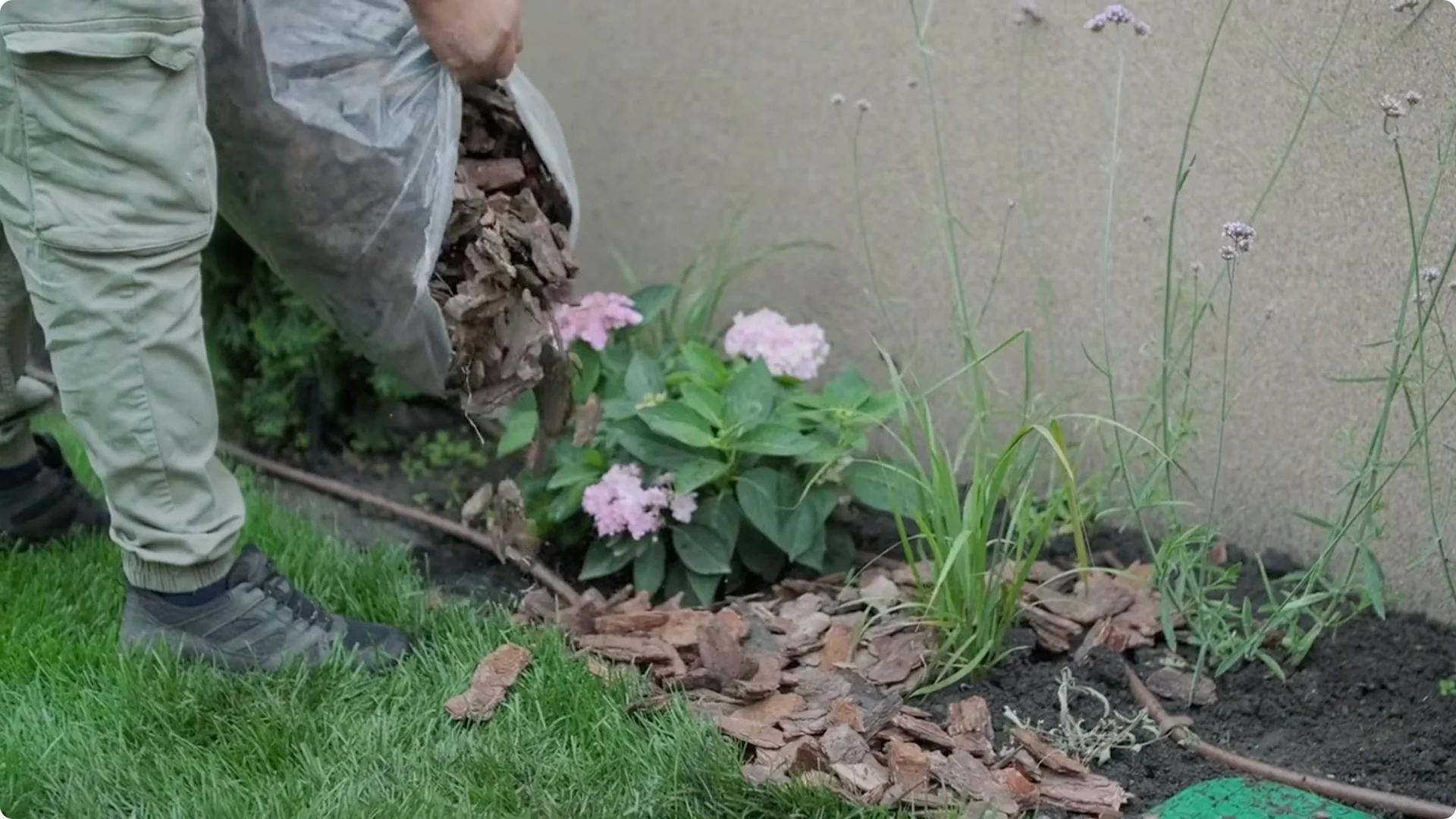
Mulch is the unsung hero of a nonstop zinnia bed. A two to three inch layer of shredded leaves, straw, or fine bark does three powerful things at once. First, it keeps soil moisture steady and prevents stress from wild swings.
Second, it smothers weeds that steal water and nutrients. Every bit of resource a weed takes is a flower you do not get. Mulch cuts that competition without constant hand pulling.
Third, mulch creates a barrier between soil and lower leaves. Many fungal spores live in the soil and splash onto foliage when it rains. A layer of mulch blocks that splash and cuts down leaf diseases.
Lay mulch after plants are established. Keep it an inch away from stems. Let it work for you all summer.
Read More: Secret Growing Orchid Roots Blooms
10. Succession and let them thrive for Continuous Zinnia Blooming
Here are two final ideas that give you flowers from early summer to frost. First is succession planting. Sow a new small batch every two to three weeks for the first couple months.
Even with perfect care, a plant slows as it ages. Staggered plantings give you a fresh, young, vigorous wave just as older ones fade. This is the flower farmer’s secret to never having a gap.
Second is mindset. Once your zinnias are mature and established, stop coddling them. Water deeply when needed, deadhead and cut regularly, feed lightly, then back off and let them do their thing.
The gardeners who get the most blooms are not the ones who fuss the most. They set plants up right and then get out of the way. Treat them lean and focused and they will reward you with flowers.
Final thoughts on Continuous Zinnia Blooming
Direct sow into warm soil, pinch them young, space them out, water the roots not the leaves, and feed them right. Deadhead deep, cut for the vase, pick the right varieties, mulch the bed, and plant in waves while letting mature plants tough it out. Pick two or three of these to start, especially the pinching trick, and you will see a dramatic difference.