
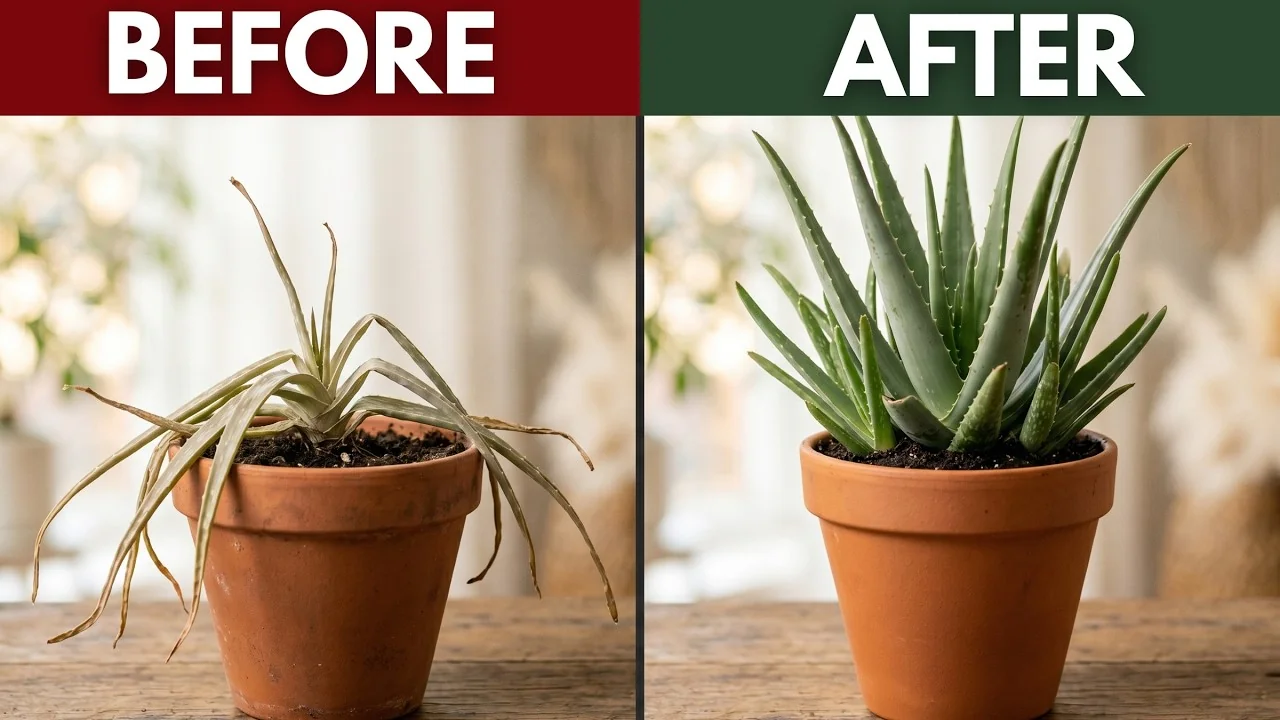
Your aloe vera should be a monster by now. Thick, juicy leaves stacking up like fat green swords, the whole plant practically spilling out of its pot. Instead it is just sitting there.
Same size it was three months ago. Maybe a little floppy. Maybe a little pale around the edges.
And here is the part that drives you crazy, you are probably doing everything the internet told you to do. You are watering it carefully. You bought the special pot.
You found it a sunny windowsill. And still, nothing. It is not dying, exactly.
It is just refusing to grow. Aloe vera is not a difficult plant. It is a misunderstood one.
Almost everything people do to take care of it is the very thing slowing it down. Aloe did not evolve to be pampered, it evolved on dry, rocky, sun blasted ground where most plants would die in a week. Treat it like the tough desert survivor it actually is and it does not just survive.
It takes off. I am going to give you five secrets that turn a stalled, lazy aloe into one that pushes out new leaves you can practically watch grow. A couple of them are going to sound completely backwards.
The fifth one is the trick almost nobody talks about, and it might be the single biggest reason your aloe is stuck. Let us get into it.
1. Aloe Vera Growth Tips: Wet and Dry Rhythm
Here is the truth that is going to sting a little: the kindest thing you can do for your aloe is neglect it on purpose. Most people kill their aloe growth with love. They see the soil looking dry, feel a little guilty, and give it a splash of water.
A few days later, another splash. The plant never actually gets thirsty, and it never actually gets a real drink either. It just lives in a permanent state of slightly damp limbo, and that is why it will not grow.
Think about where aloe comes from. In the wild, it goes through long stretches of bone dry soil, then a heavy rain soaks the ground completely, and disappears again for weeks. That rhythm of flood then drought is hardwired into how the plant grows.
The dry spell is the signal. When the soil dries out, the roots stretch and dig deeper, hunting for moisture. When the rain finally comes, the plant gulps it up and stores it in those thick leaves.
That cycle of searching and storing is what builds a big, fast growing root system, and a big root system feeds explosive leaf growth up top. Here is what you do instead of the little daily splashes. When you water, water properly.
Soak the soil all the way through until water runs out the bottom of the pot. You want the entire root ball drenched. Then walk away.
Do not water again until the soil is completely dry, top to bottom. Not just the surface, stick your finger two knuckles deep, or lift the pot and feel how light it has gotten. If there is any moisture left, wait.
For most people that ends up being once every two to three weeks, and even less in winter. Yes, that sounds like neglect. It is the single most powerful thing you can do, because every time the plant fully dries out and then gets flooded, you are forcing it to build deeper roots and pack on storage.
You are recreating the desert in a flowerpot. Get this rhythm right and you have fixed the number one reason aloe refuses to grow.
2. Aloe Vera Growth Tips: Read the Leaves for Light

Now let us talk about light, because this is where good intentions quietly murder your aloe growth. People hear houseplant, and they park it somewhere soft and shady, thinking they are protecting it from getting scorched. It ends up on a side table, a dim corner, or a windowsill that gets a couple of weak hours in the morning.
Then they wonder why it is pale, stretched out, and floppy. Aloe is a sun worshipper. In a dim spot it does not just slow down, it starts panicking.
It stretches itself thin reaching for any light it can find. The leaves go soft and limp instead of firm and plump, and the color fades to a washed out green. That stretching is the plant burning energy on length instead of growth.
Here is the secret that changes everything. Your aloe is constantly telling you exactly how it feels about its light, and once you learn to read it, you will never guess again. The leaves are a code.
If your aloe is a firm, healthy grey green, standing up nice and plump, the leaves growing upward and outward with confidence, that is the sweet spot. That is a plant getting all the light it wants and turning it straight into growth. If the leaves are pale, thin, soft, and flopping outward or downward, almost lying flat, that is the cry for help.
It is stretching for light it cannot reach. Move it somewhere brighter, fast. And if you see a reddish, brownish, or rusty tint on the leaves, especially the tips, do not panic but pay attention.
That is the plant getting almost too much intense sun. A little of that color is fine and can be a sign of a tough happy plant. A lot of it means back it off slightly.
Put it in the brightest spot you have. A south or west facing window is gold. If you can give it real outdoor sun in warm weather, even better, just transition it slowly over a week so it does not sunburn.
If your home is genuinely dark, a cheap grow light for a few hours a day solves it. Nail the light, read those leaves, and you have removed the second invisible brake on your aloe growth.
Read More: Secret Growing Orchid Roots Blooms
3. Aloe Vera Growth Tips: Pot and Grit
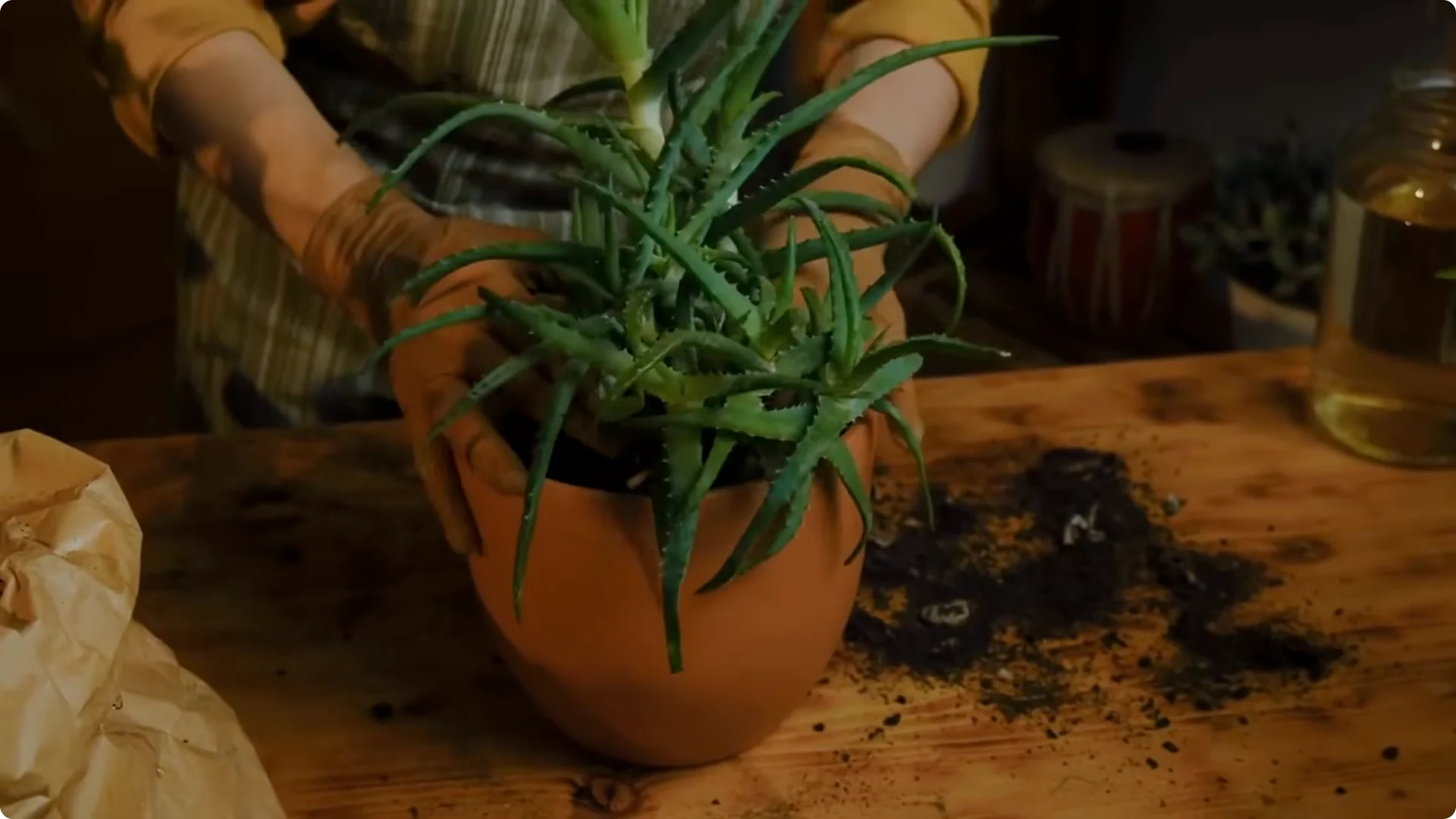
Let us talk about the home your aloe lives in, because the pot and the soil are doing more damage than you think. Start with the soil, because this is where almost everyone goes wrong. They use regular potting mix straight out of the bag, that soft, dark, spongy stuff that holds water like a sponge.
For most houseplants, great. For aloe, it is a slow death. That mix stays wet for days, wraps the roots in constant moisture, and rots them from the inside out.
And rotting roots do not grow. They quietly fall apart while the top of the plant slowly gives up. What aloe actually wants is grit.
Fast draining, chunky, airy soil that lets water rush through and dries out quickly, like the rocky desert ground it came from. You can buy a cactus and succulent mix, and that is a fine start, but even bagged cactus mix usually is not gritty enough. Improve it.
Soil mix
Take your potting or cactus mix and cut it with a generous handful of something coarse, perlite, pumice, or even clean coarse sand. Aim for roughly one part grit to two parts soil, more if you can. When you are done, a fistful of damp mix should crumble apart in your hand, not clump into a wet ball.
That crumbly, gritty texture is what lets those roots breathe. It also lets the wet and dry rhythm from secret one actually work.
Pot size
Now the pot itself, and this is where it gets interesting. People assume a bigger pot means faster growth, more room, more soil, more space to get huge. Wrong.
Drop an aloe into a giant pot and you surround it with a mass of soil that holds far more water than those little roots can drink. That extra wet soil just sits there soggy, and now you are back to rot. A pot that is slightly snug, just an inch or two of space around the roots, dries out faster and stays healthier.
It actually encourages the plant to fill out.
Material and drainage
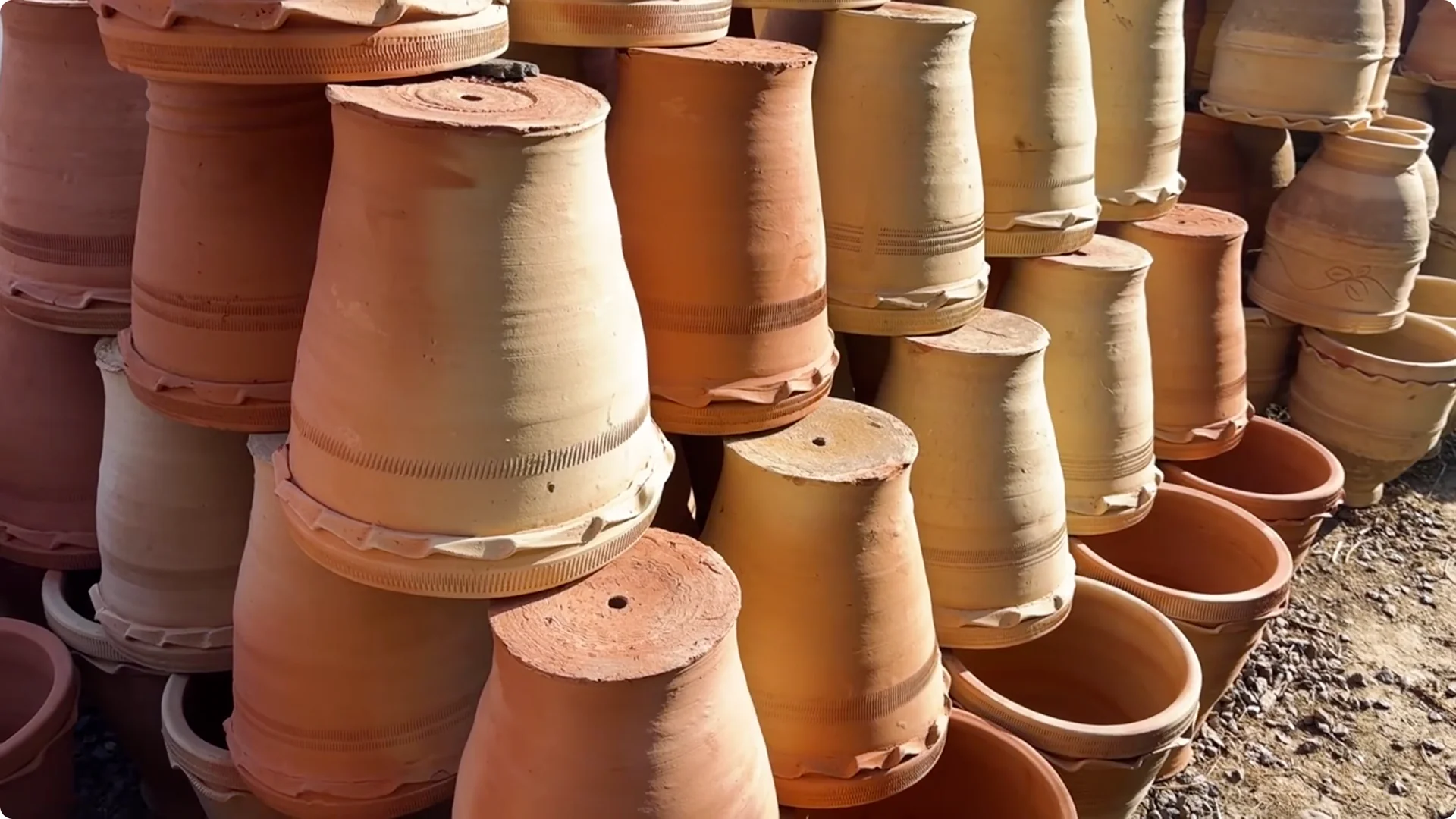
Do yourself a favor and use terracotta. Those plain clay pots are porous, so they breathe and wick moisture out through the walls, helping the soil dry evenly and quickly.
Plastic and glazed ceramic trap moisture against the roots and work against everything you are trying to do. One more non negotiable, make sure that pot has a drainage hole at the bottom. A pot with no drainage is a bathtub, and aloe drowns in bathtubs.
Get the gritty soil, the snug terracotta pot, and the drainage right, and you have built a home where this plant can finally take off.
Read More: Revive Dying Orchid Easy Way
4. Aloe Vera Growth Tips: Feed When Awake
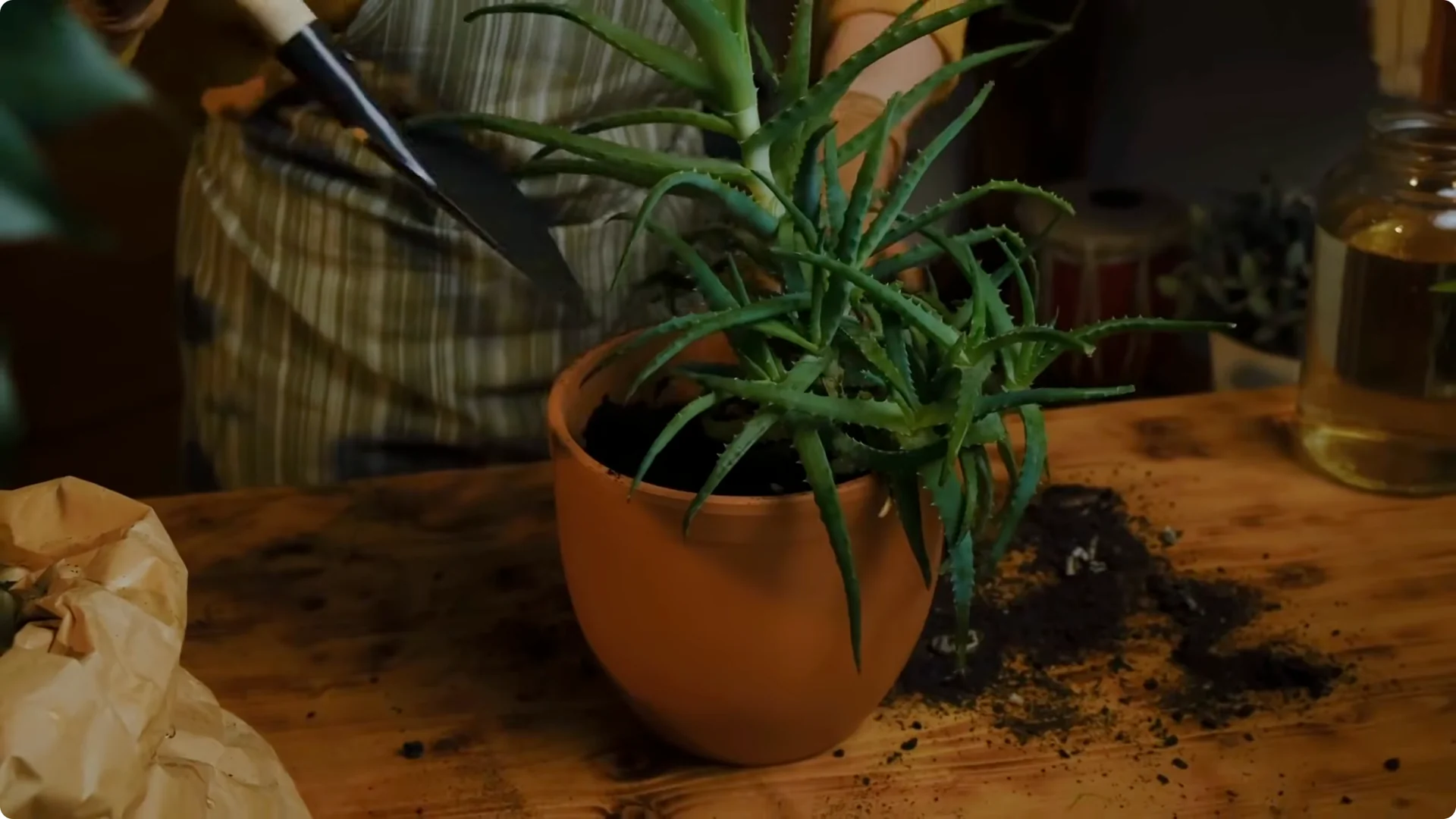
Here is a secret that sounds almost too simple. Most people never feed their aloe at all. They figure a tough desert plant does not need pampering, so they just water it and forget it.
The plant survives, but surviving and growing fast are two very different things. In the wild, aloe roots are slowly pulling nutrients from a huge volume of soil, plus everything that breaks down around it over the years. Your aloe is trapped in a small pot with a fixed scoop of dirt, and over time it strips out every nutrient that soil had to offer.
After a few months, it is basically eating from an empty plate. It is not going to put out big new leaves on an empty plate, no matter how perfect your light and water are. So feed it, but the real secret is timing.
Aloe has two different modes, and you have to know which one it is in. In the warm months, roughly spring through early autumn, the plant is awake, actively growing, and genuinely hungry. That is when food turns straight into new leaves.
In the cold, dark months, aloe goes into a kind of sleep, a near dormant state where it slows right down and stops growing on purpose. Feed it during that sleep and the nutrients just sit there unused, building up as salts in the soil that can burn the roots. You would be force feeding a plant that is trying to nap.
Here is the move. During the warm growing season, feed it about once a month, and only then. Use a fertilizer made for cacti and succulents, or any balanced houseplant feed, but dilute it to half the strength on the label or weaker.
Aloe is sensitive, and a strong dose does more harm than a weak one. Weak and regular beats strong and occasional every single time. Always feed onto already damp soil, never bone dry roots, so you do not shock them.
Then, when the days get short and cold, stop completely. Let it rest. Far less water, no food, just patience.
When spring comes back around and you see fresh growth pushing from the center, that is your green light to start feeding again. Match your feeding to the plant natural rhythm. Fuel when it is awake and silence when it is asleep.
5. Aloe Vera Growth Tips: Cut the Pups Loose

Alright, this is the big one. This is the secret that is probably the real reason your aloe stopped getting bigger, and almost nobody mentions it. A healthy, happy aloe does something amazing, it makes babies.
Little miniature aloe plants, called pups or offsets, pop up around the base of the mother plant. When you see them, your first instinct is pure joy. Free plants, more aloe.
So you leave them there and let them cluster around mom. Here is the problem. Every single one of those pups is feeding directly off the mother plant.
They are tapped into her root system, drinking her water, eating her nutrients, and pulling on her energy. A plant only has so much energy to go around. Instead of pouring that fuel into big, beautiful new leaves on the main plant, she is splitting it to keep all those babies alive.
The result is simple. The mother plant stalls. She stops getting bigger because every drop of growth energy is being siphoned off by her offspring.
The fix is simple, and it works almost overnight. Separate the pups. Once an offset is a few inches tall and has a couple of its own little leaves, gently dig down and pull or cut it away from the mother, ideally with a few of its own roots attached.
Let the cut end dry and callus over for a day or two, that is important because it stops rot. Pot it up in that gritty mix from secret three, and now you have a brand new plant for free. Meanwhile, the mother plant, suddenly relieved of all those hungry mouths, redirects that reclaimed energy straight back into her own leaves.
People are shocked at how fast the main plant takes off once the pups are gone. It is like flipping a switch. Here is a small bonus trick that goes hand in hand.
Aloe leans hard toward the light, growing lopsided over time as it reaches for the window. Give the pot a quarter turn every week or so. It keeps the plant growing evenly and upright and puts energy into growth instead of correction.
Cut the pups loose and keep it turning. Your aloe finally gets to be selfish about its own growth. That is the secret most people never learn.
Read More: Simple Method Propagate Roses 5
Final Thoughts
Forget the daily babying, soak it deep, then let it dry out completely, and let that desert rhythm build the roots. Give it the brightest spot you have and let the leaves tell you when the light is right. Plant it in gritty, fast draining soil inside a snug terracotta pot with real drainage.
Feed it weak and regular while it is awake in the warm months, and let it sleep when it is cold. Separate those pups so the mother plant can pour every drop of energy into growing big and fast. Give your plant a deep drink, move it into the sun, and let it grow.