
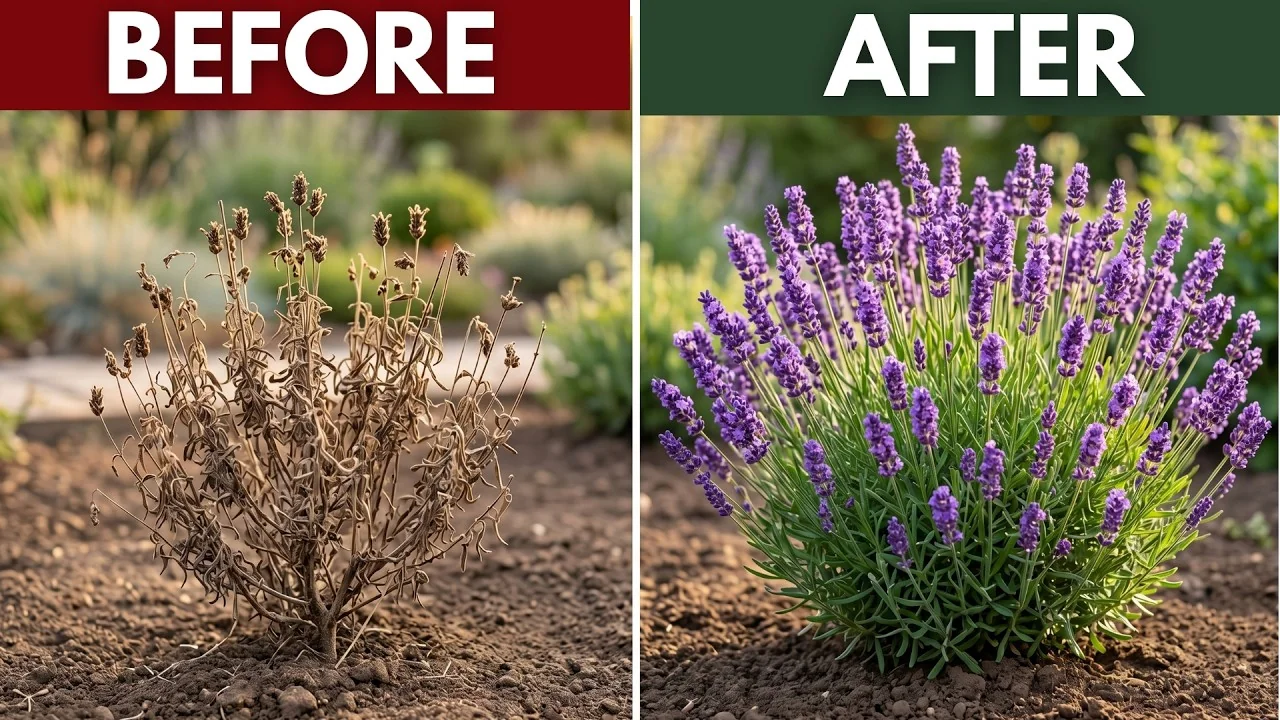
Most gardeners have lost lavender at least once. The problem isn’t your skill – it’s the usual advice.
Here is a clear, field-tested approach to grow lavender that thrives with less fuss and more flowers.
Lavender Cultivation Best Practices Mindset
- Treat it like a rugged weed, not a pampered ornamental. Lavender evolved on rocky Mediterranean slopes with brutal sun and thin soil.
- Pick the harshest spot you have. Full sun, dry, windy, and stingy soil is ideal. A slope is a bonus – south-facing with gravel is perfect.
- Save rich beds for vegetables. Lavender prefers leftovers and neglect.
Read More: common lavender mistakes
Lavender Cultivation Best Practices Soil
- Recreate a hillside in the hole.
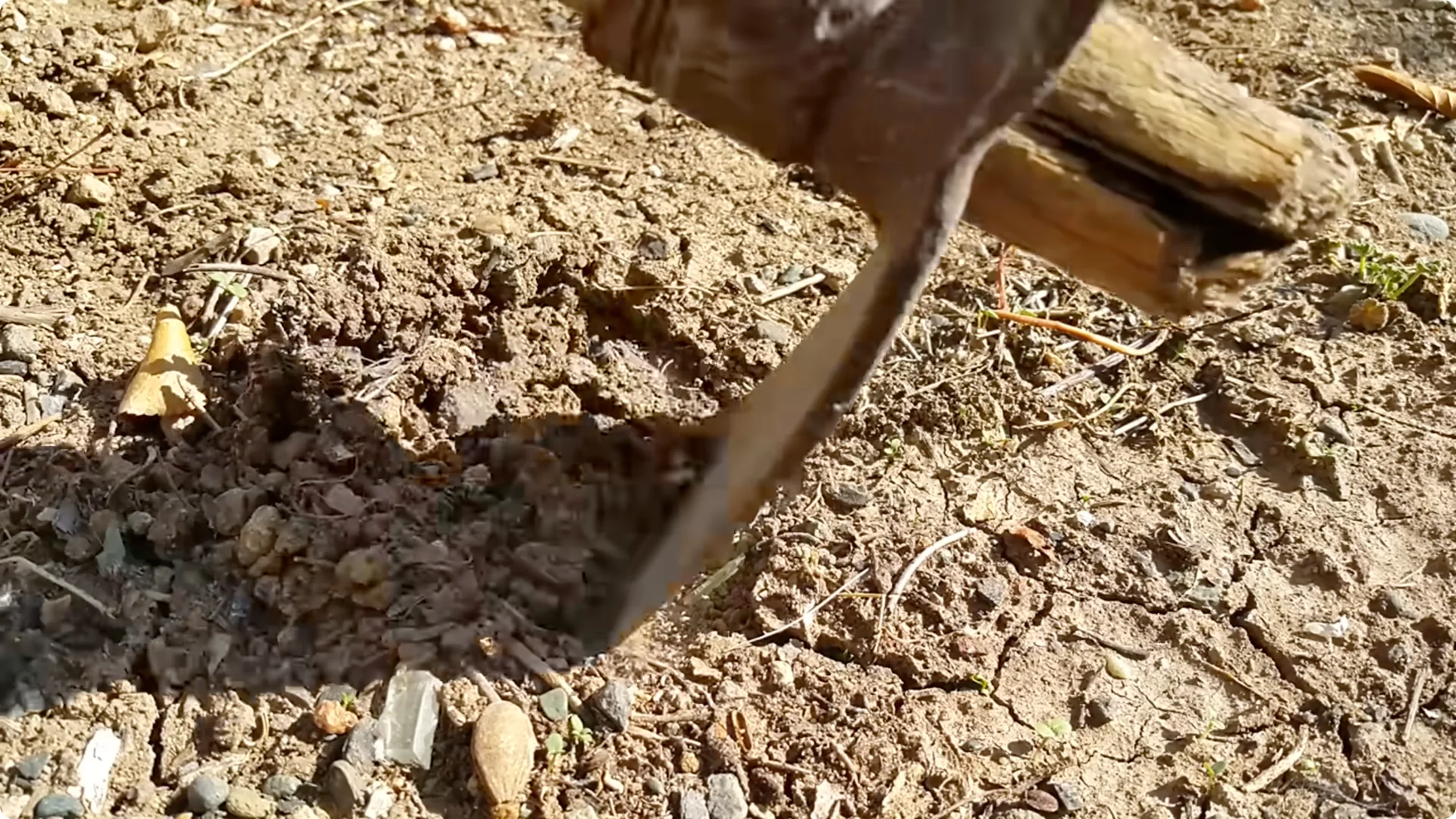
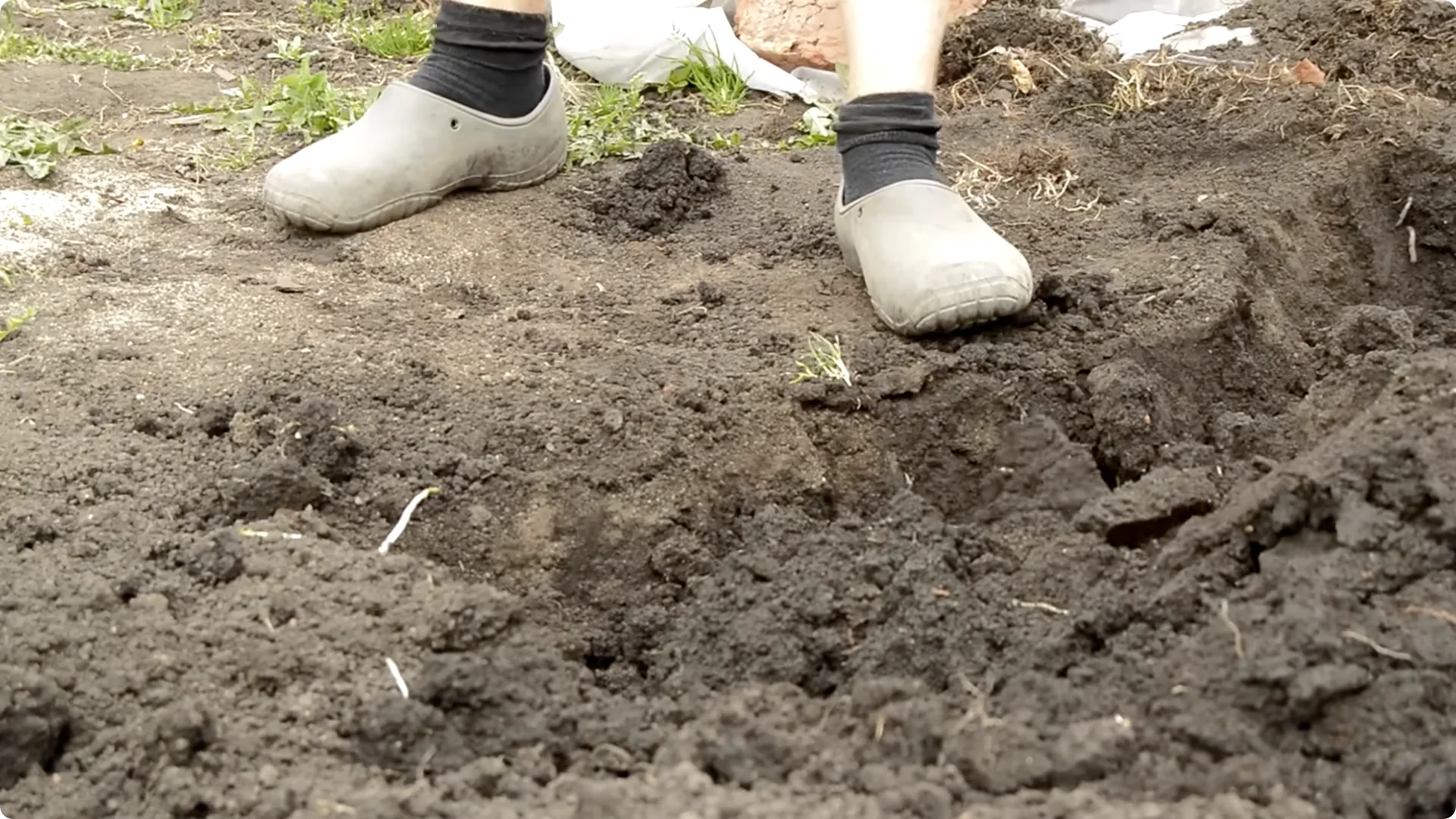
1) Dig a hole twice as wide as the root ball, same depth.
2) Toss at least half the native soil.
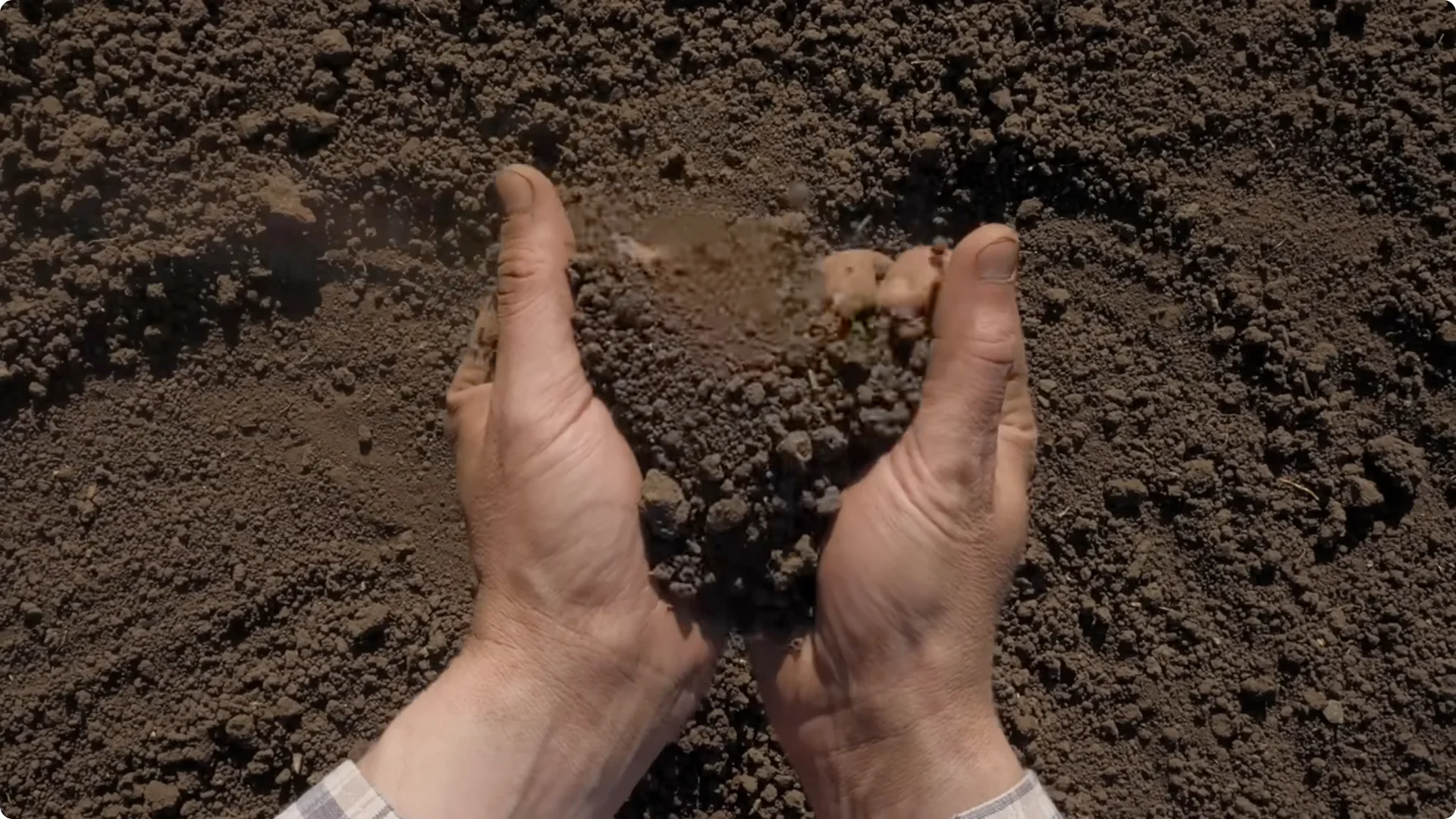
3) Mix in coarse builder’s sand, horticultural grit, fine gravel, or crushed limestone with what remains.
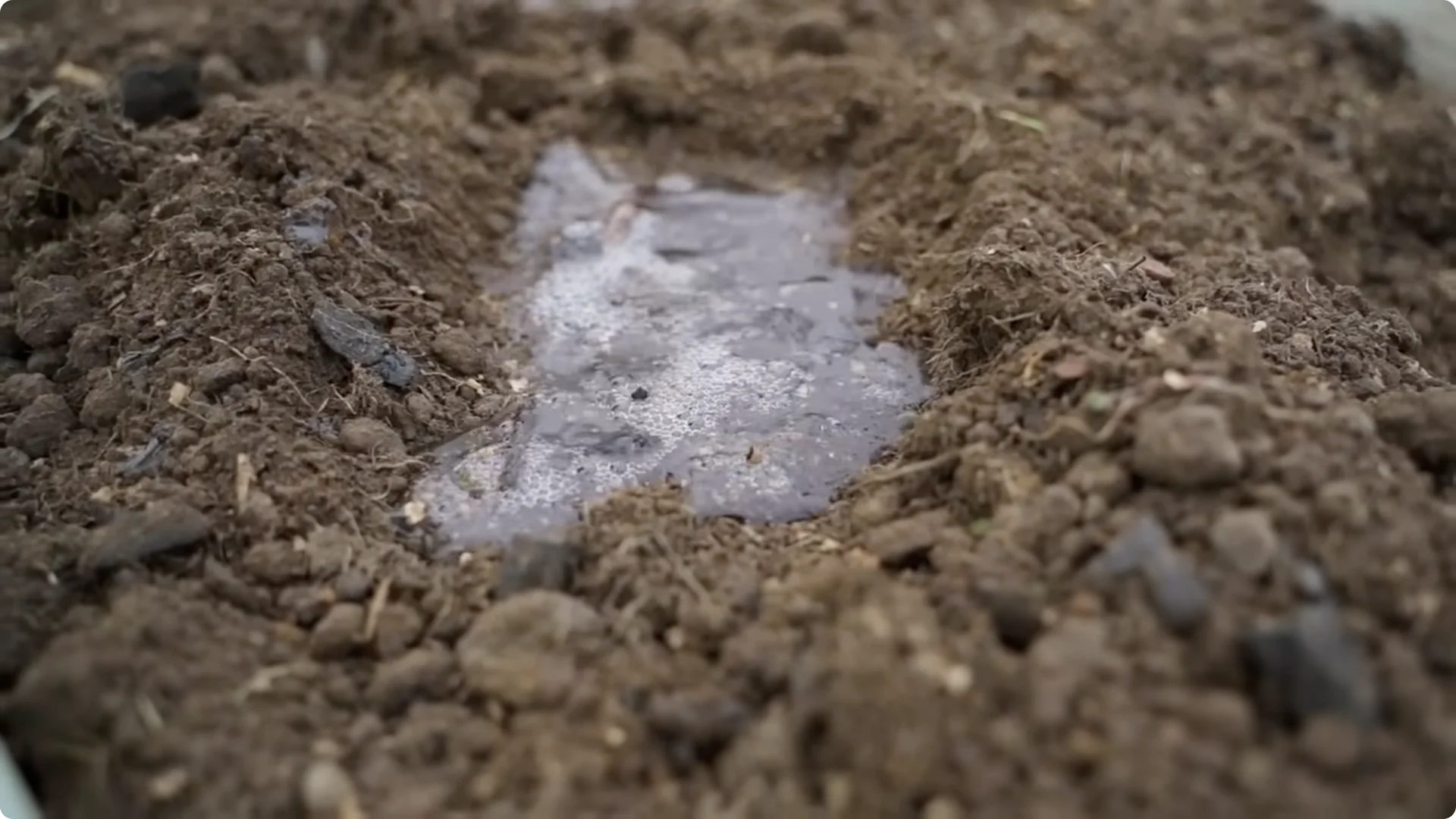
- Build a mound. Set the plant on a raised hump 2-3 inches above grade so water drains away from the crown.
- Keep it lean. Skip compost and manure. Rich soil makes growth weak, floppy, and less fragrant. Stress increases essential oil concentration.
Read More: growing aloe vera
Lavender Cultivation Best Practices Watering
- New plants – first 2 to 3 weeks: Water deeply once a week to establish roots.
- Established plants: Only water after 2 to 3 rainless weeks and only if soil is bone dry 2 inches down. Use the finger test. When you water, soak thoroughly, then let it dry out completely.
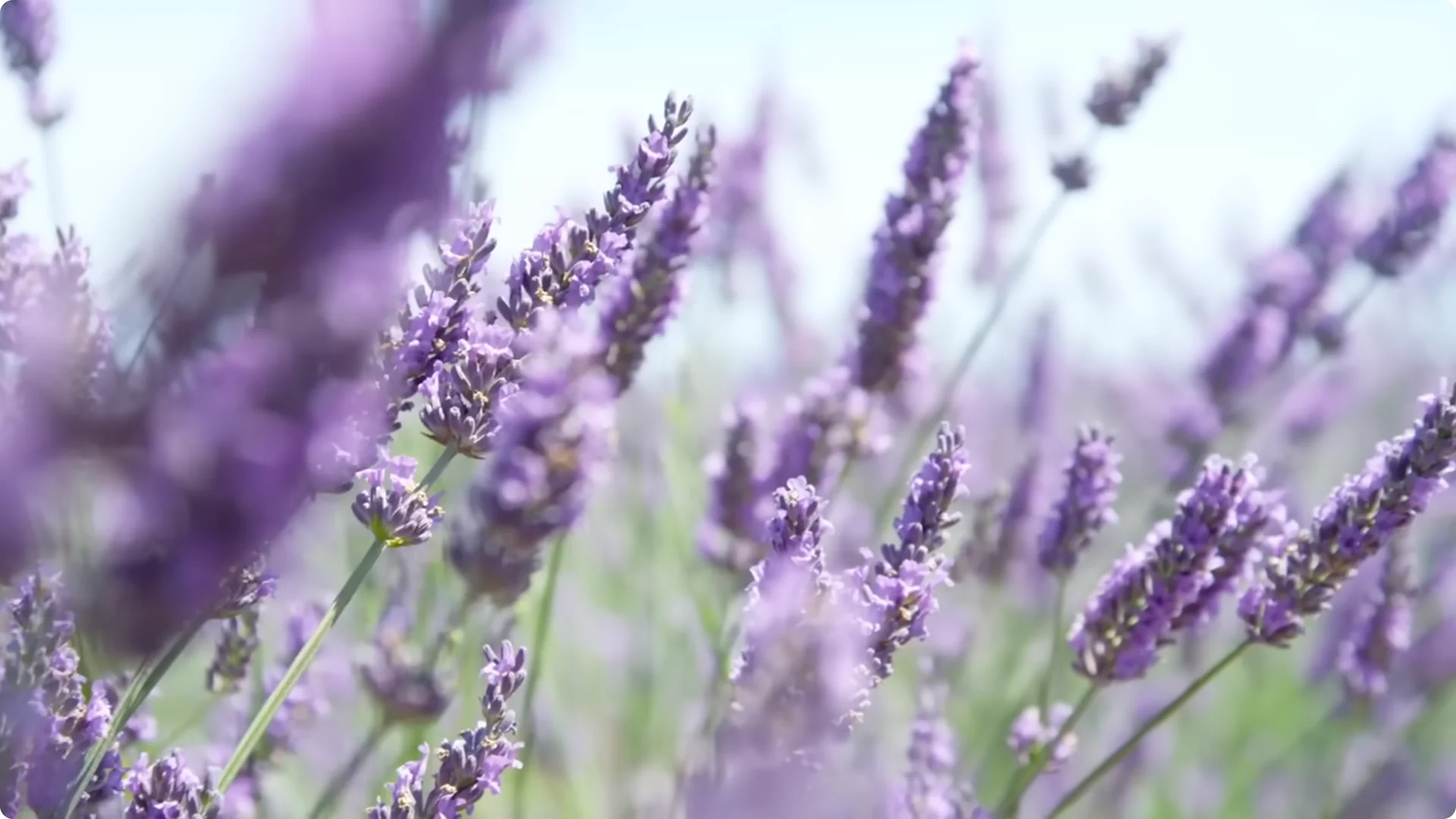
- Winter: Do not water. Cold plus wet roots is the top killer of established plants.
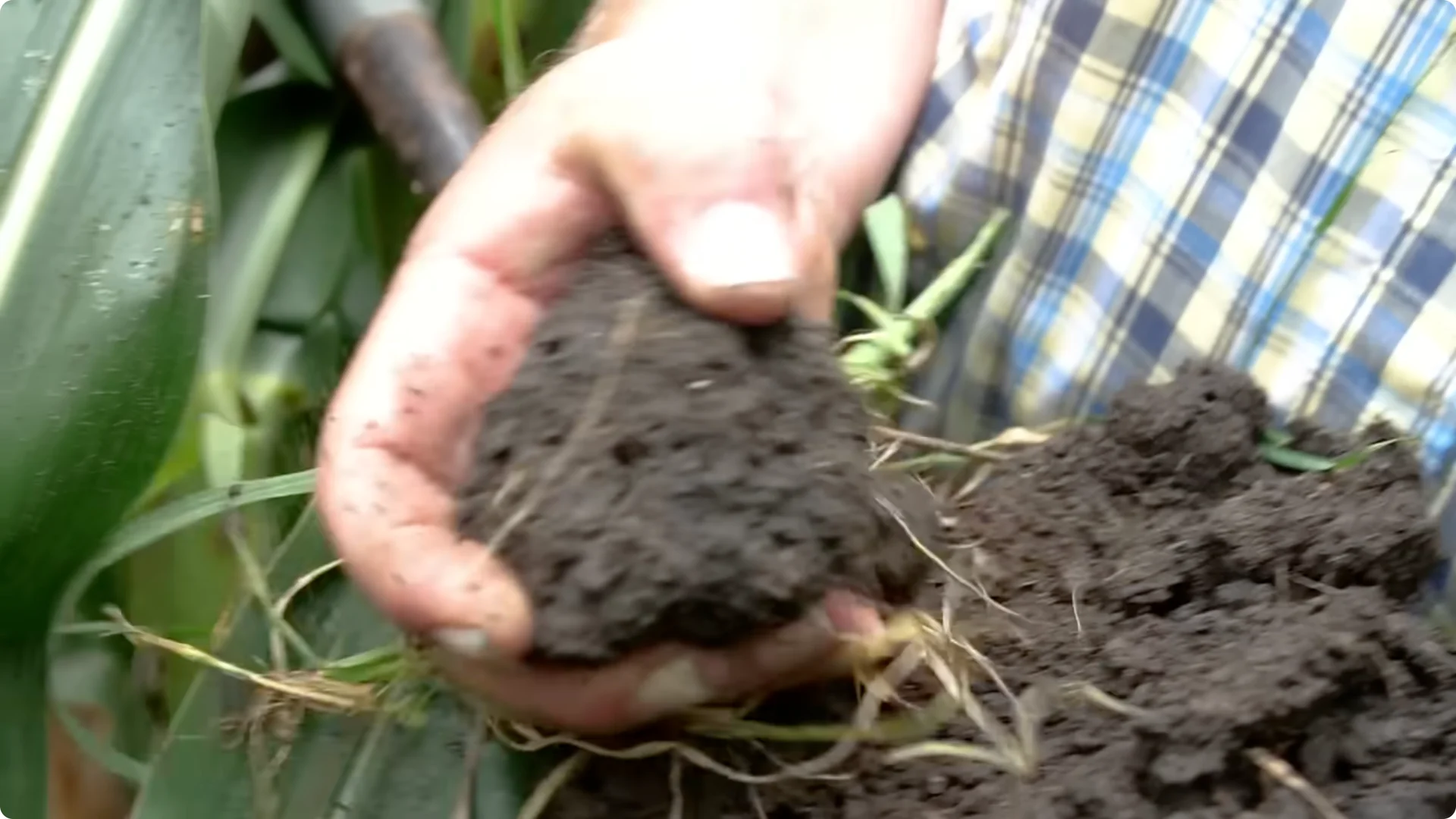
Pots need extra care:
- Use terracotta only. Avoid plastic and glazed ceramic. Terracotta breathes and wicks moisture.
- Maximize drainage. Add extra holes. Ditch the saucer or tilt the pot so water never sits.
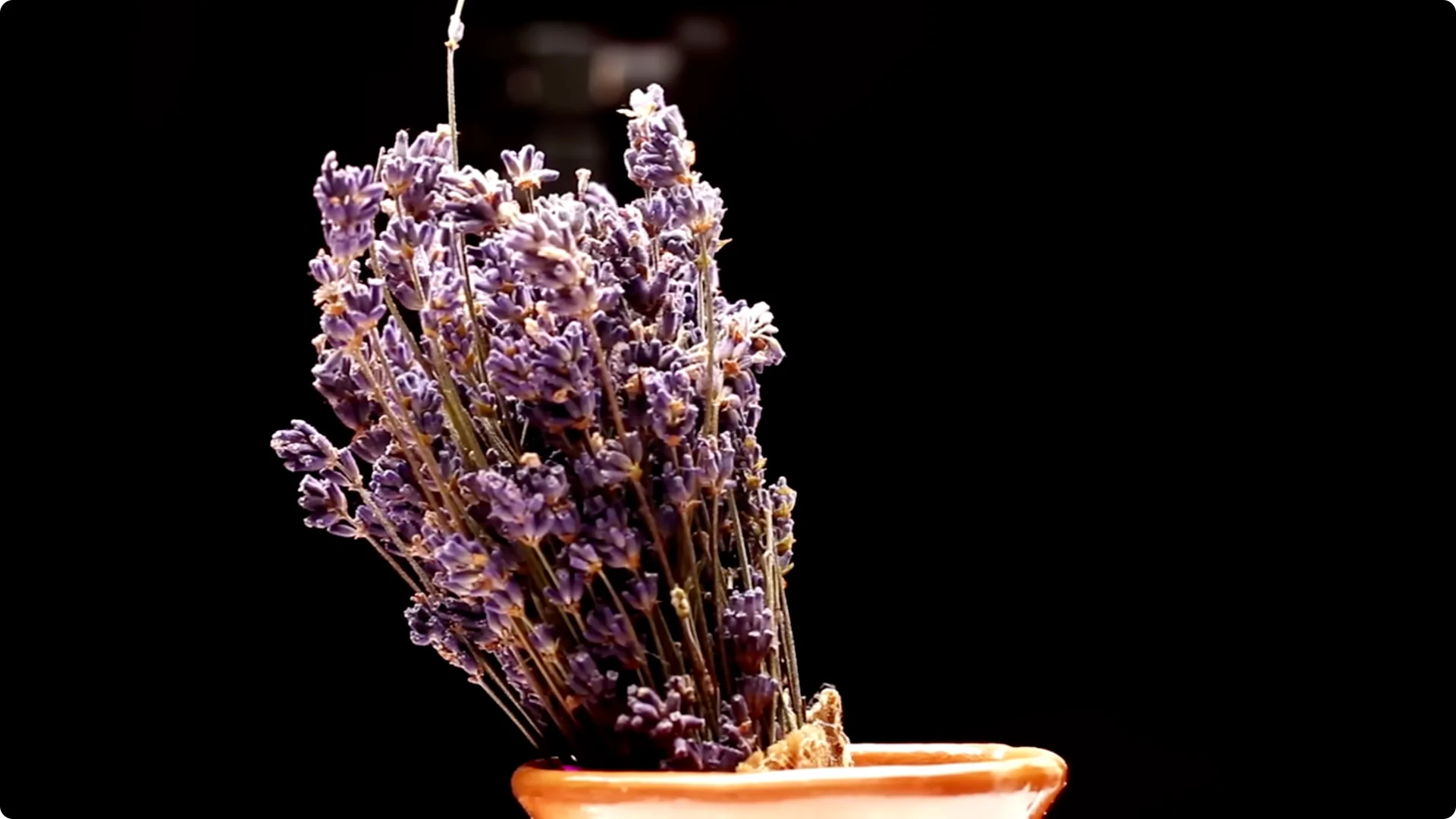
Lavender Cultivation Best Practices Pruning
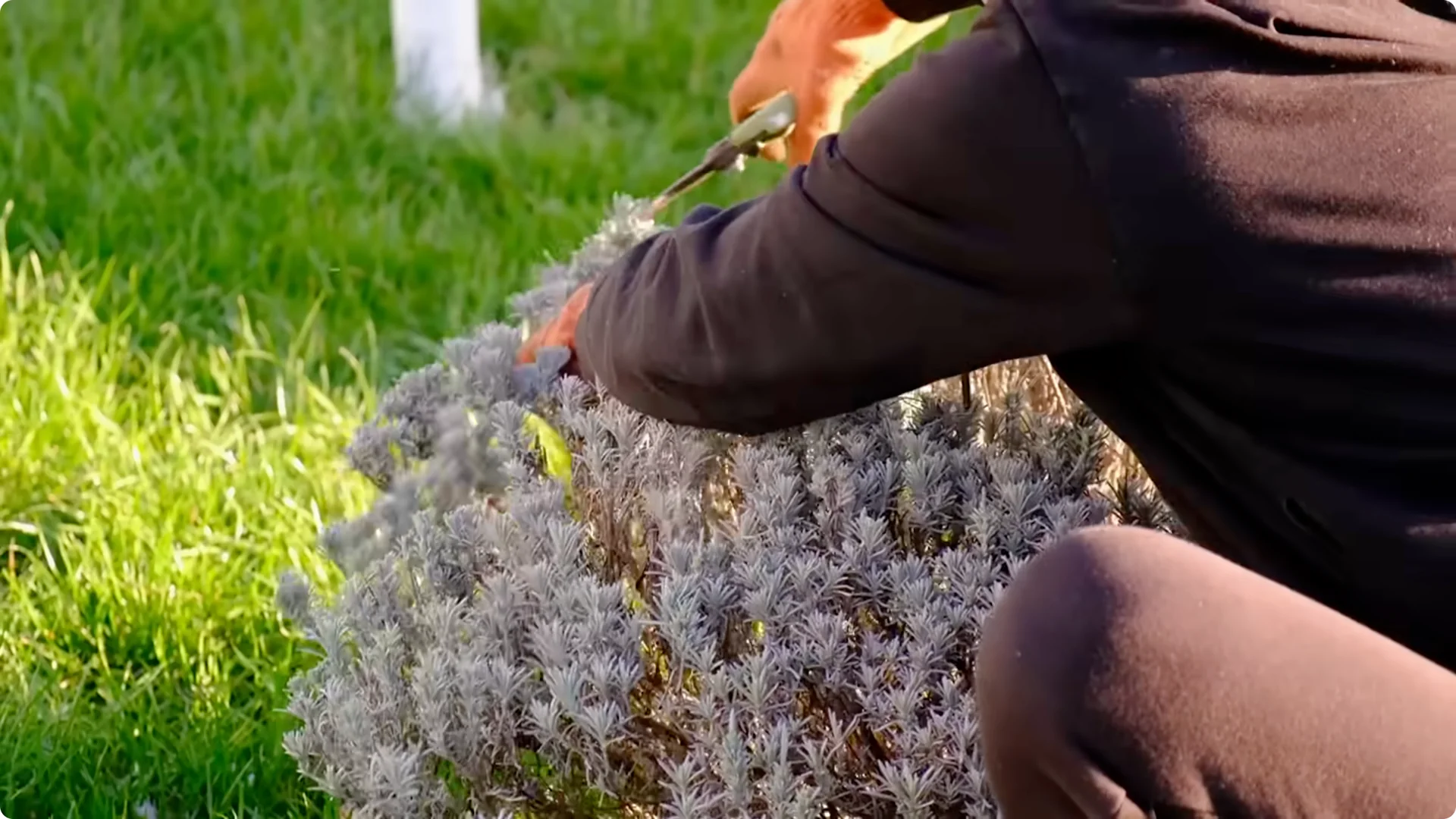
- Prune twice a year to prevent a woody, hollow center and keep plants compact.
- Early spring: As new growth appears, shape into a tight dome, removing about one-third of the green growth.
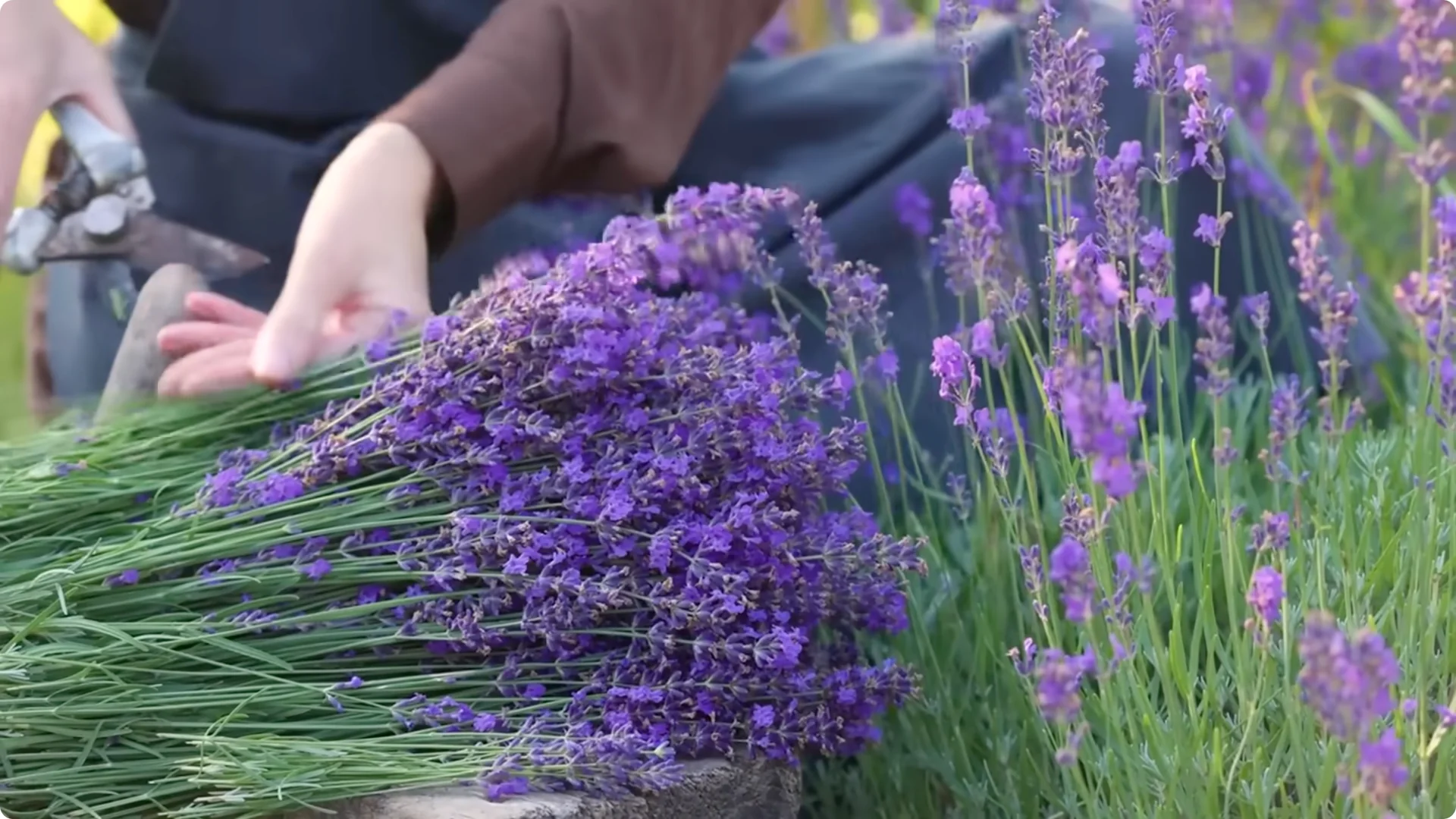
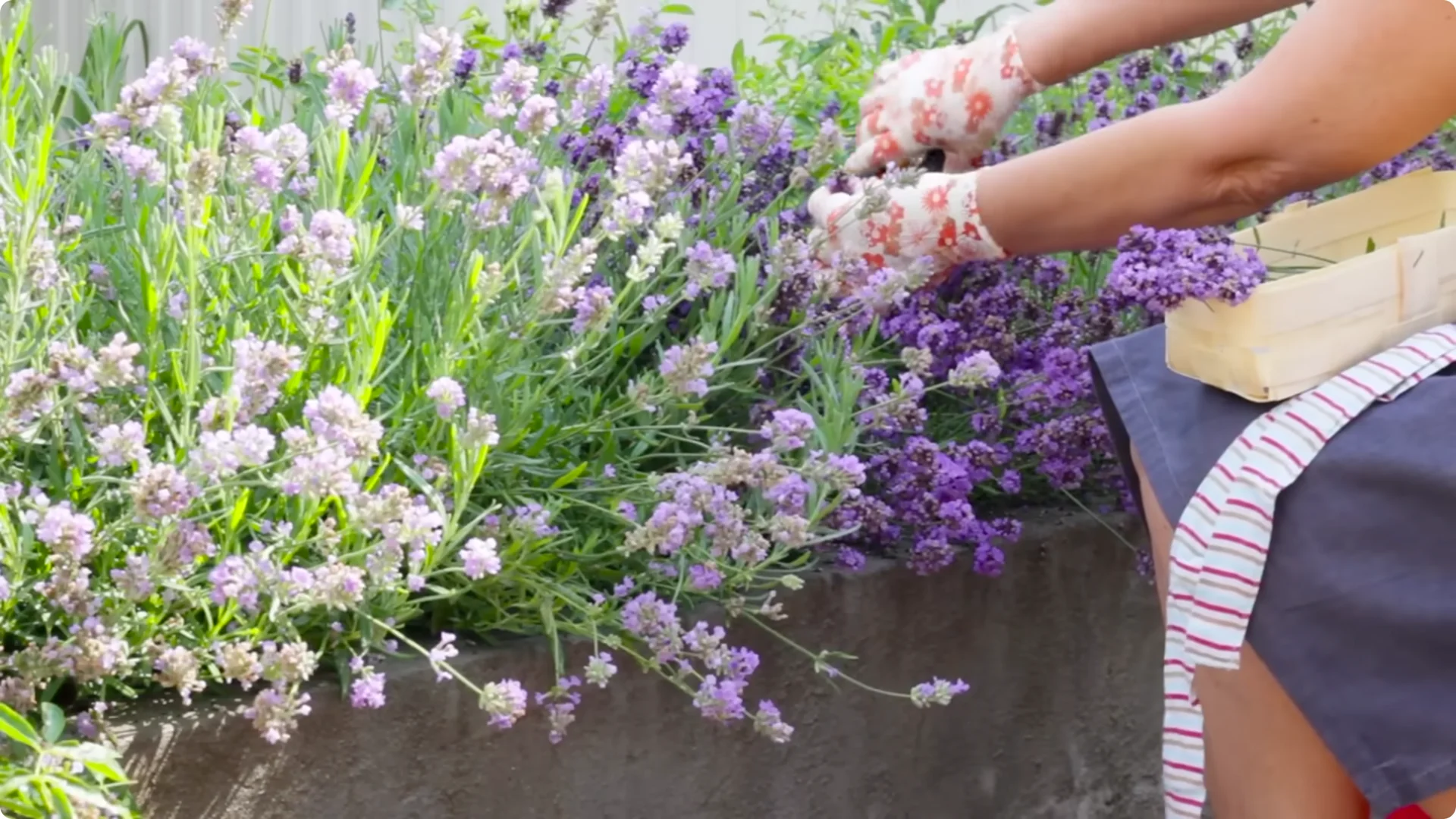
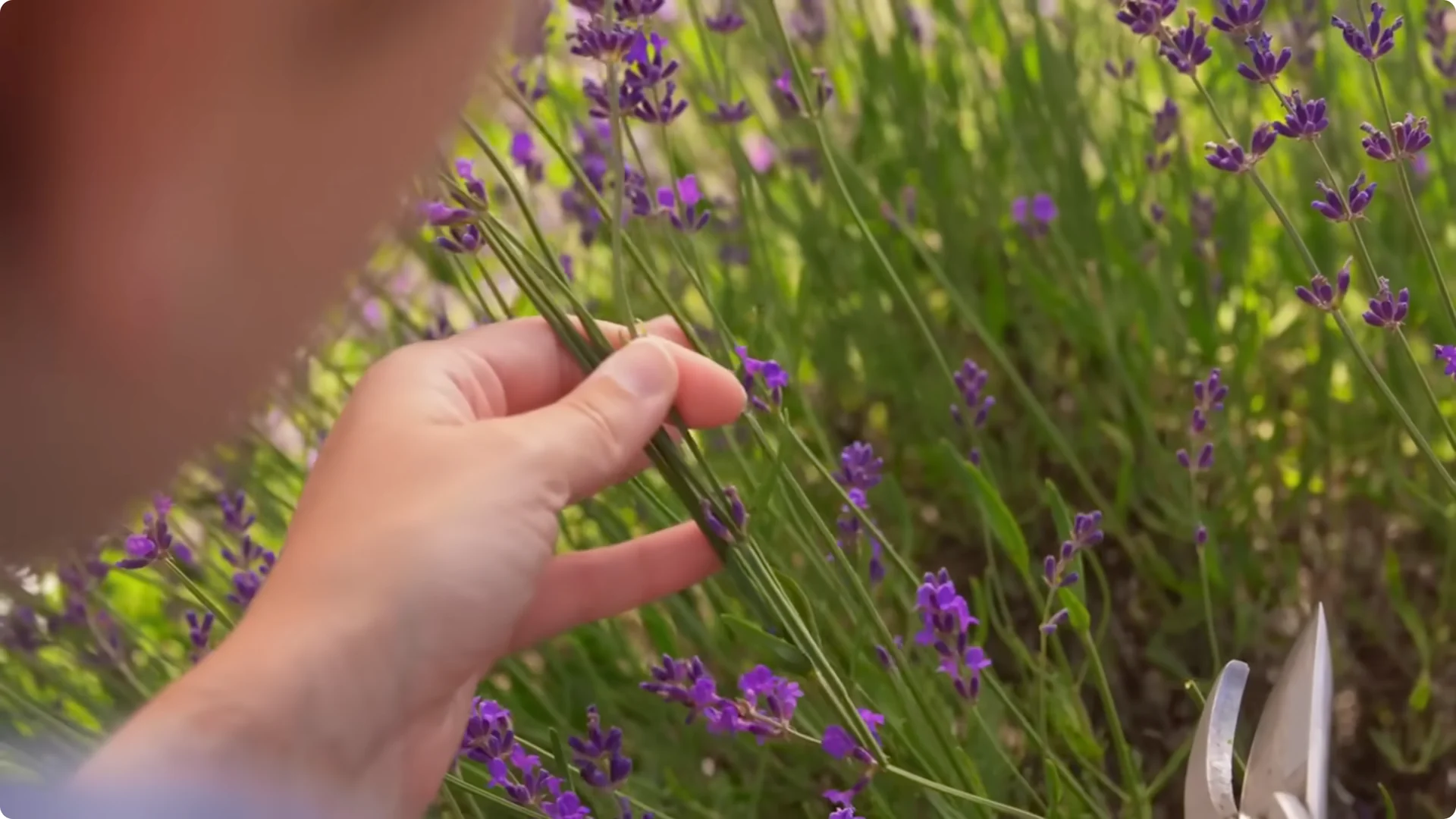
- After flowering (late summer to early autumn): Remove spent flower stems plus 1-2 inches of green growth, reshaping to a dome.
Absolute rule:
- Never cut into bare, woody stems. Lavender wood does not resprout. Always leave at least 1 inch of green above the wood.
- Start in year one and stay consistent for plants that look great for 10-15 years.
Read More: heat-loving zinnias
Lavender Cultivation Best Practices Varieties
Choose based on your climate first:
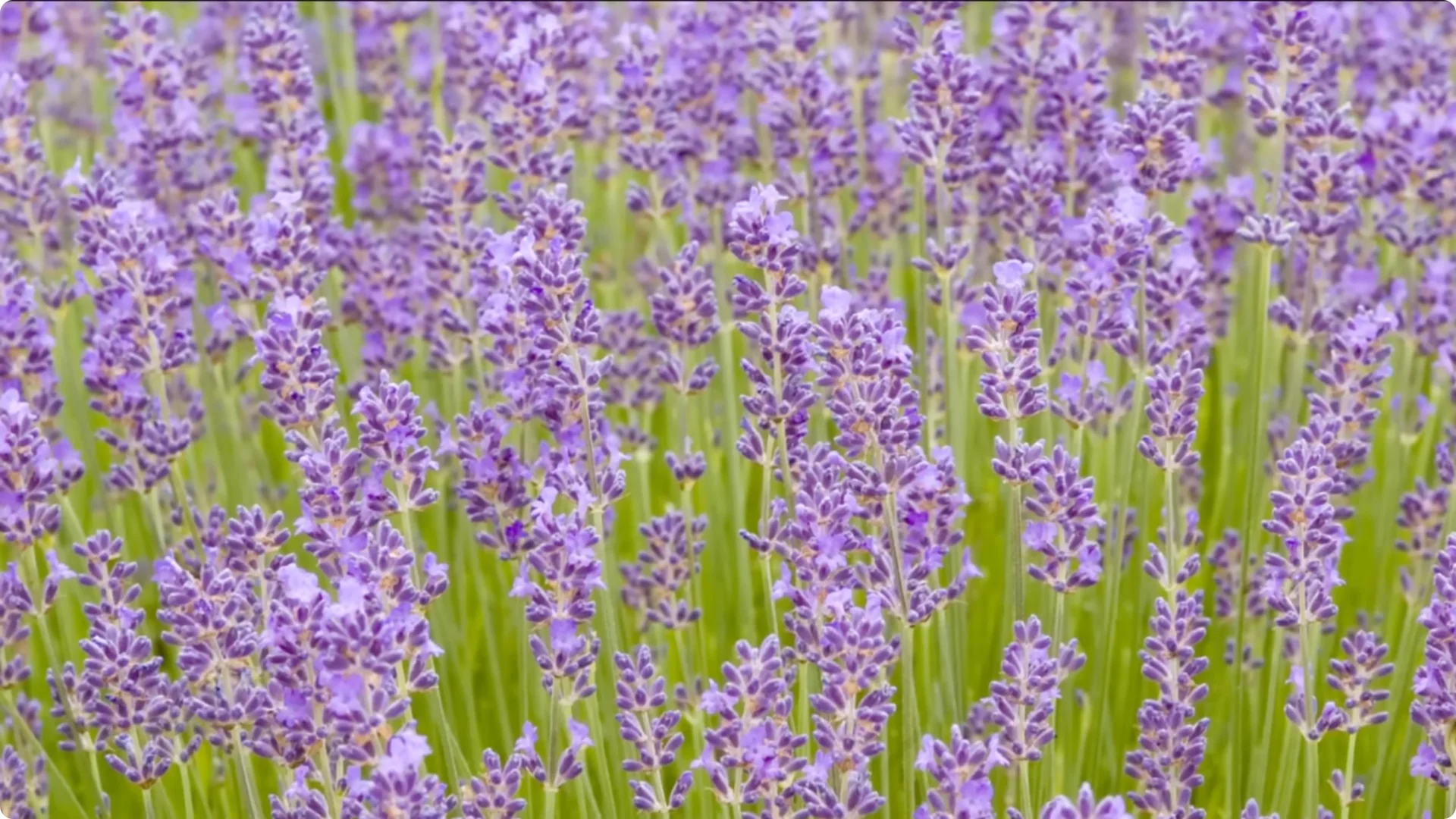
English lavender (Lavandula angustifolia – Munstead, Hidcote): Best cold tolerance and top culinary fragrance. Great for real winters. Struggles in heavy humidity.
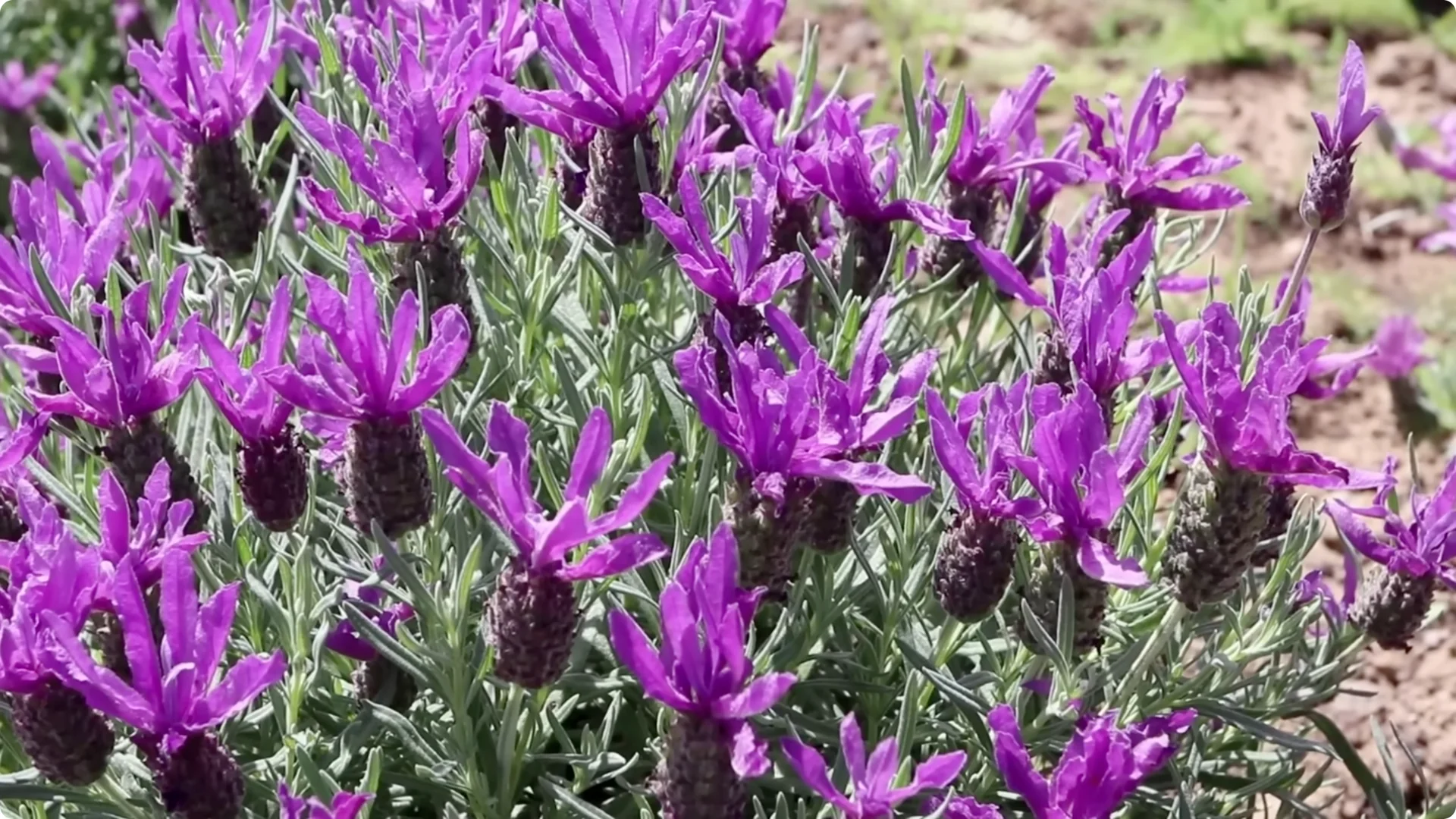
French and Spanish lavender (Lavandula stoechas): Showy, with tufted bracts. Tender and frost-averse. Suited to mild coastal areas or pots you can move indoors. Short-lived in cold zones.
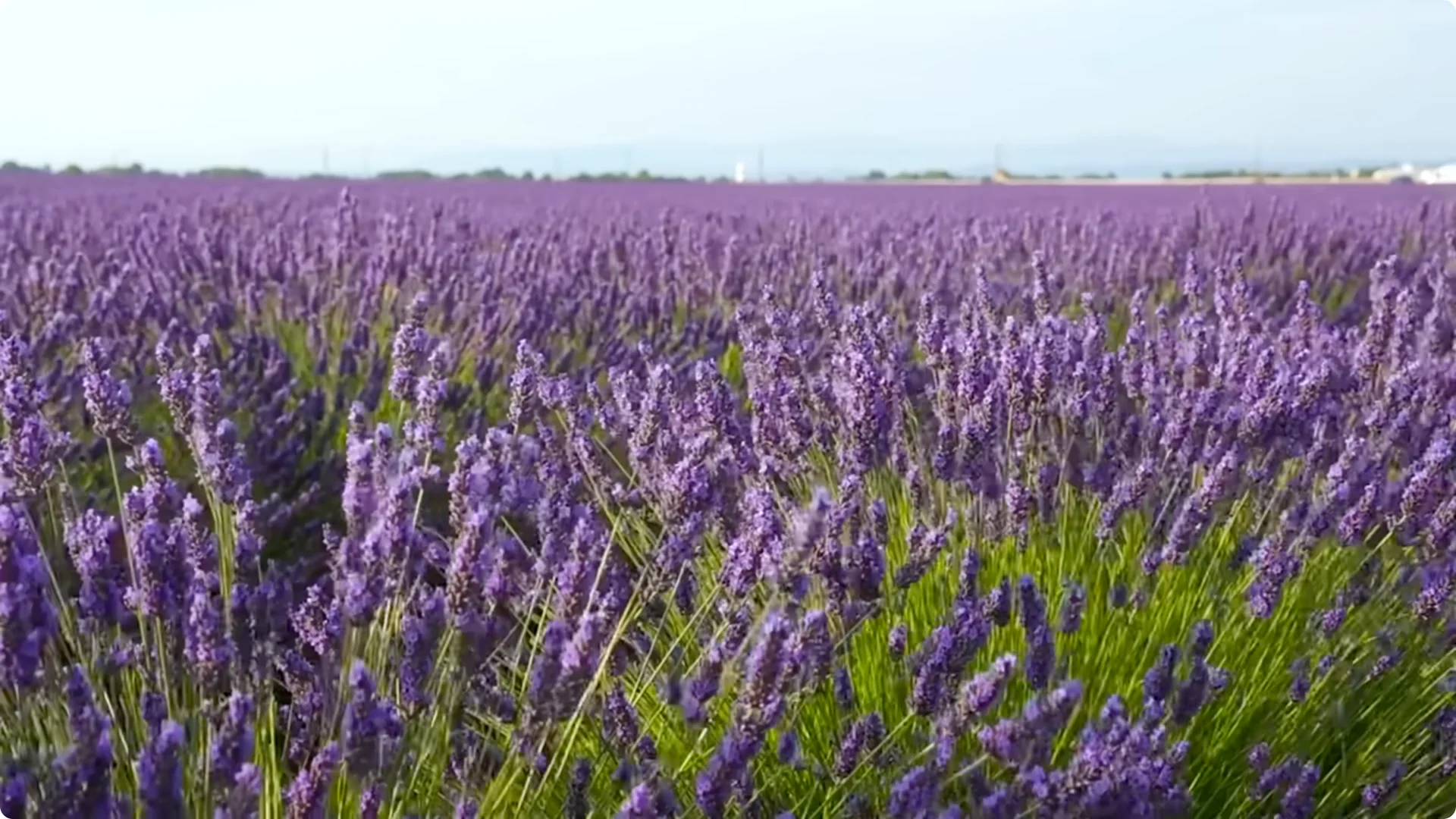
Lavandin hybrids (Lavandula x intermedia – Grosso, Provence): Big, tough, heat-tolerant, and more forgiving. Strong choice for many regions that are not extreme.
Match the group to your conditions honestly for long-term success.
Lavender Cultivation Best Practices Quick Checklist
Sun: 6-8 hours minimum.
Soil: Fast-draining, gritty, and lean.
Planting: Wide hole – shallow depth – gritty backfill – raised mound.
Water: Establish, then rarely. No winter water.
Containers: Terracotta, extra holes, no saucer.
Pruning: Spring dome and post-bloom trim. No cuts into wood.
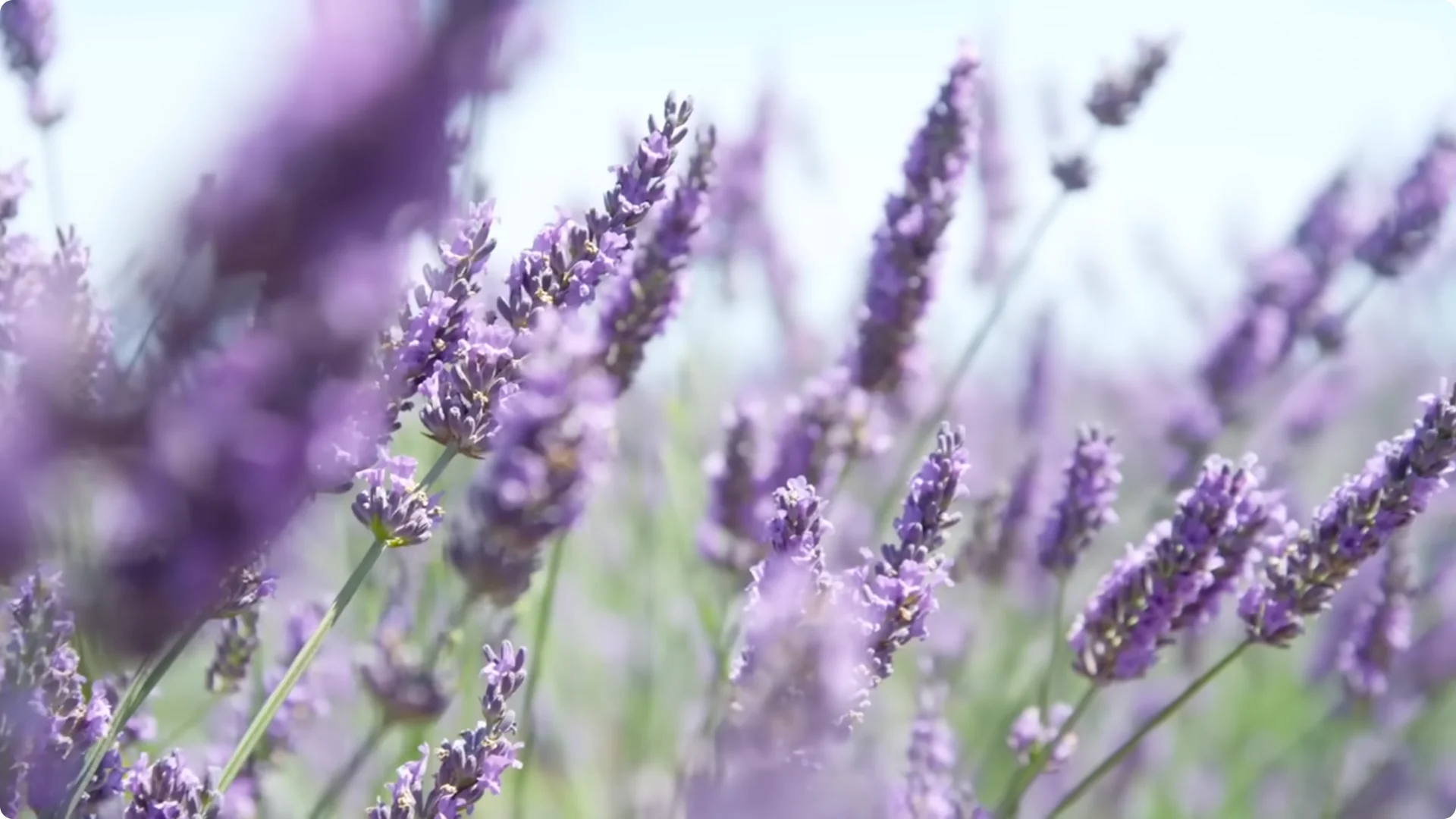
Variety choice: English for cold, stoechas for mild frost-free spots, lavandin for broad adaptability.
Final Thoughts
Grow lavender by copying its wild roots: sun, stress, sharp drainage, sparse water, and strict pruning above the wood. Pick the right variety for your climate and keep the soil lean. Do this, and your plants will bloom harder with far less work.