
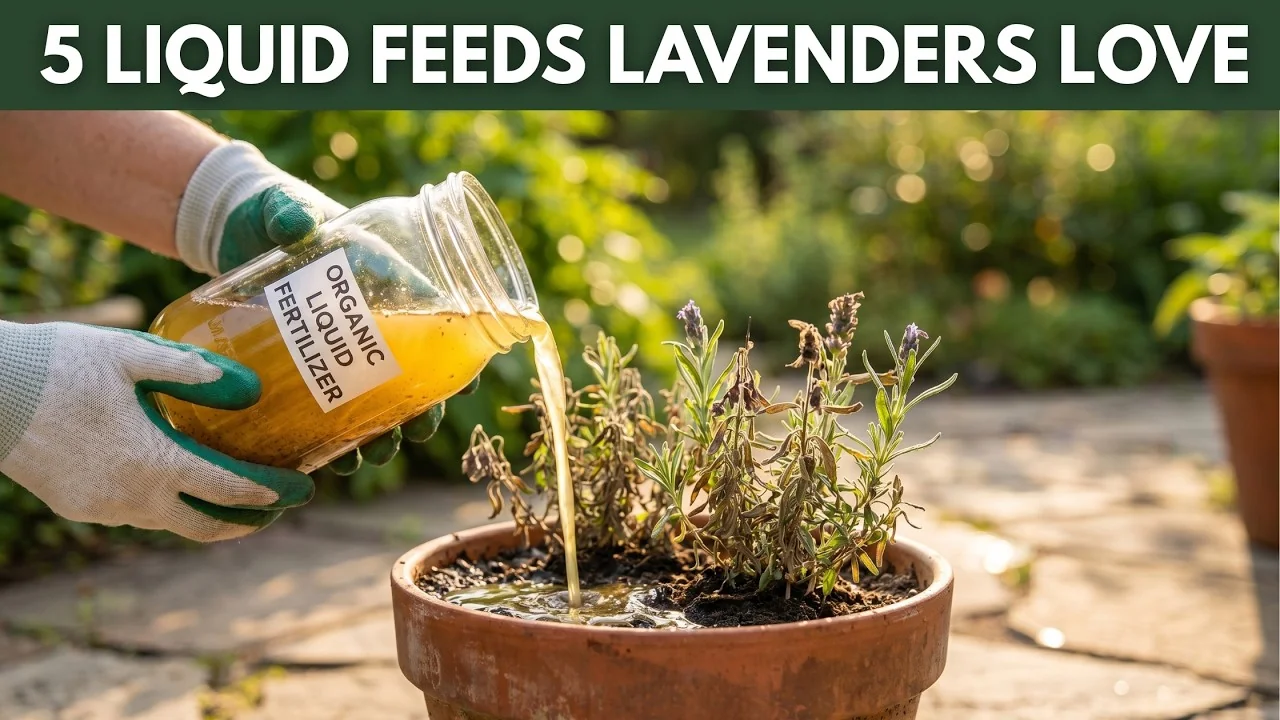
Look at that lavender plant sitting in front of you right now. The stems are gray and brittle, and the leaves have curled up like little dried out fists. There is barely a hint of purple left, and you have already half decided to rip it out and toss it on the compost pile.
Stop. Put the trowel down. It is almost never a dead plant. It is a starving one.
I am going to show you exactly how to bring it roaring back using five natural fertilizers you already have in your kitchen, your bathroom, and maybe even your fireplace. By the end, you will understand why your lavender collapsed, which five homemade feeds wake it up almost overnight, and the exact way to apply each one so you do not accidentally finish off the plant you are trying to save. No expensive products, no garden center trips, no complicated chemistry.
If your lavender looks more like a tumbleweed than a fragrant purple cloud, this is the rescue plan. Here is how to do it.
Why Natural Fertilizers for Lavender Matter
Before you feed a single thing, you need to understand what actually happened, because if you skip this part you will just repeat the mistake. Lavender is a Mediterranean plant. In its native home it grows on rocky hillsides, in poor gritty soil, baking under the sun with hardly any water and almost no rich nutrients.
That tells you something important. Lavender does not die from neglect. It dies from kindness.
It dies from too much water, soil that holds moisture like a sponge, and from being smothered with the wrong kind of food. When you see those brittle gray stems, scratch one with your fingernail. If you see even a thin streak of green under the bark, that plant is alive and waiting.
The roots are usually still holding on, just exhausted and choked. It needs gentle mineral rich nourishment that strengthens the roots, sweetens the soil, and gives it the specific elements it has been crying out for. That is where these five fertilizers come in.
Each one solves a different piece of the puzzle. Use them in the order I give you and you will be amazed at what happens within days.
Read More: One Spoonful Revives Withered Orchid Branches
1. Eggshells for Natural Fertilizers for Lavender
Start here, because this is the one that fixes the most common silent killer of lavender, and that is sour acidic soil. Lavender loves soil that leans slightly alkaline, around a pH of seven to eight. Most garden soil, especially if you have been watering with tap water or growing in a pot for a while, slowly turns acidic.
To lavender, acidic soil feels like trying to breathe through a wet blanket. The roots cannot take up nutrients properly, so even if food is present, the plant slowly chokes. Eggshells are almost pure calcium carbonate, the same compound found in garden lime, and they gently nudge your soil back toward that sweet, slightly alkaline range lavender adores.
Here is the trick most people get wrong. You cannot just toss whole shells on top of the soil and expect magic. Whole shells take months, sometimes years, to break down.
Save up a dozen eggshells, rinse them, and let them dry out completely. Crush them as finely as you can. A coffee grinder or a blender turns them into a near powder, and that powder works almost instantly.
Sprinkle two heaping tablespoons of that fine eggshell powder around the base of your lavender, scratch it lightly into the top inch of soil with your fingers, and water it in gently. Within a week or two that calcium starts buffering the soil pH, and you will often see new gray green shoots appear at the base. Repeat this once a month and you will not deal with sour soil again.
2. Wood Ash for Natural Fertilizers for Lavender
If you have a fireplace, a wood stove, or a fire pit out back, you are sitting on one of the most powerful free fertilizers for lavender. Wood ash is loaded with potassium, the nutrient directly responsible for strong stems, disease resistance, and those abundant flowers you are growing lavender for in the first place. It is also strongly alkaline, so it works with your eggshells to keep the soil exactly where lavender thrives.
This is the fertilizer that often produces the most dramatic, fastest visible response, because a struggling lavender is almost always potassium starved. But wood ash is powerful, and powerful things are easy to overdo. Too much ash will spike the pH too high and burn the roots.
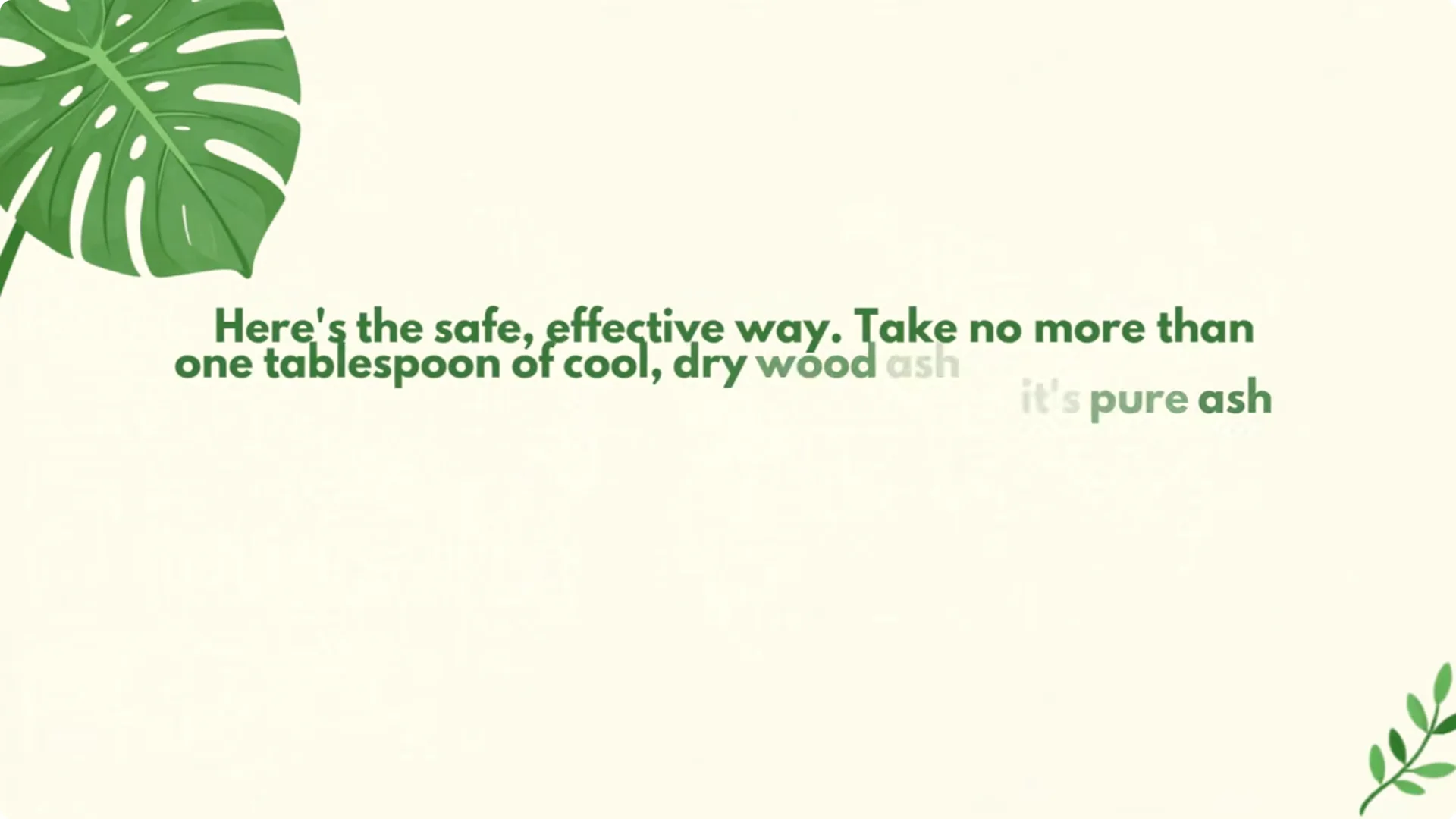
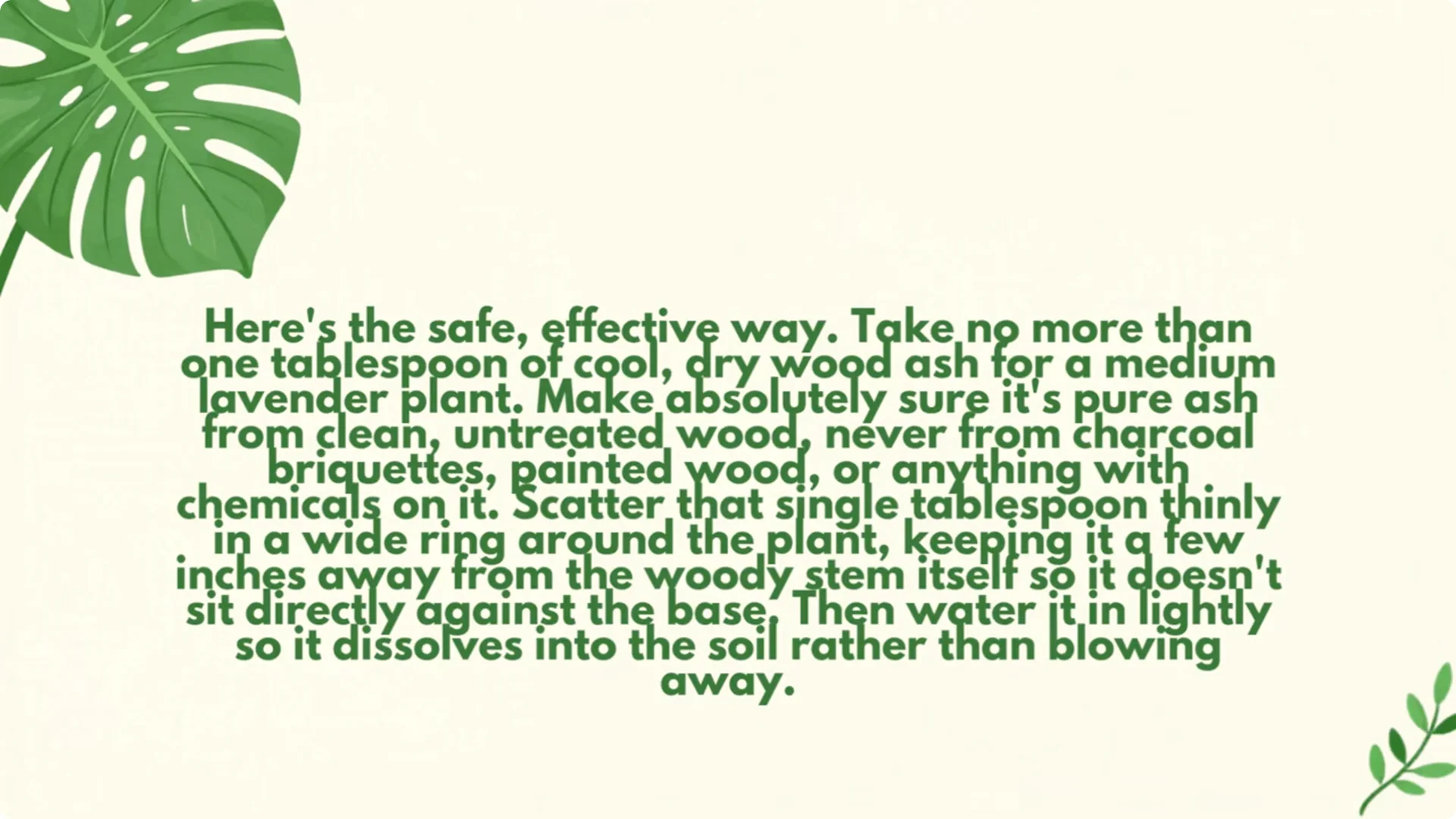
Take no more than one tablespoon of cool dry wood ash for a medium lavender plant. Make sure it is pure ash from clean untreated wood, never from charcoal briquettes, painted wood, or anything with chemicals. Scatter that single tablespoon thinly in a wide ring around the plant, keeping it a few inches away from the woody stem.
Water it in lightly so it dissolves into the soil rather than blowing away. Do this once, wait two weeks, and watch, and use it no more than once every six weeks. With wood ash, restraint is the whole game.
3. Banana Peel Water for Natural Fertilizers for Lavender
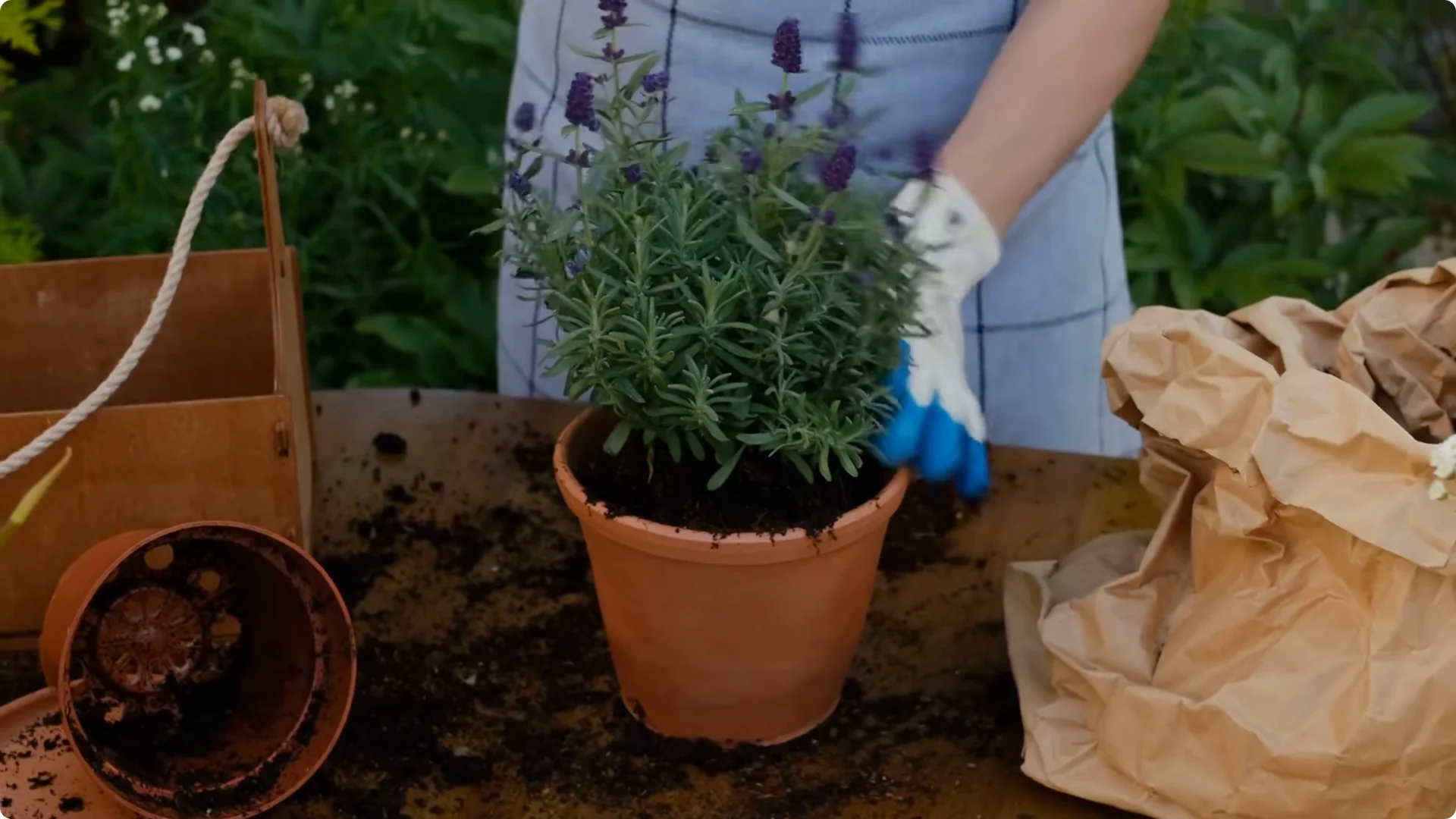
Now we shift from the soil chemistry to the roots themselves, and this is where the humble banana peel earns its place. Banana peels are rich in potassium and phosphorus, two elements that work together to rebuild a damaged root system and set the stage for flowering. Phosphorus is the root builder, the nutrient that tells an exhausted plant it is safe to start pushing fresh roots out into the soil again.
You might have heard people say to bury banana peels in the soil. Do not do that with lavender. A buried peel holds moisture and rots, and moisture sitting around lavender roots is exactly what you are trying to avoid.
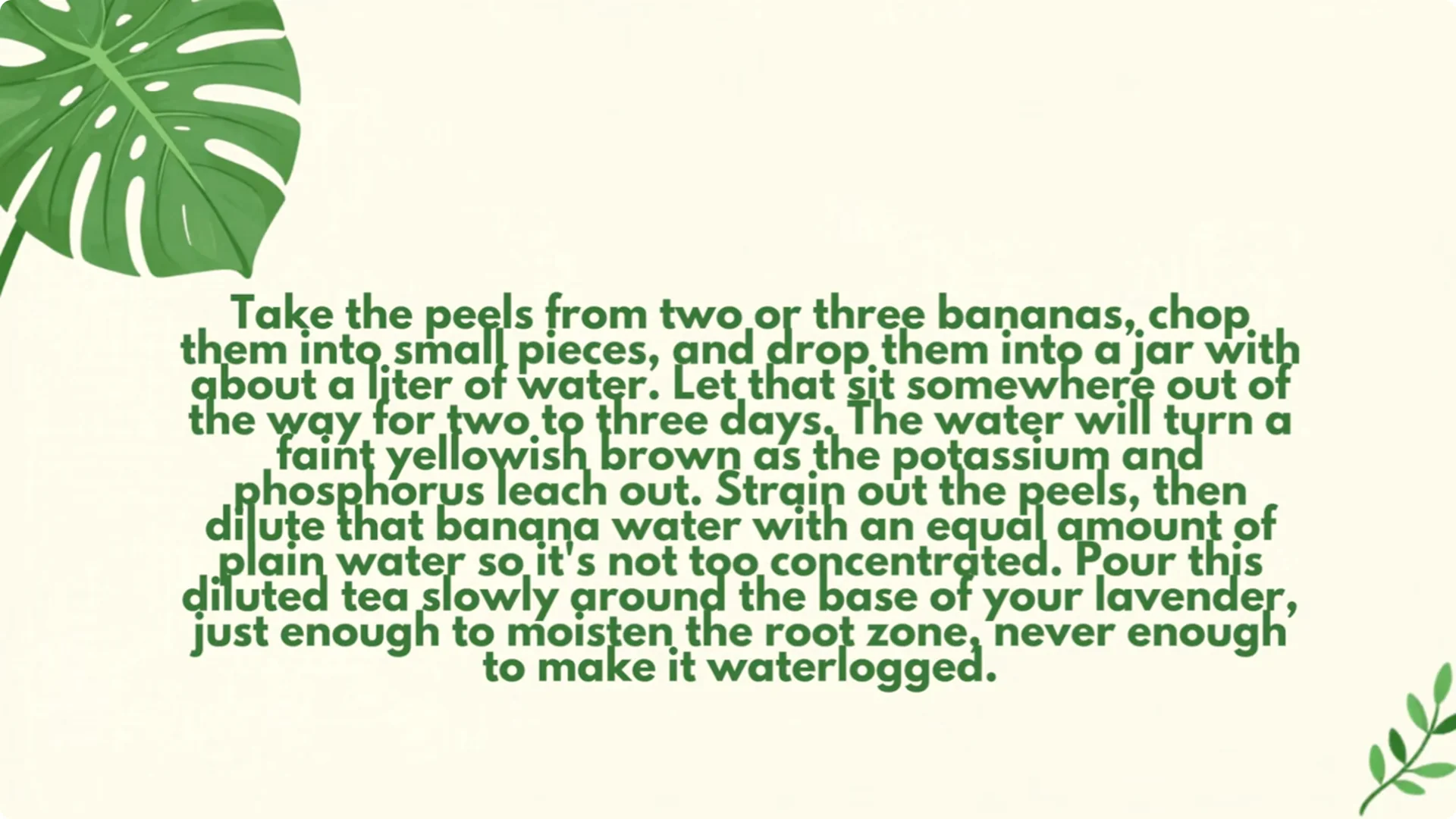
Make a gentle banana tea that delivers the nutrients without the soggy mess. Take the peels from two or three bananas, chop them into small pieces, and drop them into a jar with about a liter of water. Let that sit out of the way for two to three days.
The water will turn a faint yellowish brown as the potassium and phosphorus leach out. Strain out the peels, then dilute that banana water with an equal amount of plain water so it is not too concentrated. Pour this diluted tea slowly around the base of your lavender, just enough to moisten the root zone, never enough to make it waterlogged.
Because lavender hates wet feet, only do this every two to three weeks, and always let the soil dry out fully between feedings. This is your slow steady recovery feed, the one that works quietly underground while the others handle the soil up top.
Read More: One Cup Weekly Revives Orchid Blooms
4. Coffee Grounds for Natural Fertilizers for Lavender
Used coffee grounds come with a warning, because they are the single most misunderstood lavender fertilizer on the internet. You will see advice telling you to dump grounds around every plant you own. For most lavender, doing that is a death sentence, because used grounds are mildly acidic and lavender hates acid.
So why include it at all. Used correctly, in the right tiny amount, coffee grounds deliver a slow trickle of nitrogen and organic matter that gives a recovering plant just enough of a push to put out new green growth without going soft. The secret is moderation and balance.
Take used coffee grounds that have already been brewed, never fresh grounds. Let them dry out on a plate first. Take no more than a single teaspoon, scatter it thinly over the soil surface around the plant, and gently mix it into just the very top layer.
Water lightly. That is it. One teaspoon once a month at the very most.
Think of coffee grounds as a spice, not a meal. Use them like that and you will get a gentle flush of fresh foliage. Dump a mug full on and you will undo every other thing you have done.
5. Epsom Salt for Natural Fertilizers for Lavender
This one produces what is honestly the most satisfying, fastest visible result of the whole list. Epsom salt is simply magnesium sulfate, and it delivers two nutrients that lavender needs and that are almost always missing in tired soil. Magnesium sits at the center of every chlorophyll molecule, which means it is the engine of green color and photosynthesis.
When lavender goes pale, yellowish, and washed out, a magnesium deficiency is often the culprit. Sulfur helps the plant process nutrients and intensifies the fragrance in the foliage. Give a magnesium starved lavender a dose of Epsom salt and the green up can happen fast, sometimes within days.
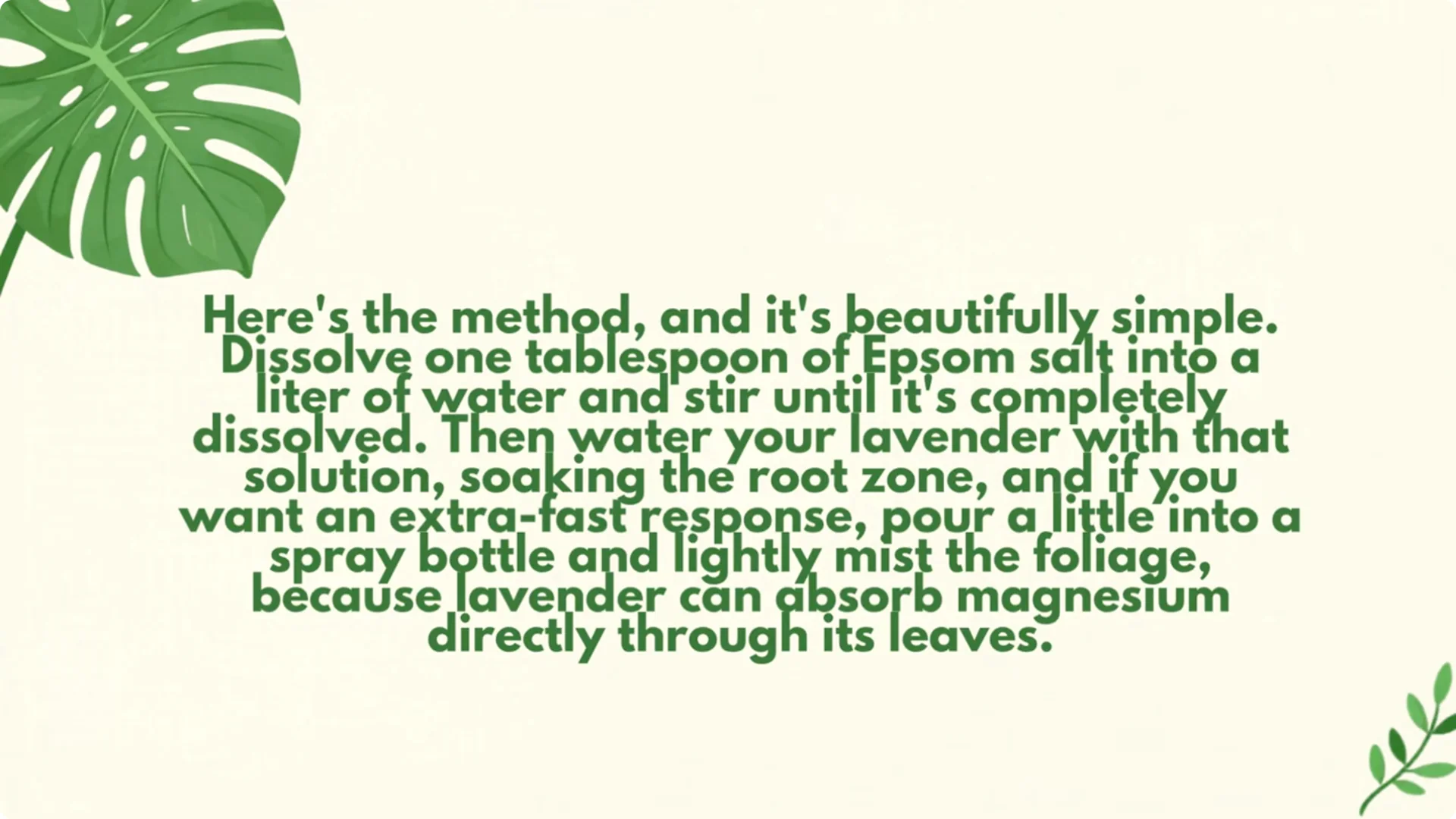
Here is the method, and it is simple. Dissolve one tablespoon of Epsom salt into a liter of water and stir until it is completely dissolved. Then water your lavender with that solution, soaking the root zone, and for an extra fast response, lightly mist the foliage because lavender can absorb magnesium through its leaves.
Do this once every three to four weeks during the growing season. It is gentle and pH neutral, so it will not fight your other feeds. This is your finishing touch, the one that turns a recovering plant into a thriving one.
Putting It Together for Natural Fertilizers for Lavender
Week one foundation
Start by fixing the foundation. In week one, apply your crushed eggshell powder and a single tablespoon of wood ash to correct the soil pH and load it with calcium and potassium. Give the plant a few days to respond.
Week two roots
Around week two, water in your diluted banana peel tea to start feeding the roots and waking up new growth underground. Let the soil dry fully between waterings. Watch for quiet progress below the surface.
Week three green up
Move into week three with your Epsom salt solution for that magnesium boost and the fast green up. If your plant is showing pale tired foliage, this is the moment you will see the biggest change. New growth comes in vivid and healthy.
Leafy push
Save the coffee grounds for last and use them only sparingly once the plant is already showing signs of life. That single teaspoon encourages a little more leafy growth without tipping the balance. Keep the dose tiny.
Monthly rhythm
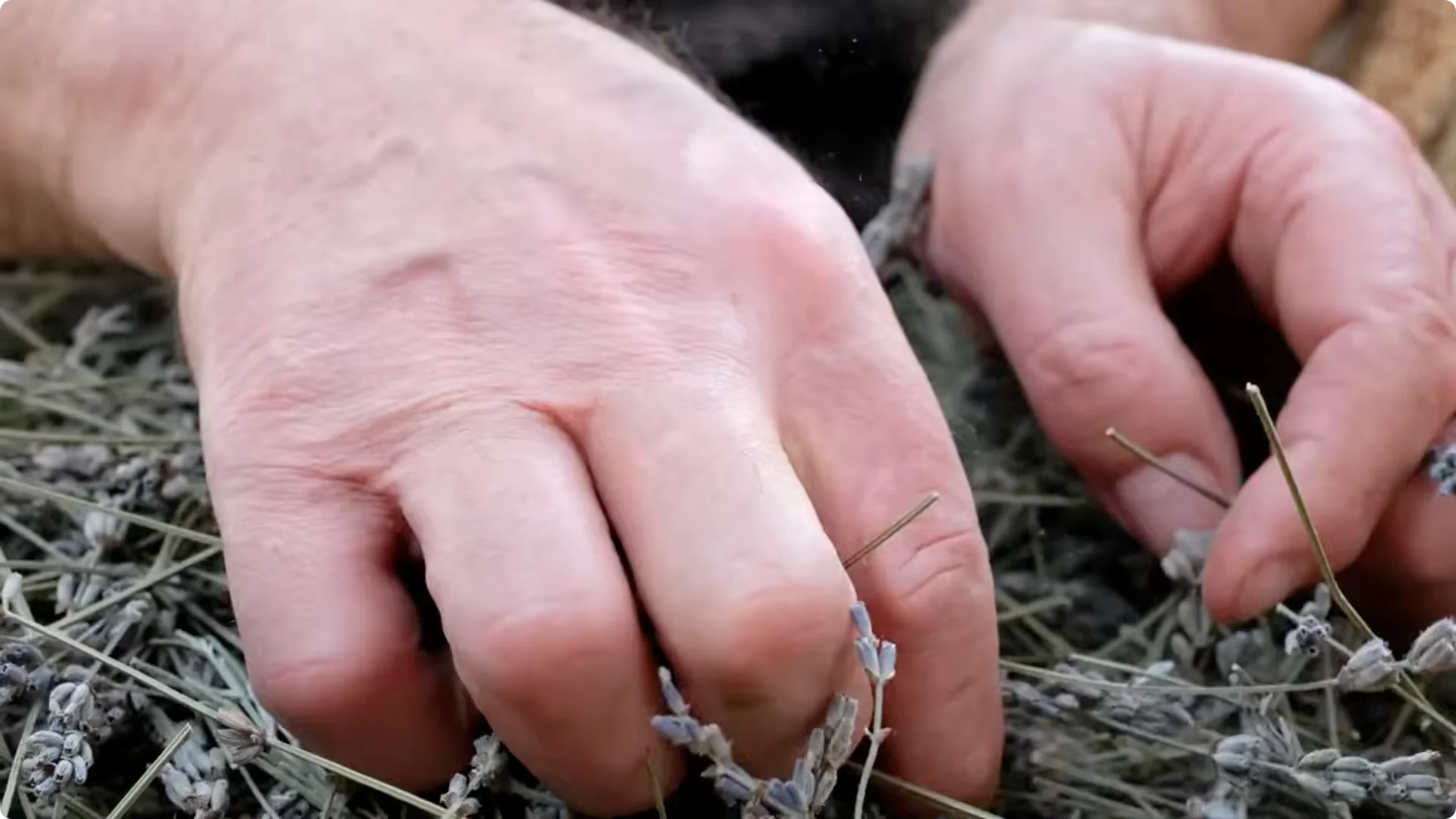
Settle into a gentle monthly rhythm, rotating these feeds rather than piling them on all at once. Pace and spacing matter as much as ingredients. Your goal is steady recovery, not a feast.
Read More: Simple Method Propagate Roses 5
Watering rule
Lavender would rather be hungry and dry than wet and overfed. Let the soil dry out between every watering and feeding. Make sure your pot has drainage holes or your garden bed drains freely.
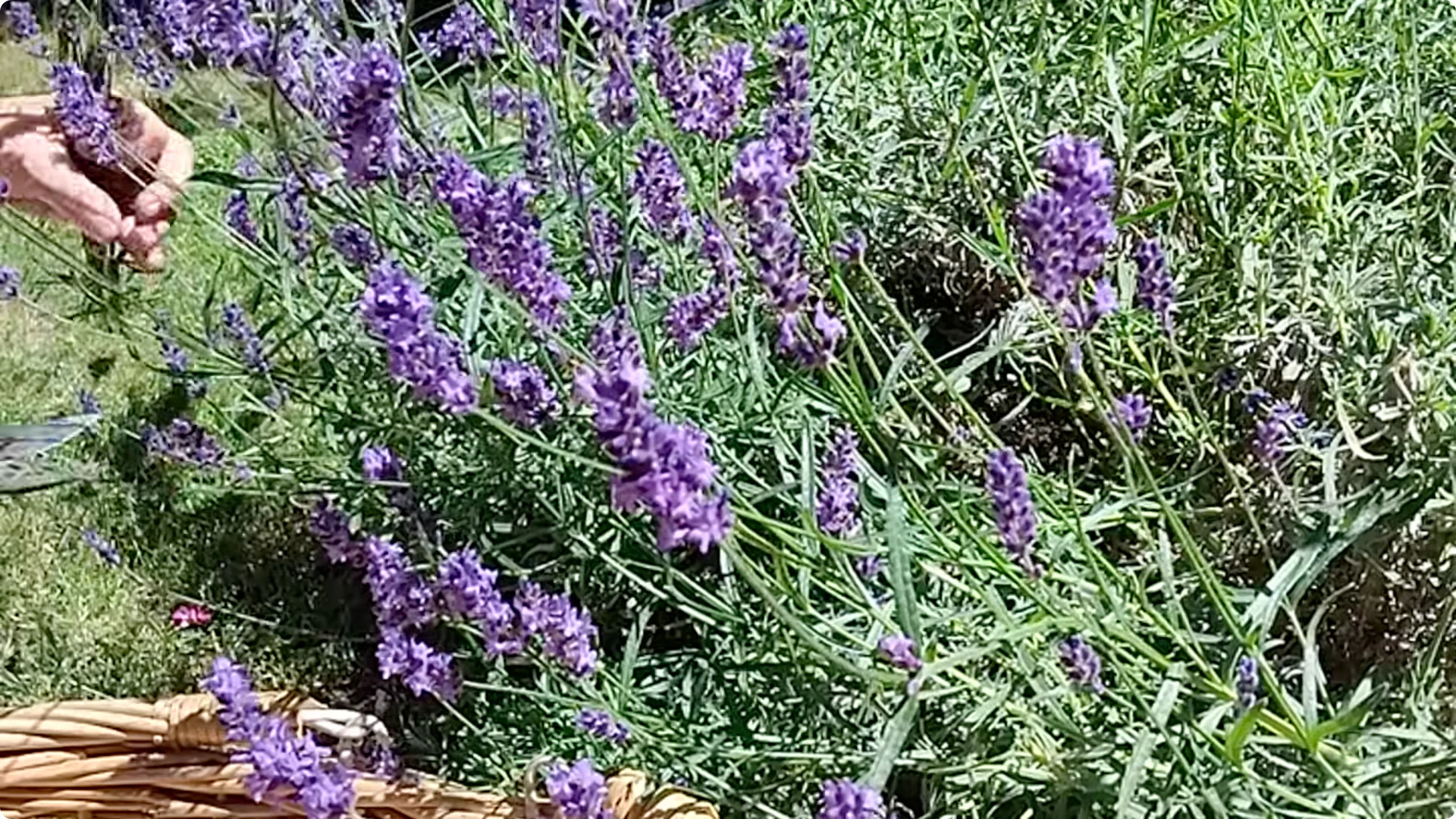
Within three to four weeks of following this rhythm, that plant you were about to throw away will be pushing out fresh silvery green shoots and firming up its stems. It will be getting ready to flower again. I have watched it happen on plants that looked completely beyond saving, and it feels like a small miracle.
Go out to that lavender you had given up on, scratch a stem, and look for that little streak of green. If it is there, your plant is alive, and you now have everything you need to bring it back. Start with the eggshells and the ash today.
Final Thoughts on Natural Fertilizers for Lavender
Check for life under the bark, correct the pH, and feed in a calm sequence. Strengthen roots, green up the foliage, and keep the soil on the dry side. Follow the doses and the spacing, and your lavender will repay you with fragrance and flowers.