
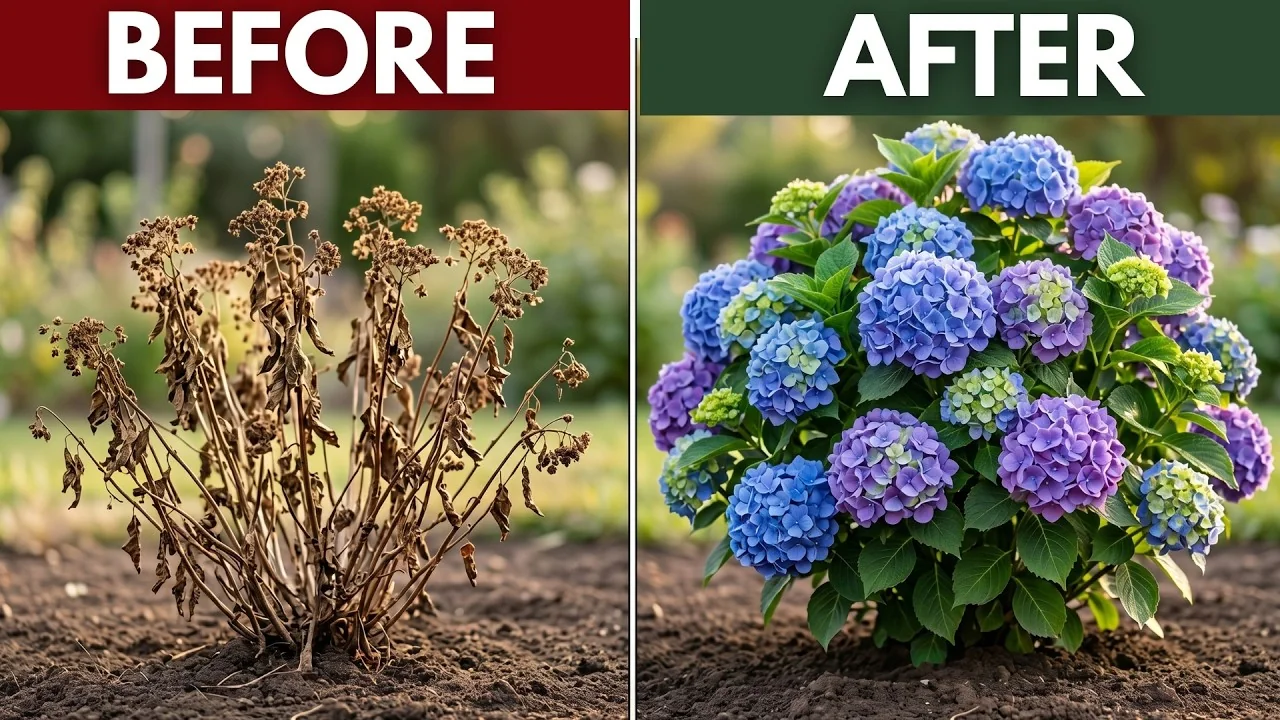
Hydrangeas that wilt, stall, or refuse to bloom are usually suffering from a few hidden mistakes. Fix these once and your shrubs toughen up, flower hard, and need far less attention.
Here are the five Hydrangea Care Secrets most guides miss, plus a quick troubleshooting map you can use on any plant in your yard.
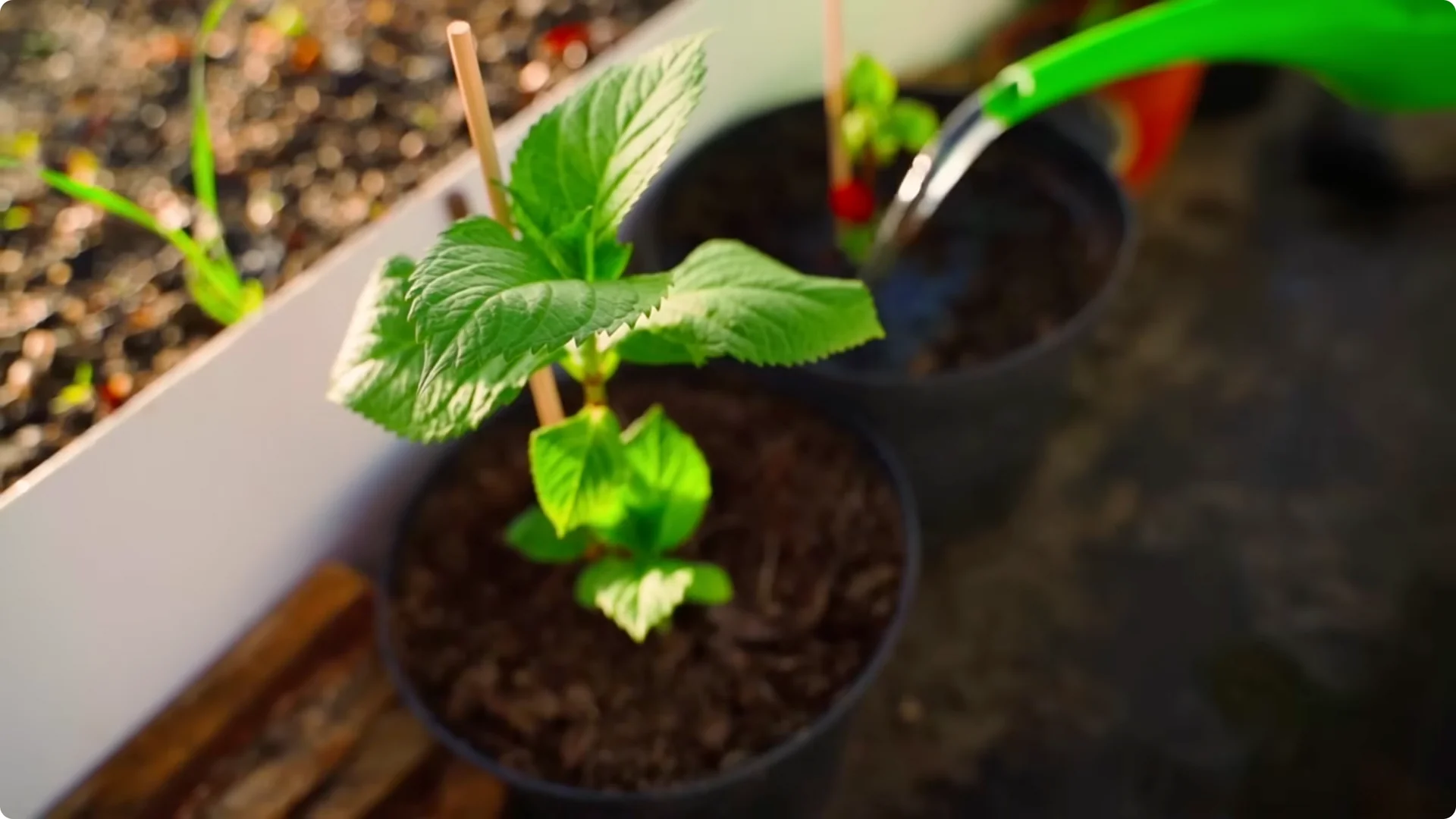
Hydrangea Care Secrets: Water Deep, Not Often
Hydrangea leaves shed moisture fast. Light daily sprinkles leave roots shallow and stressed even when soil feels damp.

- How to water:
– Soak the root zone once or twice a week. Use a slow trickle for several minutes so water sinks, not runs off.
– Aim at the base, not the foliage, to cut disease risk.
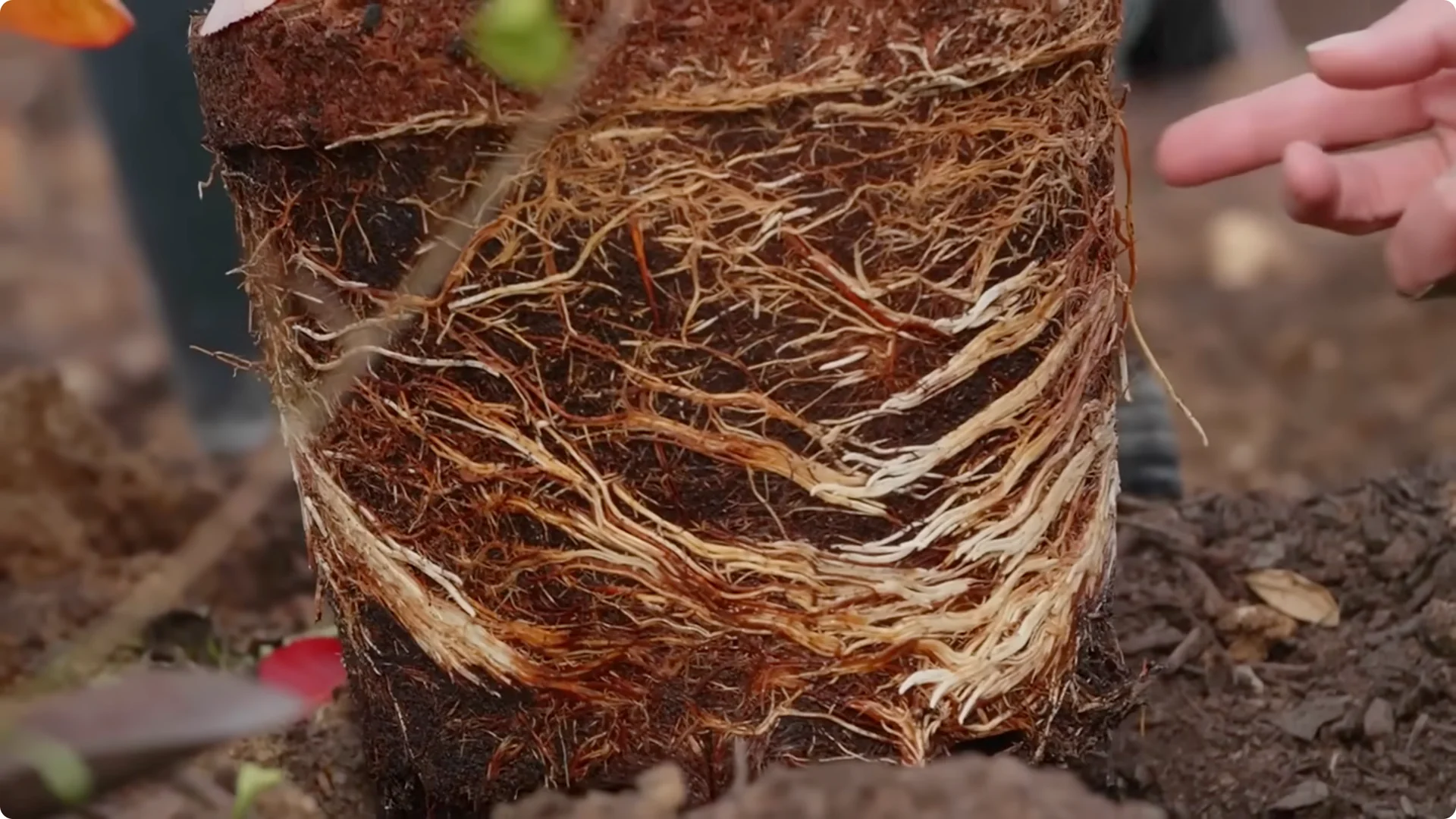
– Mulch 3 inches with organic material. It cools roots, slows evaporation, and can trim watering needs by up to 40 percent.

- Do this: Train roots downward with deep soaks.
- Skip this: Shallow daily watering that keeps roots at the surface.
If overwatering trips you up, the restraint and rhythm in smart succulent care help. See these practical aloe vera growing tips.
Hydrangea Care Secrets: Prune at the Right Moment
Pruning at the wrong time quietly erases next year’s flowers. Many types set buds well before winter.

- Know your wood:
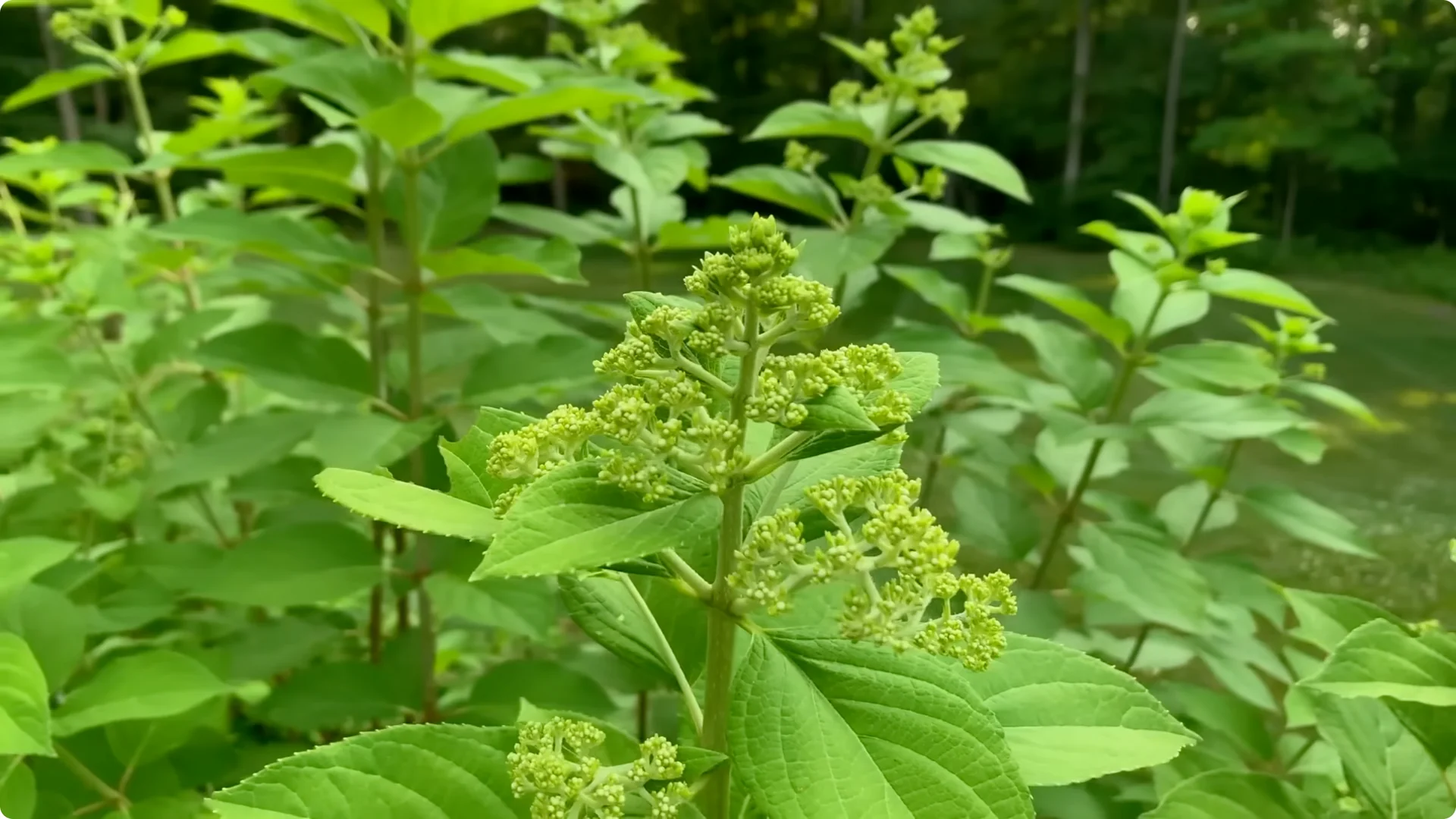
– Old wood bloomers: Bigleaf and oakleaf form next year’s buds on this year’s stems. Prune right after flowering in summer.

– New wood bloomers: Panicle and smooth make buds on fresh growth. Prune in late winter for bigger blooms.
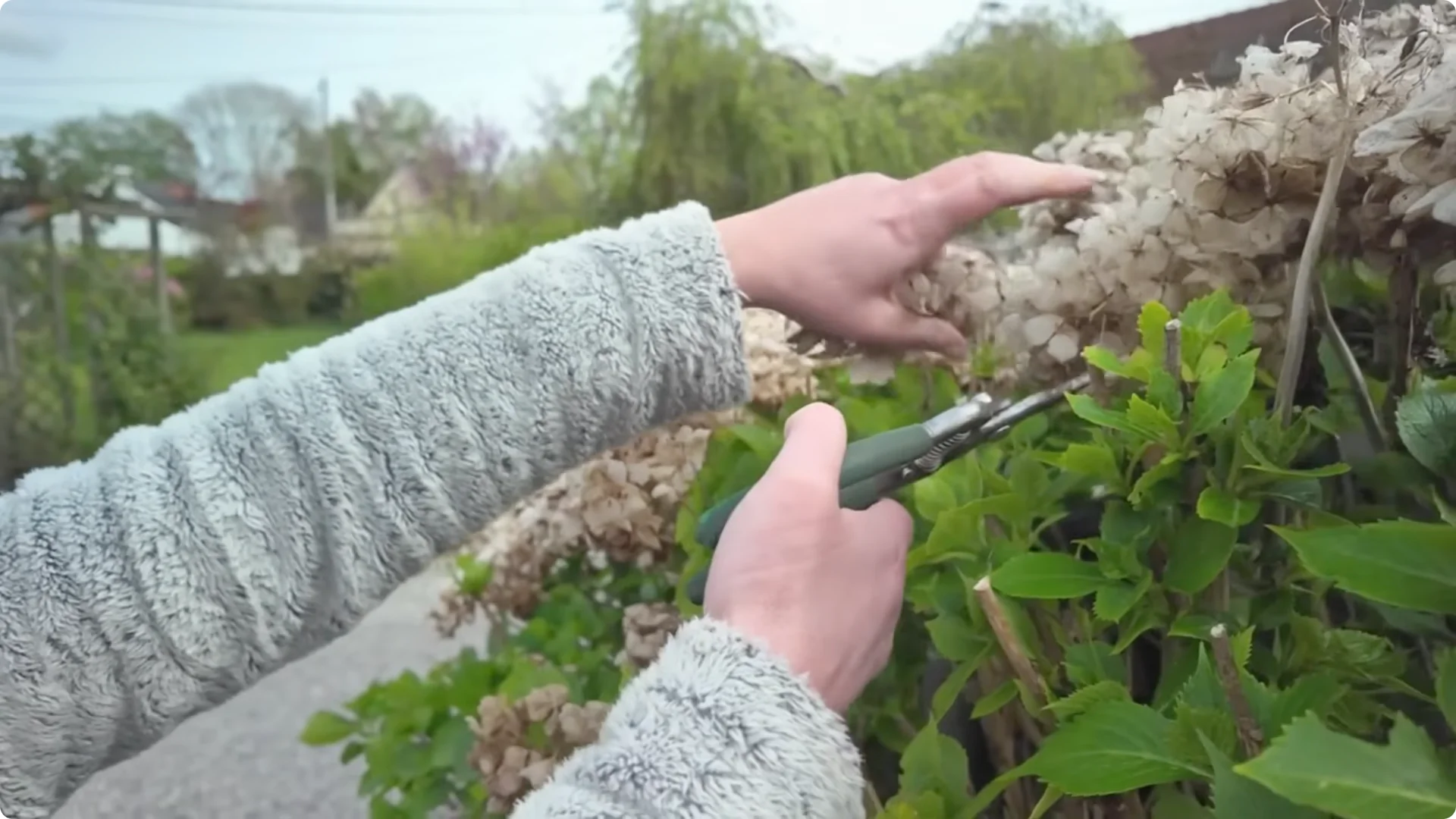
- Golden rule: If you are unsure of the type, do not prune in autumn or early spring. Shape plants immediately after flowers fade in summer.

Hydrangea Care Secrets: Tune Soil pH for Color and Uptake
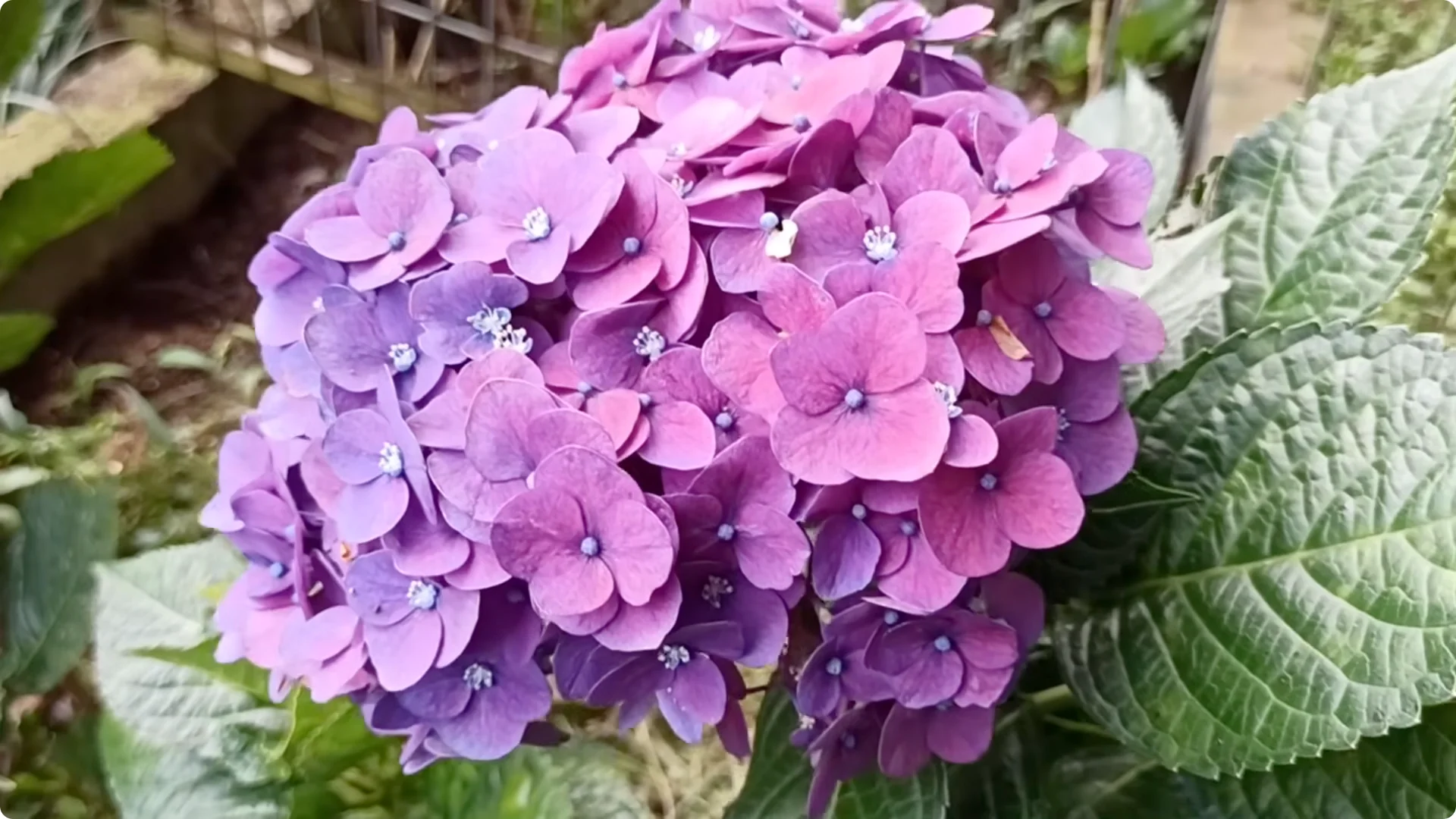
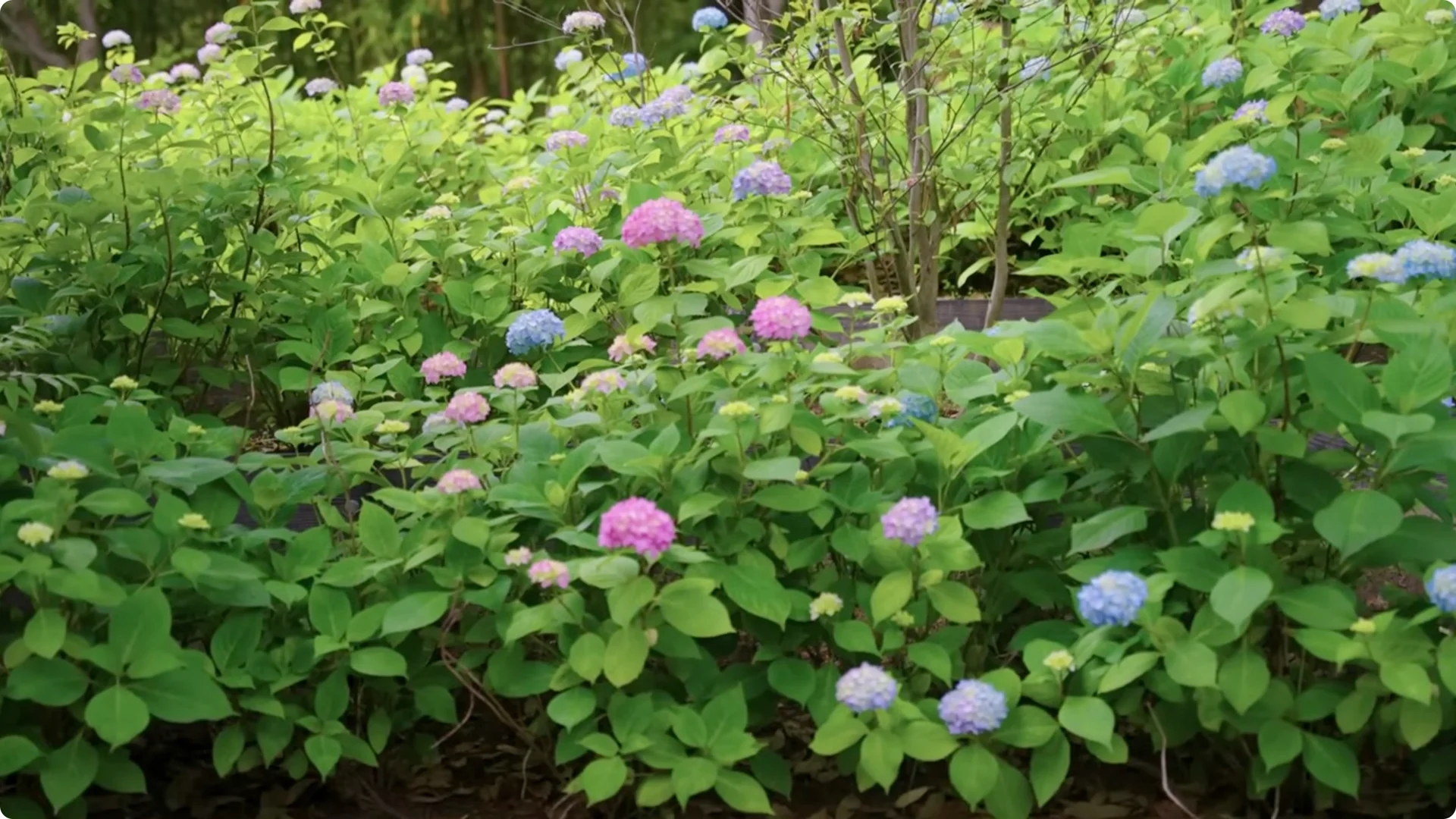
Bloom color on bigleaf hydrangeas shifts with aluminum availability, which is controlled by soil pH.
- Targets:
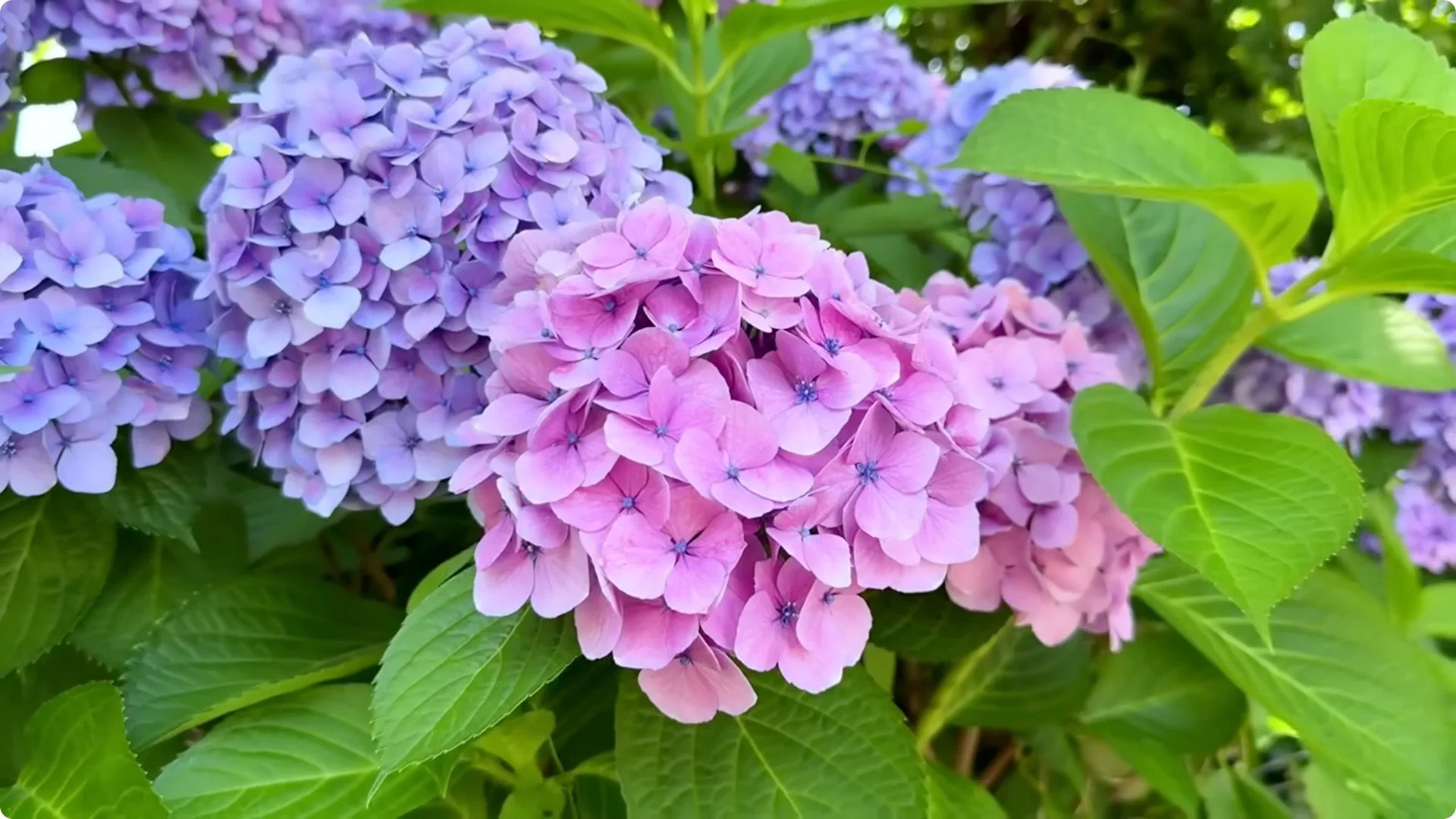
– Blue: Acidic soil pH 4.5 to 5.5. Add sulfur or aluminum sulfate in early spring.

– Pink: Alkaline soil pH 6.5 to 7+. Add garden lime.
- Important:
– Changes take about one season to show fully.
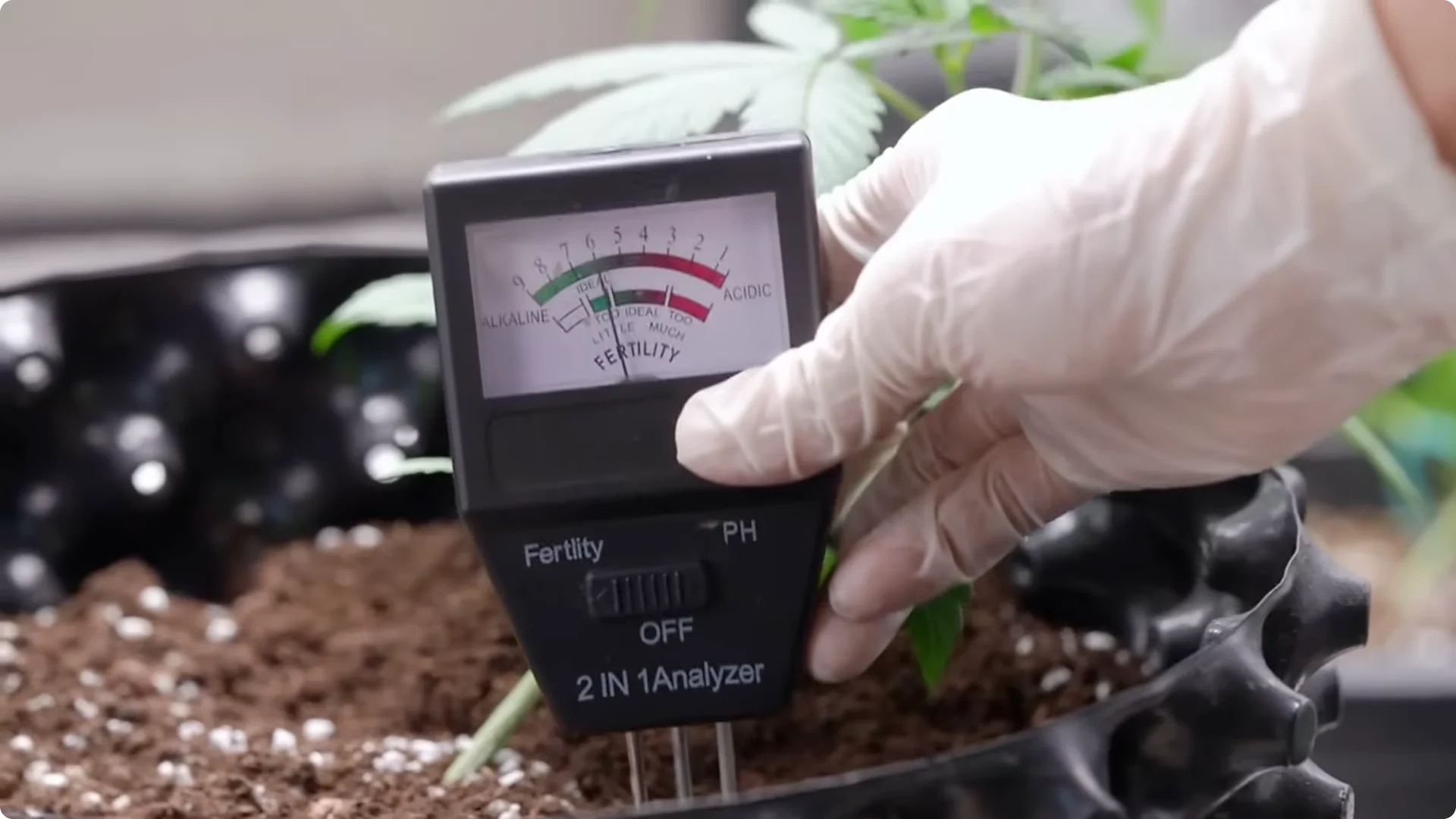
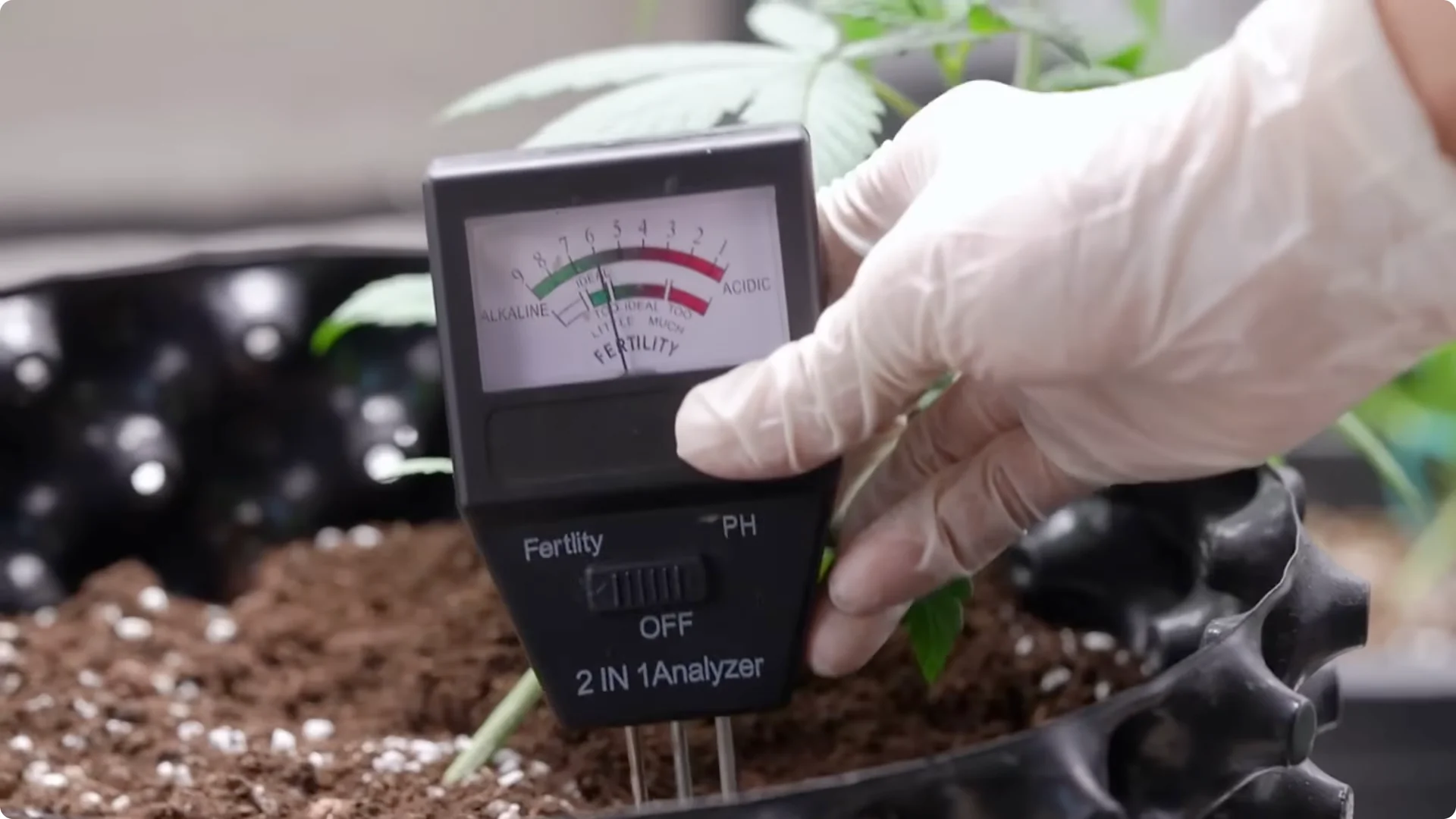
– pH also affects nutrient uptake. Test soil once each season and adjust. This prevents nutrient lockout and weak growth.
Hydrangea Care Secrets: Feed for Flowers, Not Leaves
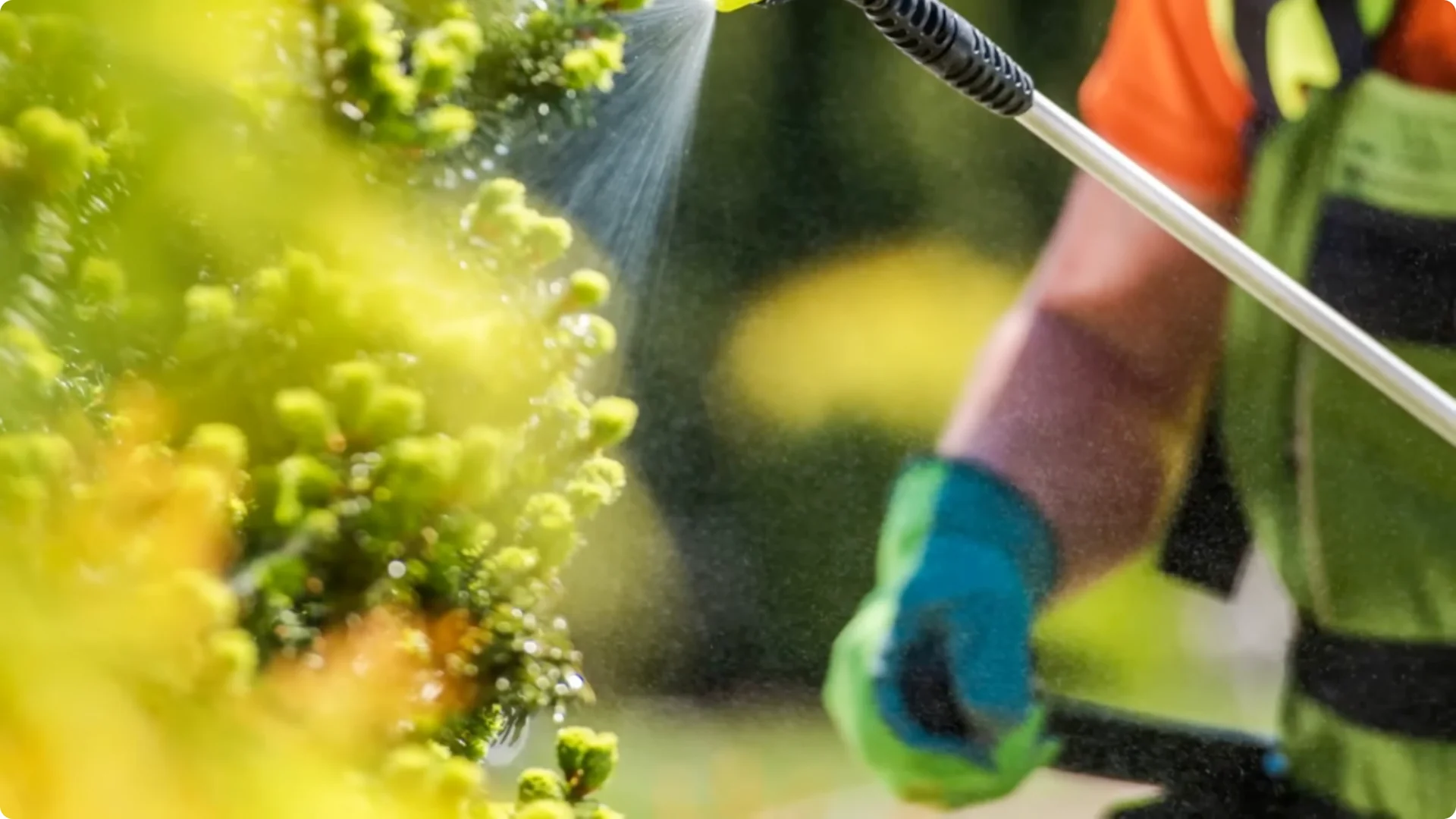
High nitrogen gives a lush shrub with few blooms. Phosphorus supports root strength and flower production.
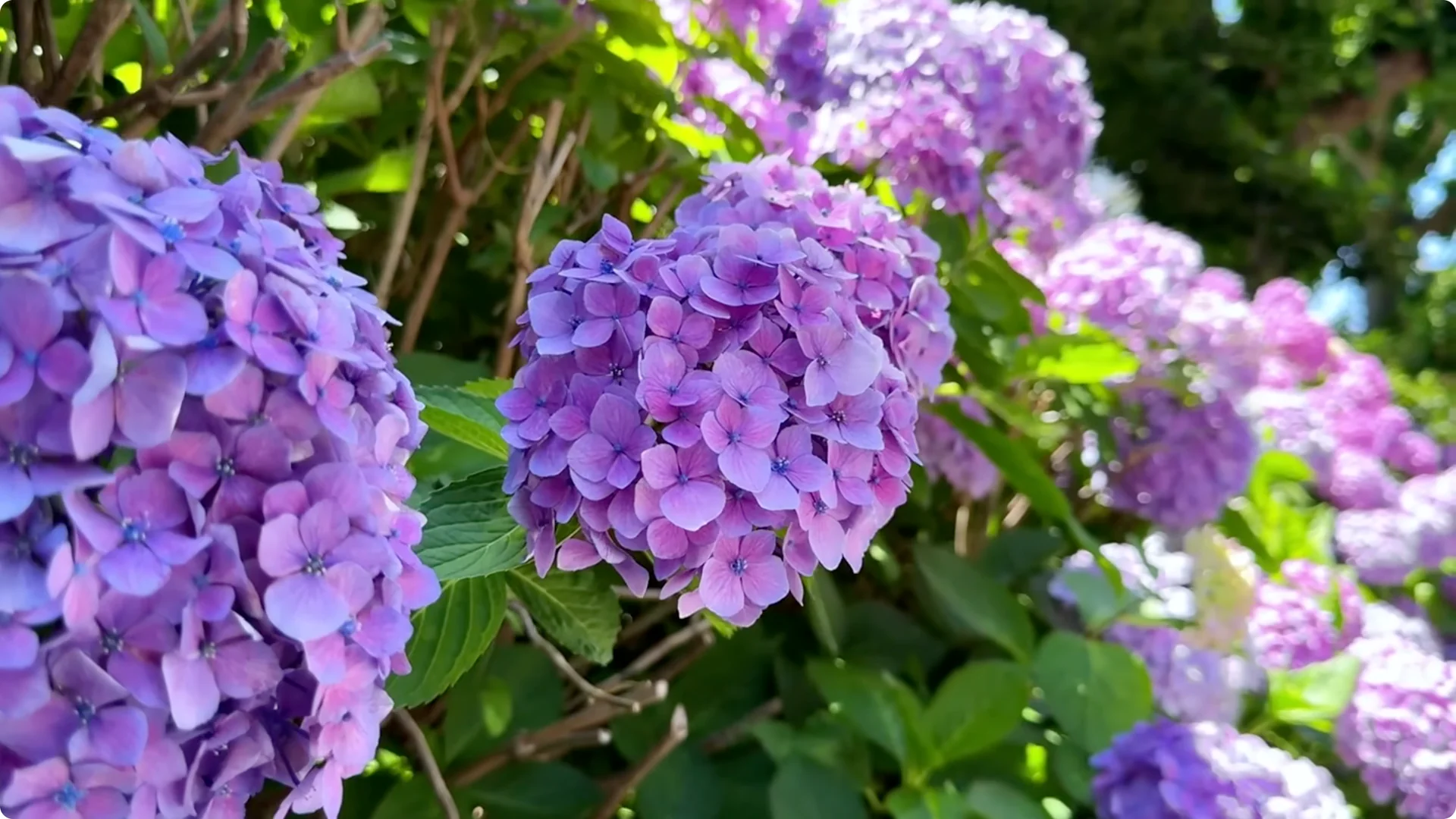
- What to use: A lower nitrogen, higher phosphorus fertilizer such as 10-30-10.
- When to feed:
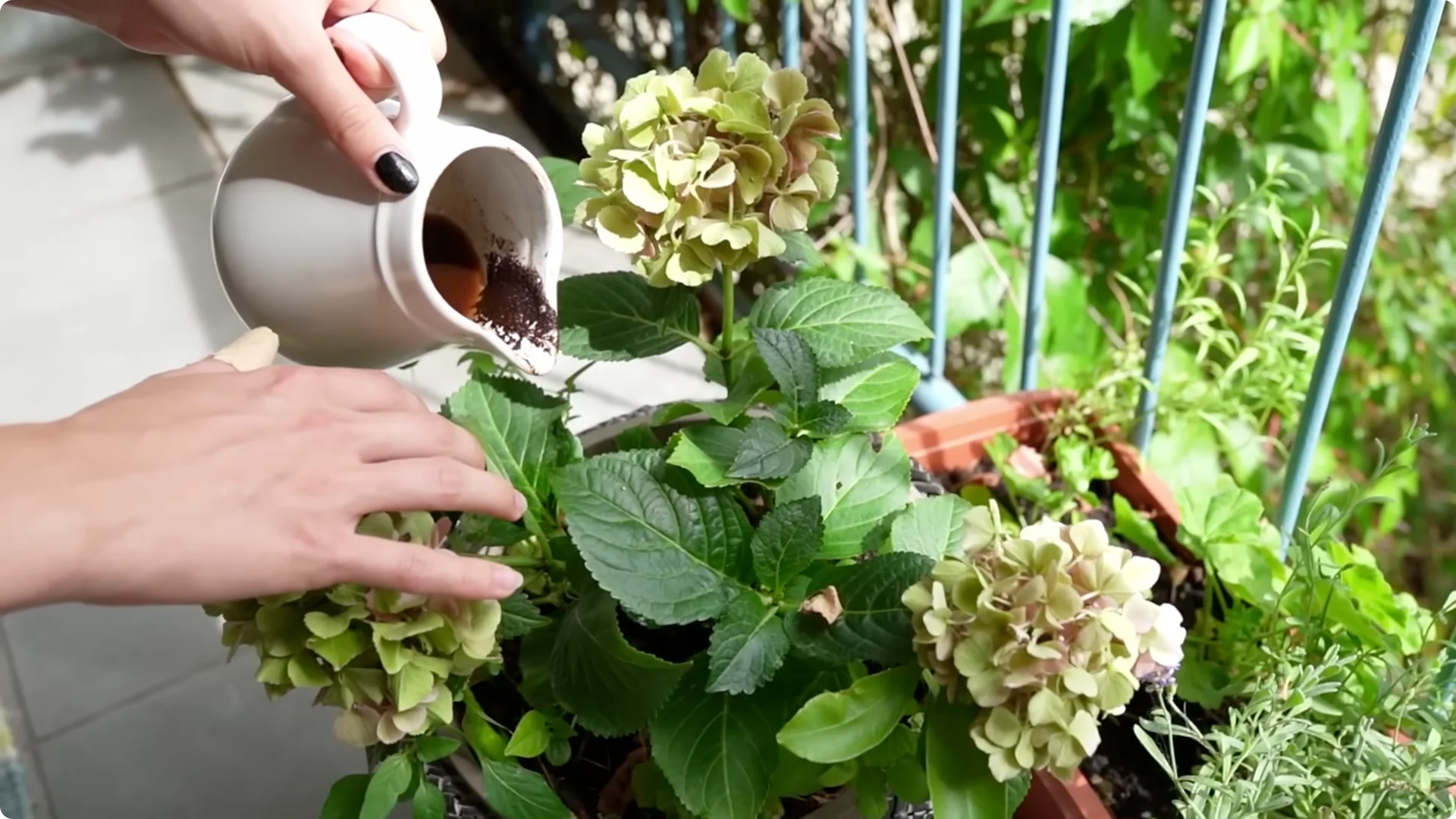
– Early spring as dormancy breaks.
– Early summer just before bloom.
– Stop by midsummer so new growth hardens before winter.
- Quick check: Too many leaves and few flowers point to excess nitrogen.
For a masterclass in season-long color, these strategies keep zinnias blooming nonstop.
Hydrangea Care Secrets: Give Morning Sun, Protect Afternoons
“Partial shade” is vague. Hydrangeas respond best to morning sun with afternoon shade.
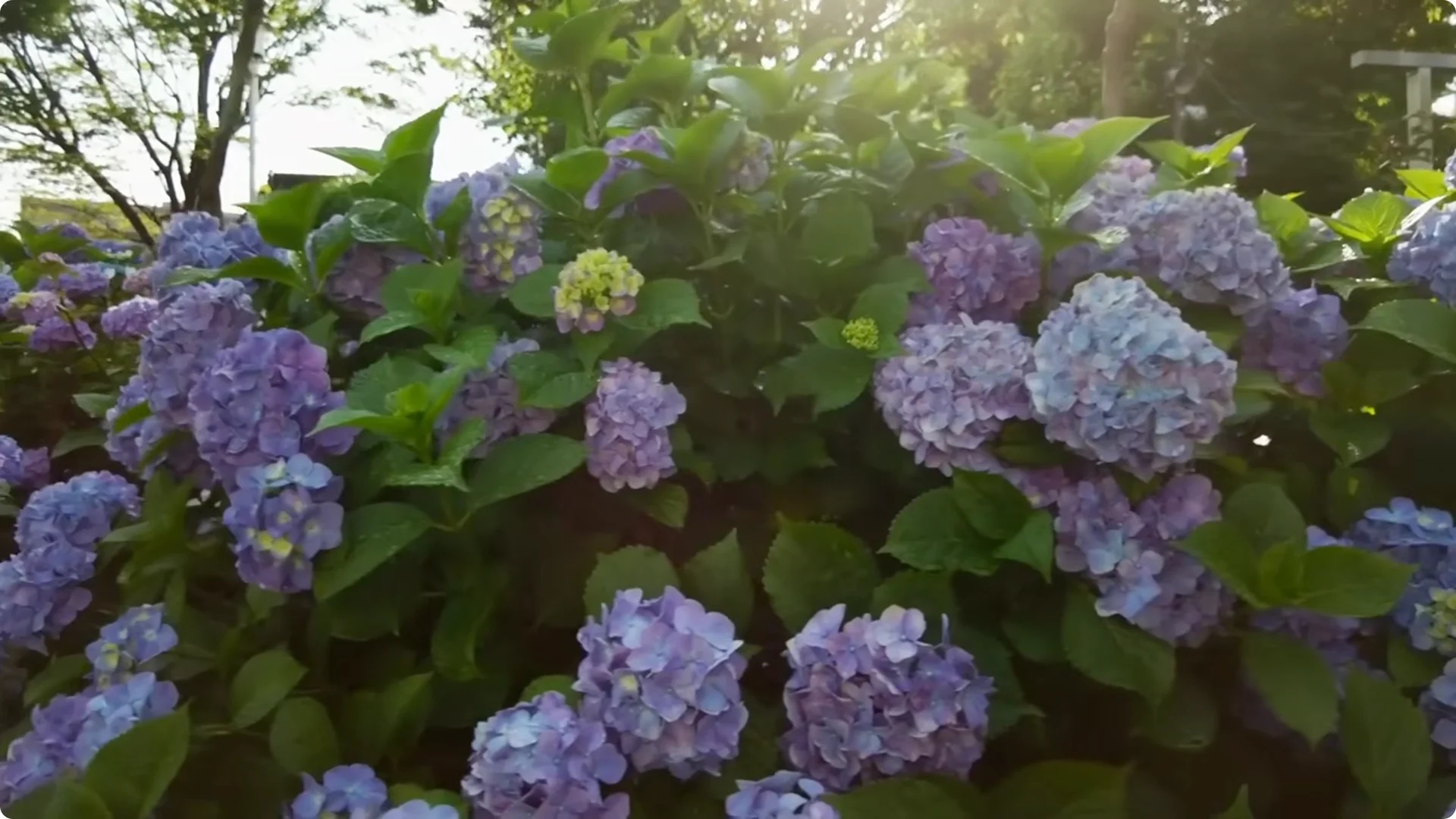
- Best light pattern:
– Morning sun 6 to 11 a.m. powers photosynthesis and dries dew, which lowers fungal risk.
– Shade after midday prevents heat stress and afternoon wilt.
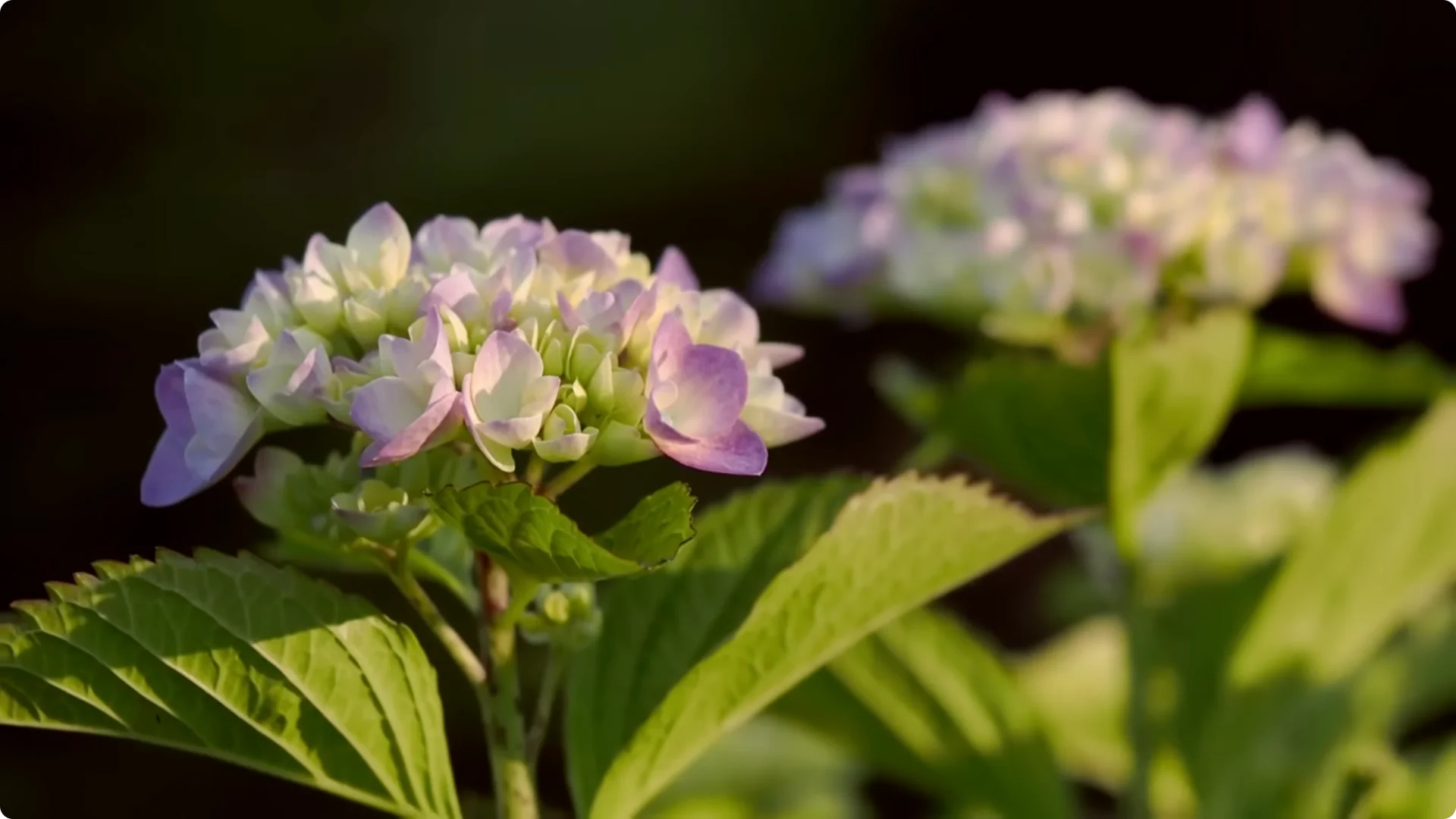
- Site it right:
– East-facing beds are ideal.
– South-facing works with a tree, fence, or structure blocking late afternoon rays.
– Deep north shade often means leaves with few flowers.
– Afternoon-only sun is tough and unproductive.

- Small assist: Reflective mulch or light hardscaping can bounce gentle light into shaded spots.

Planning sun lovers nearby too?
Steal our best tricks for growing tough, resilient lavender.
Hydrangea Care Secrets: Quick Setup Checklist
- Water deeply once or twice weekly.
- Mulch 3 inches around the dripline.
- Prune by type: old wood after bloom, new wood in late winter.
- Test pH each season and adjust for color and nutrient access.
- Feed phosphorus-forward in spring and early summer, then stop.
- Place for morning sun with afternoon protection.
Hydrangea Care Secrets: Fast Troubleshooting
Afternoon wilt though soil seems moist: Roots are shallow. Deep soak and add mulch.
Leaves look great but no blooms: Wrong pruning time or excess nitrogen. Adjust timing and switch fertilizer.
Color looks off or plant won’t respond to feeding: pH outside target range. Test and correct.
Struggles after a missed watering: Roots too close to the surface. Train deeper with long soaks.
Final Thoughts
Set the fundamentals once and hydrangeas repay you with reliable bloom and resilience. Water deep, prune on time, tune pH, feed for flowers, and chase morning sun. Do those five and you’ll spend the rest of the season enjoying, not rescuing.
About The Author