
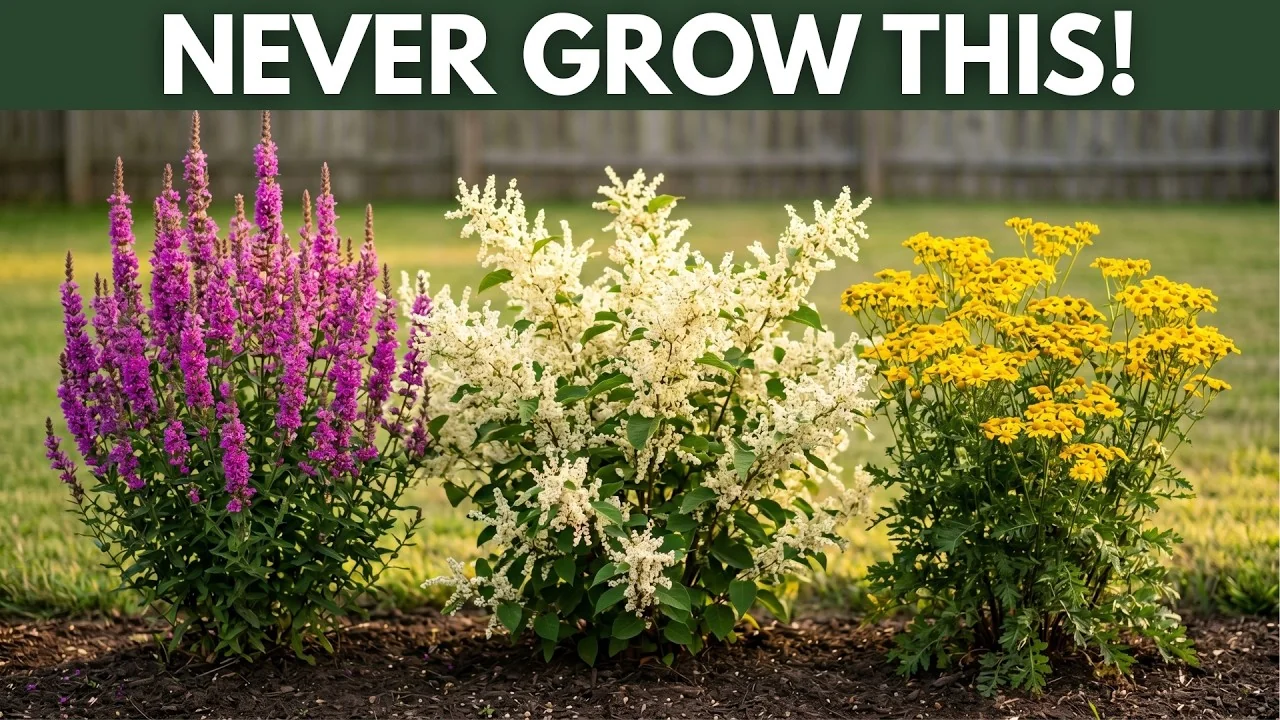
Before you add another perennial to your cart, pause. Many glossy, “low maintenance” plants are ticking time bombs for your garden, your structures, your local ecology, and in a few cases, your health.
Here are the offenders serious gardeners flag early, plus what makes them so destructive and so hard to remove once they settle in.
Read More: Secrets Growing Hydrangeas Never Die
Invasive Garden Perennials Japanese Knotweed
Japanese Knotweed (Fallopia japonica) has caused mortgage refusals in the UK and legal fights between neighbors. Its rhizomes reach roughly 3 meters deep and 7 meters sideways, punching through concrete, tarmac, and even foundations.
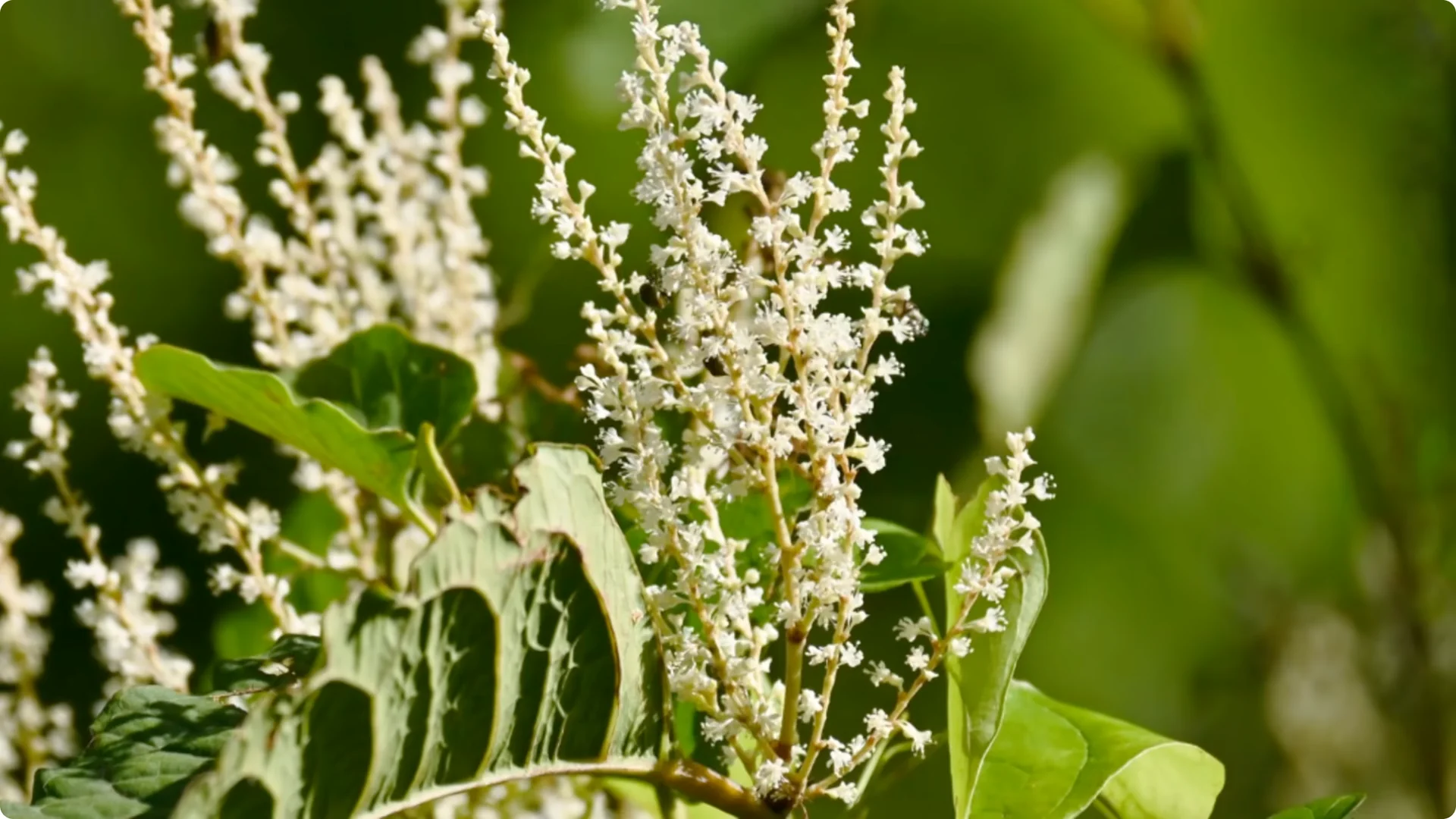
A thumbnail-sized root fragment can re-sprout in weeks. The only realistic control is multi-year herbicide or professional excavation. Do not compost and dispose as controlled waste where required by law.
Invasive Garden Perennials Giant Hogweed
Giant Hogweed (Heracleum mantegazzianum) towers over 5 meters and looks dramatic, but its sap contains furanocoumarins that react with sunlight to cause severe chemical burns within 48 hours. Scarring is common, and eye exposure can lead to blindness.
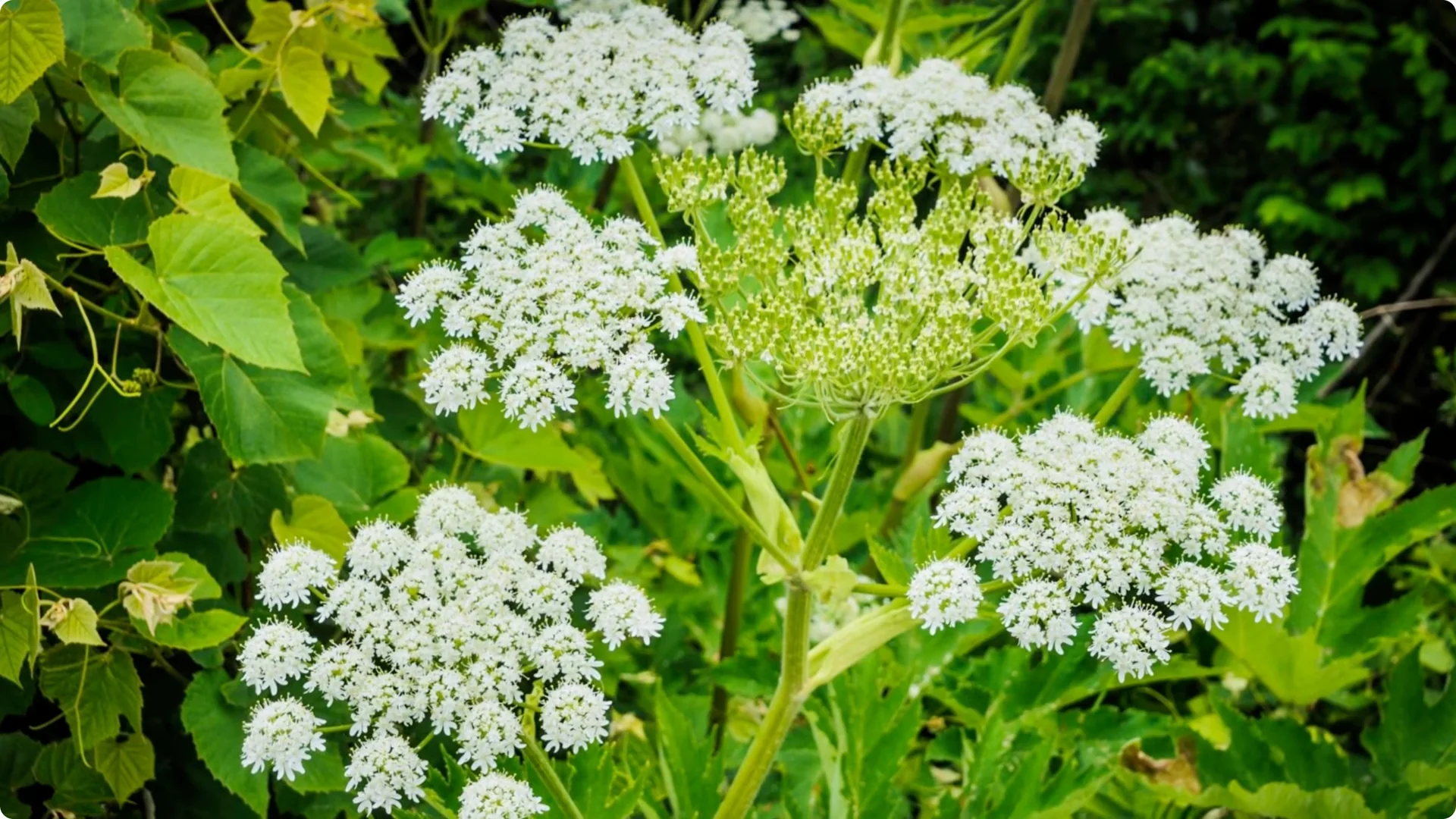
Children have been hospitalized after simply brushing past on sunny days. For removal, work early morning, wear full protective clothing with eye protection, bag all debris immediately, and never strim since it aerosolizes sap.
Read More: Grow Roses Bloom All Year Beginners
Invasive Garden Perennials Chameleon Plant
Sold as a cheerful ground cover, Houttuynia cordata ‘Chameleon’ spreads by stealthy runners. The variegated form is even more aggressive, with a finer, diffuse root system that evades hand removal.
Every leftover piece regenerates, slipping under paving and into lawns. It also releases allelopathic chemicals that suppress nearby plants, so surrounding growth declines long before you spot the culprit.
Invasive Garden Perennials Plume Poppy
Macleaya cordata seduces with blue-green leaves and feathery plumes. By year three, it pops up meters away, and by year five it emerges through patio cracks, thanks to far-reaching stolons.
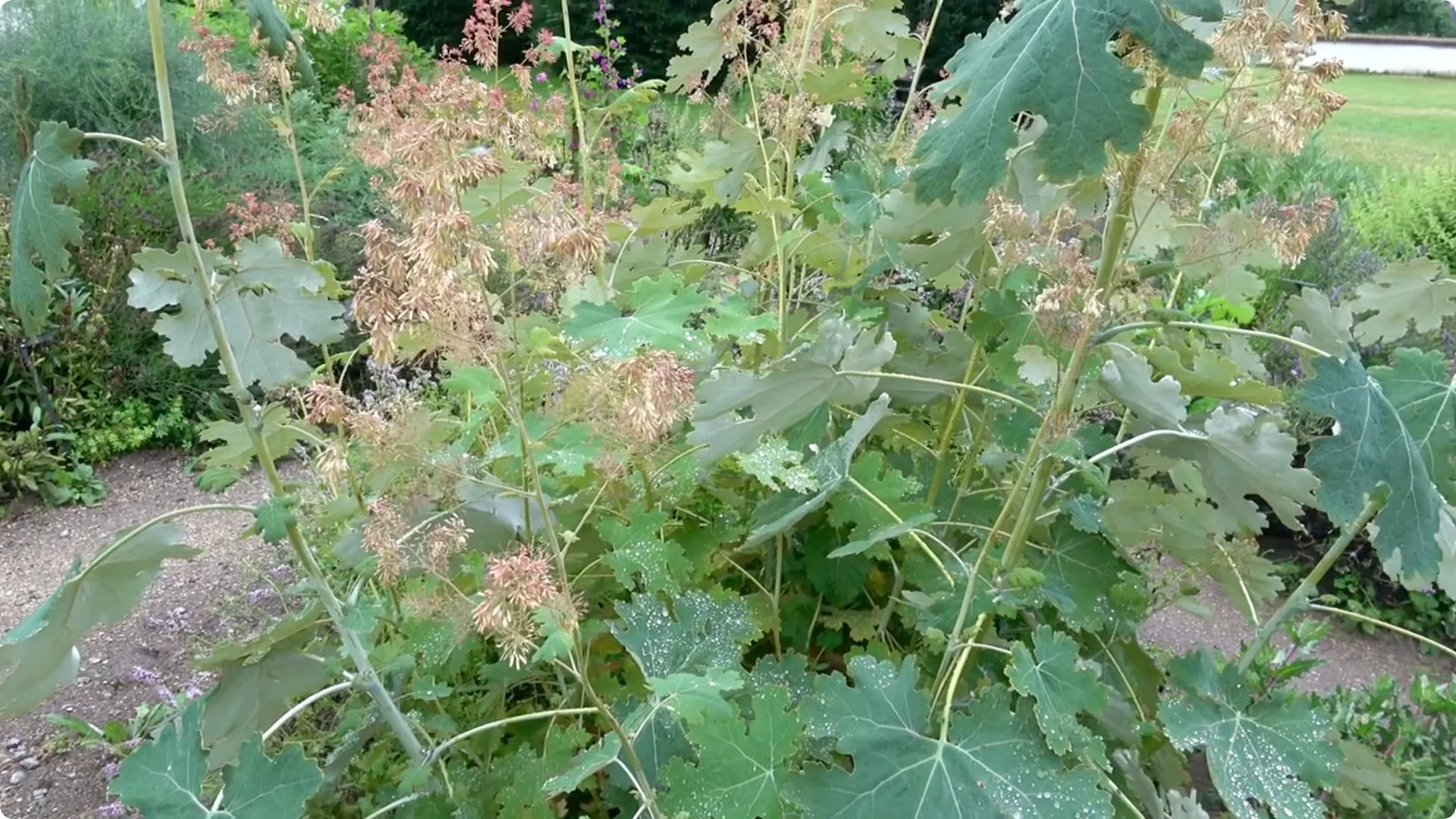
Its sap is rich in sanguinarine, making it toxic if ingested by people or pets. If you crave bold foliage, grow Tetrapanax papyrifer in a large container for drama without the creeping root network.
Read More: Sprinkle Help Orchids Grow Bloom
Invasive Garden Perennials Goutweed
The variegated Aegopodium podagraria looks tidy in pots, then overruns beds the moment it touches soil. It thrives in full shade and full sun, laughs at soil differences, and weaves through shrub roots, making clean removal destructive.
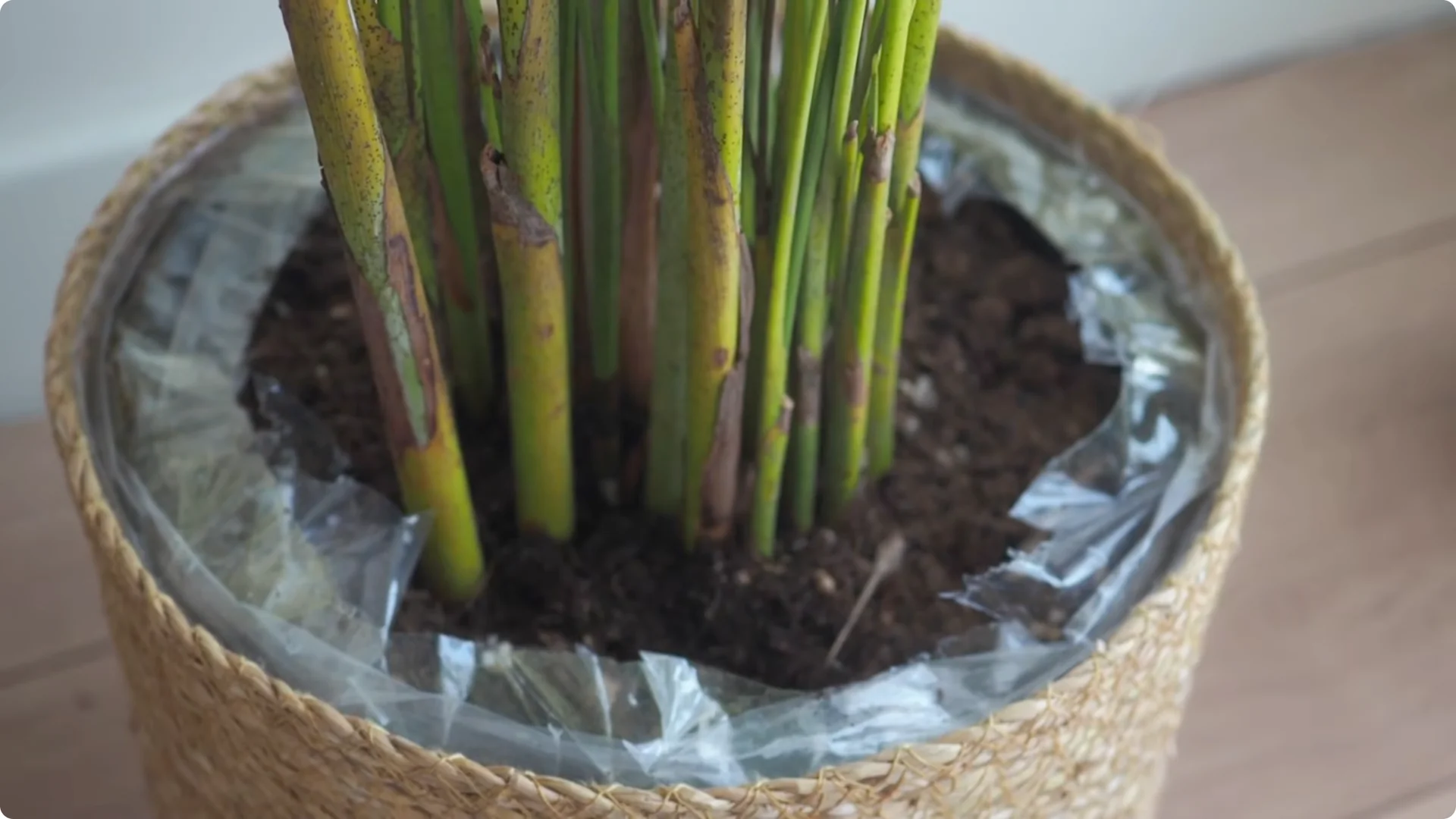
Control needs repeated, multi-season herbicide, and its waxy leaves resist uptake, so general products underperform. The only safer approach is a buried container with solid walls at least 60 cm deep, with regular checks for escapes.
Invasive Garden Perennials Ribbon Grass
Phalaris arundinacea sports crisp white stripes, but this wetland colonizer turns beds into dense mats within 2 to 3 years via rhizomes and seed. The striped form is only slightly tamer than the species.
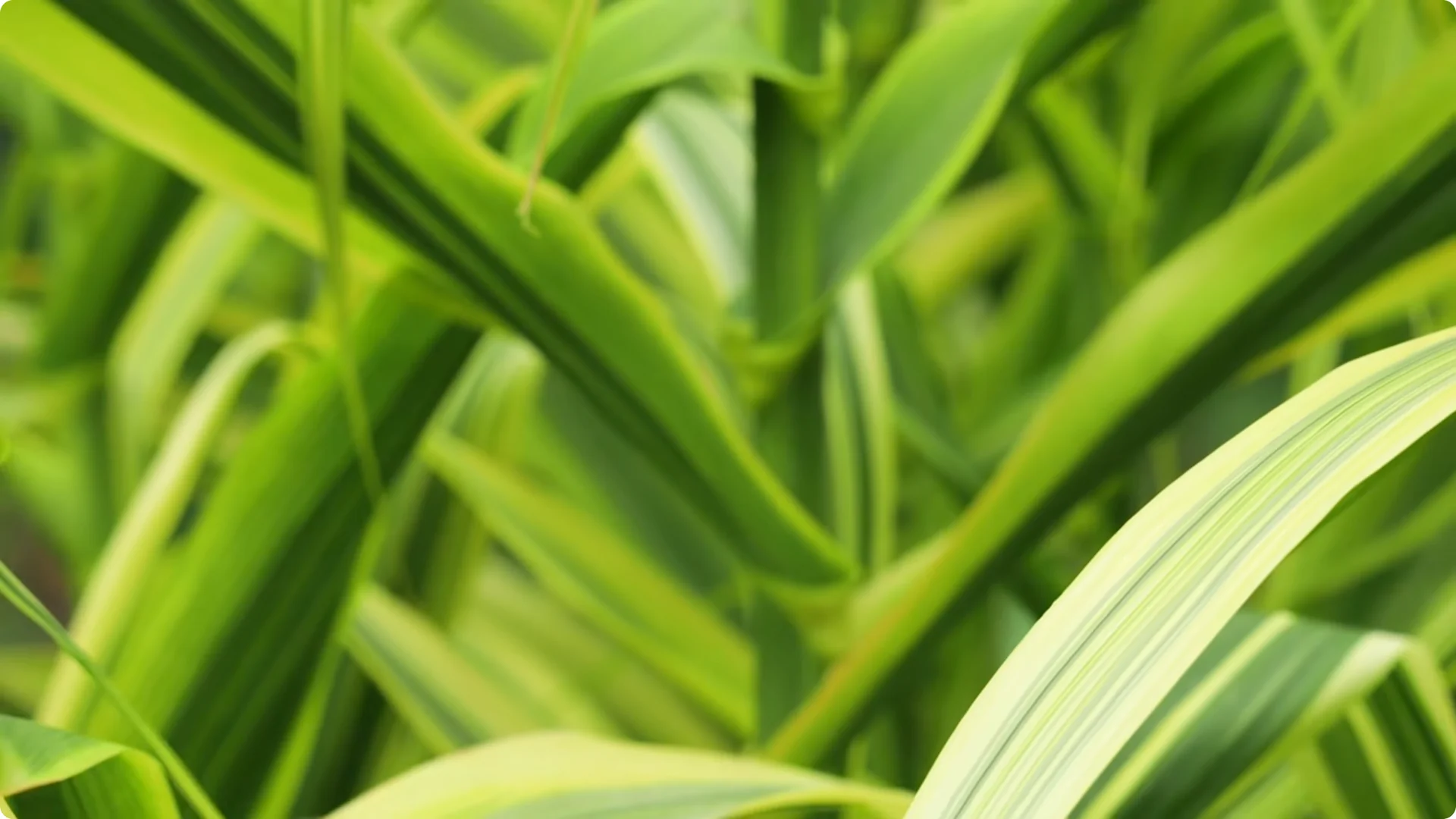
It is also allelopathic, releasing compounds that block neighboring seeds from germinating. That clean look quickly becomes a chemical chokehold.
Read More: Orchids Grow 100 Branches Bloom
Invasive Garden Perennials Yellow Flag Iris
Iris pseudacorus dazzles by ponds and bogs yet ranks among the most destructive aquatic invaders. In many parts of North America and Australia it is a noxious weed that forms monocultures, erasing native plants and the wildlife they support.
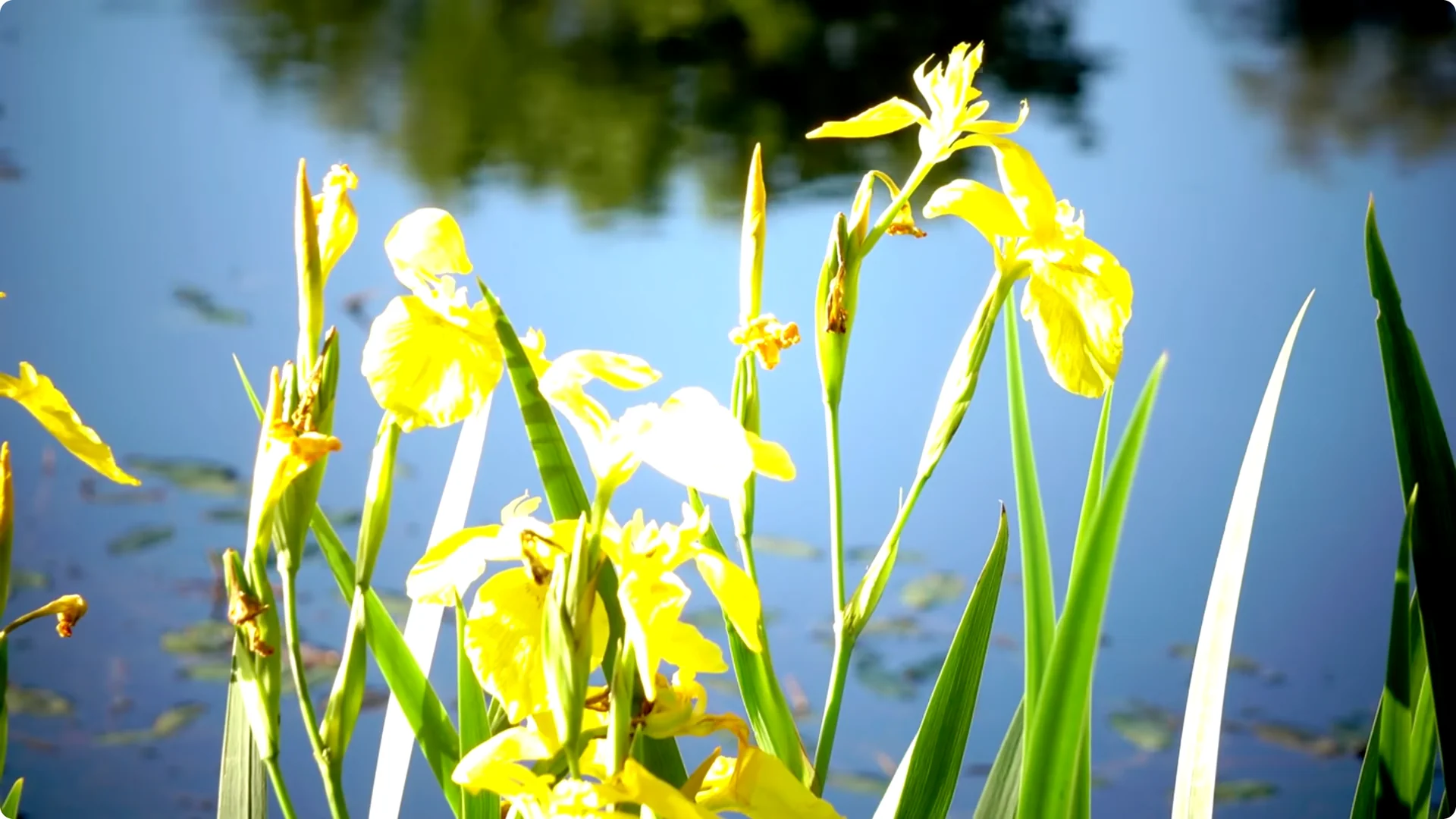
Every part is toxic. Rhizomes contain irisin and iridin, which cause severe gastrointestinal distress, and livestock deaths have been recorded where it colonizes water margins. For a safer water iris, plant Iris laevigata.
Invasive Garden Perennials Comfrey
Symphytum officinale has loyal fans for mulch and wildlife value, but every root fragment regrows, and missed pieces steadily colonize vegetable beds. Over time, it becomes a permanent resident you did not mean to invite.
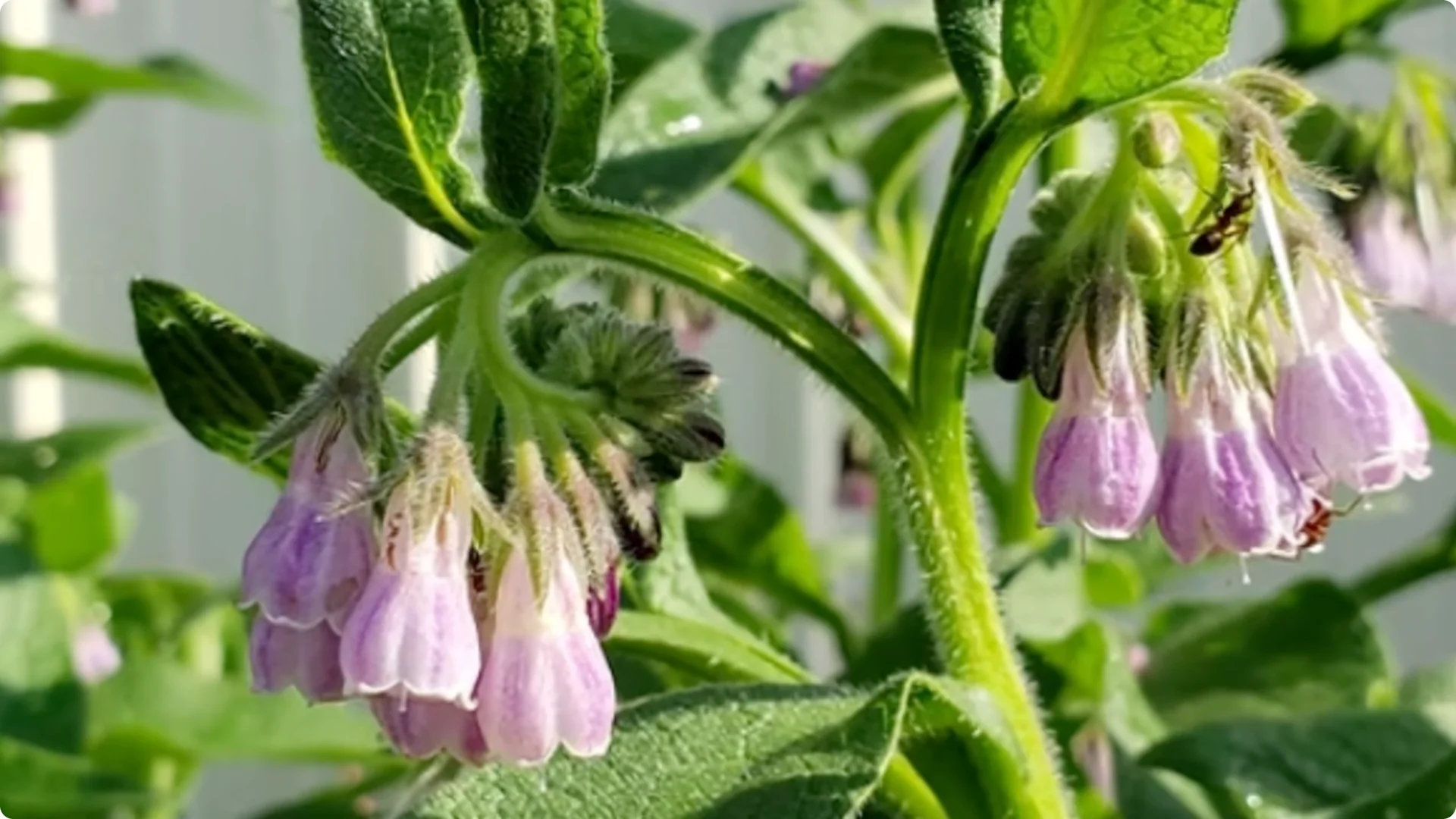
It contains pyrrolizidine alkaloids, which are hepatotoxic and led to supplement bans in multiple countries. Long-term skin contact can allow absorption, so consider kids and pets. For fewer headaches, grow ‘Bocking 14’, a sterile cultivar that is easier to manage.
Read More: Garlic Orchids Grow Roots Bloom
Invasive Garden Perennials Kudzu
Introduced across the American South in the 1930s for erosion control and fodder, Kudzu now blankets about 2.5 million acres and creeps north as winters warm. Growth can hit 30 cm per day at peak, smothering and killing trees by blocking light.
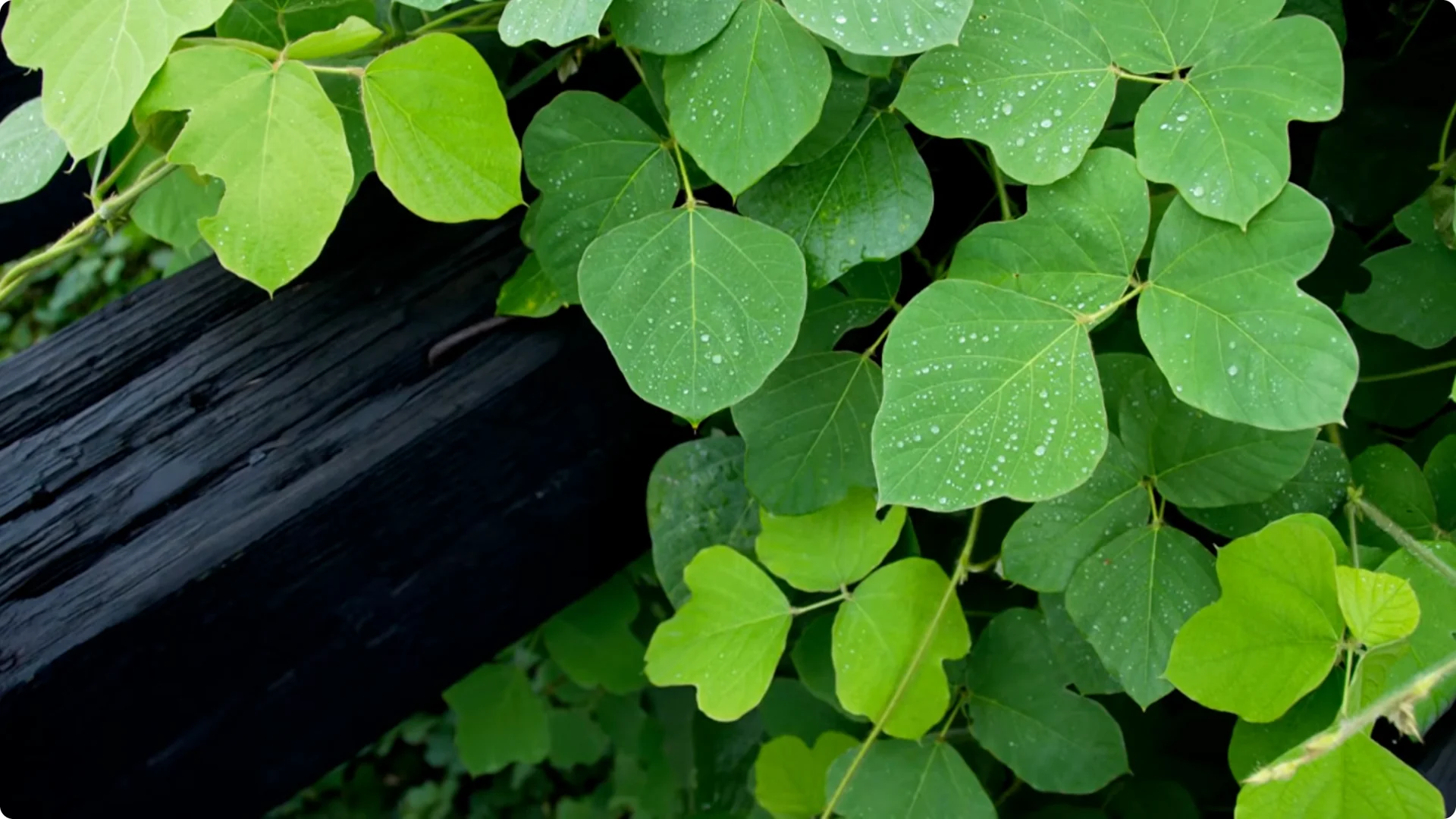
It climbs poles, buildings, and even idle vehicles. Control demands years of herbicide and mechanical removal, sometimes paired with targeted grazing. There is no quick fix.
Invasive Garden Perennials Trumpet Vine
Campsis radicans races up fences and pergolas, then bites into surfaces with aerial rootlets that embed in brick, mortar, timber, and render. Removal tears at walls, and timber decays faster around the embedded points.
Underground, runners push up new shoots across lawns and borders and through paving joints. It is allelopathic, and the flowers can trigger contact dermatitis, while foliage is irritating and toxic if eaten. For vigorous coverage without structural damage, choose Clematis montana.
Read More: Potato Rose Branch Grow Stronger
Final Thoughts
Pretty labels hide root-deep risks. The plants above can harm structures, soils, wildlife, and people or pets, and they are notoriously hard to evict once established.
Your best defense is prevention. Know the red flags, contain ruthlessly when you must, follow legal disposal rules, and swap in safer lookalikes where noted. Your future self will thank you.