

I share tips on caring for and propagating roses using natural, safe and extremely effective methods. Here is a simple way to propagate rose branches at home. It is easy to do and gives strong, healthy roots.
1. Rose Cutting Propagation Overview
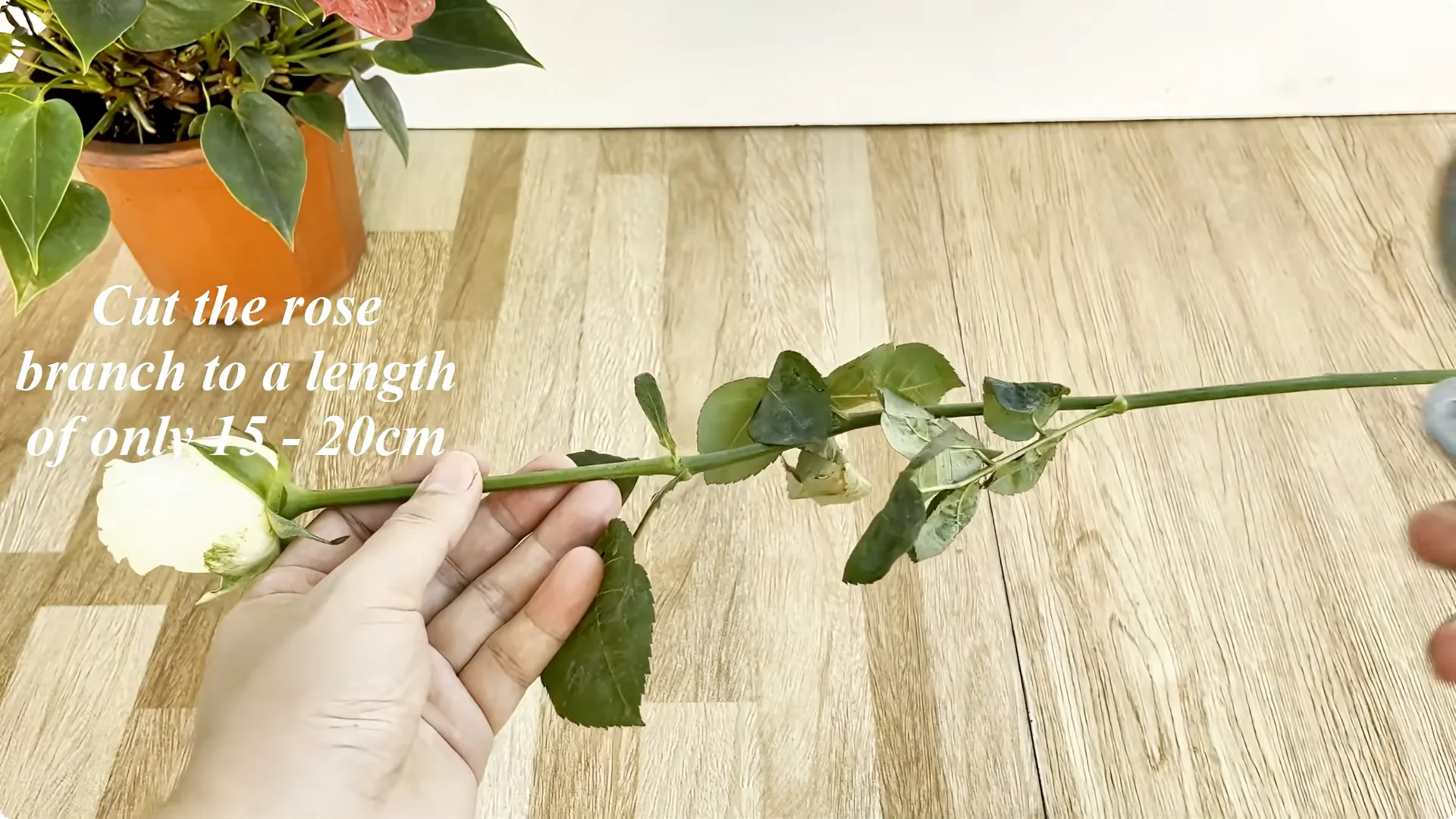
Choose a rose branch that you love that is healthy and free of pests and diseases. Cut the flower branch to only 15 to 20 cm, then remove all the leaves on the branch to help limit water loss in the early stages. This simple preparation keeps the cutting focused on rooting.
If you prefer a cup based approach, see this one cup rooting approach for year round roses. It pairs nicely with the method below. Both are gentle and easy to follow at home.
2. Rose Cutting Propagation Materials
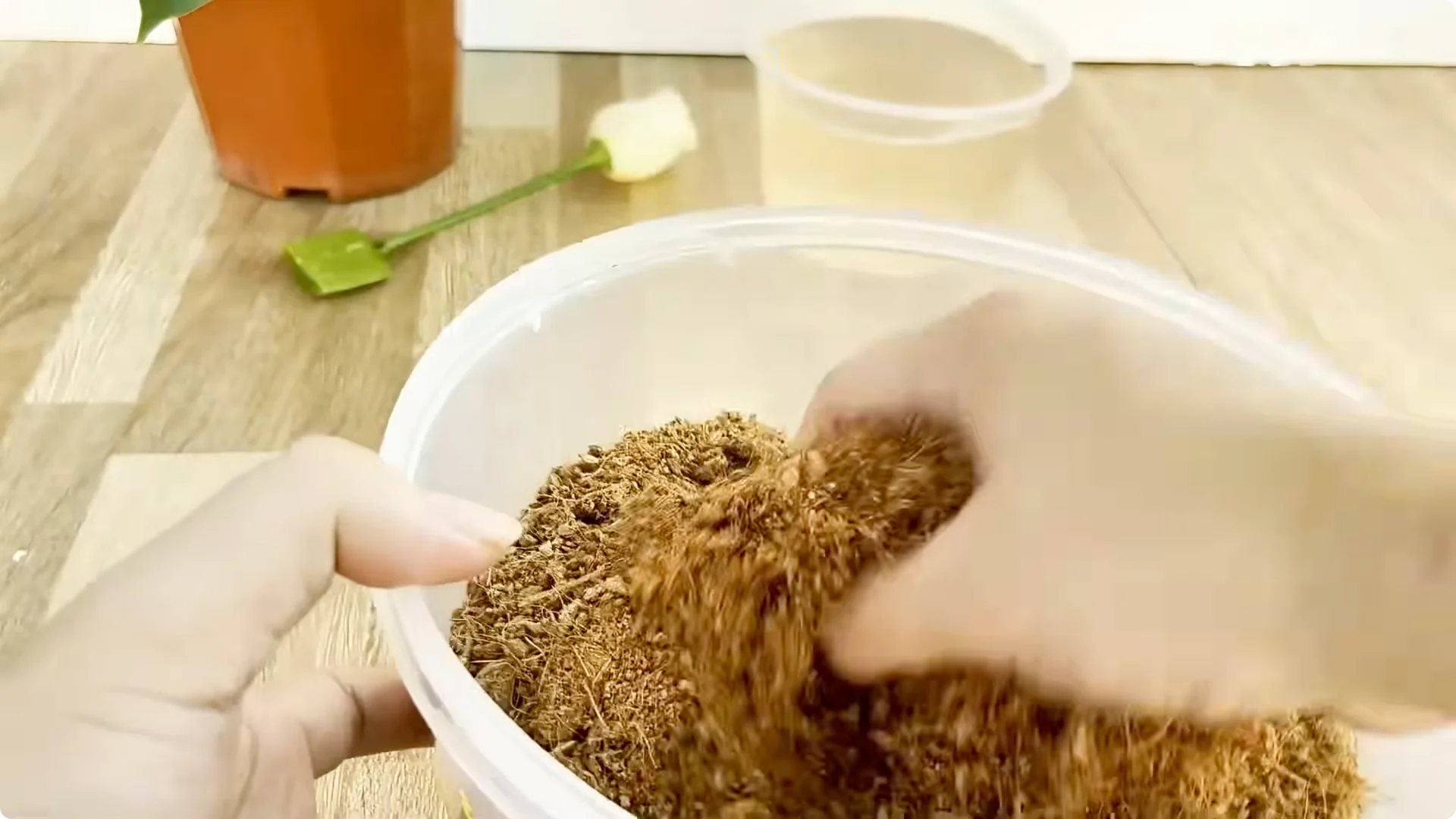
Use a fresh aloe vera branch. Prepare a ripe tomato, a little glucose, warm water and a clean plastic cup. Have some coconut fiber that has been treated to remove pathogens and a clear plastic cover ready.
With just aloe vera, tomatoes and a little glucose, you can create an effective, safe and completely natural rose cutting solution. This method helps branches quickly root and sprout and does not harm the plant. It suits anyone who loves organic, clean and sustainable planting methods.
3. Rose Cutting Propagation Step by Step
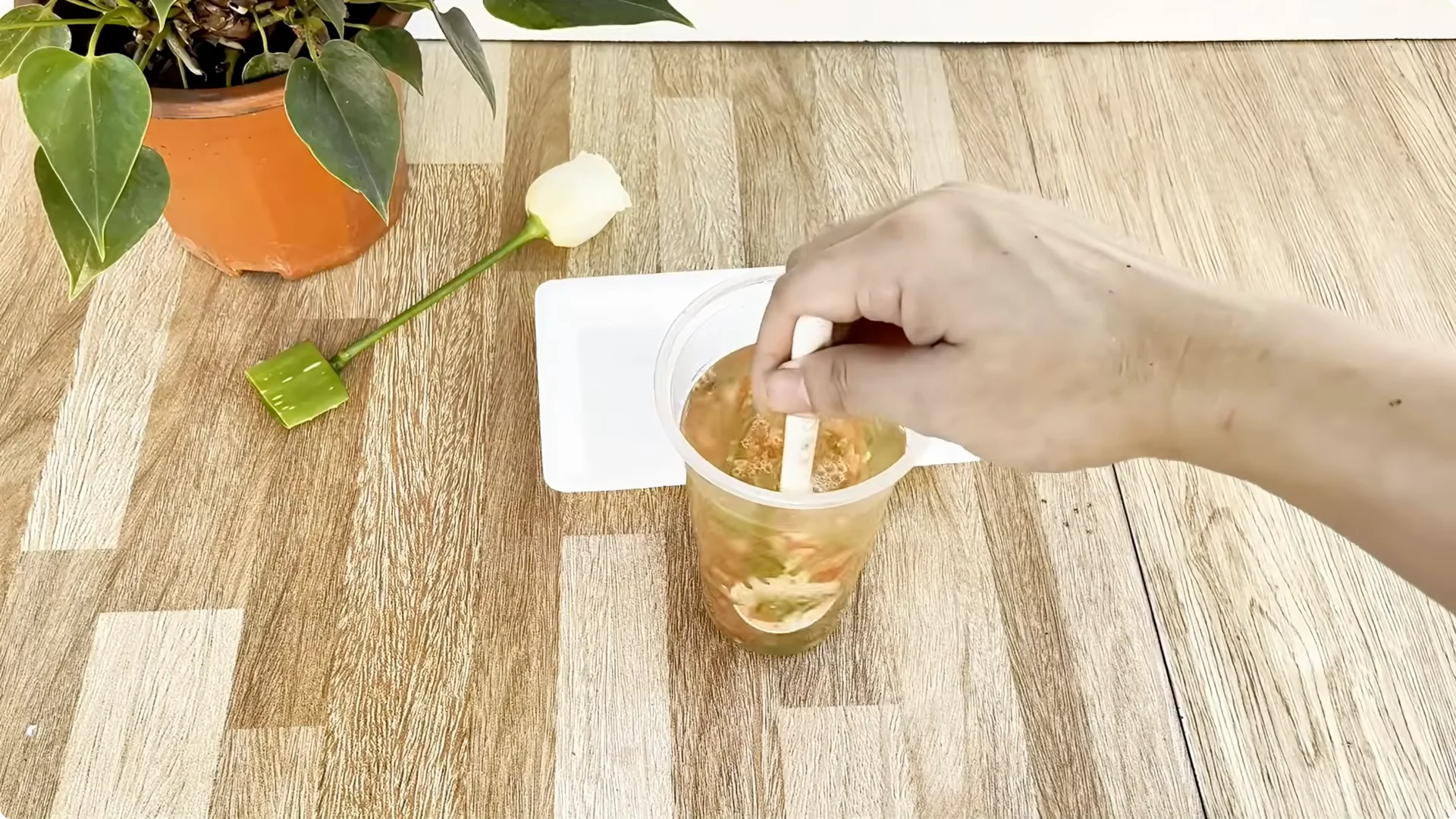
Choose and prepare the cutting
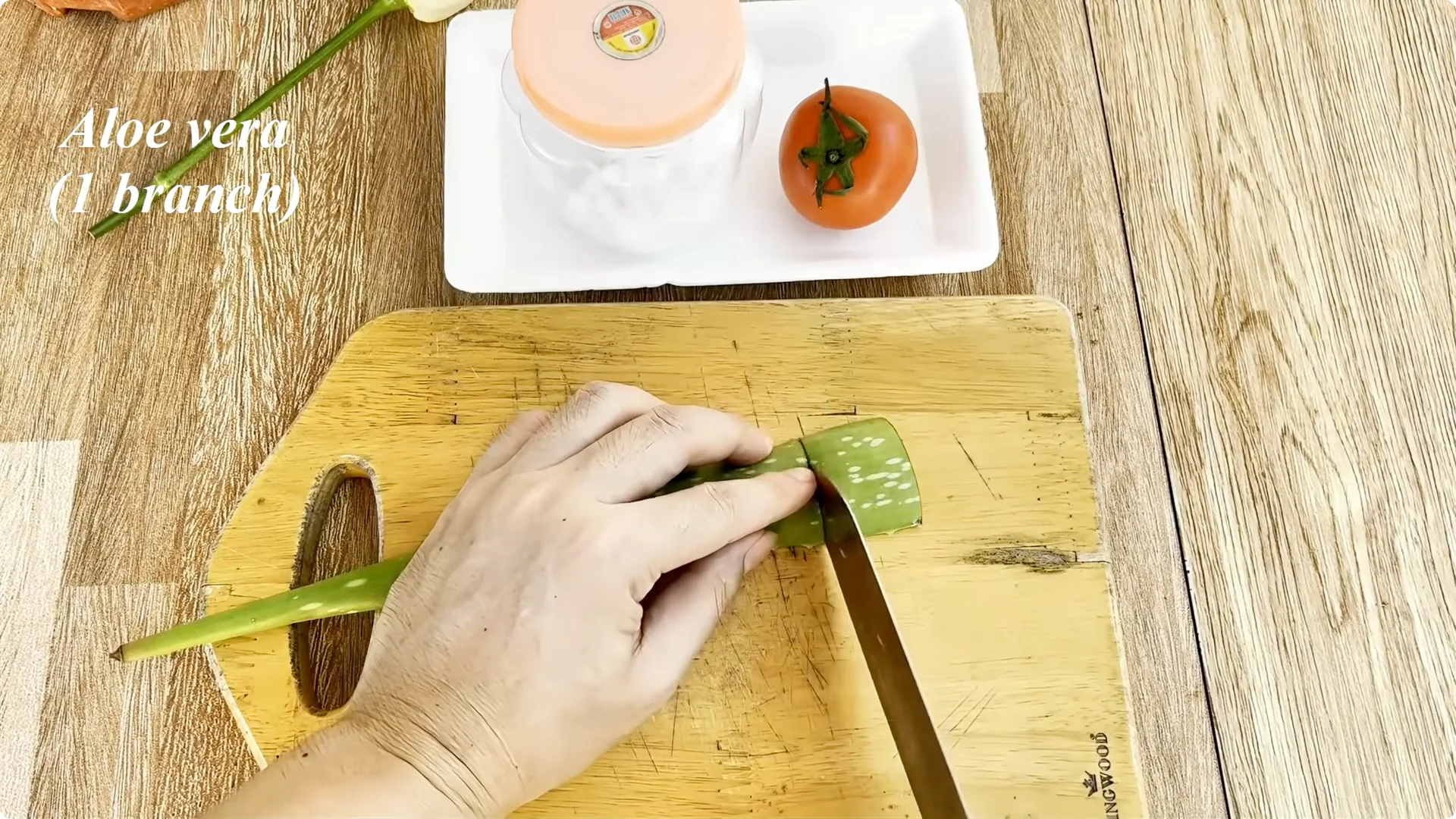
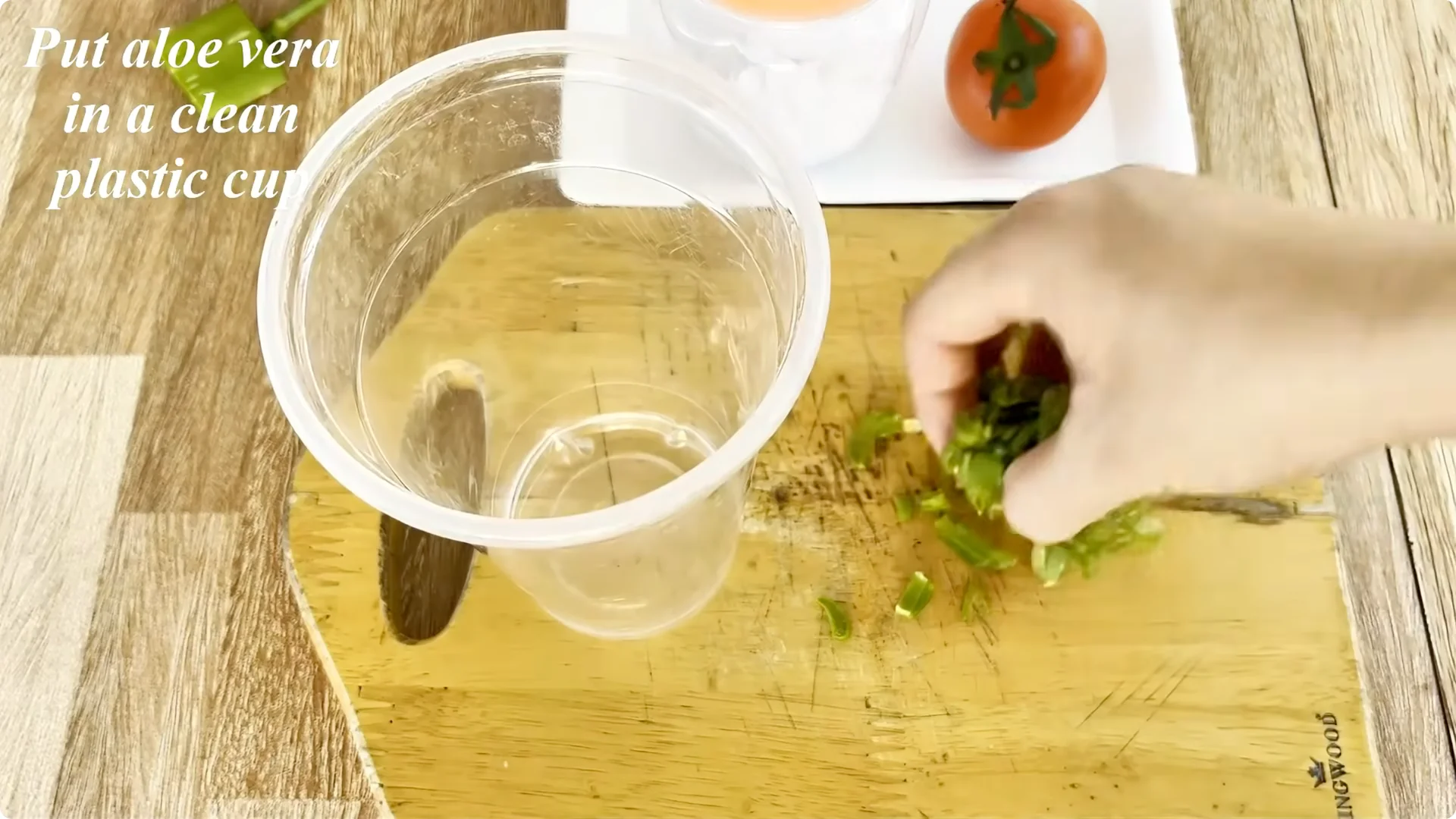
Insert the rose branch directly into a section of fresh aloe vera so the branch can absorb the aloe vera sap for about 60 minutes. Cut the remaining aloe vera into small pieces and put it in a clean plastic cup. Keep the cutting clean and undamaged.
For a gentle wound tip that can spark quick rooting, see this thin rose slice technique that promotes roots and blooming branches. It complements this natural method. Use whichever suits your plant and tools.
Make the natural rooting solution
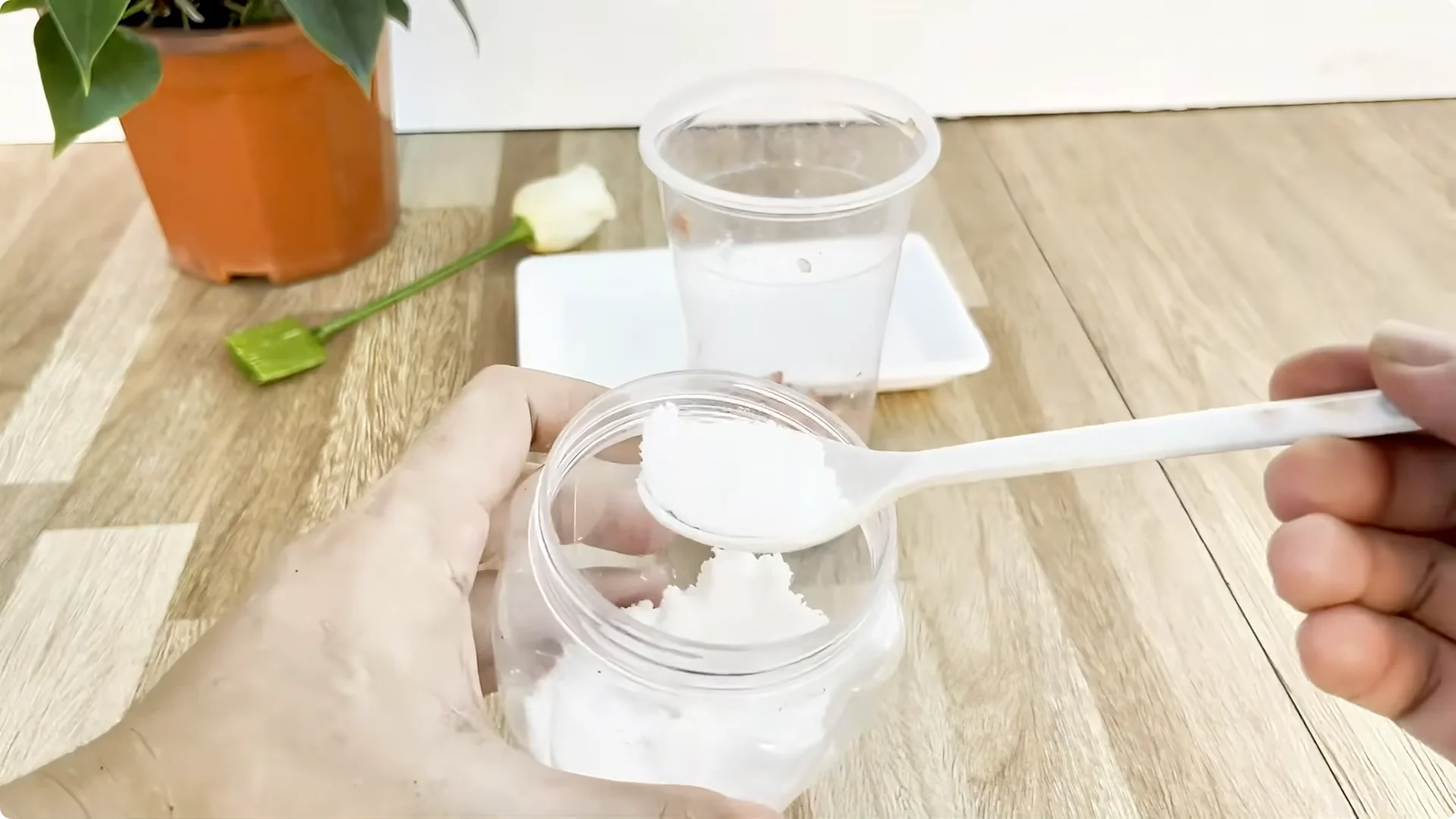
Aloe vera contains many enzymes, vitamins B, C, E and amino acids, has antibacterial properties and stimulates root tissue to develop into roots. The gel in aloe vera helps keep the cut moist, protecting the tissue from rot and fungal infection. These qualities support clean, steady rooting.
Take one ripe tomato about 30 grams, cut it into small pieces and put it in the cup with the cut aloe vera. Tomatoes contain a lot of vitamin C, potassium, calcium and natural acids that help increase resistance and stimulate plant tissue to develop roots. The acid in tomatoes helps soften the root tissue, creating conditions for new roots to form more easily.
Add one half teaspoon of glucose to the cup. Glucose provides a quick source of energy, helps the branch recover and speeds up the rooting process. Combined with aloe vera and tomatoes, it creates a nutrient rich solution that is natural and does not shock the plant.
Pour into the cup 0.5 liters of warm water, stir well and let stand for 1 hour to dissolve and activate the substances. After 1 hour, stir well again, then filter out the residue, keeping the clear solution. Continue to dilute this solution with clean water to get a total of 1 liter of mixture, ready for the cutting step.
Plant the cutting in coconut fiber
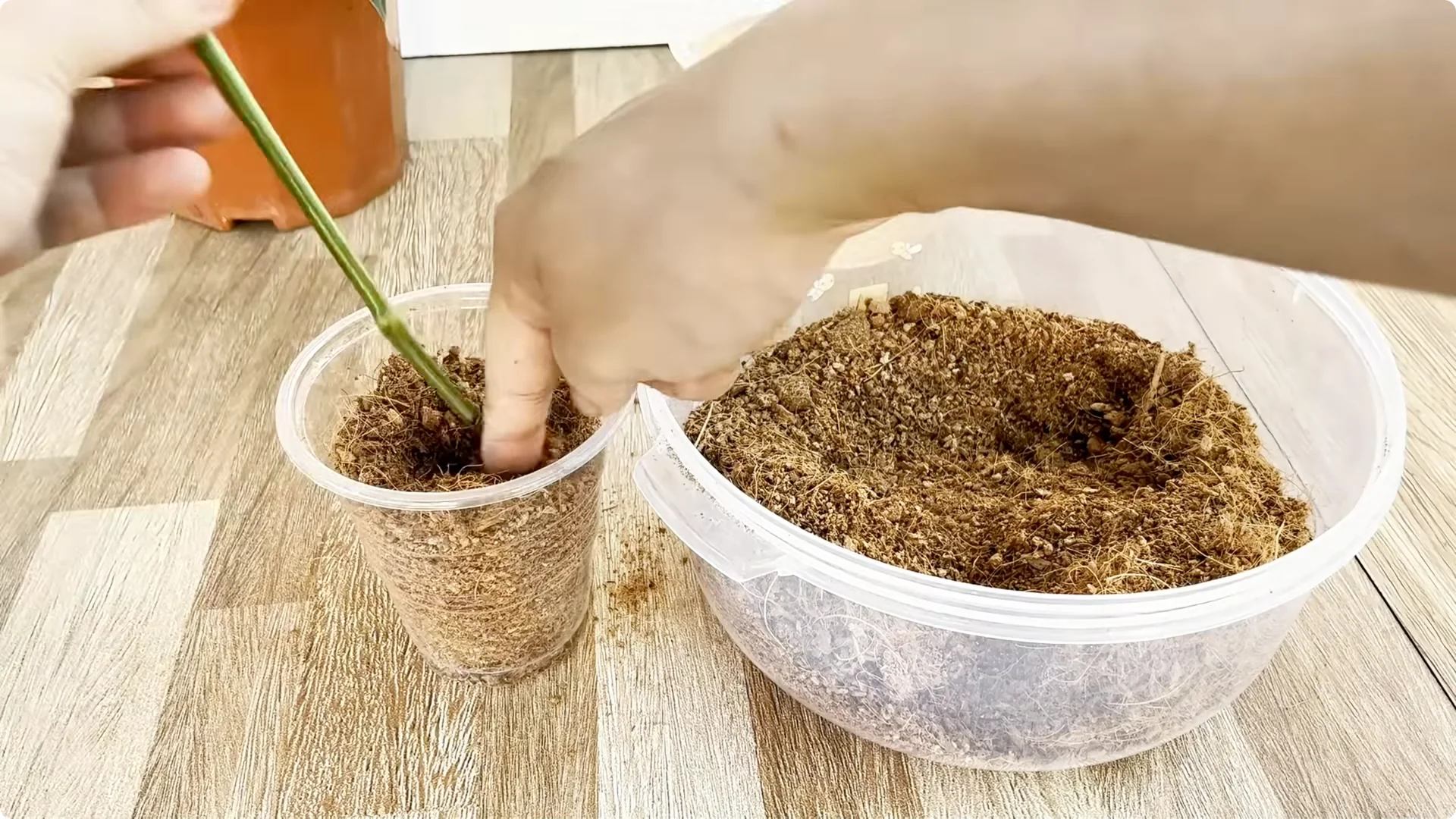
Prepare a clean plastic cup and some coconut fiber that has been treated to remove pathogens. Take the rose branch out of the aloe vera. Use a soft, clean cloth, dip it in the aloe vera tomato glucose mixture, then wipe the entire branch.
Put the coconut fiber in the cup, press it lightly with your hand to stabilize it, then make a small hole in the middle. Place the rose branch in the position of the hole, add coconut fiber around it and press it tightly again to fix the branch. Slowly pour the aloe vera tomato glucose solution into the cup, just enough to moisten it and avoid letting the substrate get soggy.
This solution combined with coconut fiber creates a humid, airy and nutrient rich environment. It helps the root tissue easily absorb nutrients and stimulates young roots to grow evenly, white and healthy with less chance of rot. Keep the moisture even and consistent.
Create a mini greenhouse and placement
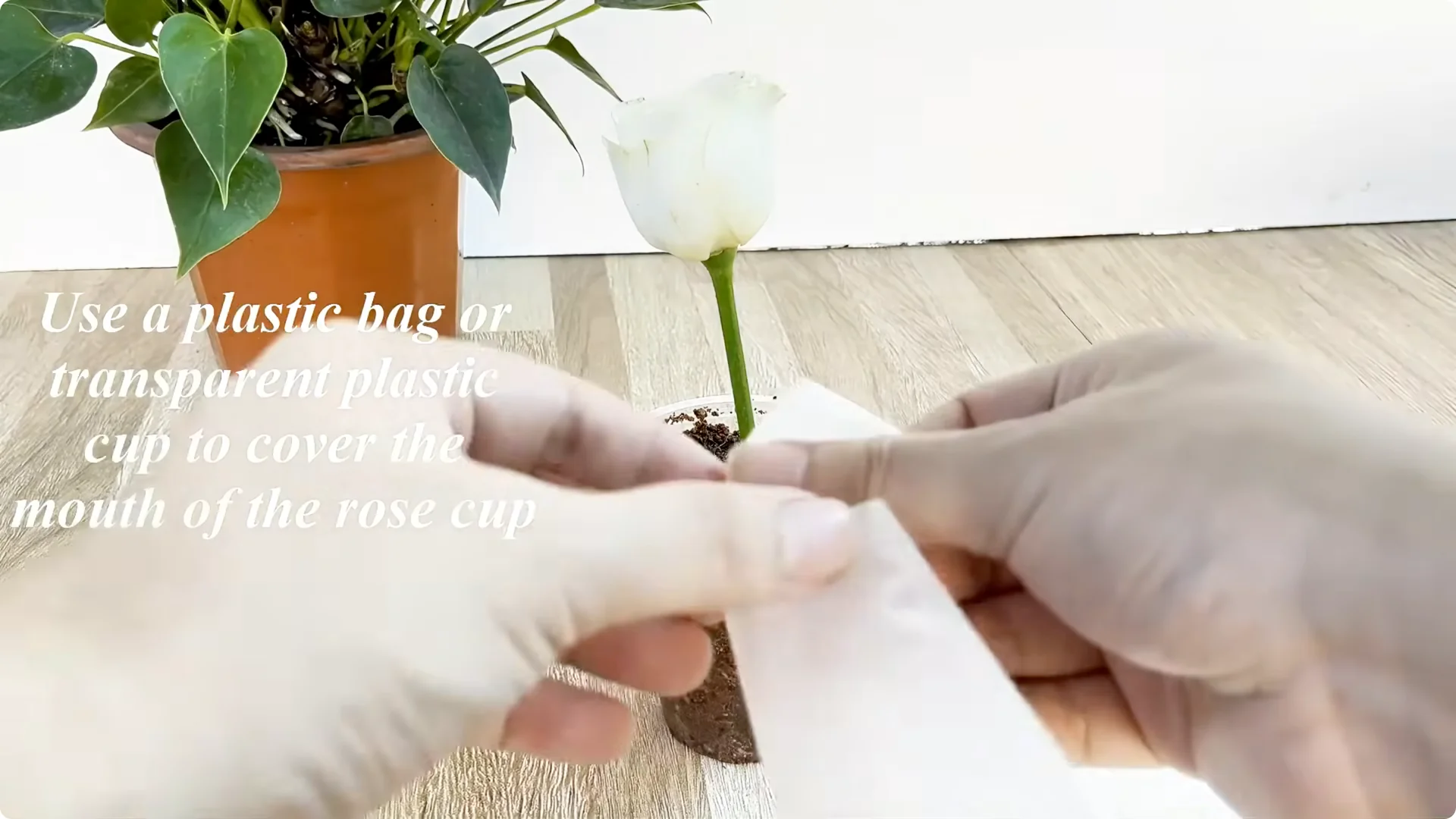
Use a plastic bag or a transparent plastic cup to cover the mouth of the cup to keep it moist and create a mini greenhouse effect. Place the cup in a cool place, avoid direct sunlight and strong winds. Stable humidity and gentle light are key.
Early growth and timing
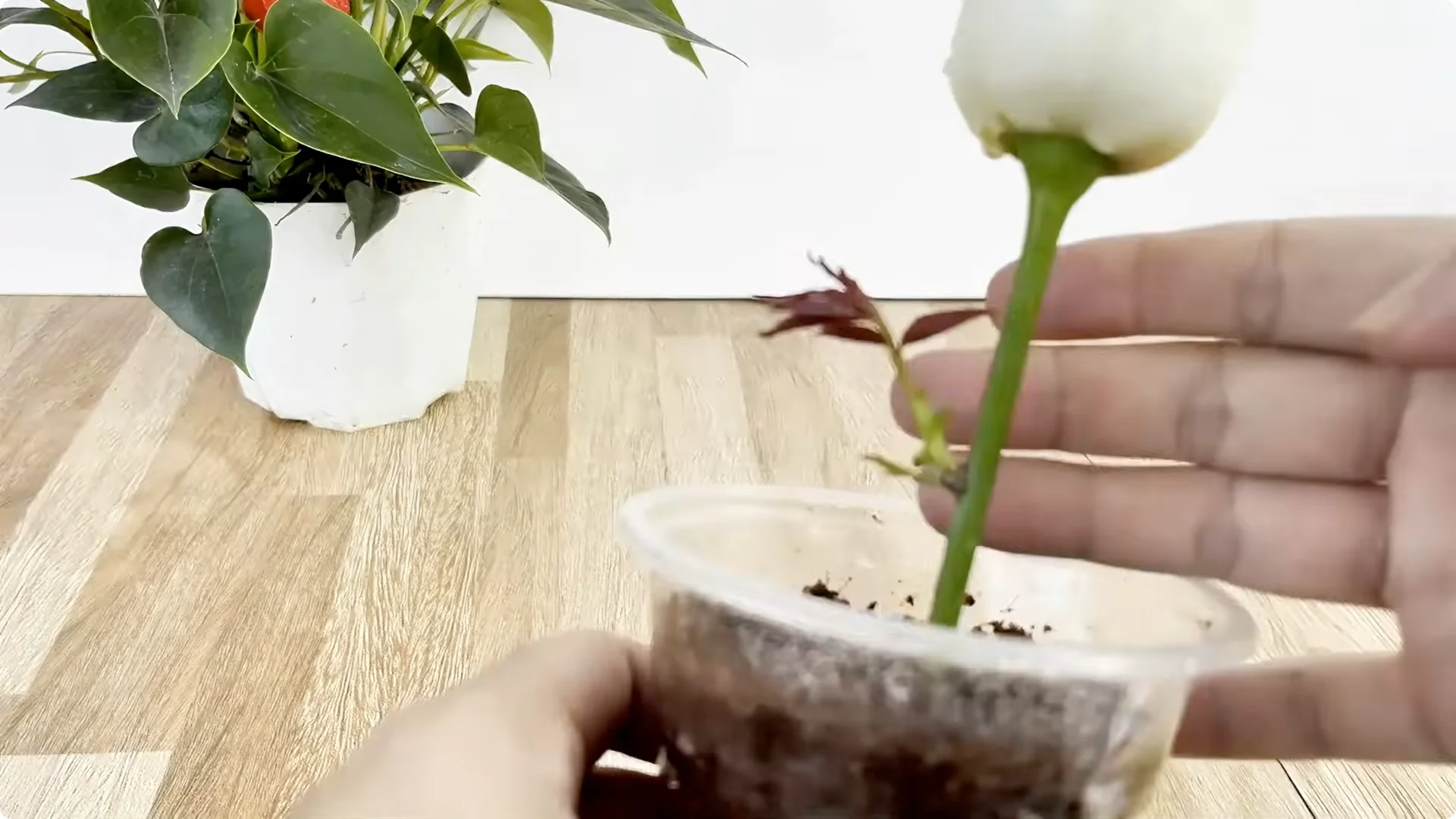
After about 7 days you will see the young shoots grow clearly, green and sturdy. At the same time, the new roots begin to grow strongly, white and plump and very healthy. Growth should be steady and visible at the cup edge.
For a focused look at how a thin slice took root and formed buds, see how a thin slice took root and formed buds. It offers a neat variation that pairs with this approach. Both aim for quick, healthy establishment.
4. Why this Rose Cutting Propagation Works
Aloe vera keeps the cut moist and clean and helps protect tissue from rot and fungal infection. Its vitamins and amino acids support root tissue to develop into roots. This gives the cutting a clean start.
Tomatoes offer vitamin C, potassium and calcium, along with natural acids that help soften root tissue. That creates ideal conditions for new roots to form easily. The cutting gains both protection and stimulation.
Glucose provides a quick source of energy that helps the branch recover and speeds up rooting. The combined mixture stays gentle and natural and avoids shocking the plant. It is effective, safe and easy to prepare at home.
5. Transplanting after Rose Cutting Propagation
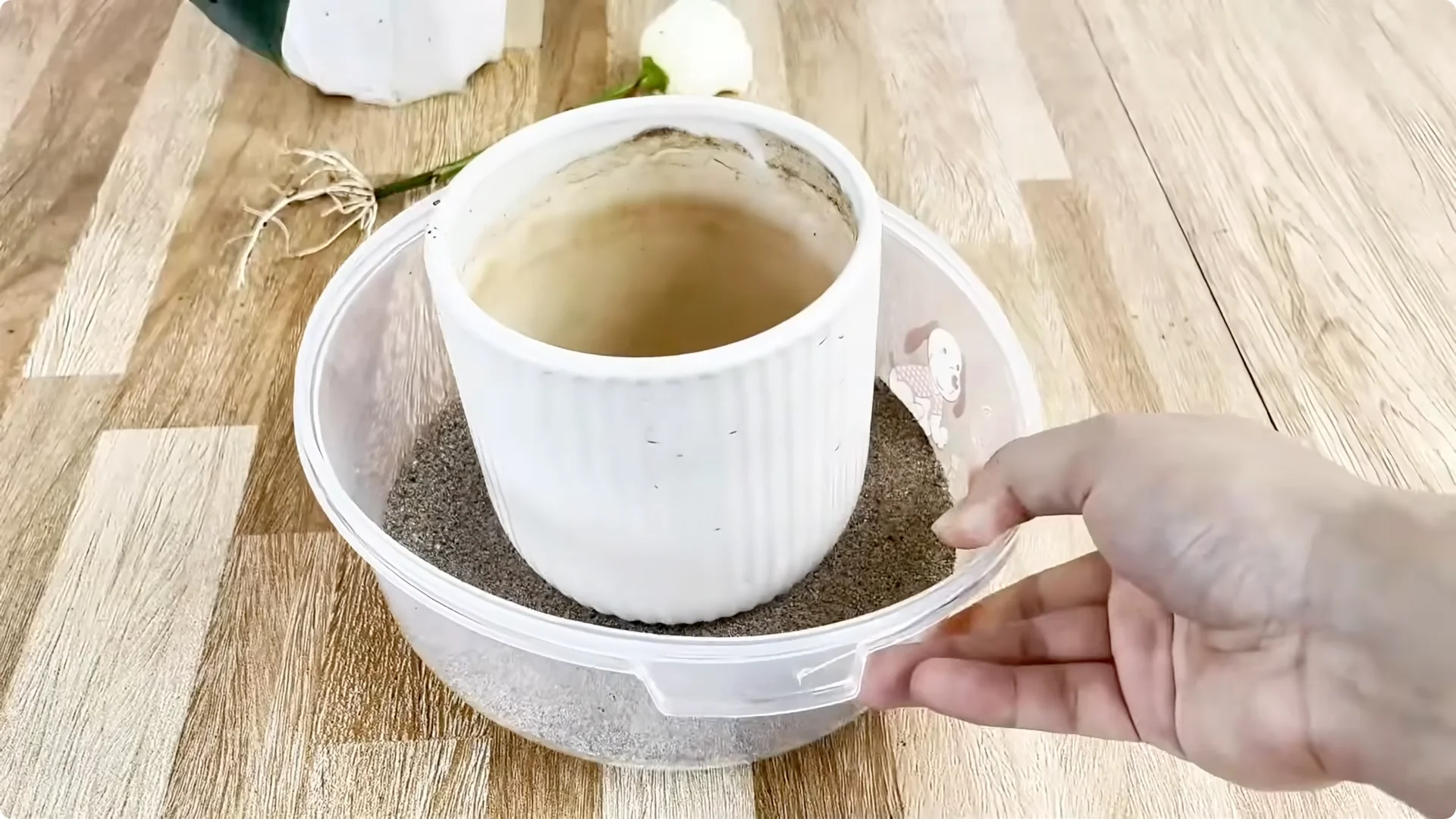
When you see that the roots are strong enough, move the plant to a separate pot. Use river sand, or soil mixed with rice husk ash and coconut fiber to ensure good drainage. This helps the plant grow stably in the long term.
Keep the new plant in bright, indirect light while it adjusts. Water lightly to keep the medium evenly moist. Increase light gradually as the plant strengthens.
Final Thoughts
With aloe vera, tomatoes and a little glucose, you can root rose cuttings naturally and effectively. This method helps the branches quickly root and sprout while staying gentle on the plant. Wishing you success and many healthy, blooming rose plants all year round.