
Wishing you a day filled with positive energy and even more love for caring for your familiar rose bushes. We will be practicing a method of propagating roses by cuttings using readily available materials, but yielding surprising results if applied correctly, patiently, and meticulously at each step. This approach pairs well with the techniques shared in Surprising Method Propagate Roses.
1. Rose Propagation by Cuttings: Prepare the Cutting
First, you need to prepare a healthy, disease-free, and undamaged rose cutting of your choice. The cutting should be of moderate age, with a sturdy stem but still capable of good growth. Use scissors or a sharp knife to remove all leaves, thorns, and old, withered, or damaged petals.
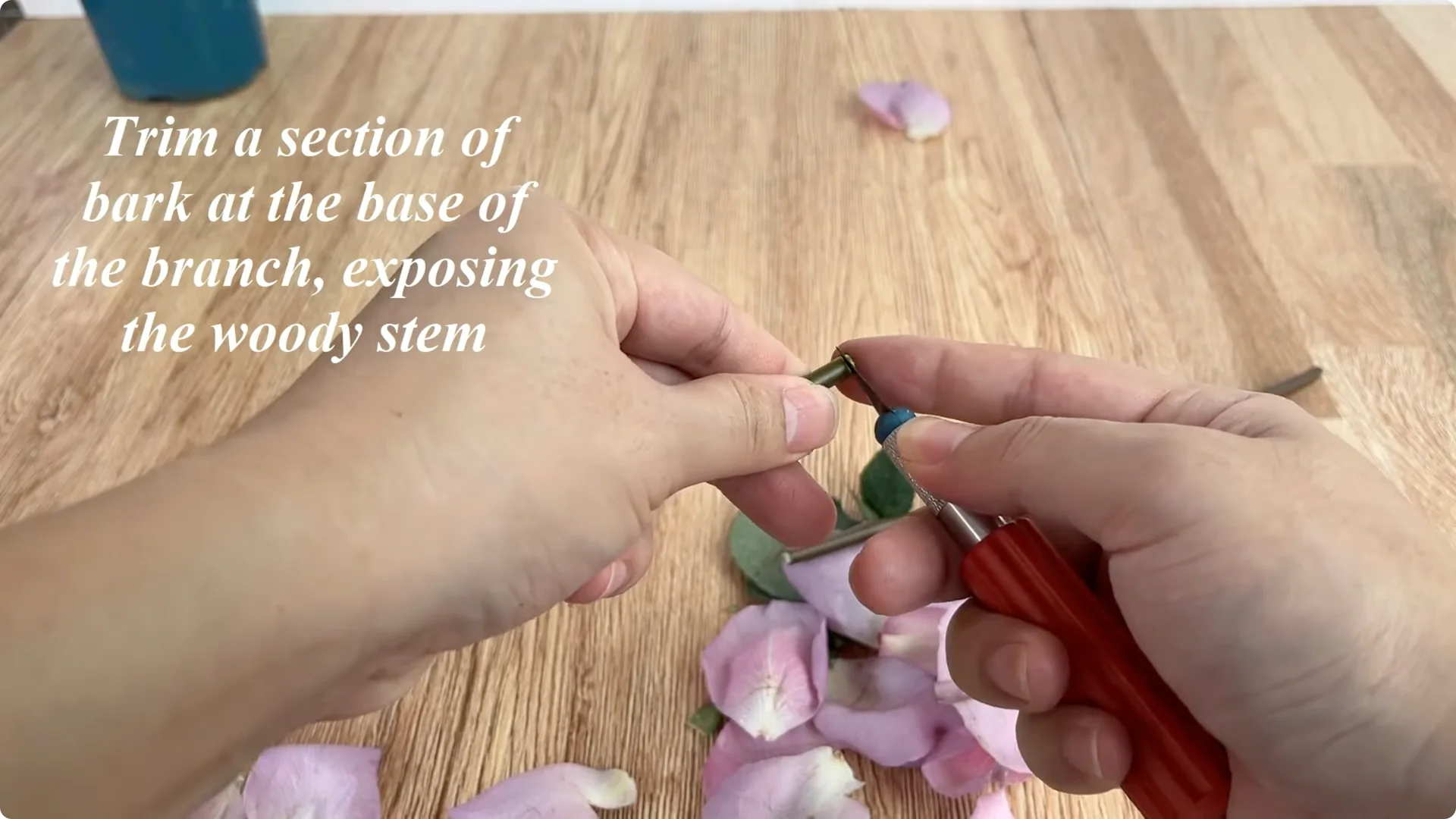
This helps reduce water loss, lessen the stress on the cutting, and allows it to concentrate its energy on root development. Cut the rose cutting to a length of about 20 cm, ensuring a clean cut without crushing the woody tissue.
At the base of the cutting, use a sharp knife to gently trim away some of the bark, exposing the woody layer inside.
This process stimulates callus formation and facilitates the growth of new roots. Patience and meticulousness are key, as each gentle step and each day of waiting contributes to success. When you witness the first white roots appearing and the vibrant shoots emerging, it is a profound and lasting joy.
2. Rose Propagation by Cuttings: Natural Disinfection With Garlic
Next is a natural disinfection using garlic. Take a clove of garlic, peel it, and cut it in half. Garlic contains many natural antibacterial compounds, helping to prevent fungal and bacterial infections in the early stages.
Use a small knife to make a hole in the center of the clove, just large enough to fit the base of the rose stem, then gently insert the rose stem into the hole.
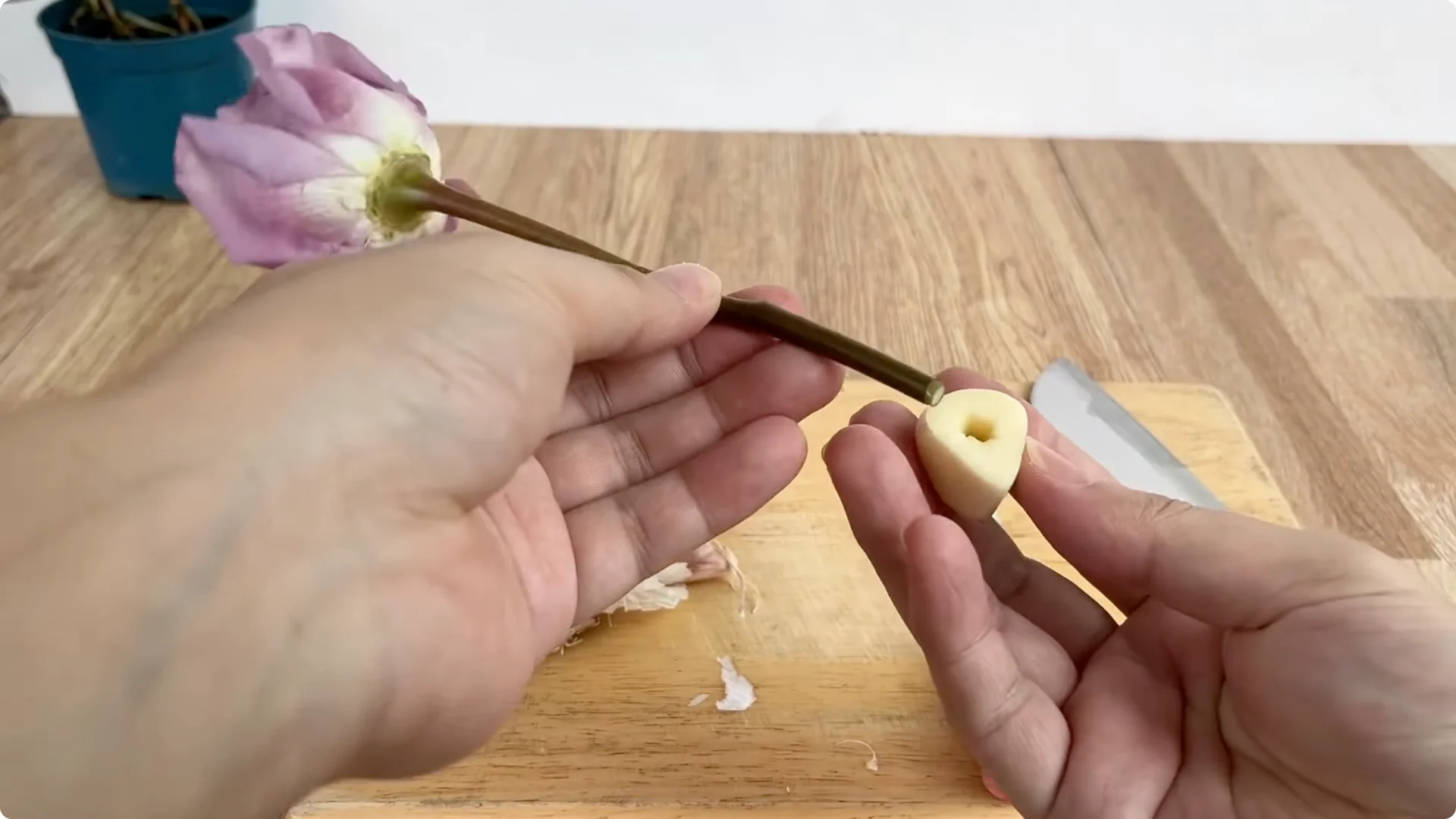
Rub the remaining garlic evenly over the entire stem, paying special attention to the cuts at the base and the areas where the peel was trimmed. After completing this, let the rose stem rest for about 30 minutes to allow the active ingredients in the garlic to take effect.
3. Rose Propagation by Cuttings: Make the Rooting Solution
While waiting, prepare the rooting solution. Take two more cloves of garlic, peel them, and chop them finely along with the first clove, then put everything into a clean plastic cup. Next, prepare a fresh orange, wash it, and peel it.
Orange peel contains many essential oils and trace elements that help stimulate root growth and prevent fungal diseases. Chop the orange peel and add it to the cup with the garlic. The role of citrus in rooting aligns with insights in Lemons Role Propagating Roses.
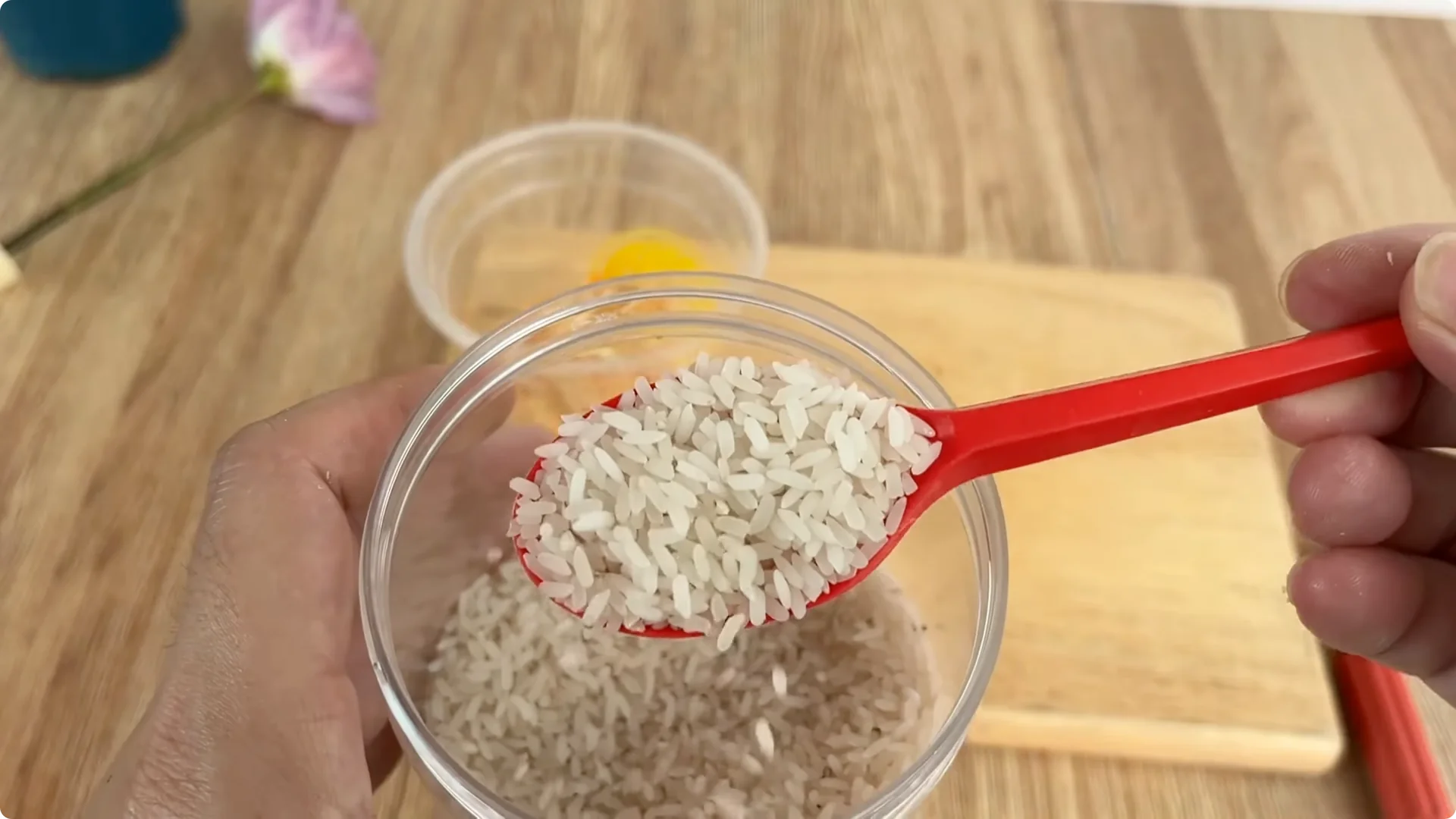
Next, add 5 spoons of rice and 500 ml of warm water to a cup, stir well to combine the ingredients, and let it sit for about 30 minutes. During this time, the essence from the garlic, orange peel, and rice will gradually dissolve, creating a nutrient-rich natural solution. Once the time is up, prepare a piece of sponge and a clean glass jar.
4. Rose Propagation by Cuttings: Set Up the Jar and Foam
Cut the sponge to fit snugly over the mouth of the jar, strong enough to hold the flower stem upright. Then, filter the rice-orange peel-garlic solution through a sieve or thin cloth to completely remove the solids, keeping only the clear liquid.
Afterward, dilute this solution with clean water to obtain about 1 liter of the final solution, concentrated enough to nourish the roots but not shock the flower stem.
Pour the entire diluted solution into the glass jar until it is almost full.
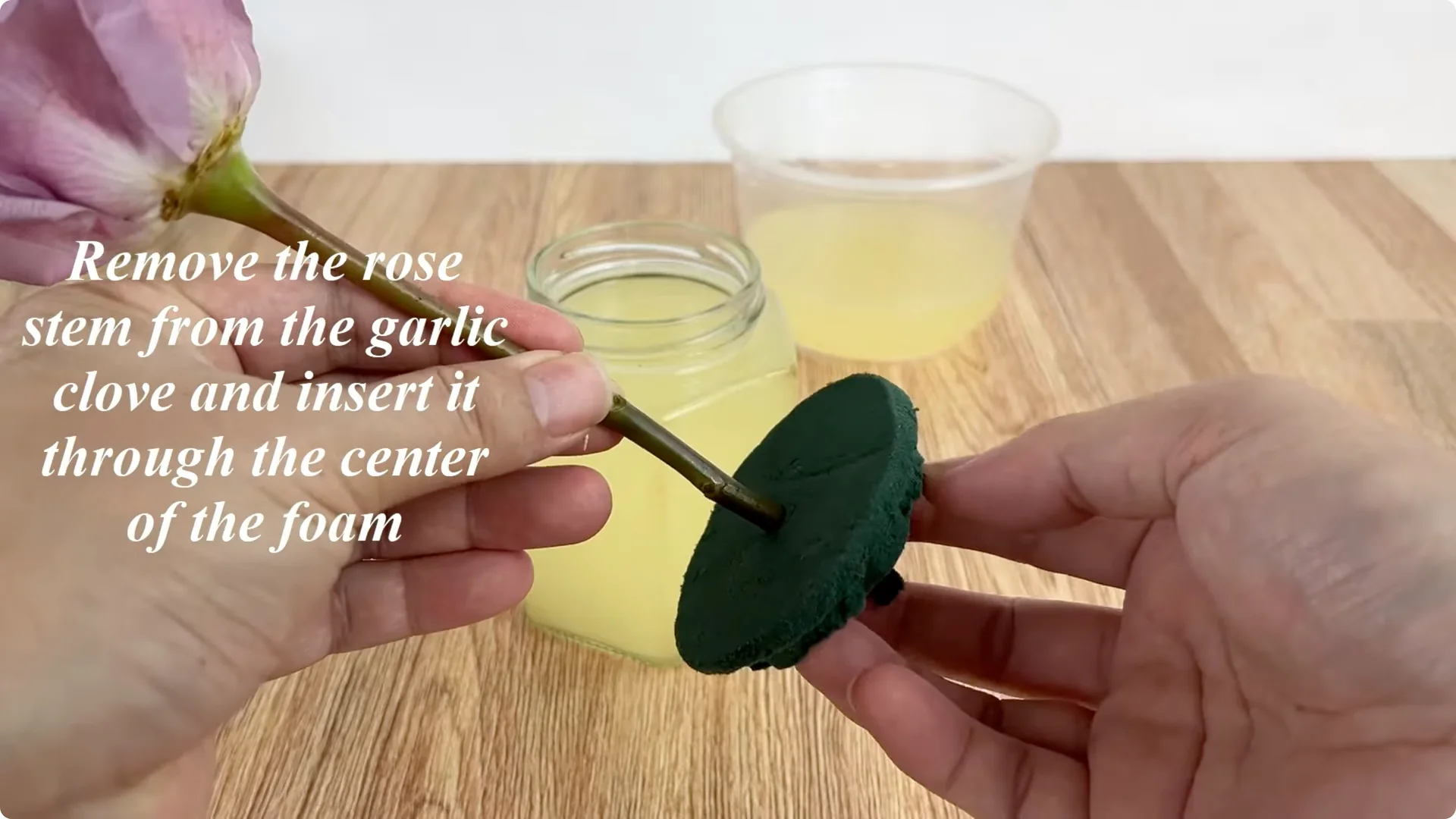
At this point, gently separate the rose stem from the original garlic clove, insert the stem through the center of the foam, and then place the foam over the mouth of the jar so that the base of the rose stem is deeply submerged in the solution. The foam helps to secure the stem and also prevents dust and insects from entering the solution.
5. Rose Propagation by Cuttings: Create a Humid Mini Greenhouse
Use a plastic bag or clear plastic cup to cover the entire jar and rose stem, creating a stable humid environment like a mini greenhouse.
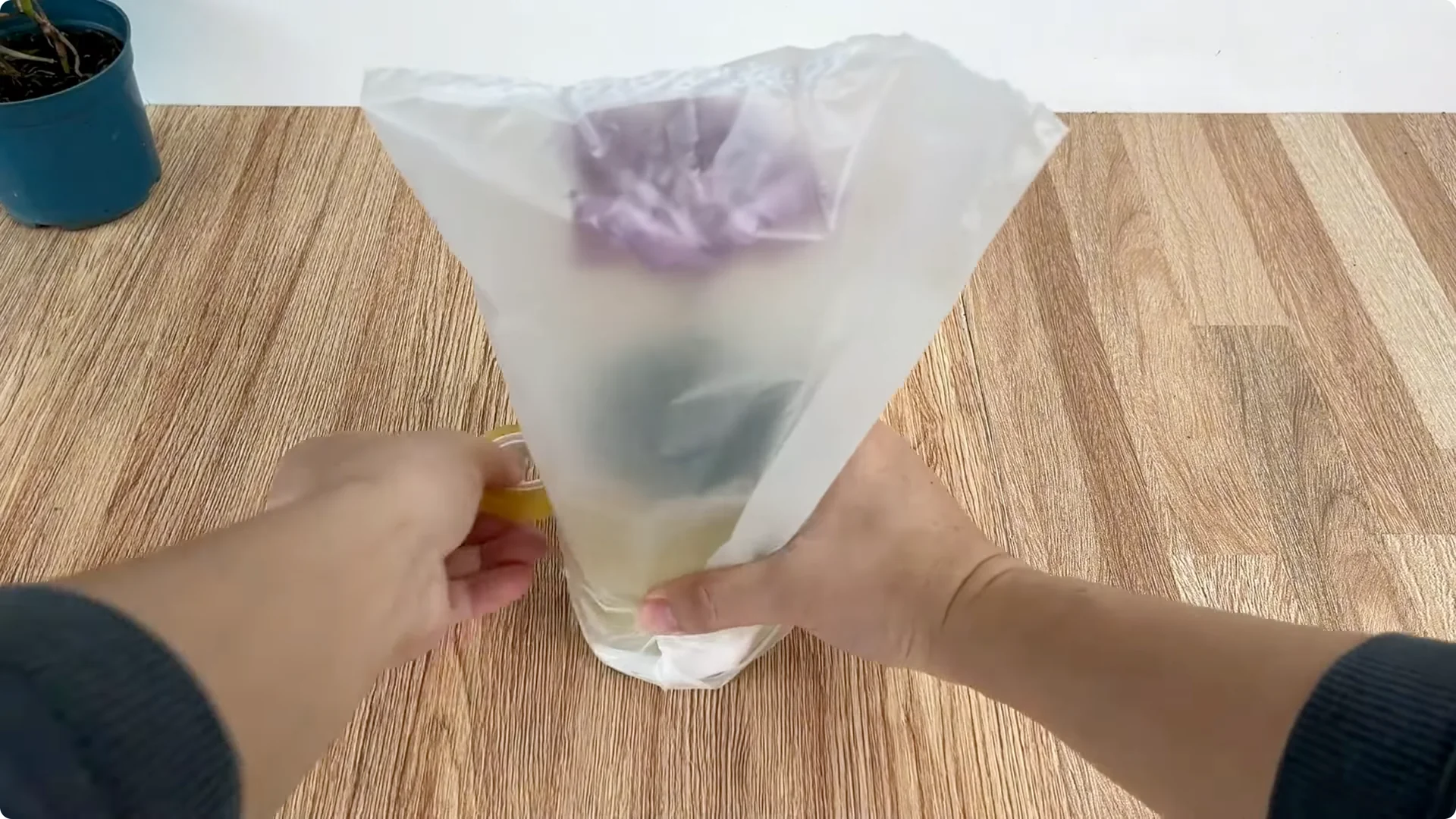
Place the jar in a cool, airy place, avoiding strong winds and direct sunlight to prevent the stem from drying out or experiencing thermal shock. For a speed-focused approach to rooting, see Propagate Roses Faster Method.
6. Rose Propagation by Cuttings: Signs of Success
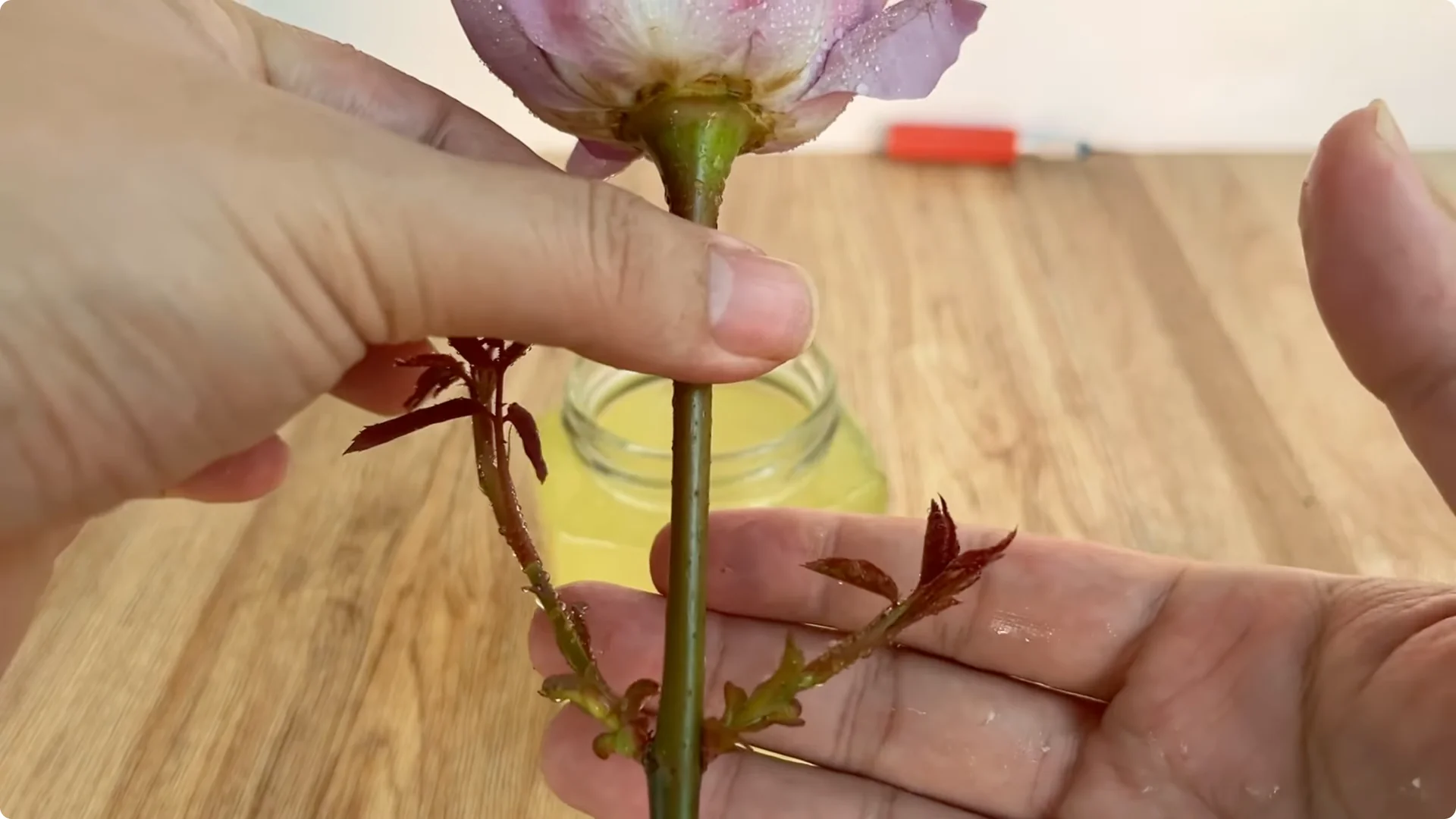
After about 10 days of proper care, you will notice very positive signs. At the base of the stem, many white, plump, succulent roots begin to appear, firmly attaching to the stem.
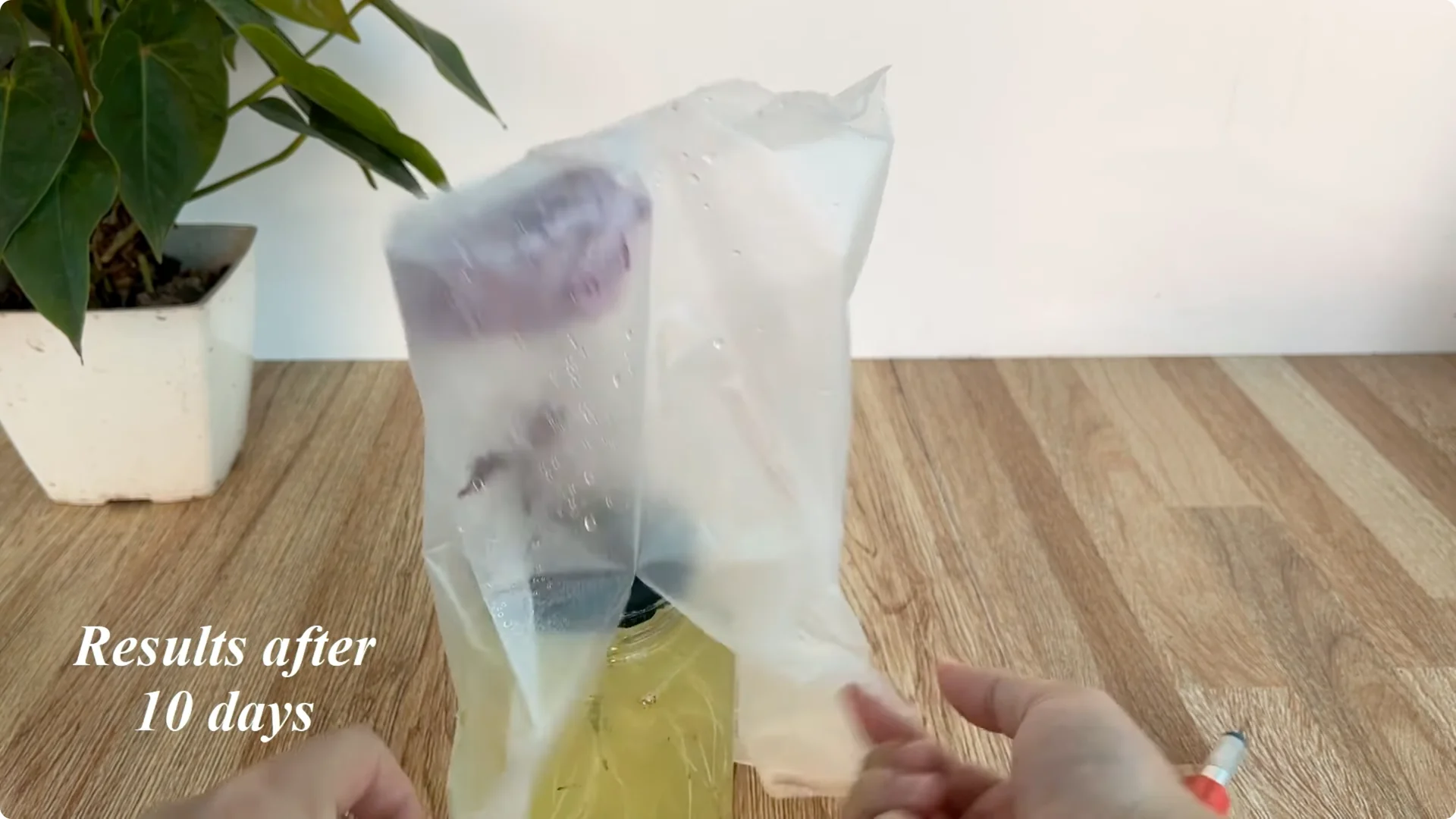
On the stem, fresh green shoots gradually emerge, indicating that the rose stem has adapted well and entered a new growth phase.
7. Rose Propagation by Cuttings: Potting Up
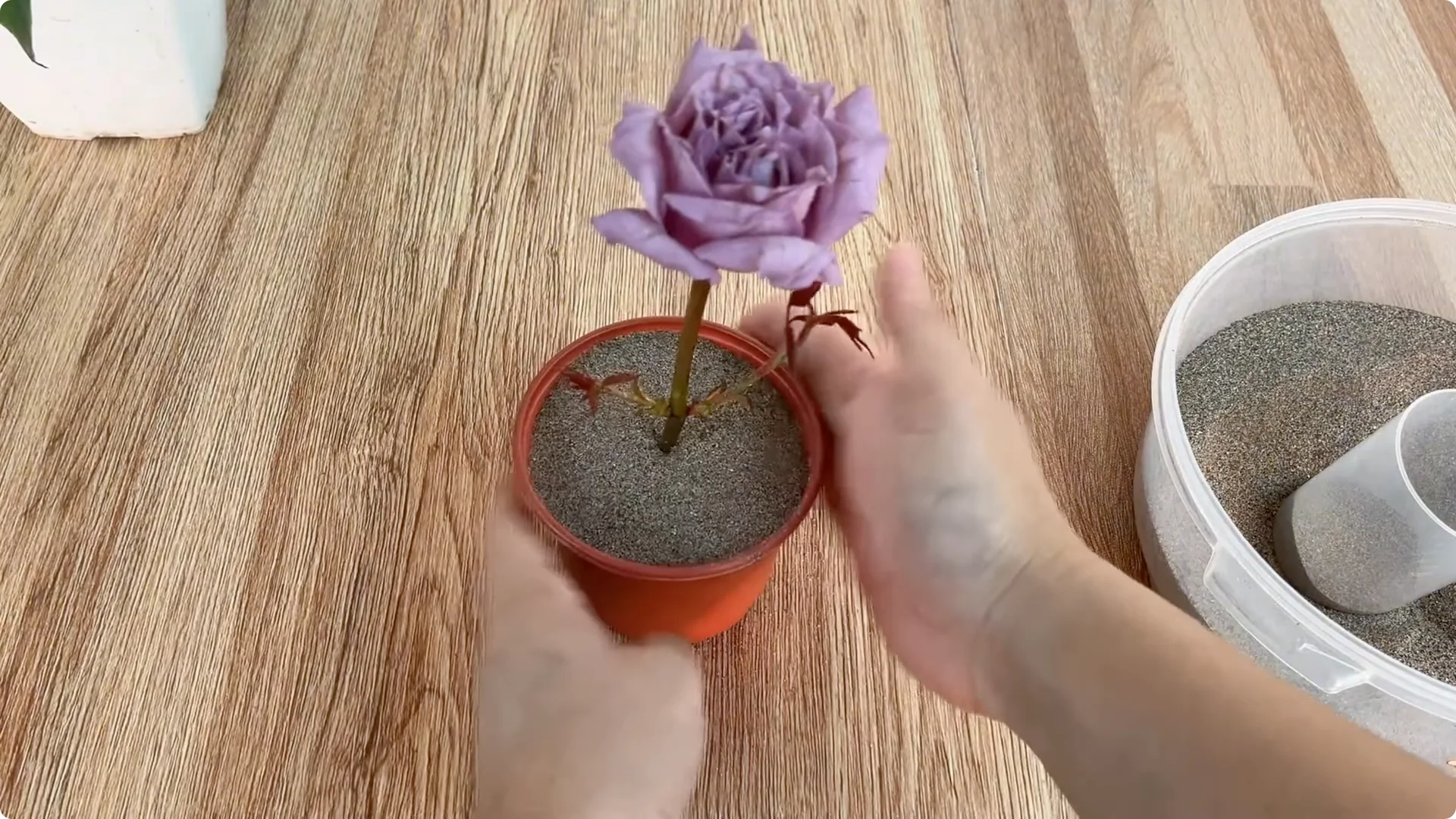
Once the roots are strong enough and the shoots are developing steadily, you can transfer the rose cuttings to pots with good drainage.
Use treated coconut fiber as a growing medium to ensure continued sustainable growth. Handle the young roots gently to avoid damage.
8. Rose Propagation by Cuttings: Why This Works
The method of propagating rose cuttings with garlic, orange peel, and rice is not simply a method of propagation but a harmonious combination of folk experience and the natural growth patterns of the plant.
Each ingredient plays a specific role, from antibacterial properties and root stimulation to providing essential nutrients for the cutting’s recovery.
As discussed in Surprising Method Propagate Roses, simple kitchen ingredients can support healthy rooting when used with care.
Most importantly, patience and meticulousness are key. Each gentle step and each day of waiting contributes to success. When you witness the first white roots appearing and the vibrant shoots emerging, it is not just the result of a correct method, but also a joy that only those who truly love flowers and nature can fully appreciate.
Final Thoughts
Rose propagation by cuttings using garlic, orange peel, and rice is practical, affordable, and effective. Follow each step carefully, maintain humidity and gentle light, and give the cutting time to root and grow. The reward is a healthy new rose that reflects both care and patience.