
Today, we will discover together a great secret to propagate roses from cuttings. Follow each step carefully, you will definitely be surprised by the results.
1. Rose Cutting Propagation: Prepare the Branch
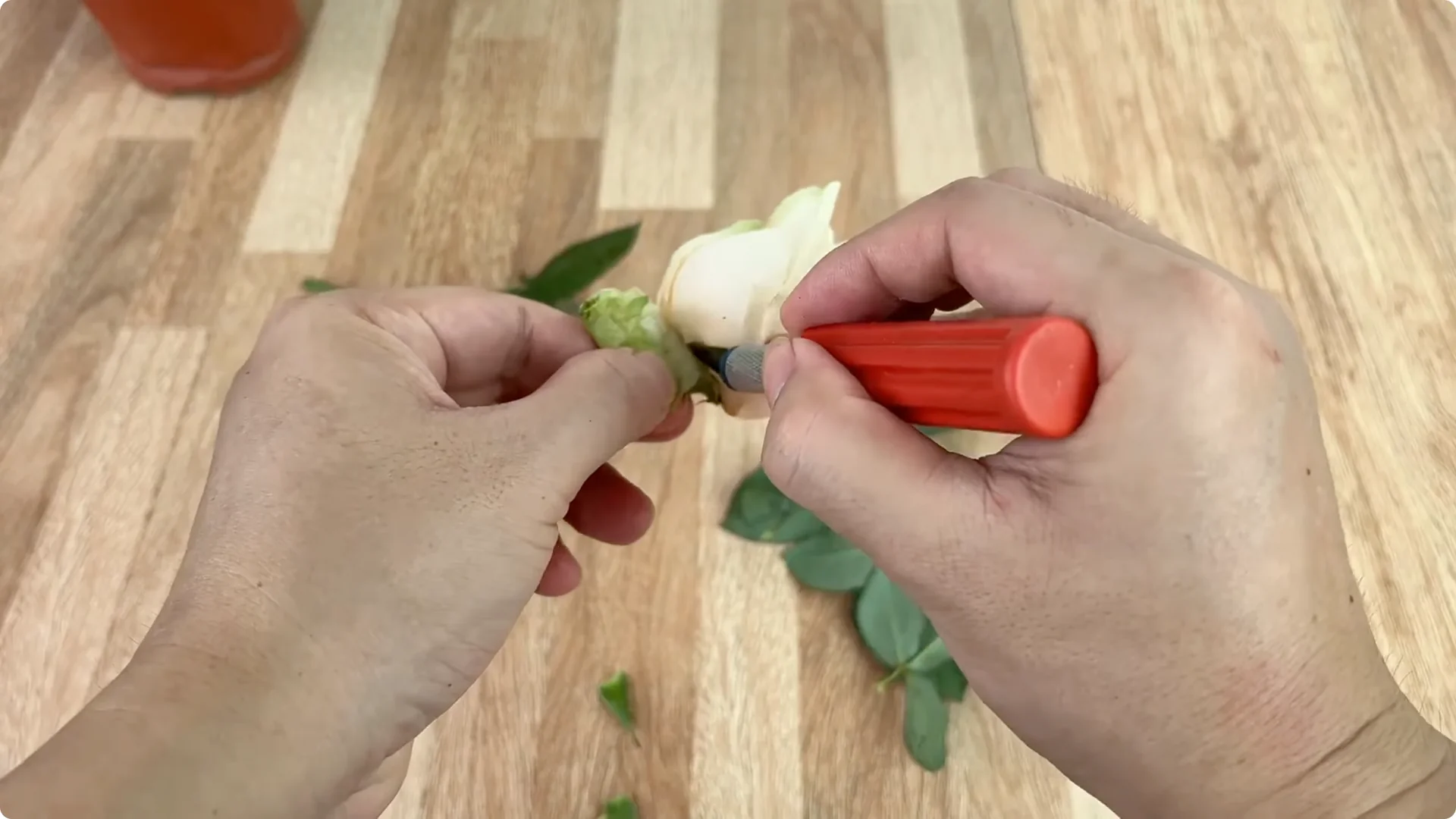
First, we need to prepare a healthy rose branch, free of pests and diseases and of moderate age. Choosing the right branch is an important first step because a standard rose branch will help the rooting process faster and the young plant grow more sustainably.
Cut the branch to about 15-20 cm, remove all leaves and thorns to reduce water loss and help the branch focus its energy on growing new roots. Use sharp scissors to cut the base at a 45-degree angle. This diagonal cut increases the contact area with the nutrient solution, thereby stimulating stronger root formation.
Read More: One Cup Helps Rose Branch Root Bloom
2. Rose Cutting Propagation: Make the Rooting Solution
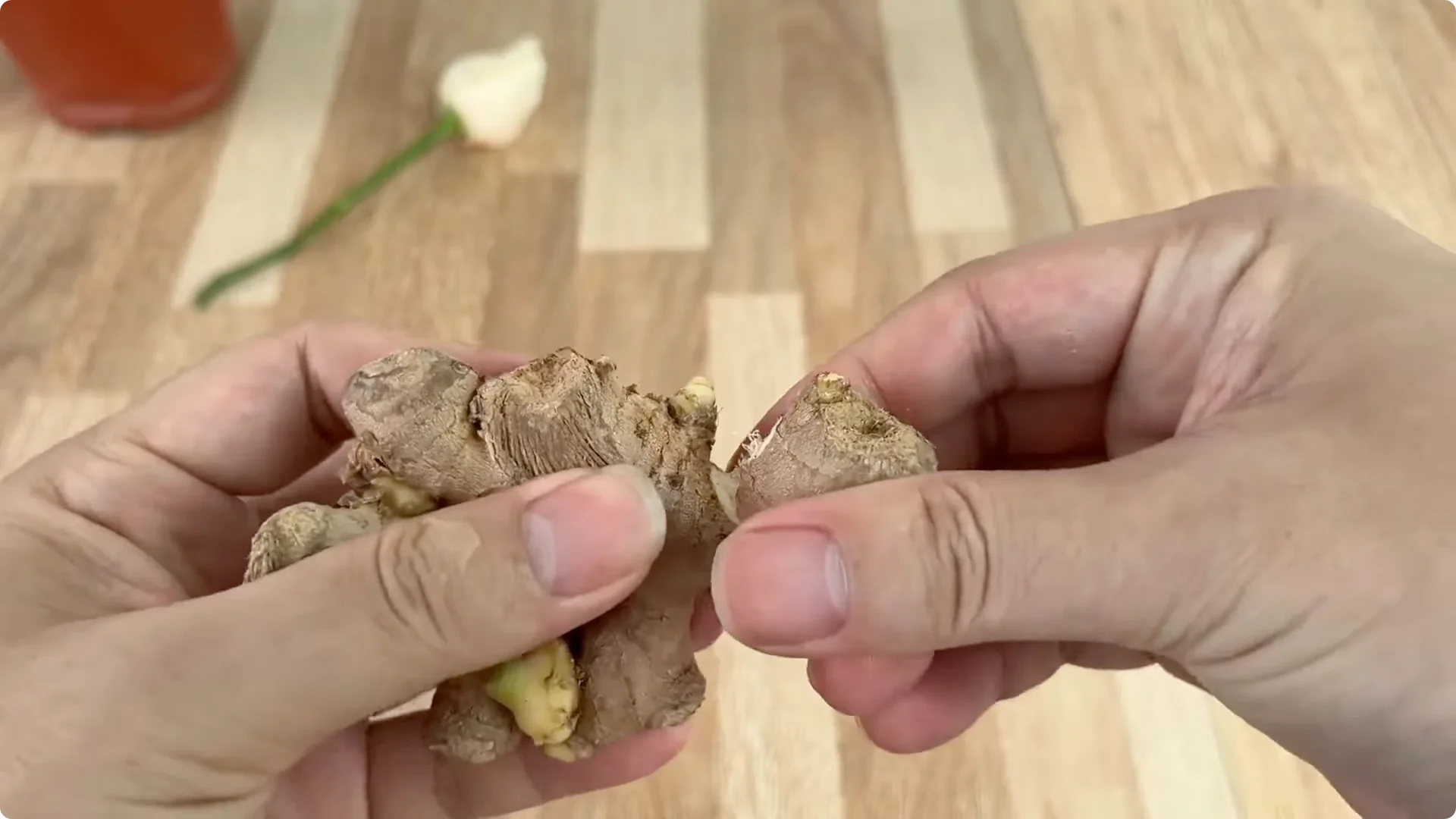
Ginger and lemon
We come to very familiar ingredients: ginger and lemon. Prepare about 10 grams of fresh ginger, wash it, chop it and put it in a clean plastic cup.
Ginger contains natural antibacterial substances, which help prevent harmful fungi in the cut and also has biological compounds that stimulate young roots to quickly sprout. Cut a small lemon into very thin slices and put it in together. Lemon contains a lot of citric acid which has both antibacterial effects and creates a slightly acidic environment to help roots grow easily.
When combining ginger and lemon, we have a solution that both protects the flower branches from bacteria and promotes the formation of new roots. Add 0.5 liters of clean water to the cup, stir well and soak the rose branches for 30 minutes so that the solution penetrates deeply into the plant tissue.
Bread soak
At the same time, we prepare bread, an ingredient that sounds strange in cuttings but is extremely useful. Tear a slice of bread into small pieces and put it in a plastic cup.
When the bread is soaked in water, it will release a small amount of carbohydrates and natural yeast. This is a source of energy-rich nutrients that help stimulate the metabolism of the flower branches while creating a beneficial microbiological environment for young roots to develop. Add 0.5 liters of clean water, stir well and let it sit for about 30 minutes.
Combine the solutions
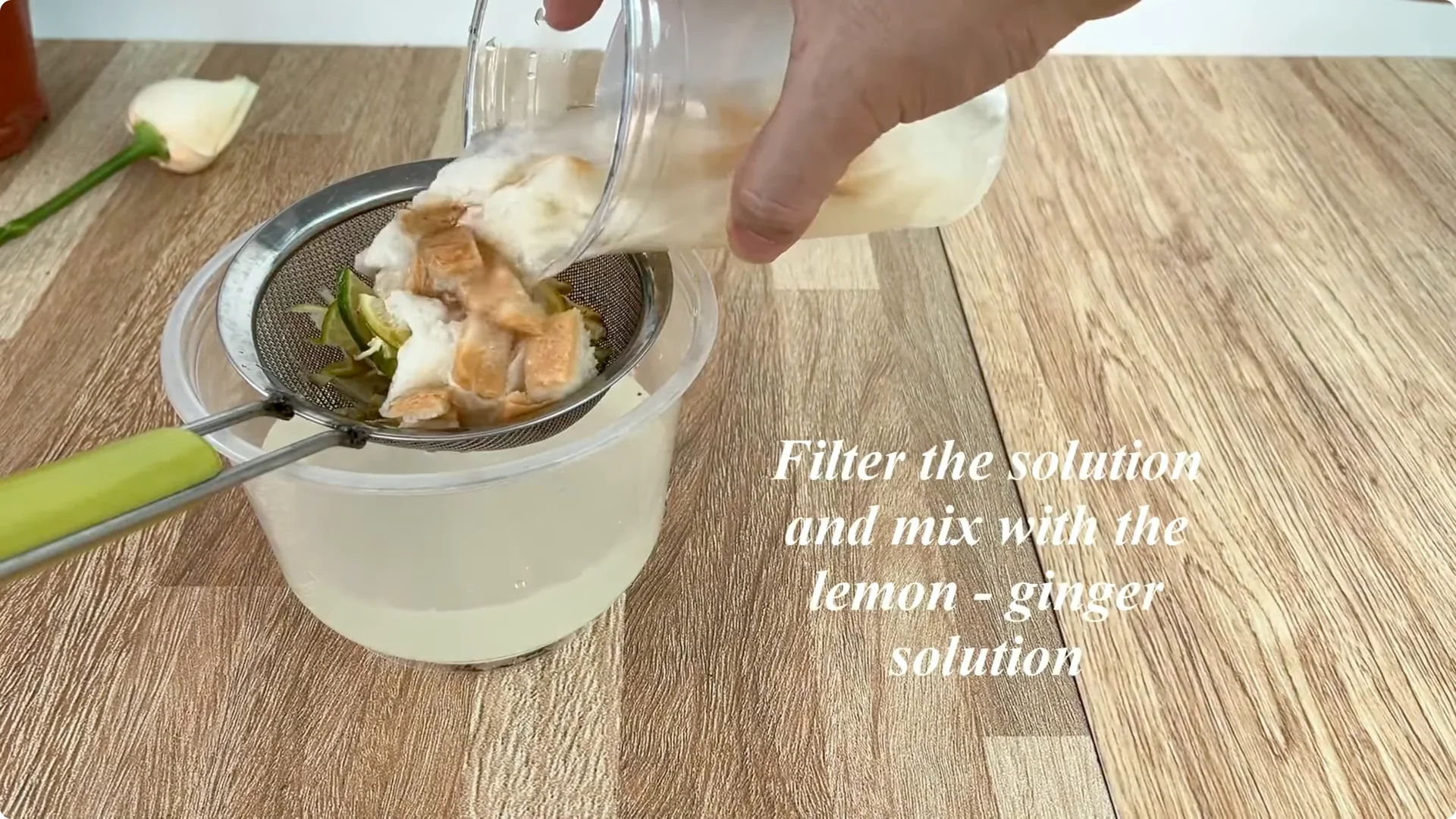
After soaking for enough time, we take the rose branches out of the ginger and lemon solution. This solution is filtered to remove the residue to collect clear water.
At the same time, filter the water from the bread mixture and mix the two solutions together. This combination creates a nutrient-rich mixture, capable of both antibacterial, nourishing and stimulating the roots.
Read More: One Cup Rose Branch Root Bloom
3. Rose Cutting Propagation: Prepare the Medium and Plant
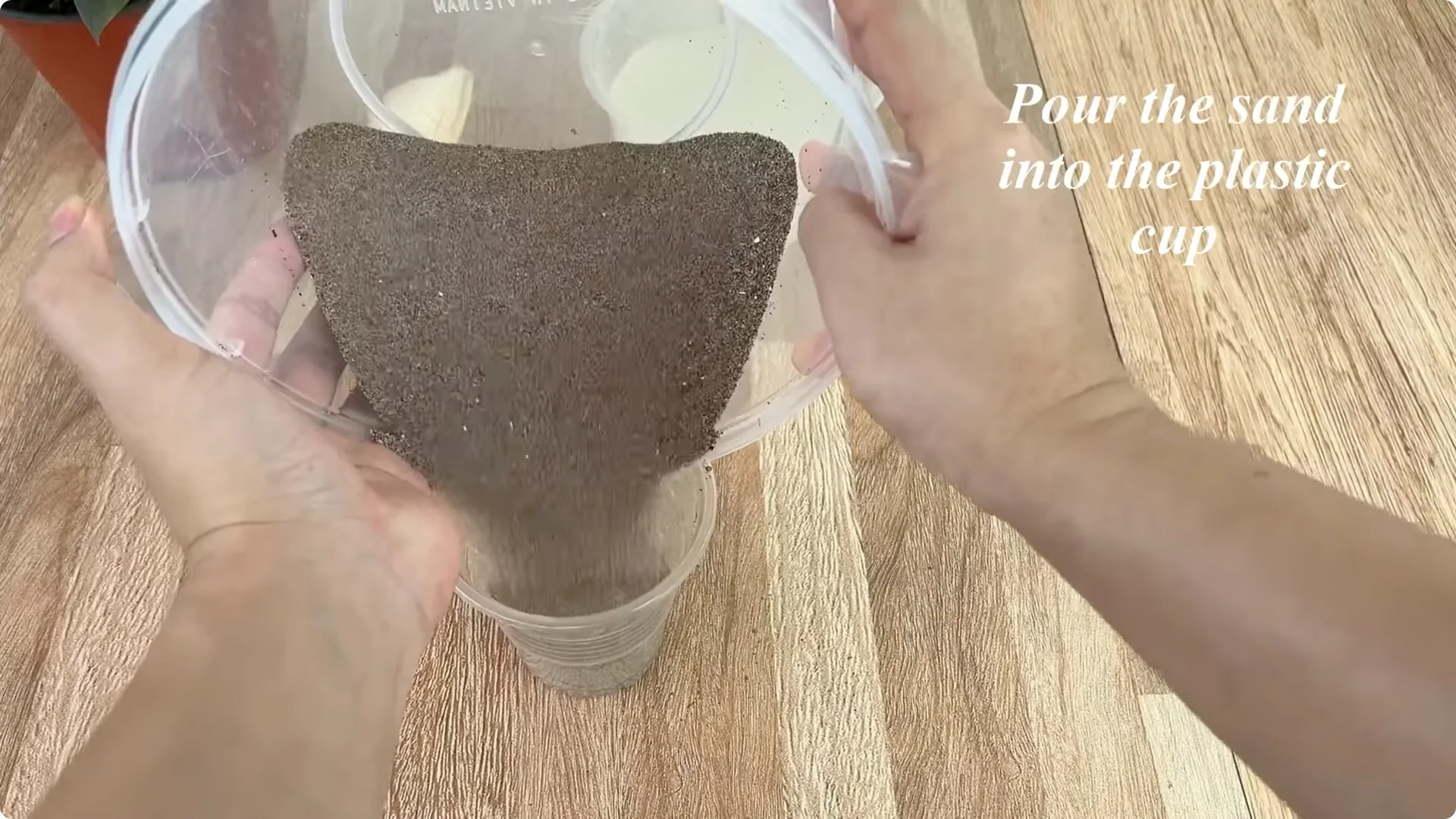
Sand setup and moistening
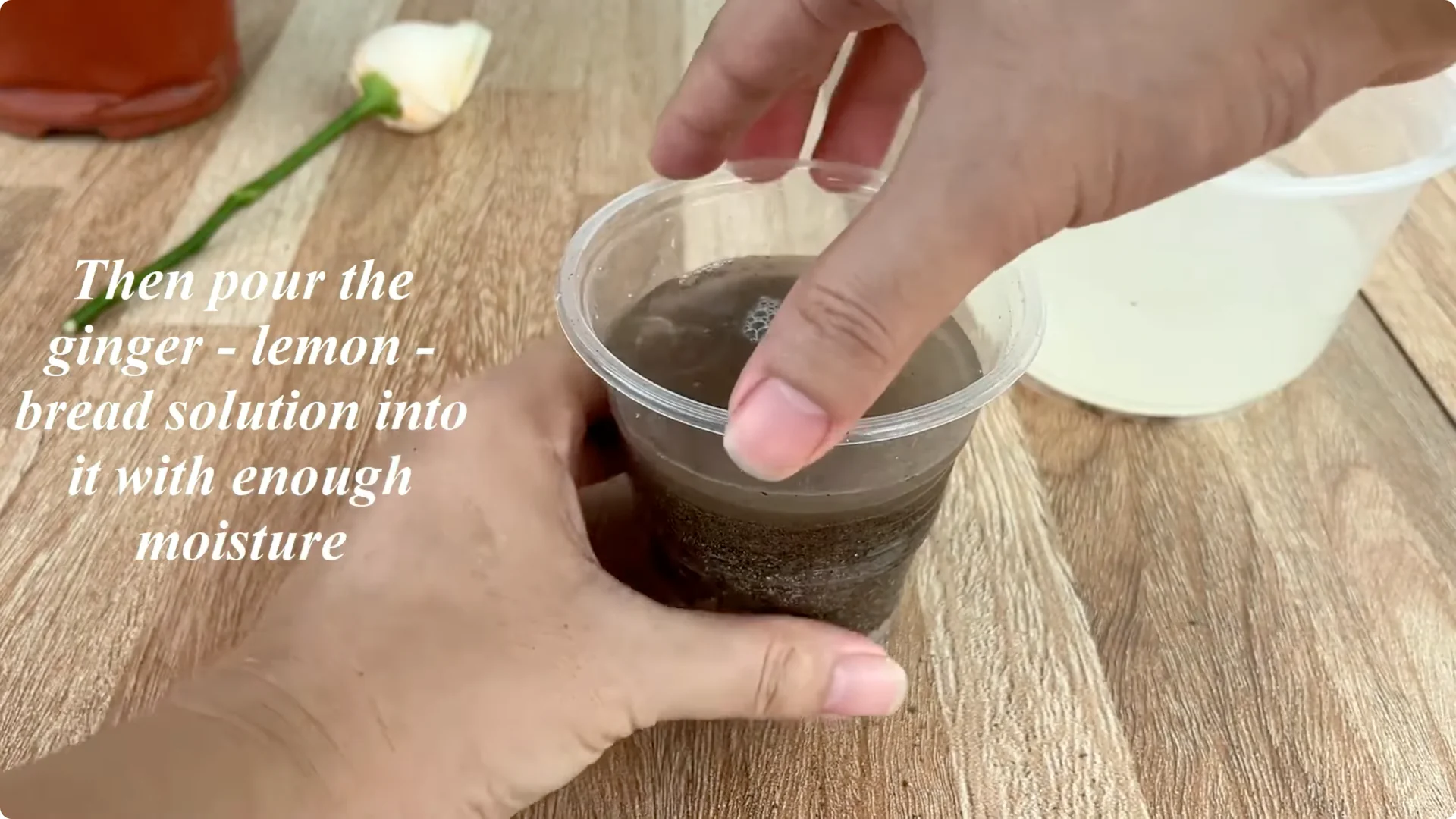
Prepare a clean plastic cup with treated river sand. Pour the sand almost full into the cup.
Clean river sand has good ventilation, retains moderate moisture, and is very suitable for the development of young roots. Sprinkle evenly the ginger, lemon and bread solution just mixed, so that the sand is moist enough but not soggy.
Insert the cutting and create humidity
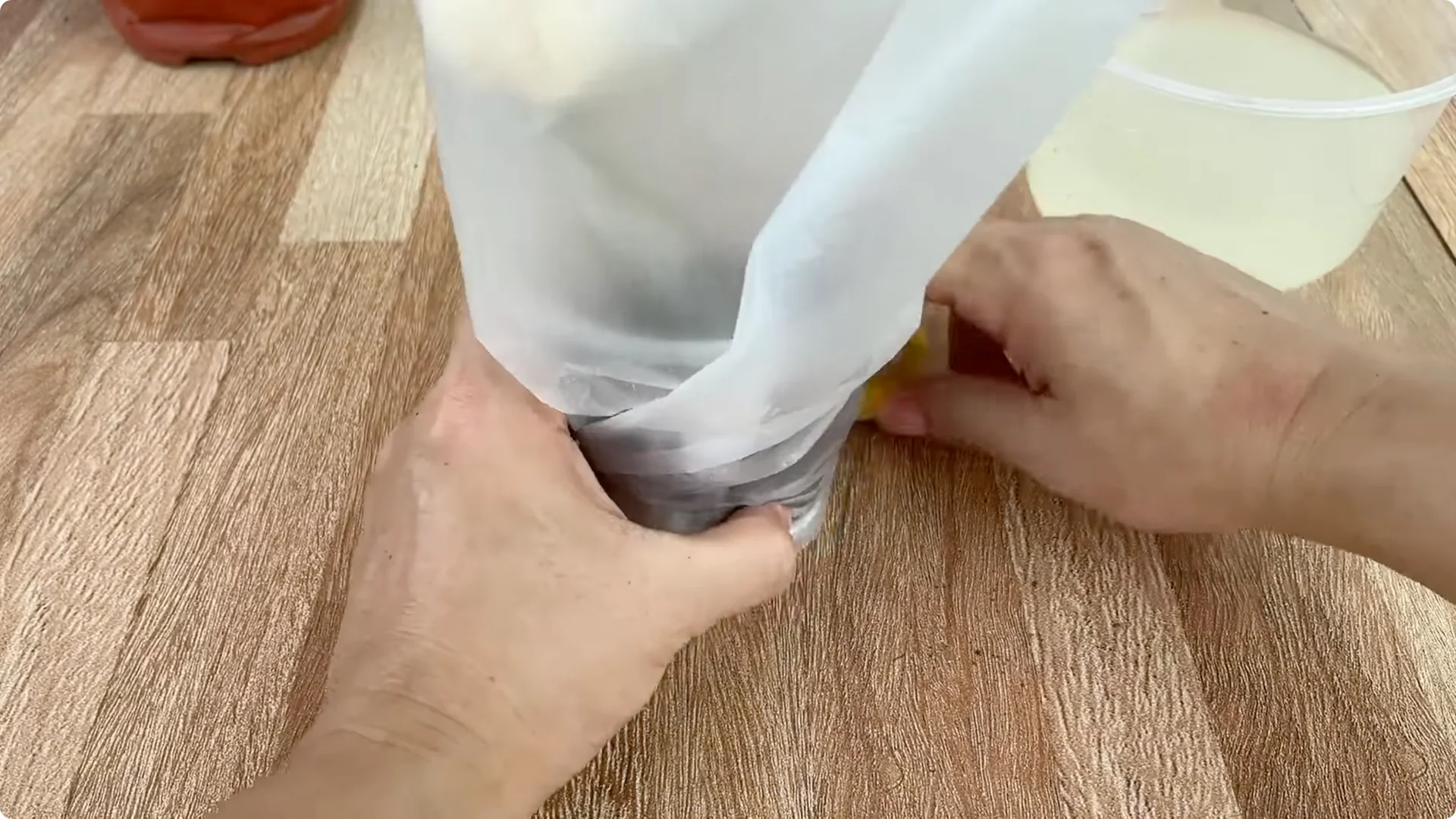
Insert the prepared rose branch into the middle of the cup, deep enough for the base to have good contact with the environment. To create a stable environment, use a plastic bag or a transparent plastic cup to cover the mouth of the cup.
This method helps to keep the humidity stable while creating a greenhouse effect to help the rose branch easily take root. Place the cup in a cool place, avoid strong winds and direct sunlight, because harsh sunlight can cause the branch to lose water quickly.
Read More: One Cup Rose Branch Bloom 2
4. Rose Cutting Propagation: Early Results and Transplanting
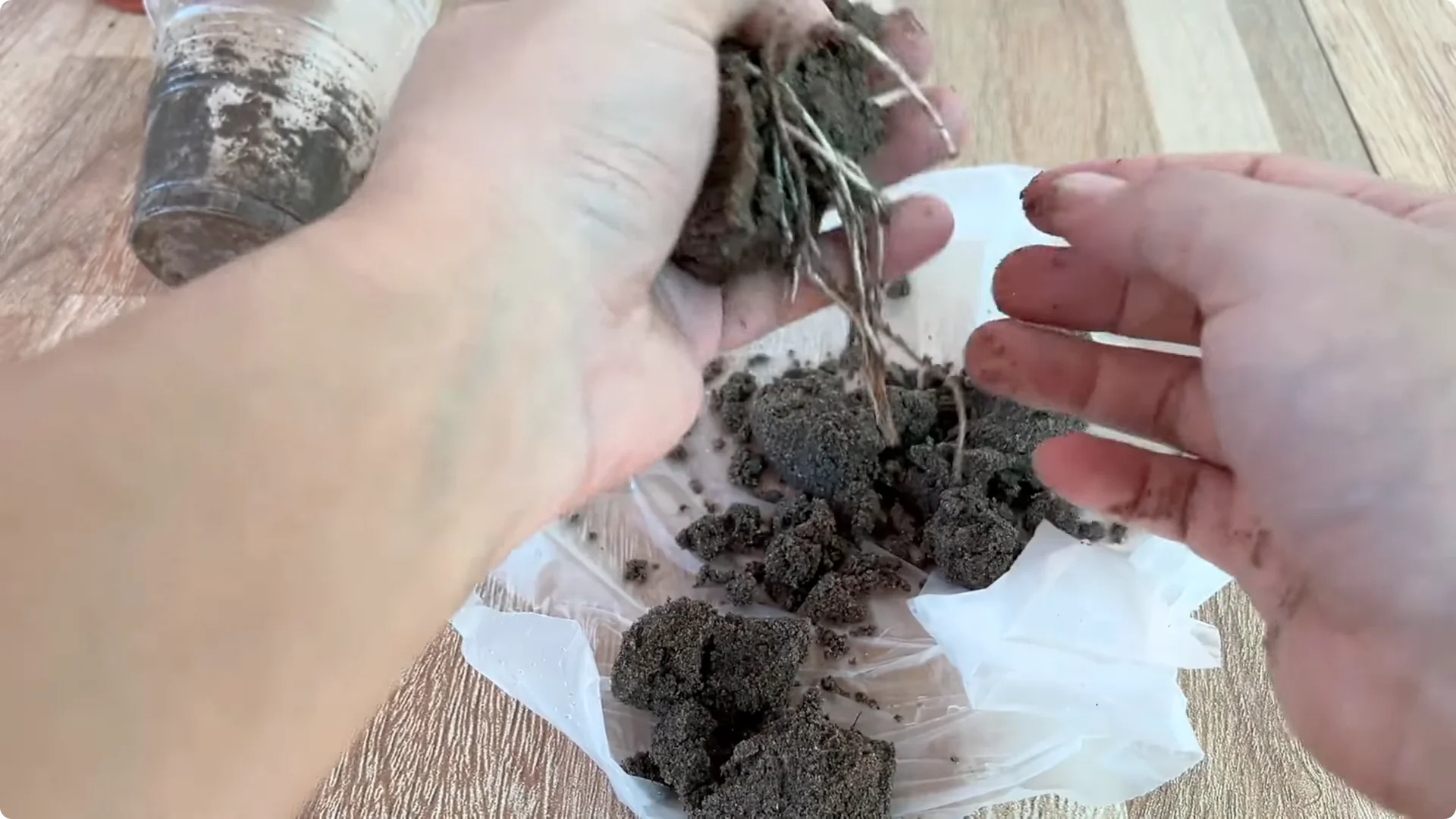
After 7 days of care, you will see a miracle happen. The rose branch begins to sprout green buds, signaling a new life full of life.
At the base appear many plump, strong white roots, clinging to the sand layer. This is the right time for you to plant the branch in a pot containing a well drained substrate such as coconut fiber or nutrient mixed soil.
When transferred to the new environment, the young plant will quickly adapt and develop into a lush rose bush, giving beautiful, long lasting flowers.
Final Thoughts
With only very familiar ingredients in the kitchen, ginger, lemon and bread, we have created a unique cuttings formula, both simple and effective. No need for expensive chemicals, no need for overly complicated techniques, you can completely successfully propagate your favorite rose varieties right at home.
Wishing you a brilliant rose garden, full of color and fragrance all year round.