

I will share with you an extremely simple, natural but extremely effective method of propagating rose branches. It helps the branches quickly root and grow healthy buds, without the need to use any industrial root stimulants. This method is easy to do at home and gives reliable results.
1. Natural Rose Cutting Propagation Basics
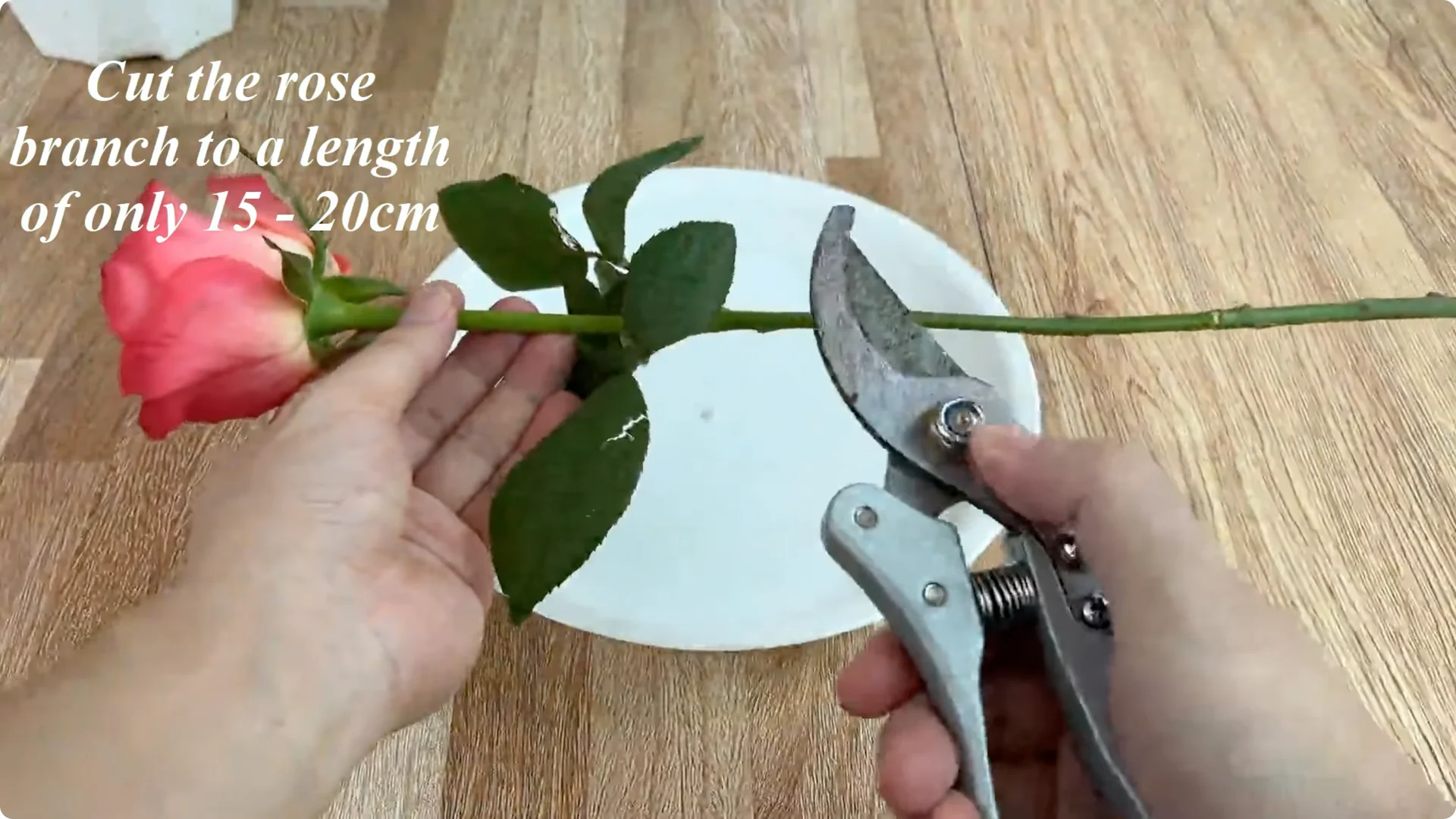
Choose a very healthy rose branch, free of pests and diseases, with a young or slightly old stem. Cut the branches short, keeping only about 15 to 20 cm long. Remove all the sharp thorns and the leaves below, only keeping the top 2 to 3 leaves to help the plant photosynthesize lightly and limit water loss in the early stages.
For a quick cup setup that pairs well with this approach, see this one cup rose rooting method.
2. Natural Rose Cutting Propagation Ginger Soak
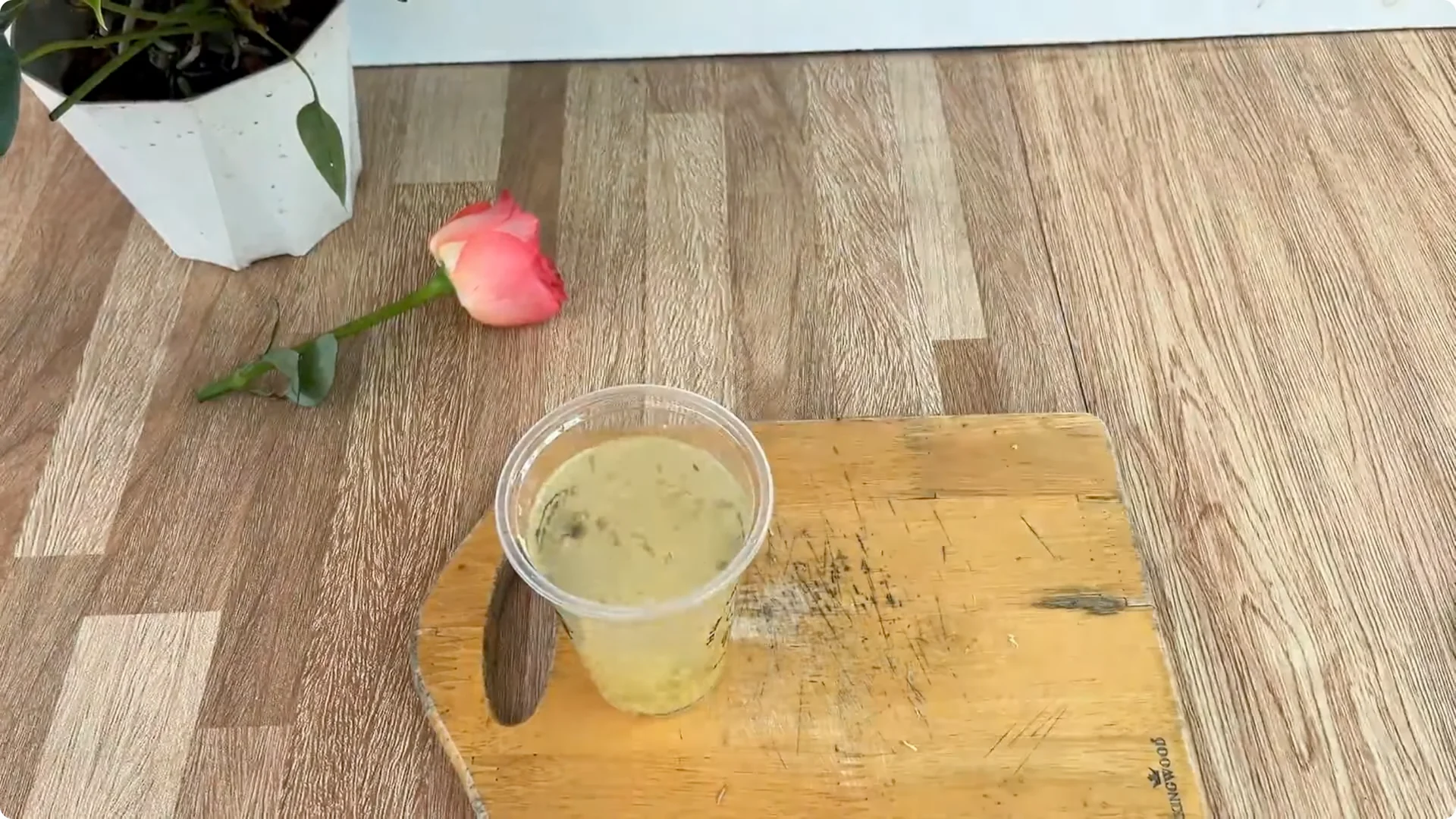
Take about 10 grams of fresh ginger, wash and chop it. Ginger contains many strong antioxidants and antibacterial agents, especially gingerol and shogaol, two substances that can inhibit bacteria and fungi that cause root rot, and at the same time promote root cell division. Put the chopped ginger in a clean plastic cup, add 0.5 liters of clean water, stir well and soak the rose branches in it for about 30 minutes.
Soaking the ginger first will help disinfect the flower branches, prevent stem rot, and create a safe rooting environment. Let the cuttings sit in this soak without disturbance. Keep the container clean to avoid contamination.
3. Natural Rose Cutting Propagation Tomato and Glucose Mix
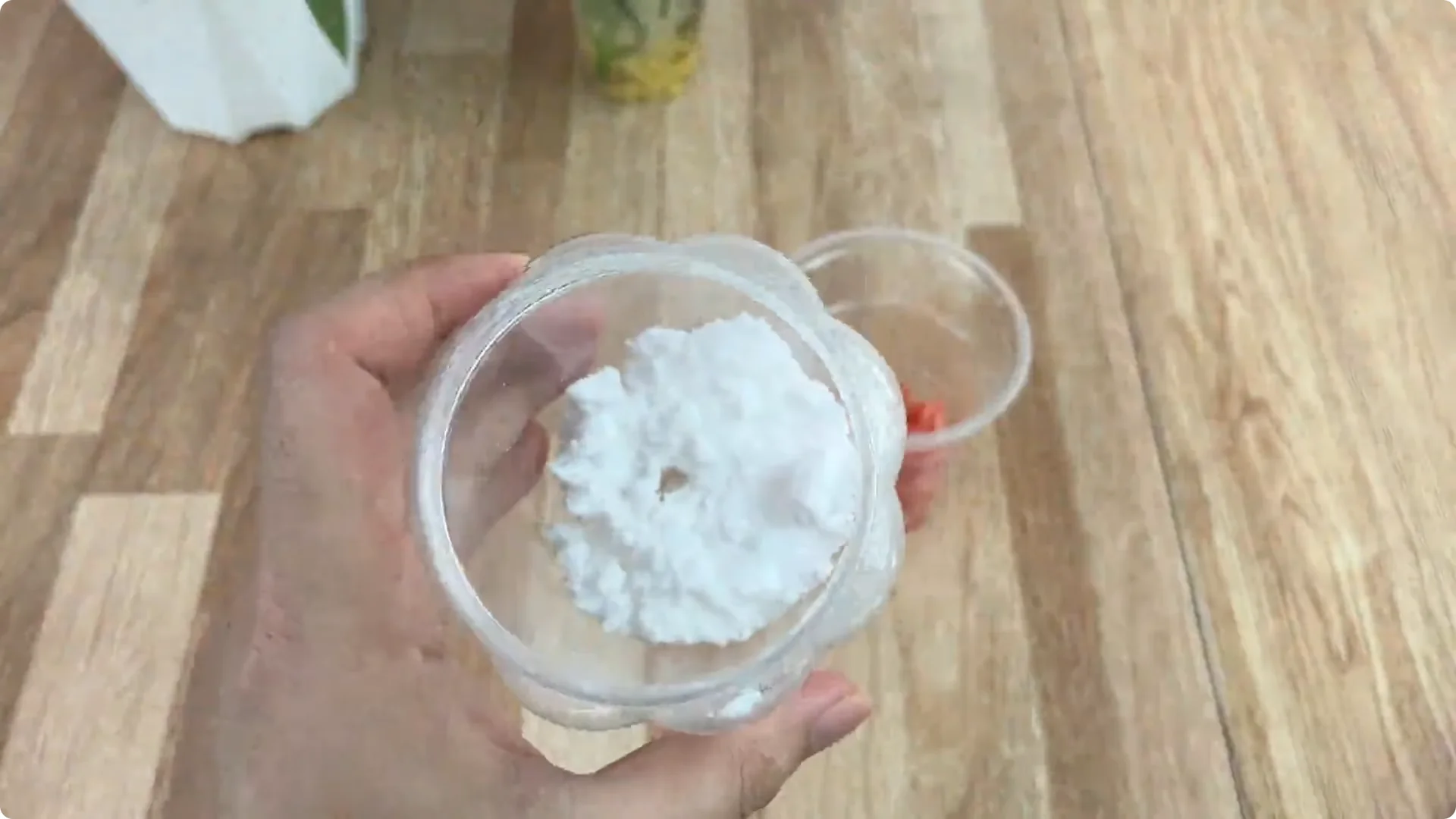
Take 1 small tomato about 30 grams, wash and chop. Tomatoes are rich in lycopene, vitamins A, B, C, and potassium, essential substances to help young tissue recover and roots grow healthily. Put the tomato in a clean plastic cup, then add 1/2 teaspoon of glucose to the cup of tomato.
Pour 0.5 liters of clean water into the cup, stir well, and let stand for 30 minutes so that the substances in the tomato and glucose dissolve into the water. This creates a gentle nutrient bath for early root formation. Keep the mixture covered and clean while it rests.
For a cup based routine that encourages both roots and blooms, explore this helpful roots and blooms in one cup guide.
4. Natural Rose Cutting Propagation Combine Solutions
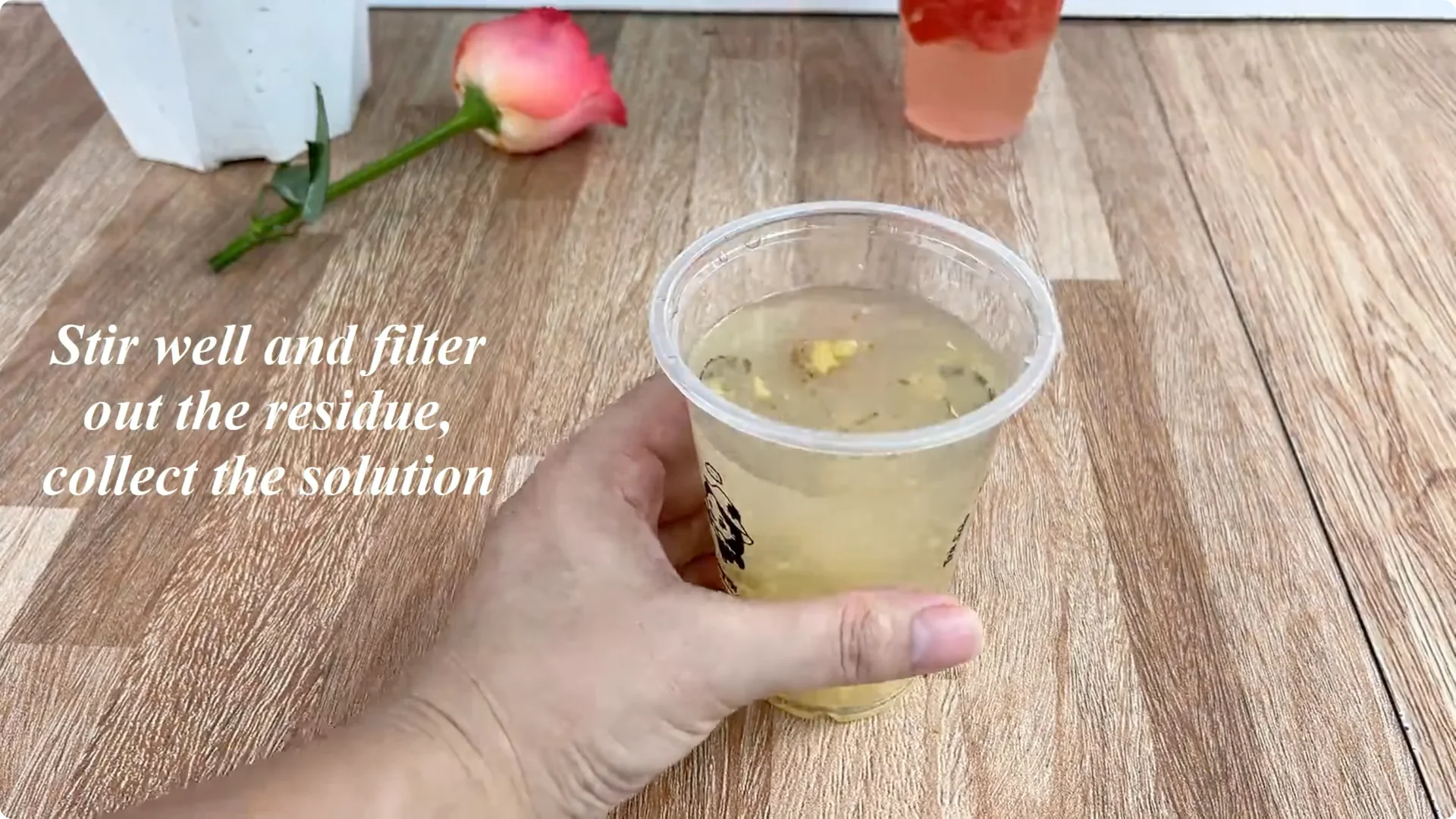
After soaking the rose branches in ginger for 30 minutes, take them out and let them drain. Filter out the ginger and tomato pulp, then mix the two solutions together. Dilute with clean water to make about 1 liter of complete solution.
5. Natural Rose Cutting Propagation Moss Setup
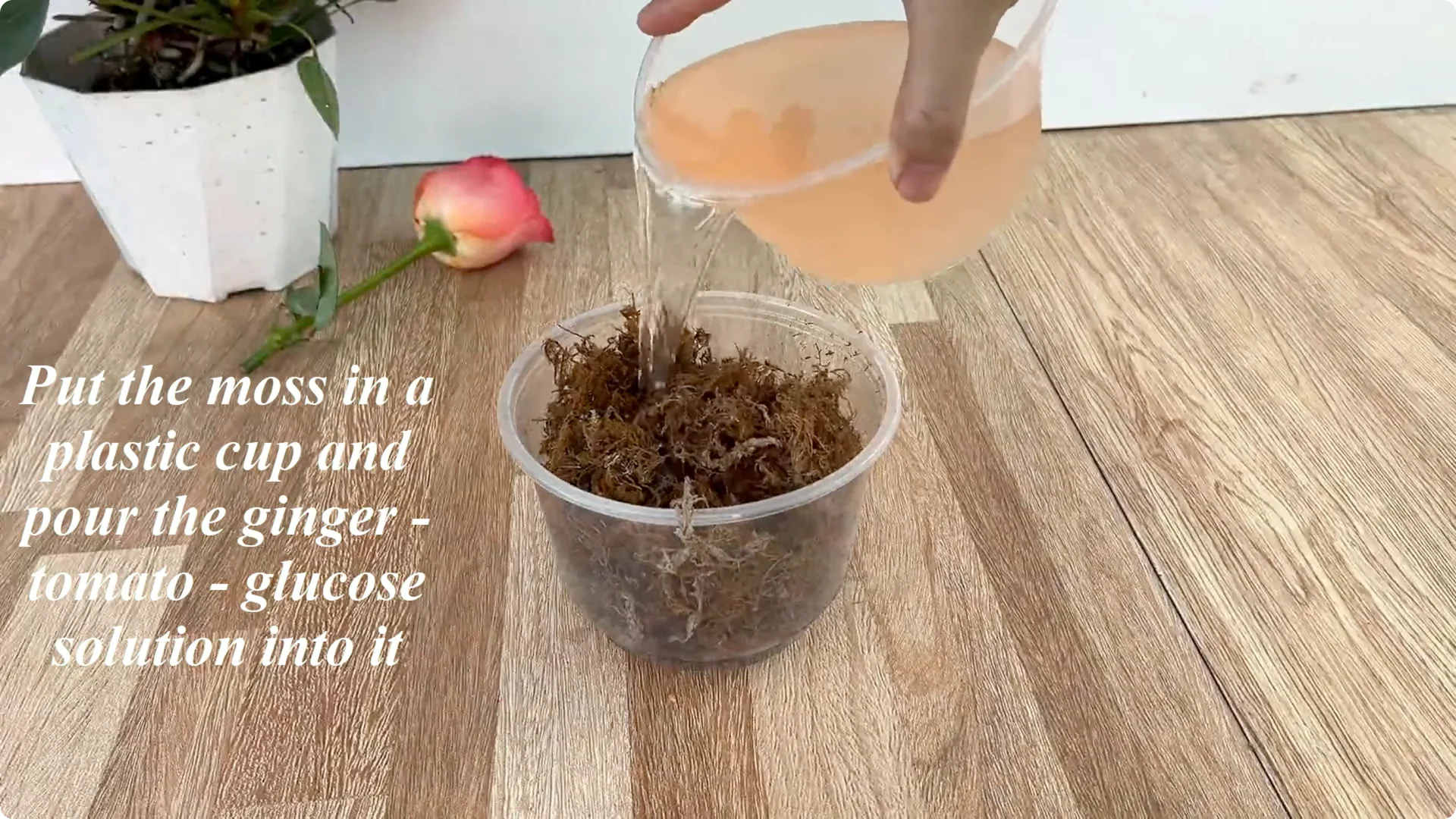
Prepare some treated moss. Moss has the ability to retain moisture very well, is airy, and is very suitable for cutting branches. Pour in the ginger, tomato, and glucose solution, and soak the moss for about 5 minutes so that the moss absorbs all the nutrients.
Gently squeeze the moss to drain excess water, and put it back in the cup. Make a small hole in the middle of the cup for the cutting. Insert the rose branch into it, and press the moss lightly around to fix it firmly.
Use a transparent plastic bag or an upside down plastic cup to keep the branch moist, creating favorable conditions for young roots to develop. Place the cup in a cool place, without drafts, and avoid direct sunlight. Maintain steady humidity without waterlogging.
For more single cup ideas that pair with this technique, see this practical cup method for roots and blooms.
6. Natural Rose Cutting Propagation Rooting Results
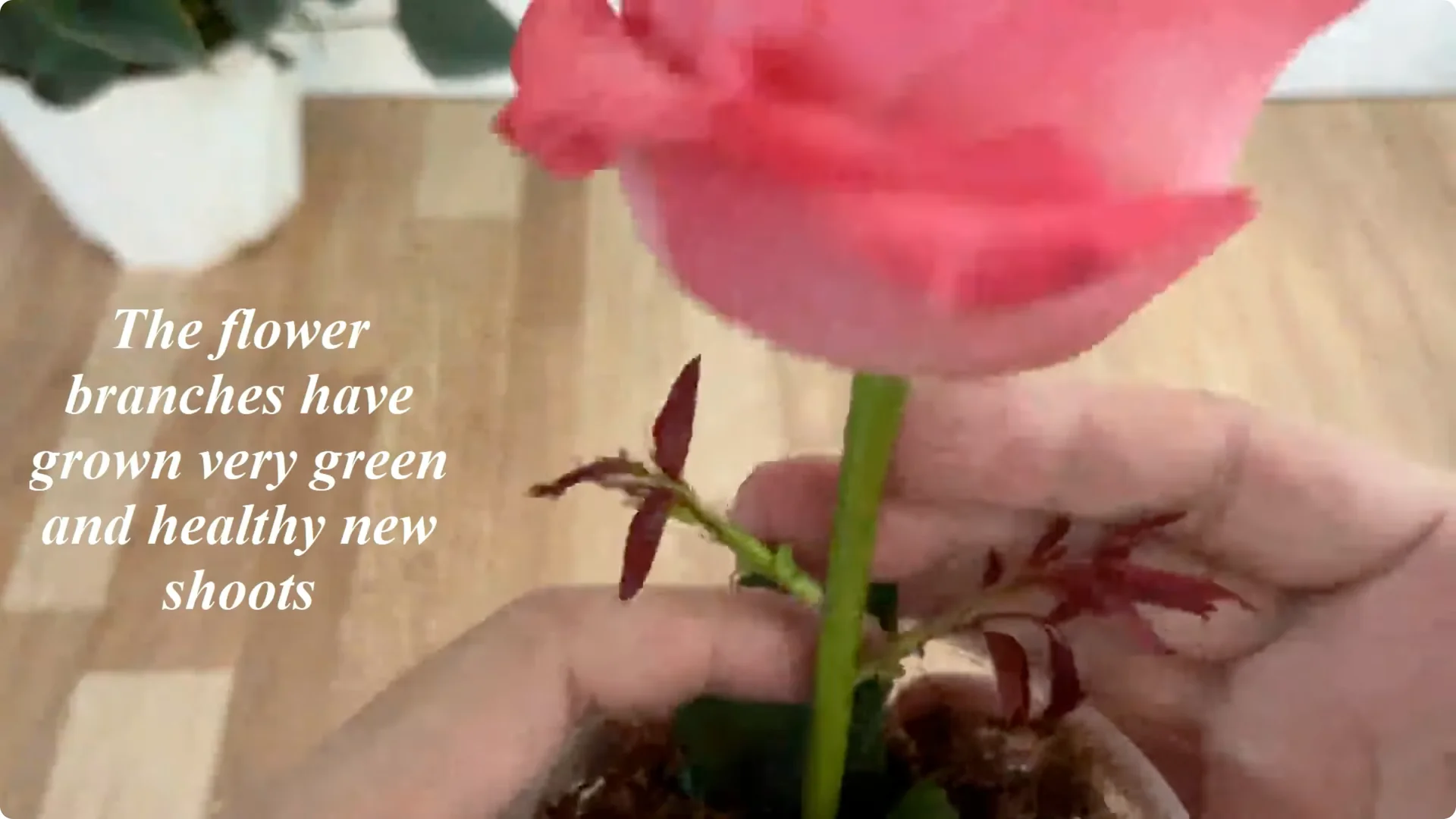
After 7 days you will see the rose branches begin to grow green shoots. Especially at the base you will notice many white, plump, healthy roots. Do not disturb the cutting during this early root burst.
At this point, you can completely transfer the branches to a pot with coconut fiber substrate or loose, well drained soil for the plant to continue growing. Handle the roots gently when potting up. Keep the young plant shaded and evenly moist for the first weeks.
7. Natural Rose Cutting Propagation Why It Works
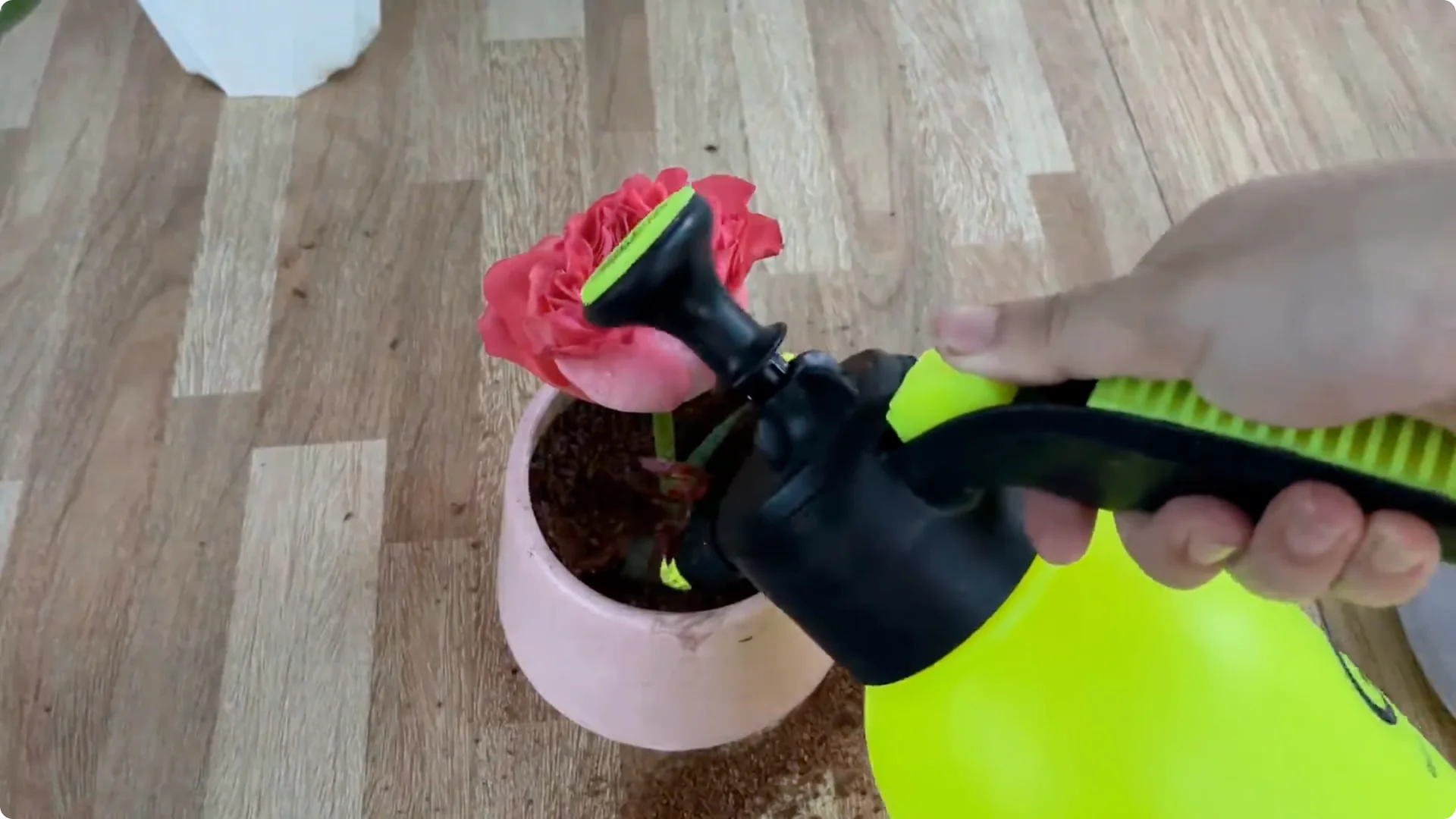
The ginger, tomato, and glucose solution not only helps kill bacteria and stimulate scar tissue to form roots, but also provides natural nutrients for the plant in the early stages. It supports both disinfection and early root cell division. The result is fast rooting and vigorous new growth.
This is a very effective, safe, easy to do method at home that you should try right away if you want to propagate roses. It is simple, inexpensive, and relies on common kitchen ingredients. The steps are quick and repeatable for consistent success.
Final Thoughts on Natural Rose Cutting Propagation
Wish you success and always have brilliant rose bushes. Keep your tools clean, your environment humid, and your cuttings shaded for best results. With patience, you will enjoy strong roots and healthy new shoots.