
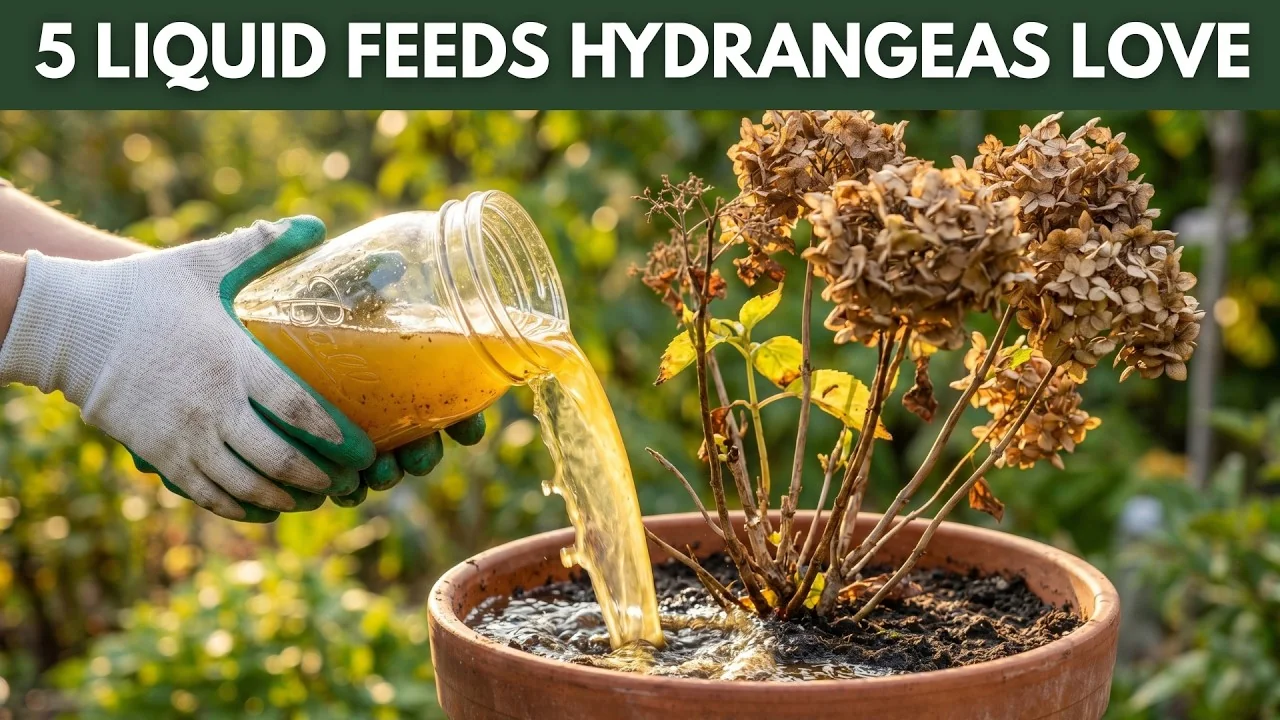
Stop. Before you drag that brown, crispy hydrangea to the compost, look again. What you’re calling dead is almost never actually dead it’s thirsty, starved, and shedding leaves to survive. And you don’t need pricey bottles to fix it. Your kitchen scraps and a few smart organic options can bring it back fast (and without chemical runoff).
Below are fast-acting natural fertilizers, exact how-to’s, and a simple schedule. Use them selectively, not all at once.
1. Natural Hydrangea Fertilizers: Is It Actually Dead
Before you feed, confirm there’s life. Lightly scratch a stem with your thumbnail:
- Green under the bark = alive (even faint green counts)
- Brown and brittle? Scratch closer to the base hydrangeas die from the top down
- Find any green and you’re in business
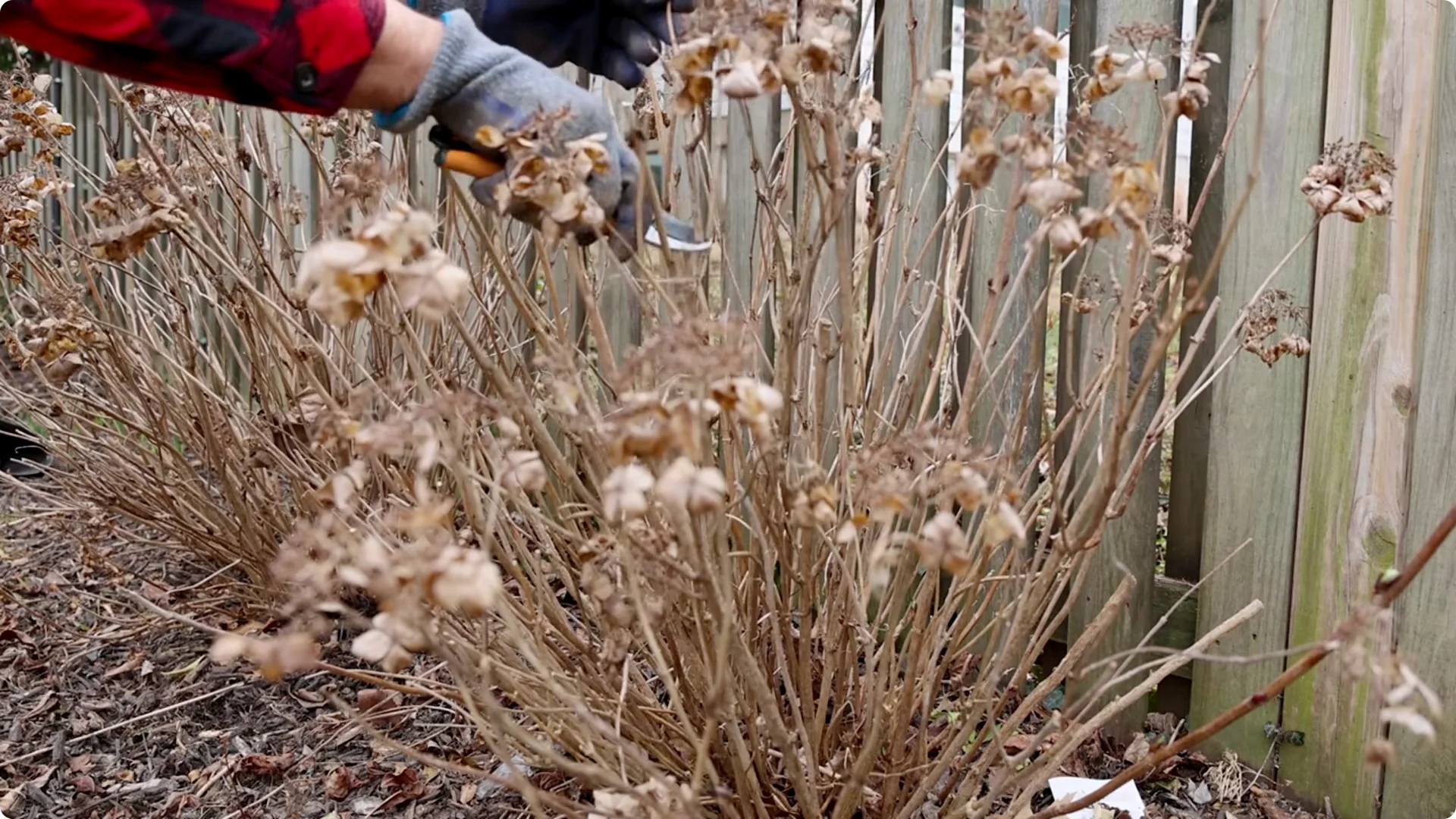
Most collapses come from drought, nutrient-poor soil, or chemical burn all fixed by gentle, natural feeding.
If you are also rescuing orchids, see these proven steps that mirror this gentle approach: orchid revival tips.
2. Natural Hydrangea Fertilizers: Banana Peel Potassium Bomb
Why potassium matters
No or tiny blooms?
Think potassium key for flowers and vigor.
Bananas are loaded with it.
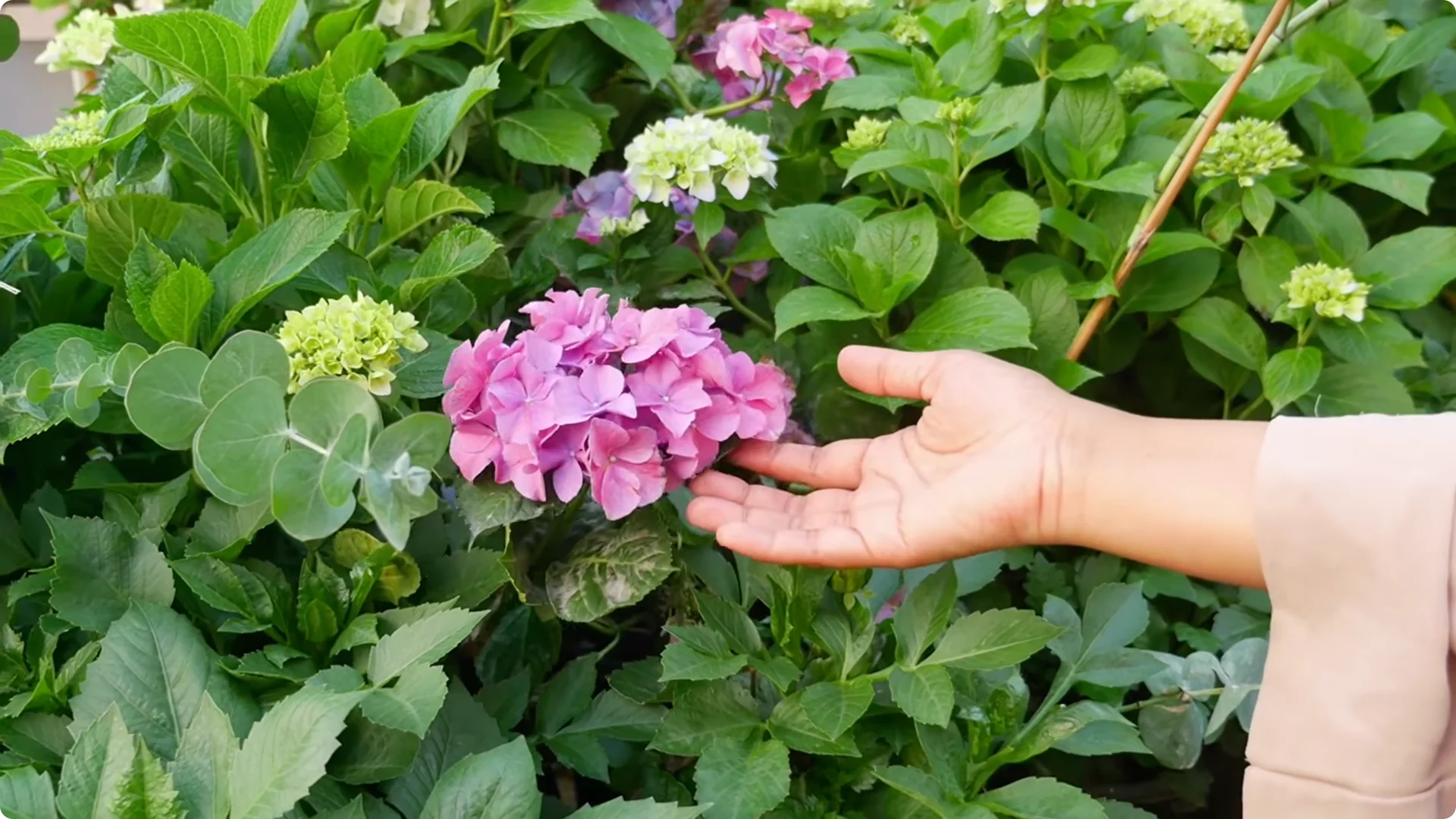
Skip burying whole peels—they take ages to break down. Your plant needs help now.
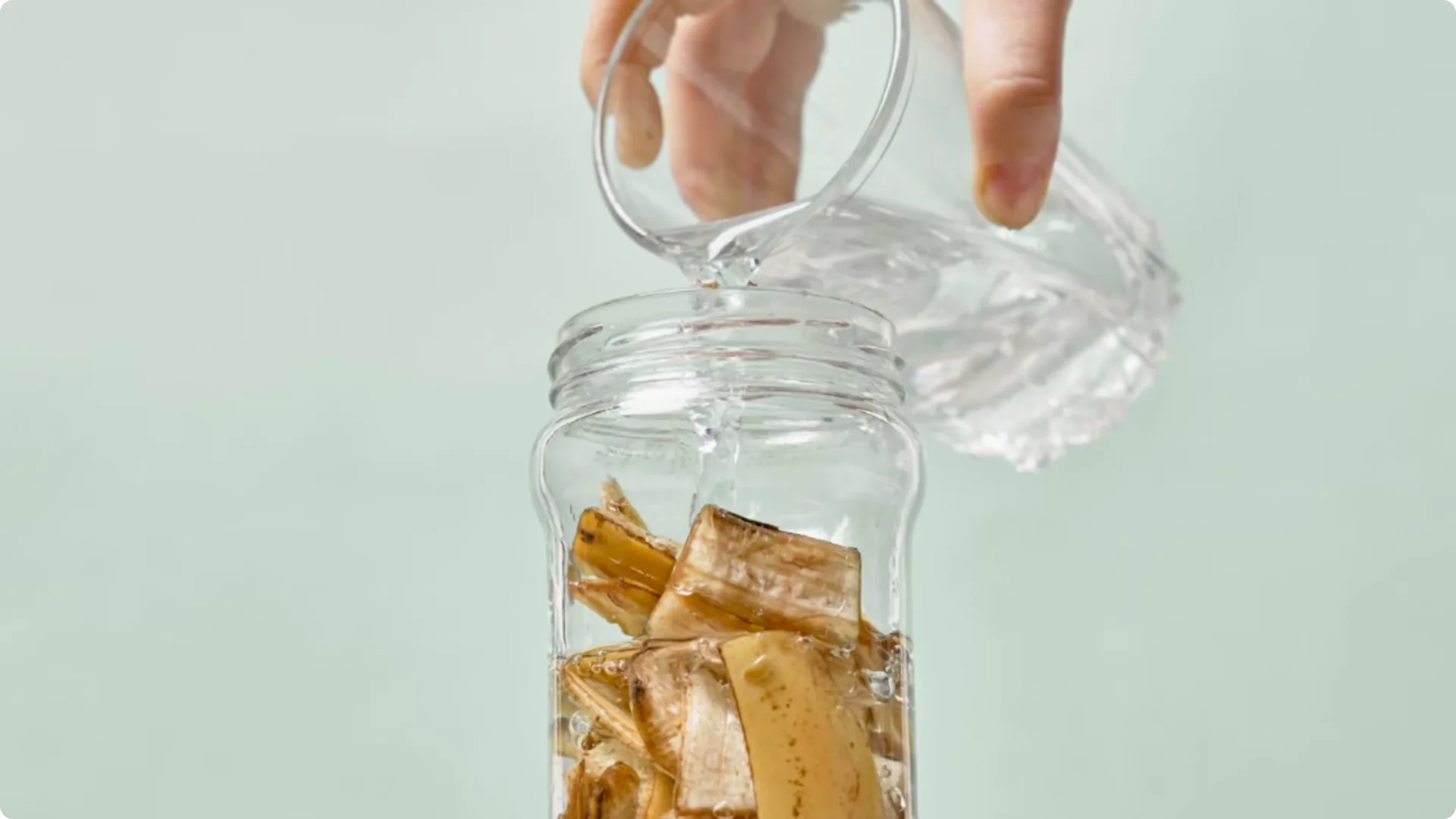
Make banana tea
Chop 2–3 peels into 1 liter of water; steep 48 hours to make fast-acting banana tea.
Apply and reuse peels
- Dilute 1:1 with fresh water and soak the root zone weekly
- In ~10 days, stems firm up and new buds form
- Chop the soggy peels and scratch into the top inch of soil for slow release
3. Natural Hydrangea Fertilizers: Used Coffee Grounds For Nitrogen
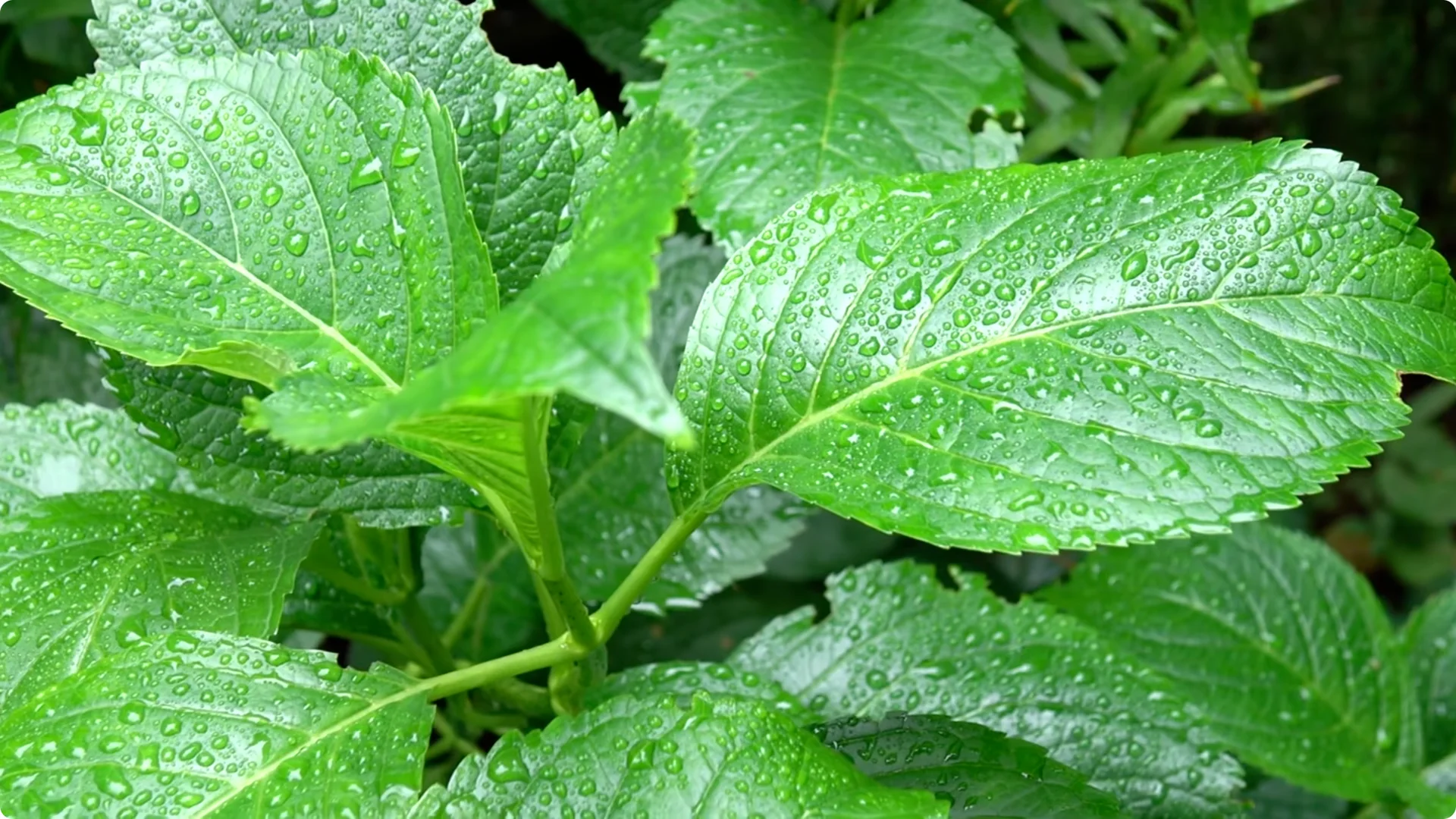
Use brewed grounds only
Yellow, sparse foliage = nitrogen shortage.
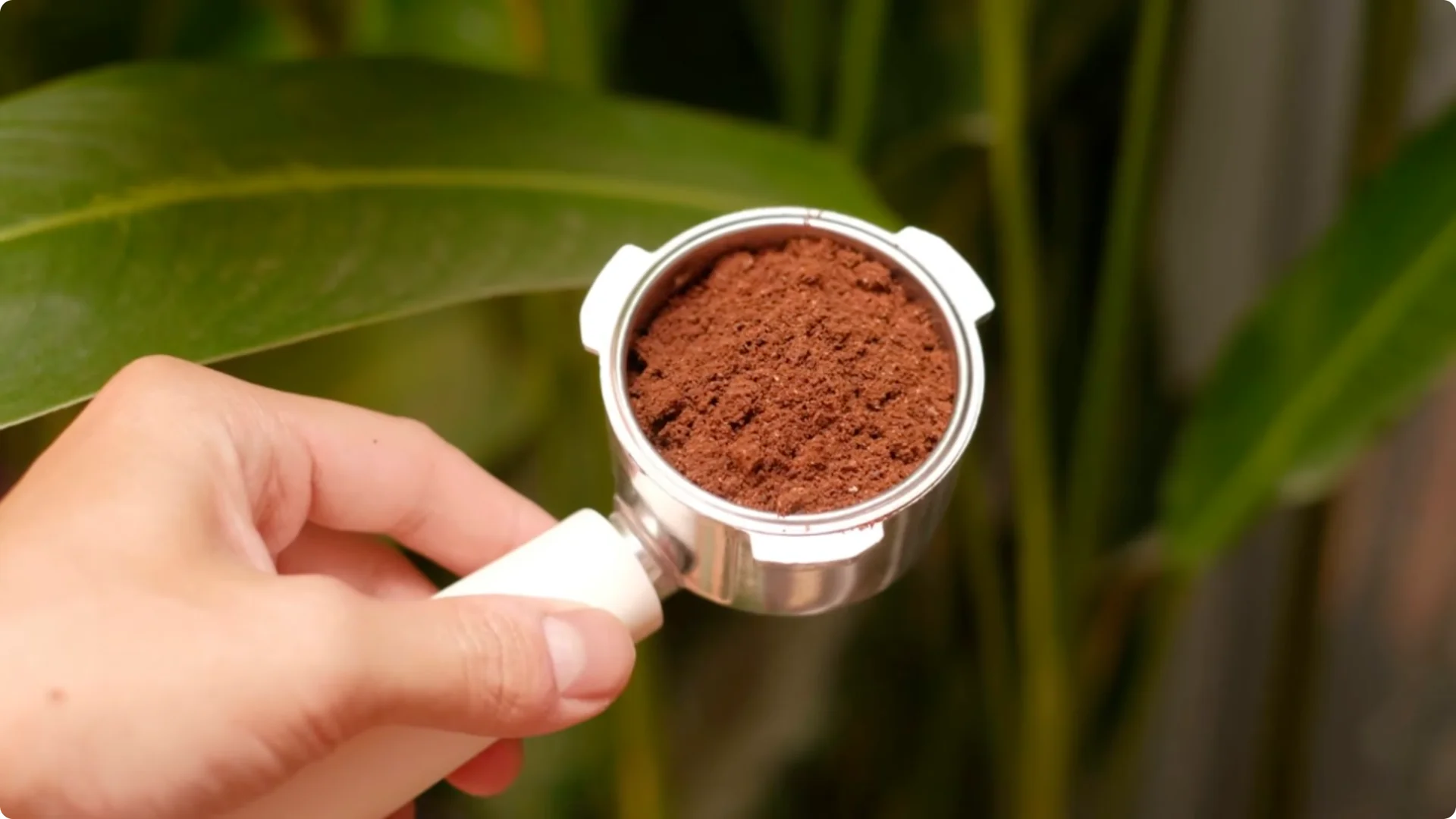
Use only brewed (used) grounds fresh grounds are too acidic/strong for stressed plants.
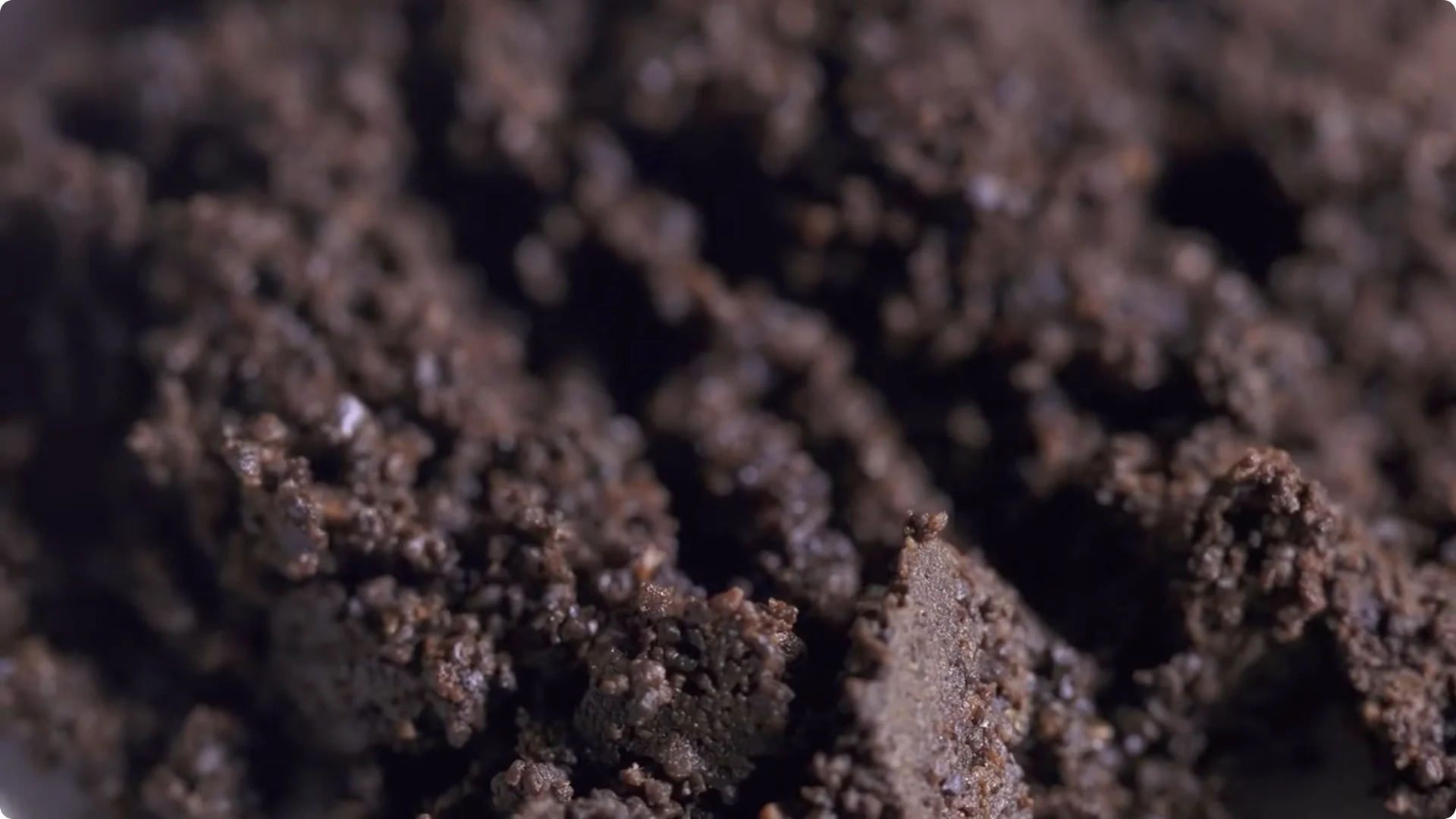
Correct application
- Dry two handfuls of used grounds for a day
- Sprinkle thinly around the base, a couple inches from stems; scratch in and water
- Repeat every two weeks (too much nitrogen = leaves but fewer blooms)
- Bonus: gently acidifies for bluer blooms and improves soil texture/earthworms
Working on roses too. Here is a quick method that pairs well with this gentle feeding approach: simple rose propagation.
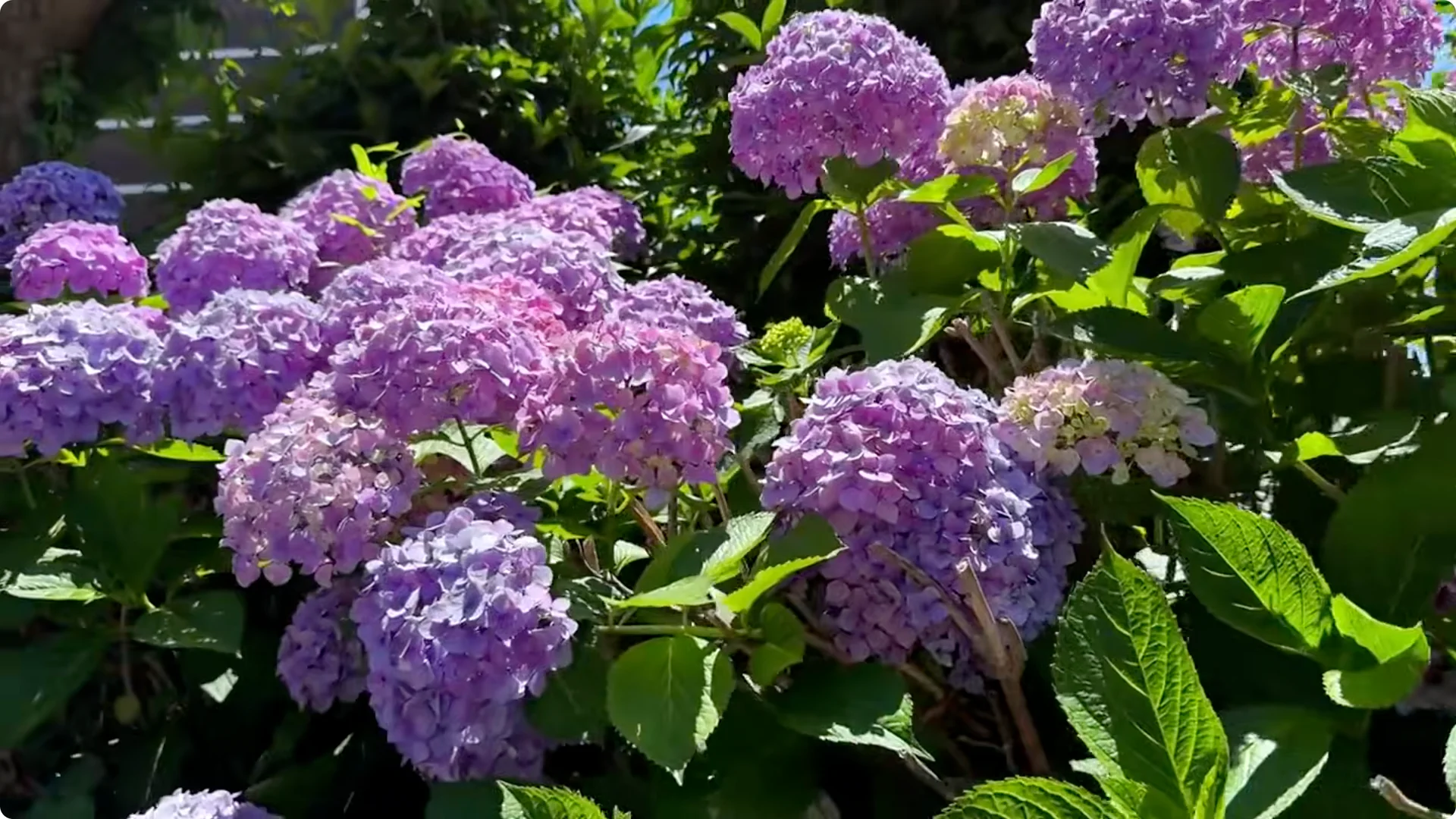
4. Natural Hydrangea Fertilizers: Eggshell And Epsom Salt Reviver
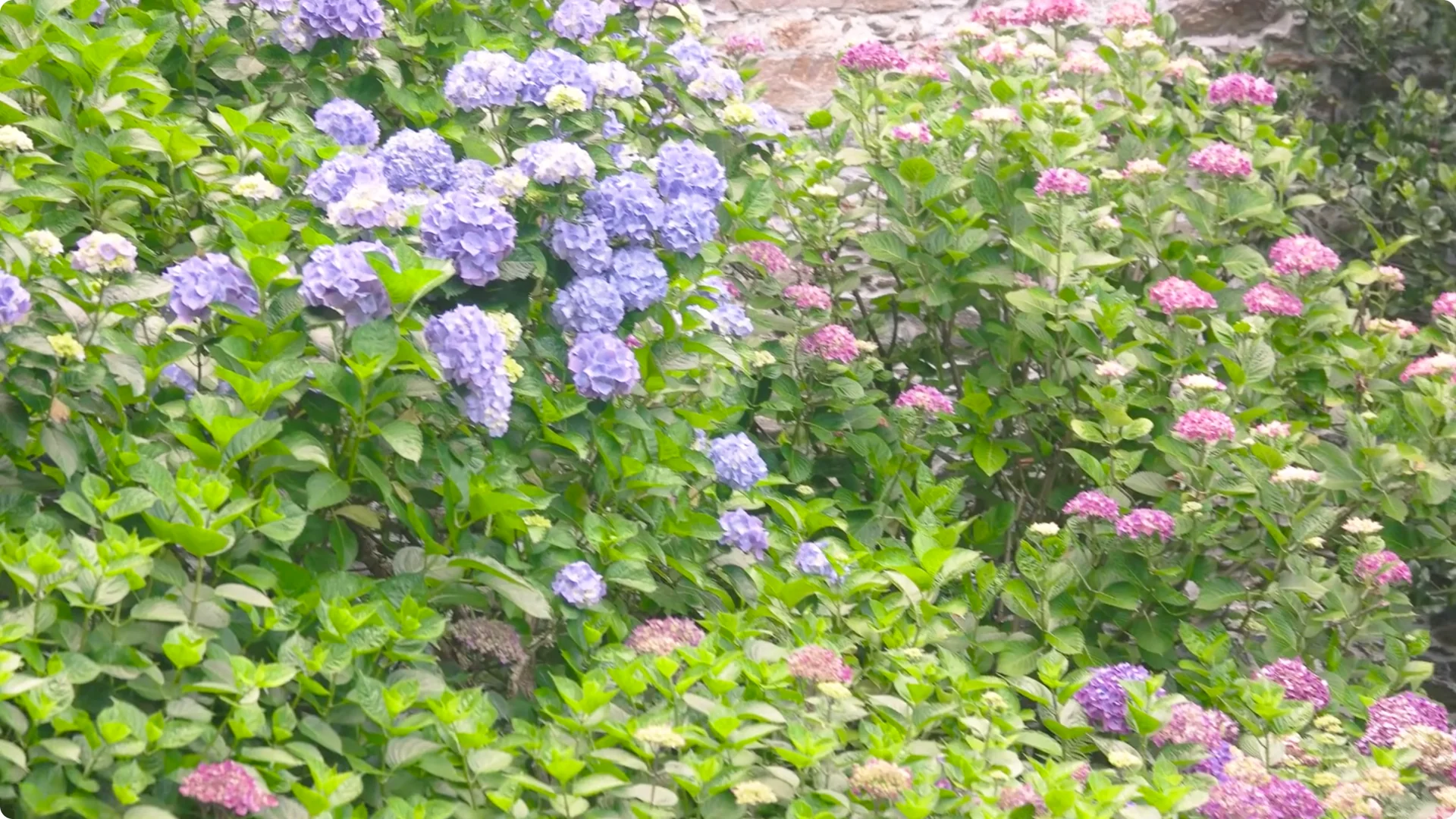
Why calcium and magnesium
- Eggshells (calcium) = stronger cell walls and stems after drought/shock
- Epsom salt (magnesium) = greener leaves by boosting chlorophyll
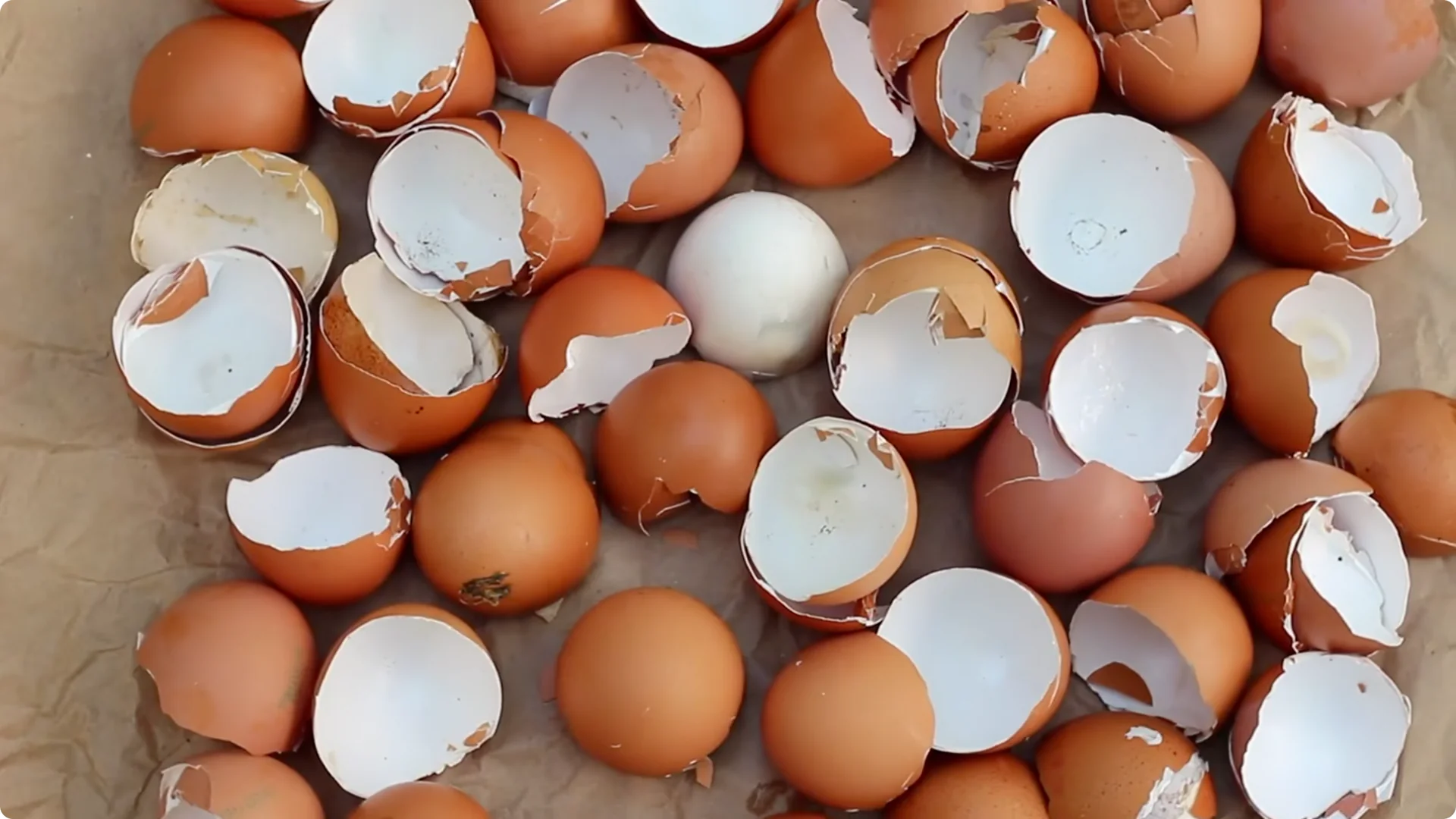
Mix and apply
- Crush 5–6 dried eggshells to a fine powder; sprinkle and scratch into soil
- Dissolve 1 tbsp Epsom salt in 1 liter water; pour over root zone
- Frequency: once a month only more can unbalance soil
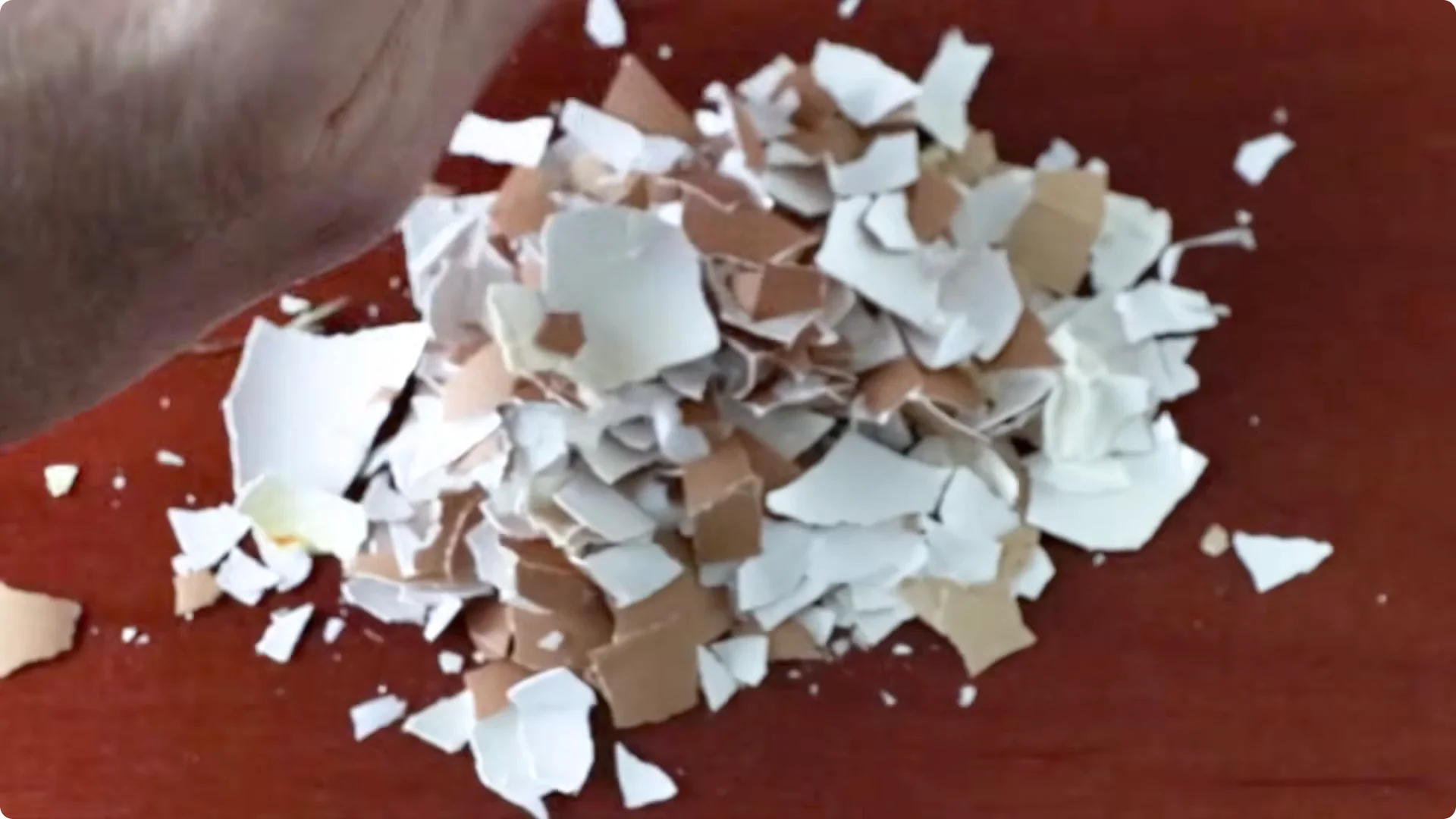
The combo stiffens stems and greens leaves fast—without harsh chemicals.
5. Natural Hydrangea Fertilizers: Rice Water
Why it works
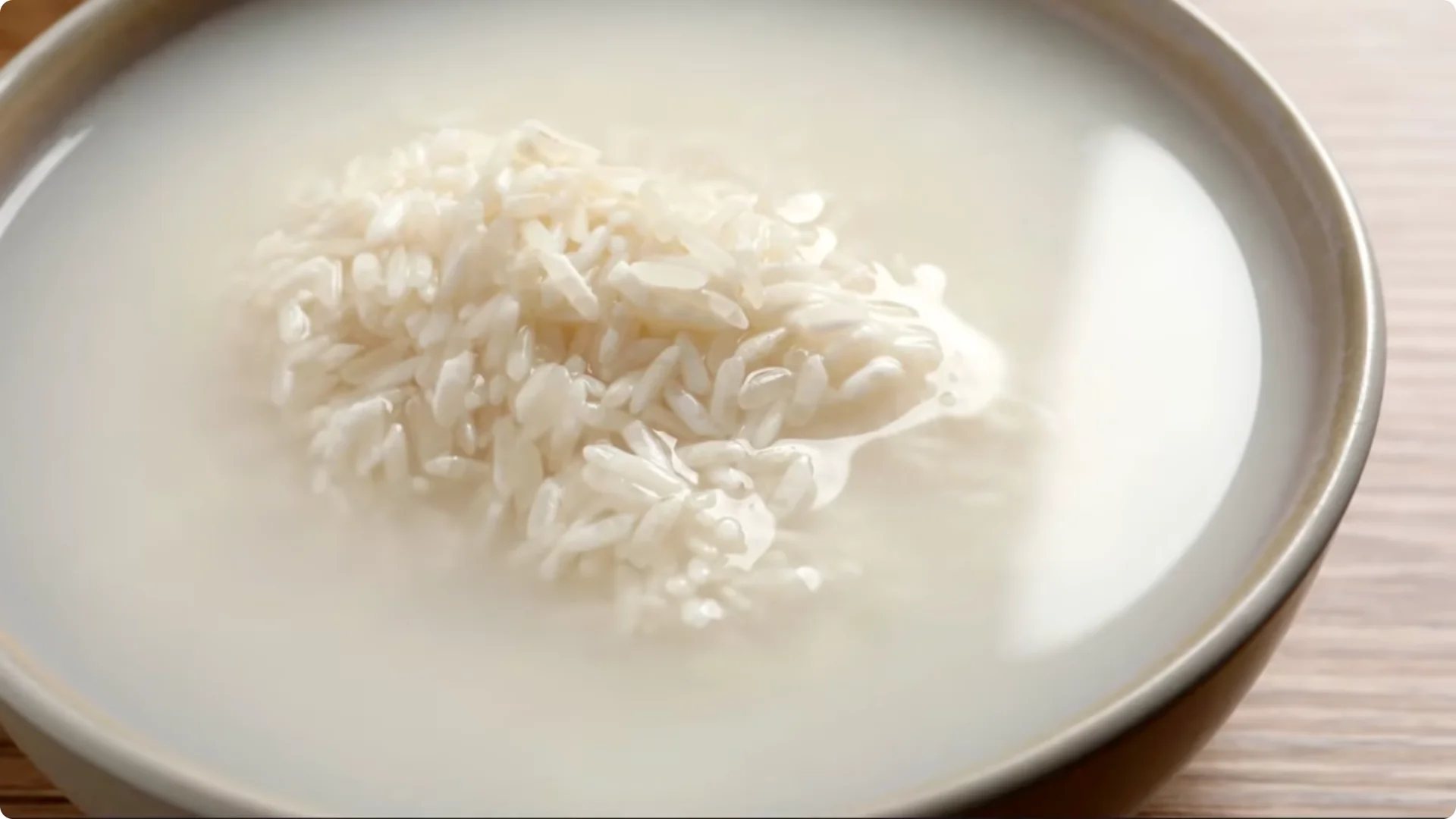
Cloudy rinse water from rice carries nitrogen, phosphorus, potassium, and starches that feed soil microbes healthy soil = revived hydrangea.
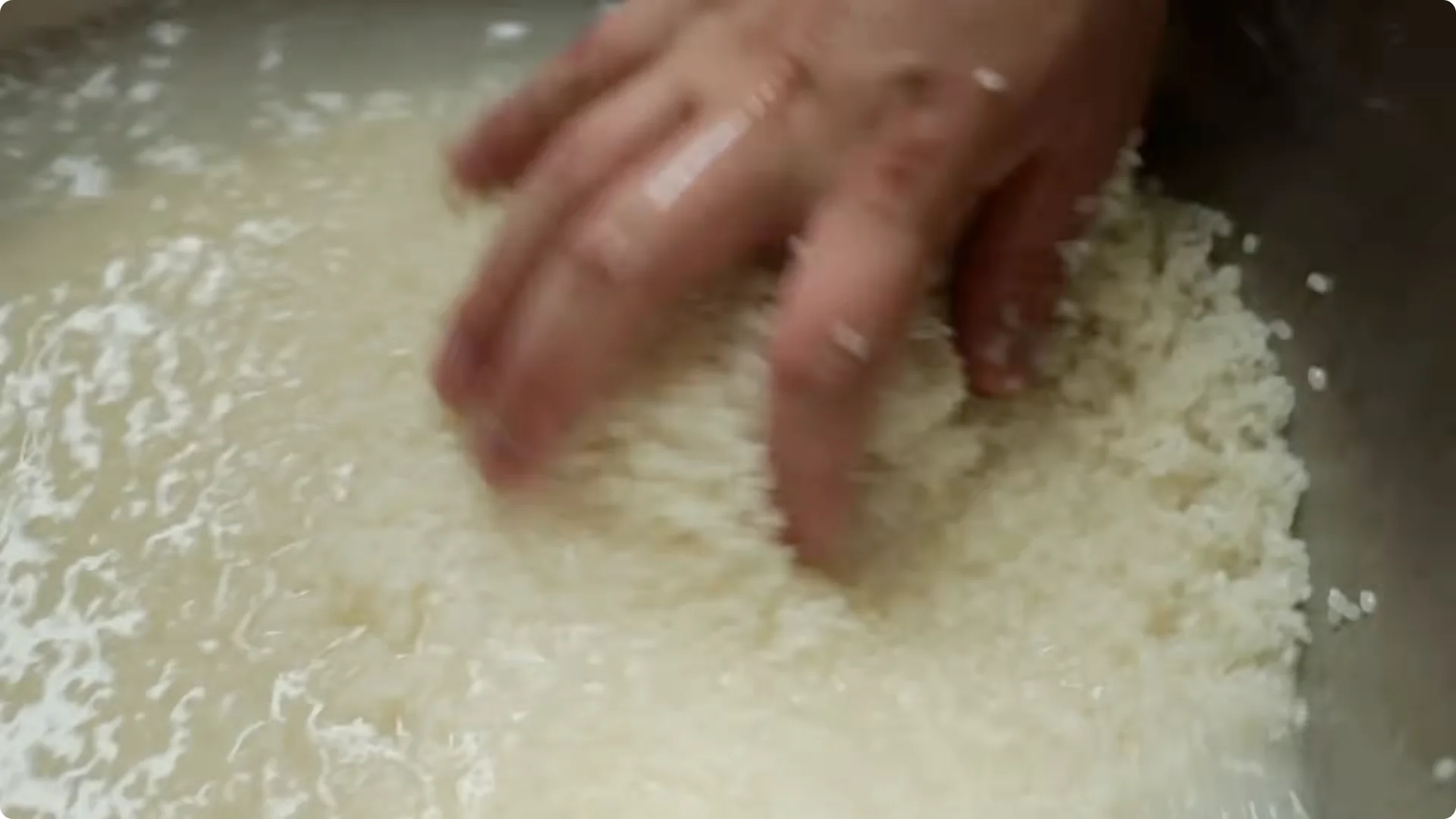
Collect and ferment
- Save the first rice rinse; use fresh or ferment 24 hours at room temp to boost microbes
- If using cooking water: cool completely and never add salt (salt burns roots)
Schedule and results
- Apply weekly instead of a regular watering
- In 1–2 weeks: richer soil, perkier plant, fresh shoots
For another plant rescue plan that uses this same gentle logic, see this quick guide: easy orchid revival.
6. Natural Hydrangea Fertilizers: Wood Ash Used Right
Clean, untreated wood ash delivers potassium, calcium, and trace minerals but it’s strongly alkaline and changes bloom color.
- Use just 1 tbsp per medium plant; sprinkle thinly, keep off stems, water in
- Apply once a month max; once at season start is often enough
- Color note: raises pH great for vivid pinks, bad for blues (skip ash if you want blue)
7. Natural Hydrangea Fertilizers: Compost, Bone Meal, Fish Emulsion, And Organic Mixes
These organic staples build soil, boost blooms, and avoid chemical runoff perfect partners to the fast fixes above.
- Aged Compost & Well-Rotted Manure: Improve structure, moisture holding, and slow-release nutrition. Apply a 2–5 cm mulch layer around the dripline; keep off stems.
- Bone Meal (phosphorus): Powers roots and bigger blooms. Scratch 1–2 tbsp into the soil per plant (or follow label). Note: may attract pets; water in well.
- Diluted Fish Emulsion: Quick nitrogen for lush foliage. Typical rate: 1–2 tbsp per gallon (per label). Apply to soil every 2–4 weeks during active growth.
- Organic Slow-Release Mixes (acid lovers): Products like Espoma Organic Holly-Tone support acidity and steady feeding. Use in early spring and again mid-season per label.
- Coffee Grounds & Eggshells: Already in this guide great add-ons for gentle acidity (grounds) and calcium (eggshells).
Putting Natural Hydrangea Fertilizers On A Schedule
Gentle, steady beats “everything at once.” Try this slim, effective rhythm:
- Week 1: Rice water + banana tea (wakes roots and soil life)
- Week 2: Used coffee grounds (thin layer) OR a fish emulsion watering for leaf push
- Start of next month: Eggshell + Epsom salt once (strength and deep green)
- Bloom trigger: One careful pinch of wood ash (only if pink blooms are fine for you)
- Ongoing: 2–5 cm compost mulch; optional Holly-Tone in spring/mid-summer per label
Non-negotiable care while reviving:
- Deep, consistent watering; let the top inch dry between sessions
- Shade from harsh afternoon sun during recovery
- Match pH tools to your color goal (acidic for blue: coffee grounds/Holly-Tone; avoid ash)
Final Thoughts
You already have what you need to revive that hydrangea. Feed gently, water deeply, build the soil and watch it bounce back with fresh growth and bigger blooms.