
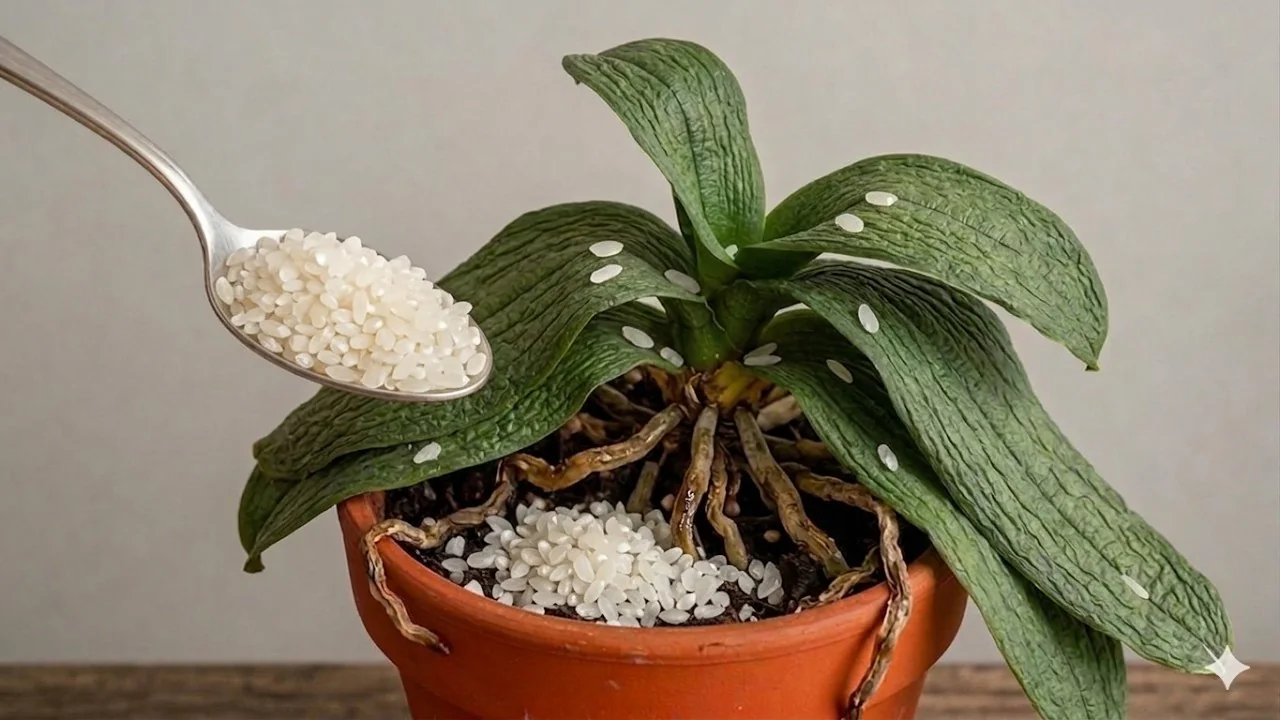
This orchid is almost dead. Rotten roots, dehydrated leaves, no hope left.
But I saved it with just two ingredients from the kitchen. No chemicals needed and no complicated care. After just a few days, this happened.
If you do one step wrong, the plant will die even faster. I will guide you step by step.
1. Assessment in Reviving Dying Orchids
Signs and hope
This orchid looks completely dead. The leaves are wilted, wrinkled, and lifeless to the point that most people would think it has no value left and be ready to throw it away. But deep inside, it still has one last chance to live.
Remove damage
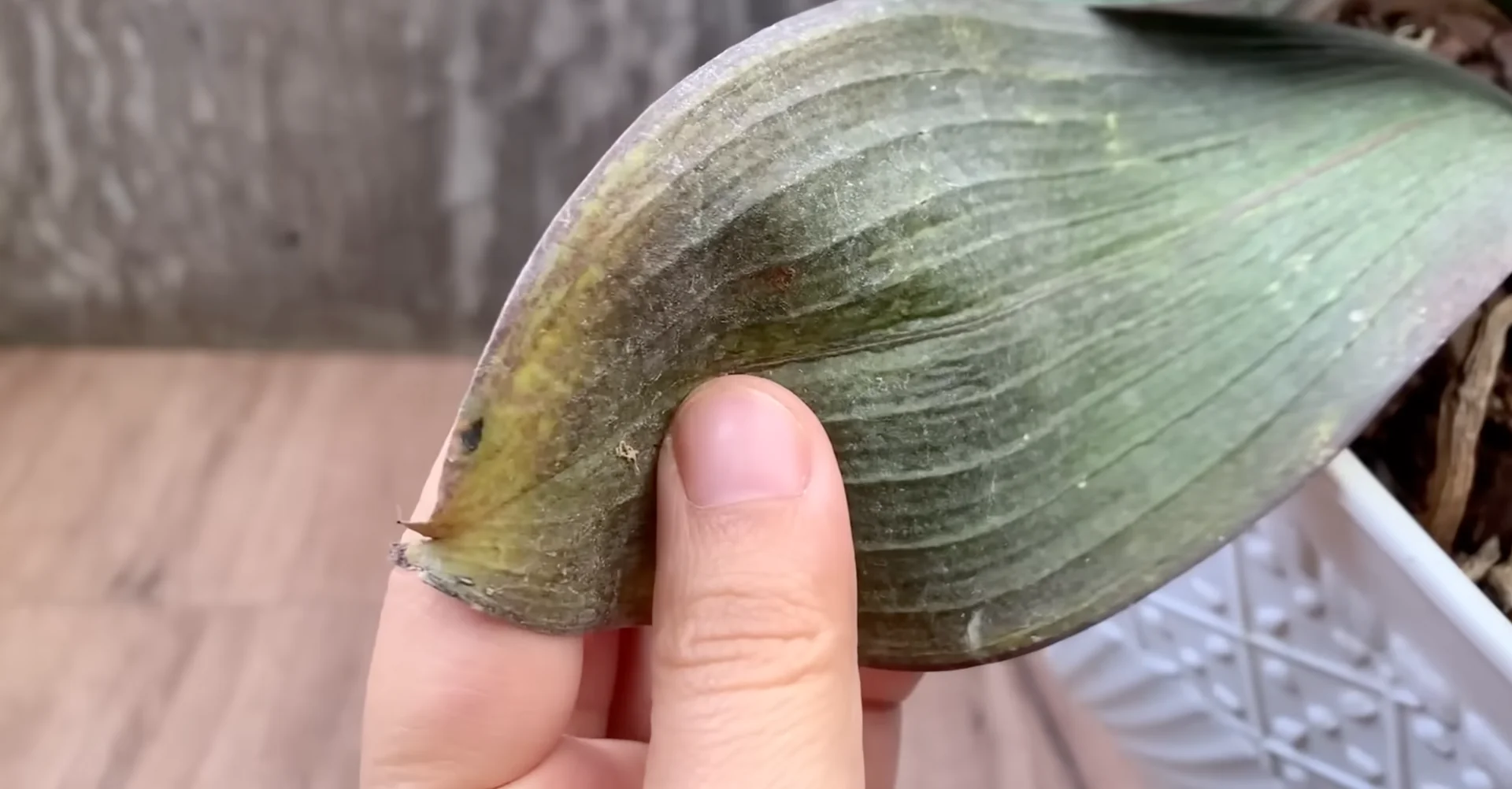
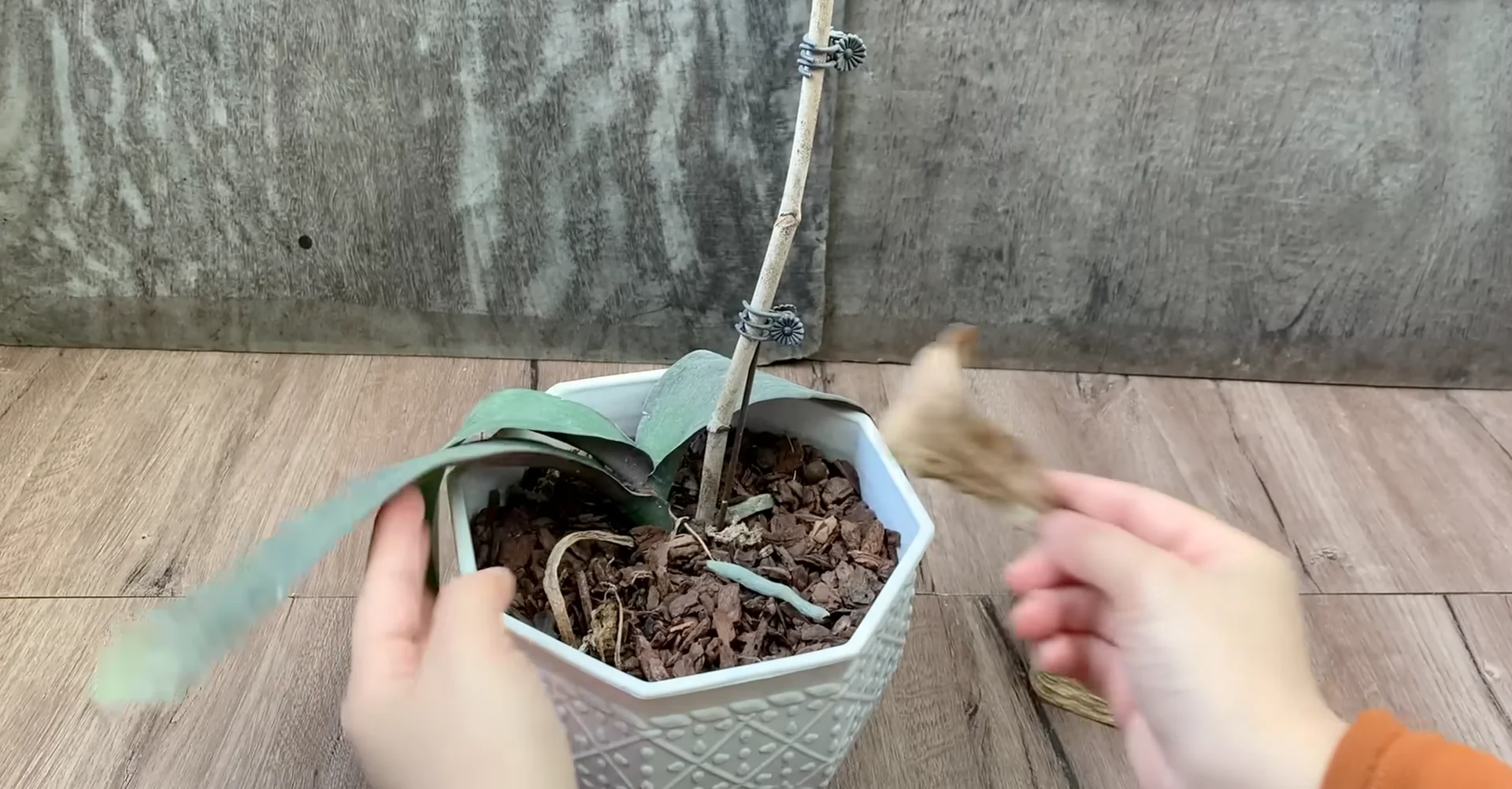
First, you need to boldly remove all the wilted leaves, dried stems, and damaged roots to free the plant from what is holding back its recovery. When the root system is almost completely damaged, the plant can no longer absorb water and nutrients, causing it to gradually weaken and fall into a state of exhaustion. Cutting off damaged roots not only removes sources of disease, but also stimulates the plant to quickly grow new roots and recover.
Rinse and dry
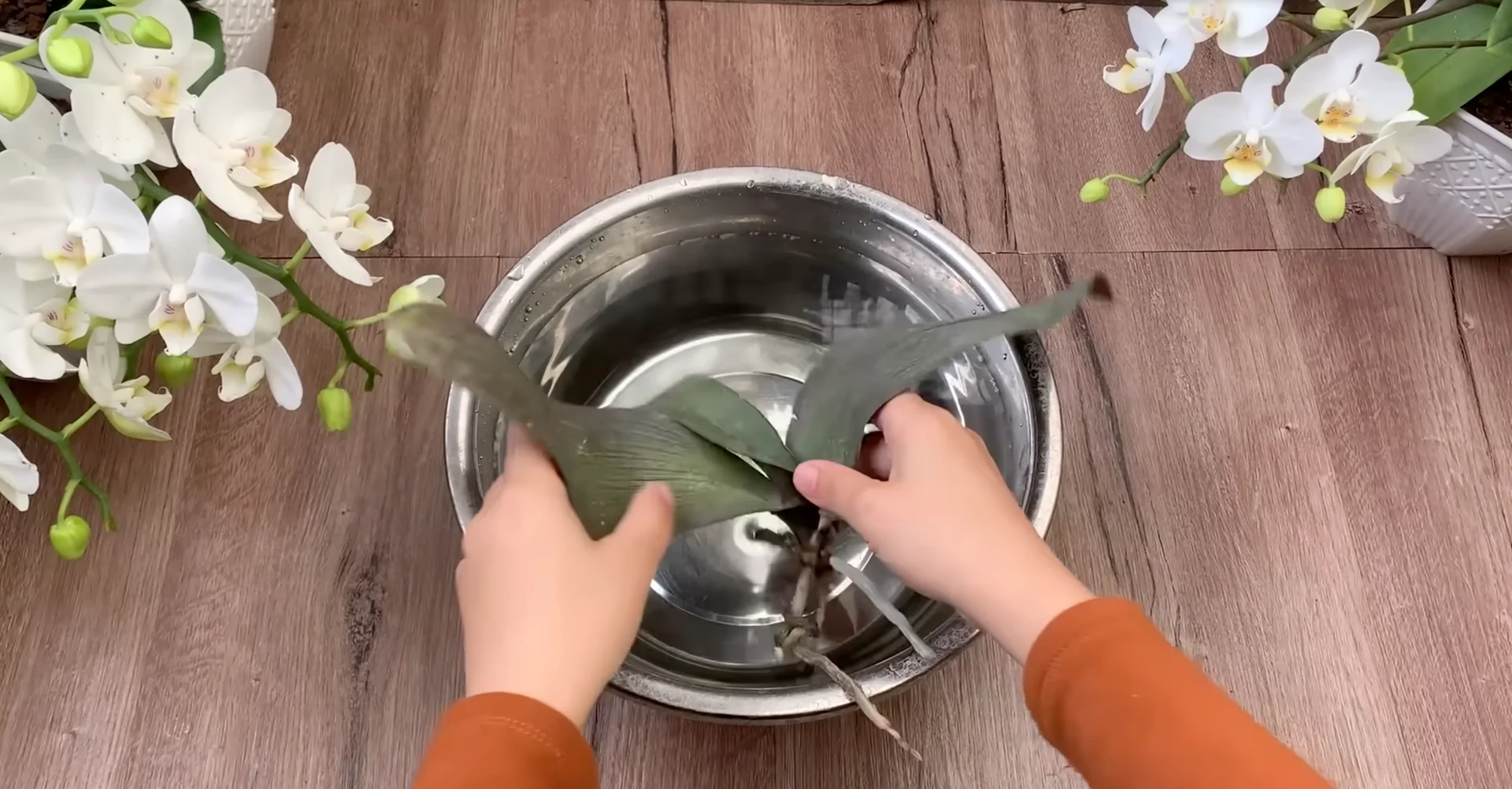
After that, rinse the entire plant with water to remove any remaining dirt and pathogens. After that, let the plant dry naturally, allowing the cut areas to callus and reducing the risk of infection.
2. Two ingredient solution for Reviving Dying Orchids
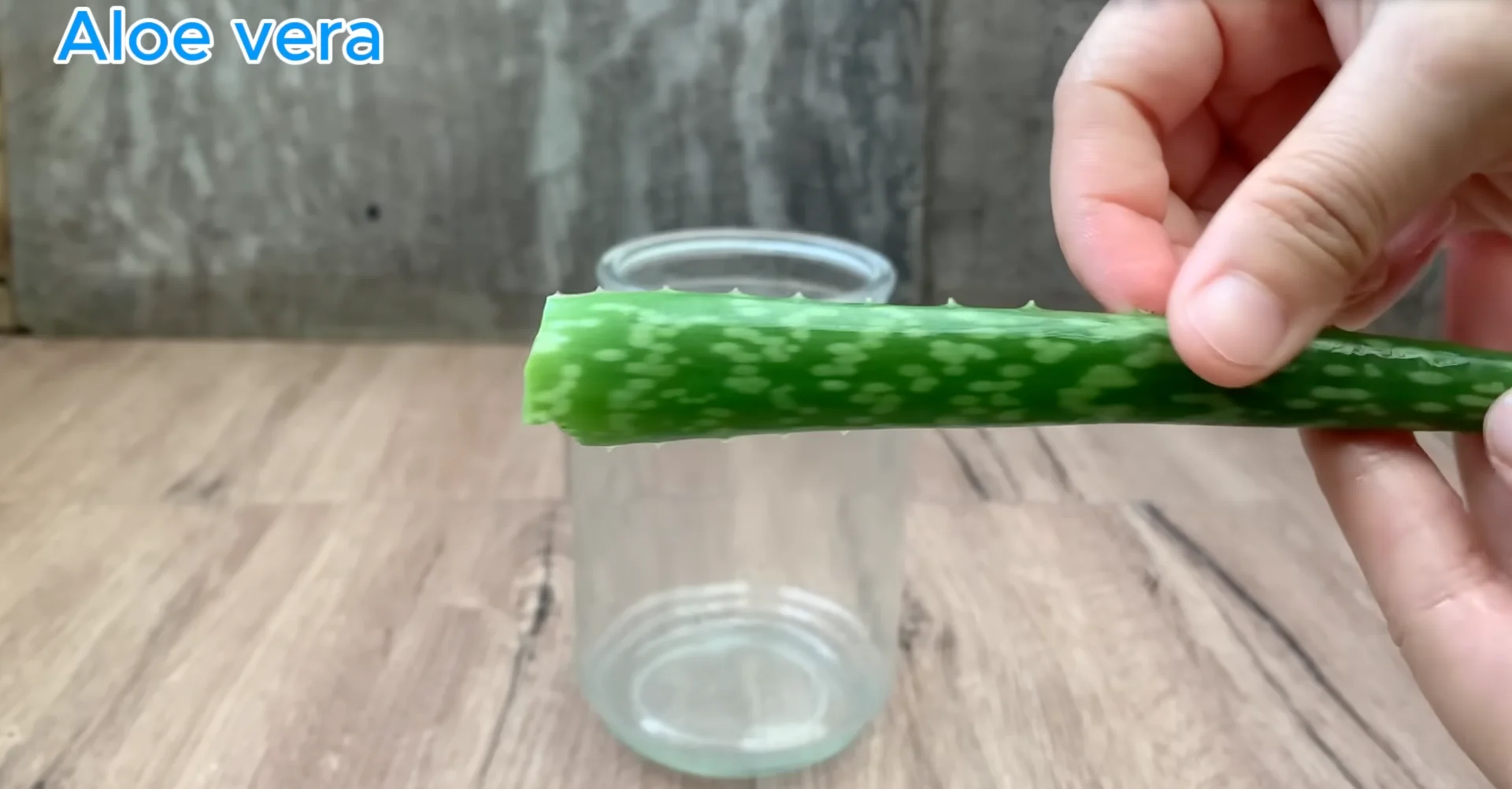
Aloe vera
The first ingredient I chose to revive the plant today is fresh aloe vera, a natural helper that stimulates root growth and soothes plant damage. After cutting it into small pieces, put the aloe vera into about 300 ml of water, then blend it to create a natural nourishing solution for the plant.
Rice water
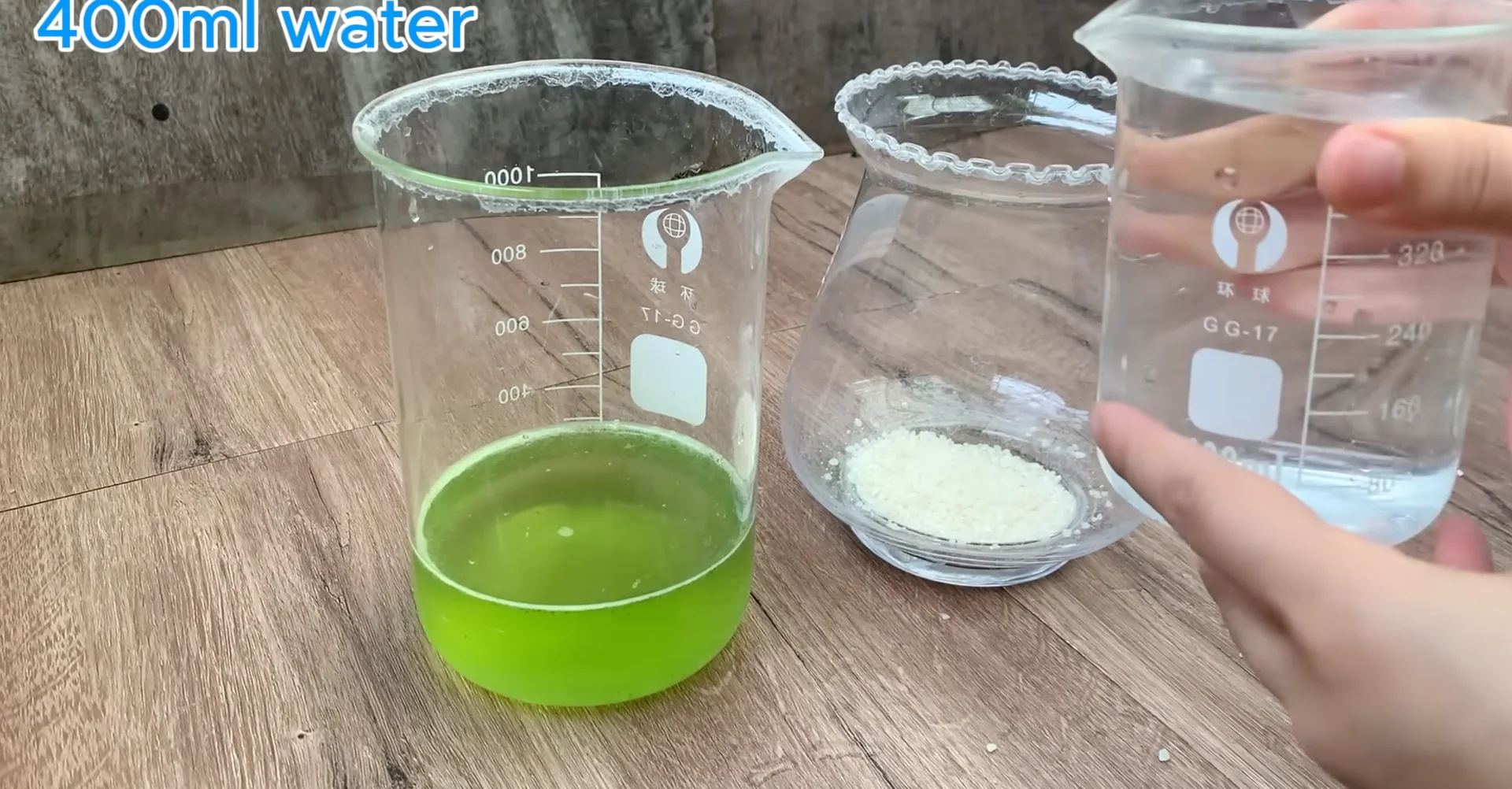
The next ingredient is rice. Just about 3 tablespoons are enough to provide gentle nutrition and help the plant recover better. Add about 400 ml of water to the rice, then gently rinse it to release natural nutrients, creating a solution that supports the plant’s recovery.
Mix and dilute
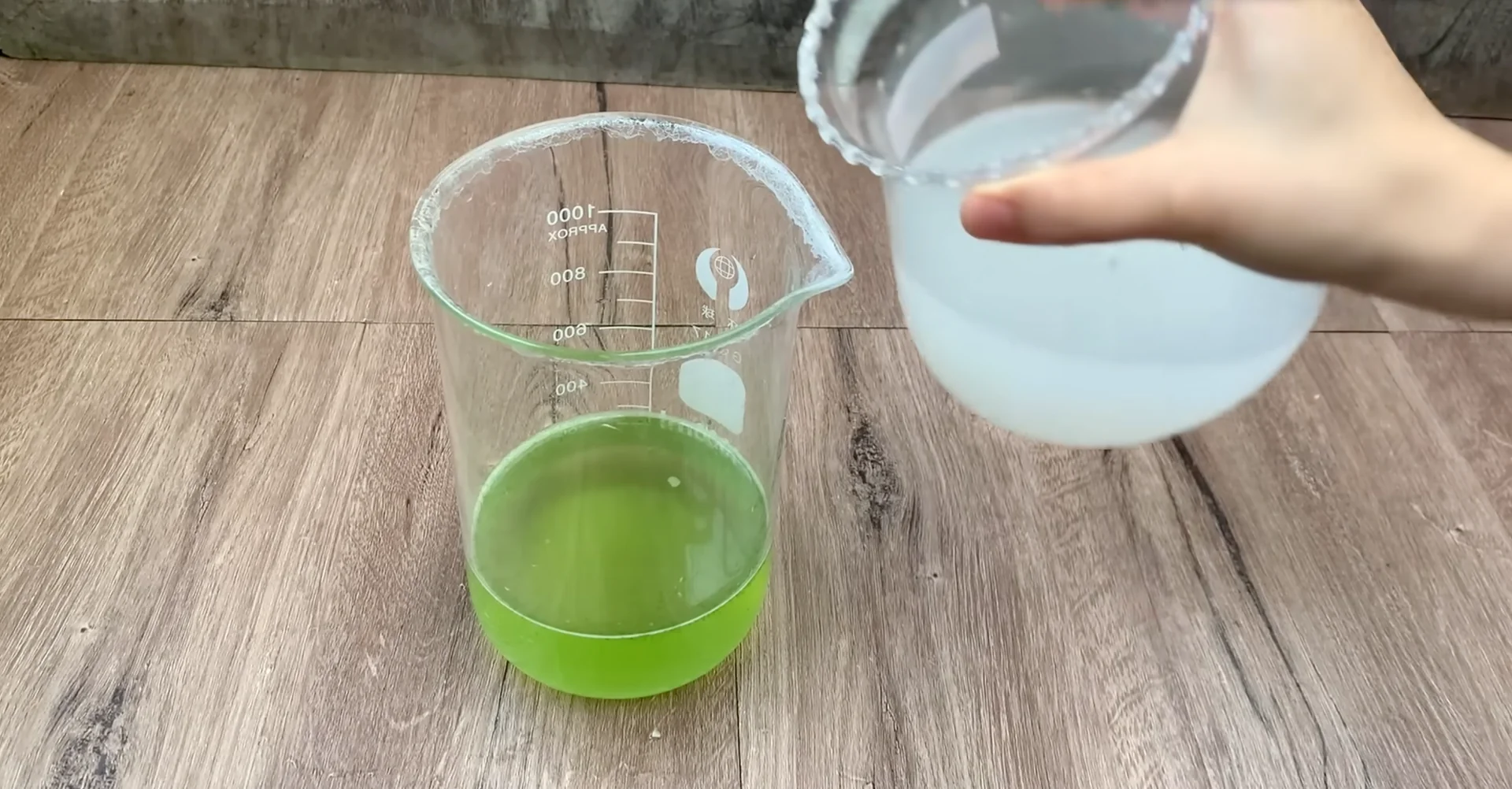
Next, mix the rice water with the aloe vera solution to create a nutrient rich recovery solution for the plant. Then add about 500 ml of water to dilute the solution, helping the plant absorb it more easily without shock.
Soak and leaf care
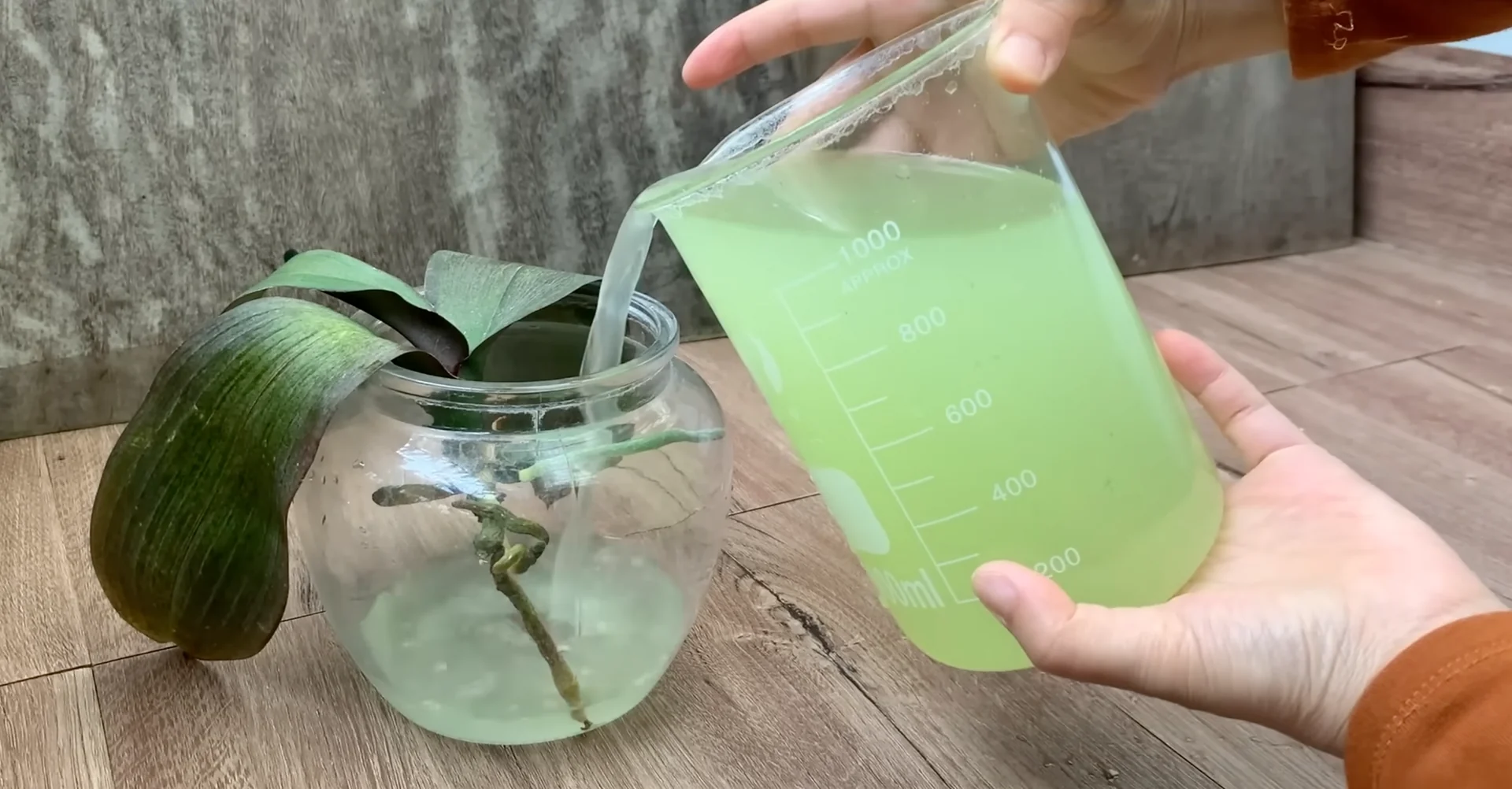
Soak the roots in this mixture for about 15 to 20 minutes to help the plant absorb nutrients and stimulate new root growth. While waiting, use a soft cloth soaked in the solution, then gently wipe both the top and underside of the leaves to clean them and enhance absorption.
You can also use the remaining solution to water orchids that are in the growth stage or preparing to bloom, helping them become healthier and more resilient. For plants that are in bloom, this solution will help the flowers retain their color, last longer, and stay fresh for an extended time. Additionally, this solution helps boost the plant’s resistance, allowing it to recover faster and reducing the risk of fungal diseases.
This fertilizer also helps new buds develop plump and healthy and reduces bud drop. If your orchid refuses to flower, see these common causes and fixes to get it back on track.
3. Repotting and early care in Reviving Dying Orchids
Pot and medium
After soaking for about 20 minutes, I proceed to replant the orchid in a pot with drainage holes, using clean, dried pine bark as the growing medium to ensure good air flow and reduce the risk of fungal diseases. After planting, use the same solution that was used to soak the roots to lightly water the plant, helping maintain moisture and continue supplying nutrients.
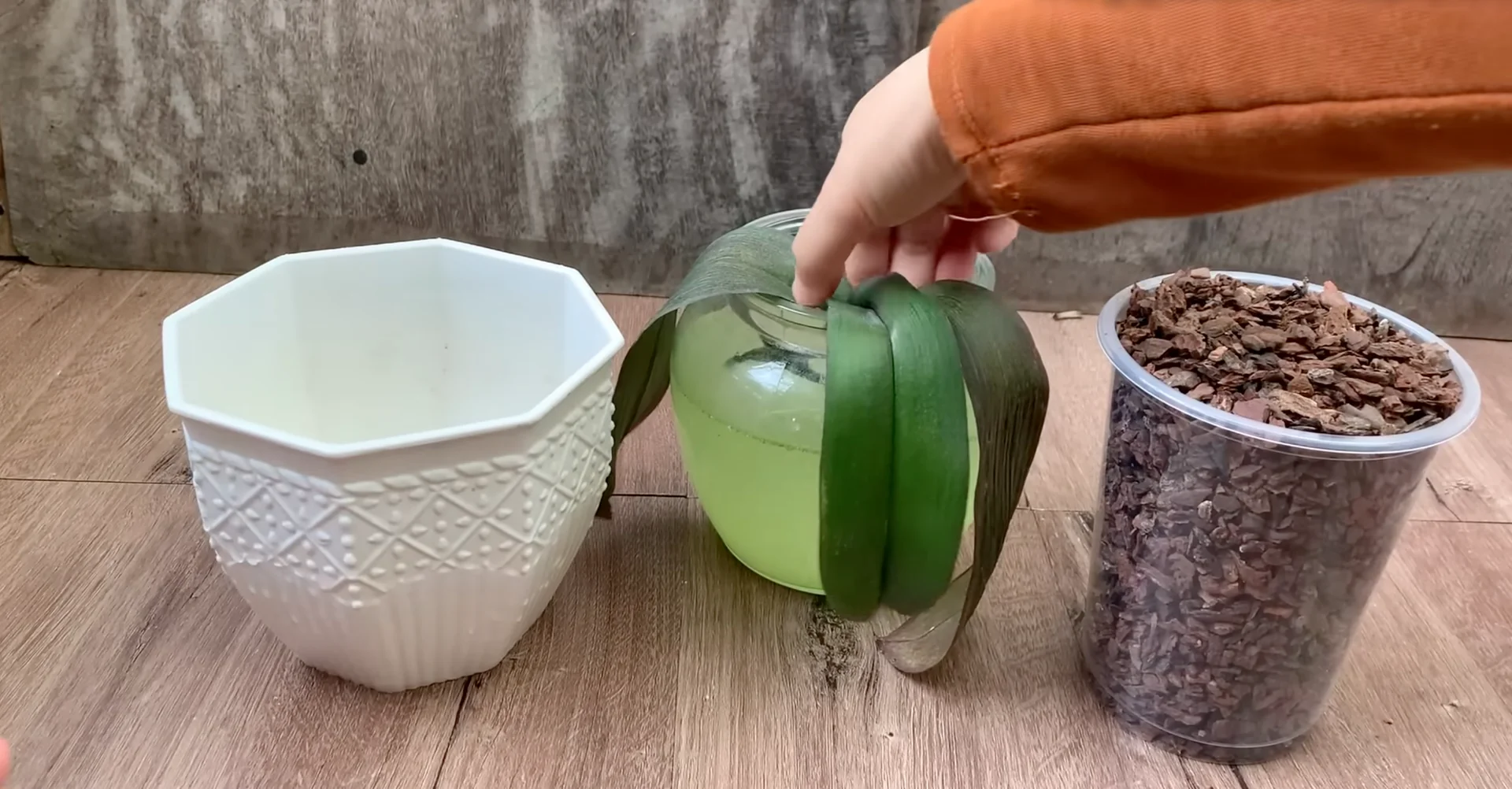
Weekly routine and light
Do this once a week, and after each time, place the orchid pot in a spot with gentle light so the plant can photosynthesize and recover better. For a simple watering schedule that supports blooms, try the one cup weekly method. Remember to place the orchid pot in a spot with gentle light, avoiding direct midday sunlight so the plant does not suffer from heat stress.
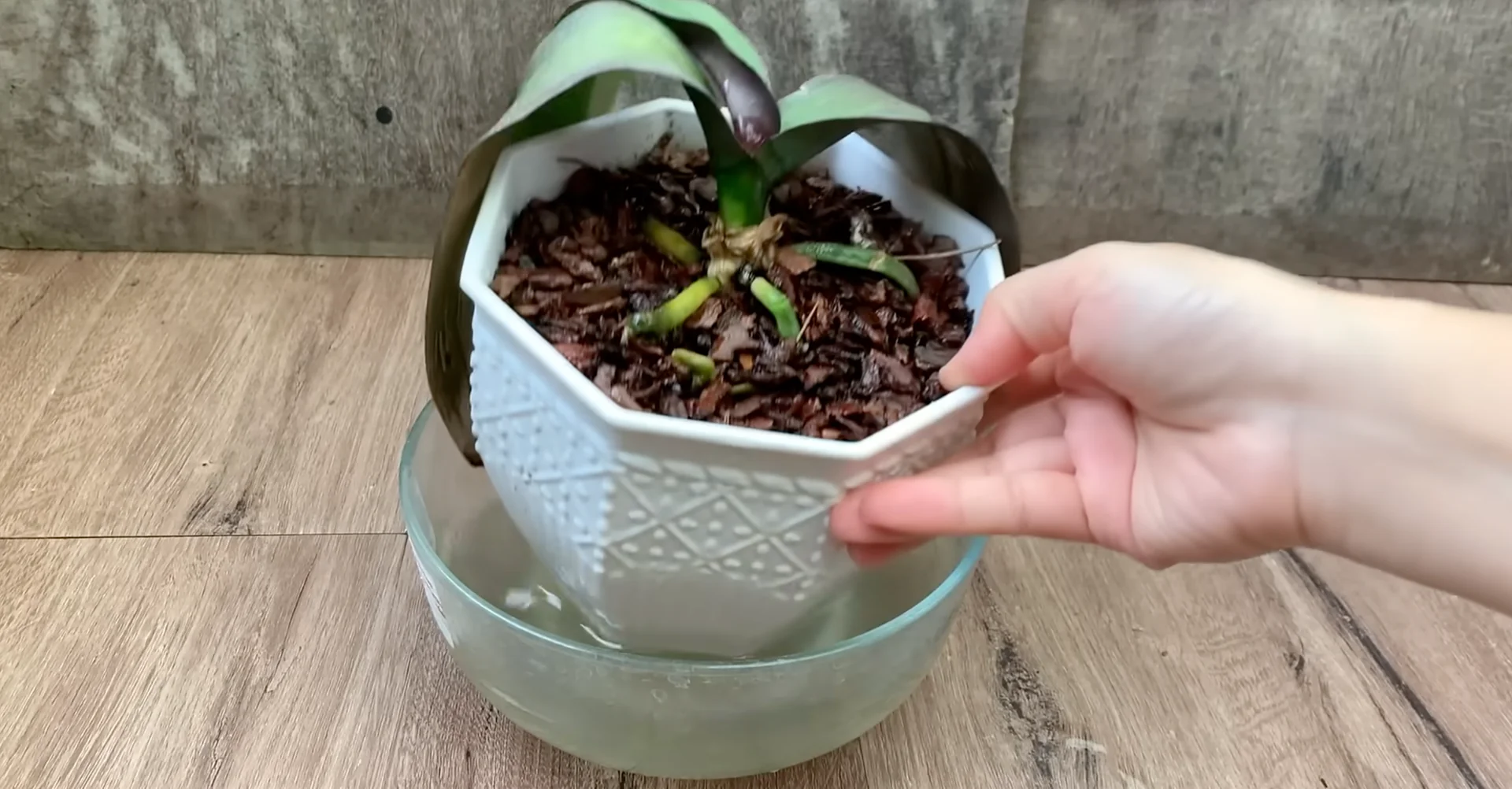
4. Results timeline for Reviving Dying Orchids
After two weeks
Here are the results after 2 weeks of care. You can see the leaves have become noticeably greener and firmer. Even a new young leaf has started to emerge from the top, and new roots have also started to develop, a clear sign that the plant is gradually recovering and regaining its vitality.
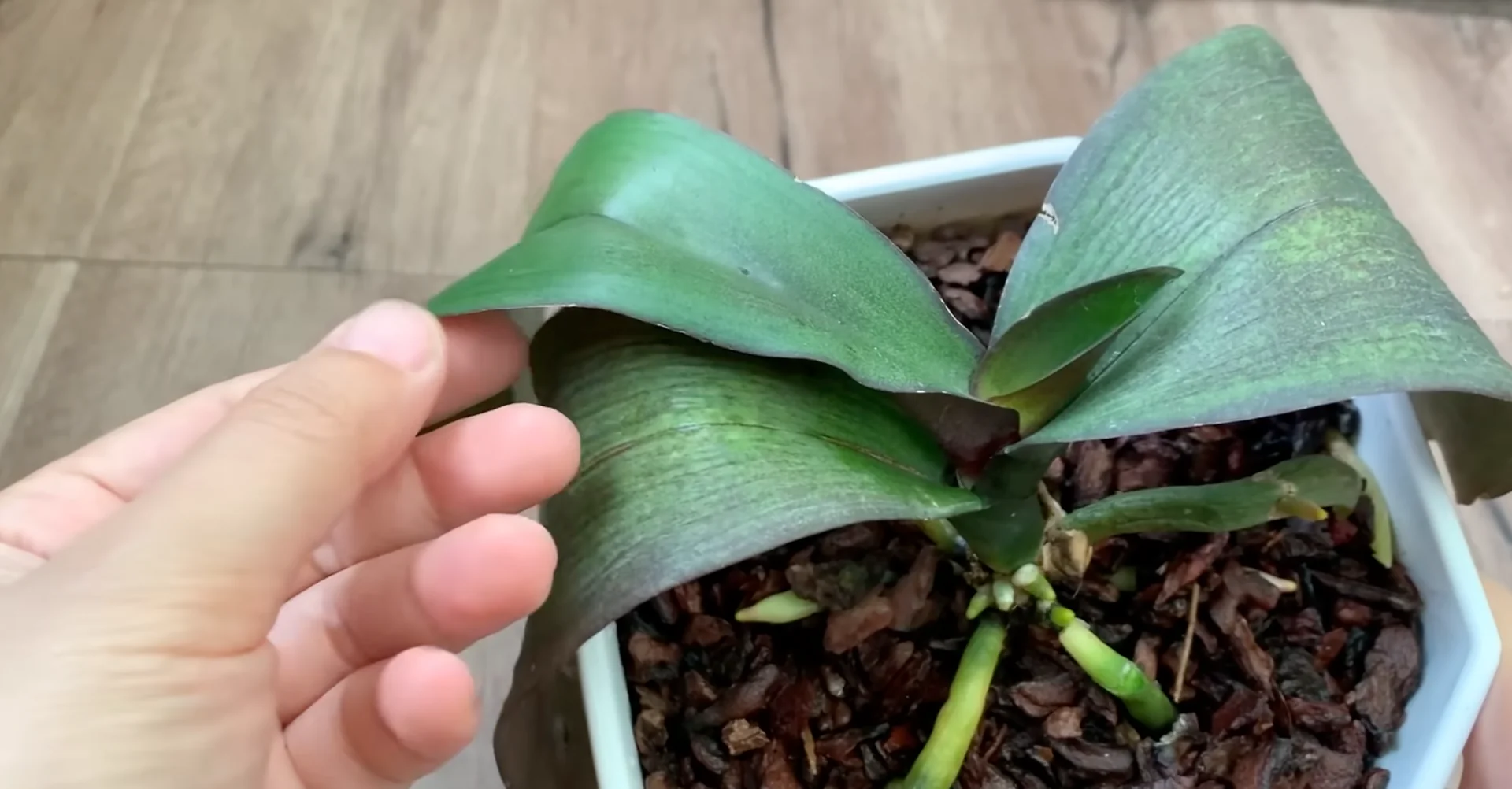
After six weeks
I continue to care for the plant using the aloe vera and rice solution once a week, helping it stabilize and grow more sustainably. Here are the results after 6 weeks of recovery. The plant has changed significantly, becoming healthier and full of life.
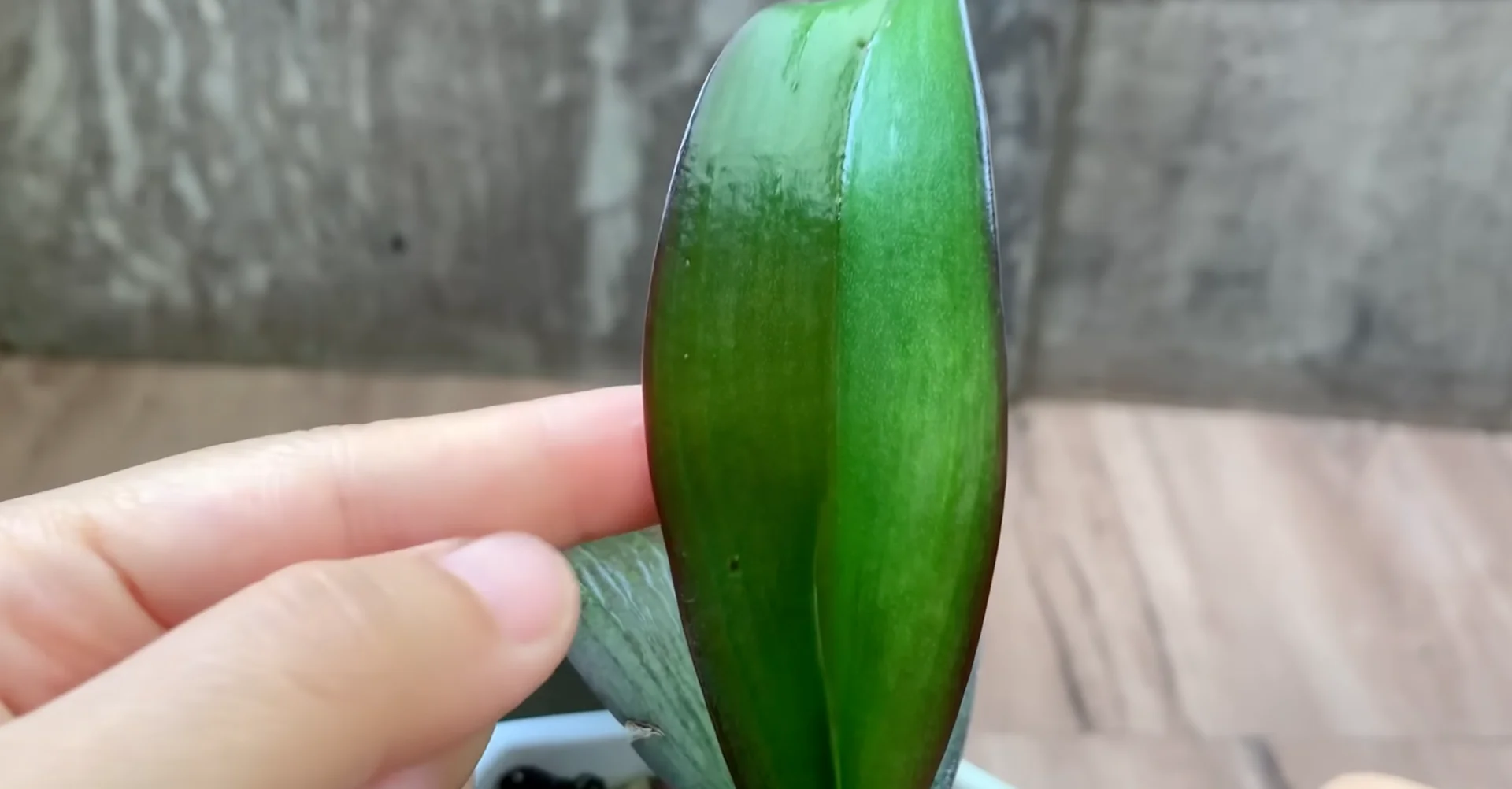
The orchid has grown new leaves, noticeably greener, thicker, and more robust. The root system has also developed more strongly, with many new roots growing, while the old roots have become firmer and more securely attached to the growing medium.
Final thoughts on Reviving Dying Orchids
With just a few simple steps and familiar ingredients from your kitchen, you can effectively revive your orchid at home. Keep your care gentle, consistent, and focused on clean roots, steady moisture, and soft light. For long term success, learn how to keep orchids blooming year round.
About The Author