
I would like to share with you a rose propagation method suitable for flower lovers who want to apply natural ingredients to stimulate roots – quickly restore branches. This approach protects cuttings, accelerates recovery, and helps new roots form steadily.
If you prefer a very straightforward approach, see a simple method for propagating roses that pairs well with this technique.
1. Natural Rose Propagation: Onion Skin Nutrients
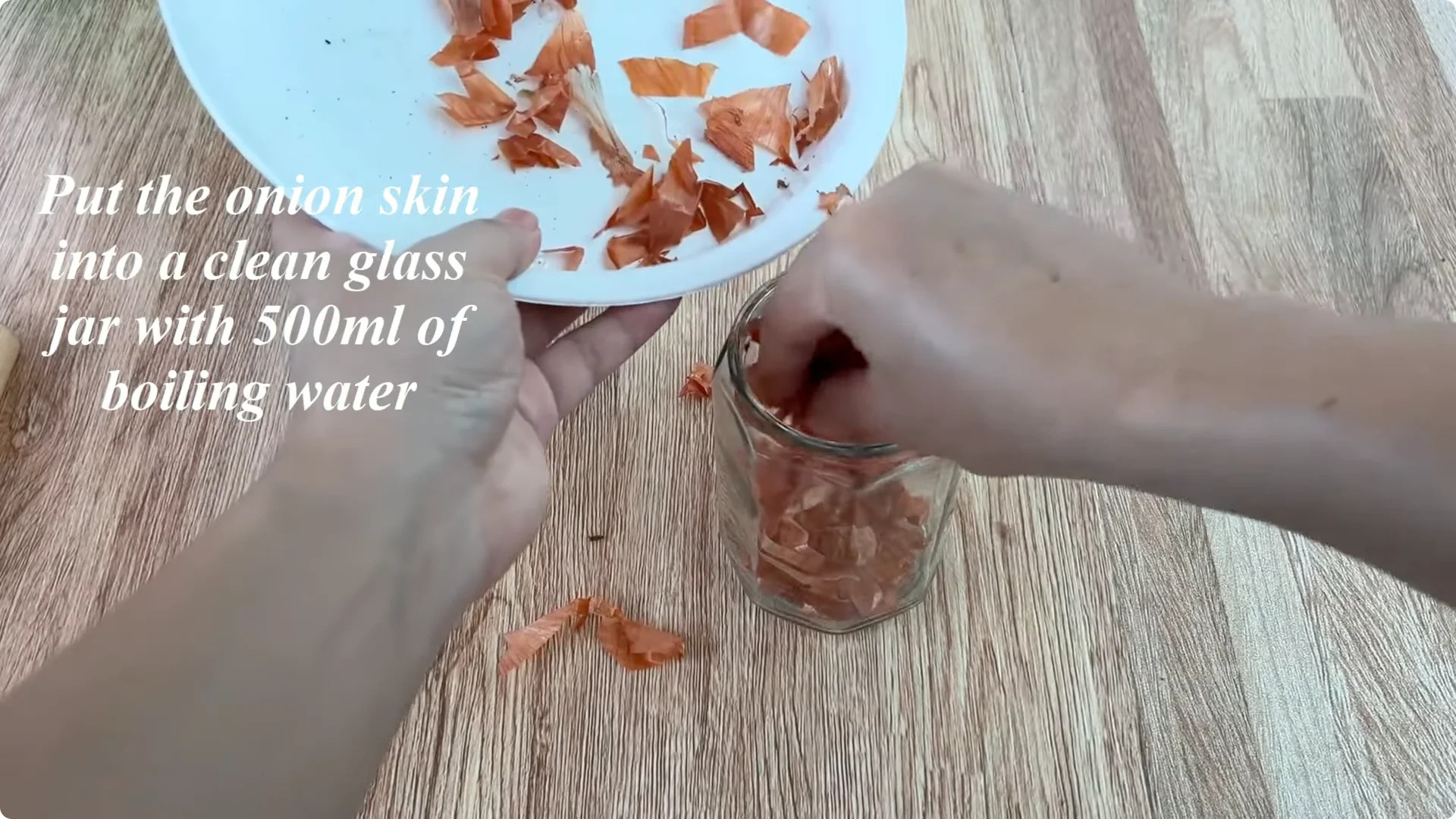
First, prepare a natural source of nutrients from onion skin, rich in flavonoids, especially quercetin with strong antifungal properties. It also supports the stimulation of new root tissue growth.
Take an onion with the skin intact, wash it under running water to remove dirt. Gently peel off the dry skin and cut it into small pieces to increase the contact area when soaking and extracting.
Put all the cut onion skins in a clean glass jar, pour in 500 ml of boiling water. Stir well to release the active ingredients, cover tightly, and let it cool naturally.
This solution forms a source of nutrients that protect the flower branches from fungi during the rooting stage.
2. Natural Rose Propagation: Prepare the Branch
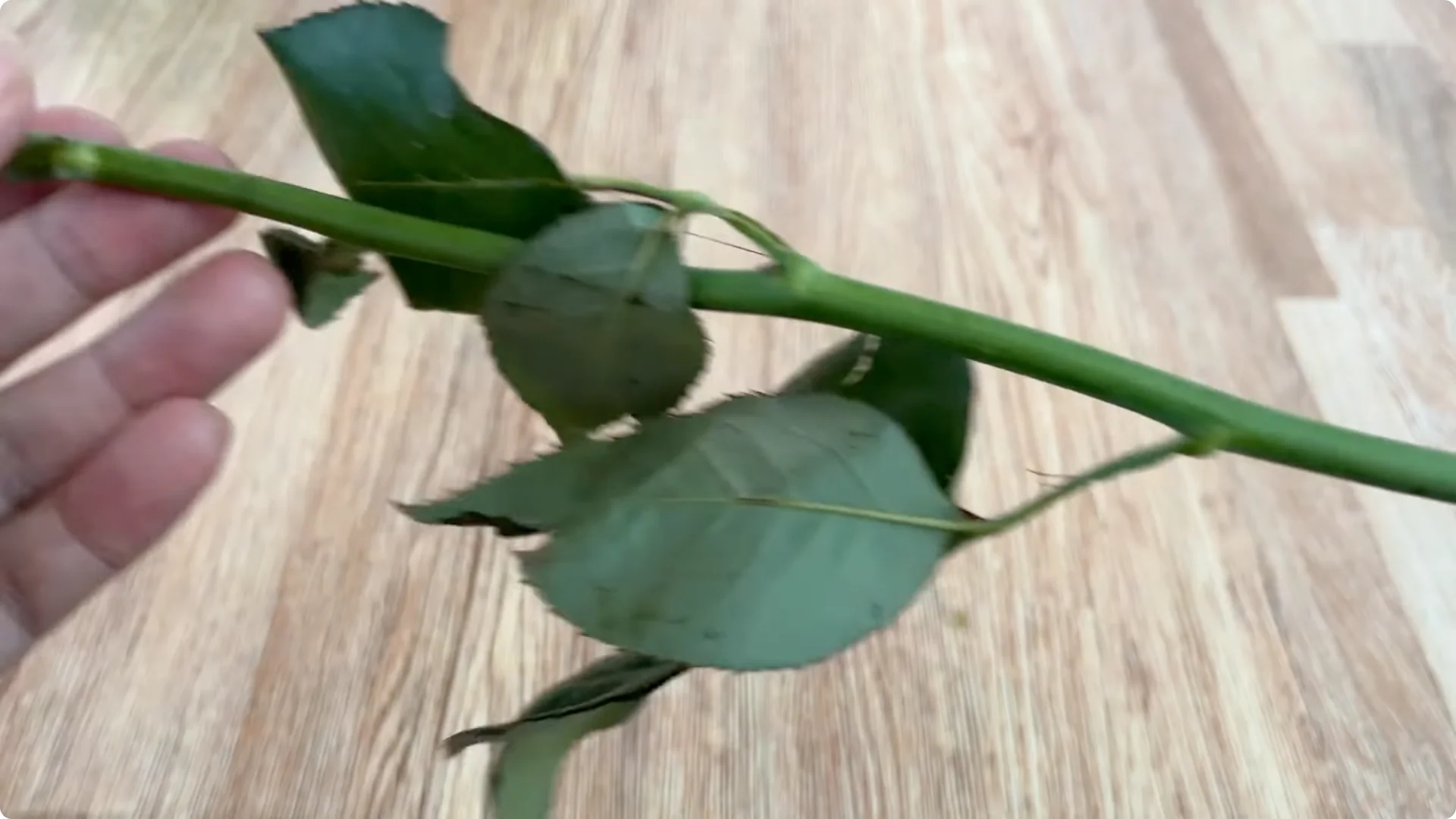
Choose a favorite rose branch that is moderately old to ensure the best rooting ability. If the flower shows signs of rot or mold, completely cut off these parts to eliminate the source of the disease.
Cut off all leaves and sharp thorns to reduce water loss and prevent bacteria from entering. Use sharp scissors to cut the branches to about 15-20 cm long so they retain moisture well and are easy to fix when incubating.
At the base of the branch, gently trim a thin strip of bark about 0.5-1 cm long to expose the woody tissue where new roots will develop when stimulated with the nutrient solution.
3. Natural Rose Propagation: Onion and Aloe Solution
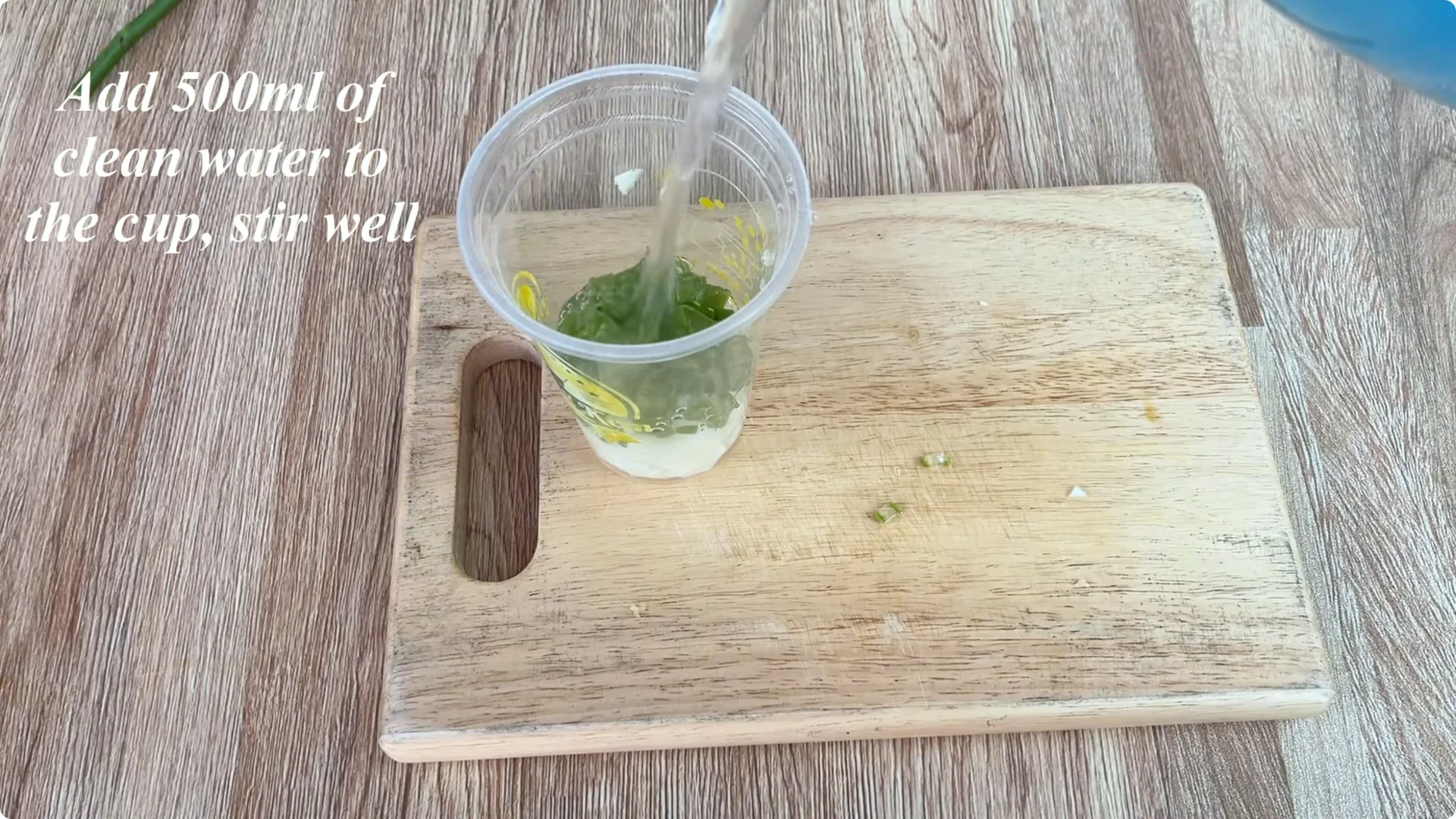
Cut about 30 g of onion and chop it to increase secretion efficiency. Take an aloe vera branch about 10 cm long and chop it.
Aloe vera contains a lot of polysaccharide gel – a compound that helps to retain moisture and stimulate tissue healing very well. Put the onion and aloe vera in a clean plastic cup, pour in 500 ml of clean water, and stir well.
This is a mixture containing natural enzymes and nutrients that help stimulate the growth of root cells. Place the pruned rose branch in the mixture and soak for 30 minutes so that the root tissue can absorb nutrients optimally.
For another take you can compare, see a surprising method to propagate roses that complements this natural approach.
3.1 Natural Rose Propagation: Prepare the Jar and Foam
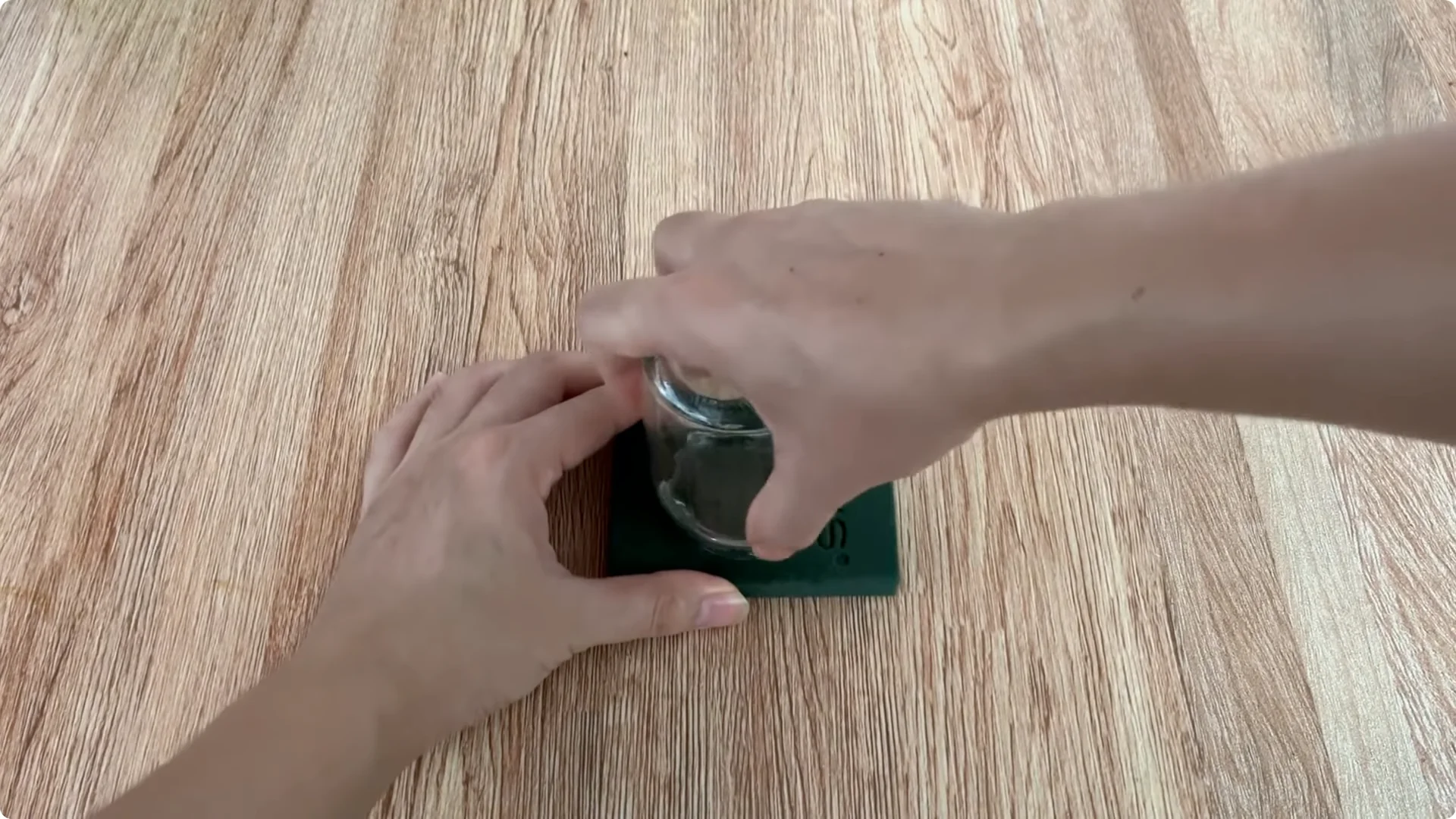
While waiting to soak, prepare a small, clean glass jar and a piece of foam. Cut the foam to fit the mouth of the jar to fix the flower branch and minimize evaporation during incubation.
4. Natural Rose Propagation: Filter and Combine Solutions
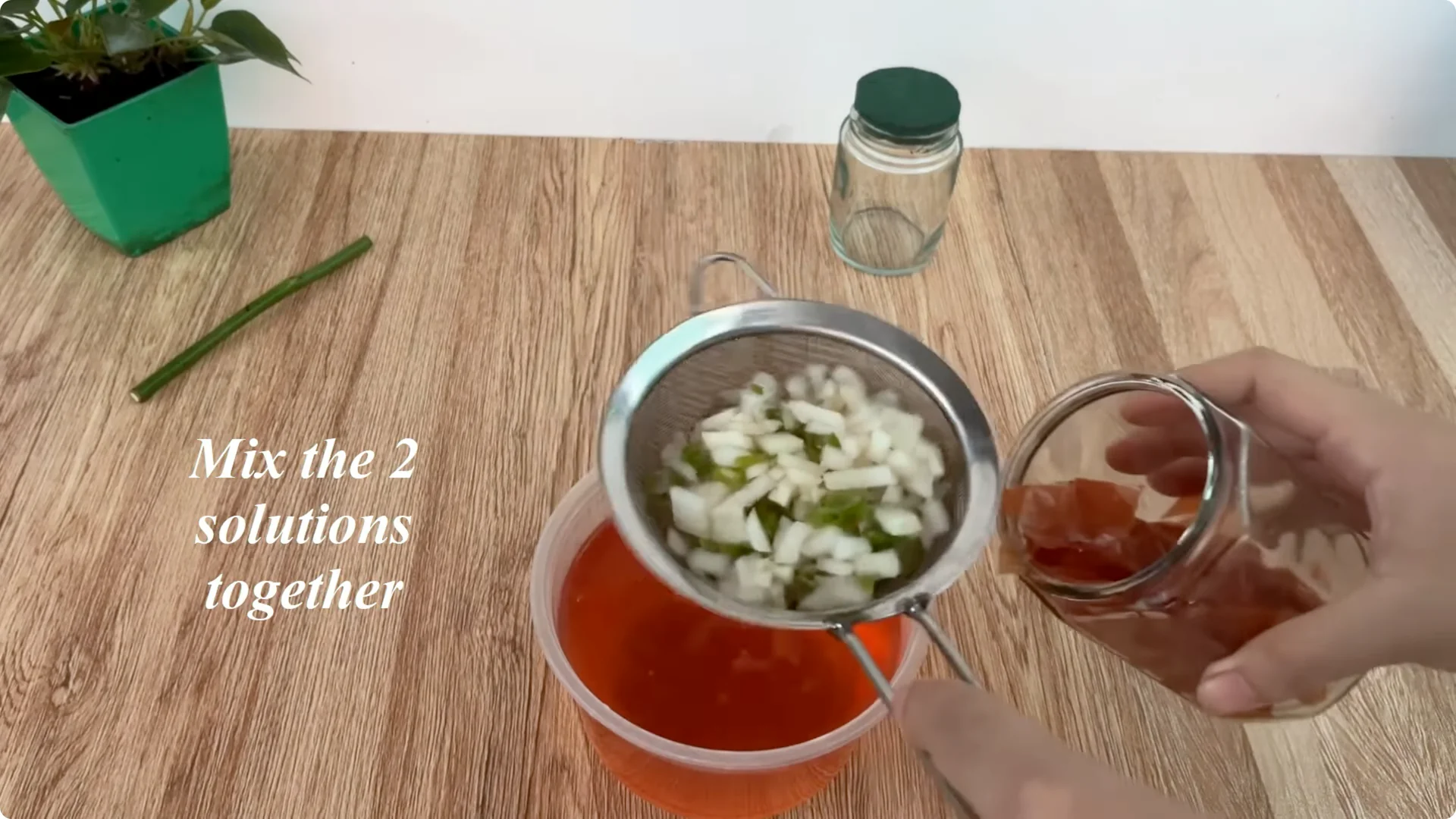
After 30 minutes, remove the flower branch from the mixture. Use a sieve to filter the onion – aloe vera solution so it is clear and has no residue.
Filter the previously steeped onion peel solution. Mix the two filtered solutions together to create a mixture to nourish the rose branches.
This combined solution has strong antibacterial properties from the onion peel and the ability to retain moisture – stimulate tissue healing from aloe vera. It helps the flower branches quickly recover and form new roots.
5. Natural Rose Propagation: Incubation Setup
Pour the nutrient mixture into the prepared glass jar. Use a cable tie to fix the middle of the flower branch so it stands straight and does not tilt.
Insert the flower branch through the foam and cover the mouth of the jar with the same foam, ensuring that the base of the flower branch is deeply immersed in the solution. Covering the mouth with foam helps to retain moisture and limit bacteria from entering from the outside environment.
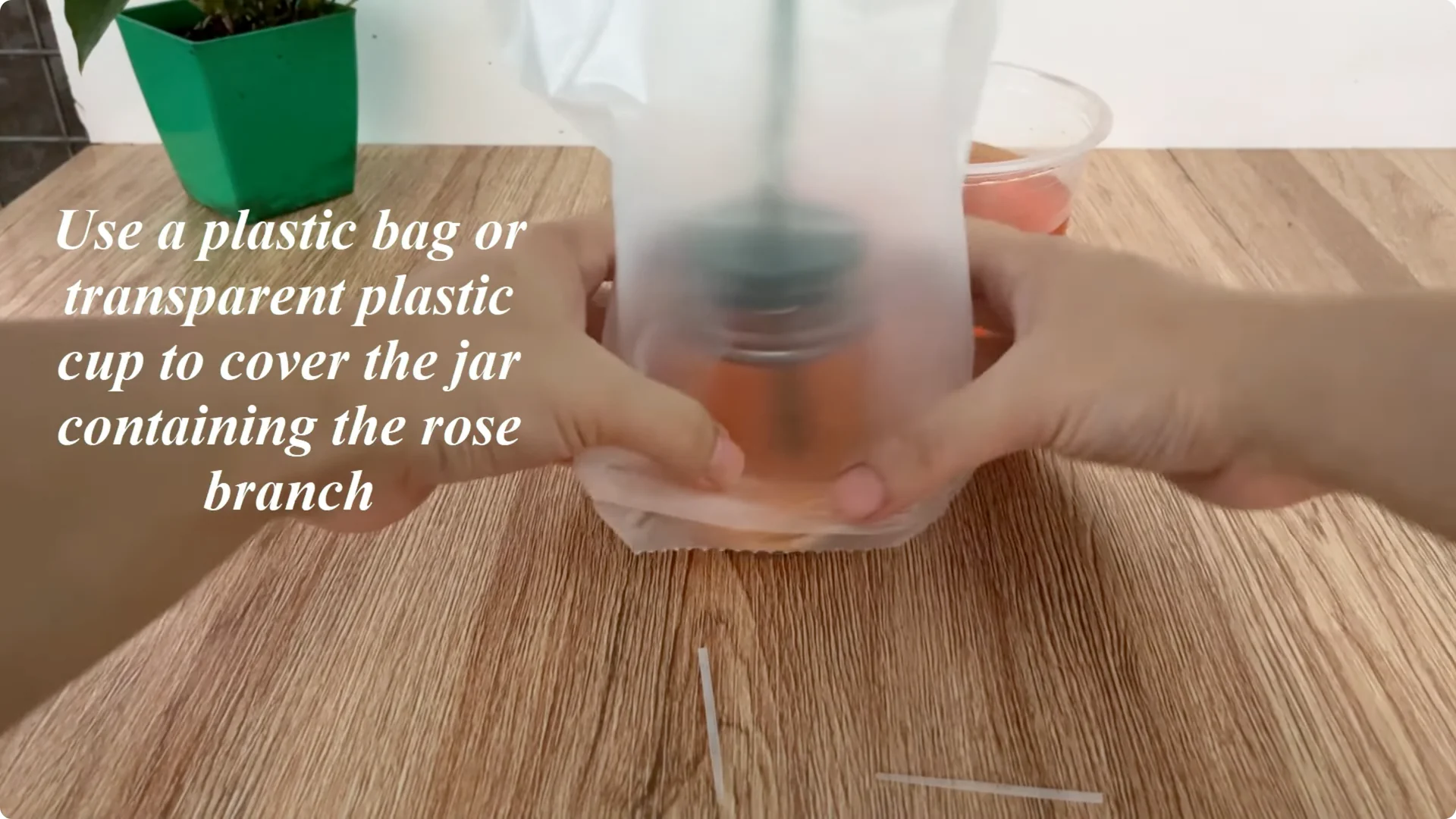
To create a stable incubation environment, use a plastic bag or a transparent plastic cup to cover the entire mouth of the jar. This maintains optimal moisture and creates a greenhouse-like microclimate, helping the flower branches limit water evaporation and recover quickly.
After wrapping, place the jar in a cool place, away from strong winds and direct sunlight. High temperatures will cause the solution to evaporate quickly and dehydrate the flower branches.
6. Natural Rose Propagation: Rooting Progress
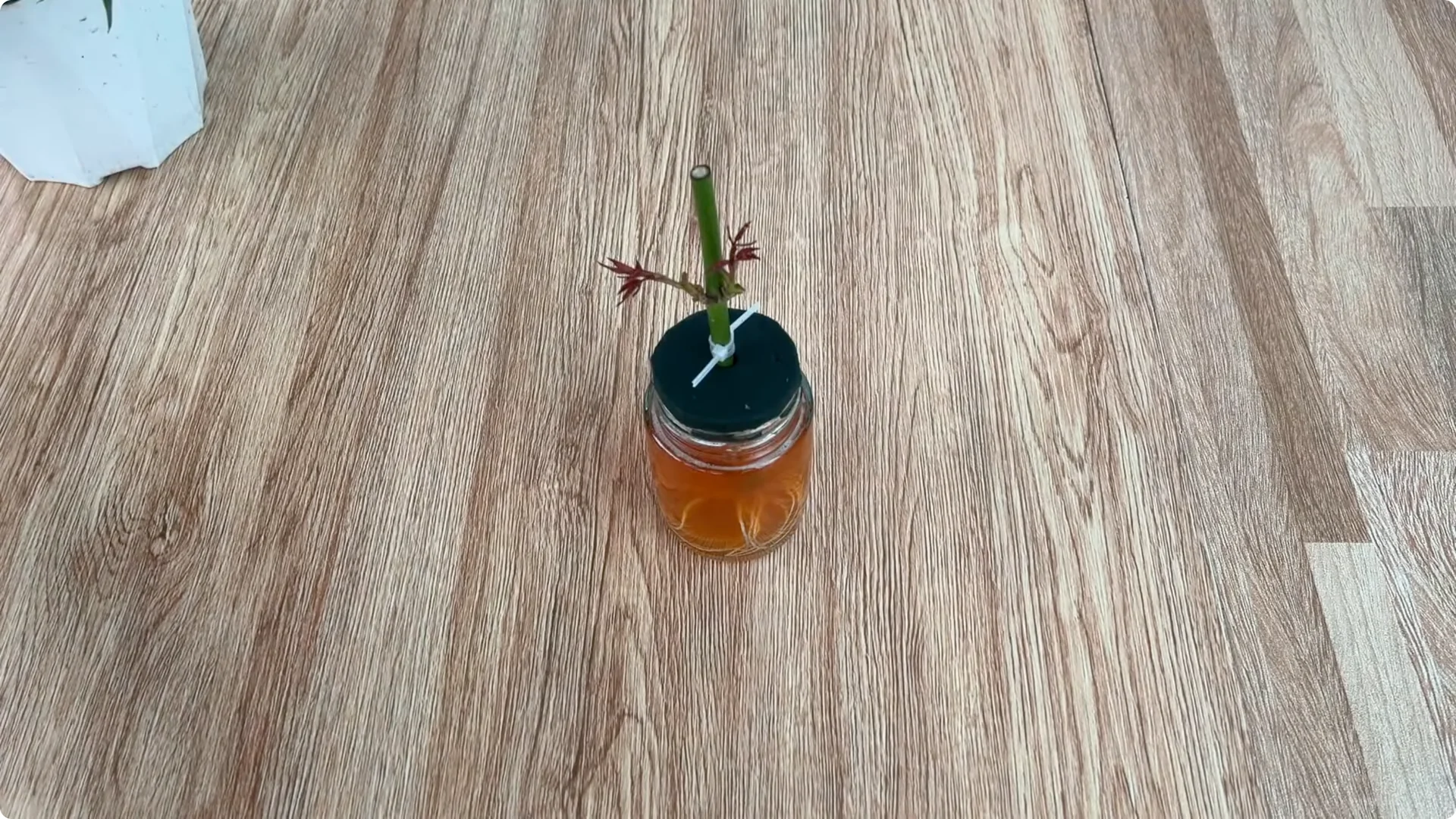
After about 10 days, you will observe very obvious changes at the base of the branch. New white, succulent roots begin to appear around the trimmed root tissue – this is a sign that the branch has adapted and begun to grow independently.
The upper part of the stem also sprouts new buds, is bright green, and shows very healthy growth.
7. Natural Rose Propagation: Potting Up
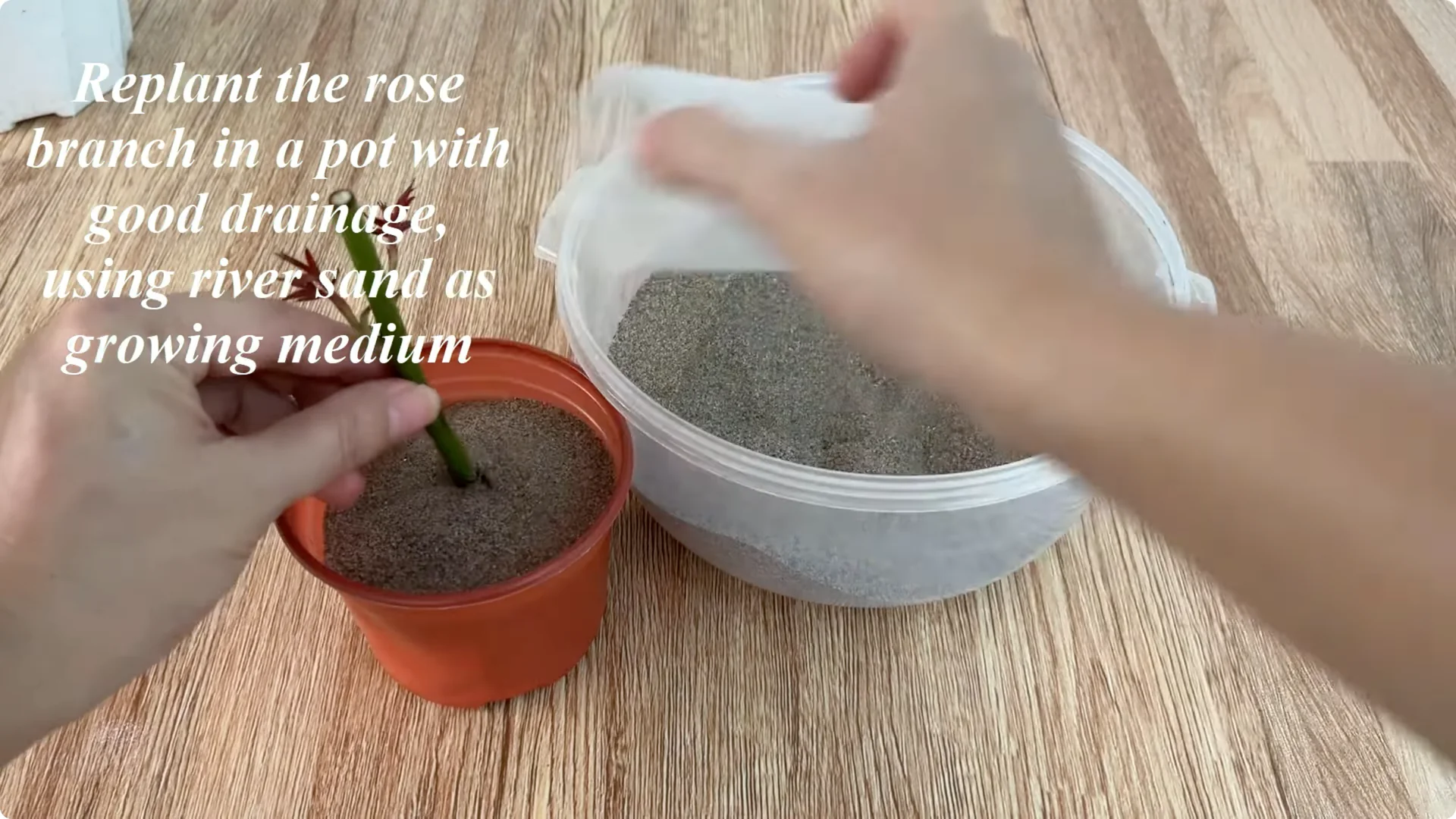
When the roots reach a length of about 1-2 cm, you can plant the branch in a pot. Choose a pot with good drainage holes and use river sand as a substrate.
River sand drains water quickly, limits root rot, and is very suitable for the initial stage of stabilizing the plant. For another straightforward technique you can compare results with, see another straightforward technique that many growers find helpful.
Final Thoughts
This natural method protects cuttings from fungi, keeps moisture balanced, and stimulates tissue healing for fast, healthy rooting. Follow the steps patiently and keep conditions cool and stable to help your rose branches recover and form new roots. Wish you success in applying this method and owning healthy, vibrant rose branches.