

With just a few familiar ingredients in the kitchen, we can revive a cut rose branch into a new, healthy plant with white roots growing densely in just 10 days. This is not just a tip, but a natural scientific process, helping you successfully propagate roses at home.
First, choose a rose branch that you love, with moderate age. Branches that are too young are prone to waterlogging, and branches that are too old are difficult to root.
1. Rose Cutting Propagation Basics
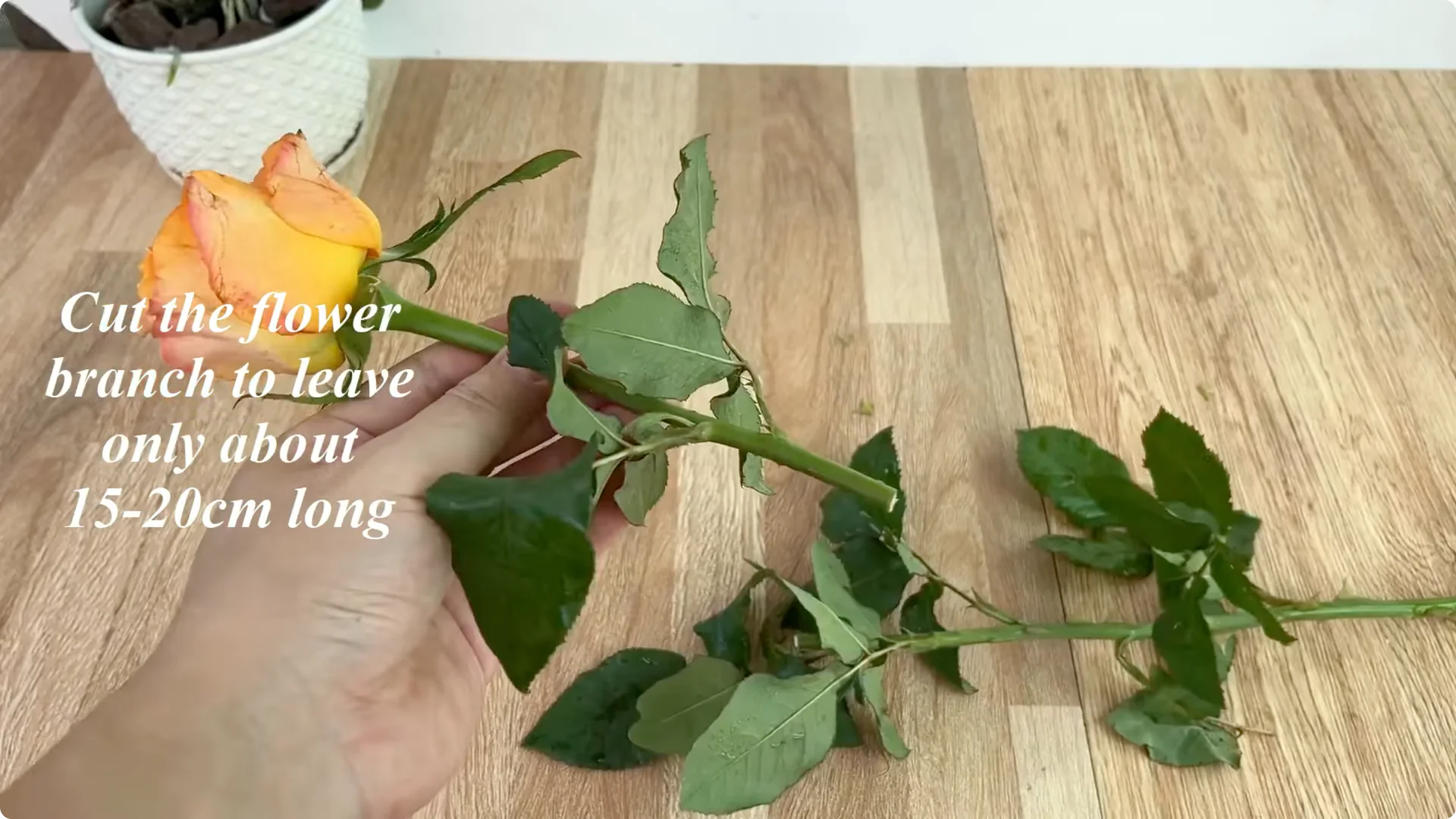
Use sharp scissors to shorten the cutting to about 15-20 cm, then remove all the leaves and thorns. This helps to limit water loss through the leaves and prevent wounds caused by thorns from causing fungus. It also focuses the branch’s energy on stimulating new roots to form.
This is the foundation for the whole process, so do not skip it. For another simple kitchen trick that pairs well with this approach, see this one spoon rooting method.
2. Rose Cutting Propagation Solution

Prepare 0.5 liters of clean water in a plastic cup. Add 1/2 teaspoon of baking soda and stir until completely dissolved. Baking soda is famous for its ability to inhibit the growth of bacteria and mold, two main enemies that make flower branches susceptible to root rot.
Place the rose branch in this solution for 15 minutes. The surface of the bark and the wood inside will be gently cleaned. This reduces the risk of infection in the early stages.
Apple peel boost
Wash and peel an apple. This peel contains many vitamins, minerals and especially malic acid, a compound that helps activate the cell division process in plant tissue. Cut the peel into small pieces and put it in the baking soda solution.
You not only add nutrients, but also take advantage of the mild acidity of the apple peel to balance the environment. This helps the roots to develop easily. Keep the cutting nearby while the solution infuses.
Rice enrichment
Add 3 tablespoons of rice to the cup of solution. Rice contains starch and trace minerals such as magnesium, iron, and zinc, essential for the formation of root tissue. When soaked with apple peel and baking soda, the nutrients gradually dissolve into the water, creating an energy rich environment for the flower branches.
After adding the rice, stir well and let the mixture sit for 15 minutes to release the nutrients. You can also explore a one spoonful rooting approach that complements this nutrient boost.
3. Rose Cutting Propagation Nutrient Water
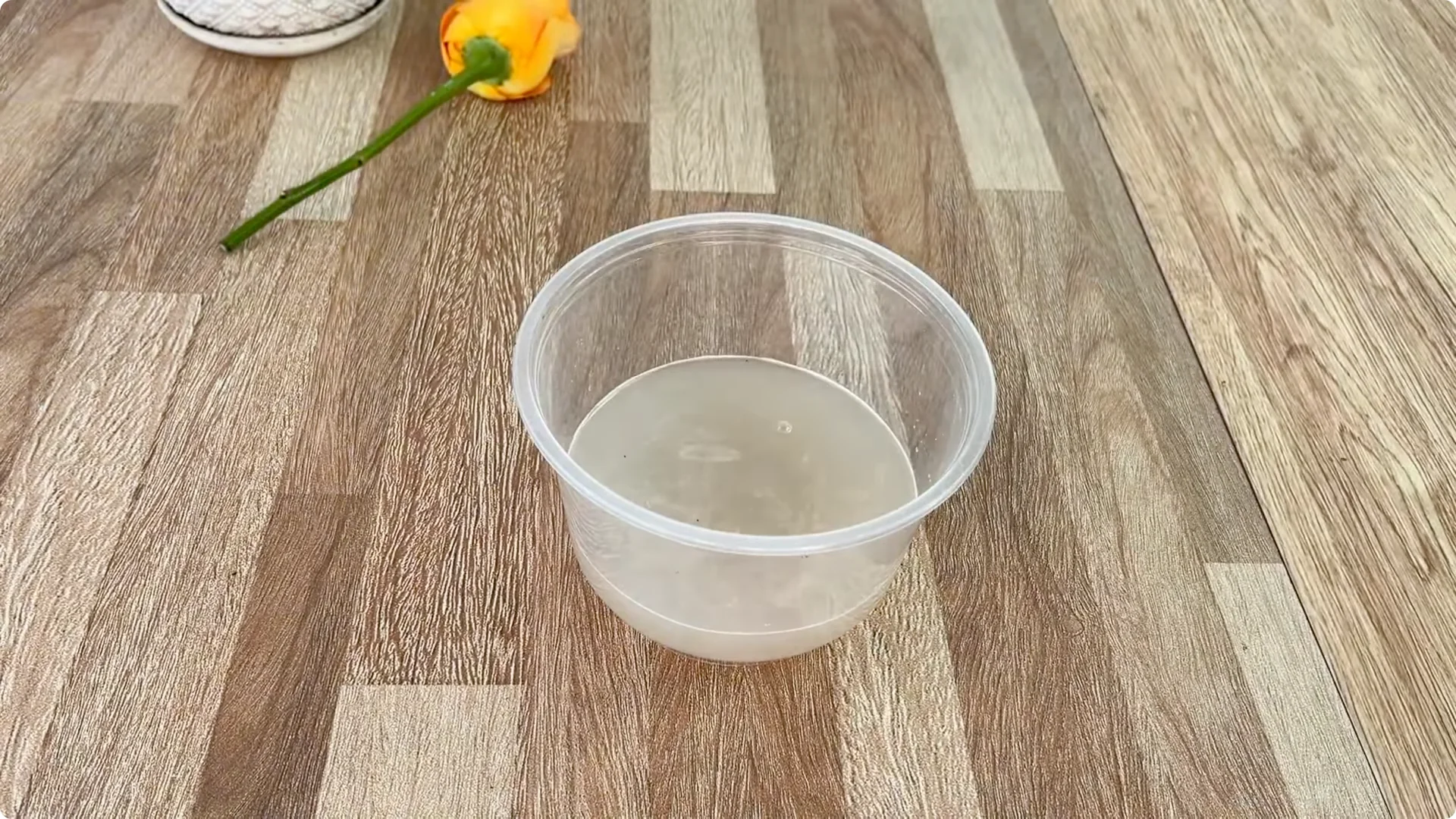
After about 30 minutes of soaking, remove the rose branches and set them aside. Strain the mixture through a sieve to remove the apple peel and rice residue, keeping only the clear liquid. Dilute this solution with 0.5 liters of clean water.
The result is a natural nutrient water that is antibacterial, stimulating, and nourishing. It is perfect for the cutting stage. Keep it ready for planting.
4. Rose Cutting Propagation Planting Setup
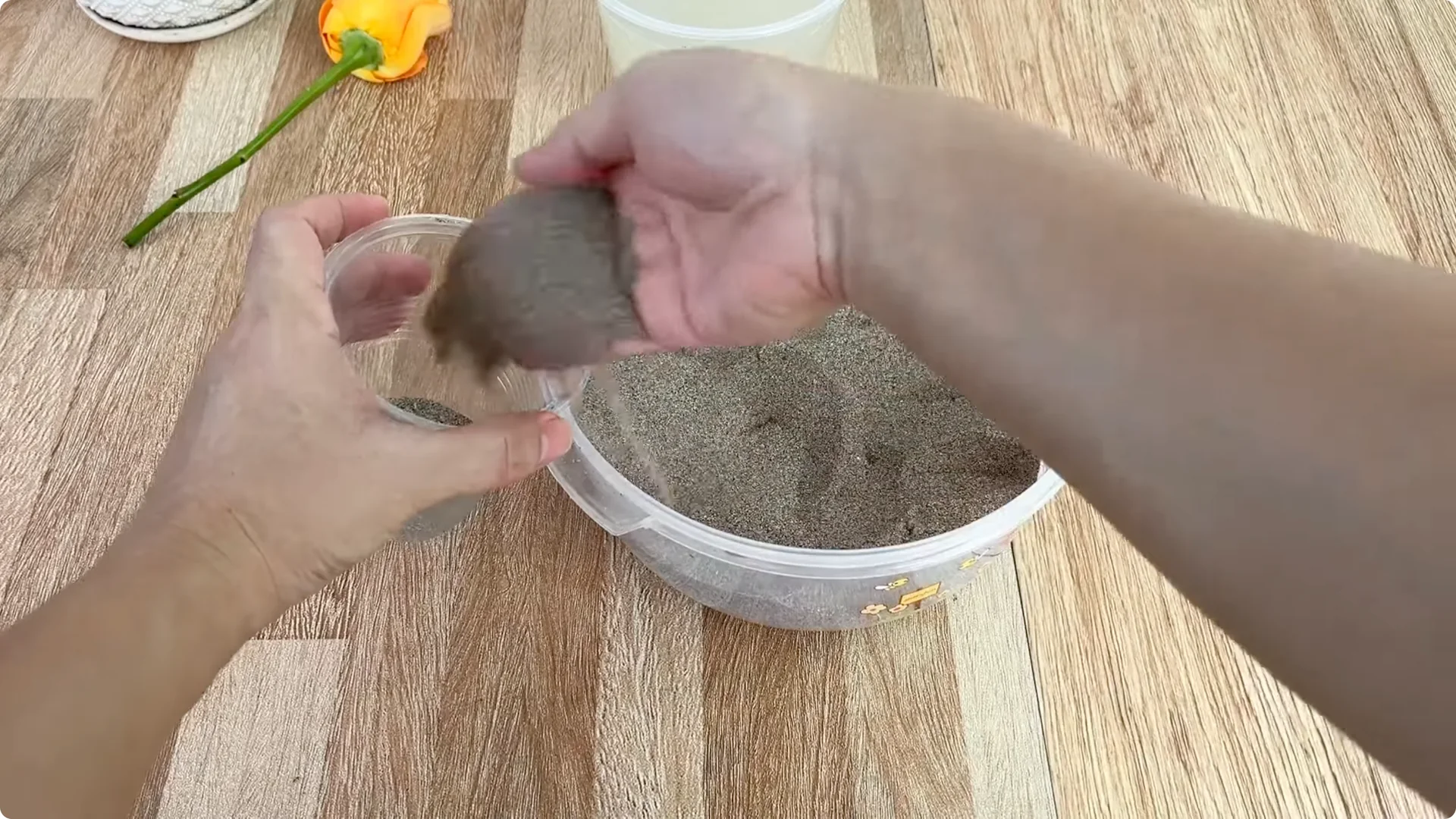
Cup and sand
Prepare a clean plastic cup and treated river sand that has been washed and dried to remove pathogens. Fill the cup one third full, place the rose branch in the middle, then add sand to almost fill the cup and press lightly to secure. The cutting should sit firmly and upright.
Moisture and cover
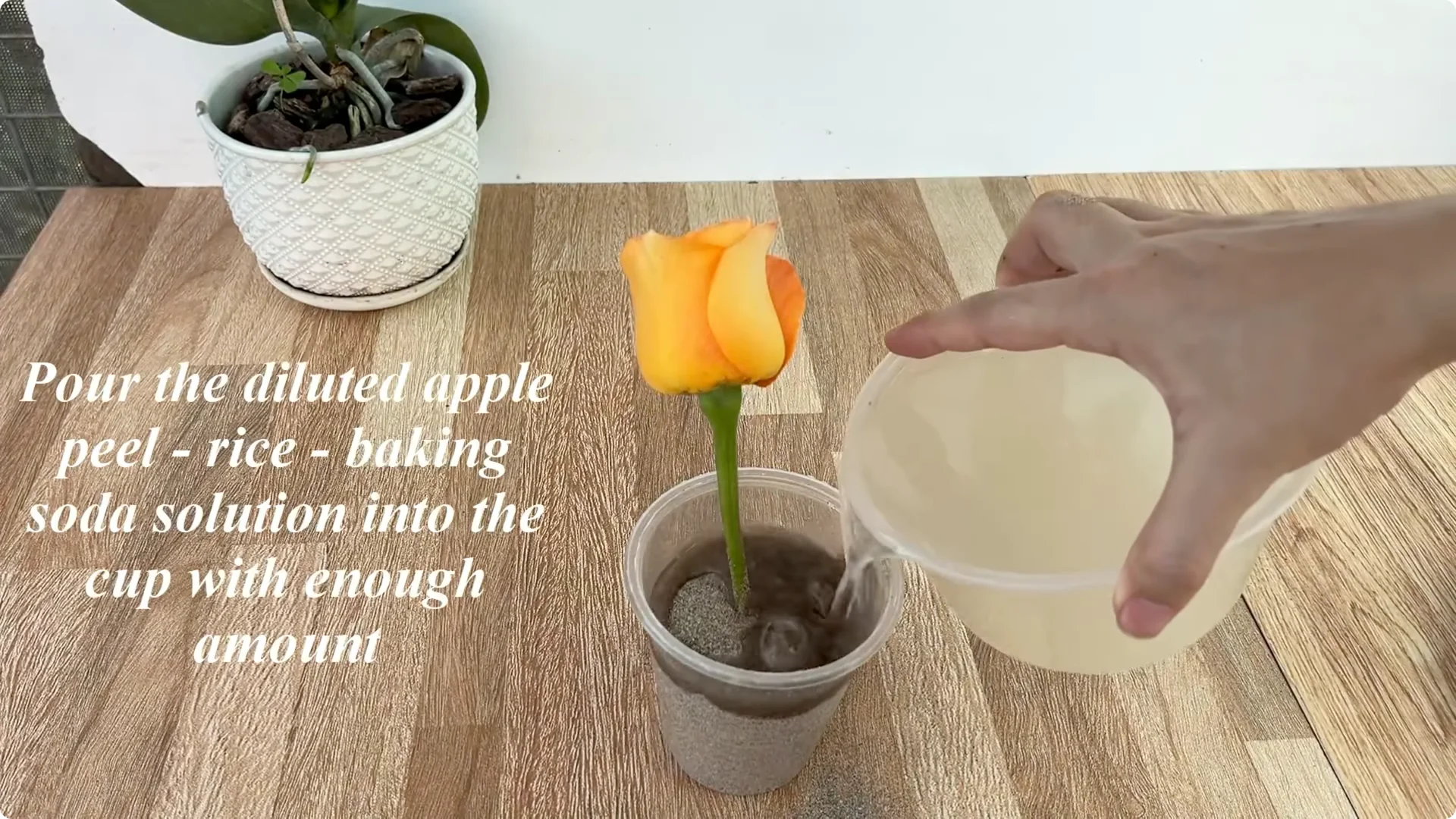
Pour the mixed solution into the cup, just enough to moisten but not to submerge. Use a plastic bag or a transparent plastic cup to cover the mouth of the cup to create a greenhouse effect and retain moisture. Place the cup in a cool place, away from drafts and harsh sunlight.
For blooms later on, many growers pair this step with a simple spoon method for strong blooms.
5. Rose Cutting Propagation Results and Potting
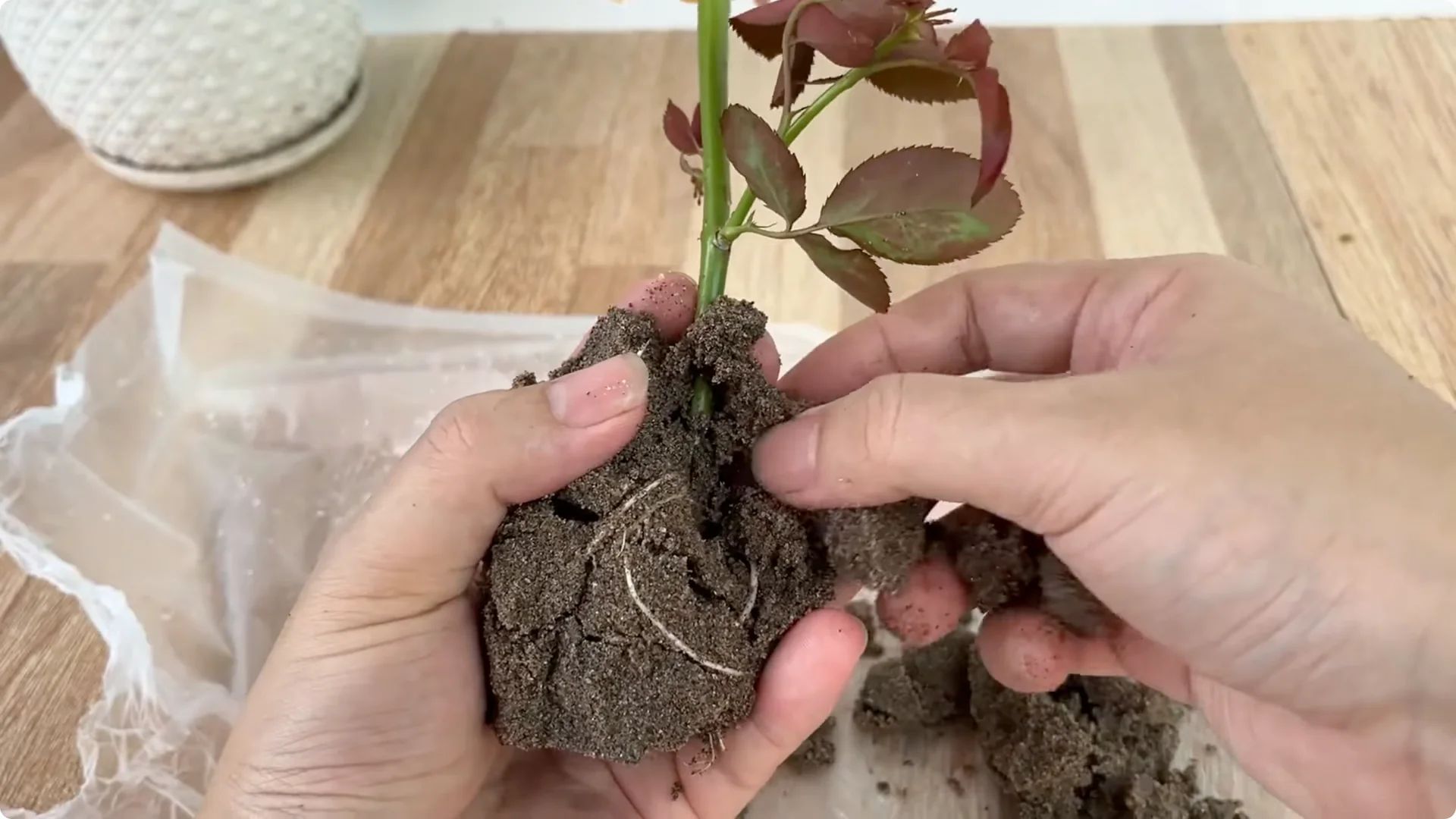
After 10 days, gently lift the surrounding sand layer. You will see white, plump, healthy roots growing around the base of the branch. On the trunk, green shoots begin to sprout, a sign that the tree has begun a new life.
This is the golden time to move the tree to a large pot. Use a well drained substrate such as coconut fiber mixed with organic soil. This helps the roots grow faster and stronger.
Final Thoughts
With just baking soda, apple peel, and a few spoons of rice, you have created a mini nursery station for rose branches. Success lies not only in the survival of the tree, but also in the feeling of happiness when witnessing the change every day. From a small branch, you may grow a whole corner of a brilliant garden in the future.