
In propagating roses by cuttings, using natural biological compounds is becoming a trend that is more effective and safer than conventional chemical preparations. It not only helps stimulate root growth but also helps prevent bacteria that cause root rot, while providing enough nutrients for healthy shoots. The process below clearly demonstrates that.
For another straightforward approach to propagation, see this simple method for propagating roses.
1. Natural compounds for Rooting Rose Cuttings

Coffee, ginger, and honey create a multi-functional biological environment. Coffee helps stimulate roots, ginger disinfects, and honey moisturizes and provides nutrients. This method is friendly and economical and highly effective thanks to natural active ingredients.
2. Coffee solution for Rooting Rose Cuttings
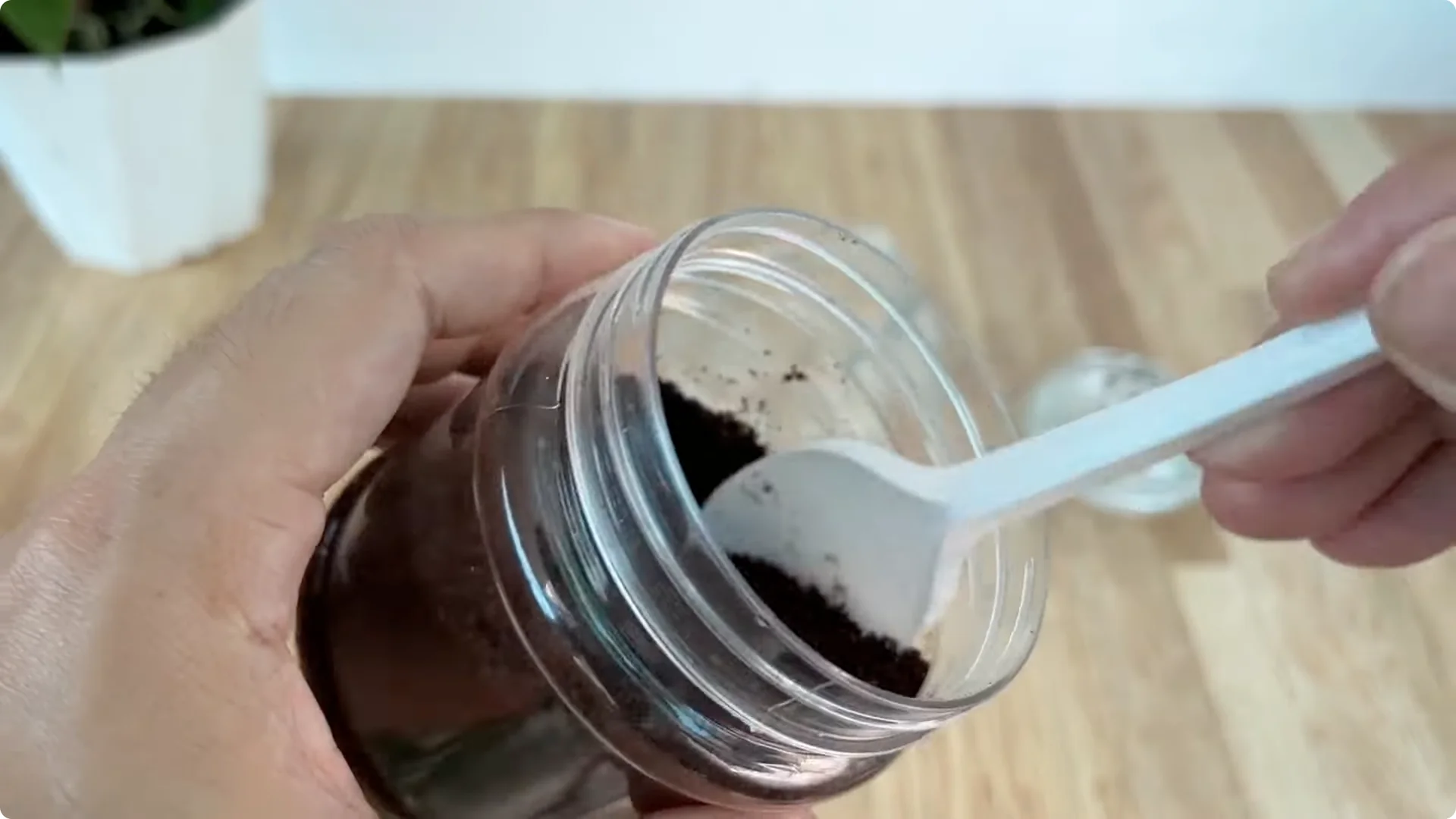
First is the preparation of the coffee solution – a natural growth stimulant rich in organic acids. Just put a teaspoon of coffee in a clean glass jar, then pour in 500 ml of boiling water. Hot water helps extract caffeine, polyphenols, and tannins in coffee beans, ingredients that can stimulate the metabolism of plant tissue.
After covering the lid, the mixture is left to cool naturally to retain all the active ingredients without evaporation.
3. Branch processing for Rooting Rose Cuttings
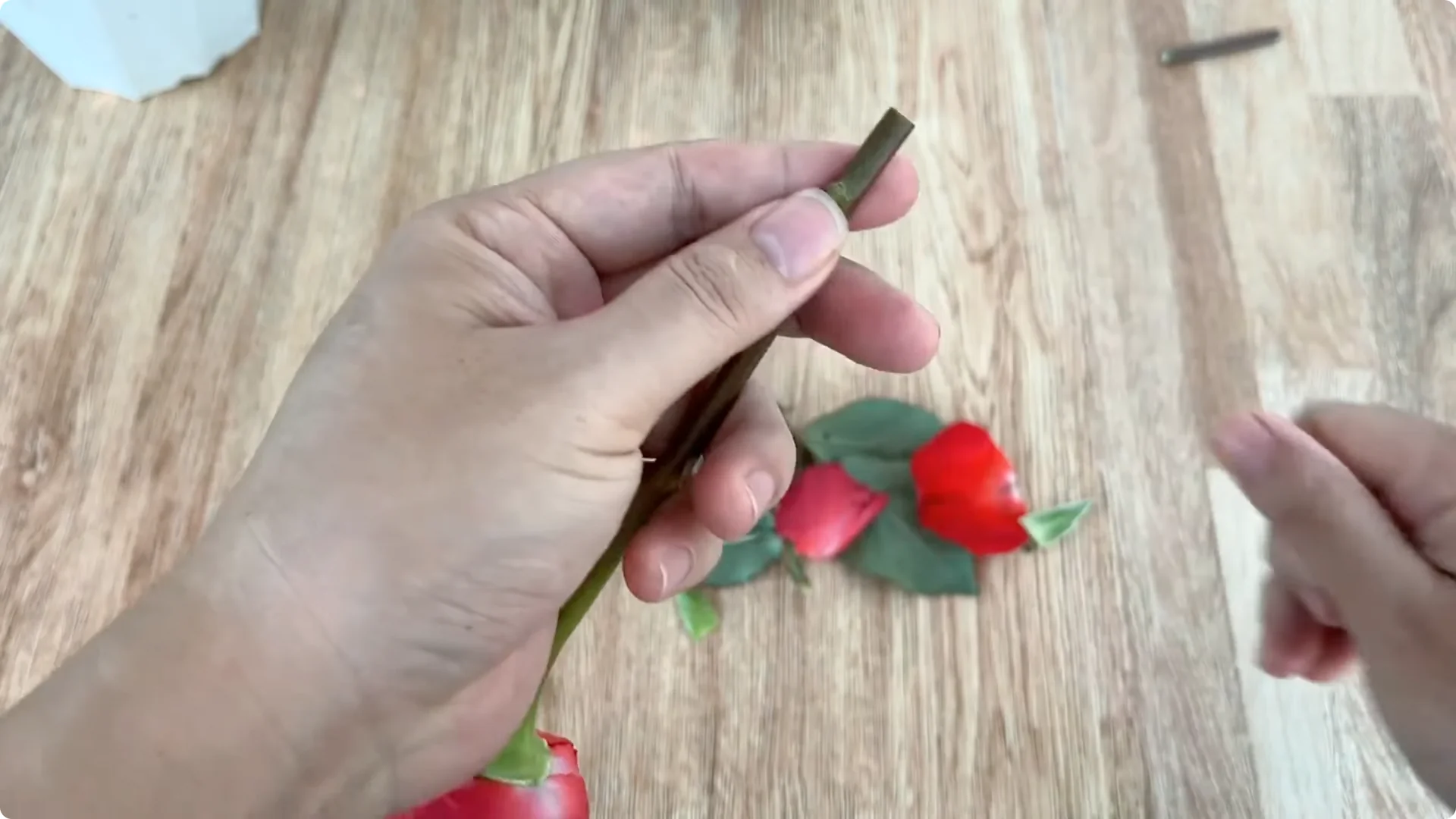
A healthy rose branch, free of pests and diseases, with moderate lignification will ensure better tissue regeneration than a branch that is too young or too old. All leaves and thorns are removed to reduce water loss and prevent fungi from settling in the cut. The ideal length of 15-20 cm helps maintain the amount of sap needed for the recovery stage.
The base is created by a 45-degree bevel cut to expand the contact area with the nutrient solution and create a favorable position for young roots to develop.
4. Ginger-honey mix for Rooting Rose Cuttings

Next is the combination of ginger and honey – two ingredients that are prominent in their biological antibacterial properties. About 10 grams of fresh ginger is washed and chopped to release natural enzymes, essential oils, and the active ingredient zingiberene which has antibacterial, antifungal, and metabolic stimulating effects. The ginger is put in a clean plastic cup, then 1 tablespoon of honey and 500 ml of water is added.
Honey acts as a humectant, rich in natural sugars, amino acids, and trace minerals that help provide energy to the branch tissue in the early stages. When stirred, the mixture forms a solution that both protects and supports the recovery of damaged tissue. The rose branches are soaked in this solution for about 30 minutes to fully absorb.
After the soaking process is completed, the branches are removed and the solution is filtered to remove the residue. This makes the solution clearer, avoiding residue sticking to the base of the branches when planting.
For a quick rooting shortcut, see this simple trick for propagating roses.
5. Combine solutions for Rooting Rose Cuttings
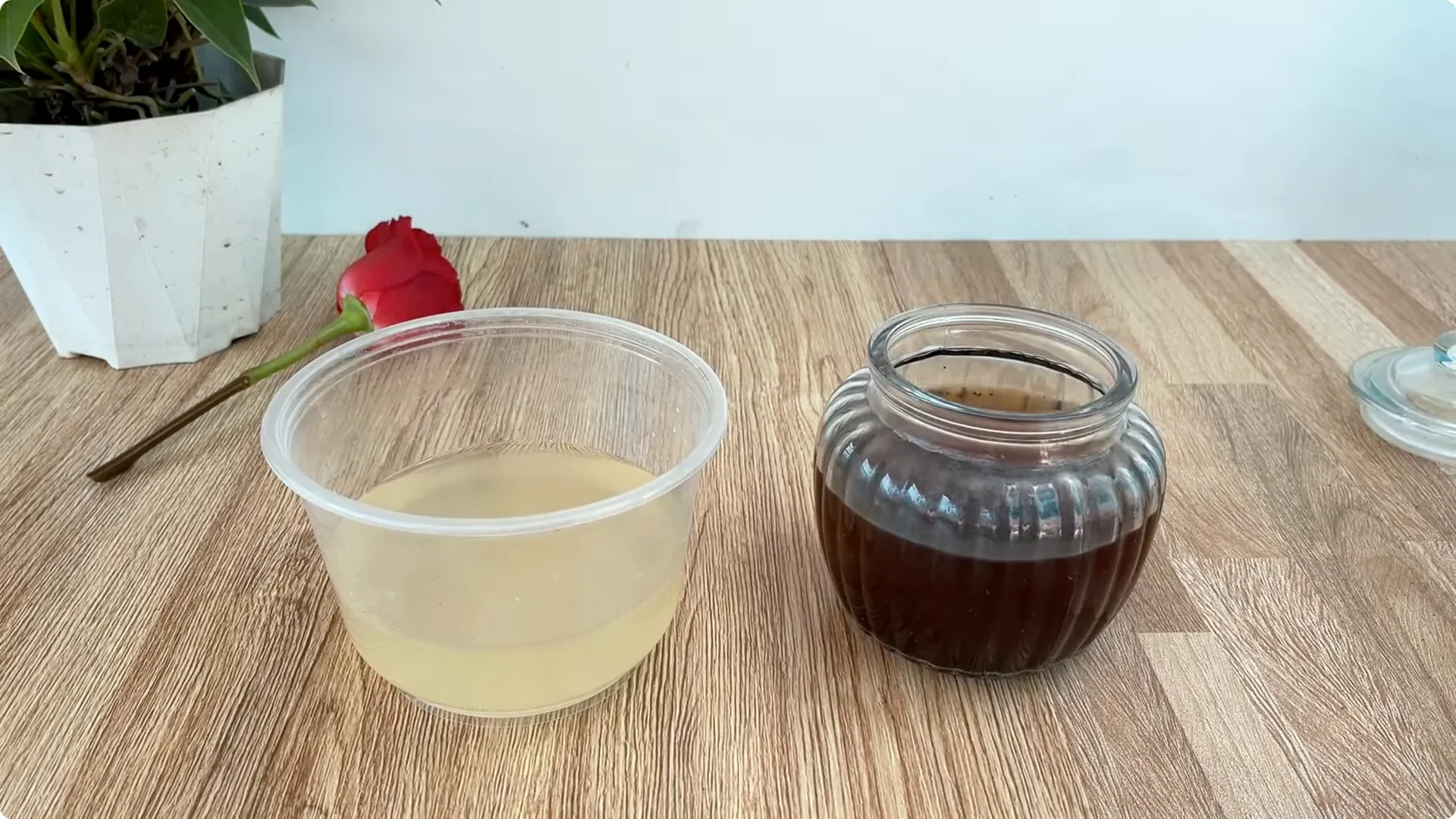
Immediately after that, the pre-prepared coffee solution is filtered and poured together with the ginger-honey solution. This combination creates a multi-functional biological environment – coffee helps stimulate roots, ginger disinfects, honey moisturizes and provides nutrients.
6. Substrate for Rooting Rose Cuttings
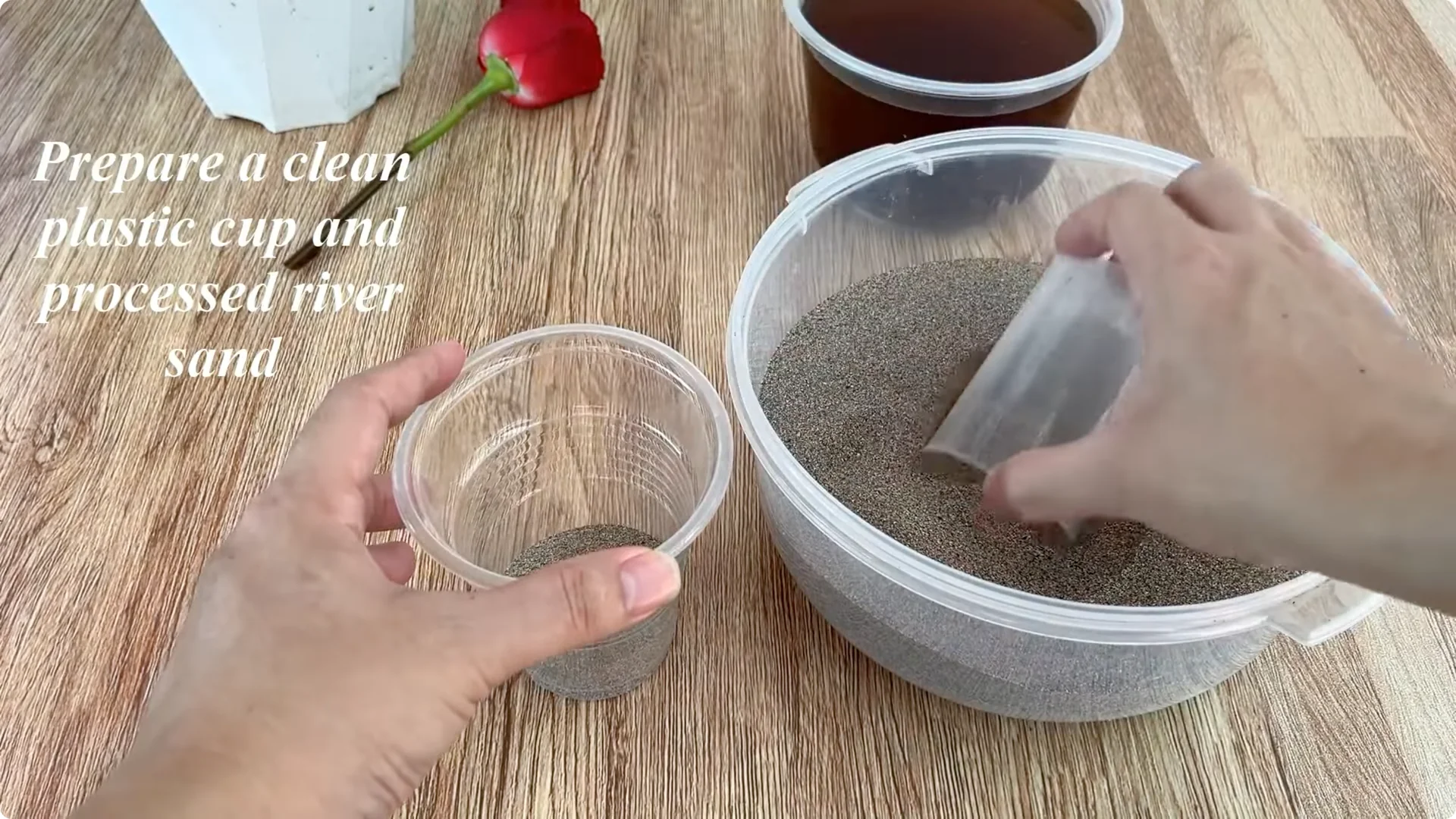
The substrate is prepared using clean river sand. Add sand to about one-third of a clean plastic cup, then pour in a moderate amount of solution to ensure even moisture absorption. Continue adding sand until the substrate reaches a moderately moist state, not soggy, not dry.
7. Planting and humidity for Rooting Rose Cuttings
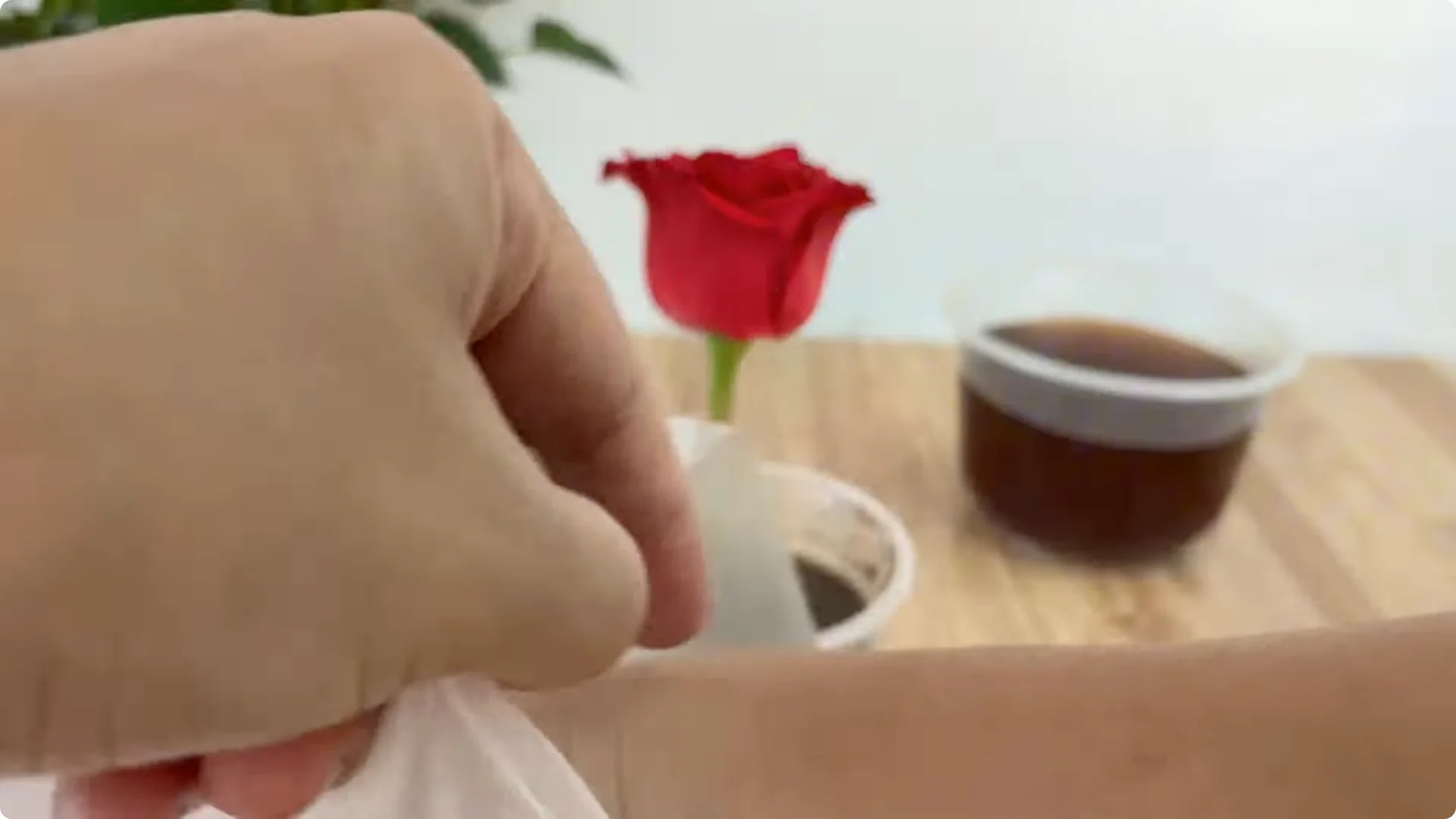
The rose branch is inserted in the middle and inserted deep enough so that the root tissue is in direct contact with the substrate. To maintain stable humidity and limit evaporation, the entire cup is covered with a plastic bag or covered with a transparent plastic cup. Creating such a microclimate helps prevent wind, retain moisture, and limit temperature fluctuations.
8. Placement and care in Rooting Rose Cuttings
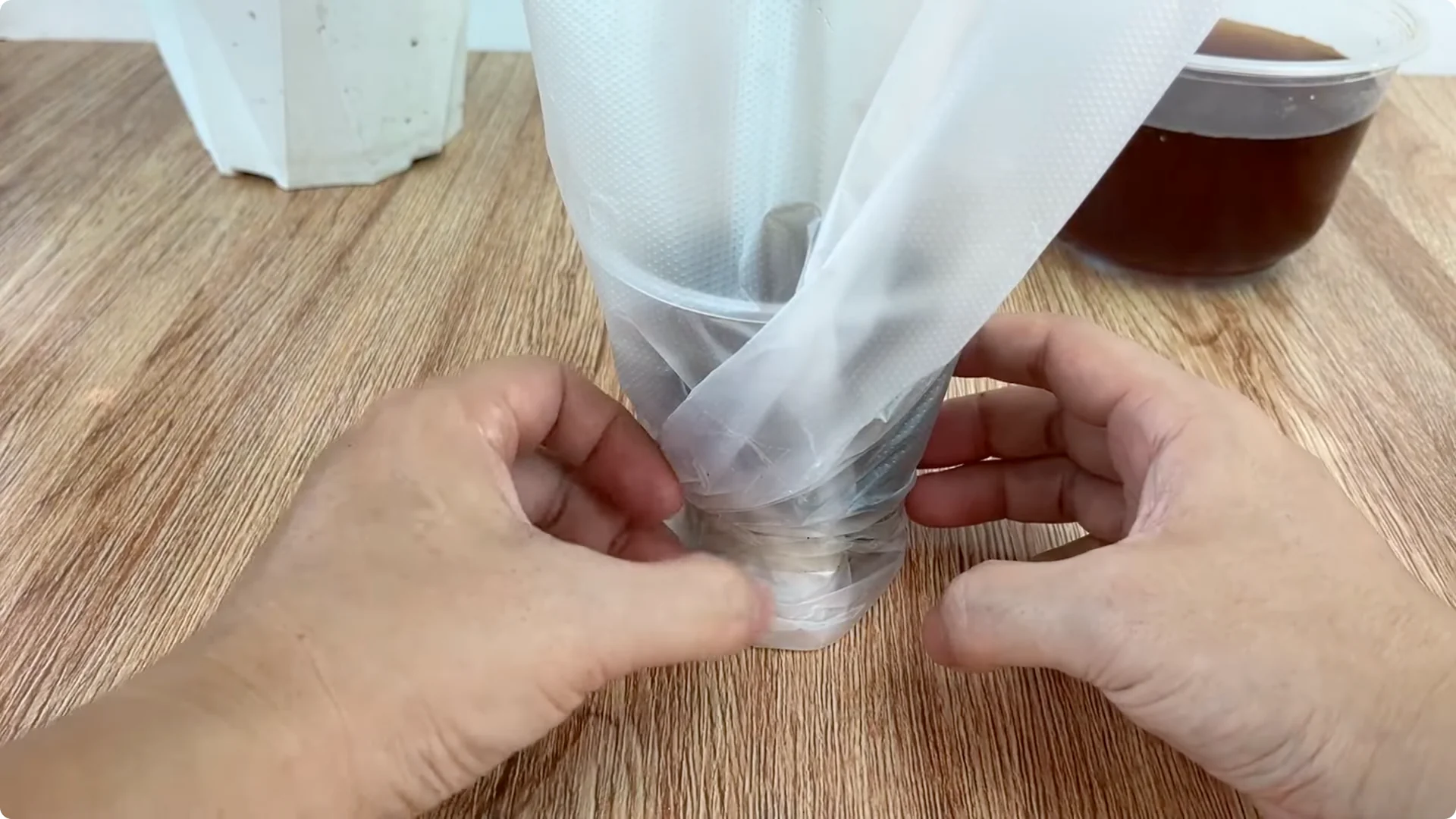
The cup should be placed in a cool place, away from strong sunlight and drafts to avoid drying out the root tissue or causing the internal temperature to rise too high.
If you want a second no-fuss approach to compare results, check this alternative simple method for propagating roses.
9. Results after 10 days of Rooting Rose Cuttings

After about 10 days, the results are obvious. The branch buds begin to sprout new buds, the young leaves grow green, showing that the metabolism and nutrient absorption process is successful. The callus layer at the base forms white, plump roots and distributes them around the stem, proving that the biological solution has had a growth-stimulating effect.
10. Transplanting after Rooting Rose Cuttings
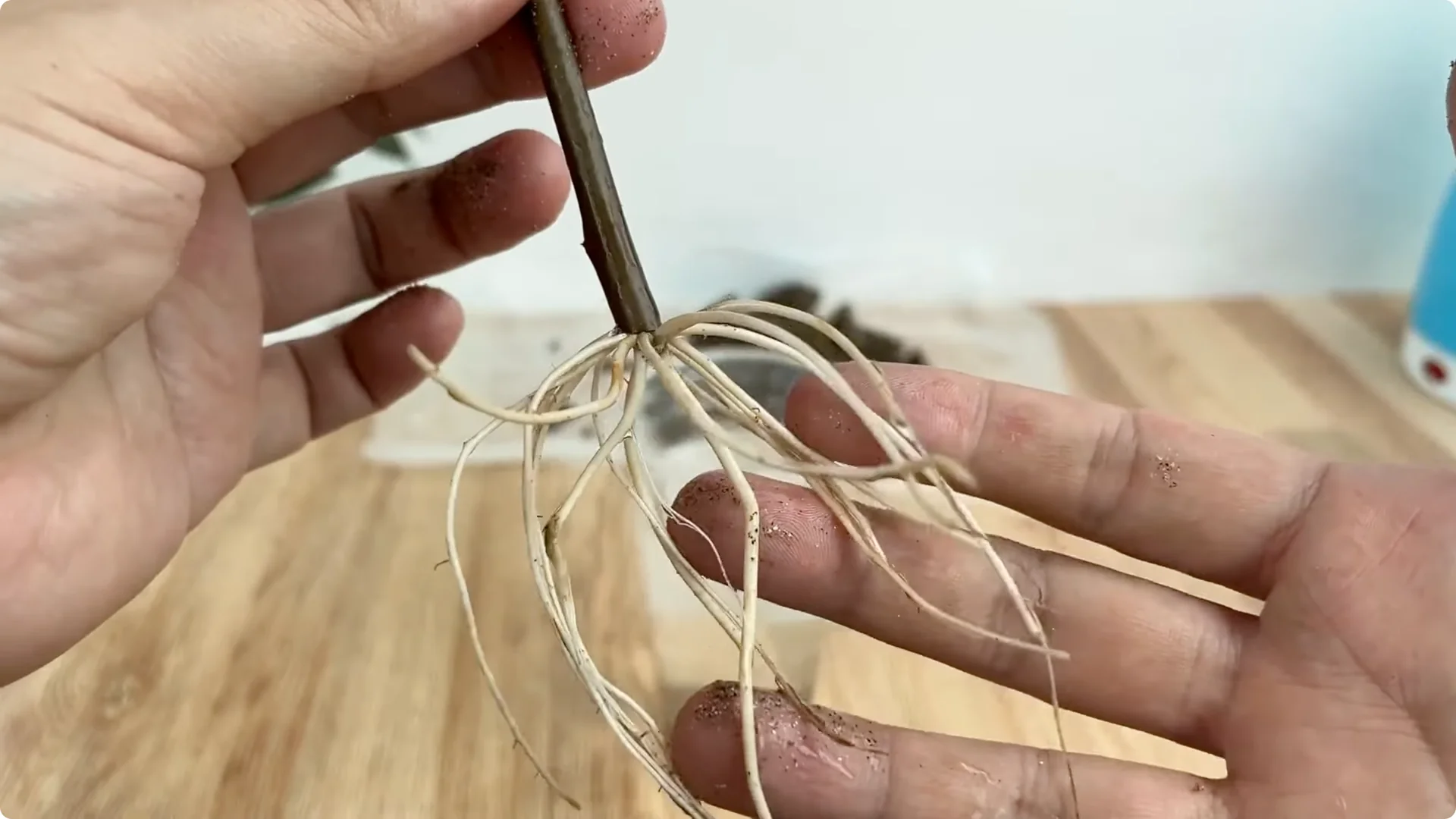
Once the root system has stabilized, the plant can be transferred to a new environment. The planting pot needs to have good drainage, coconut fiber substrate is the ideal choice because it both retains moisture and is airy, helping the roots to grow quickly without being waterlogged.
Final thoughts on Rooting Rose Cuttings
The method of using coffee combined with ginger and honey takes advantage of natural biological compounds to stimulate roots, prevent pathogens, and nourish early growth. It is a reliable choice for those who want to propagate roses safely and sustainably. Follow the steps carefully and maintain a stable, cool, and humid microclimate for consistent success.