
In the art of rose propagation, choosing the right method of cuttings not only helps the plant take root quickly, but also ensures strong vitality, producing fresh shoots. Choosing natural ingredients to stimulate branches to quickly root brings sustainable, safe and environmentally friendly results. Today, I will share two simple but surprisingly effective methods.
Through this simple method, we can see that taking advantage of familiar materials not only saves costs but also brings unexpected results. This is a proof that the sophistication in care will determine the vitality of the flower plant.
For techniques that encourage quick sprouting, see how to trigger roots to sprout overnight.
Rose Cutting Propagation Basics
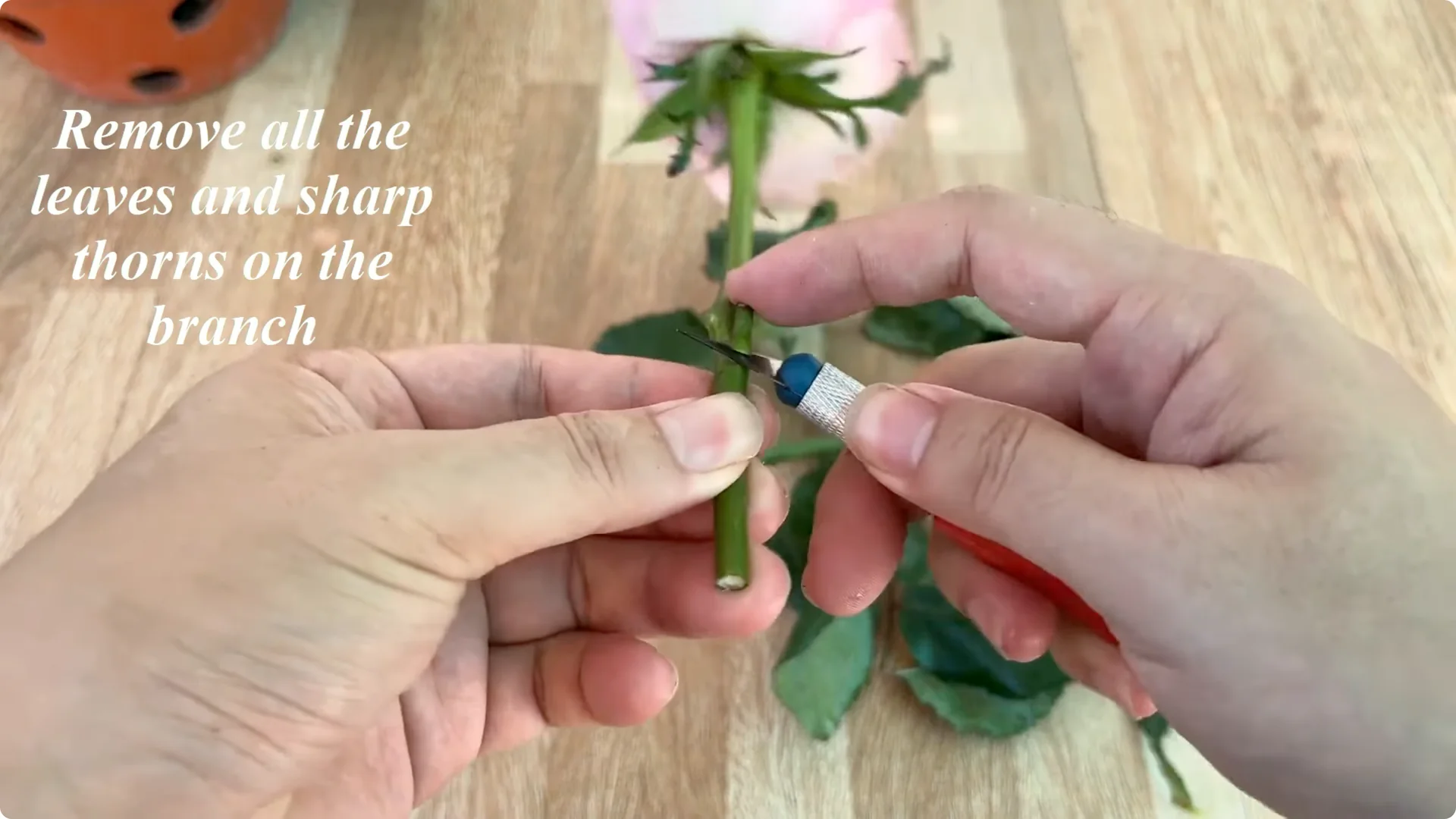
First, prepare a healthy rose branch, free of pests and diseases, with a moderate age to easily stimulate rooting. Shorten the branch to about 15-20 cm. Remove all leaves and sharp thorns to reduce water evaporation and help the plant focus nutrients on forming new roots.
This is the fundamental step that determines the survival rate of the flower branch. Use sharp scissors to make clean cuts and avoid crushing the tissue. Place the prepared cutting aside while you mix the natural solutions.
Rose Cutting Propagation With Ginger, Cucumber Peel, and Rice
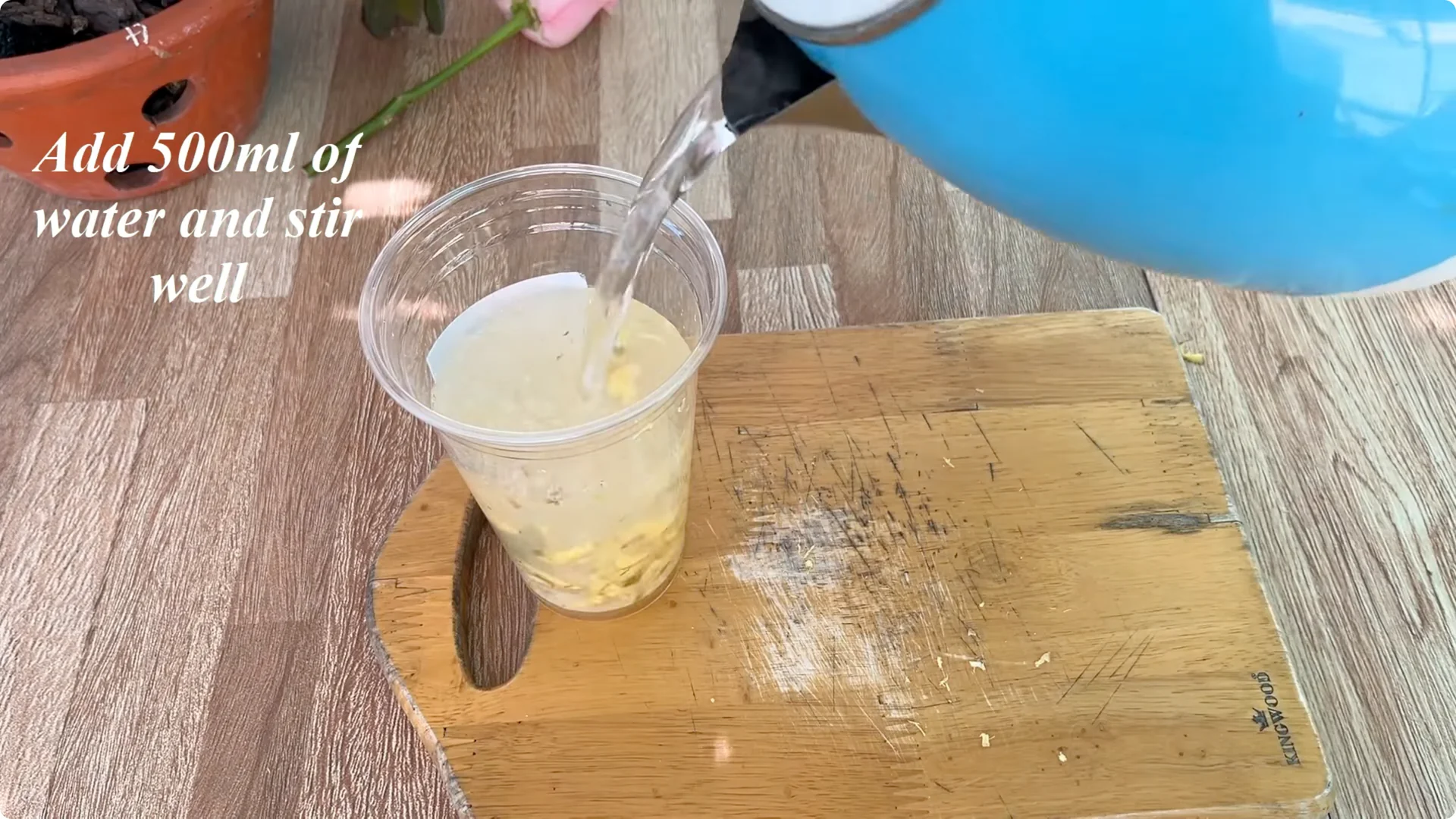
Prepare the Ginger Solution
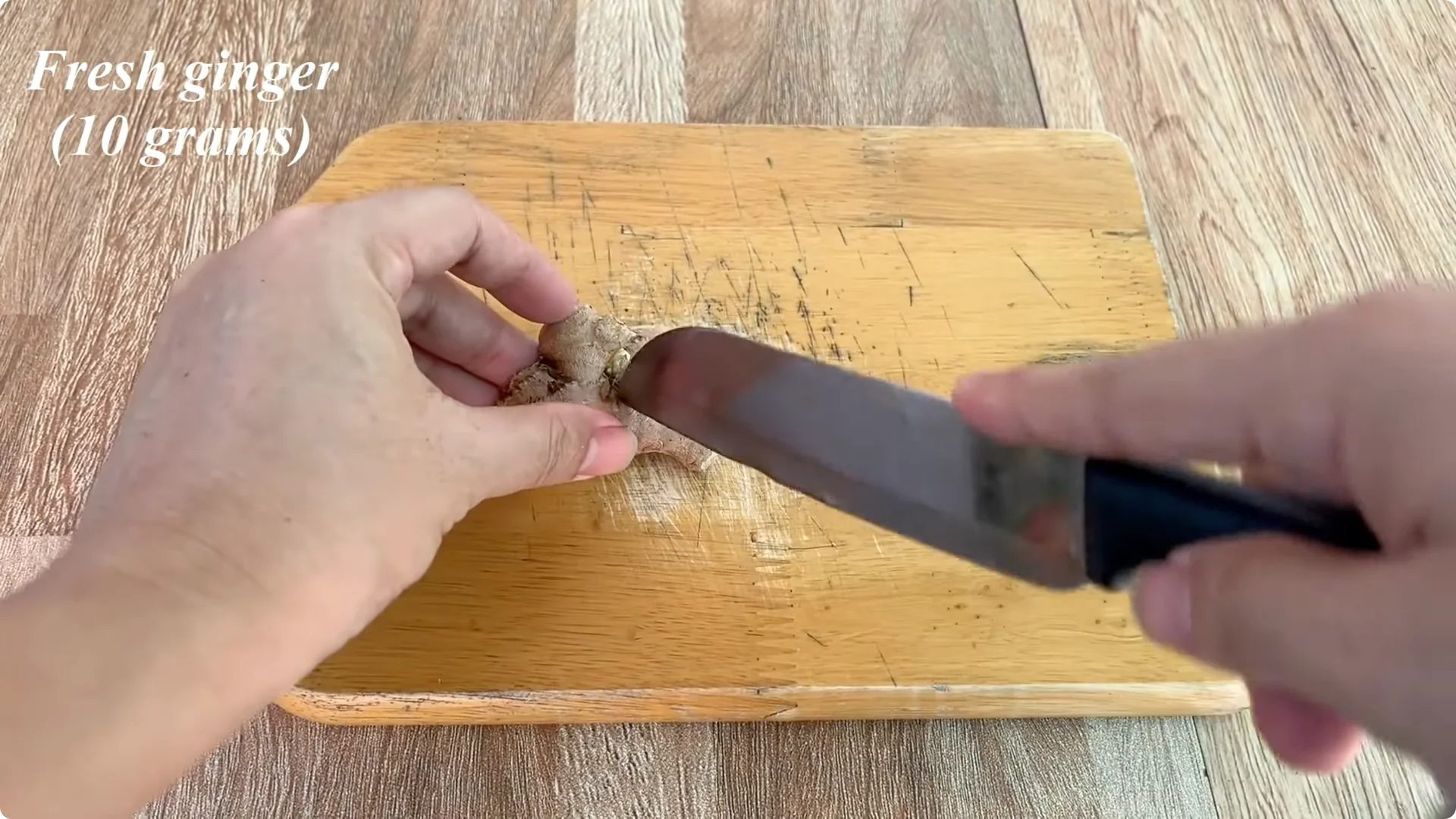
The first ingredient used is fresh ginger. Use about 10 grams, cut it into small pieces, and put it in a clean plastic cup. Add 500 ml of water and stir well.
Ginger is a familiar spice but contains many biological compounds that are beneficial for plants. Ginger contains gingerol and essential oils that have strong antibacterial properties, helping to destroy pathogens on the cut of rose branches. This active ingredient also stimulates cell division, promoting faster rooting.
Soak the rose branches in the ginger solution for about 15 minutes. This step is like a natural protective layer, helping the rose branches increase their resistance from the very first days.
Enrich With Cucumber Peels and Rice
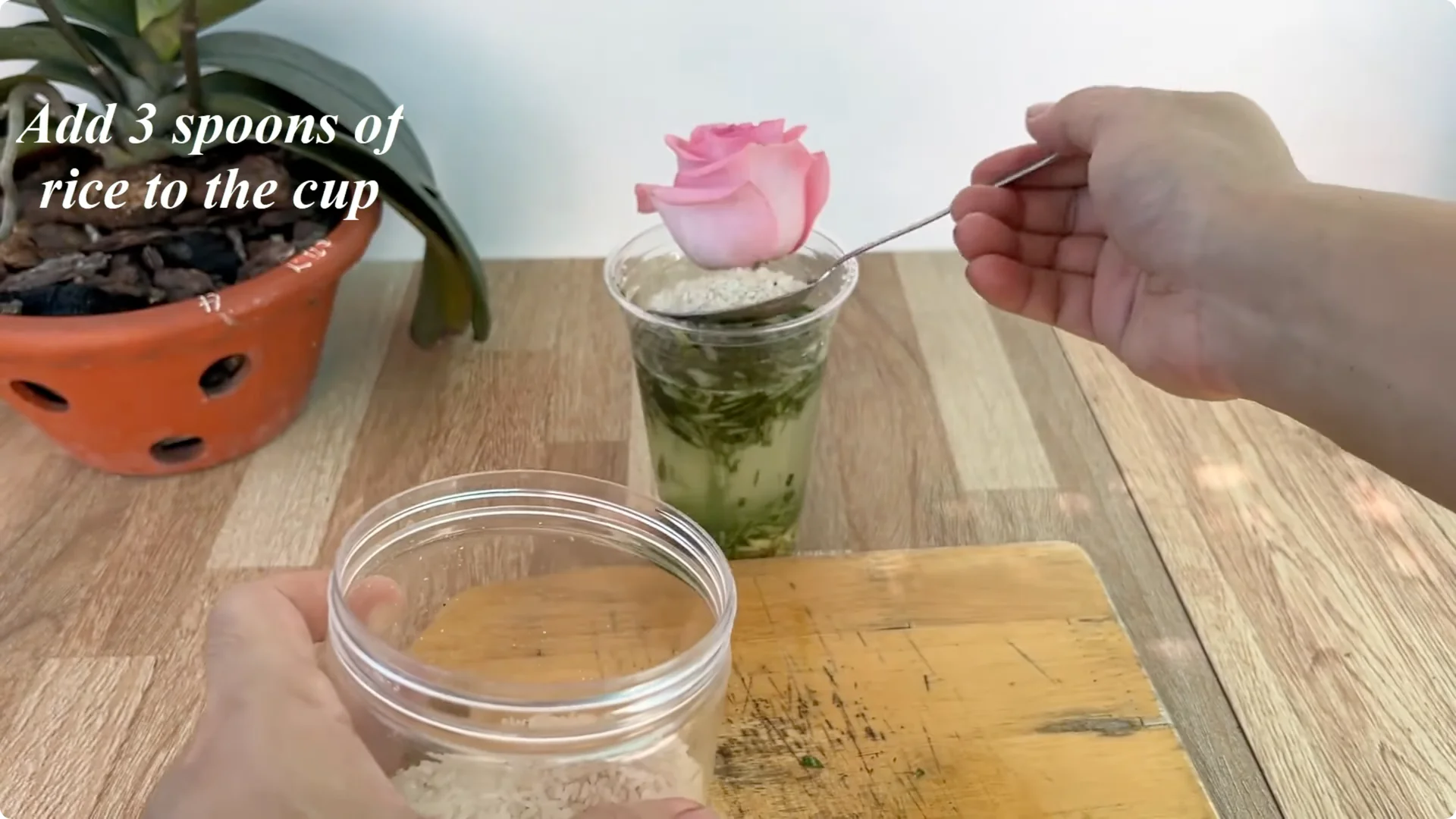
Prepare a medium-sized cucumber. After washing and peeling the cucumber, cut the skin into very small pieces and put it in the cup with the ginger already available. Cucumber peels contain fiber, vitamin C, and potassium that help stimulate the formation of scar tissue in the cut and create conditions for new roots to grow.
The antioxidants in cucumber peels also help slow down the process of root rot, keeping the flower branches healthy in a humid environment. To increase the strength of the solution, add 3 spoons of rice. Rice grains contain starch, B vitamins, and trace elements such as iron, magnesium, and zinc.
When soaked in water, rice will release these nutrients, acting as a natural source of energy to nourish the rose branches in the early stages. After about 15 minutes, remove the rose branches from the solution. Stir again and filter out the residue, collecting the clear liquid.
For the solution to be most effective, dilute it with 500 ml of clean water, making the solution milder and suitable for the absorption process of the rose branch.
Planting and Humidity Dome
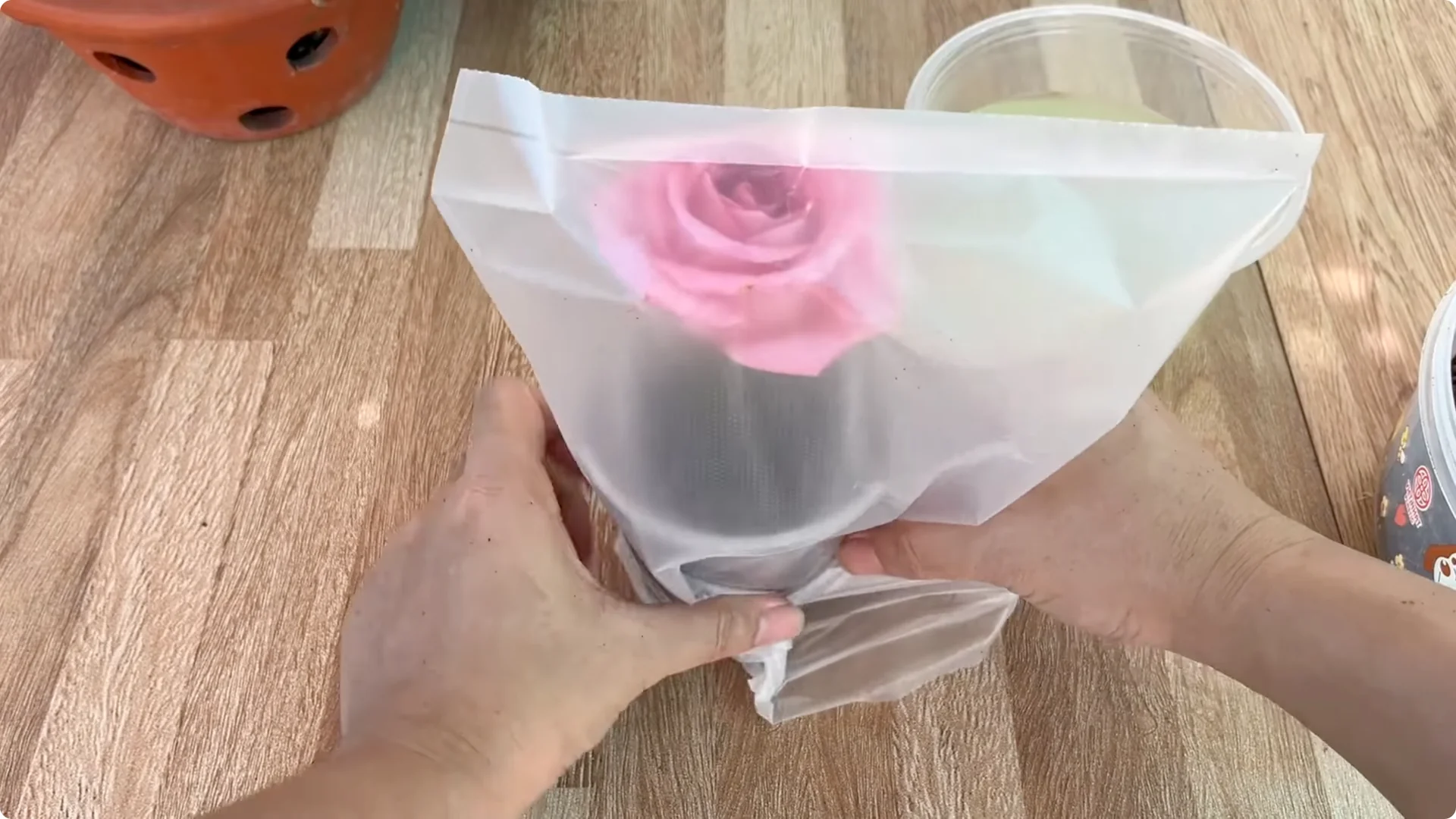
Prepare a clean plastic cup and a substrate of processed coconut fiber. Fill the cup with coconut fiber almost to the top and press it firmly to create stability. Pour in the ginger – cucumber peel – rice solution in just enough quantity to moisten the substrate.
Insert the rose branch in the middle of the cup. Press lightly around to keep the branch standing firmly, not shaking during the rooting process. Use a plastic bag or a transparent plastic cup to cover the mouth of the cup tightly.
This helps maintain stable humidity, avoiding rapid evaporation. Place the cup in a cool place, away from strong winds and harsh sunlight. Young roots are very susceptible to drying out or damage if exposed to direct high temperatures.
Early Results and Transplanting
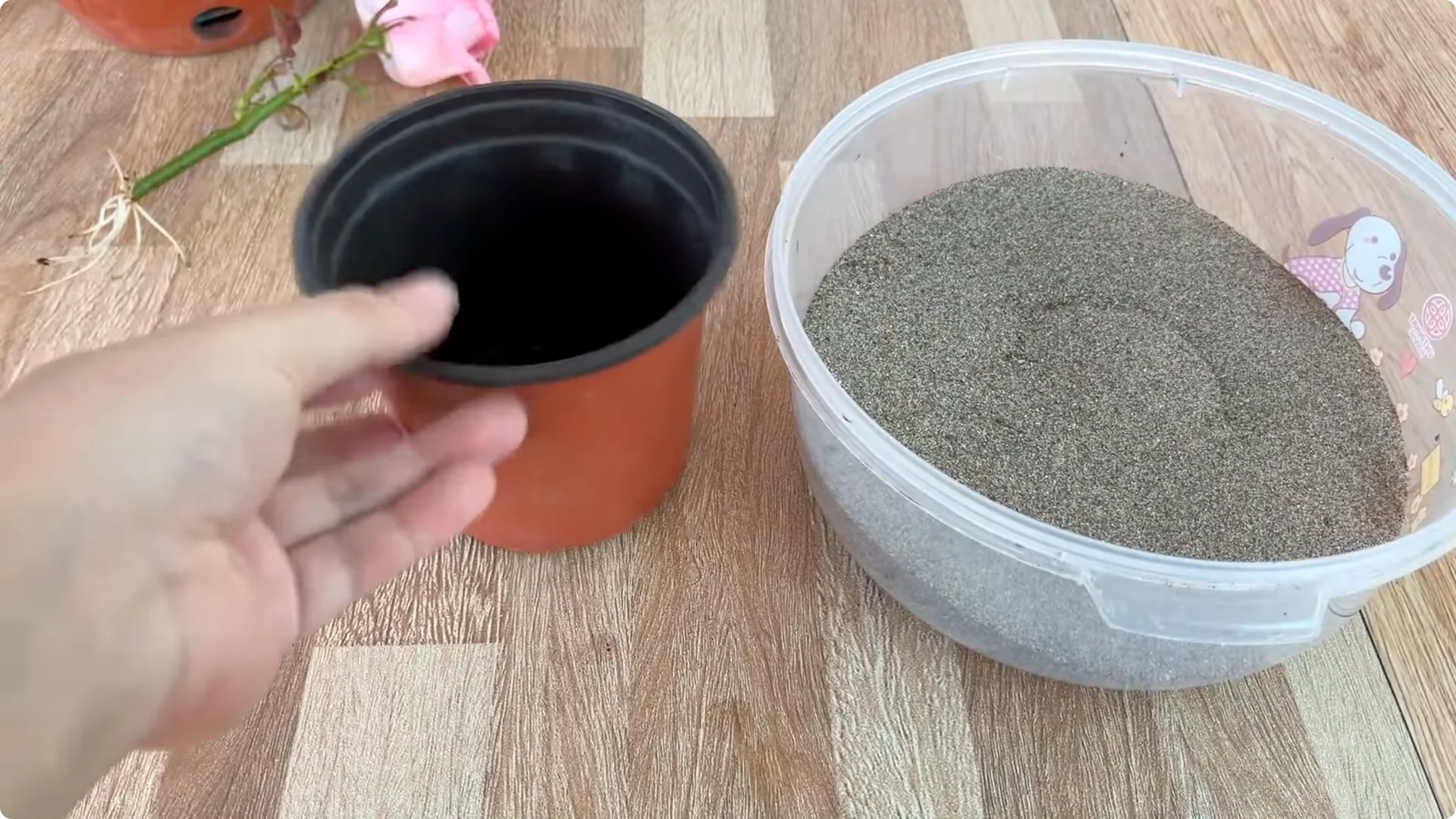
After about 7 days of patient care, fresh green shoots rise, signaling that life is reviving. The base of the rose branch begins to grow new, plump, white and healthy roots. This is proof of the wonderful effectiveness of the combination of ginger, cucumber peel, and rice.
When the roots have developed stably, transfer the flower branch to a new pot. The pot needs to have good drainage, and the ideal growing medium at this time is clean river sand, a type of substrate that helps the roots develop airy, avoiding waterlogging. With proper subsequent care, the rose tree will quickly become a mature rose bush, ready to bloom with brilliant flowers.
For more ways to speed up rooting, see methods that help rose cuttings root faster.
Rose Cutting Propagation With Cinnamon, Glucose, and Tomato
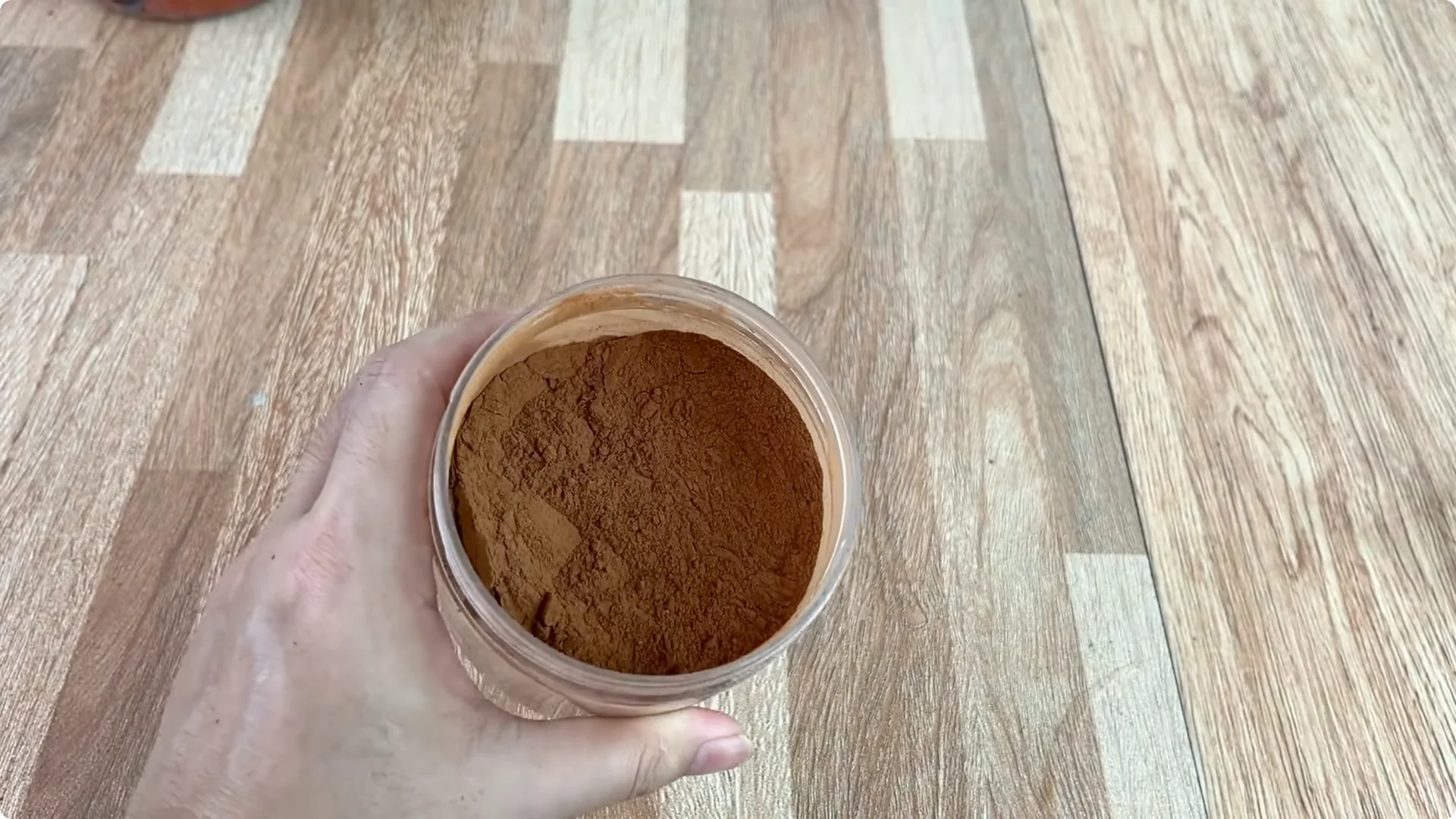
Brew the Cinnamon Solution
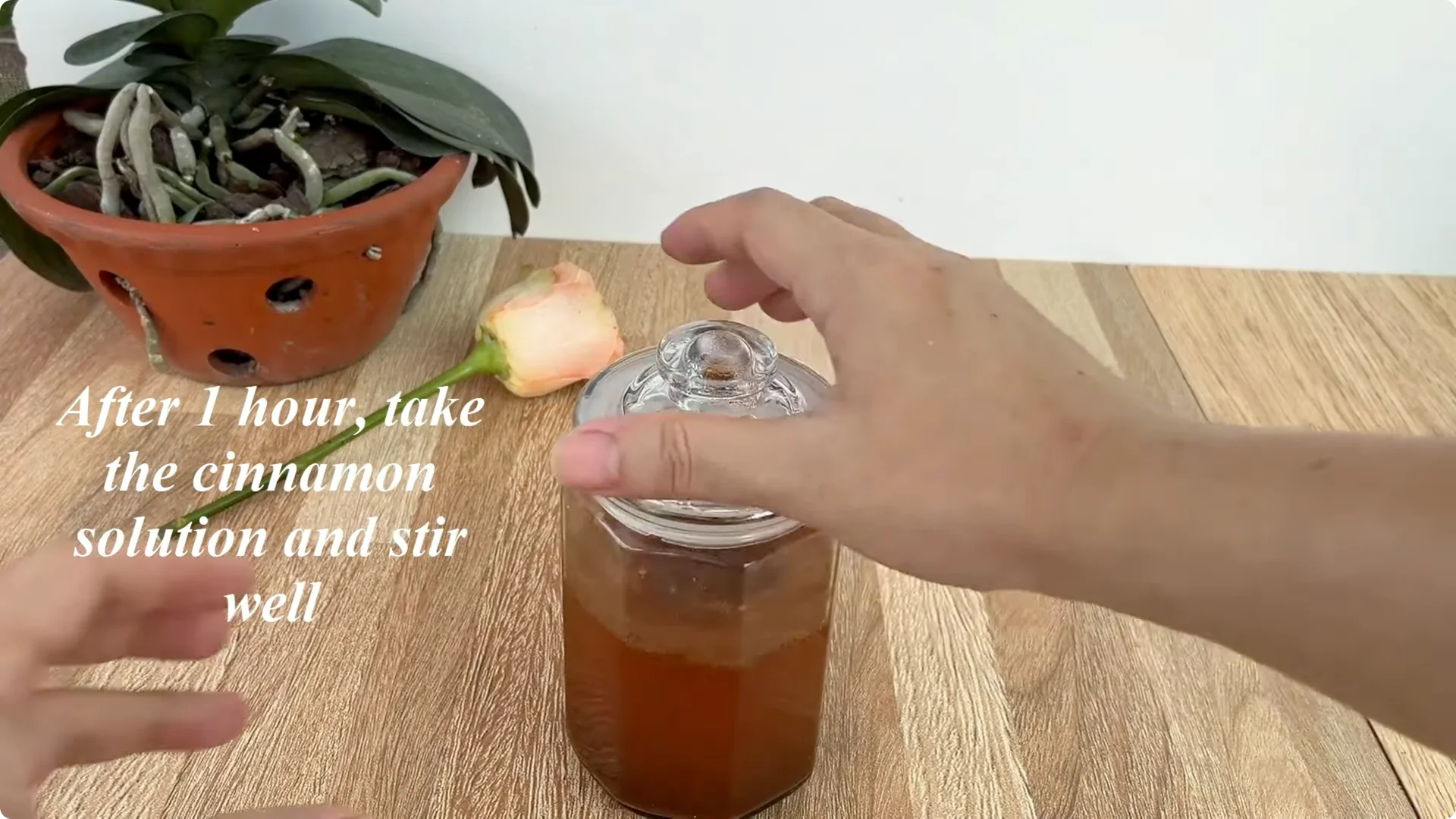
Start with cinnamon powder. Prepare a spoonful and put it in a clean glass jar, then add about 300 ml of boiling water and stir well to mix the cinnamon powder into the water, avoiding lumps. Cover and let it cool for about an hour to let the active ingredients cinnamaldehyde and essential oils in cinnamon be fully released.
After the cinnamon solution has cooled, filter the residue through a thin layer of cloth and collect the clear water. Cinnamon is known as a natural antibiotic for plants and has strong antibacterial properties, preventing fungi from entering the rose branches when cutting.
Prepare and Soak the Cutting
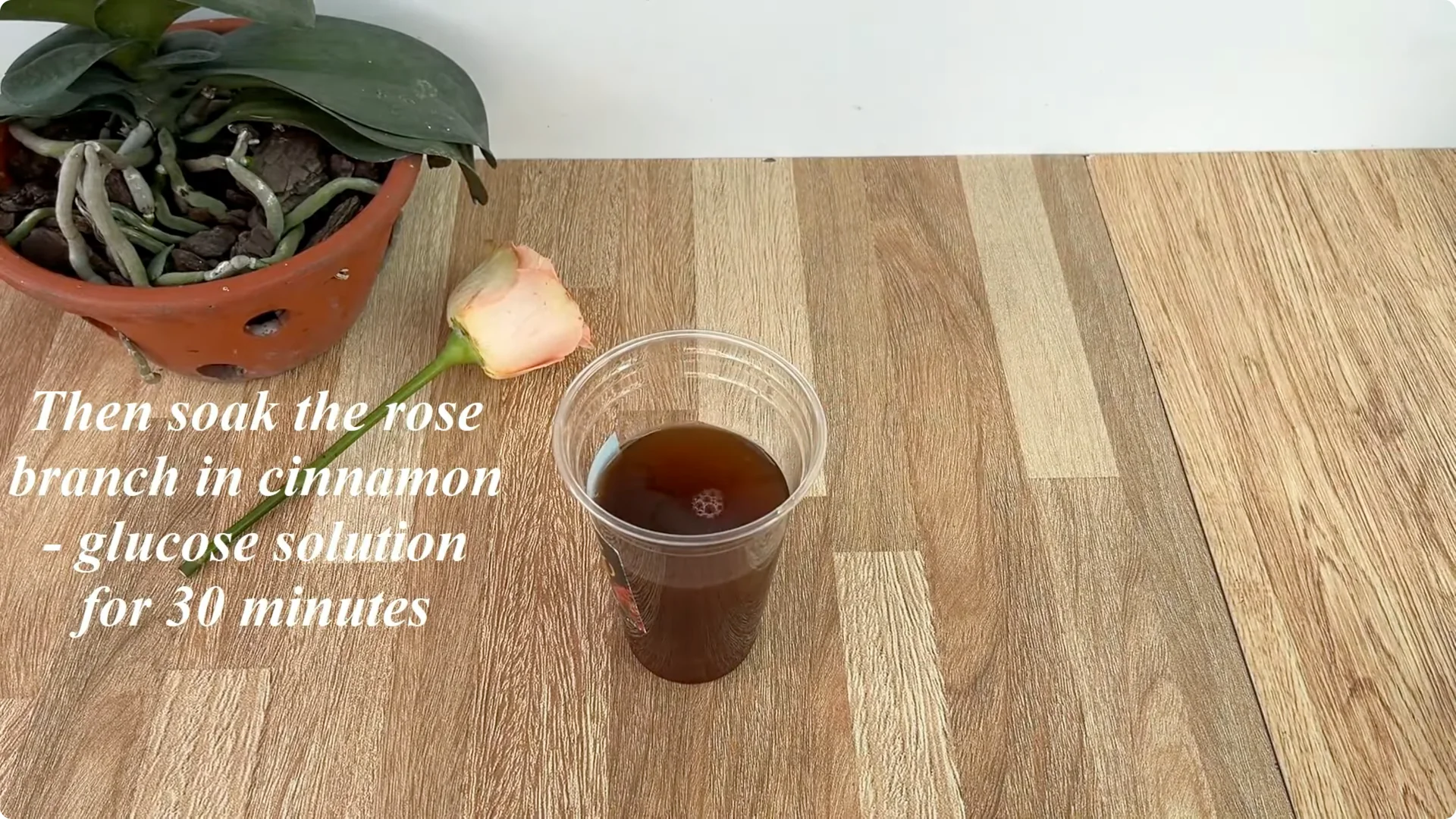
While waiting for the cinnamon to cool, prepare a healthy rose branch. Shorten the branch to about 15-20 cm, remove all leaves and sharp thorns, and choose a branch that is moderately old, not damaged by pests or broken. At this step, add half a spoon of glucose to the cinnamon water and stir until the sugar is completely dissolved.
Glucose is an abundant source of energy, acting as the initial nutrient to nourish cells and stimulating the process of dividing scar tissue at the base of the rose branch. Soak the rose branch in the cinnamon-glucose solution for 30 minutes so that the branch can fully absorb the nutrients.
Make the Tomato Solution and Mix
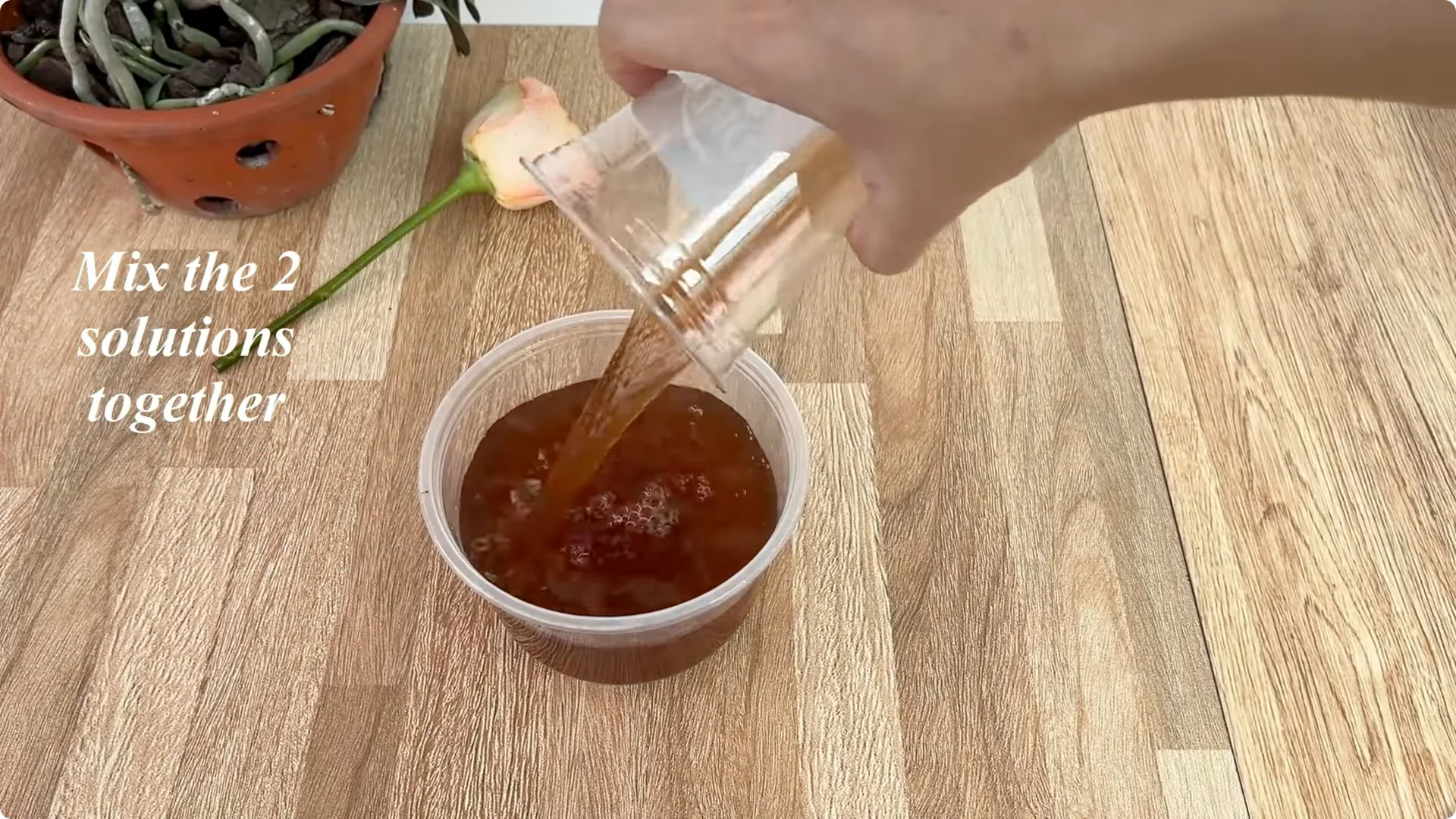
Prepare tomatoes by taking about 30 grams of ripe fruits, washing them, and cutting them into very small pieces, then put them in a clean plastic cup. Add half a liter of warm water, stir well, and let stand for about 30 minutes. After the incubation period, filter out the pulp, keeping the tomato juice.
At this point, the flower branches have been soaked in the cinnamon-glucose solution. Proceed to mix the cinnamon-glucose water with the tomato juice to form a single solution.
Plant, Cover, and Aftercare
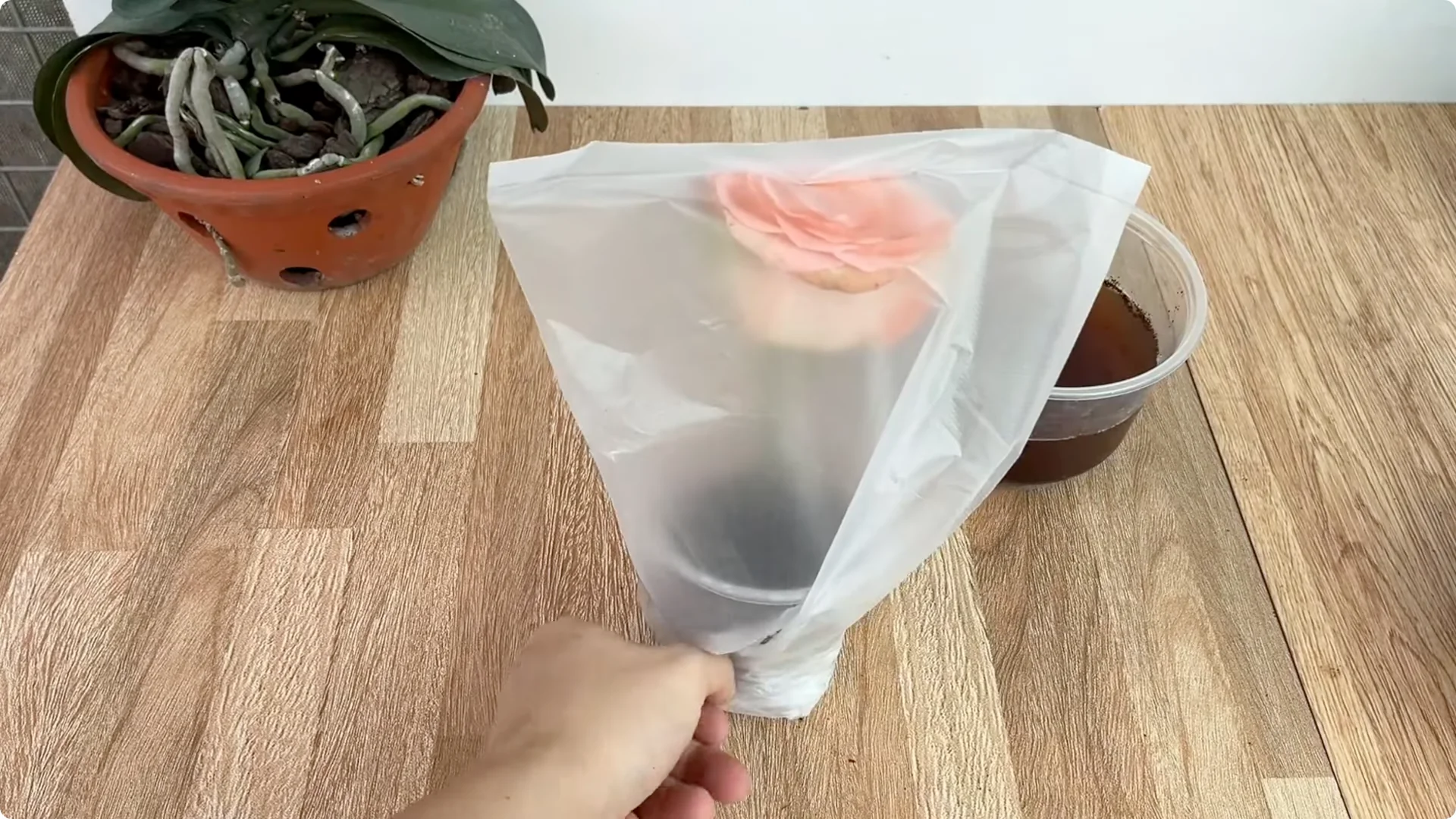
To propagate the cuttings, prepare a clean plastic cup, fill it with treated coconut fiber, and press it tightly. Pour the mixed solution into the cup with enough amount for the coconut fiber to absorb moisture, and avoid pouring too much causing waterlogging. This combination creates a natural root stimulant mixture, which has the ability to kill bacteria while providing energy and essential nutrients.
Insert the treated rose branch in the middle of the cup and press lightly around to fix the branch. Use a plastic bag or a transparent plastic cup to cover the mouth of the cup to create high humidity while limiting the impact of wind and harsh sunlight. Place the cup in a cool place with soft light to best protect the branches.
Rooting Results and Potting Up
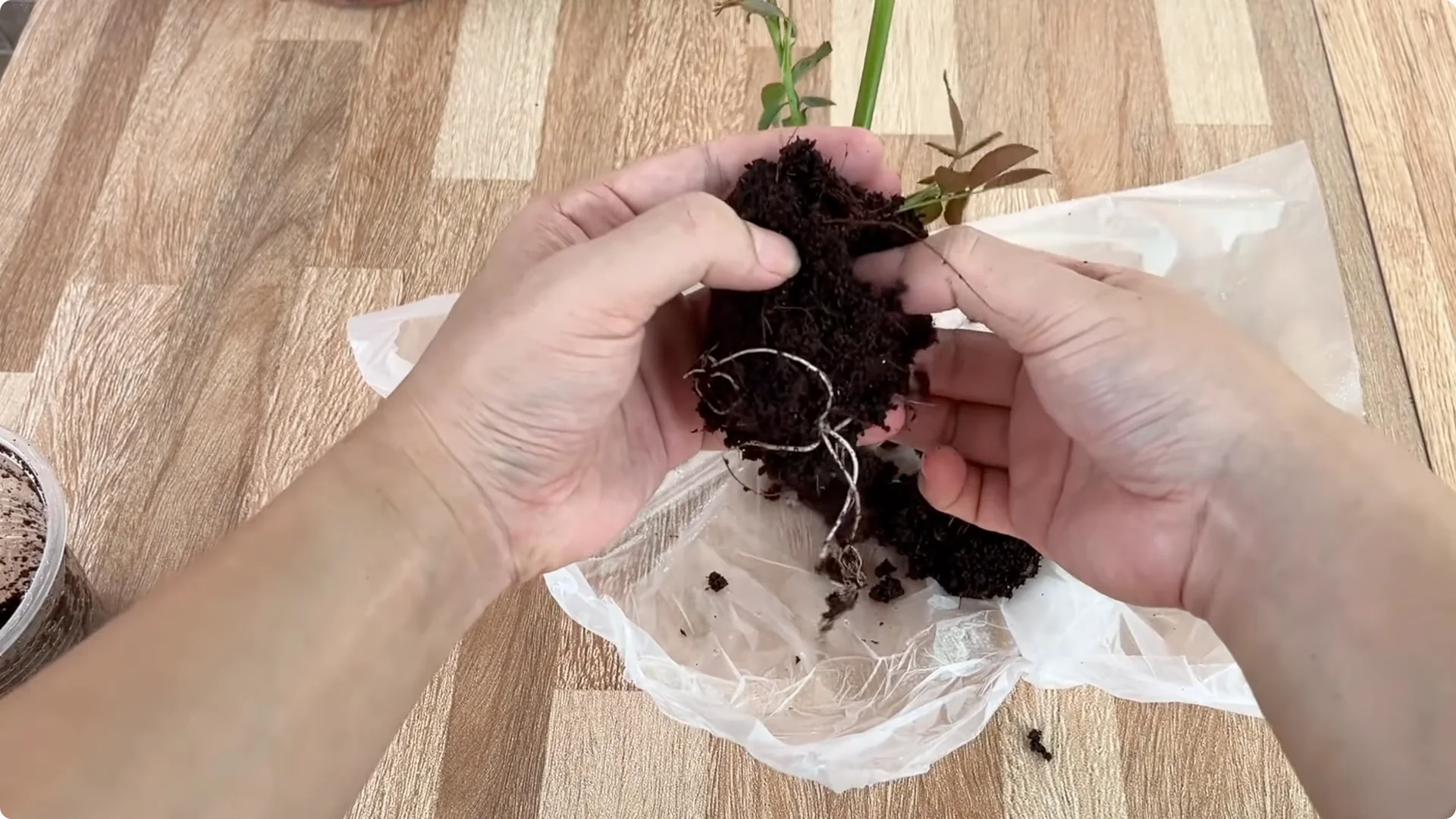
After about 10 days, green, fresh shoots begin to sprout from the trunk and branches, proving that the plant has adapted and grown steadily. At the base, countless plump, healthy white roots grow, creating a solid foundation for new life.
When the root system has developed stably, transfer the rose branch to a large pot with good drainage holes and a loose substrate such as river sand mixed with coconut fiber. With only familiar ingredients in the kitchen – cinnamon powder, glucose, and tomatoes – you can create a safe, effective, and economical root stimulant solution.
For a focus on speed after planting up, see how to root a rose branch for fast growth.
Final Thoughts
These natural Rose Cutting Propagation methods help branches grow roots quickly and healthily while offering a friendly approach to caring for and propagating flowers. If applied regularly and persistently, you will certainly have a lush, vibrant rose garden right at home. The right preparation, natural solutions, and steady humidity create the conditions for strong roots and brilliant blooms.