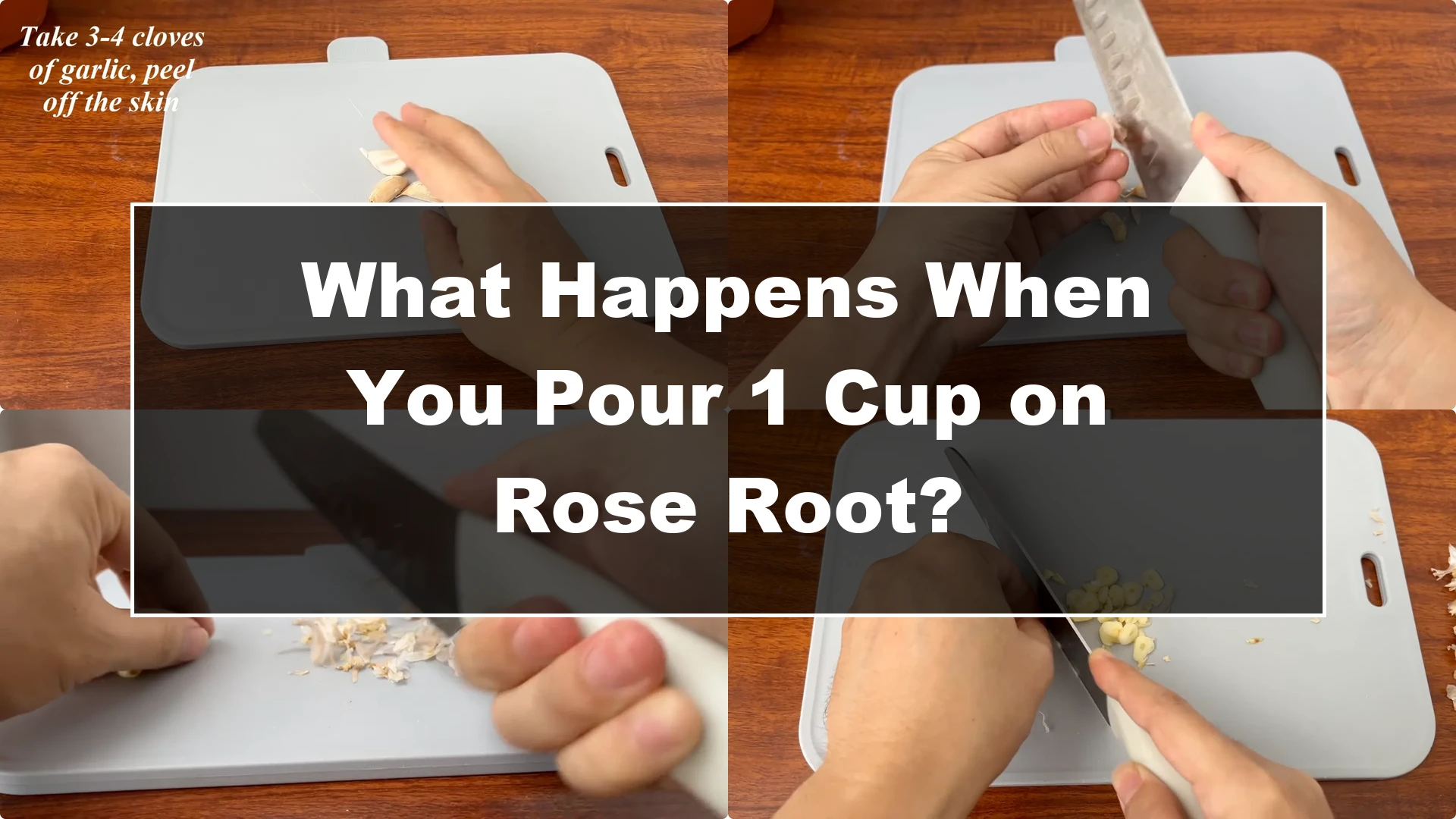
I want to share an extremely useful natural fertilizer formula, especially suitable for roses in the recovery stage, budding, and stimulating many buds. It combines very familiar ingredients with strong nutritional values that increase resistance, nourish young tissue, promote growth, and stimulate the flowering process.
We will go through each step carefully so you can clearly understand the mechanism of action and apply it most effectively.
Why Garlic-Rice Fertilizer for Roses Works
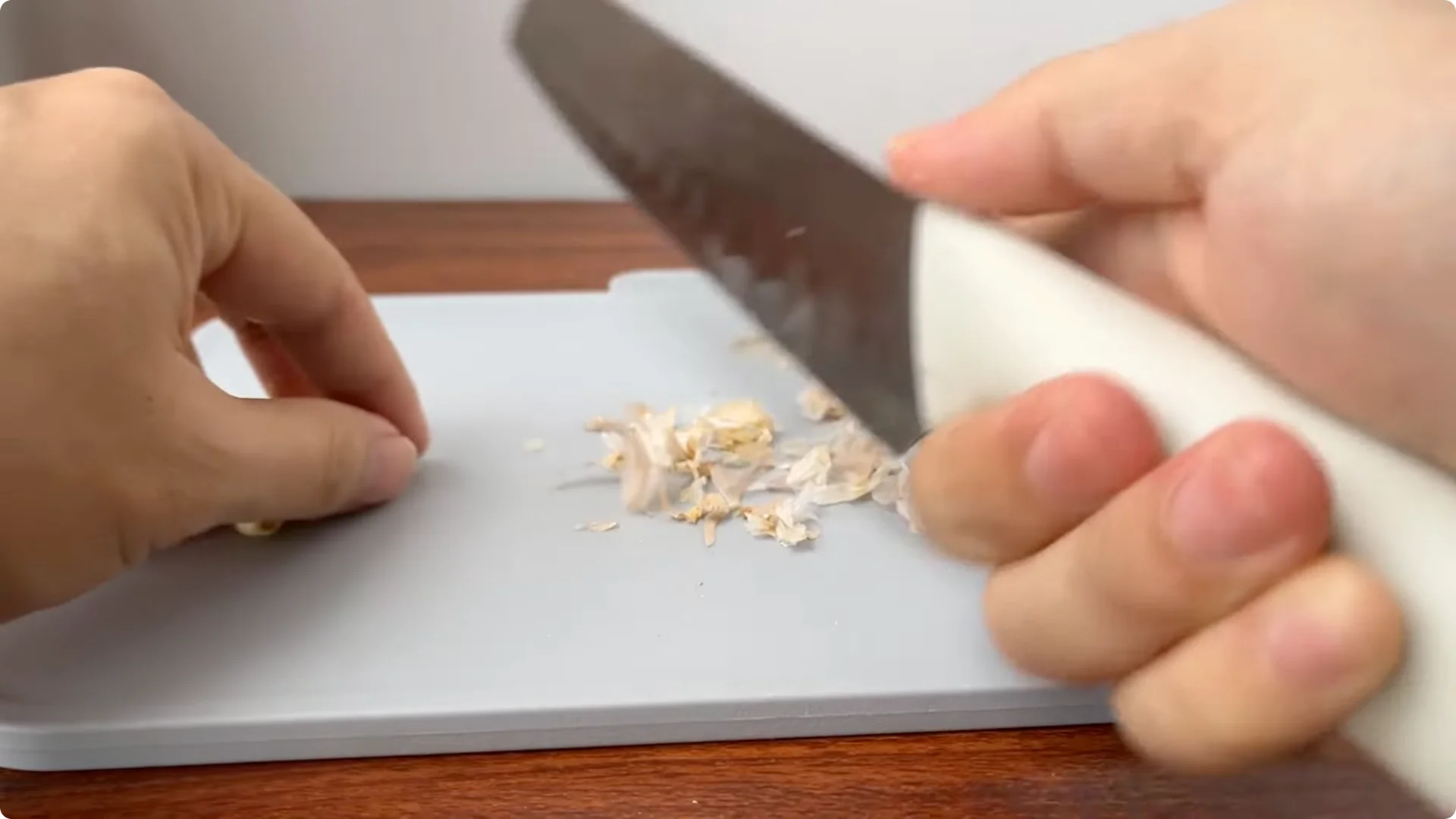
Garlic is one of the natural ingredients with the strongest antibiotic activity, containing allicin, a compound that can kill bacteria, fungi, and viruses that are harmful to plants. In a water environment, allicin and many other enzymes in garlic are broken down and form active ingredients that effectively inhibit fungi. For roses, garlic helps reduce root fungus, leaf spot disease, powdery mildew, and prevents bacteria from entering wounds on the stem after pruning.
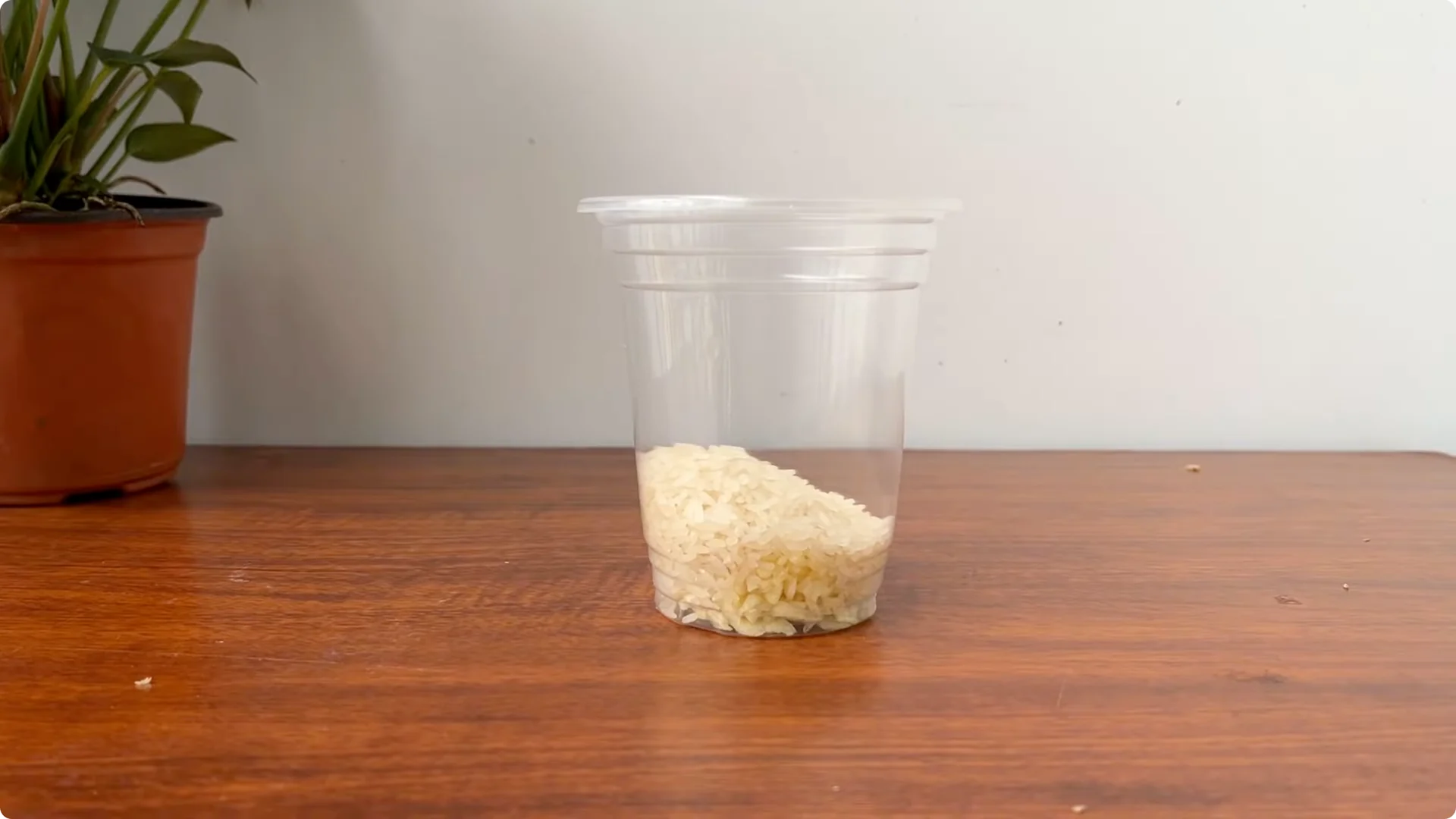
Rice contains a lot of starch, B vitamins, vegetable protein, trace minerals such as magnesium and potassium, and a small amount of amino acids. When soaked in warm water, starch breaks down and creates a carbohydrate-rich environment – an excellent food source for beneficial microorganisms in the soil. When these microorganisms are active, they help the rose root system develop quickly, increase the ability to absorb nutrients, and improve the soil structure around the base.
Combined, the mixture both protects the plant and nourishes it from the inside. It supports recovery, promotes budding, and prepares roses for a new flowering period. If your main goal is abundant flowers, see this simple approach to boost blooms with a 1 cup method for more rose flowers.
Make Garlic-Rice Fertilizer for Roses

1. Prepare the garlic
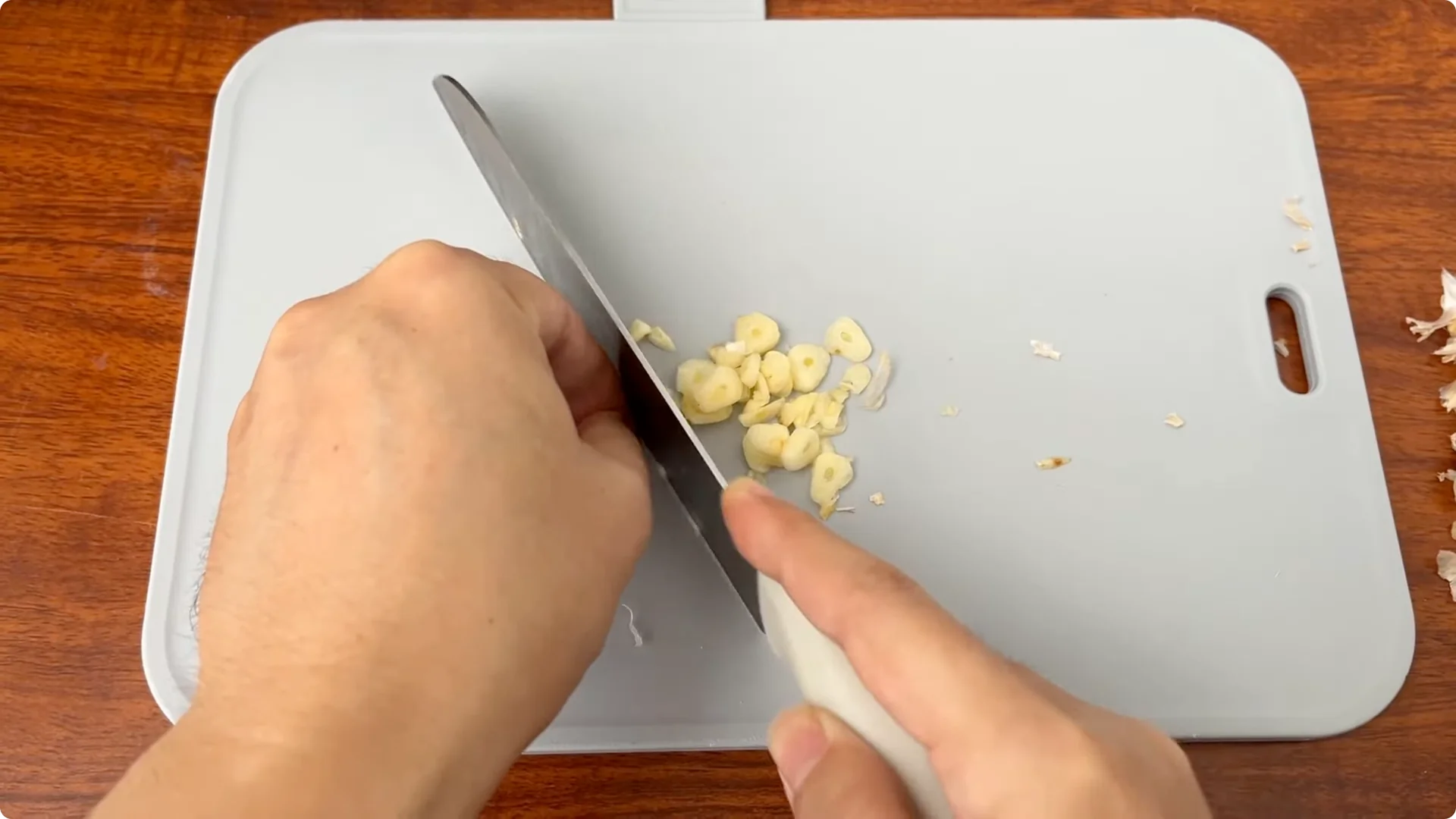
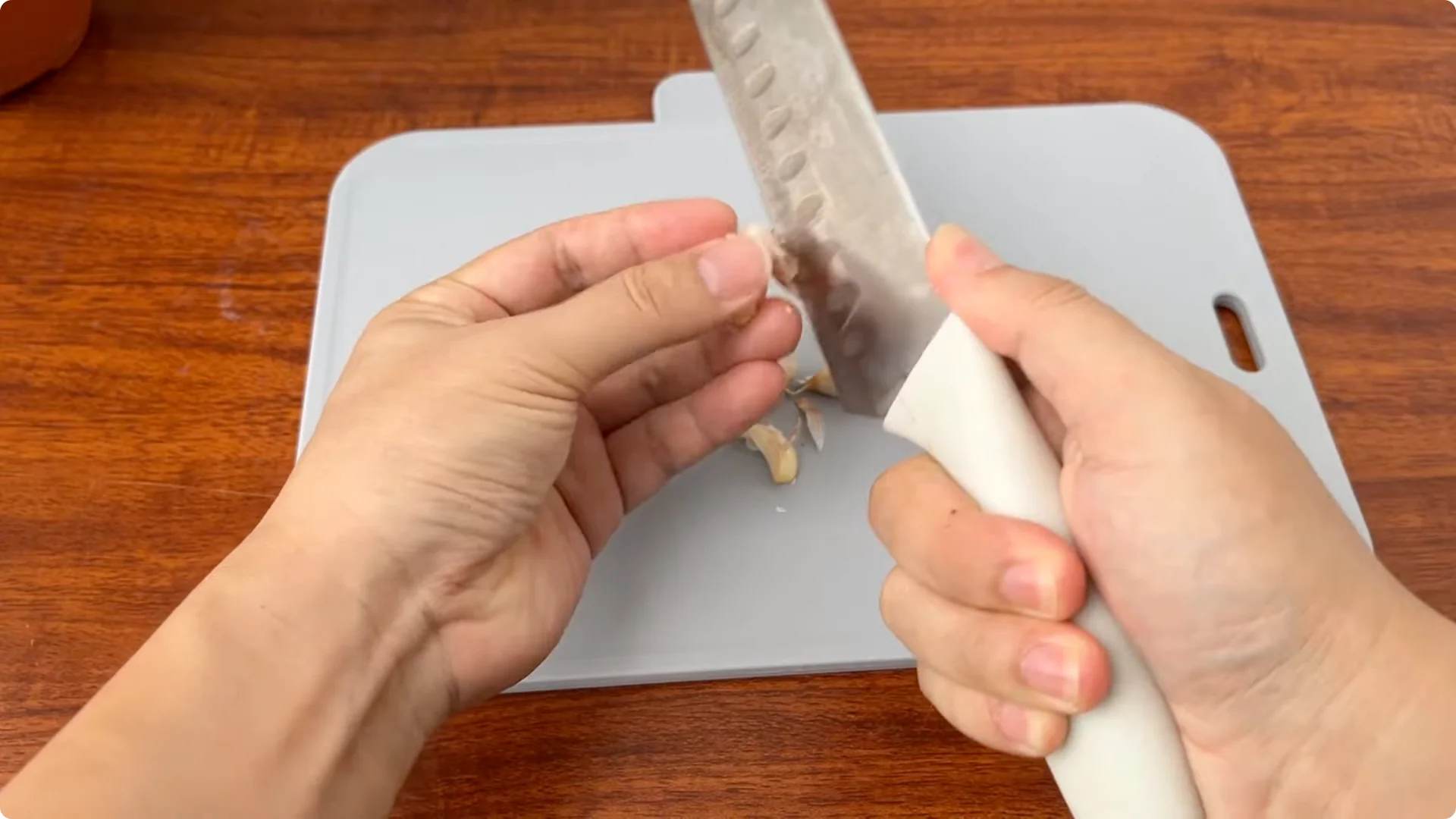
Prepare 3 to 4 cloves of garlic and peel off the outer skin. After peeling, cut or chop the garlic and put it in a clean plastic cup. Chopping increases the contact area, helping allicin escape faster and dissolve better in water.
2. Add rice and warm water
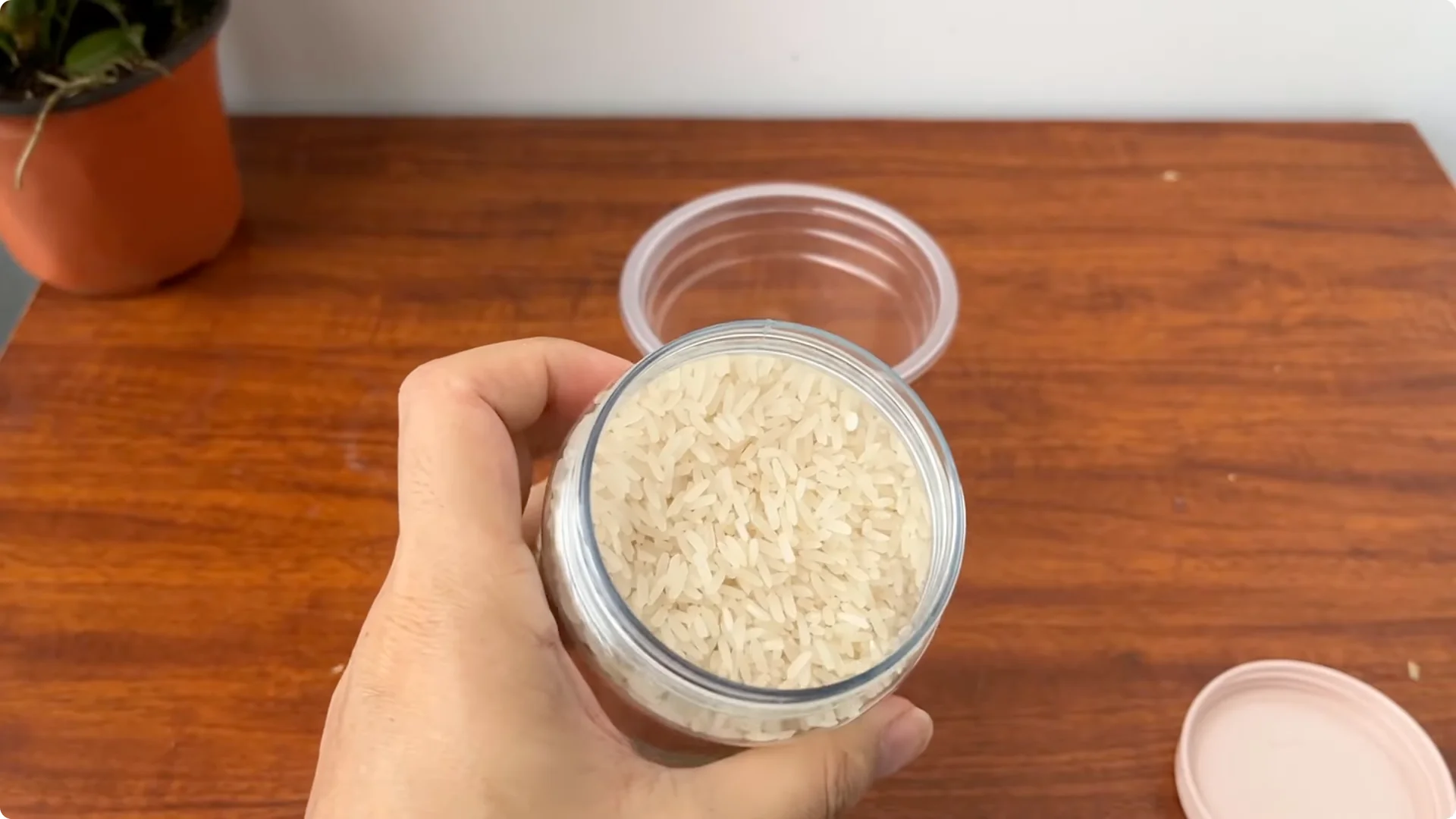
Add 5 tablespoons of rice and 500 ml of warm water to the cup. Stir well so the garlic essence, starch, and vitamins begin to release into the water. Warm water helps nutrients dissolve more completely.
3. Steep and strain
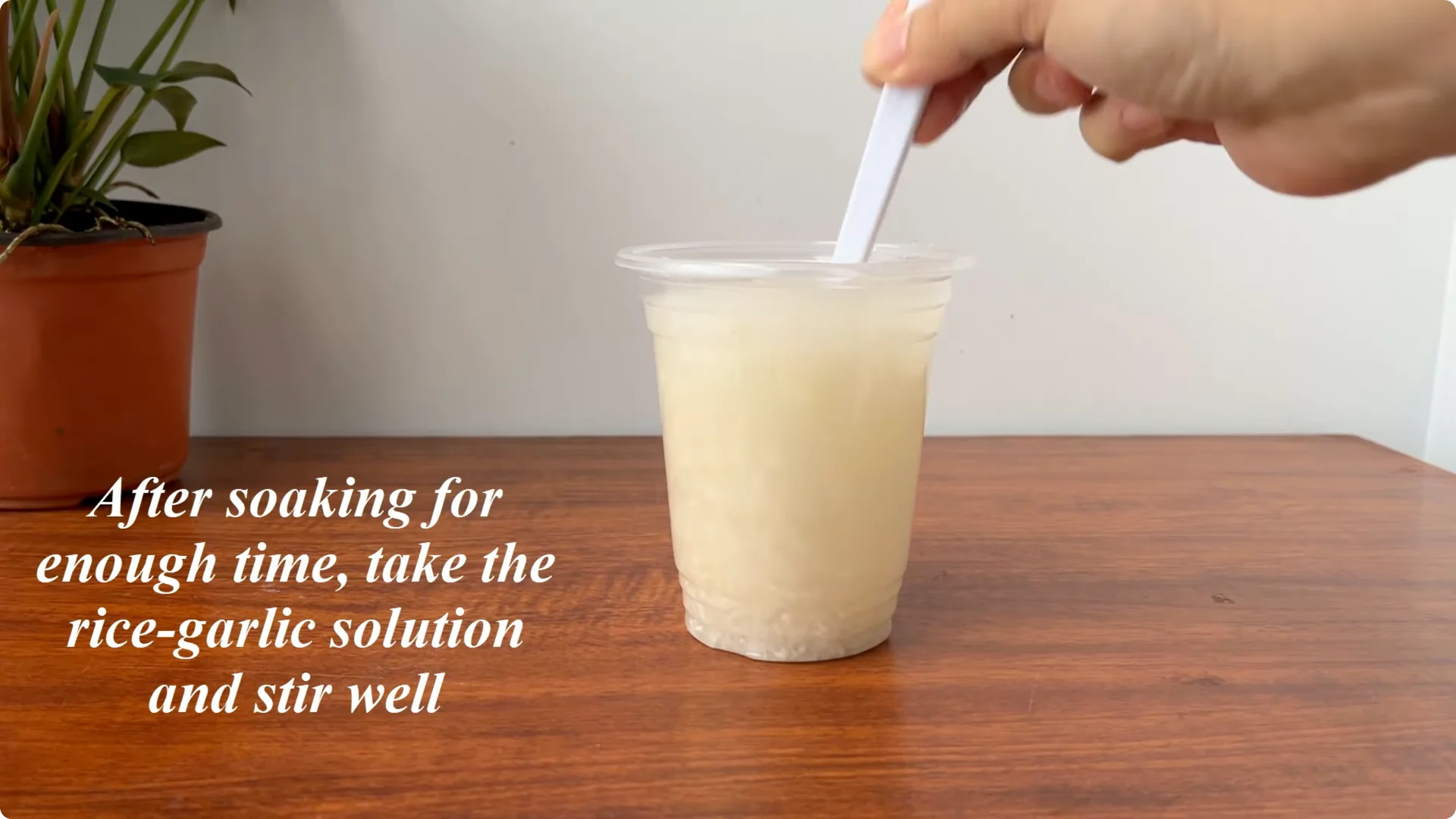
Let the mixture sit for 1 hour. This time allows the garlic essence to fully secrete and the starch and vitamins in the rice to completely dissolve. Stir again, then filter through a sieve to obtain a clear solution.
The remaining residue can be used as fertilizer. Mix it into the soil as a light organic amendment. It supports microbial activity right at the root zone.
4. Dilute to 2 liters
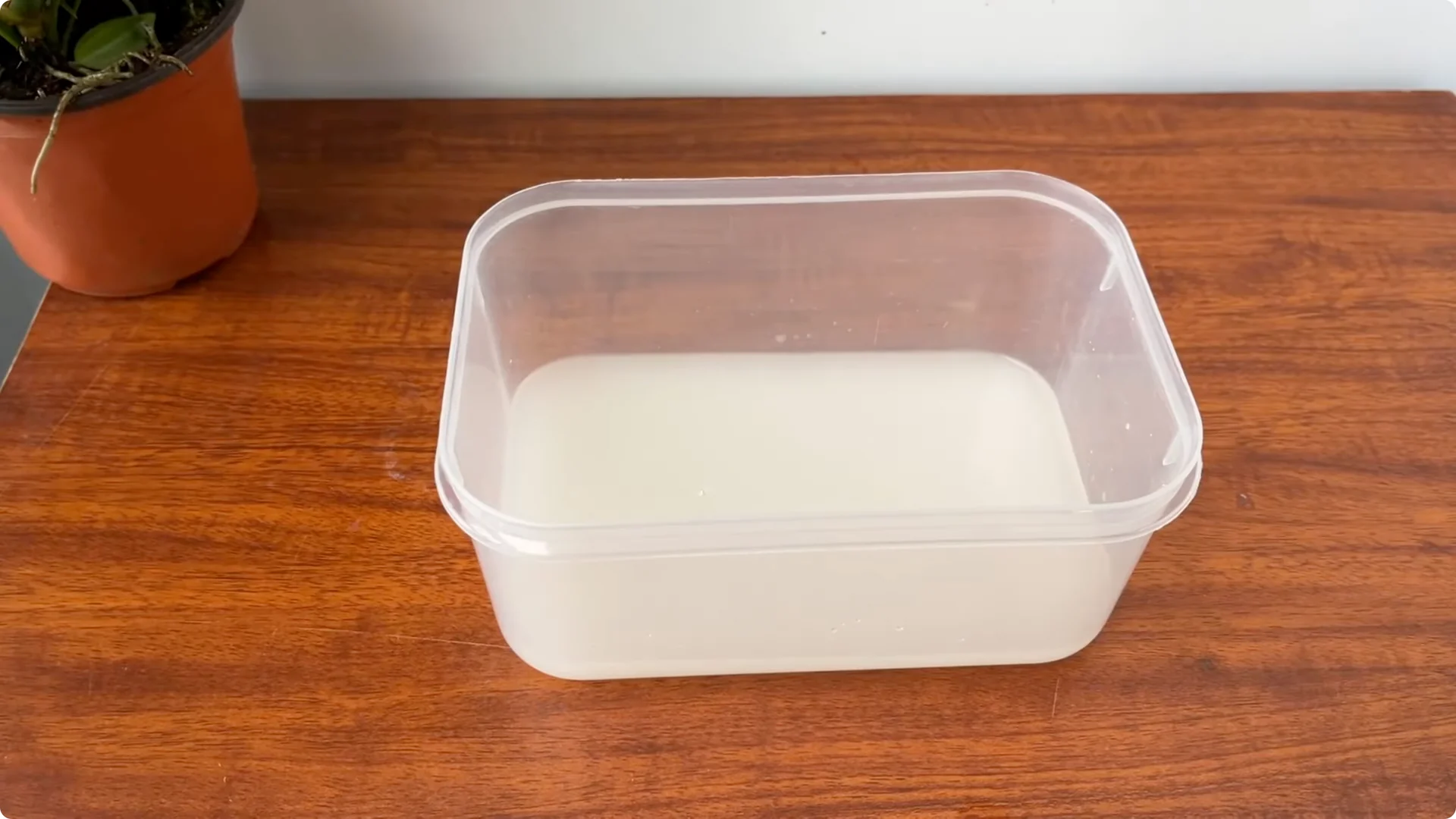
Dilute the clear solution with clean water until the total volume reaches about 2 liters. Dilution reduces the concentration of garlic essence, prevents root burn, and makes the solution suitable for both root watering and foliar spraying. Prepare only what you can use fresh.
Apply Garlic-Rice Fertilizer for Roses
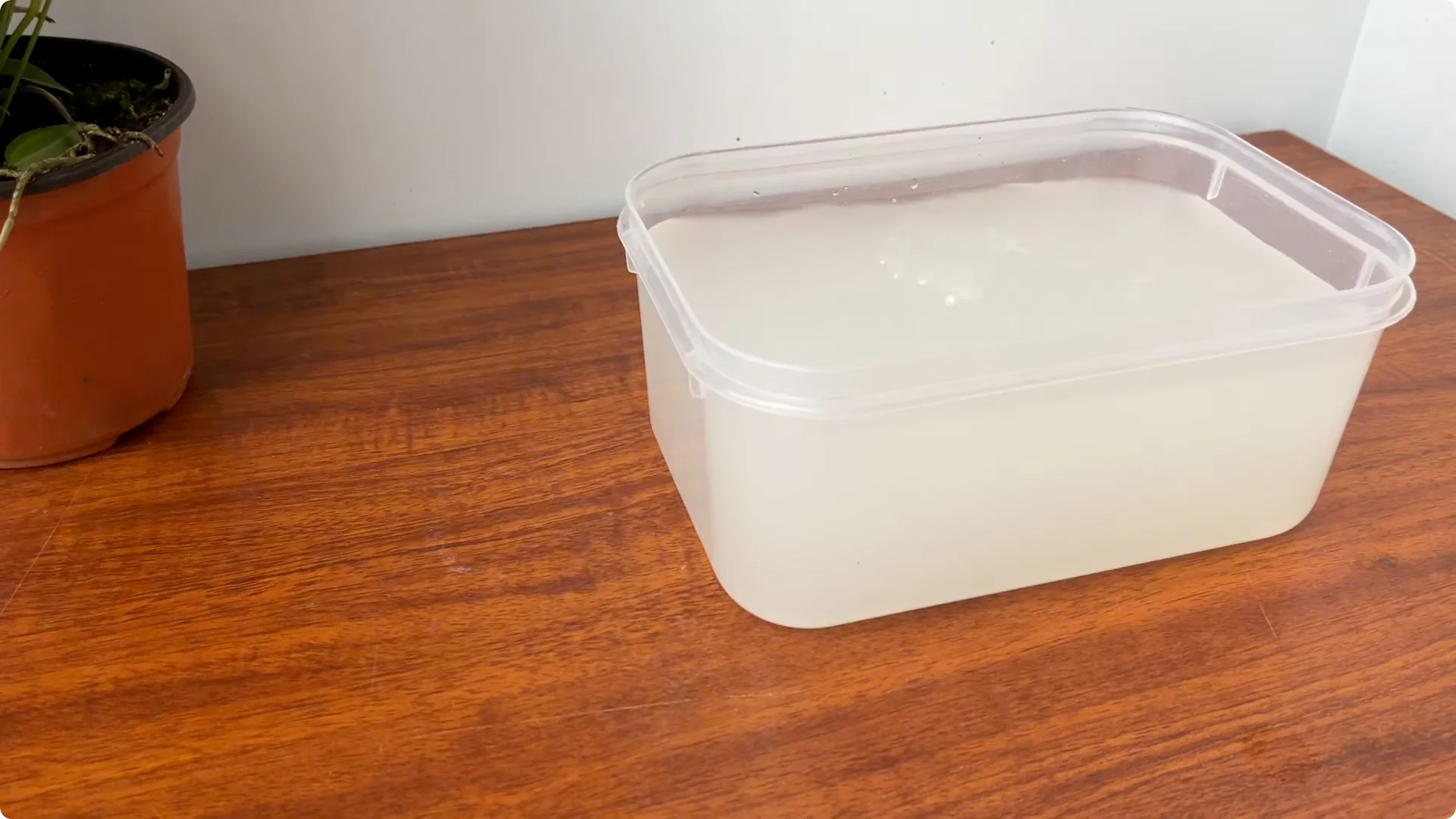
Method 1 – Water at the base
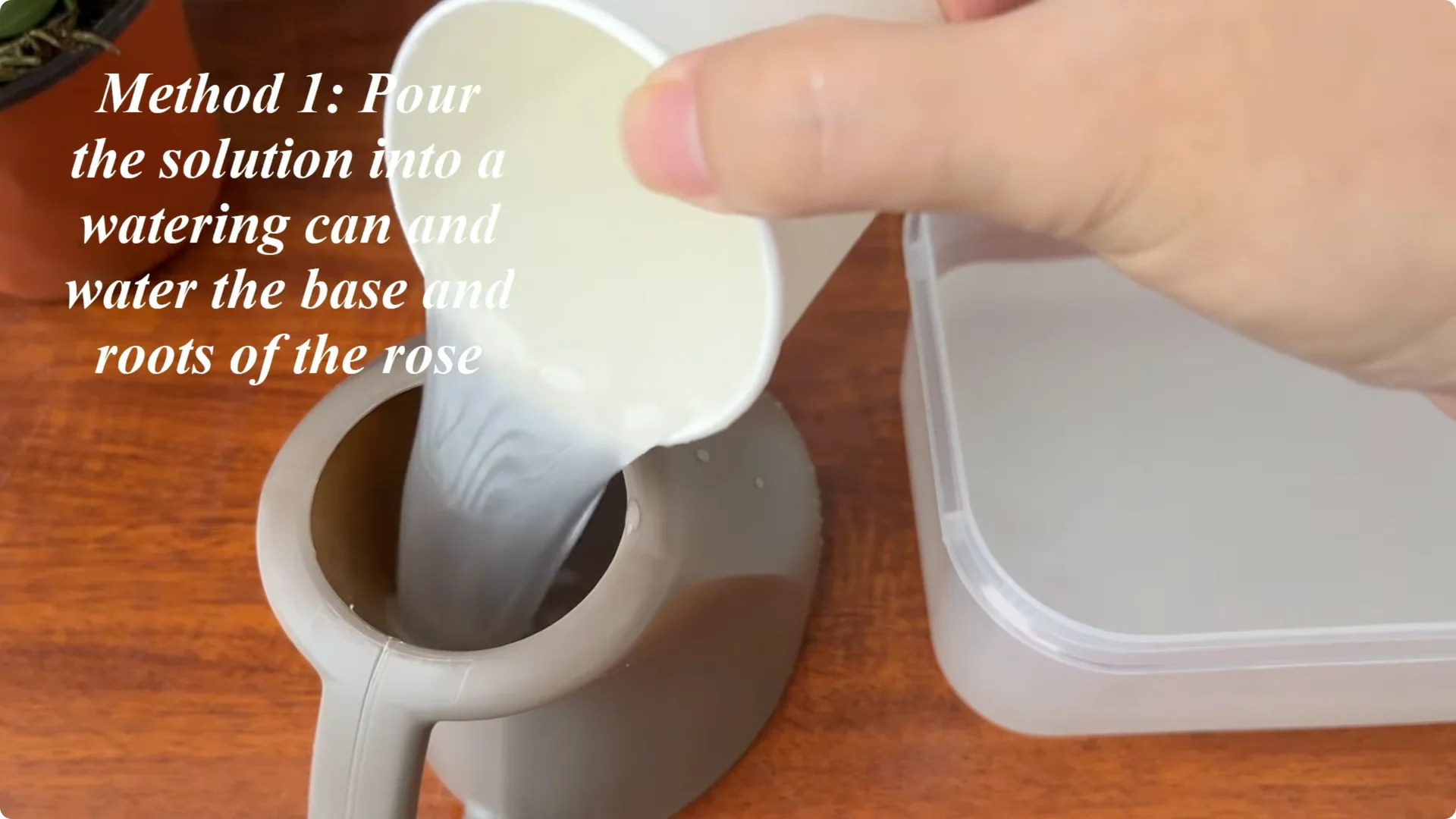
Pour the solution into a watering can and water it directly at the base. Rice water contains vitamins B1, B3, and B6, which stimulate new roots and increase the vitality of young shoots. The antibacterial compounds from garlic help clean the soil environment, limiting bacteria and fungi that cause root rot.
Carbohydrates and vitamins in rice water nourish beneficial microorganisms and stimulate new roots to grow strongly. The plant absorbs nutrients faster and maintains steady growth. When combined with garlic, the two ingredients support both protection and internal nourishment.
If you are propagating, you can also speed up rooting by using tomato with cuttings – see how tomato can speed up rose cuttings for quicker results.
Method 2 – Foliar spray
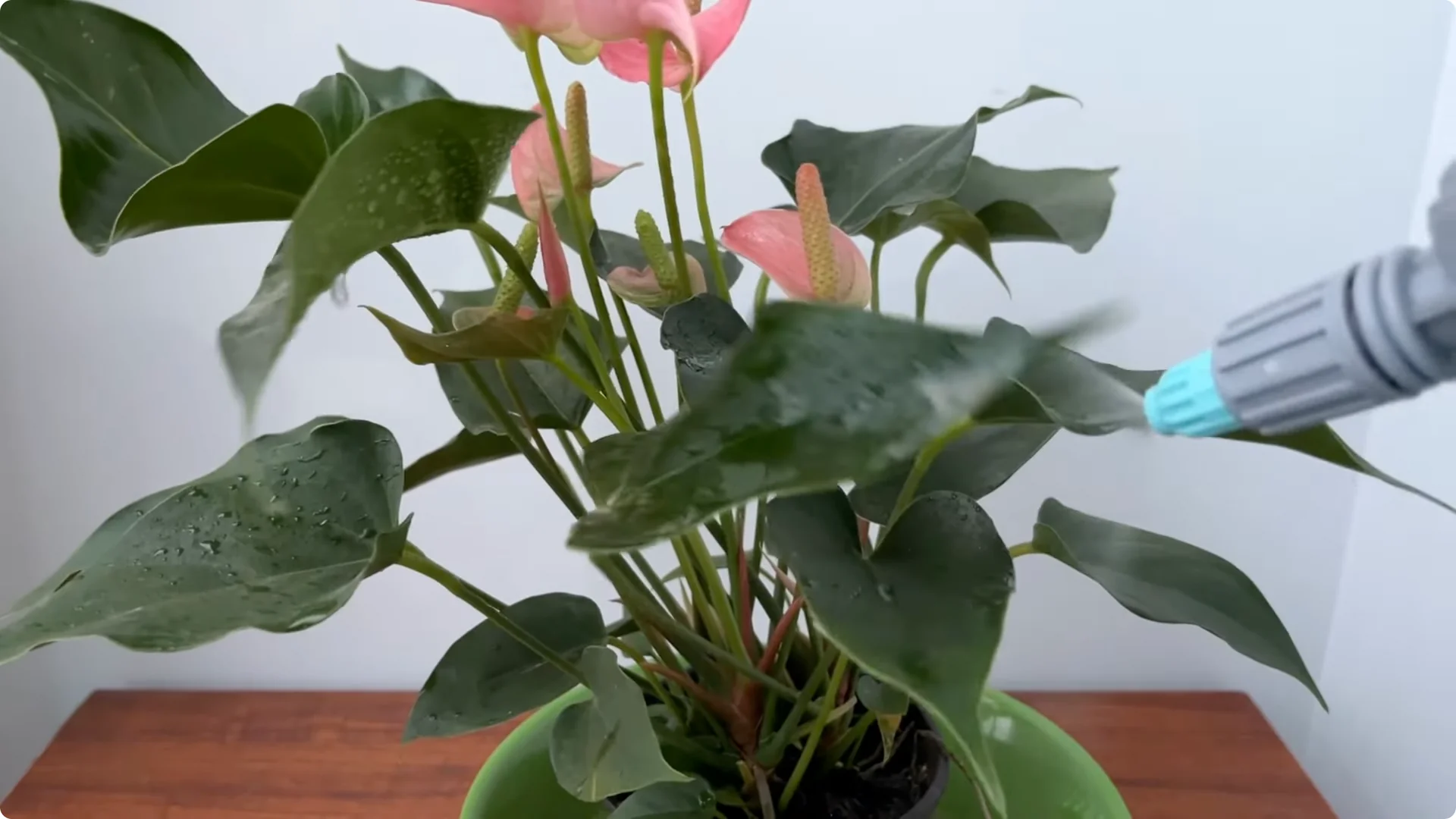
Pour the garlic-rice solution into a spray bottle and spray directly onto the leaves. Foliar spraying helps garlic promote its strong antibiotic properties, forming a thin protective layer on the leaf surface to limit powdery mildew, black spots, and the invasion of sucking insects such as thrips or aphids. Spray until leaves are evenly coated.
Vitamin B and light minerals in rice water penetrate through the stomata, helping the leaves become thick and green. This enhances photosynthesis and stimulates the process of flower bud differentiation. When the leaves are healthy, the roots are disease-free, and the plant is fully nourished, roses produce more buds, large flowers, beautiful colors, and a longer blooming time.
If you plan to root a branch, learn a quick way to encourage fast rooting with a method to make a rose branch sprout roots overnight. Pairing strong foliage health with fast rooting sets up vigorous new plants.
Schedule for Garlic-Rice Fertilizer for Roses
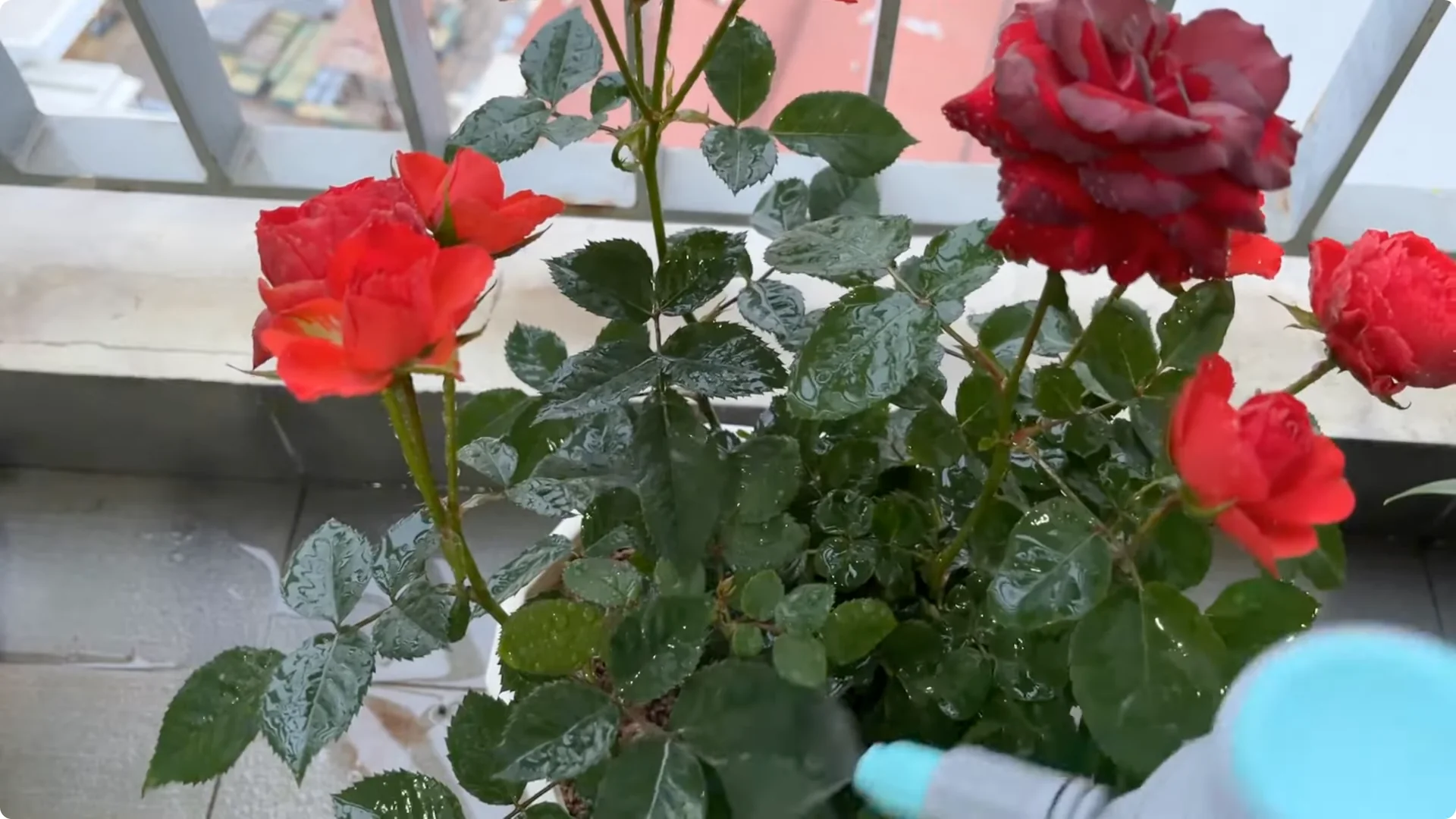
Use this solution every 7 to 10 days to maintain overall plant health. With persistent application, you will see your rose bush grow evenly, build a strong and healthy stem, have few pests and diseases, and bloom continuously. Keep the routine steady during recovery and pre-flowering phases.
Final Thoughts
This simple garlic-rice fertilizer supports roses on two fronts – protection from pathogens and nourishment for growth. It is especially helpful during recovery, budding, and pre-flower stages. I wish you success applying this effective natural formula.