

Here is a simple but extremely effective secret combining familiar ingredients right in the kitchen: onions, honey, and rice. After about one week, a rose branch can sprout and push out healthy white roots. Follow these steps in detail.
Read More: One Spoon Rose Branches Root Bloom
1. Rooting Rose Cuttings: Select and Prepare the Cutting
Choose a healthy rose branch that is free of pests and diseases. If the branch is weak, has fungus, or aphids, the chance of survival when cutting will be significantly reduced.
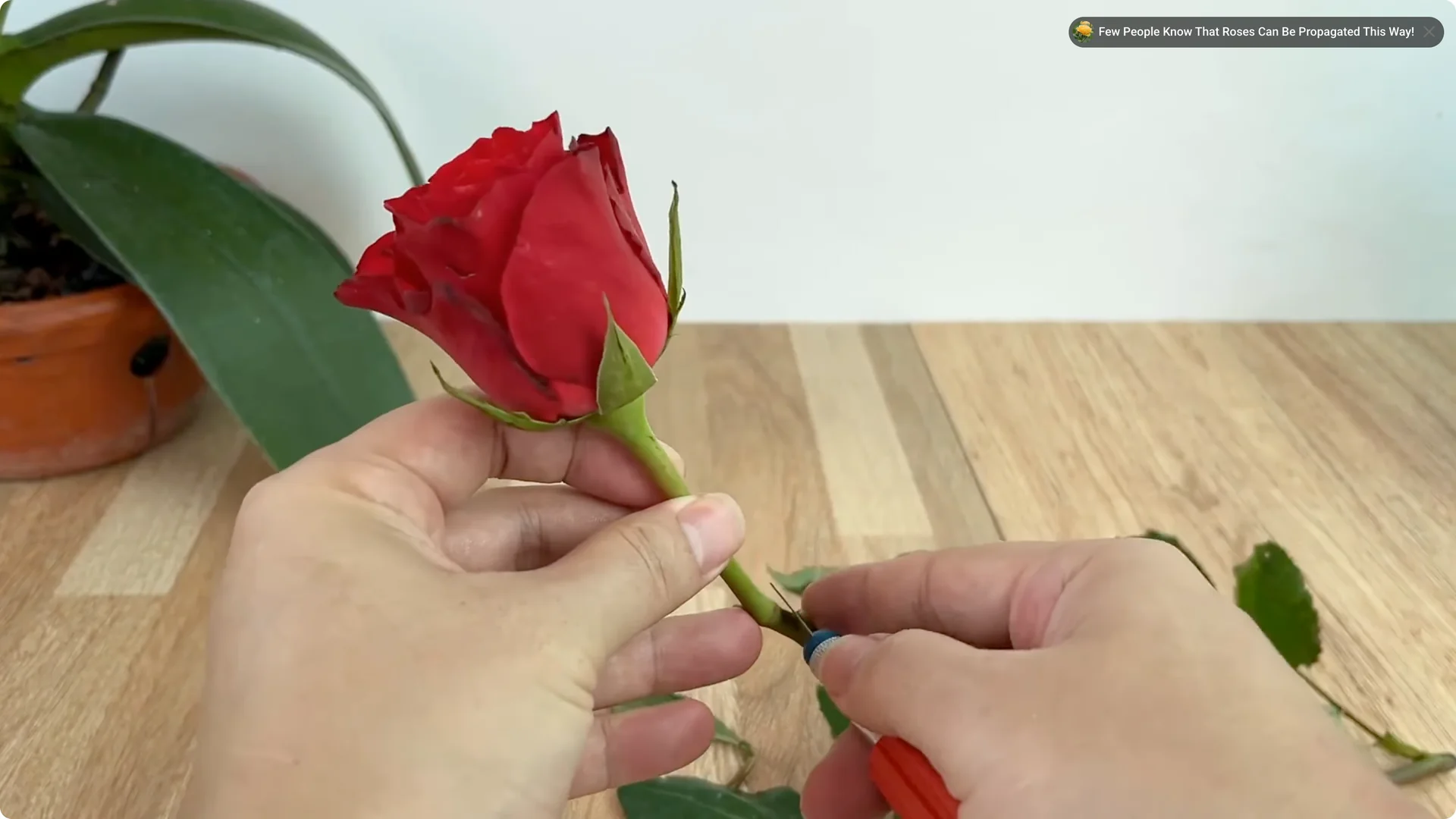
Cut off all leaves and sharp thorns to limit water evaporation and reduce the risk of infection. Cut the branch short, leaving only about 15 to 20 cm, just enough for the branch to have energy to focus on rooting.
2. Rooting Rose Cuttings: Make the Onion Base
Prepare about 30 grams of fresh onions, cut them very small, and put them in a clean plastic cup. Onions contain many sulfur compounds and vitamin C with strong antibacterial properties, helping to protect the cut at the base of the rose branch and preventing rot. Onion essence can also stimulate cell regeneration, promoting the formation of young roots.
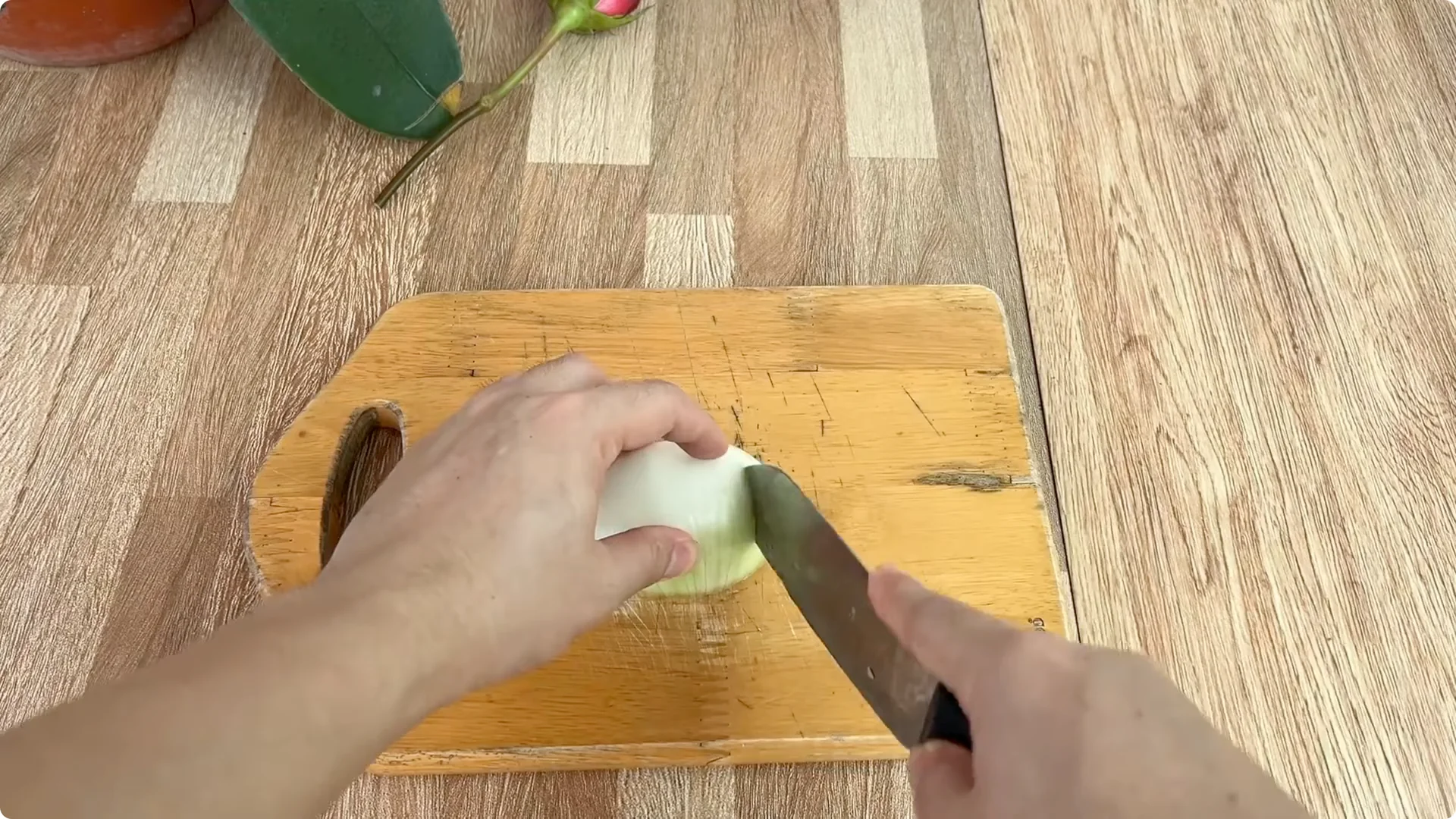
Add Honey for Rooting Rose Cuttings
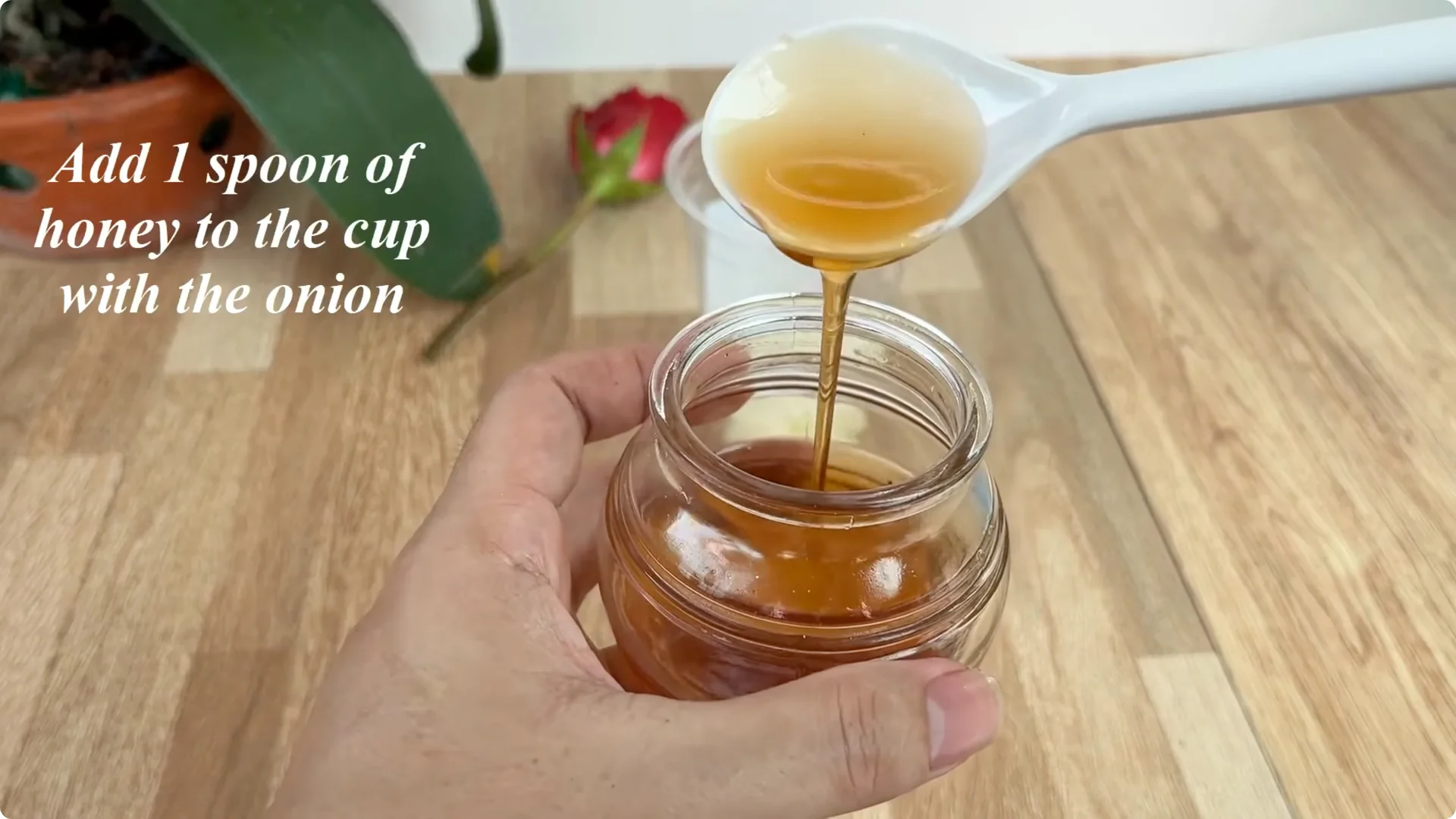
Add a spoonful of pure honey to the onion. Honey is known as an effective anti inflammatory and antibacterial agent. Pour in 0.5 liters of clean water, stir well until the honey is completely dissolved, then soak the rose branches in the mixture for about 15 minutes.
If you like simple spoon based tricks that help cuttings root and bloom, see this spoonful method for faster rooting and blooming.
Add Rice for Rooting Rose Cuttings
After soaking for 15 minutes, add 3 spoons of rice to the mixture. When rice absorbs water, it releases vitamin B, starch, and minerals that act as a growth stimulant. In particular, vitamin B1 in rice helps young roots form faster and stronger.
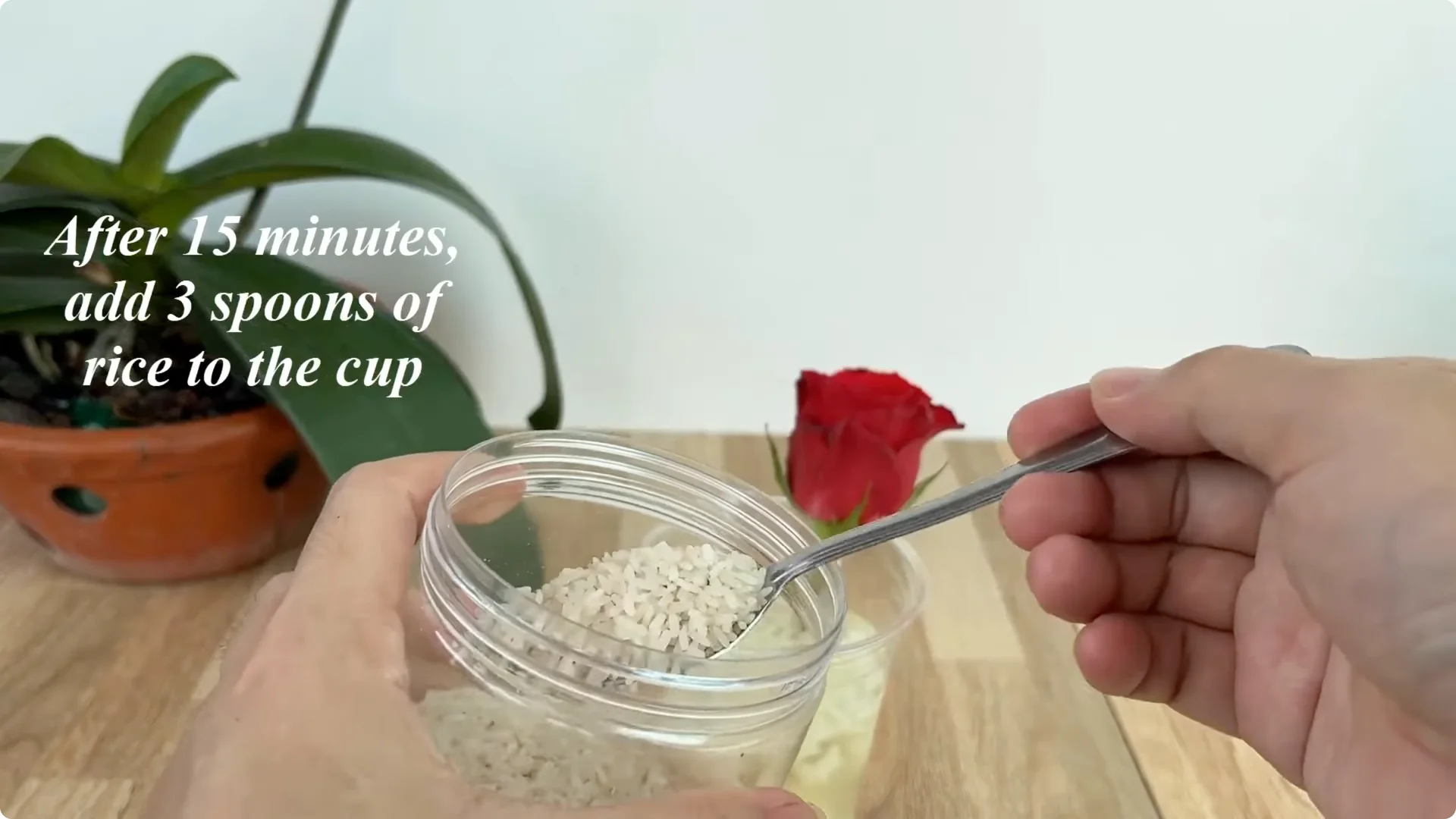
Stir the mixture well, then let it sit for another 15 minutes to let the nutrients soak into the flower branches.
3. Rooting Rose Cuttings: Clarify and Dilute the Solution
After soaking time is complete, remove the rose branches from the onion, honey, and rice solution. Stir well again and filter out the residue to get a clear solution. Dilute this solution with 0.5 liters of clean water to reduce the concentration, helping the flower branches avoid shock.
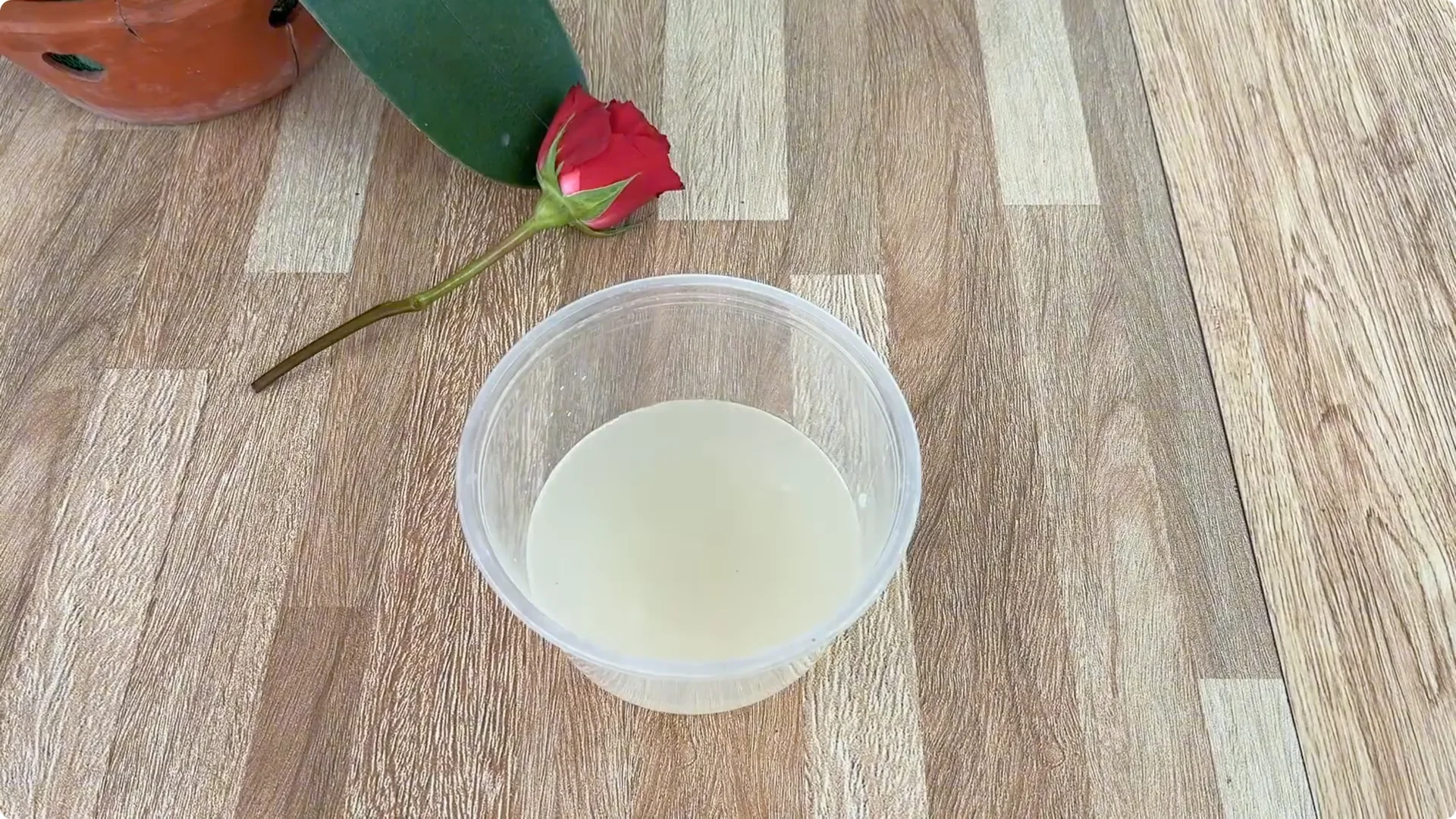
4. Rooting Rose Cuttings: Prepare the Medium
Prepare a clean plastic cup, fill it with treated river sand, and compact it. River sand drains well, limits waterlogging, and creates a ventilated environment for young roots to develop.
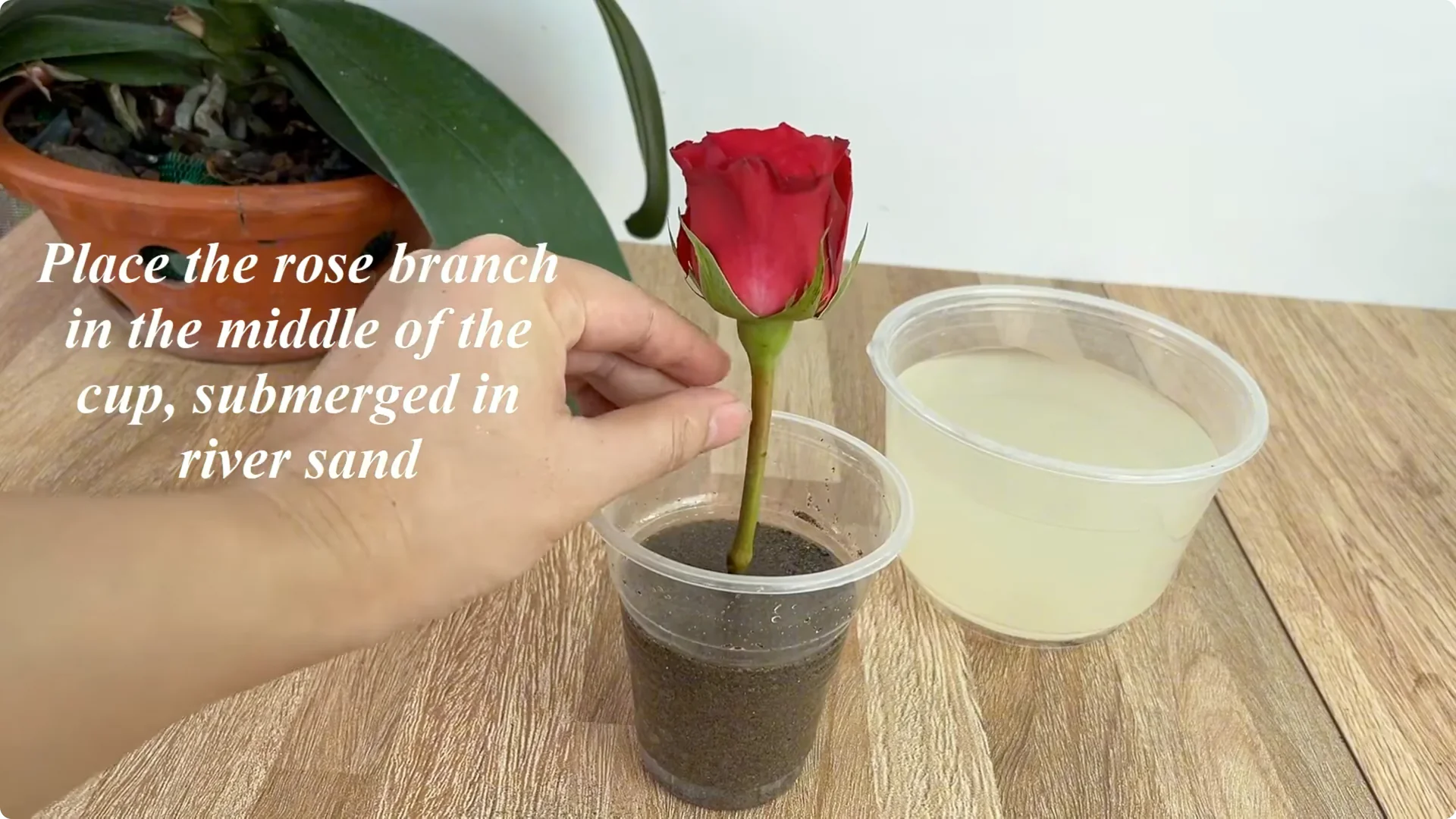
Pour the diluted solution into the cup with enough quantity. Honey also contains natural sugars and minerals that help provide energy for the branch in the early stages, when there are no roots to absorb nutrients. Insert the rose branch in the middle so the base is buried deep in the sand layer.
You can also explore a practical one spoonful approach that encourages strong roots and blooms in cuttings here: one spoonful rooting approach.
5. Rooting Rose Cuttings: Humidity and Placement
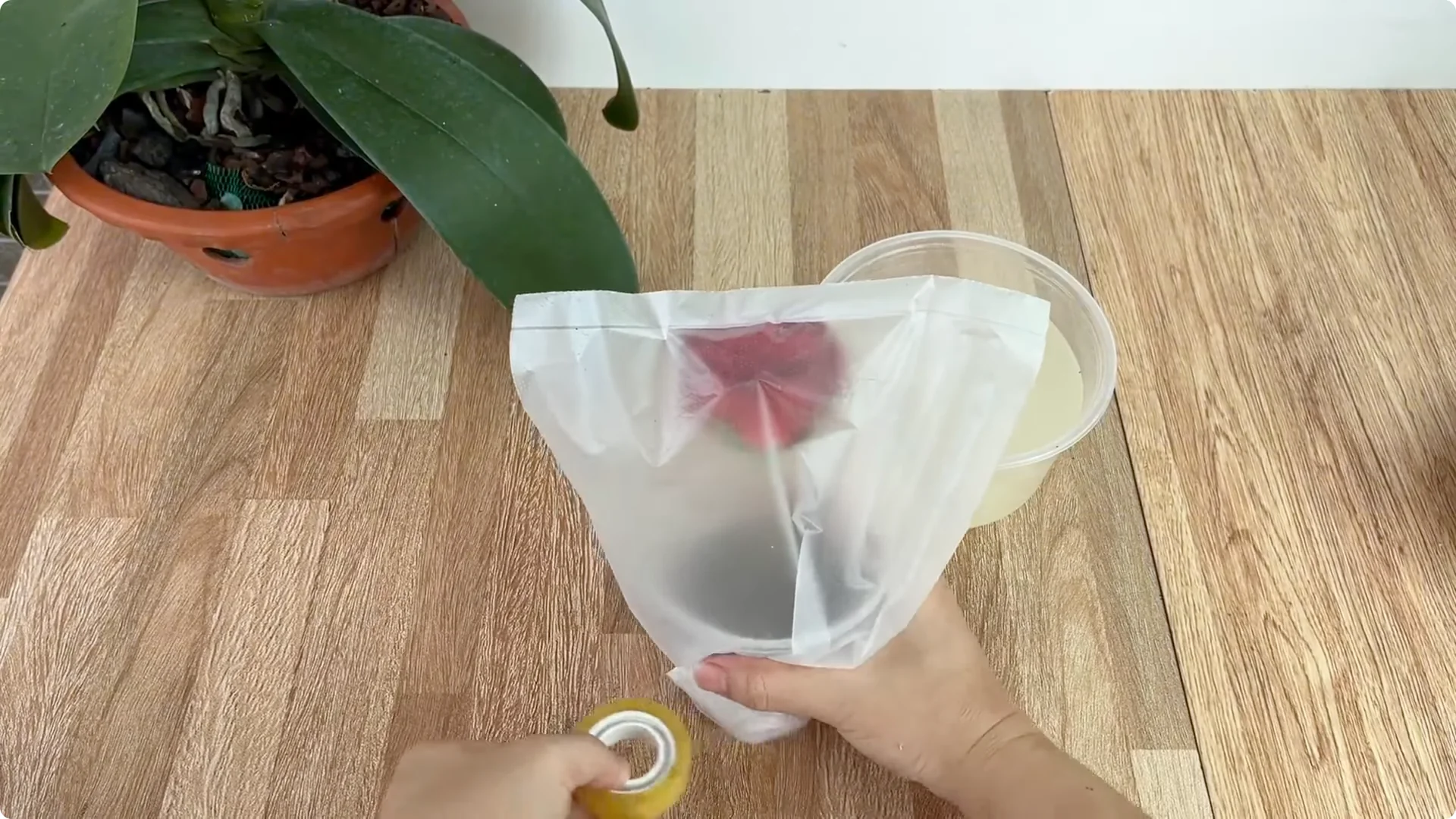
To increase humidity, cover the mouth of the cup with a plastic bag or a transparent plastic cup. A humid and airtight environment helps reduce water evaporation while creating a stable microclimate for rooting. Place the cup in a cool spot, away from strong winds or direct sunlight.
6. Rooting Rose Cuttings: What To Expect
After about 7 days, you will see encouraging results. The branch begins to sprout healthy, green shoots. Under the sand, new, pure white, plump roots grow around the base.
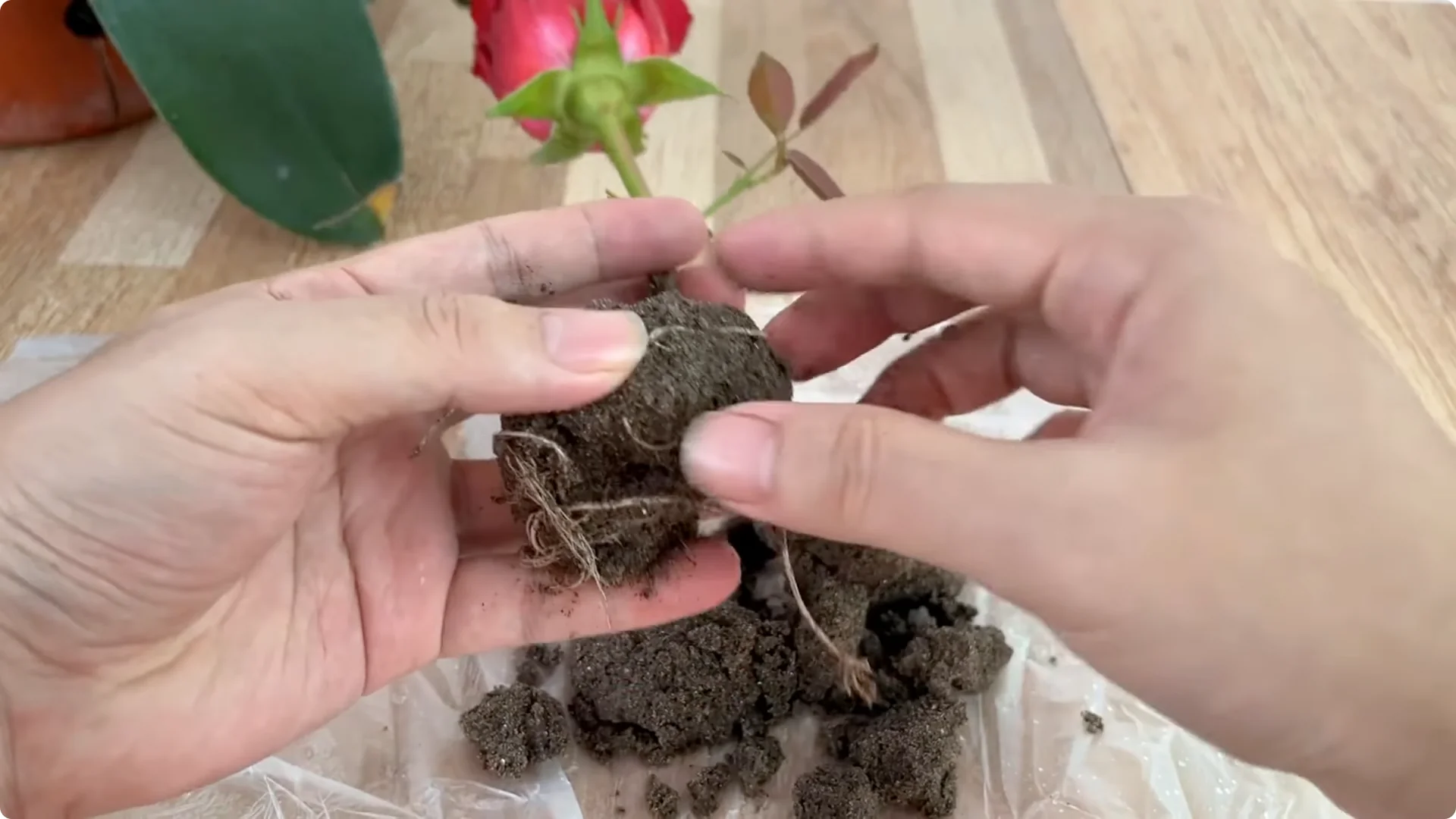
At this point, gently transfer the rose branch to a new pot with a coconut fiber substrate combined with good drainage material. This allows the plant to continue to grow and develop strongly.
Final Thoughts
You can propagate rose cuttings with only cheap ingredients that are easy to find in the kitchen. The combination of antibacterial onions, nutritious honey, and vitamin rich rice creates a solution that helps rose cuttings sprout and root quickly. Try it with a healthy cutting and enjoy the quick, clean root growth.