
I will guide you step by step to turn an ordinary rose branch into a healthy new plant, with many roots and young shoots full of vitality. No need for expensive chemicals. Just take advantage of what is available and you can propagate successfully.
If you used to think that rose cuttings require a specialized root stimulant, the recipes below will change your mind. With ingredients that seem to be only in the kitchen, you can help a lifeless rose branch spring up into a new, vibrant individual. A little ingenuity and faith in the power of nature is enough.
1. Rose Cutting Propagation – Ginger, Eggshells, and Oats
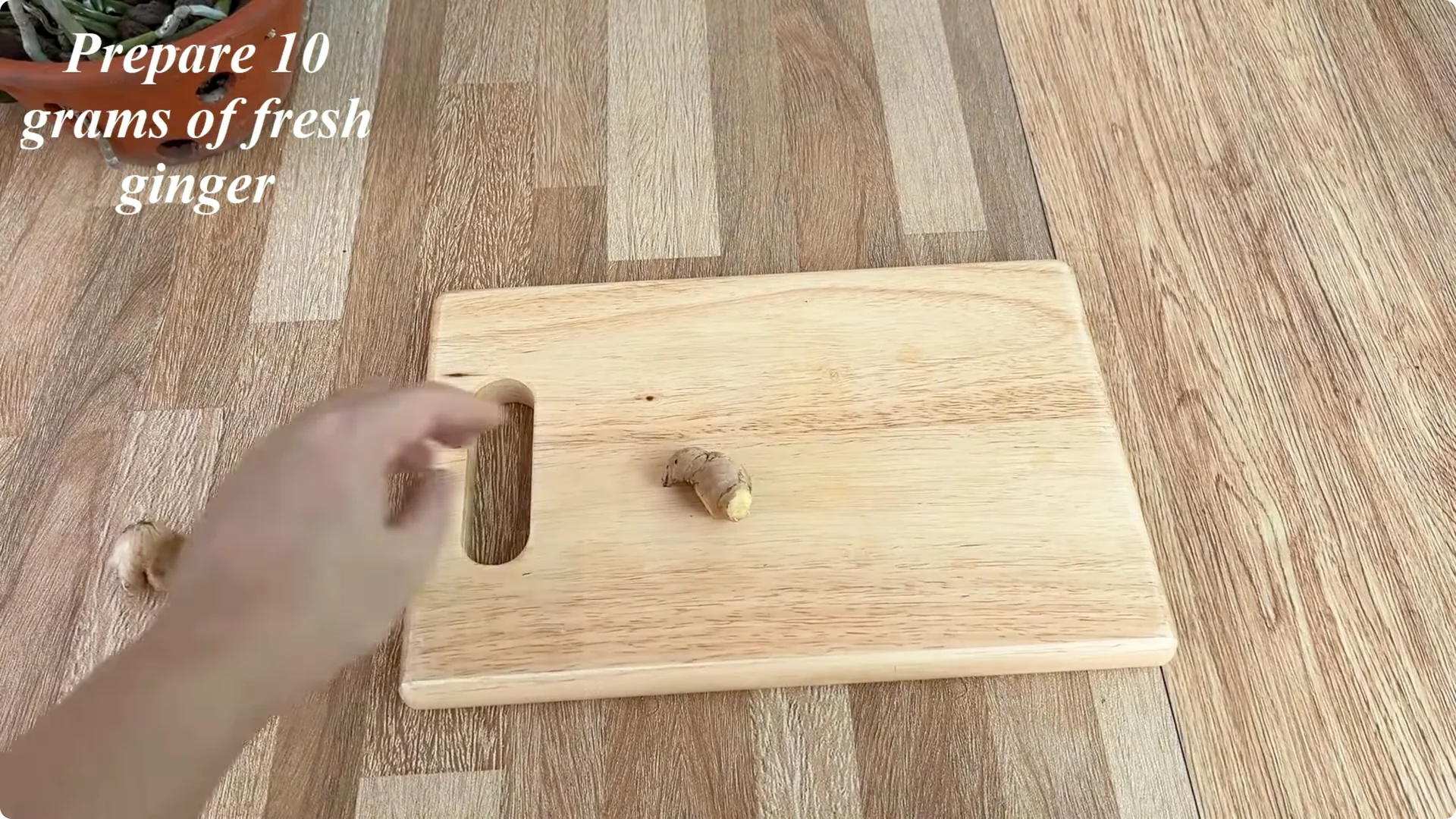
Ingredients and why they work
Prepare about 10 grams of fresh ginger. Ginger contains antioxidant compounds, especially gingerol and shogaol, which help inhibit bacteria and mold. This is extremely important because the cutting stage is very susceptible to microorganisms that cause root rot.
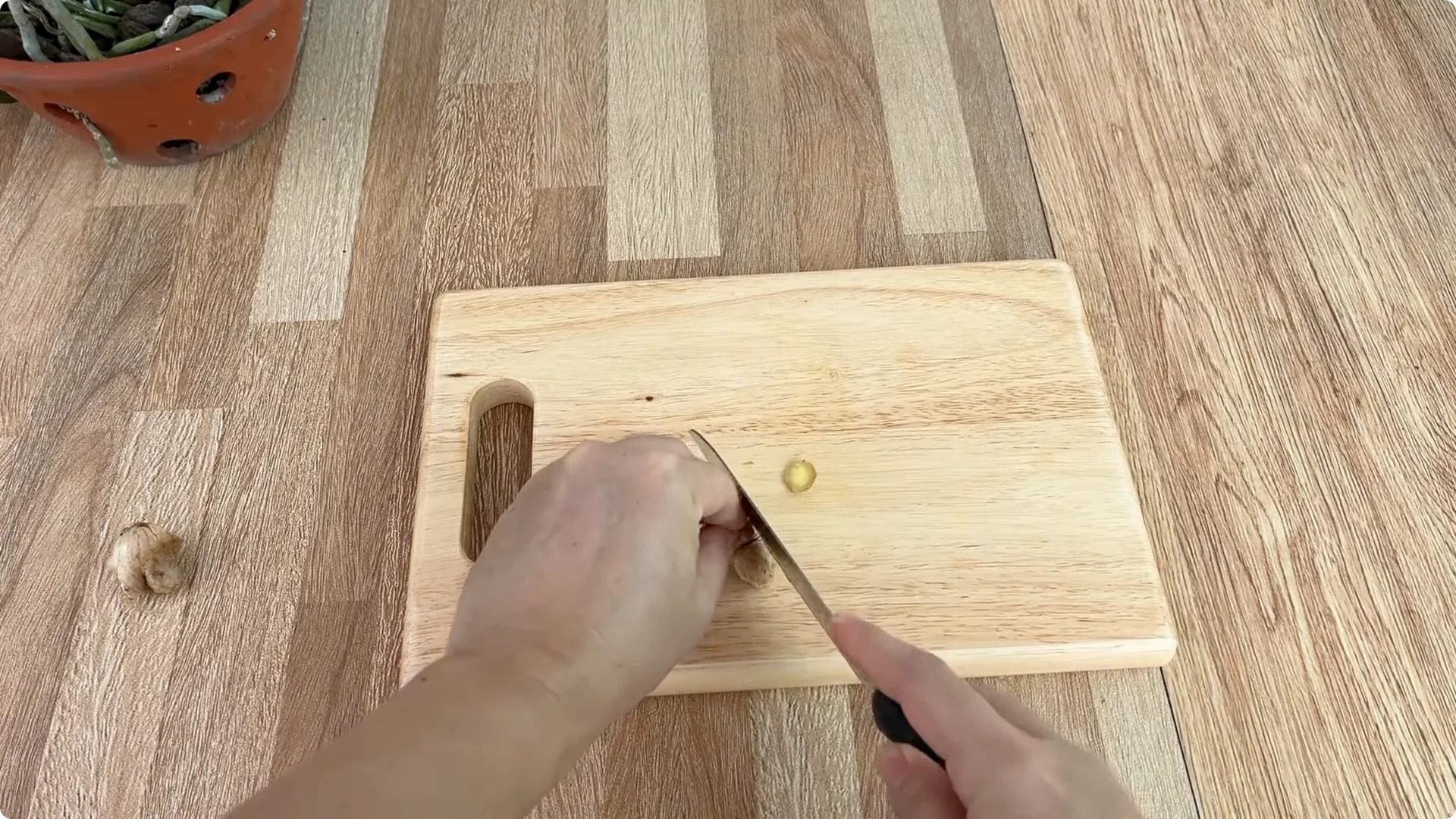
Use the shells of 2 chicken eggs. Eggshells contain a very high content of calcium carbonate, along with trace elements such as magnesium, zinc, and iron. When crushed, they gradually dissolve, providing nutrients for young roots to form stronger and more sturdy.
For more on using eggshells to push roots and blooms, see this eggshell method. Oatmeal is rich in carbohydrates, B vitamins, iron, and vegetable protein. All of these are great sources of energy for new cells.
Make the ginger – eggshell base
Wash the ginger, cut or chop it, and put it into a clean glass jar. Wash and dry the eggshells, crush them, and add to the jar with the ginger. Add 500 ml of boiling water, stir well, and cover tightly.
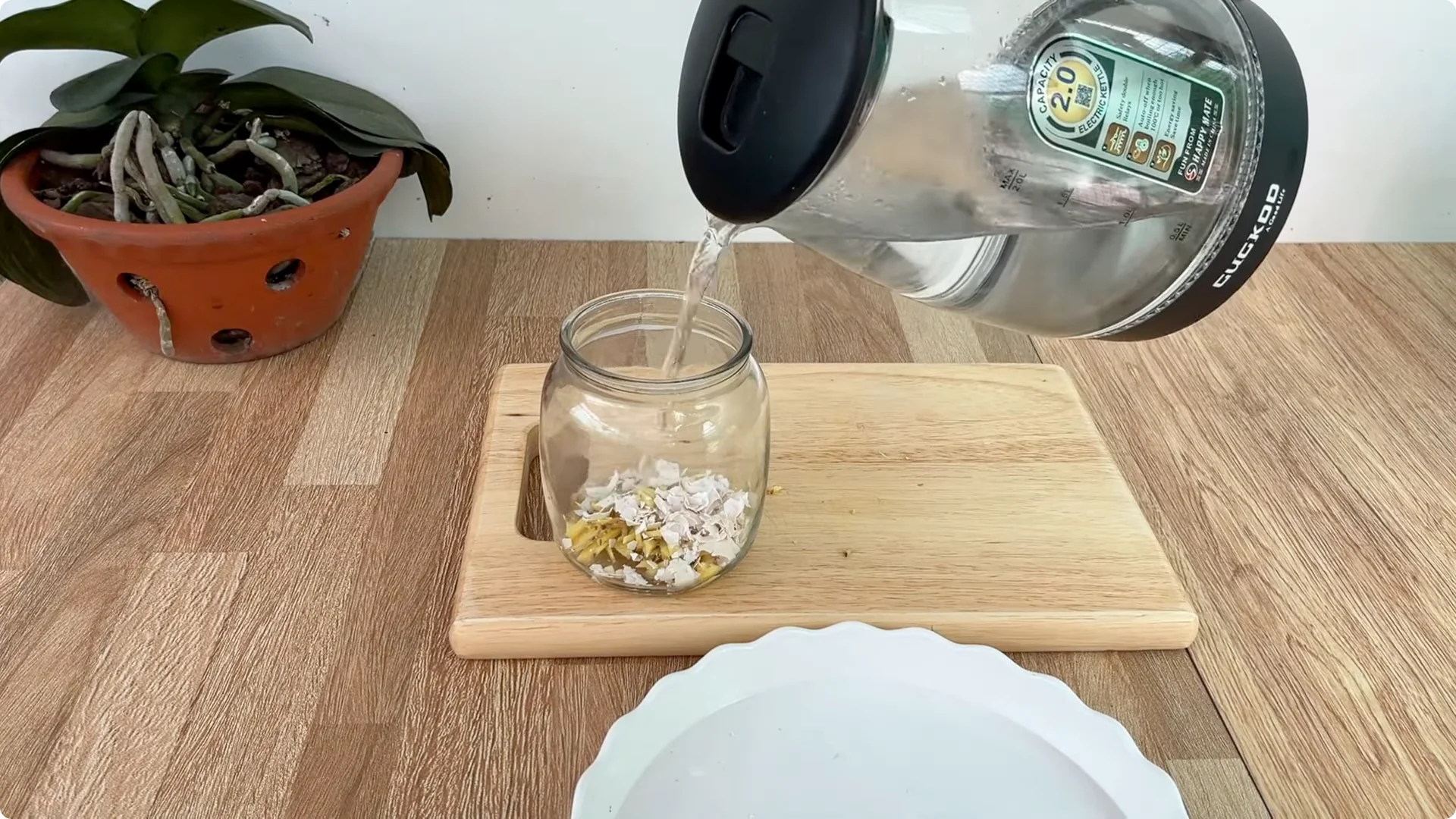
When boiling water soaks into the ginger and eggshells, the active ingredients are released. The solution is both antibacterial and mineral rich for the rose branches. Let it cool naturally before using.
Prepare and pre-treat the cuttings
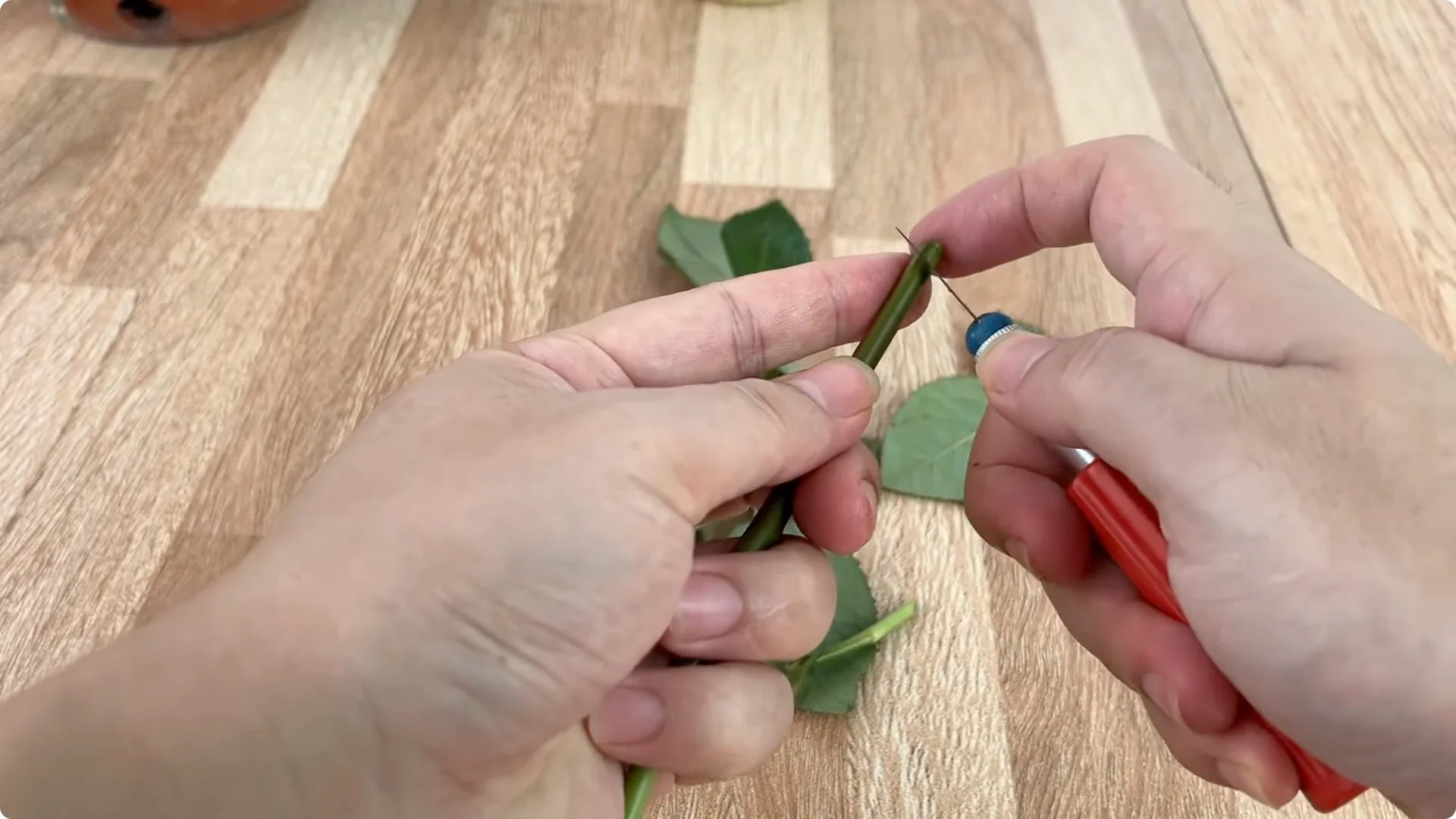
Choose branches free of pests and diseases with moderate age to be flexible and capable of rooting. Remove all leaves and sharp thorns so the plant does not lose water. Cut the branches short, 15 to 20 cm, and cut the stem at a 45-degree angle to increase the contact area.
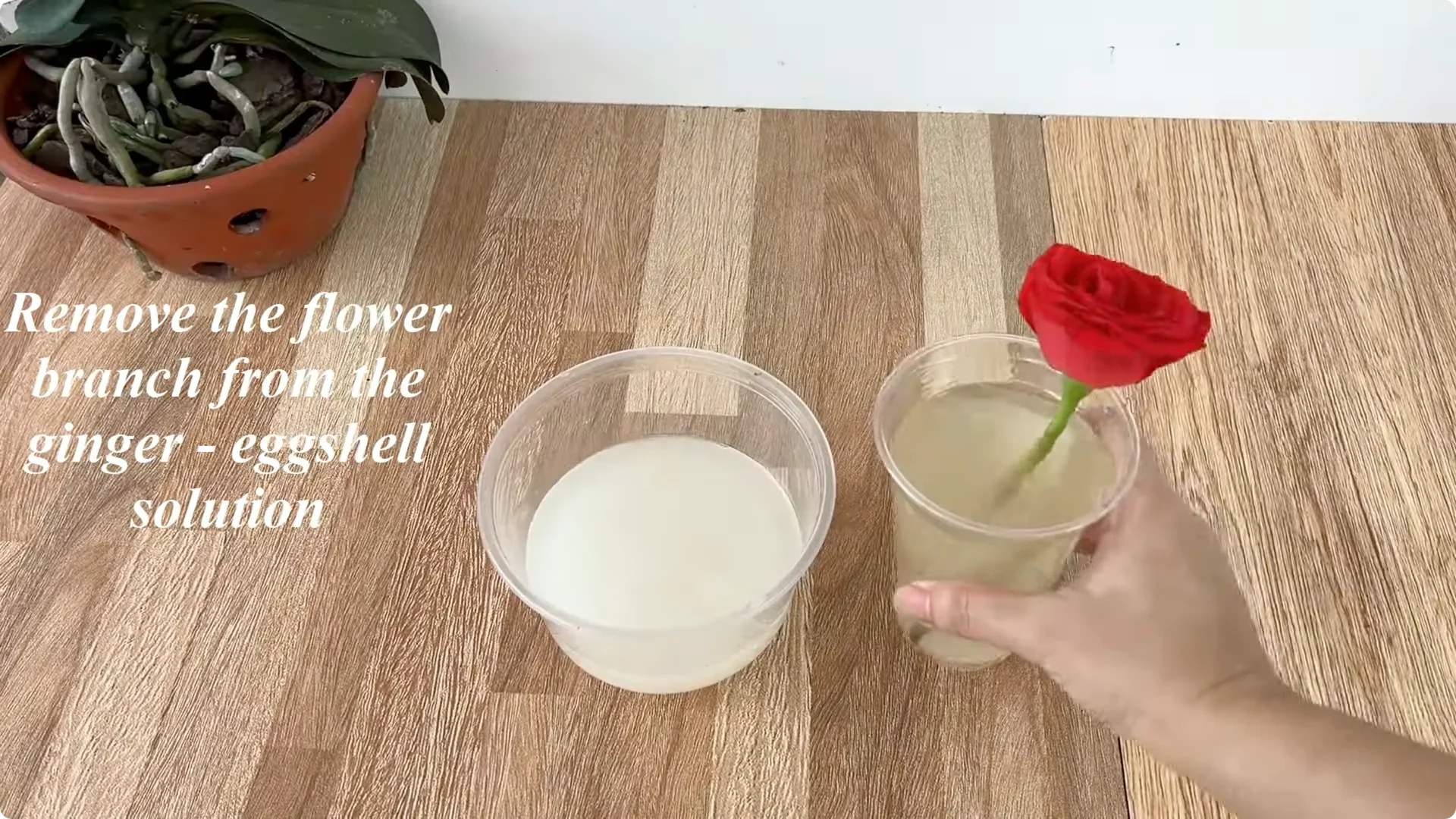
Stir the cooled solution and filter out the residue. Soak the rose branches for about 30 minutes. This preliminary step helps kill bacteria and stimulates the formation of scar tissue at the stem – the precursor of the root system.
Make and combine the oatmeal solution
Take 5 small spoons of oatmeal and put them in a clean plastic cup, add 500 ml of water, and stir well. Let the mixture sit for 30 minutes, then filter to get a clear solution. Once the branch has finished soaking in the ginger – eggshell solution, mix it with the oatmeal solution.
Potting medium and planting
Prepare a clean plastic cup and pour in treated river sand almost full. River sand drains quickly and helps young roots breathe easily. Then, pour in the ginger – eggshell – oatmeal solution with enough moisture.
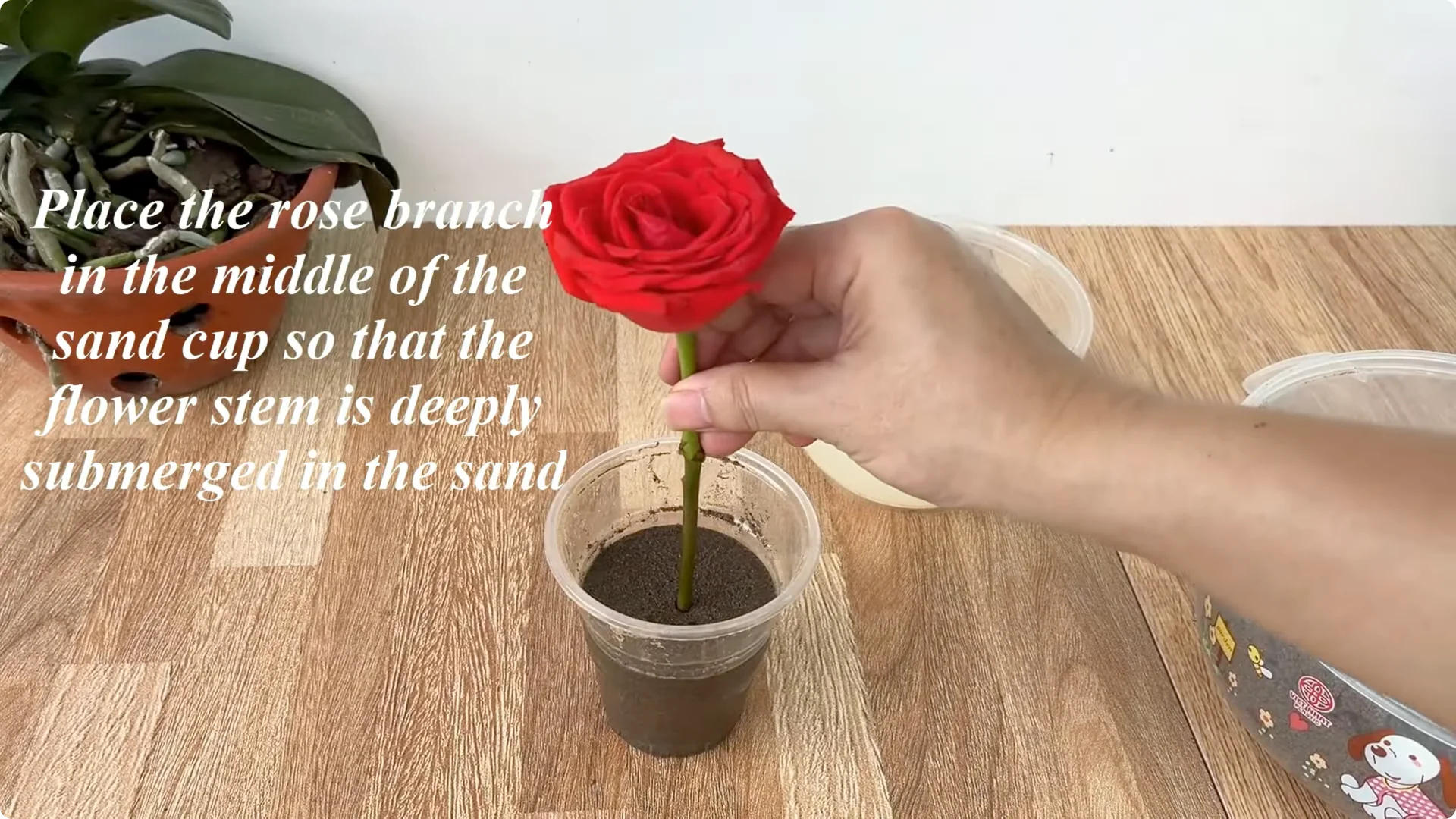
This solution works comprehensively: ginger helps fight bacteria, eggshells add minerals, and oatmeal provides energy and vitamins. Place the rose branch in the middle so the stem is deeply submerged in the sand. Press firmly around to fix the branch.
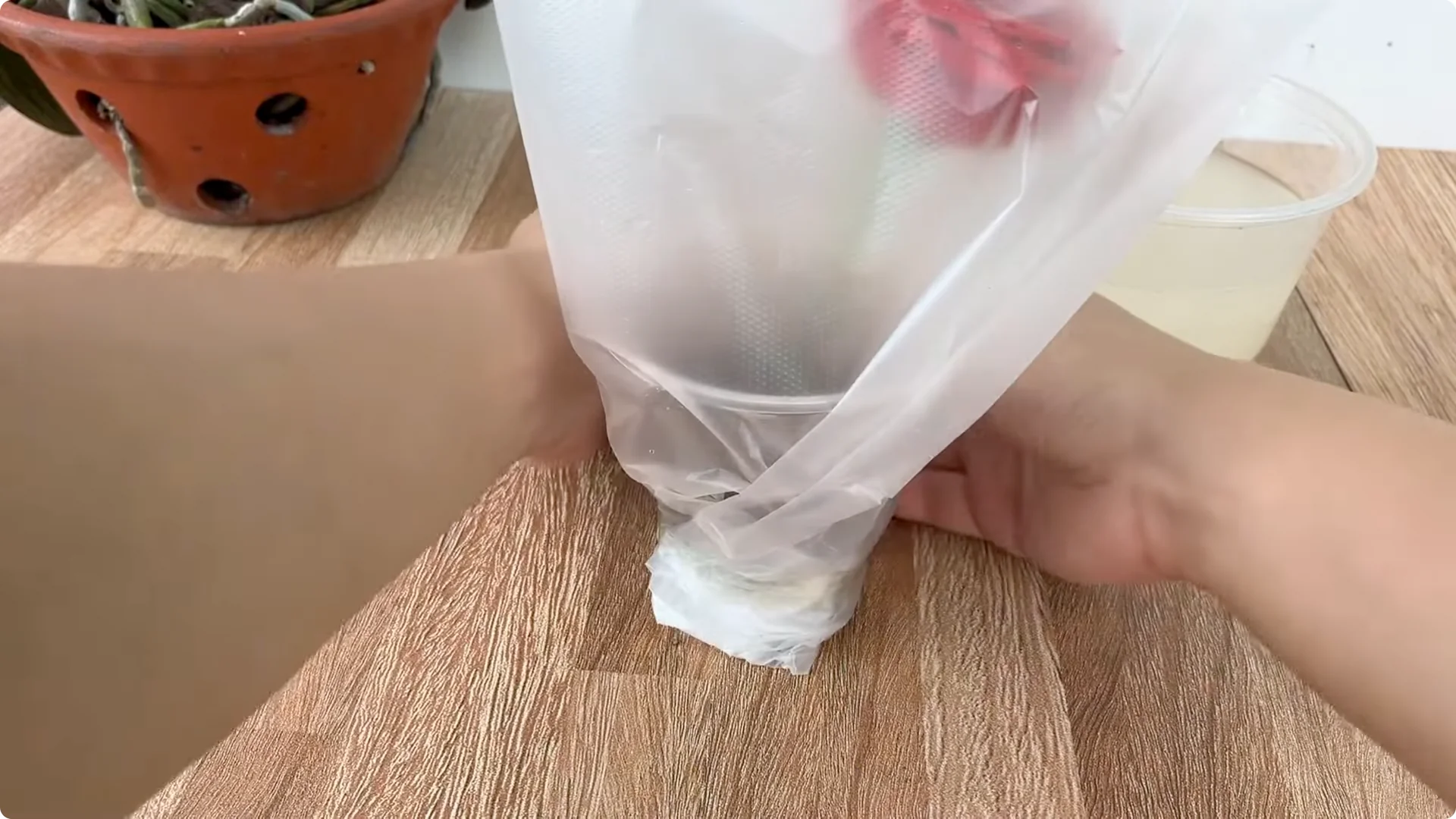
For a simple single-container setup, the one cup approach can be very effective. See how it’s done in this guide: one cup rose branch bloom. Cover the mouth of the cup with a plastic bag or transparent plastic cup to create a stable microclimate that limits evaporation.
Placement and early care
Place the cup in a cool place, away from direct sunlight and strong winds. If the environment is too harsh, the branch will have difficulty developing roots. Keep the medium just moist, not waterlogged.
Signs of success and potting up
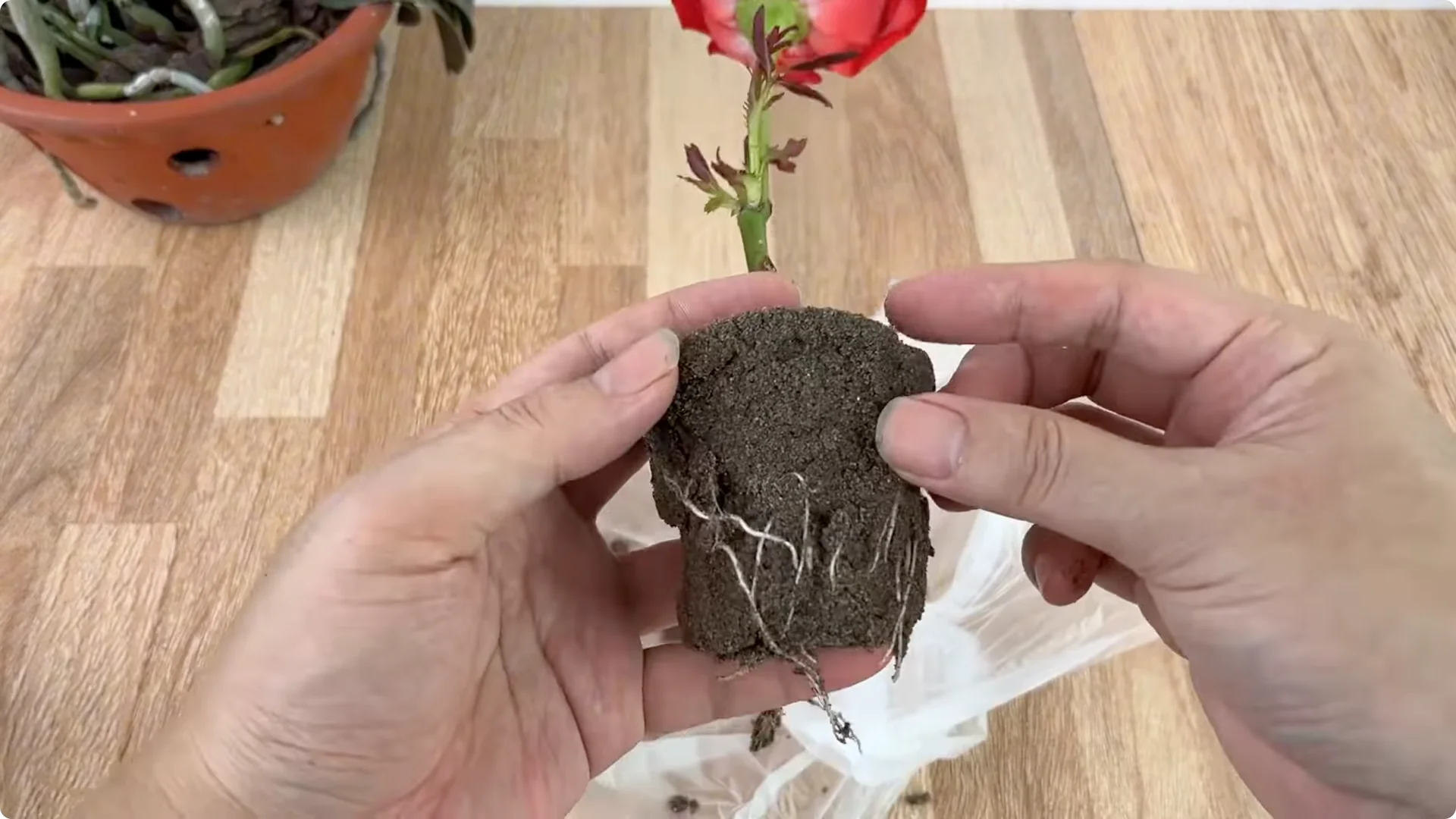
After about one week, the branch begins to sprout fresh green shoots. Many plump white roots appear at the base, proving that the branch has adapted and started to grow independently. Transfer the plant to a new pot with coconut fiber substrate to continue caring for it.
2. Rose Cutting Propagation – Turmeric, Onion, and Rice
Prepare the cutting and trim for energy savings
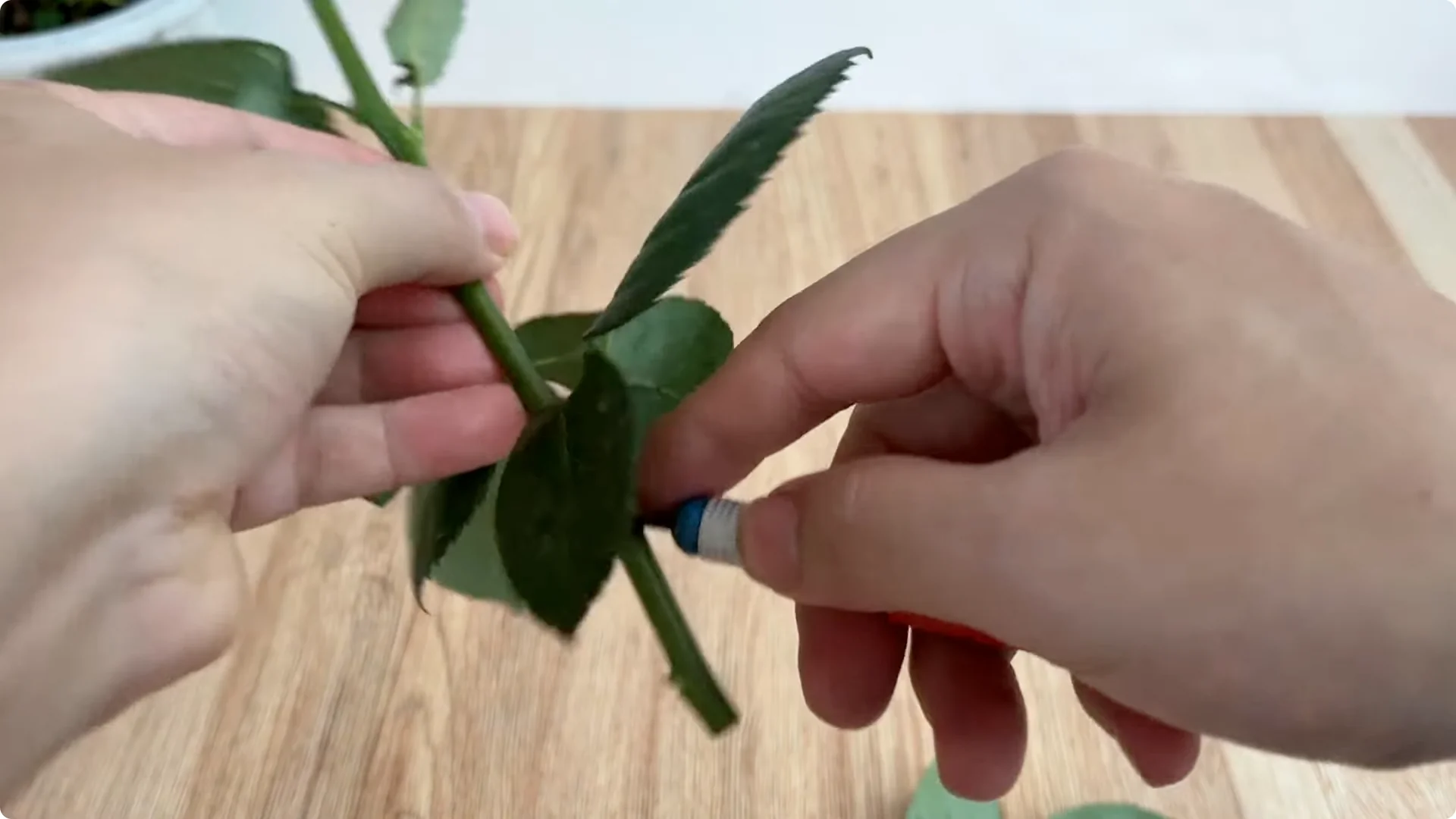
Prioritize branches with good vitality, fresh stem color, and no crushing. Leaves, thorns, and faded petals are energy drainers at this stage, so remove them all. Cut the branch short to 15 to 20 cm so the plant does not have to spread its strength on excess parts.
Turmeric disinfectant soak
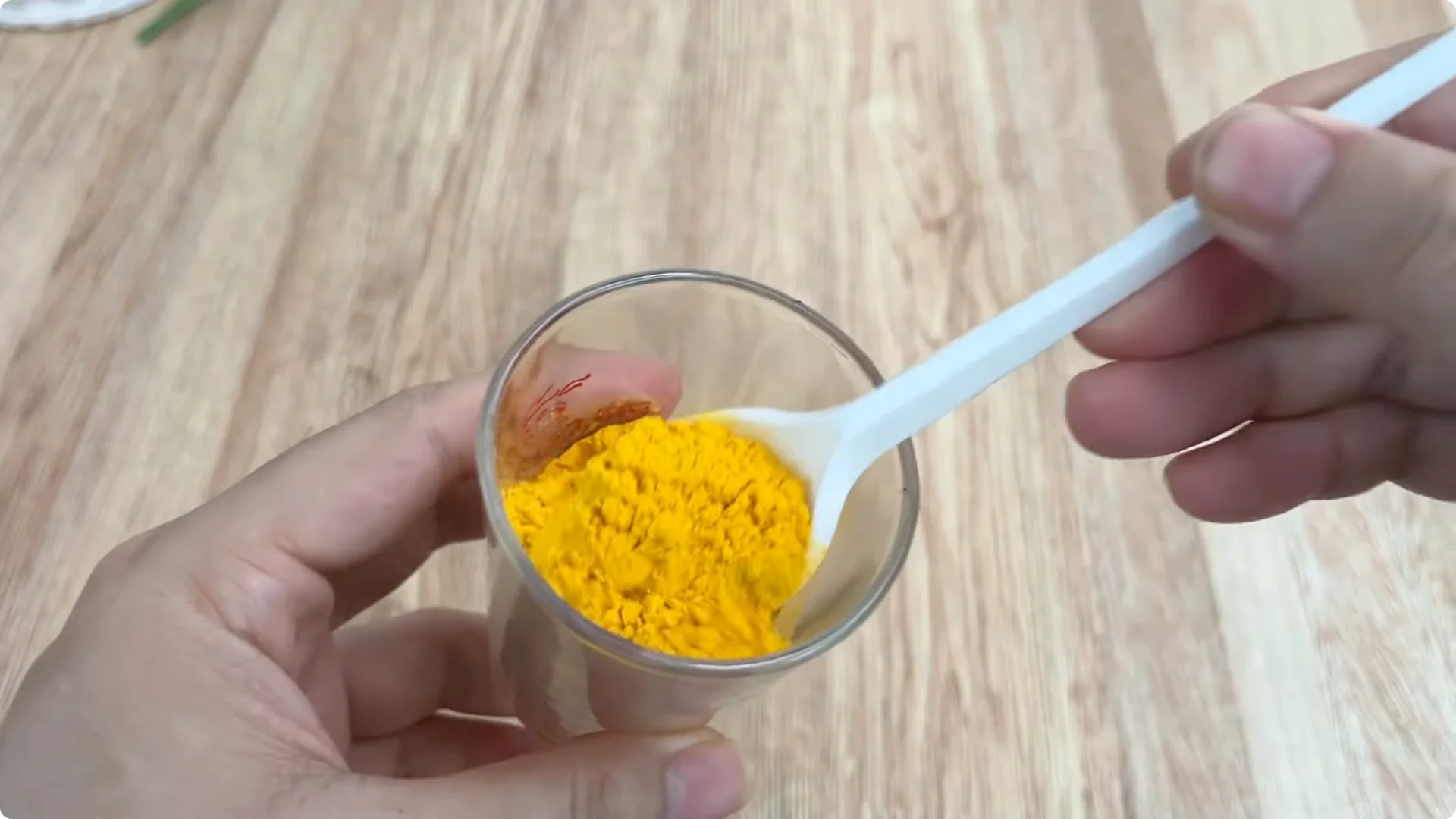
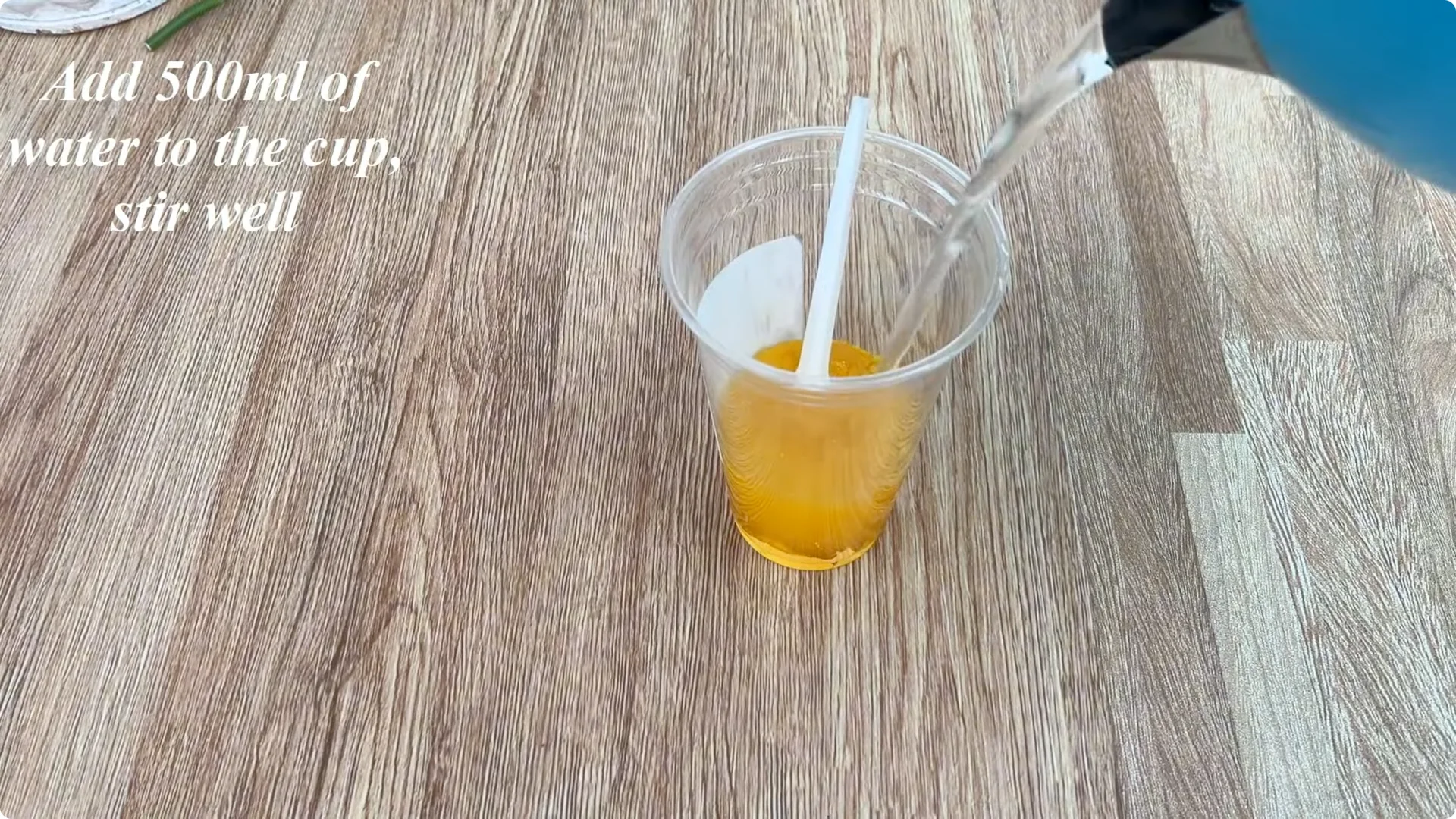
Put 1 spoonful of turmeric powder into a plastic cup with 500 ml of water and stir well. Turmeric contains curcumin, a natural antibacterial agent that disinfects cuts, prevents fungal diseases, and stimulates faster scar tissue formation at the base. Soak the rose branch in this solution for 15 minutes to let the compound penetrate the woody tissue.
Add onion and rice for rooting and energy
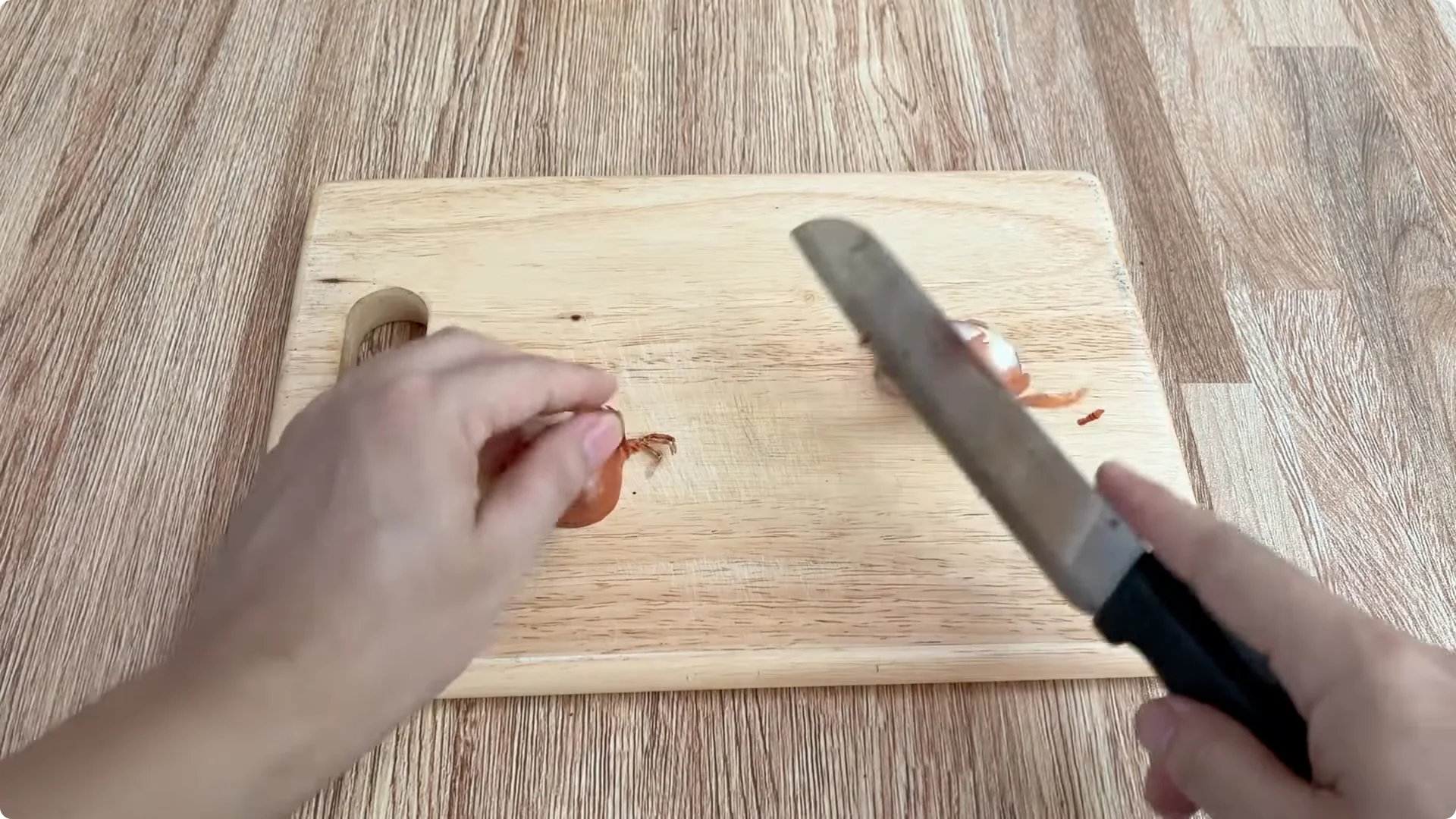
A very thinly sliced purple onion is added to the turmeric solution. This helps release sulfur compounds that stimulate root cell division in plants. Add 3 tablespoons of rice to provide starch as a slow source of energy while the branch has not yet rooted.
Let the mixture soak for another 15 minutes. After soaking, filter the solution to get clear water. Mix with clean water to reach a total volume of 1 liter so it is dilute enough and does not suffocate the roots.
Fix the cutting and water in
Add clean river sand to 1/3 of the cup, then place the flower branch in the middle. Continue adding sand until almost full and press lightly to make the stem stand firmly. Water the turmeric – shallot – rice solution into the cup with just enough moisture, not completely submerged, so the roots have breathing space.
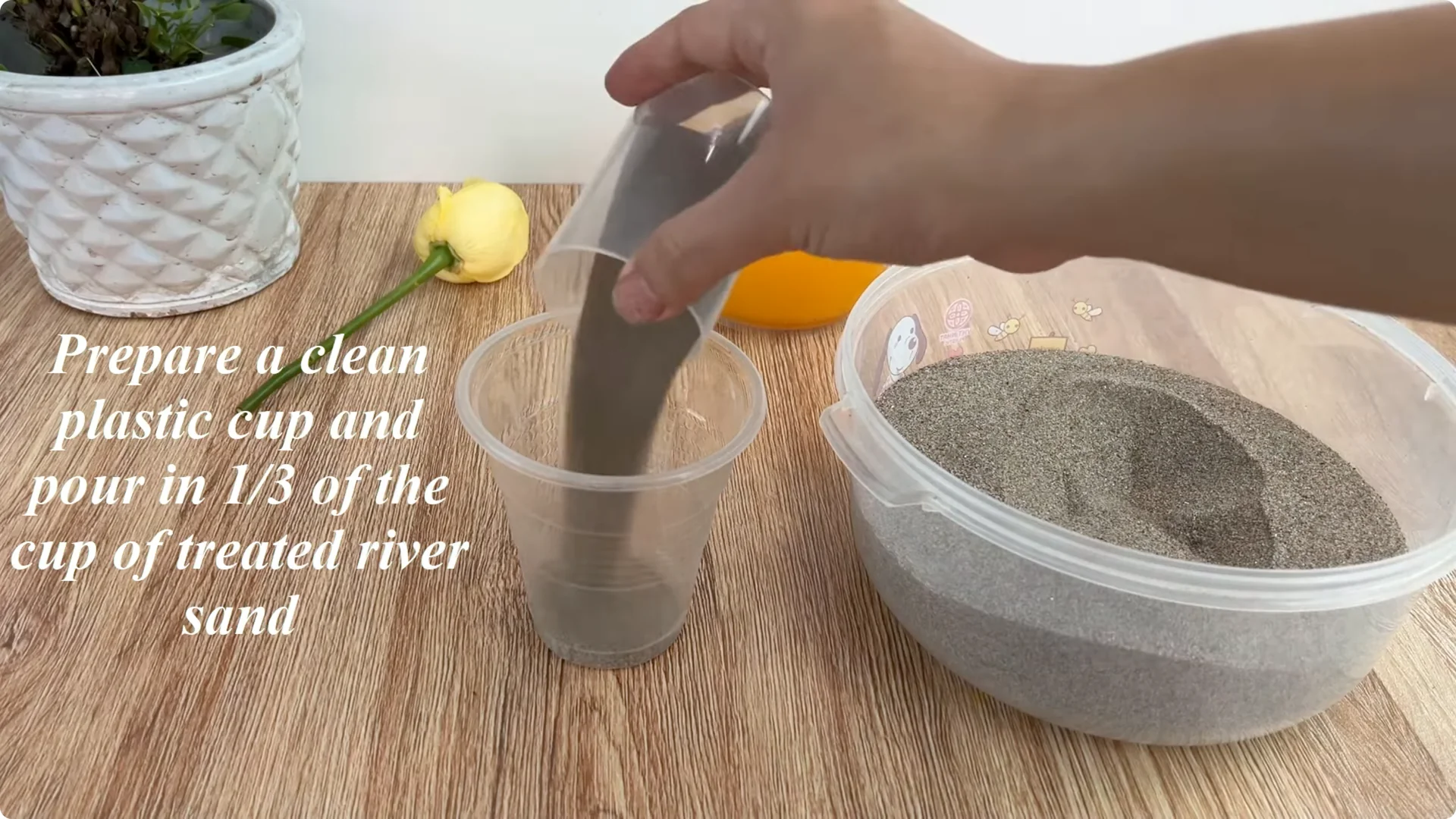
Sand is ideal at the root stimulation stage because it is airy and does not retain water for too long. This minimizes the risk of rotting. Cover the entire cup with a plastic bag or transparent plastic cup to retain moisture while allowing observation inside.
Placement and rooting window
Put the cup in a cool, airy place, away from direct sunlight and wind. After about 10 days, the dry branch eyes begin to sprout green buds, signaling that the tissue has revived. Countless white, round, plump roots appear at the base, clinging around the stem like tiny legs trying to reach the ground.

If you want faster timelines, see how to get a root sprout almost overnight in this tutorial: rapid sprout method. When the branch has a complete root system, move it to a larger pot. A coconut fiber substrate is a suitable choice thanks to its good moisture retention but still airy.
Basic aftercare
Care for it like a normal rose. Water regularly and place it in a spot with mild sunlight. You will soon have a new rose canopy that you propagated yourself.

Final Thoughts
With ginger, eggshells, and oats, you create an antibacterial, mineral rich, energy boosting bath that supports quick rooting. With turmeric, onion, and rice, you disinfect, stimulate root cell division, and feed the cutting through the critical period. Use clean river sand, maintain a gentle microclimate, and you will see fresh shoots and white roots form in as little as one to ten days.