
Each rose branch is not just a branch, but also a symbol of patience, faith and love of nature. Things that seem to only serve daily meals can bring strong vitality to plants. I will share a special method that helps propagate roses very effectively.
1. Rose Propagation with Coffee
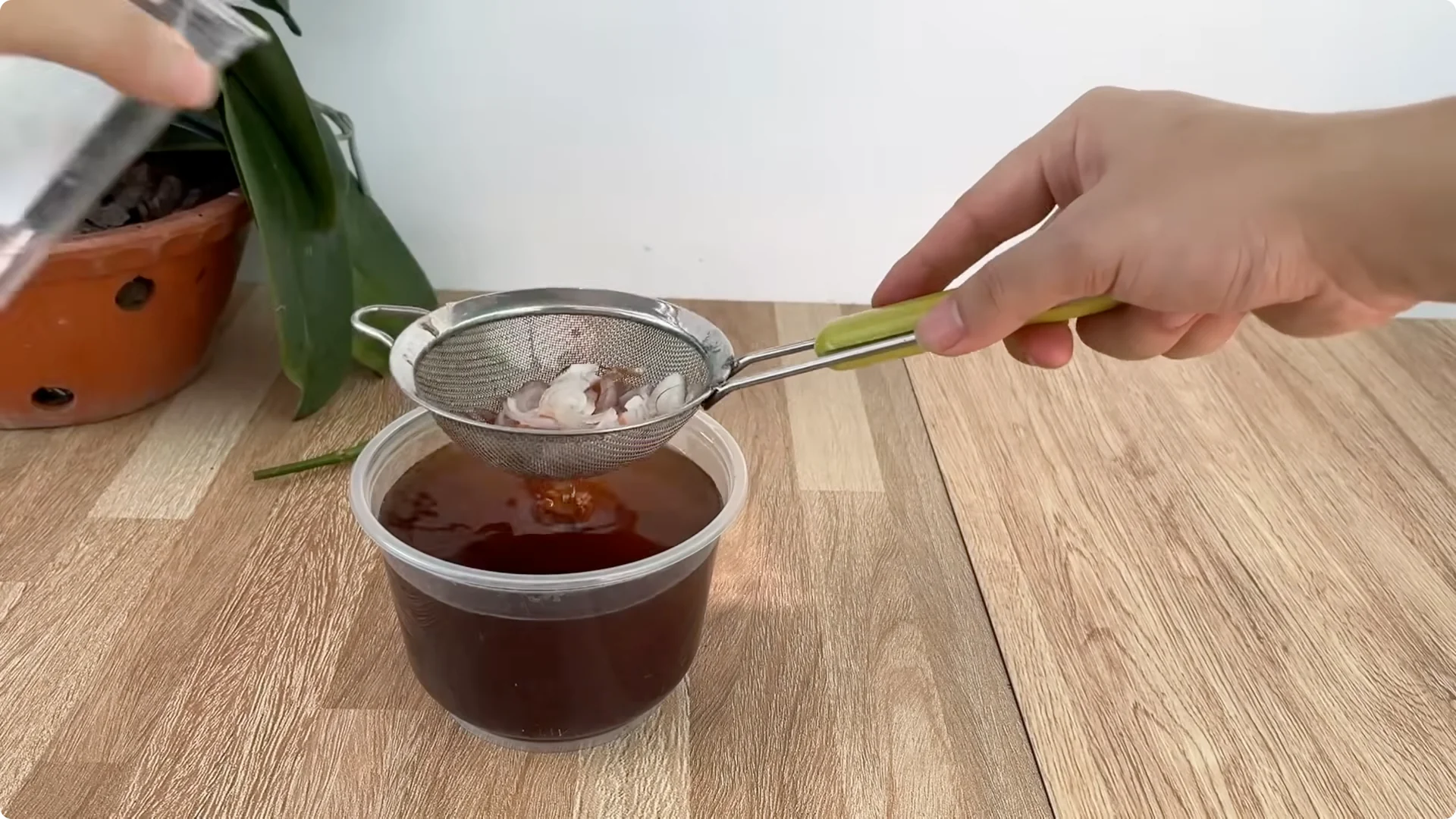
Prepare the coffee base
First, we prepare a teaspoon of coffee, put it in a clean glass jar and add 0.5 liters of boiling water. When the lid is closed and cooled, we have a solution containing many natural compounds.

Select and prepare the cutting
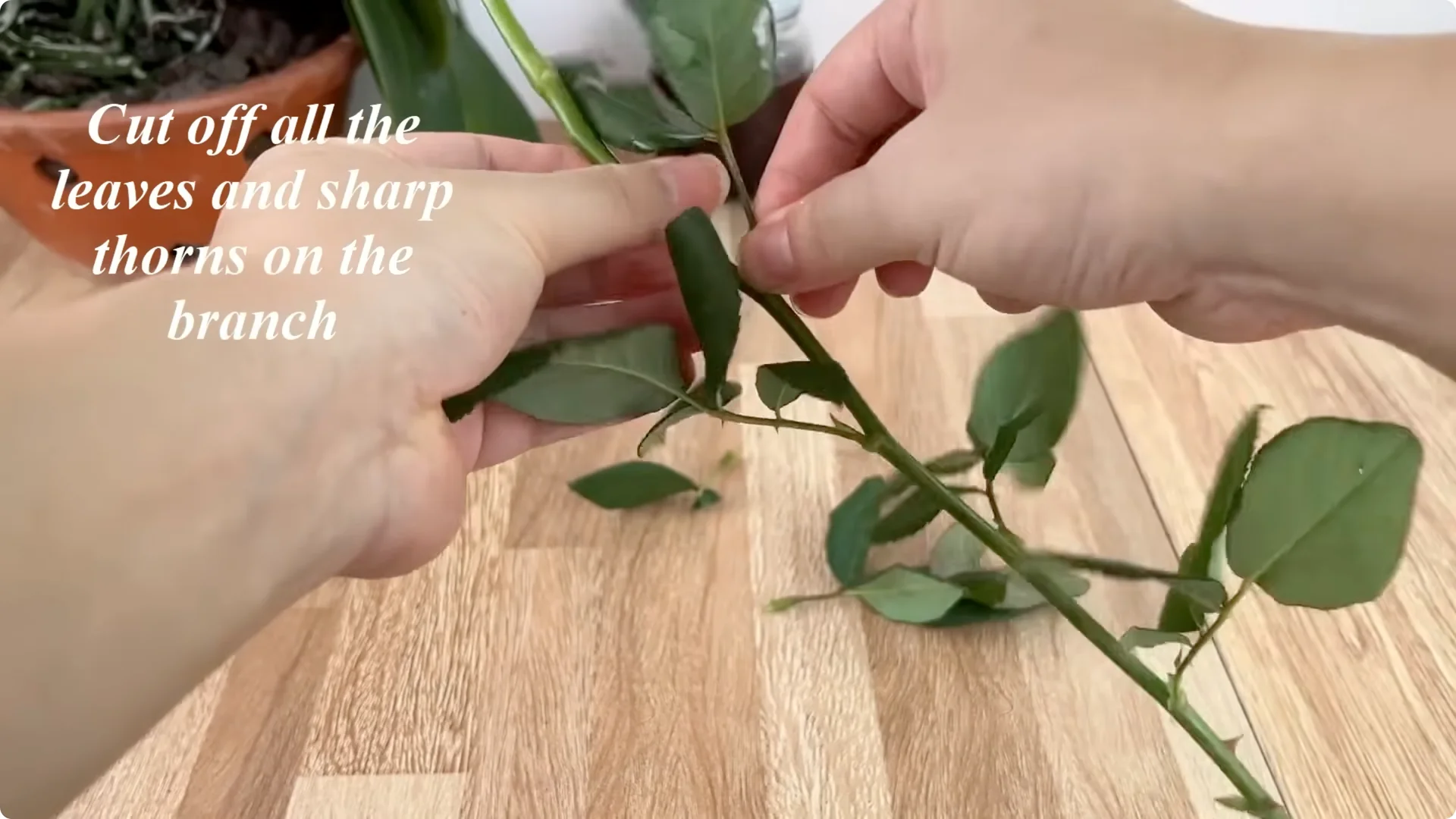
Next, we choose a healthy rose branch, moderately old, not too young to easily wither, nor too old to slow down rooting. Cut off all the leaves and sharp thorns so that the plant can concentrate nutrients on the stem. Then, cut the branch short, leaving only about 15-20 cm.
For another simple boost, see spoonful trick.
Make the shallot-honey soak
Prepare a purple onion, cut into small slices, and put it in a clean plastic cup. Purple onions are famous for containing sulfur compounds and phytoncides – substances with natural antibacterial and antifungal properties. When put into the solution, the shallots will protect the cuttings from the risk of root rot while creating a healthy environment for young roots to form smoothly.
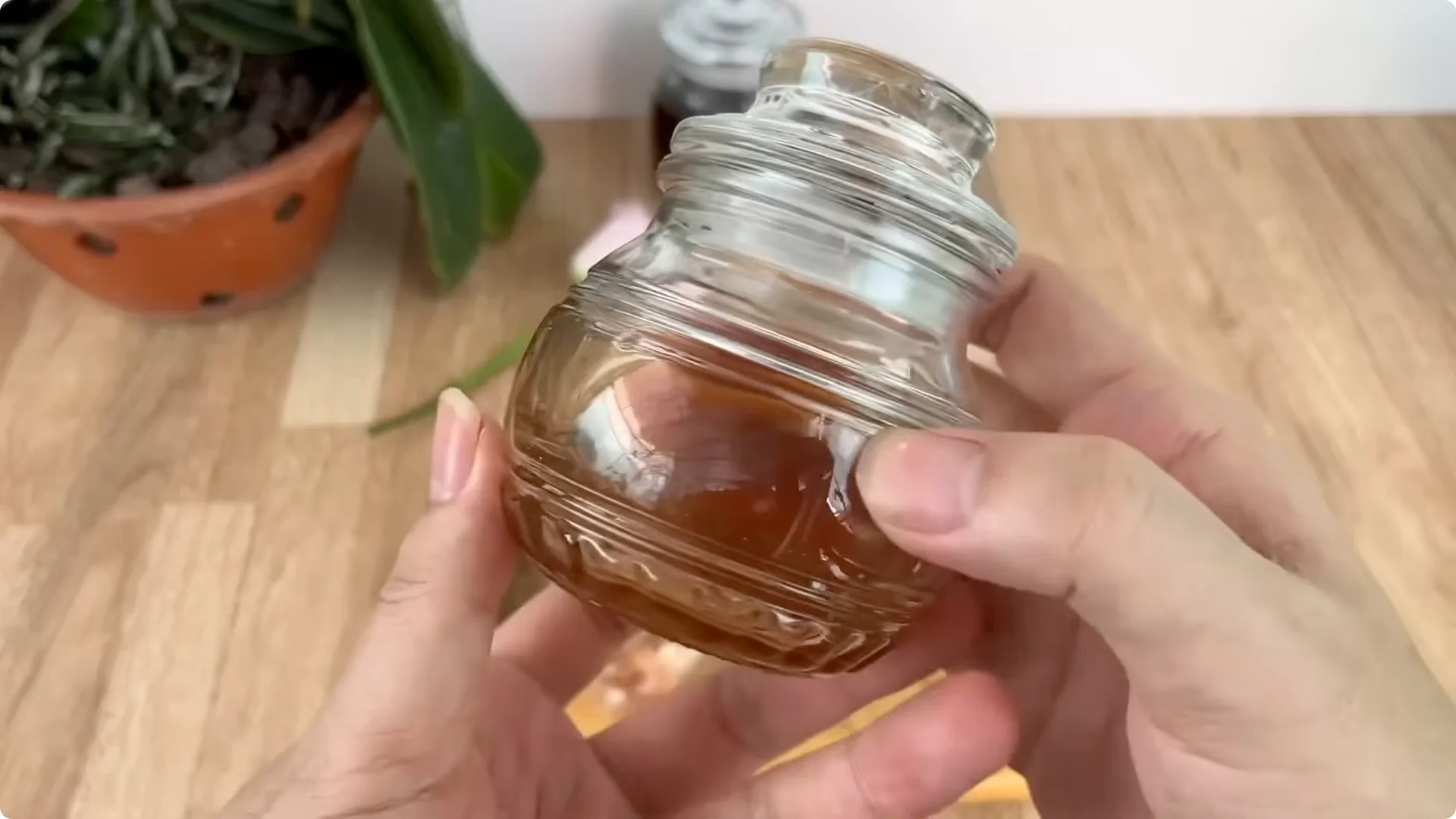
We add a spoonful of honey to the cup of shallots. Honey is not only a nourishing sweetener, but also acts as a mild antiseptic helping to disinfect the cut at the base of the flower branch. Next, we pour 0.5 liters of clean water into the cup containing the shallots and honey, then stir well.
At the same time, the enzymes and natural sugars in honey are a quick source of energy helping to stimulate cell division in the scar tissue – where new roots will grow later. The rose branch is soaked in this solution for about 30 minutes.
Finish and filter the coffee
When the coffee solution has cooled, stir well and filter through a thin cloth to remove the residue, keeping the clear water. Coffee contains caffeine – a substance that helps stimulate cell division and increase metabolism in plants. In addition, coffee also contains trace minerals such as magnesium, potassium, phosphorus, etc. which contribute to creating a healthy nutritional environment for young roots when they begin to form.
Combine, plant, and cover
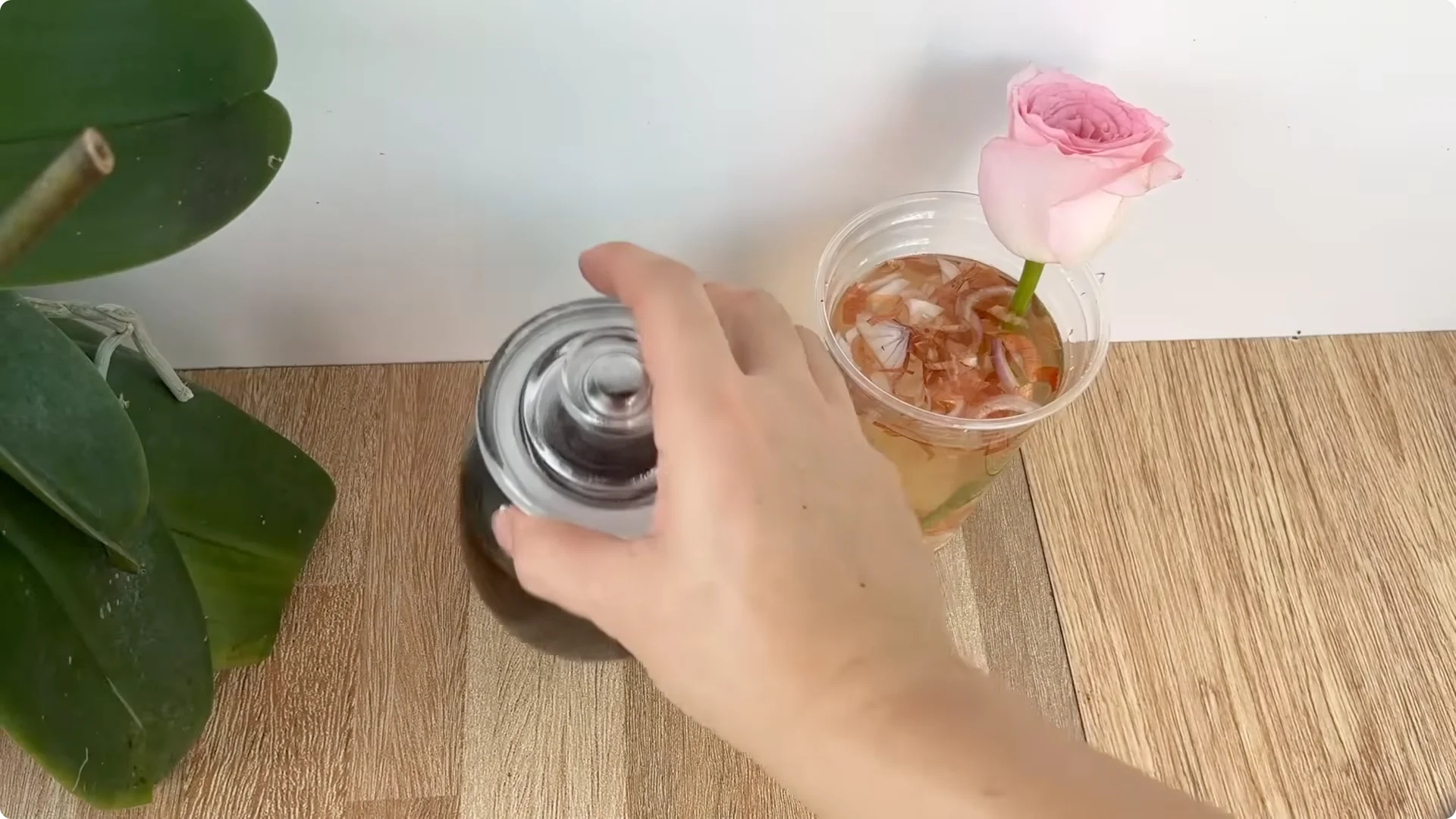
After the flower branches have finished soaking, the shallot – honey solution is also filtered carefully, then mixed with the coffee solution. This combination is like a synergistic formula: coffee brings energy and minerals, shallots fight bacteria and fungi, and honey protects and stimulates growth.
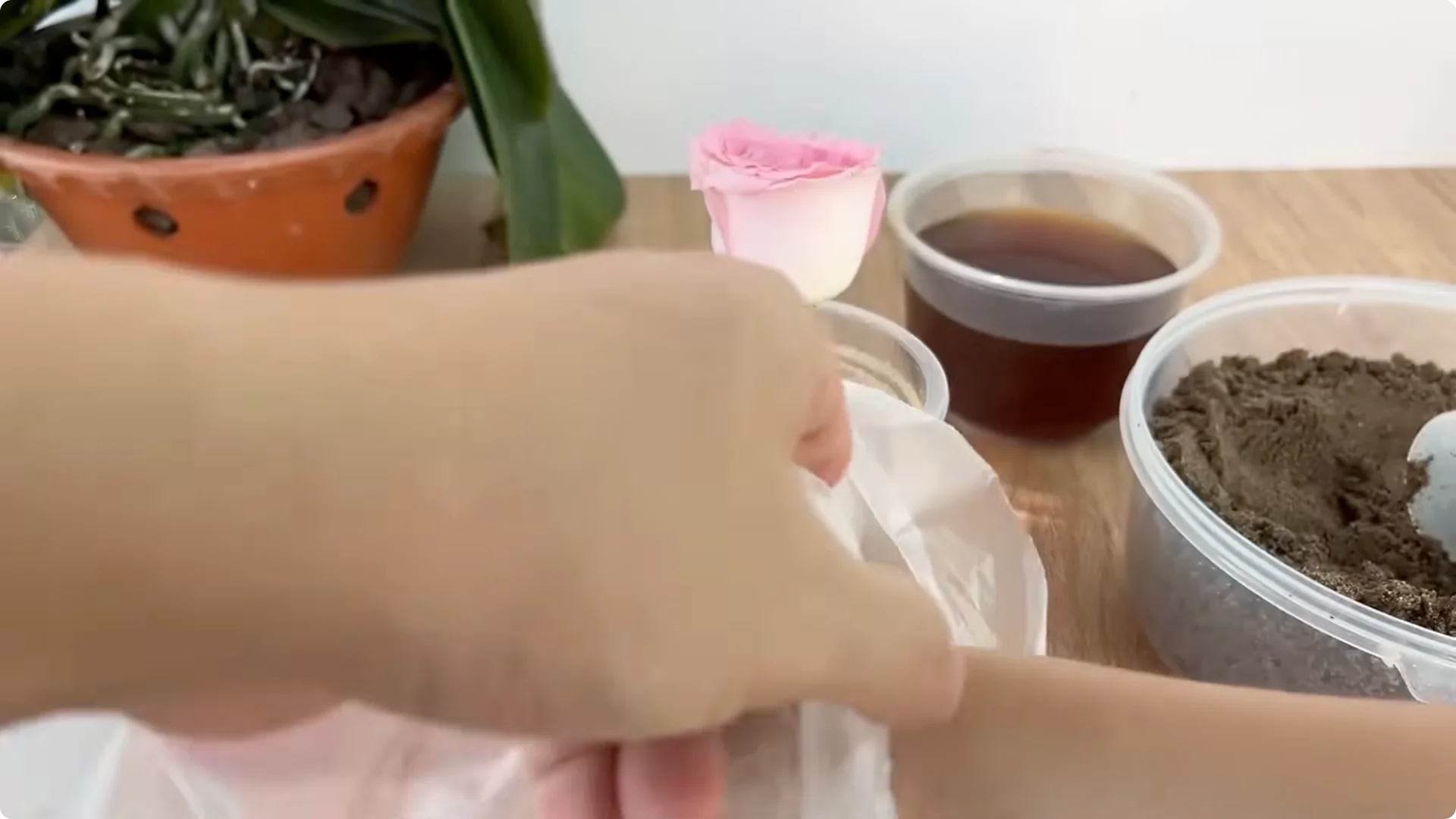
Prepare a clean plastic cup filled with treated river sand. This type of sand has a loose texture, drains well but still retains the necessary moisture – a great condition for new roots to breathe and develop. Then, pour in the coffee – shallot – honey solution, just enough to moisten the sand evenly, not too dry or too wet.
The rose branch is inserted into the middle of the cup, the flower stem is deeply immersed in the moist sand. Use a plastic bag or a transparent plastic cup to cover the mouth of the cup to create a microclimate like a mini greenhouse, helping to retain moisture and prevent evaporation. The cup should be placed in a cool place, away from strong winds and harsh sunlight so that the plant has space to recover and prepare for new life.
Results and aftercare
After only 10 days, you will see young green shoots sprouting full of vitality. In particular, new roots appear around the base of the branch – pure white, plump, proving that this method has really worked.
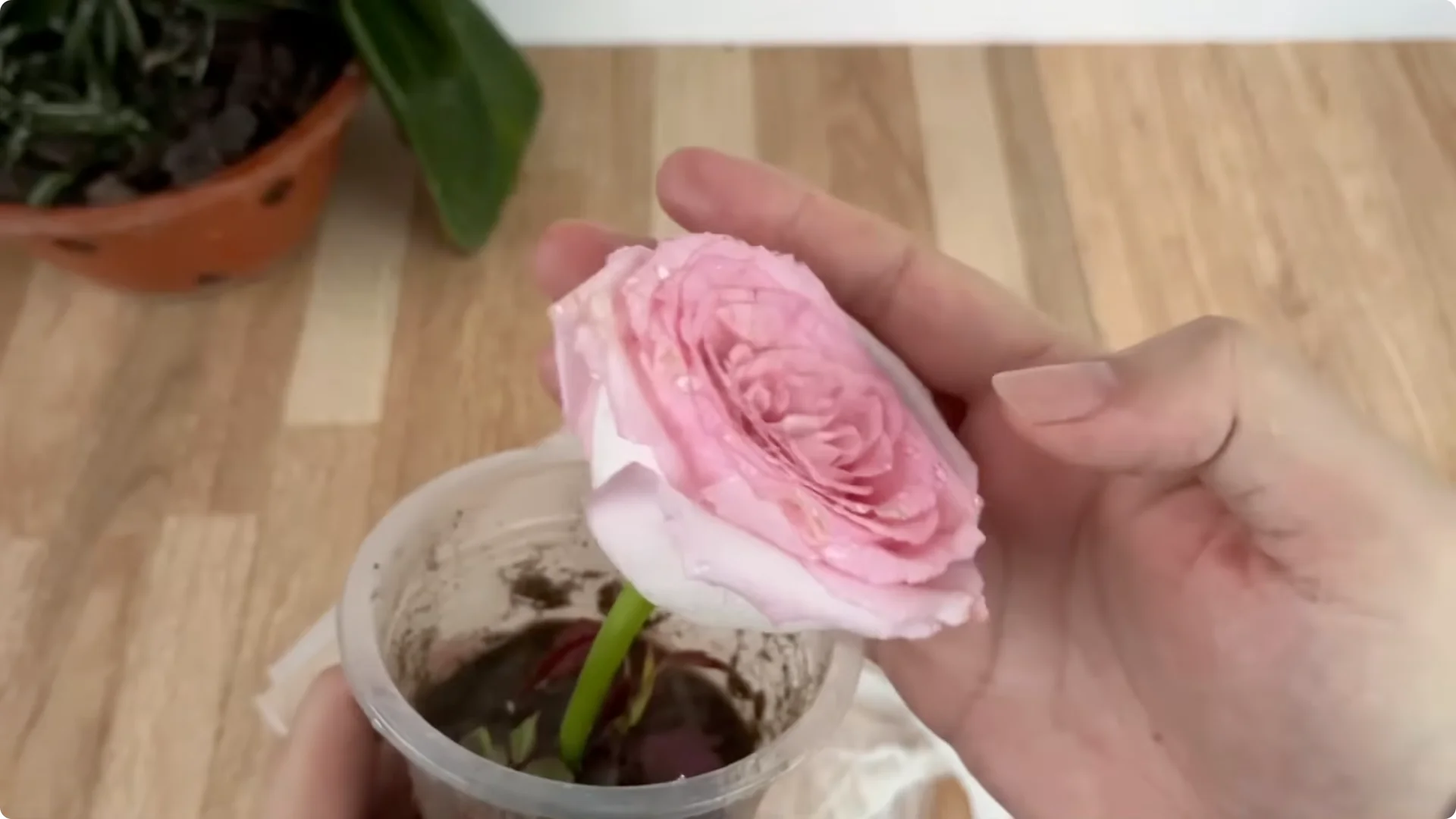
When the roots are long and healthy enough, we gently transfer the plant to a new pot with coconut fiber substrate or mix it with humus and organic fertilizer for the plant to continue growing. You can also try one egg to support rooting and blooms.
Thus, with just a few very familiar ingredients – coffee, shallots, honey – we have created a wonderful formula to successfully propagate roses. This is not just a random combination, but also a testament to the fact that nature always contains miracles. Every time you see new rose branches sprouting roots, you will clearly feel the joy from your own creativity and patience.
2. Cinnamon and Apple Alternative

Today, I will share with you an extremely simple but surprisingly effective method of propagating rose cuttings, helping you easily propagate your favorite roses.
Prepare the cinnamon solution
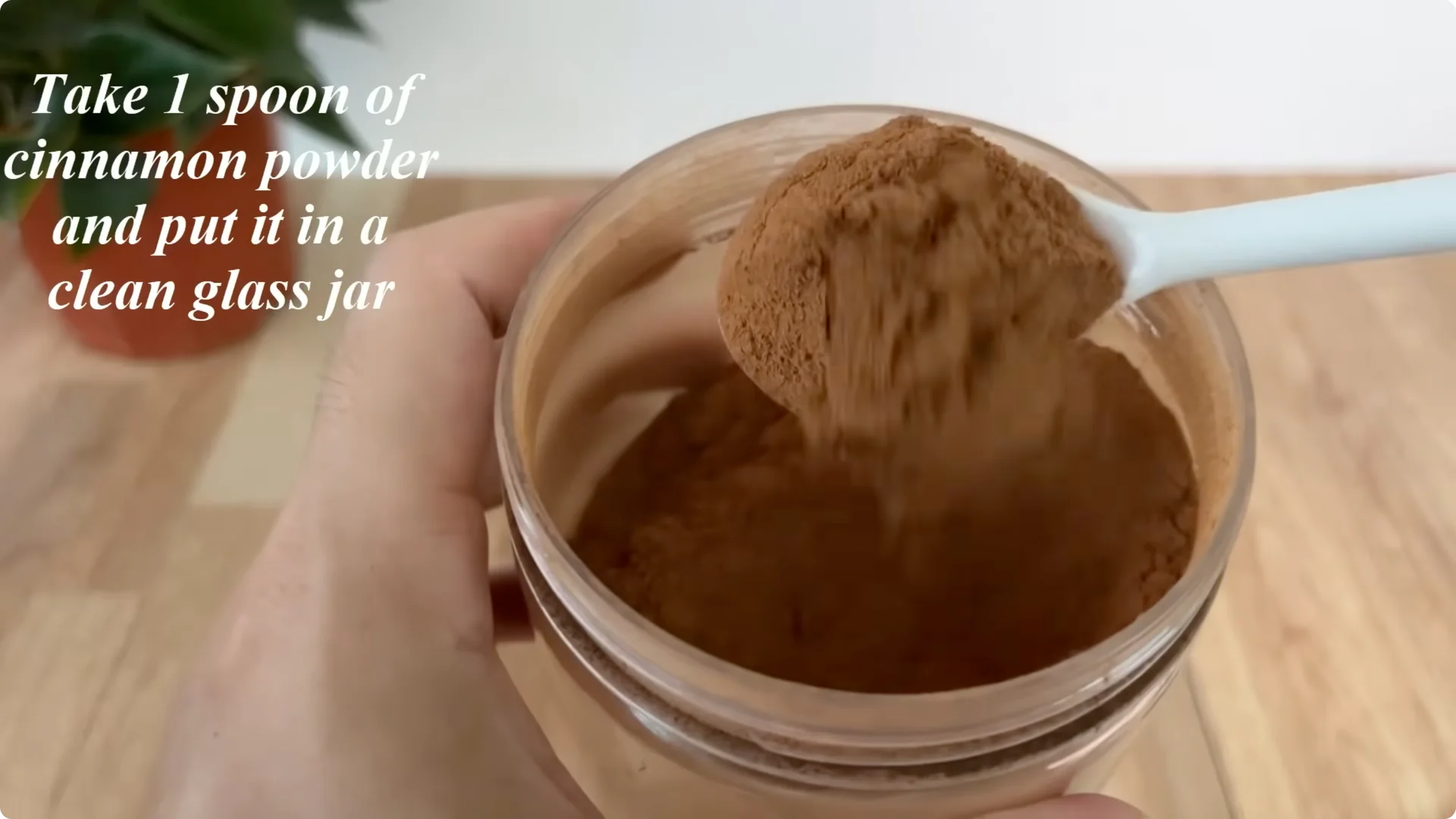
First, we prepare a spoonful of cinnamon powder, put it in a clean glass jar, add 0.5 liters of boiling water, stir well, cover and let cool. Cinnamon powder contains many essential oils that have natural antibacterial and antifungal properties. When dissolved in water, cinnamon solution helps protect the cut of the rose branch, prevents microorganisms from causing rot, and stimulates the formation of scar tissue at the base, creating favorable conditions for young roots to emerge.
Select and bevel the cutting
Next, we choose a healthy rose branch, free of pests and diseases, with moderate age. The branch is cut short, keeping the length about 15-20 cm, removing all leaves and sharp thorns to reduce water loss. In particular, the stem needs to be cut at a 45-degree angle.
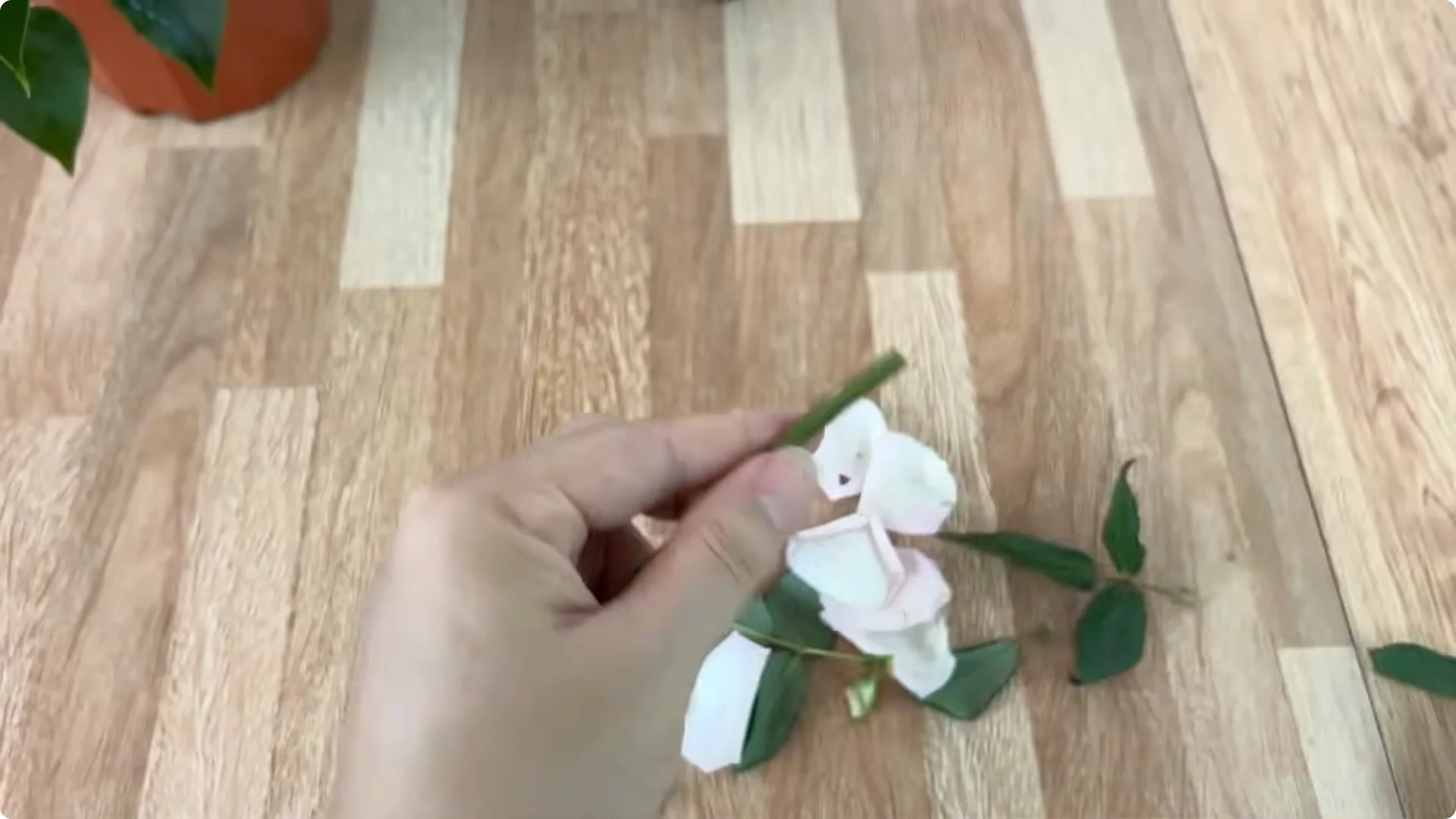
The beveled cut helps increase the contact area, thereby making it easier for the branch to absorb nutrients while creating a suitable surface for new roots to form.
Sanitize and soak
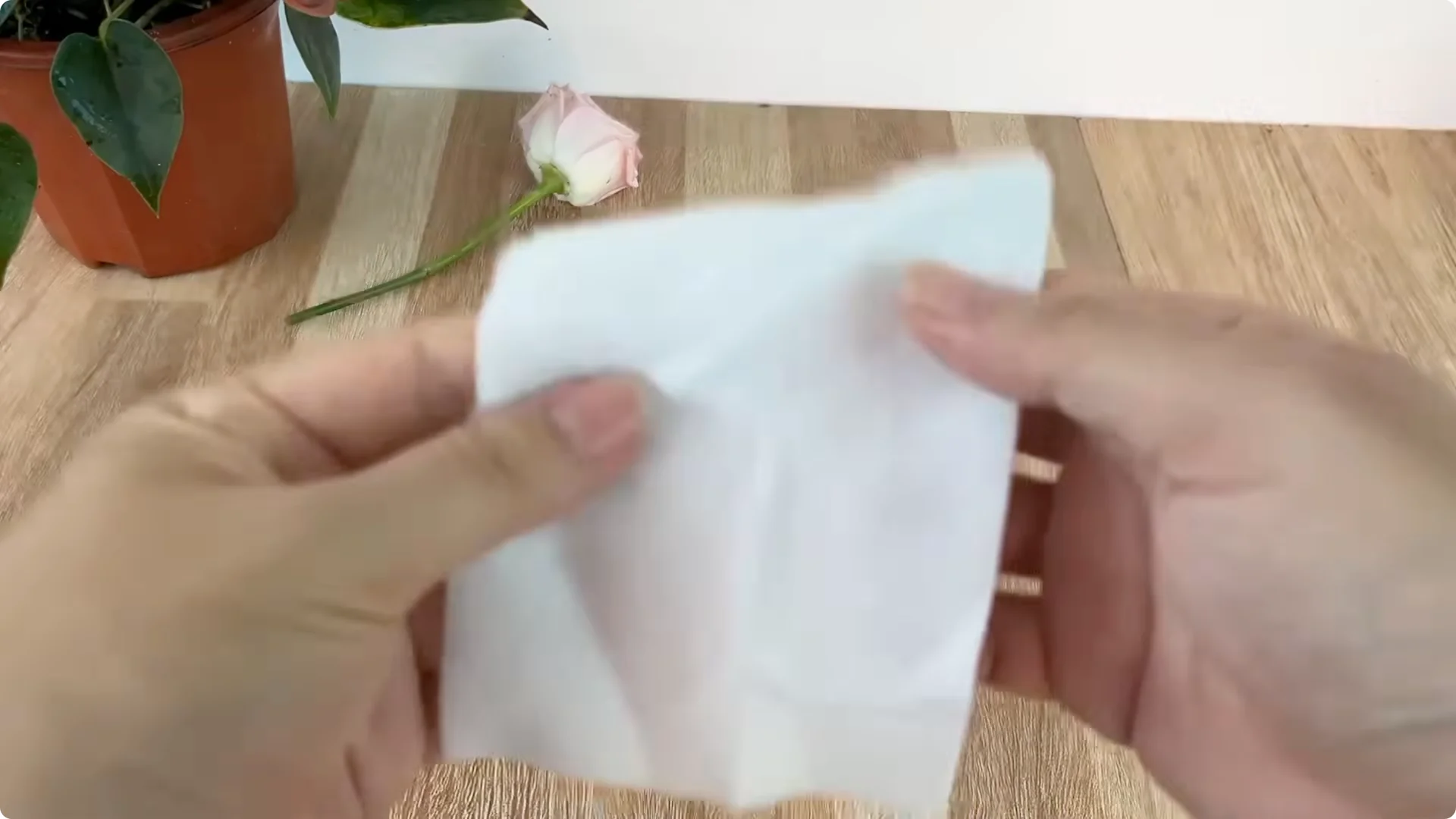
After the cinnamon solution has cooled, stir it well one more time, then filter it through a thin layer of cloth to collect the clear solution. Use a soft cloth to absorb the cinnamon solution and wipe the entire flower branch. Then, soak the flower branches in cinnamon solution for about 30 minutes so that the nutrients penetrate deep into the wood tissue, stimulating the ability to root.
Make the apple energy mix
While waiting for the branch to soak, prepare another apple. After washing the apple, cut it into about 20 grams and then chop it into small pieces and put it in a clean plastic cup. Apples contain many natural sugars, vitamins and minerals, especially malic acid and enzymes that are beneficial for root development.
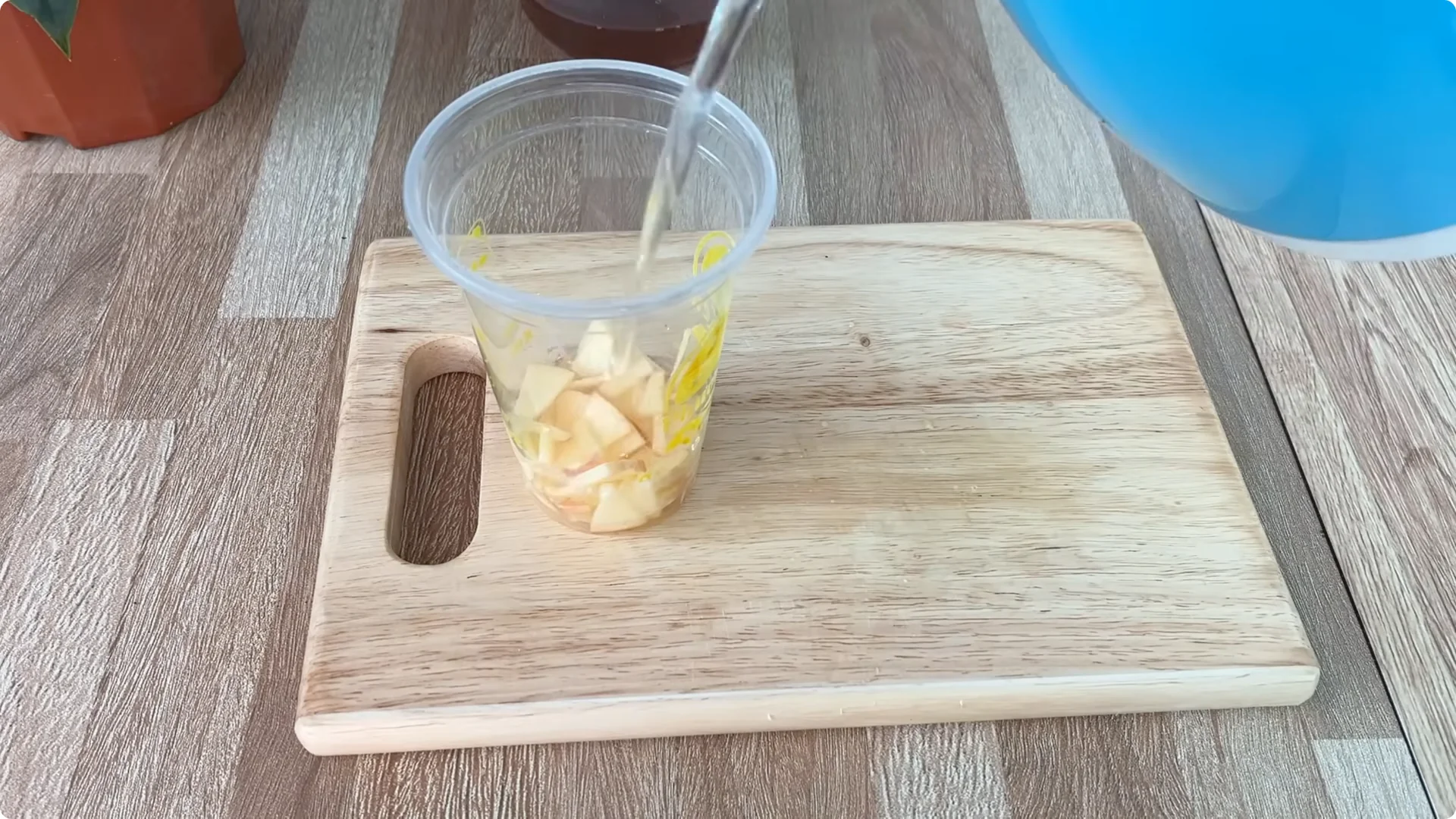
Thanks to this abundant source of energy, the newly formed roots will be given more strength to grow quickly and healthily. Add 0.5 liters of warm water, stir well and let it sit for 30 minutes. When the flower branches have soaked for enough time, filter the apple solution to remove the residue, collecting the clear water.
Mix the apple solution and cinnamon solution together, they complement each other perfectly: cinnamon helps to kill bacteria and stimulate, while apples provide nutrition and energy. This is the combination of protective shield and food source for rose branches during the rooting stage. For a quick liquid feed, see one cup.
Bag, seal, and root
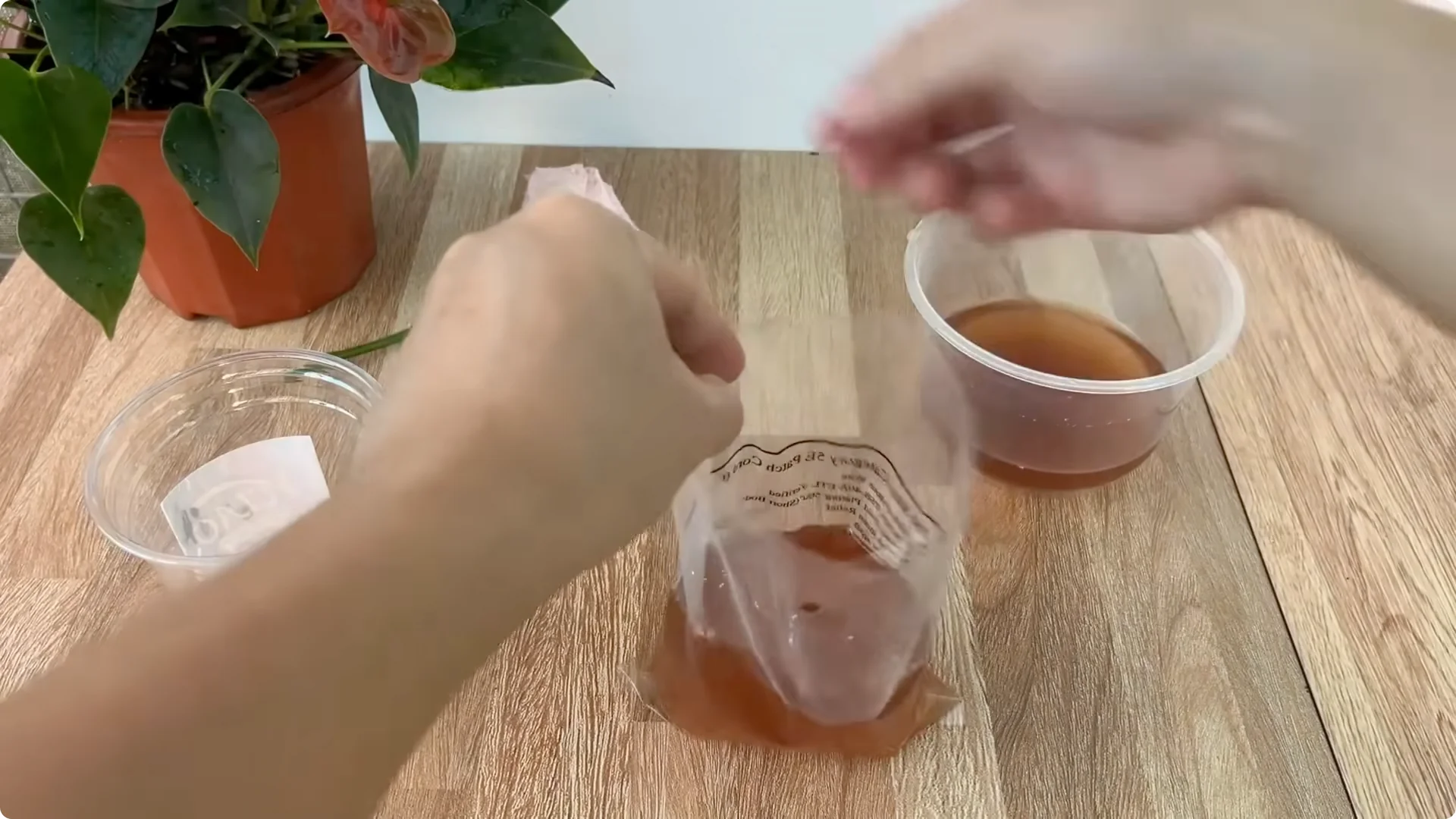
To proceed with cuttings, we prepare a clean plastic bag, pour cinnamon – apple solution into about half of the bag, then insert the rose branch and tie the bag tightly. This plastic bag will be placed in a clean cup to secure it, then use another cup upside down on top to create a closed space. This method helps maintain stable humidity, limits bacteria from entering, and creates an ideal microclimate for rooting.
Results and joy
After about 10 days, new shoots begin to sprout, plump and sturdy. At the base, a series of healthy white roots have grown, hugging the stem. This is clear evidence that the simple combination of cinnamon powder and apples can bring outstanding results in rose cuttings.
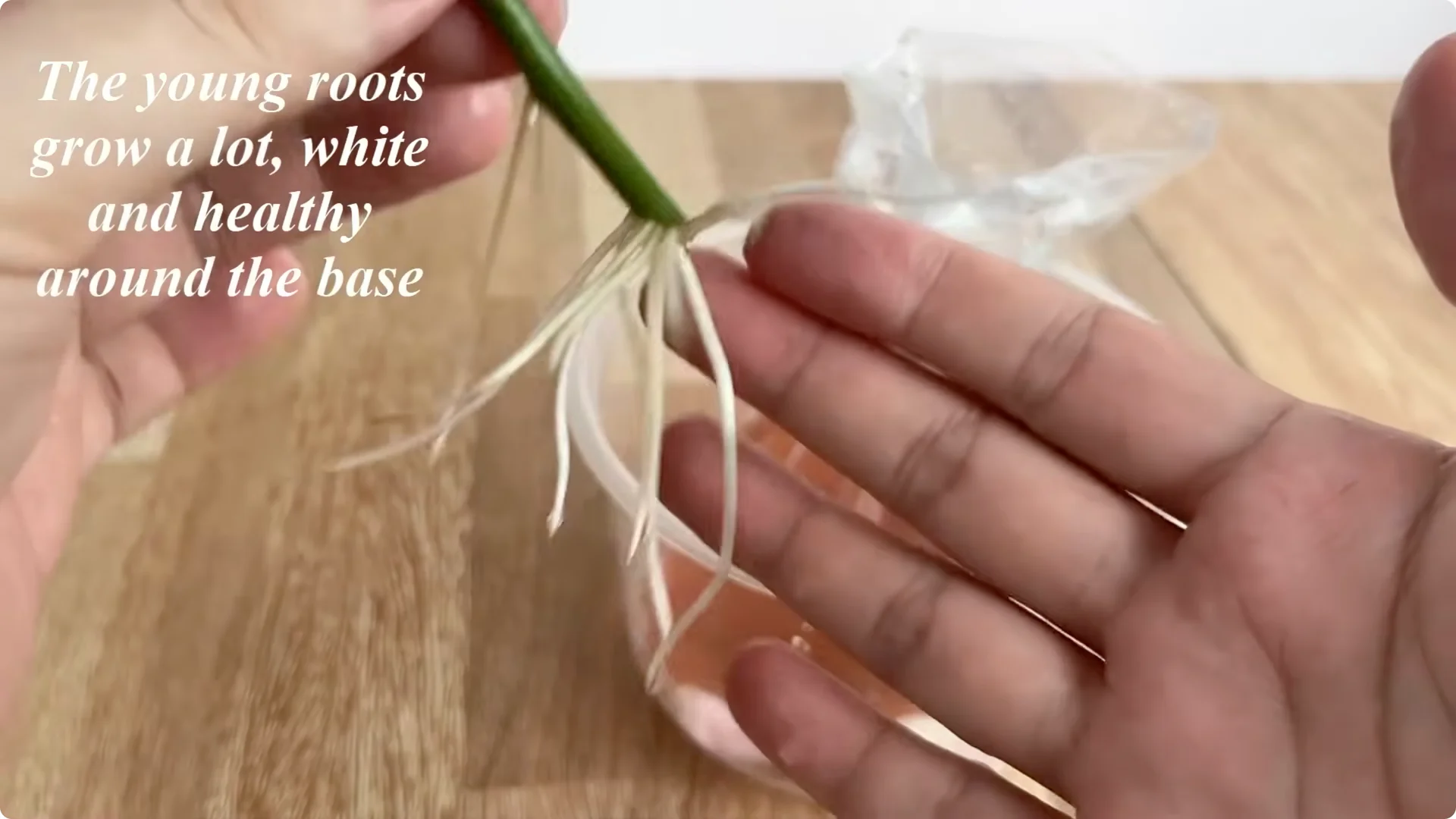
It is amazing that with just familiar ingredients in the kitchen, we can successfully propagate roses. From a few small branches, you can soon have a space filled with fragrance and color.
Final thoughts
Coffee with shallots and honey gives energy, protection, and gentle stimulation for fast, clean rooting. Cinnamon with apples offers a protective shield and a steady food source that helps new roots form strongly. Choose the method that fits your setup, keep humidity stable, and enjoy the moment new roots appear.