
Have you ever wondered why the same rose branch, some people root well when planted, while others fail? I will guide you through a very special recipe that can turn a seemingly barren rose branch into a young, vibrant plant.
For more simple ideas, see more tricks.
Rose Propagation with Coffee

1. Brew the base
Add 1 teaspoon of coffee to a clean glass jar and pour in 0.5 liters of boiling water. Cover tightly and let it cool for about 1 hour.
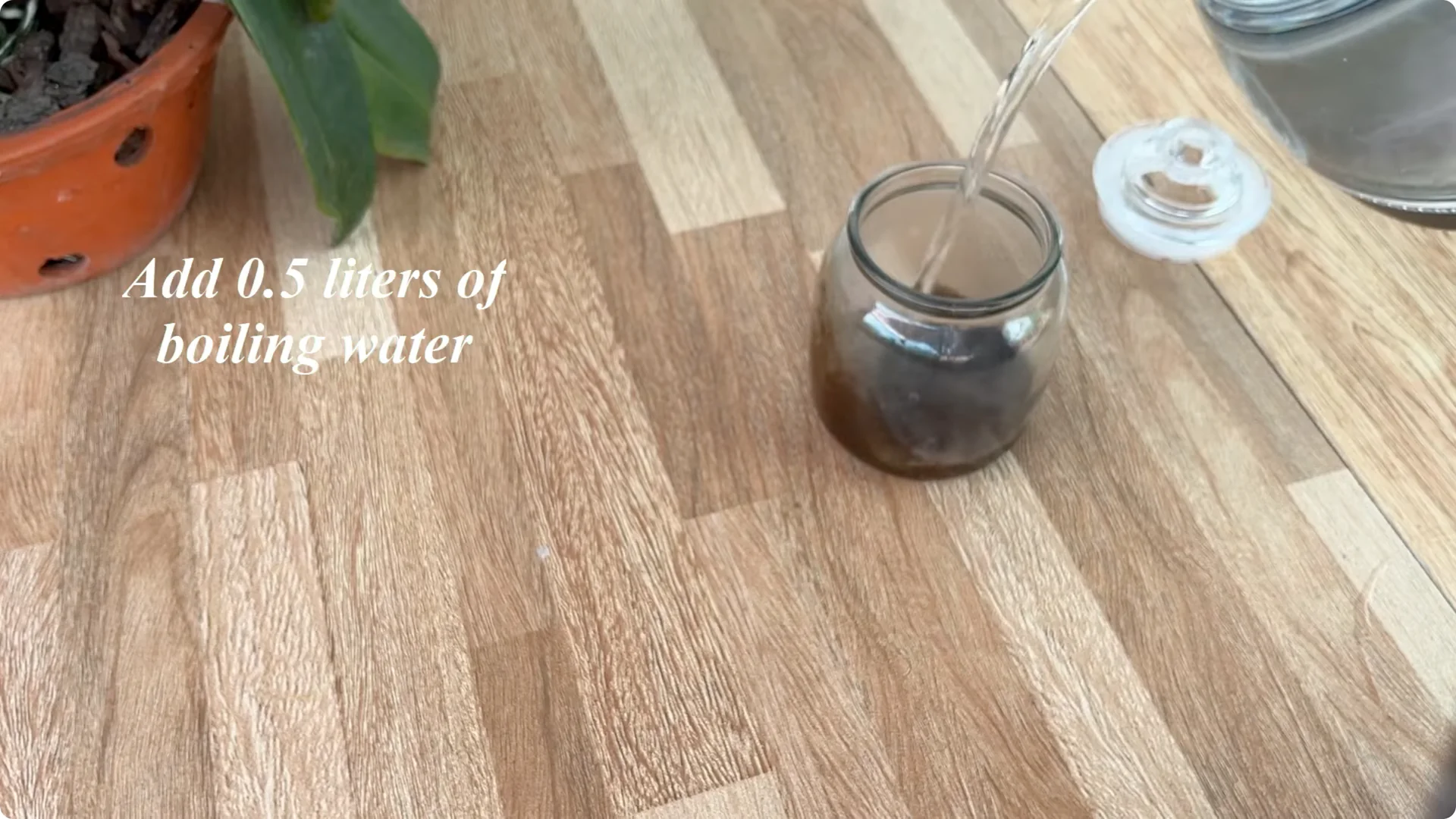
When the coffee solution has cooled, filter out the residue, keeping only the clear water. Coffee powder contains many organic compounds, especially caffeine, organic acids, and minerals such as potassium, magnesium, and phosphorus. These substances help stimulate plant cells to work more strongly, promoting the formation of new roots.
2. Select and prepare the cutting
Choose a favorite rose branch that is moderately old, not too young or too dry and hard. Cut it short to about 15-20 cm, and remove all leaves and thorns to avoid loss of nutrients.
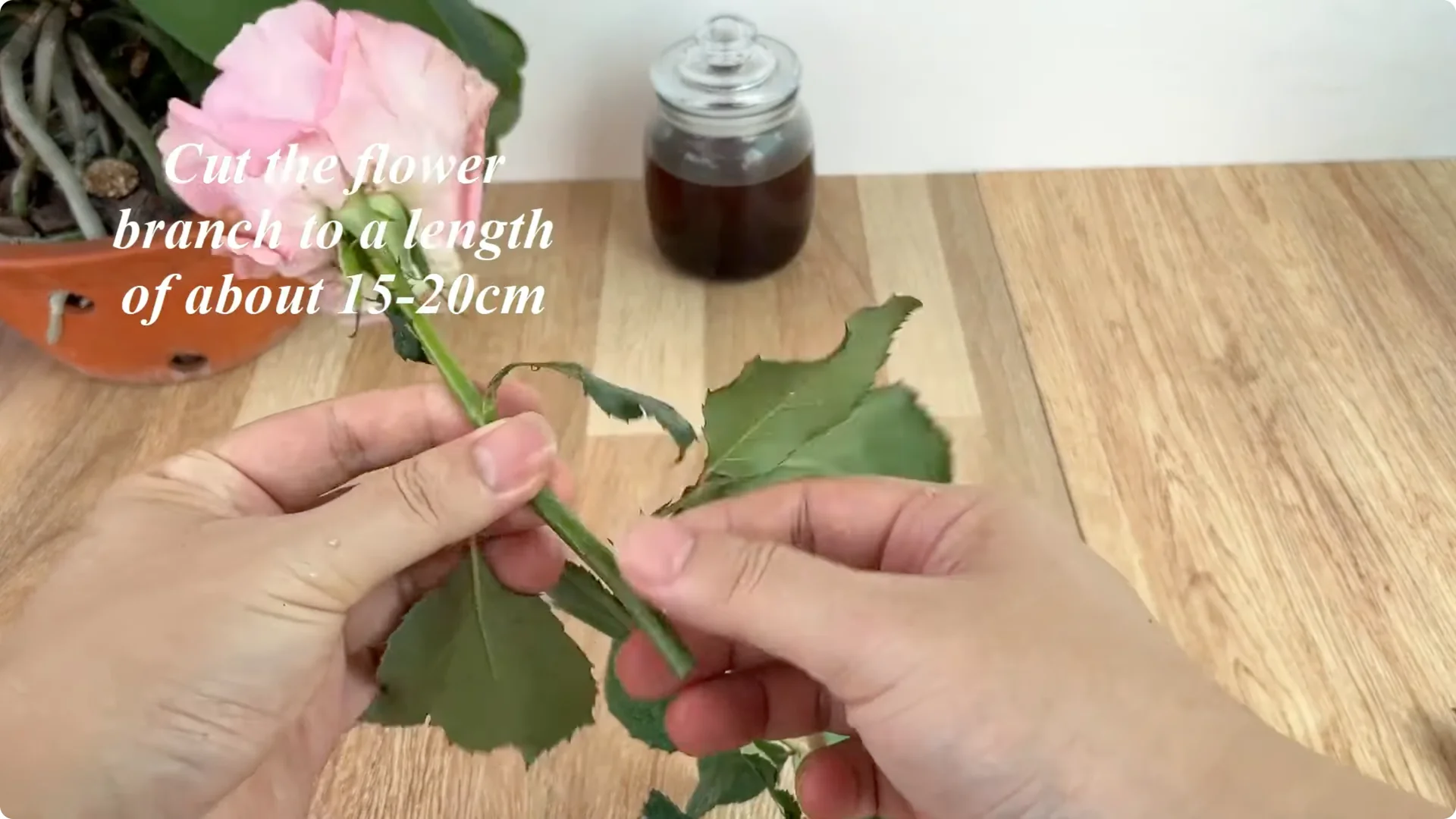
This step is extremely important, because if the leaves and thorns are left the branch will lose a lot of water and nutrients, causing the rooting process to slow down or fail. When cut neatly, the flower branch is like a “pipe” ready to absorb nutrients from the solution.
3. Add lemon for protection
Prepare a fresh lemon, cut into thin slices, and put the slices directly into the coffee solution. Lemon is rich in citric acid and vitamin C, which helps to disinfect and prevent fungal diseases.
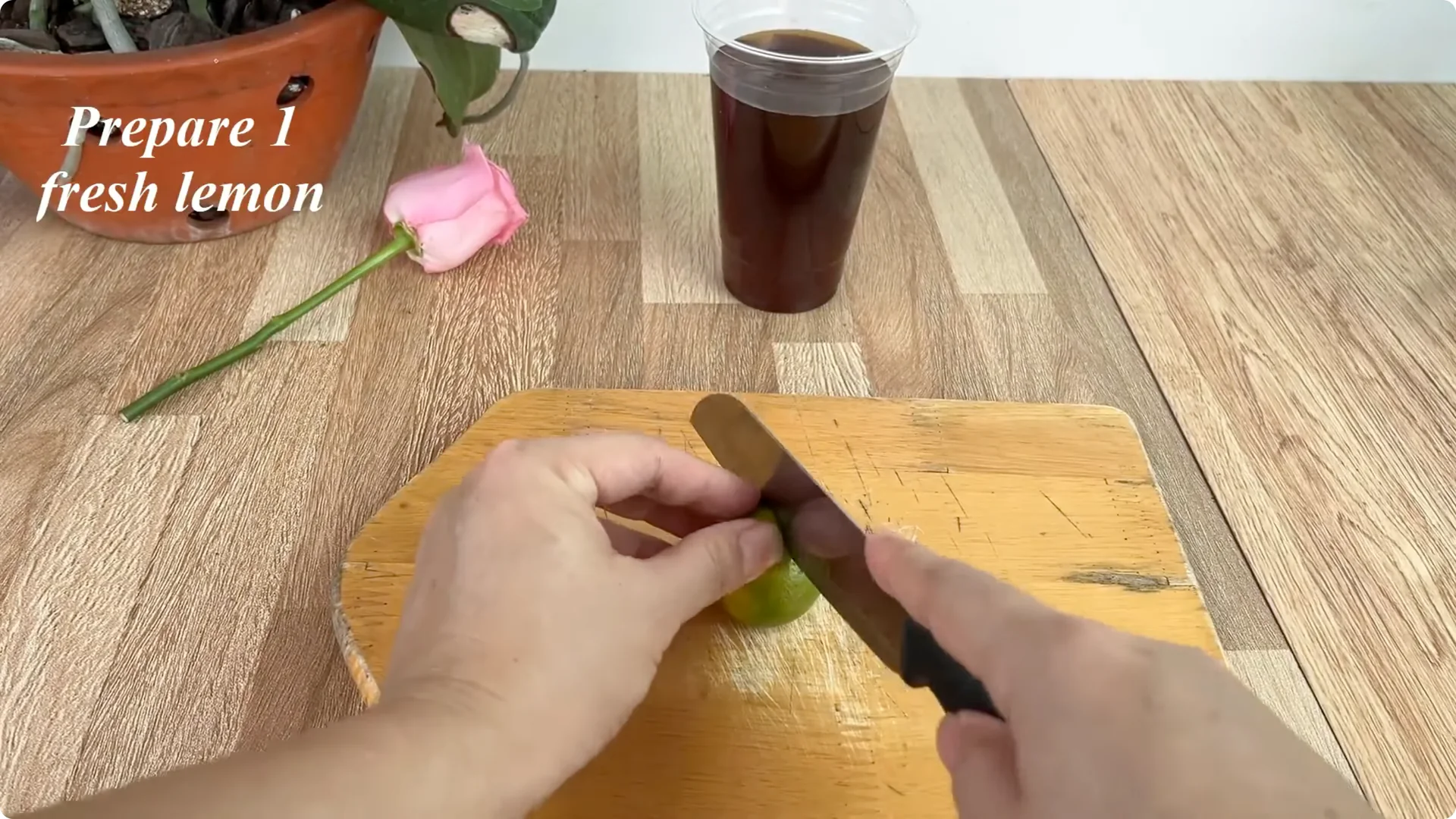
It also increases the mild acidity of the solution, creating a favorable environment for young roots to form.
4. Enrich with cucumber peel
Wash a cucumber, peel it, then cut the skin very small. Cucumber peel is rich in silicon, potassium, and antioxidants.
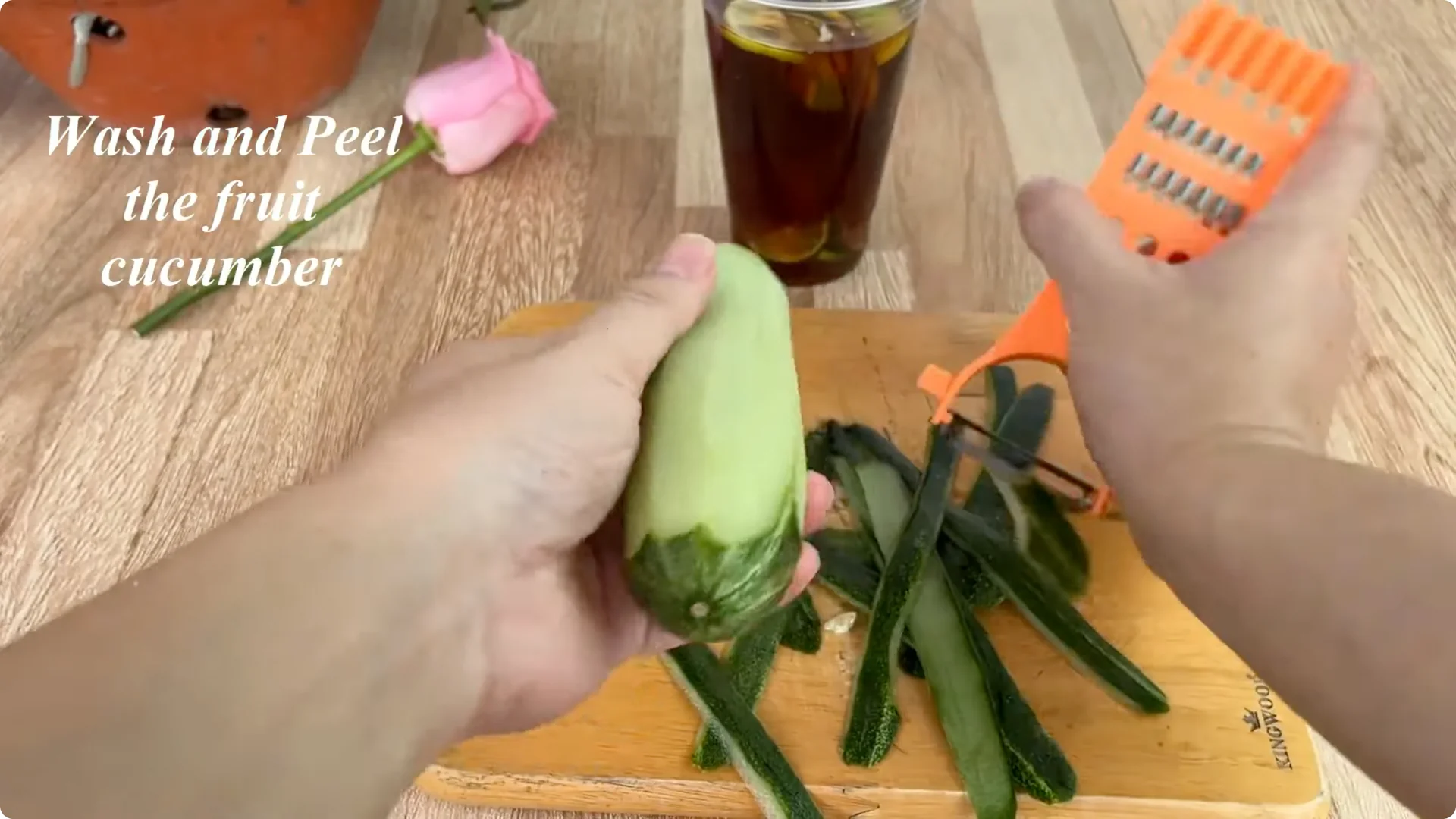
These substances have a cooling effect, hydrate, and increase the flexibility of new root tissue. In particular, silicon in the cucumber peel also helps the plant resist pests and harsh weather better.
5. Soak the cutting
Put the chopped cucumber peel into the coffee solution. Stir the solution well and soak the rose branches for about 30 minutes.
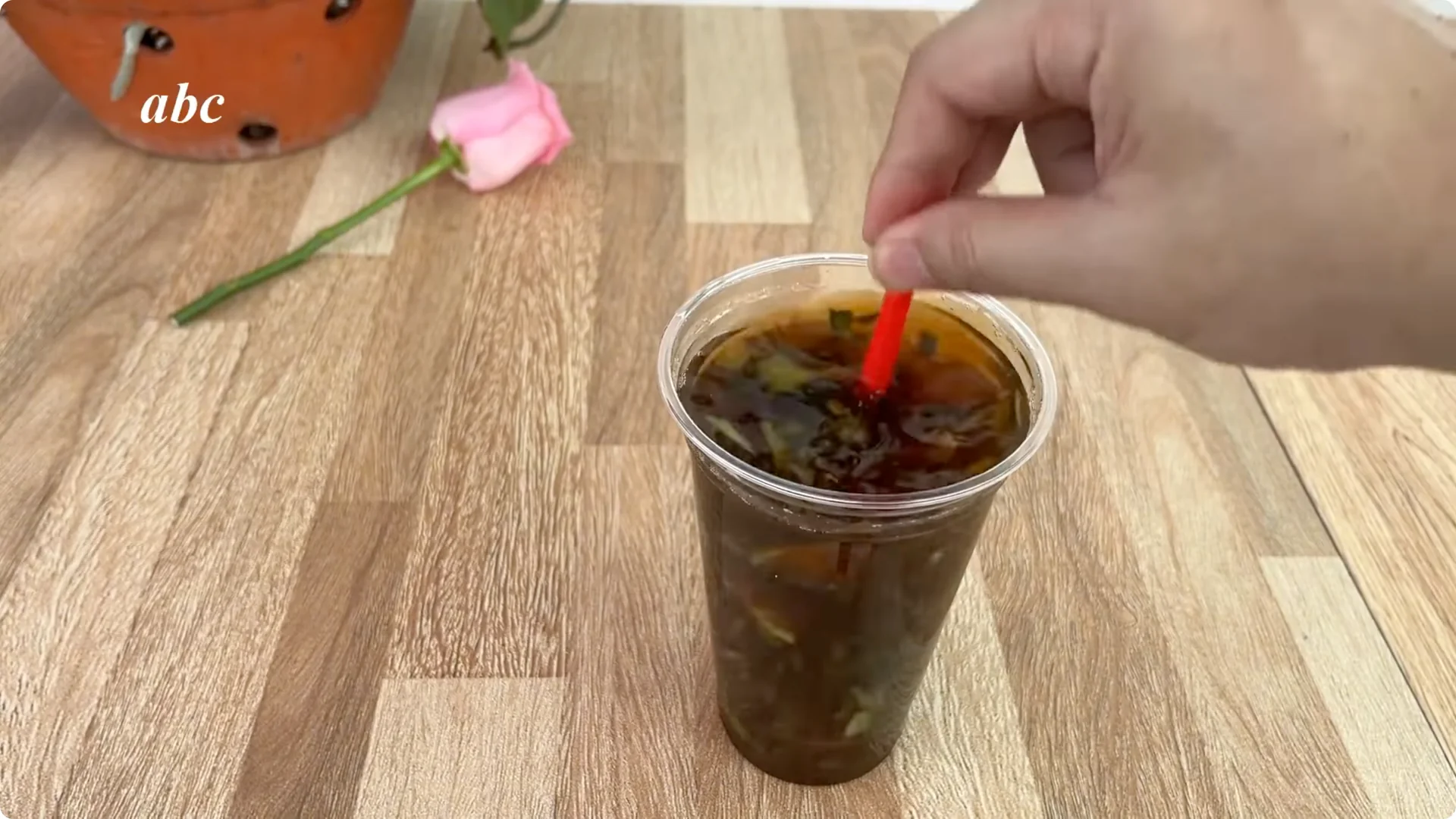
This is the stage when the branches absorb nutrients directly, like being “injected with energy” before being planted in the substrate. For another simple rooting approach, see garlic cuttings.
6. Strain and dilute
After soaking for enough time, take out the rose branch and set it aside. Stir the remaining solution again, then filter out the residue to get clear water.
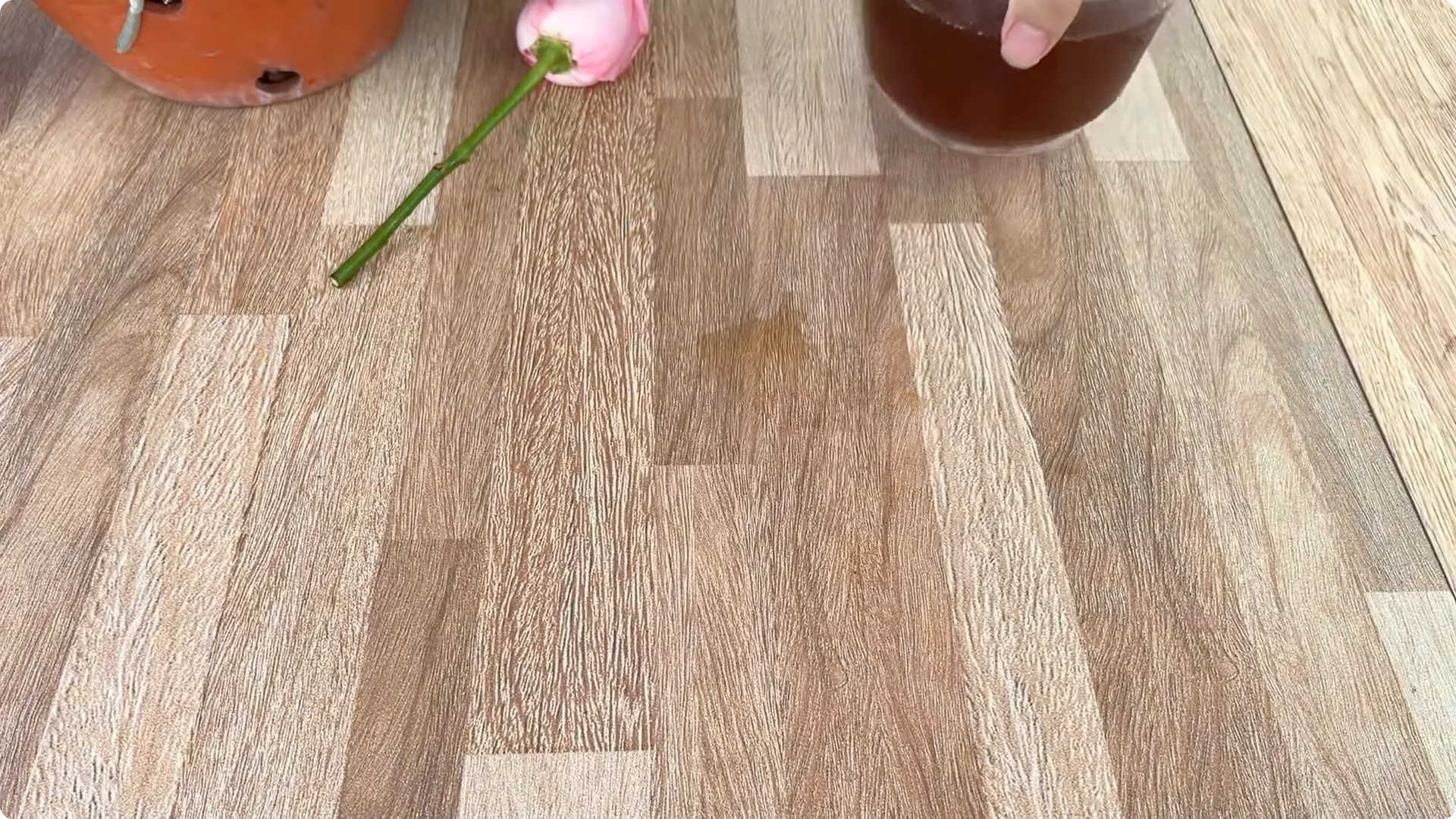
Coffee has mild antibacterial properties, helping to reduce the risk of mold in the early stages. Next, dilute the solution with 0.5 liters of clean water.
Diluting helps the solution become balanced, avoiding a concentration that can “burn the roots” or damage the branch.
7. Prepare the medium
Prepare a clean plastic cup and fill it with treated coconut fiber, then compact it. Coconut fiber is an ideal substrate because it has good moisture retention but is still airy, creating an environment for root development.
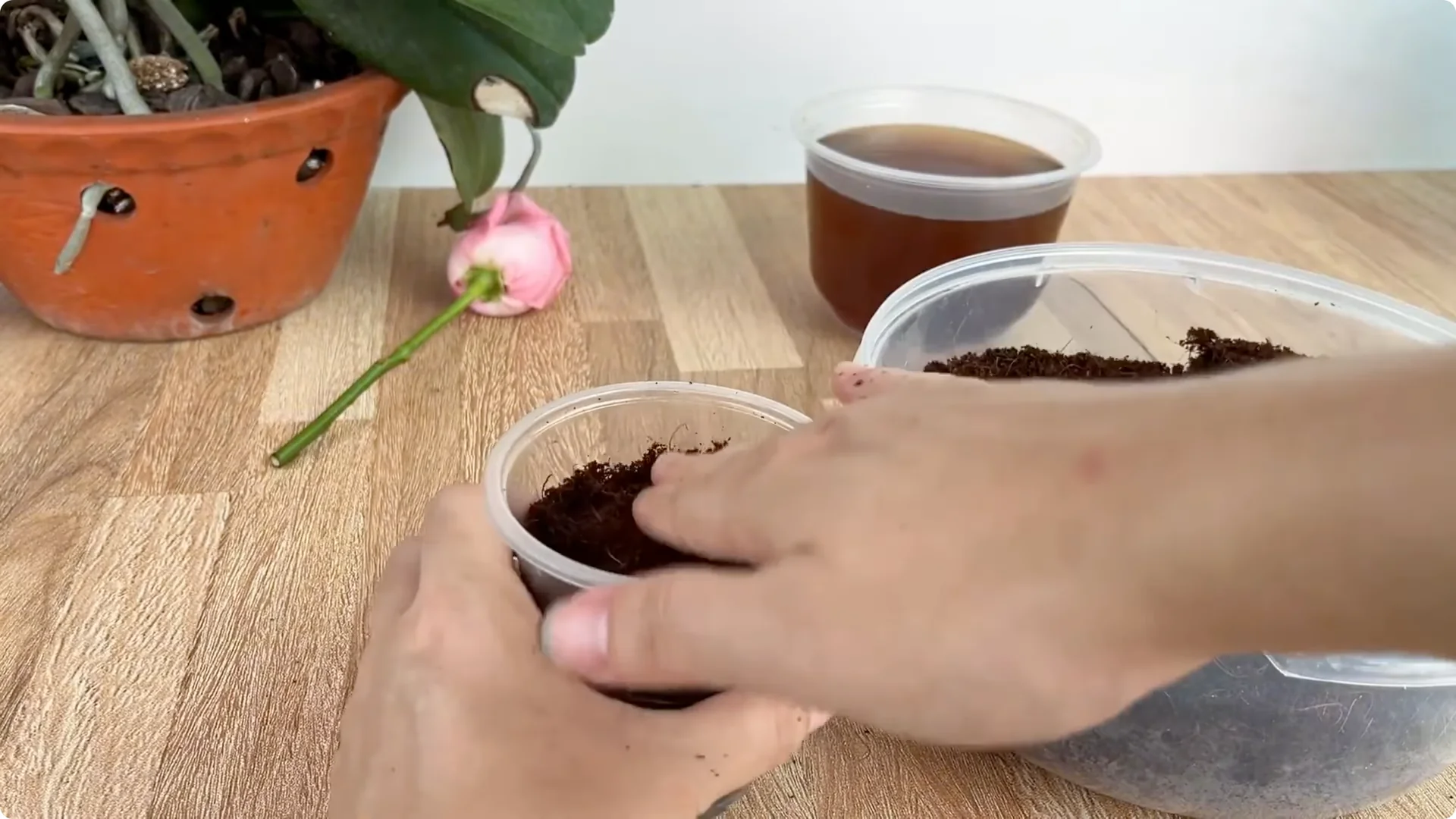
8. Plant the cutting
Pour the coffee – lemon – cucumber peel solution into the cup with enough amount, not too much. Insert the rose branch in the middle of the cup, making sure the base is surrounded by coconut fiber.
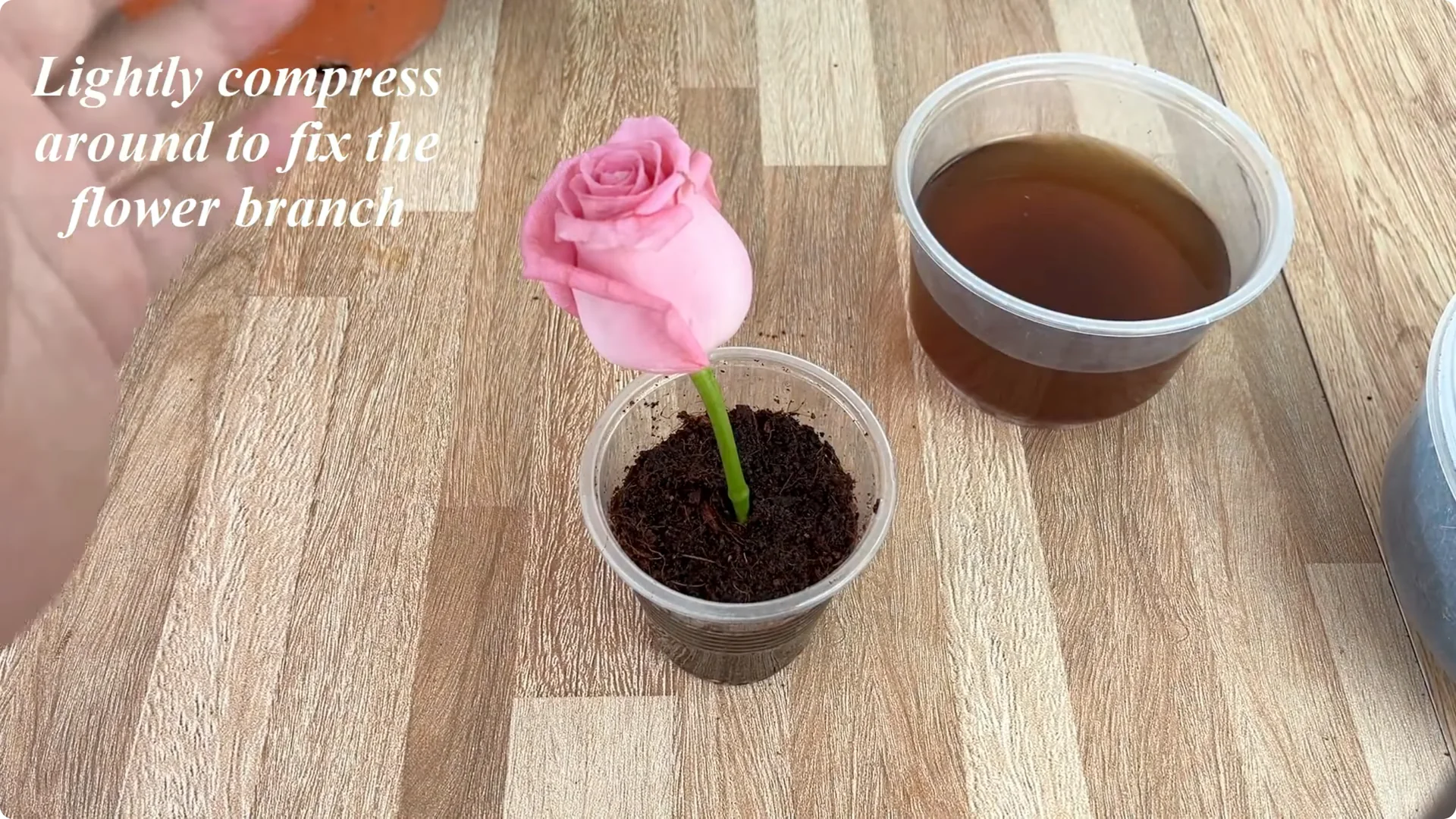
Compact the surrounding area lightly to firmly fix the branch.
9. Create humidity
Use a plastic bag or a transparent plastic cup to cover the mouth of the cup, creating a high humidity environment, like a mini greenhouse. Place the cup in a cool place, away from strong winds and direct sunlight.
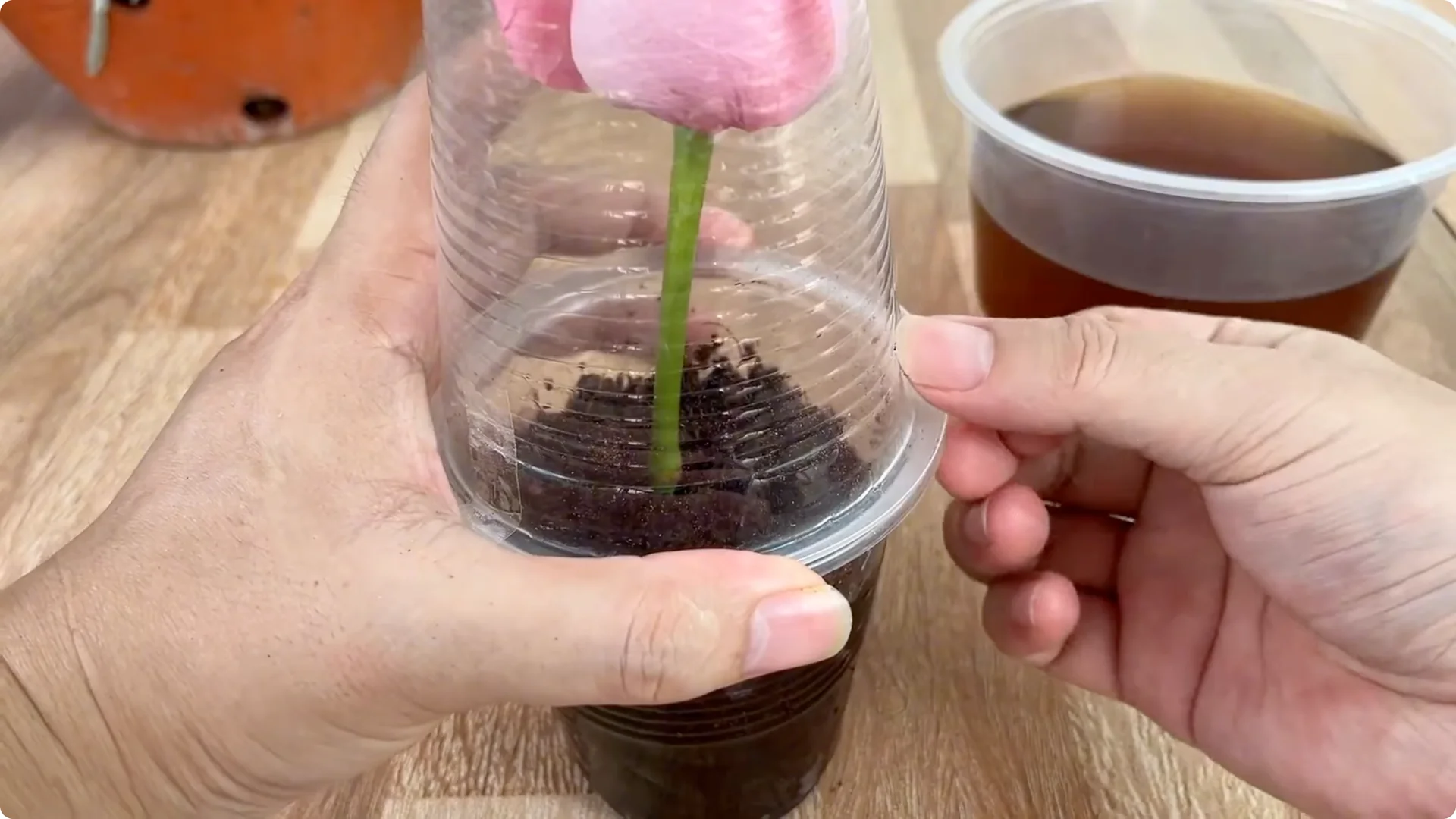
This condition helps the flower branches not lose water, while keeping the solution stable, supporting the formation of new roots.
10. What to expect
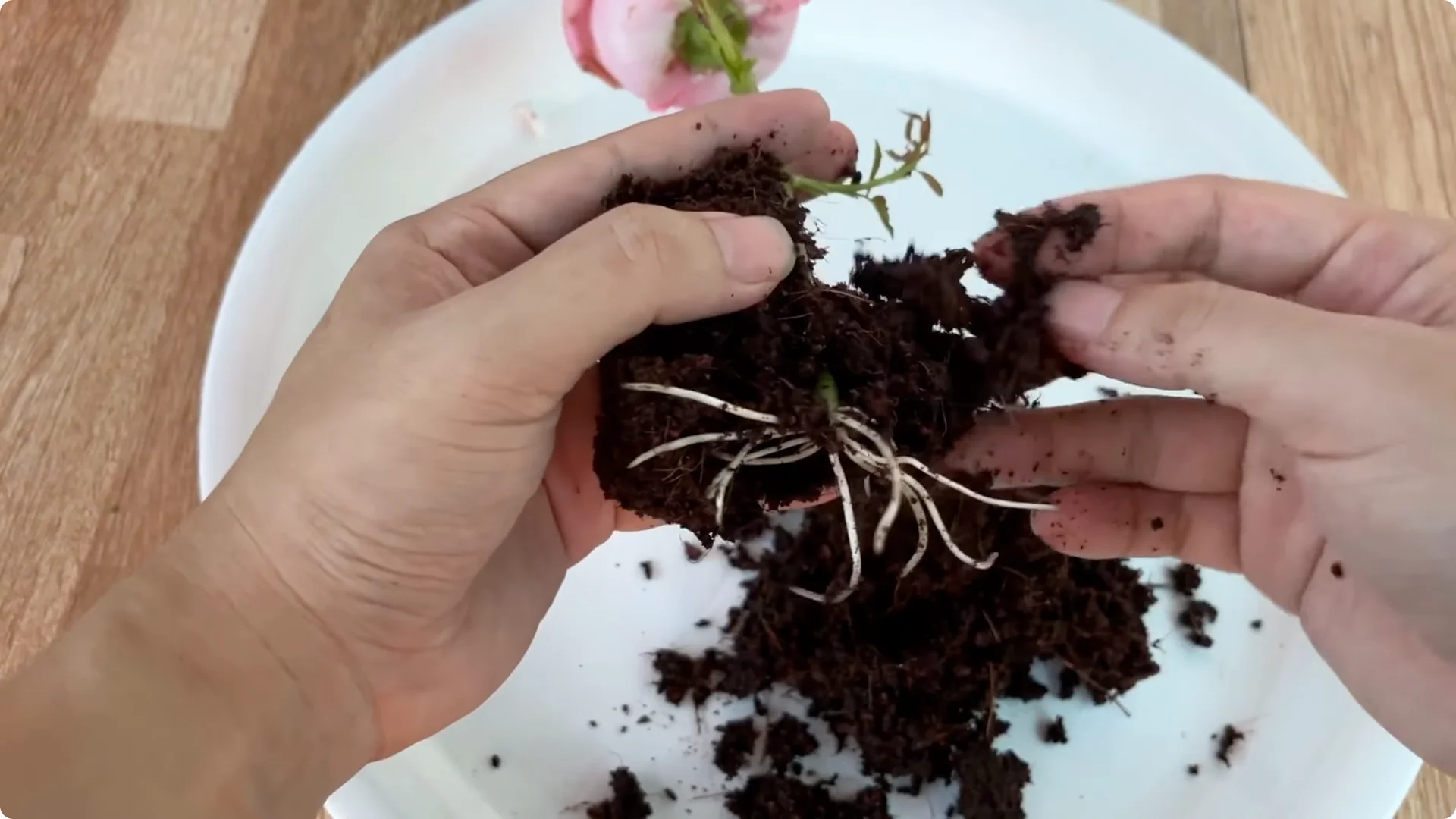
After about 10 days, you will see a miracle from the base of the rose branch as fresh green shoots begin to sprout. A system of plump, healthy white roots grows around, signaling that the branch is ready for a new stage of development.
11. Potting up
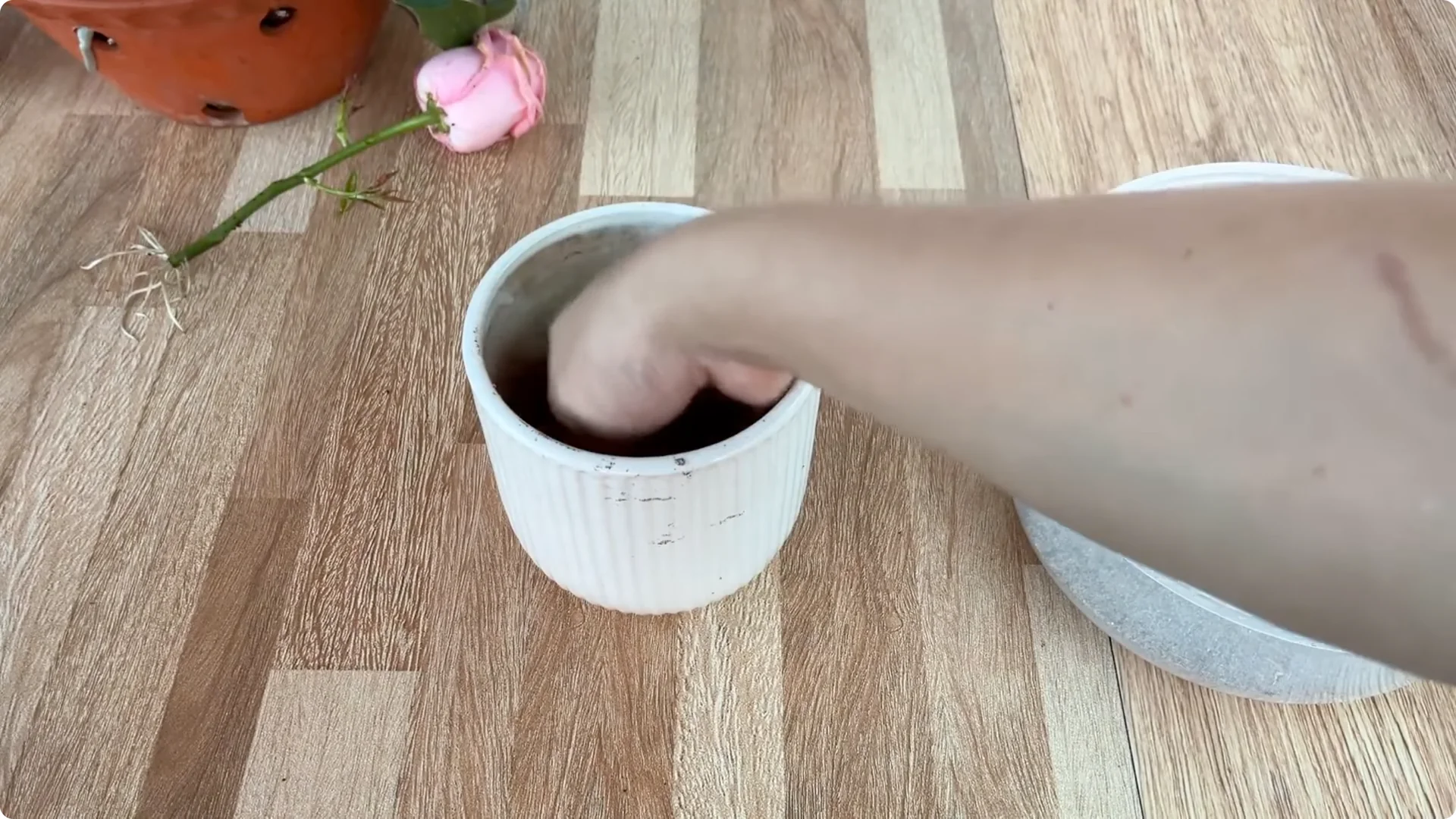
Gently plant the rooted rose branch in a separate pot using a well-drained substrate such as river sand or a loose soil mixture. This helps the plant quickly take root and grow strongly.
For faster establishment tips, see fast growth.
Final Thoughts
With just a few simple ingredients from your kitchen – coffee, lemon, and cucumber peel – you can create a solution that is both antibacterial and nutritious. It helps stimulate the rapid growth of rose roots and turns a simple cutting into a vibrant plant.
If you want to have healthy, vibrant rose pots without having to spend a lot of money on root stimulants, try this recipe.