
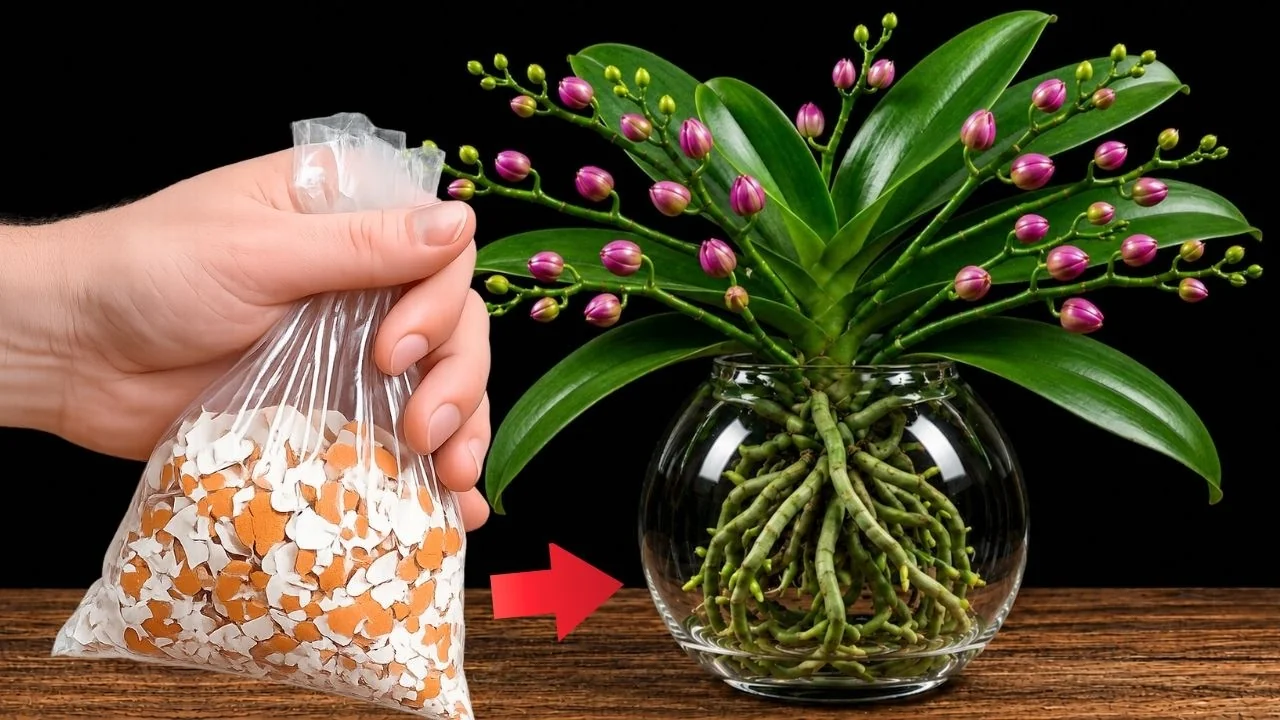
This orchid has just finished its blooming season, but its condition is now seriously deteriorating. The root system was severely damaged due to prolonged moisture. I removed all the damaged roots and cleaned the plant under running water to prepare for recovery.
I use natural ingredients from eggshells and honey to help stimulate recovery and provide minerals. The most important step is switching to the hydroponic recovery method. The journey to revive the orchid begins.
Hydroponic Orchid Recovery steps
1. Remove spent growth
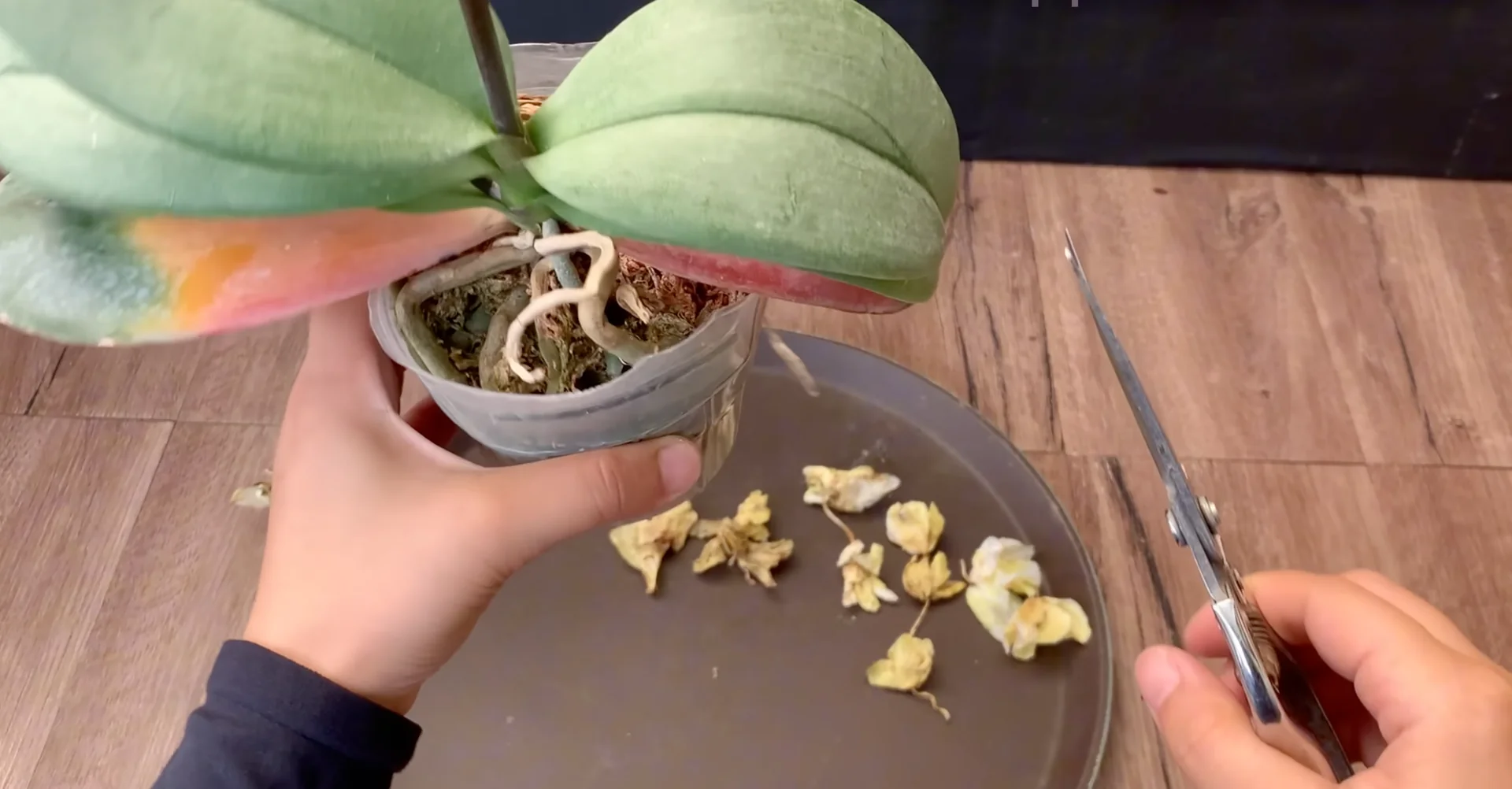
First, I remove the wilted flowers. The faded flower spikes are no longer necessary for the plant. I also cut off the yellow leaves and the damaged leaf parts near the base.
For extra stimulation during early recovery, see this simple trick for stronger roots and blooms. It pairs well with careful pruning and cleanup.
2. Clear the old moss
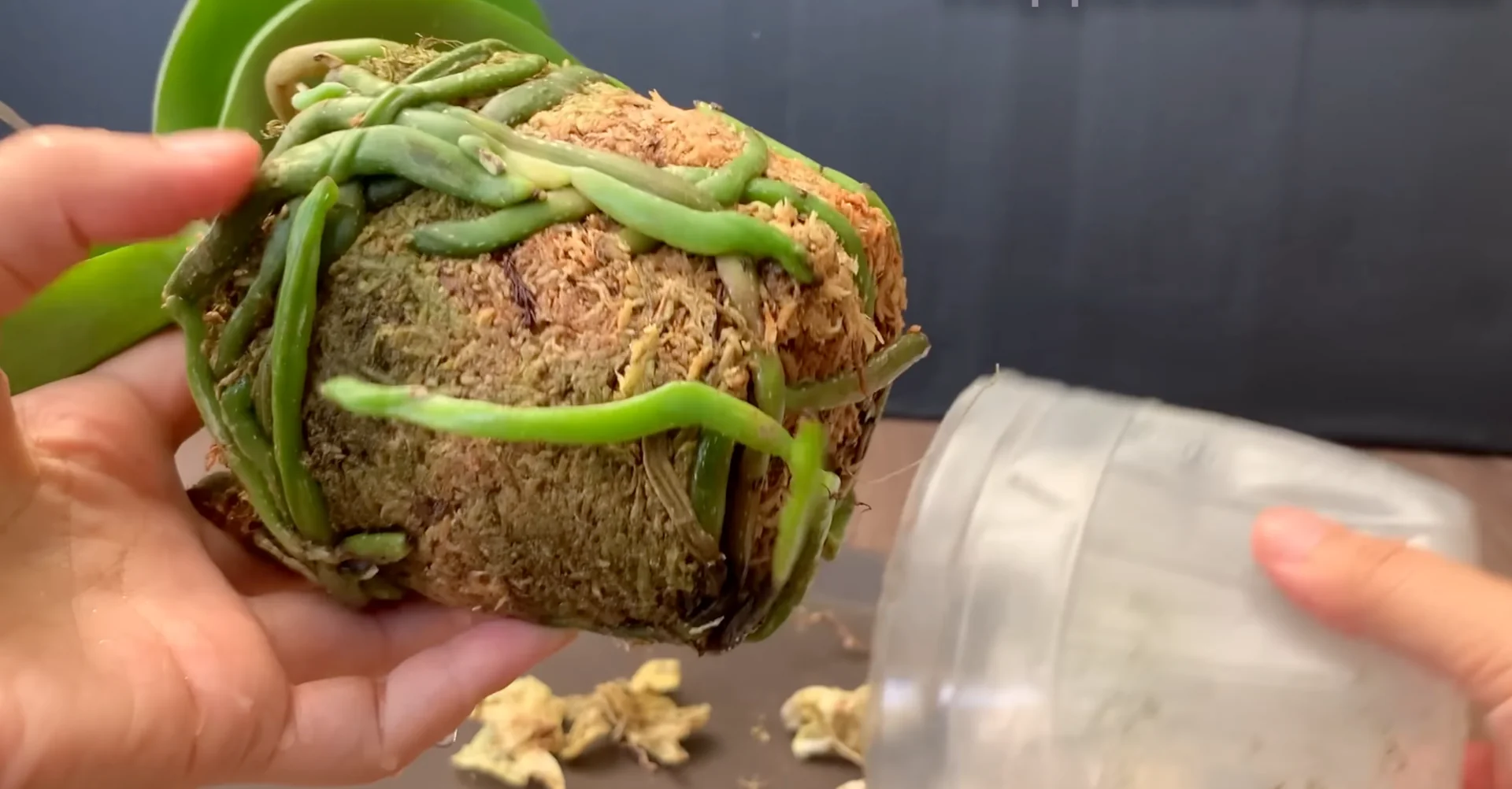
Next, I remove the entire old moss layer that had retained moisture for too long. Prolonged moisture in the growing medium is a common cause of suffocated and black rotting orchid roots.
3. Inspect and trim roots
When checking the root system, I discovered that quite a few roots had turned black. I used clean scissors to remove all the damaged roots. Only the firm and healthy roots were kept.
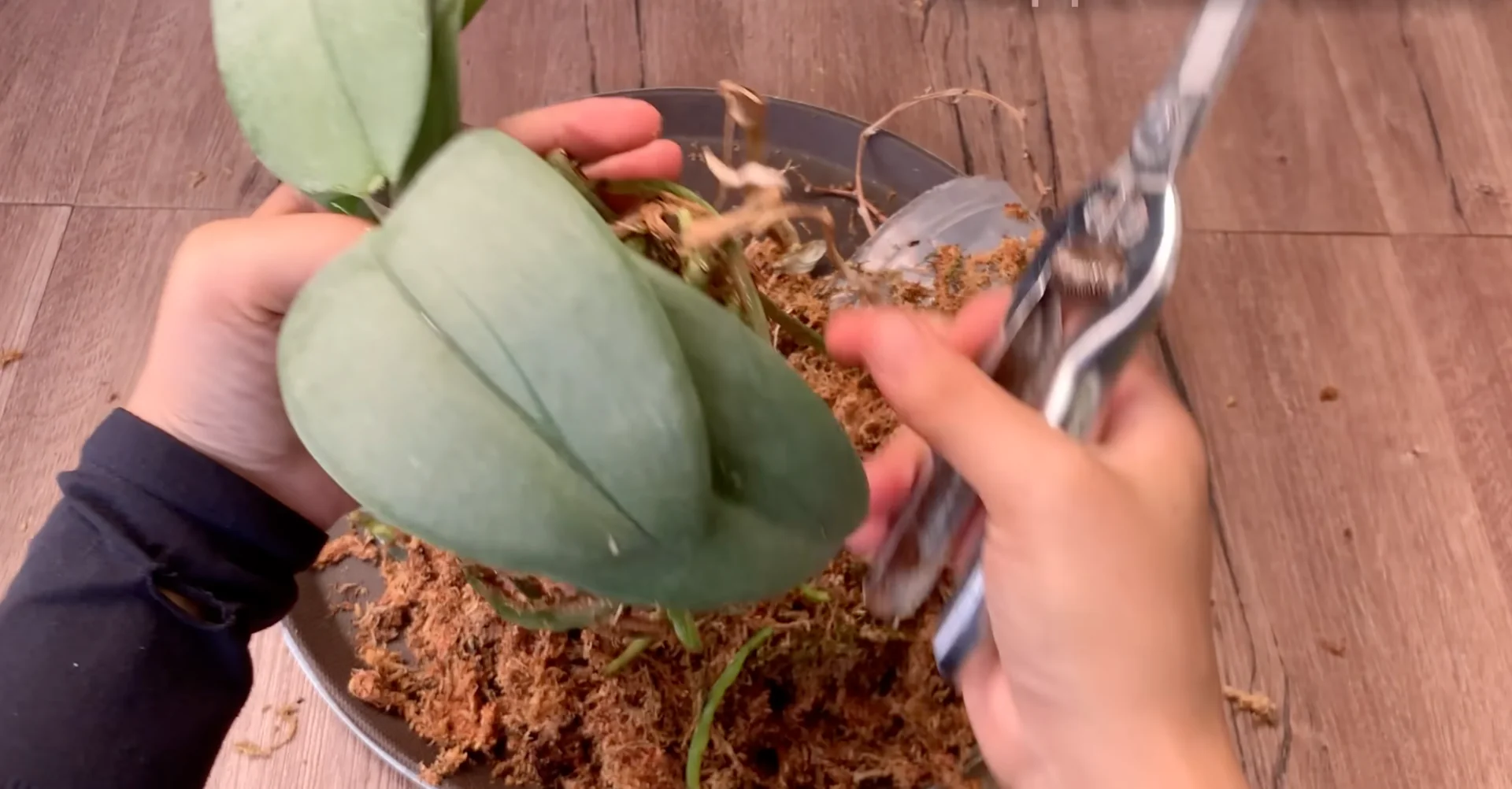
Then I took the plant to rinse it under clean running water. Let the plant dry naturally before soaking it in the nutrient solution.
4. Prepare the natural solution
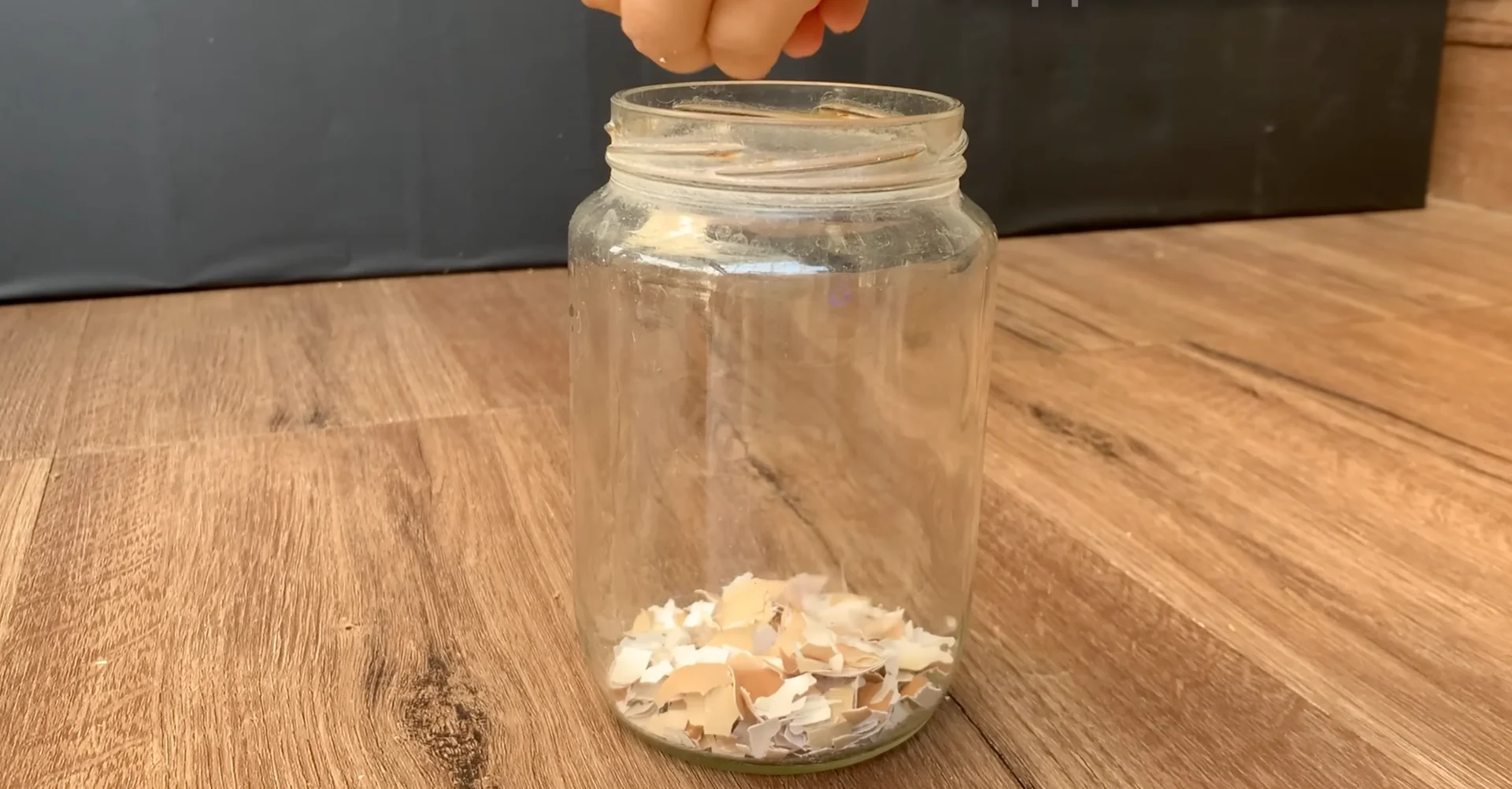
Hydroponic Orchid Recovery eggshell and honey base
Now I’m preparing a natural recovery solution for the orchid. I’m using eggshells, an ingredient that is very rich in calcium and minerals. First, I crush the eggshells and put them into a jar.
Then, add about half a liter of boiling water. Next, I add one spoonful of pure honey. Honey helps provide natural energy while also supporting the plant’s recovery after repotting.
I stir the mixture well and let it steep until it cools completely. After it cools down, I filter out the eggshell residue. Next, I add another half liter of clean water to dilute the solution.
For another gentle booster from the pantry, explore this method with turmeric powder to support roots and blooms. It complements the eggshell and honey approach.
5. Soak roots and clean leaves
I begin soaking the entire orchid root system in the solution. While soaking, I use a soft cotton pad soaked in the mixture to gently clean the leaves. Cleaning the leaves helps remove dirt and allows the leaf surface to absorb moisture more effectively.
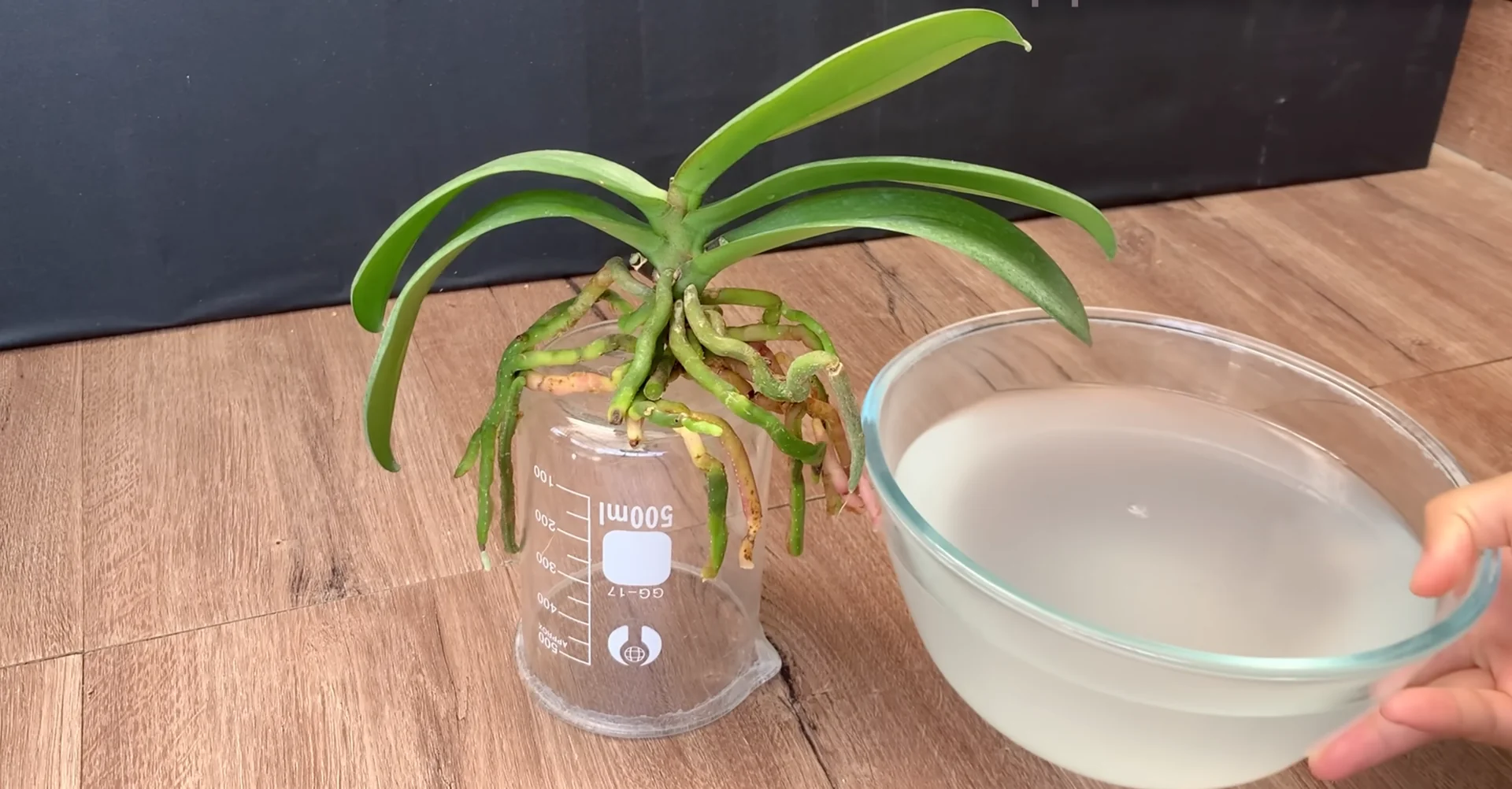
After finishing, I soak the plant for about 30 minutes so the roots can absorb moisture and natural nutrients. After soaking, I take the plant out and let the roots dry completely before switching to hydroponic cultivation.
6. Set up the hydroponic pot
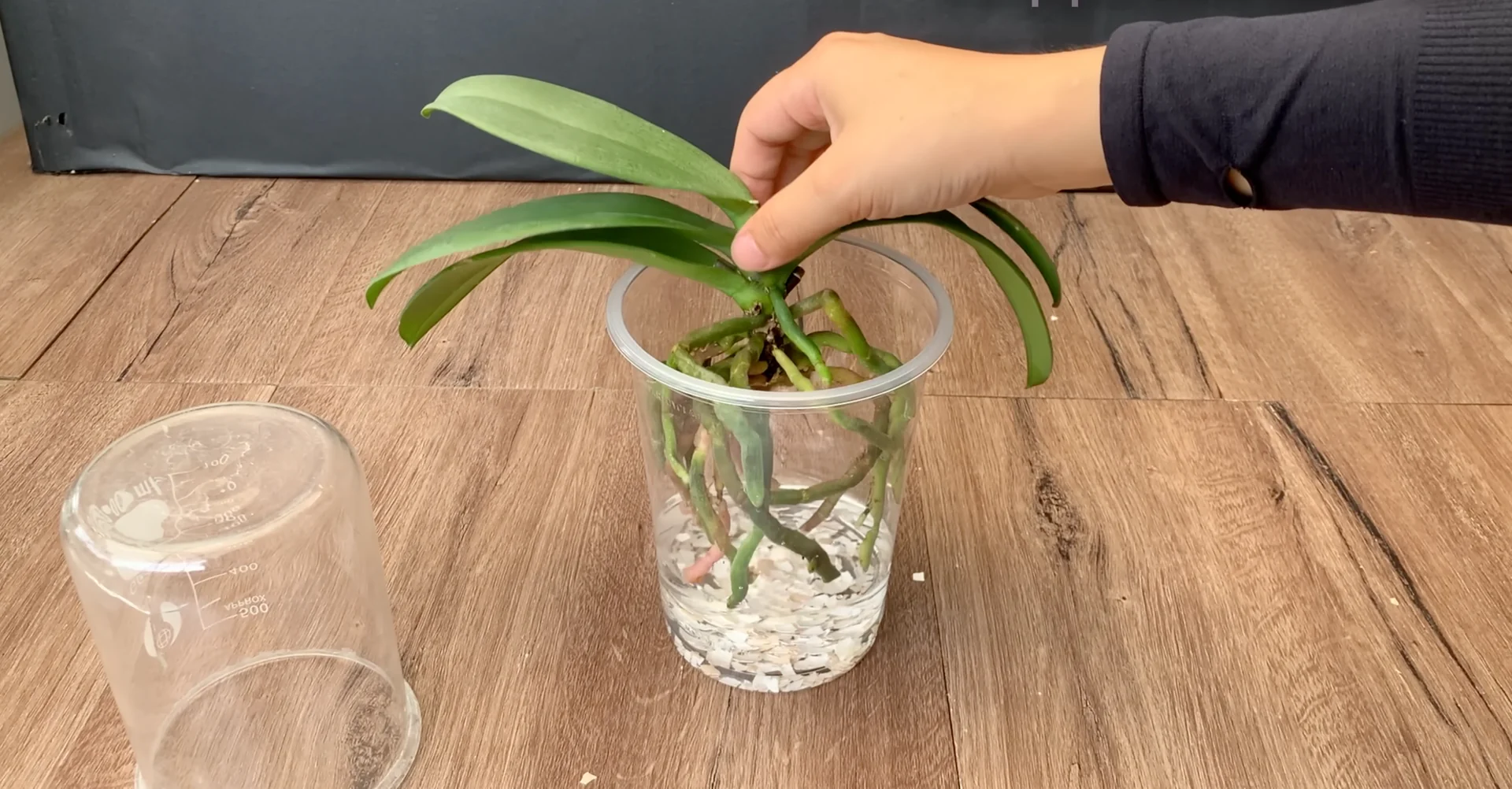
I choose a transparent pot to easily observe the root development. Then I crush some more eggshells and place them into the pot. Eggshells provide natural calcium, helping the roots become stronger and reducing root rot as the plant adapts.
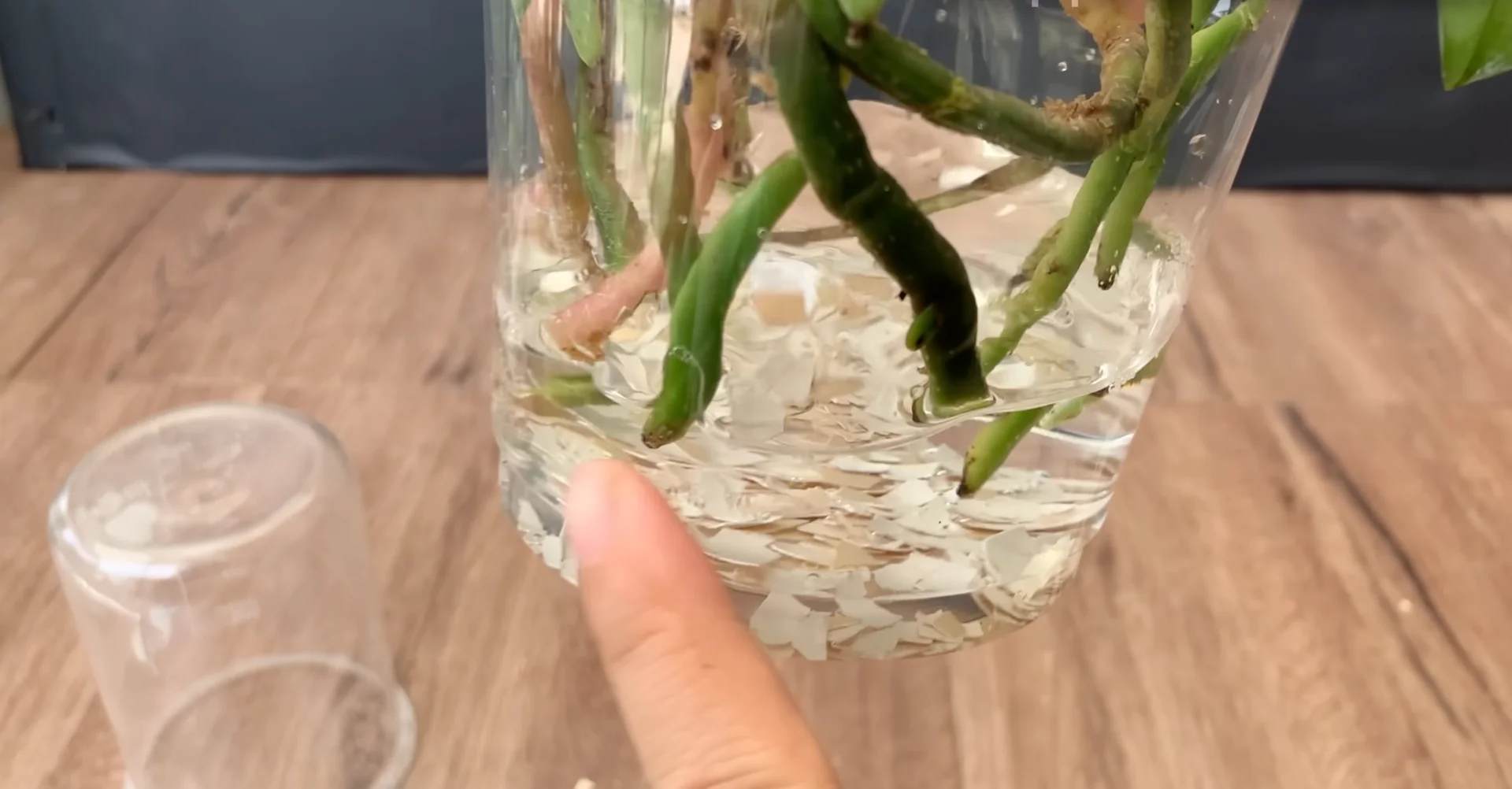
Next, I place the orchid into a fixed position. The important thing is that the water only lightly touches the root tips, not submerging them completely to avoid root rot. If you want a different medium that keeps roots active, see this soil alternative that boosts roots and blooms.
Hydroponic Orchid Recovery progress
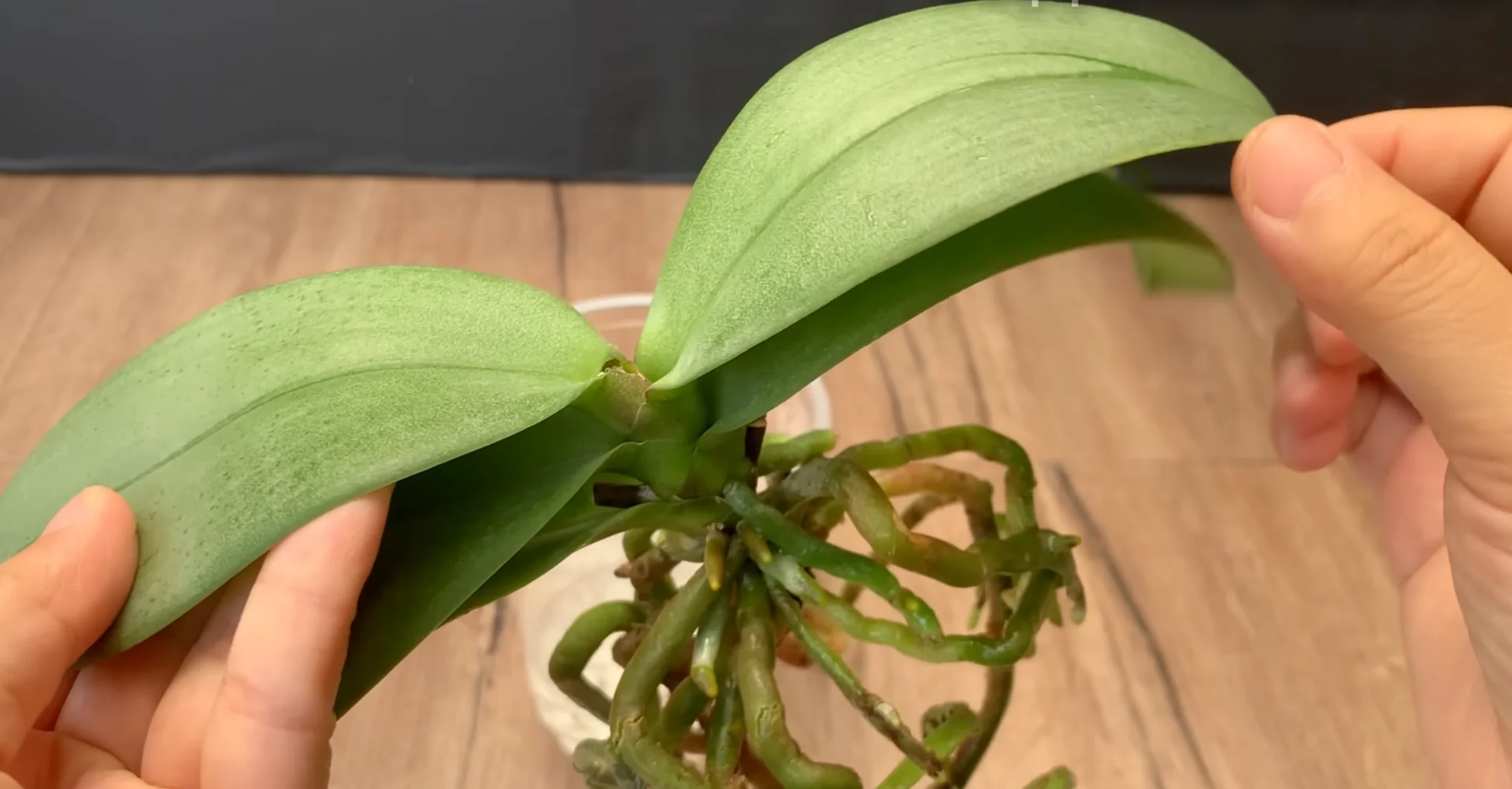
After 1 month
After about 1 month, the orchid begins to adapt to its new environment. From the leaves to the roots, there are clear signs of recovery, especially the green root tips and the newly emerging roots. This is a sign that the plant has begun to recover actively.
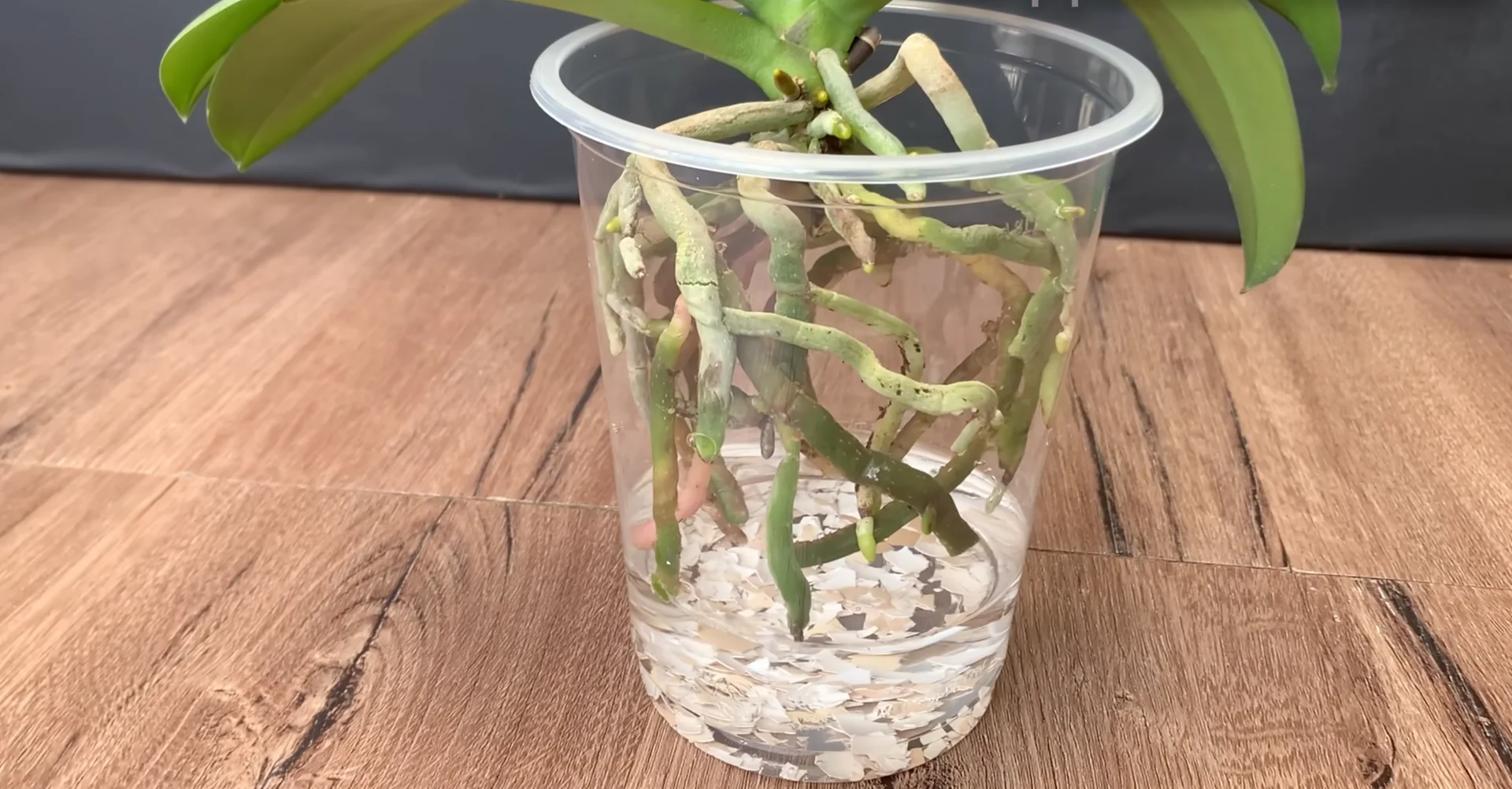
At this stage, I change the water for the plant. But this time, I do not add eggshells anymore. When the plant is stable, it is enough to maintain a clean environment and proper humidity.
After 3 months
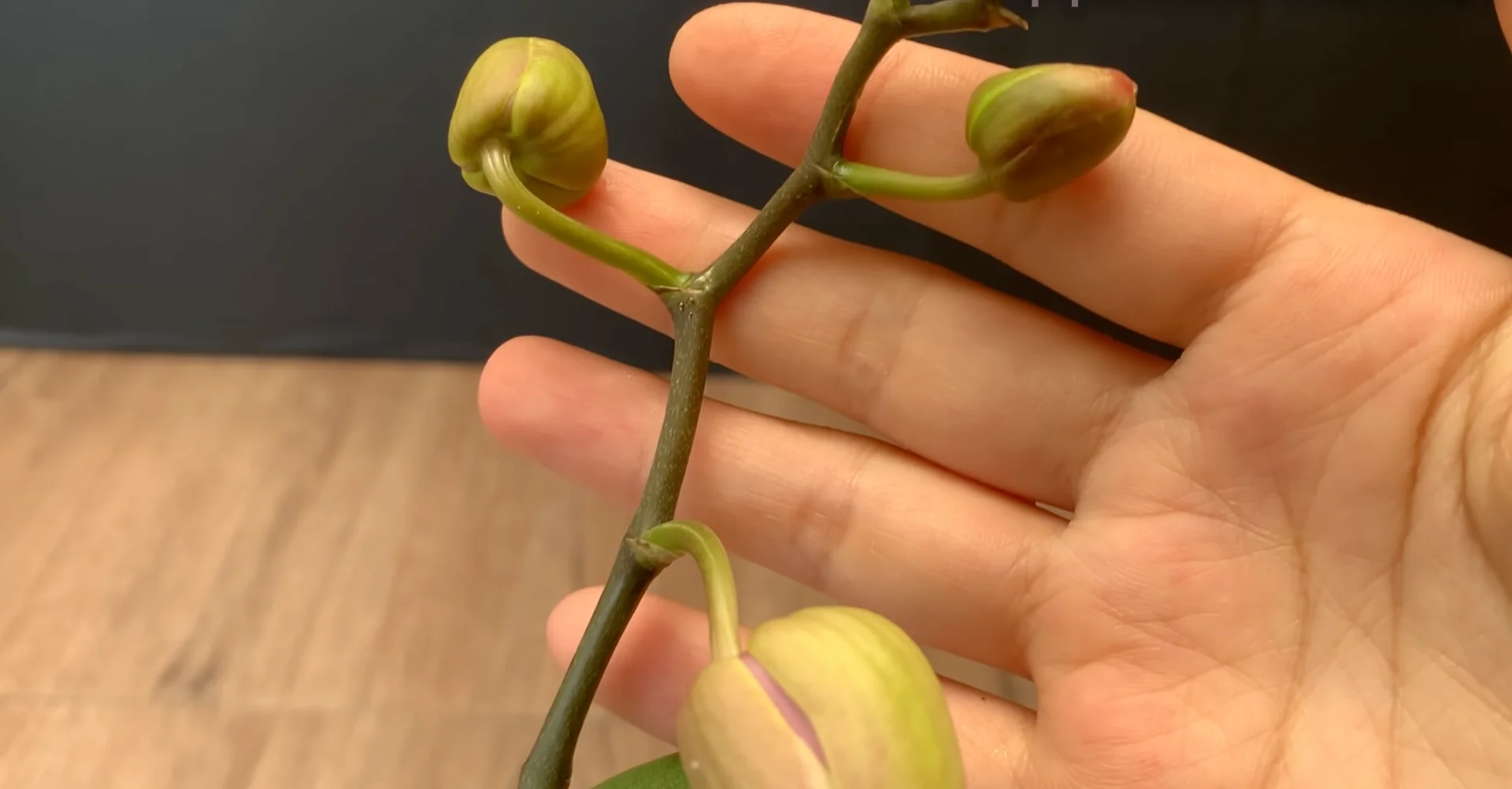
After about 2 more months, the changes become much more noticeable. The leaves become thicker, glossy green, and healthy. The most wonderful thing is the orchid has started producing new plump flower buds.
The root system has developed strong and healthy. Many new root tips continue to appear and grow longer. This is the result of a stable recovery process and proper care.
Hydroponic Orchid Recovery final thoughts
With just a few simple natural ingredients, the orchid has recovered strongly. Be patient because orchids need time to recover naturally. Keep the water clean, watch the root tips, and let the plant set the pace.
About The Author