
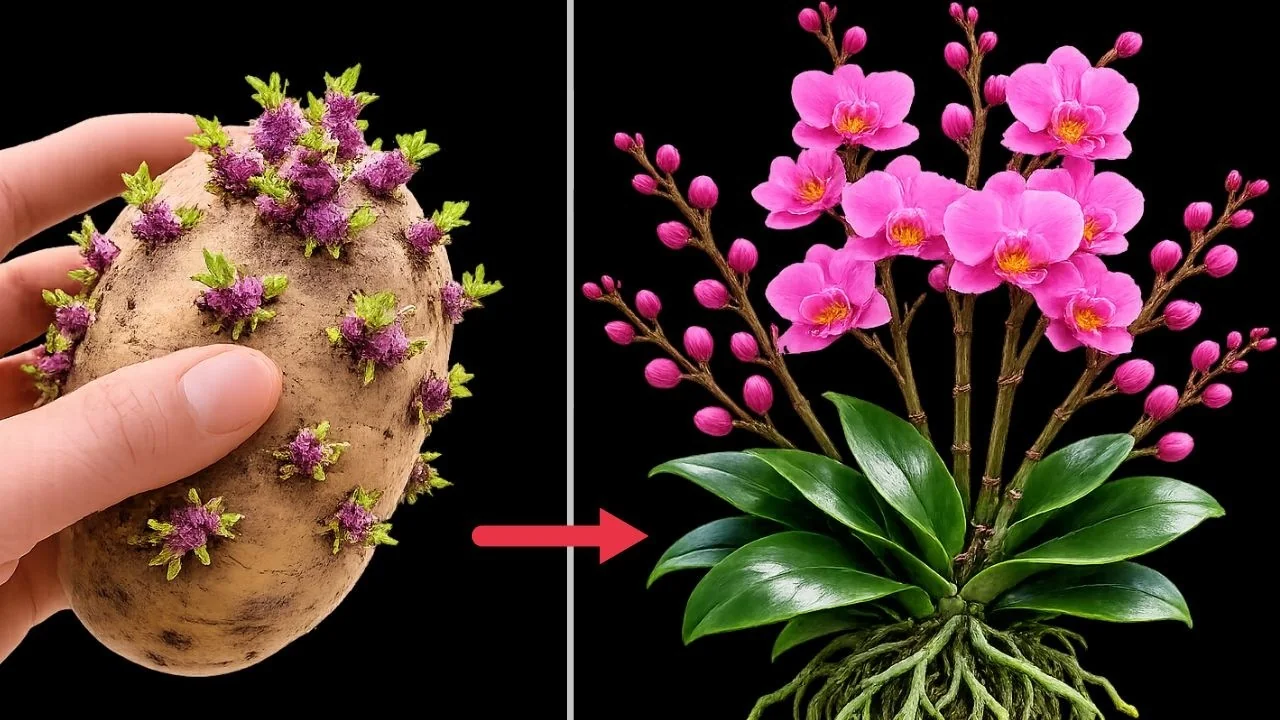
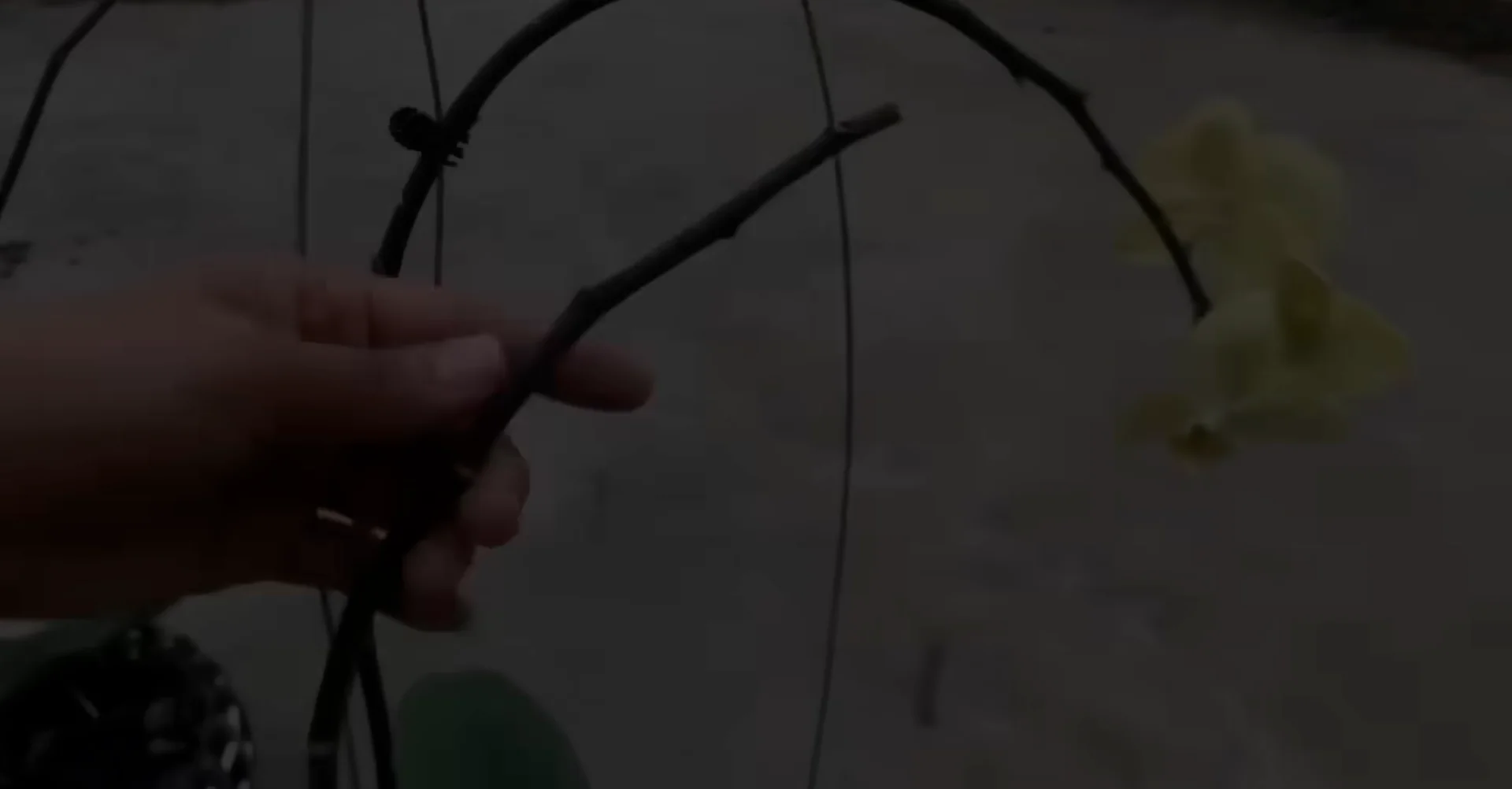
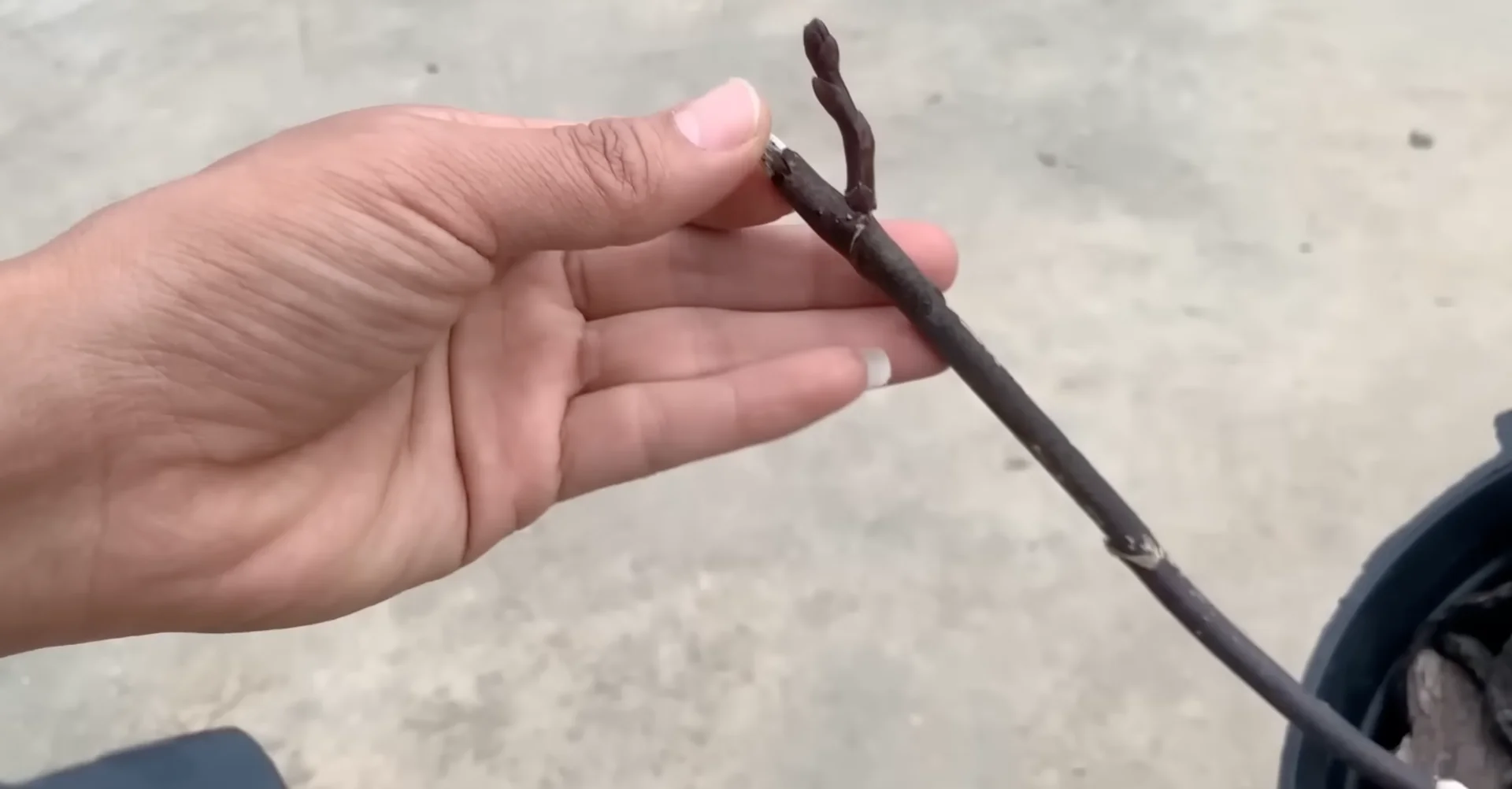
I will share how to care for orchids after the flowers have faded so the plant can continue to grow and bloom again soon. In my hand is an orchid spike that has lost all its petals, leaving only the bare stem.
To help the plant produce new flowers, we need to cut off the old flower nodes that have already bloomed. We only keep the node that never bloomed because it is from these nodes that a new flower spike may emerge.
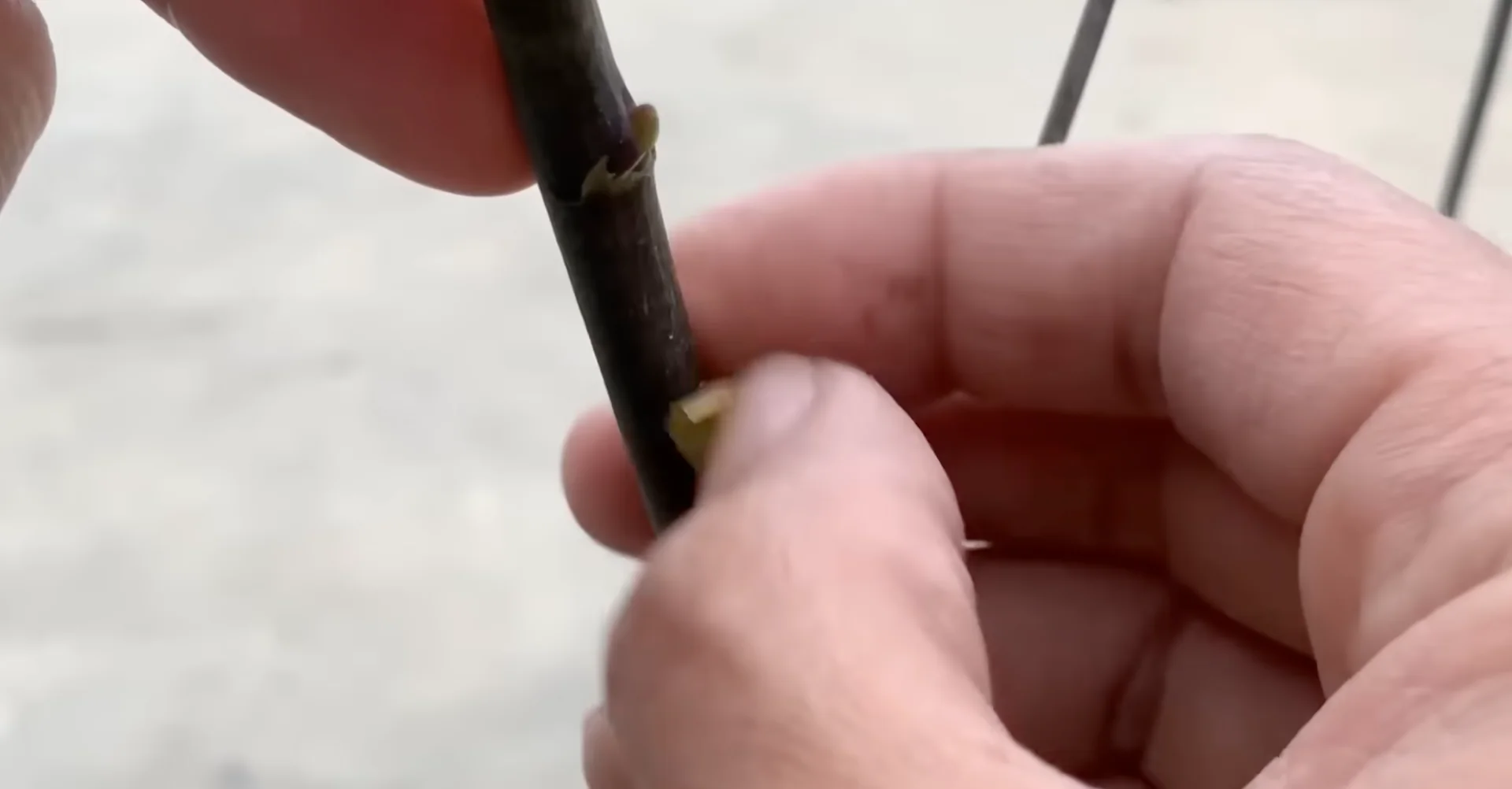
At the same time, we should also gently peel off the thin outer layer to create better conditions for the new flower bud to develop easily. After cutting, the wound on the stem should be left to dry naturally. During this time, you should avoid watering to prevent the cut from becoming moist and susceptible to fungal infection.
1. Orchid Reblooming Techniques: Make the potato ginger tonic
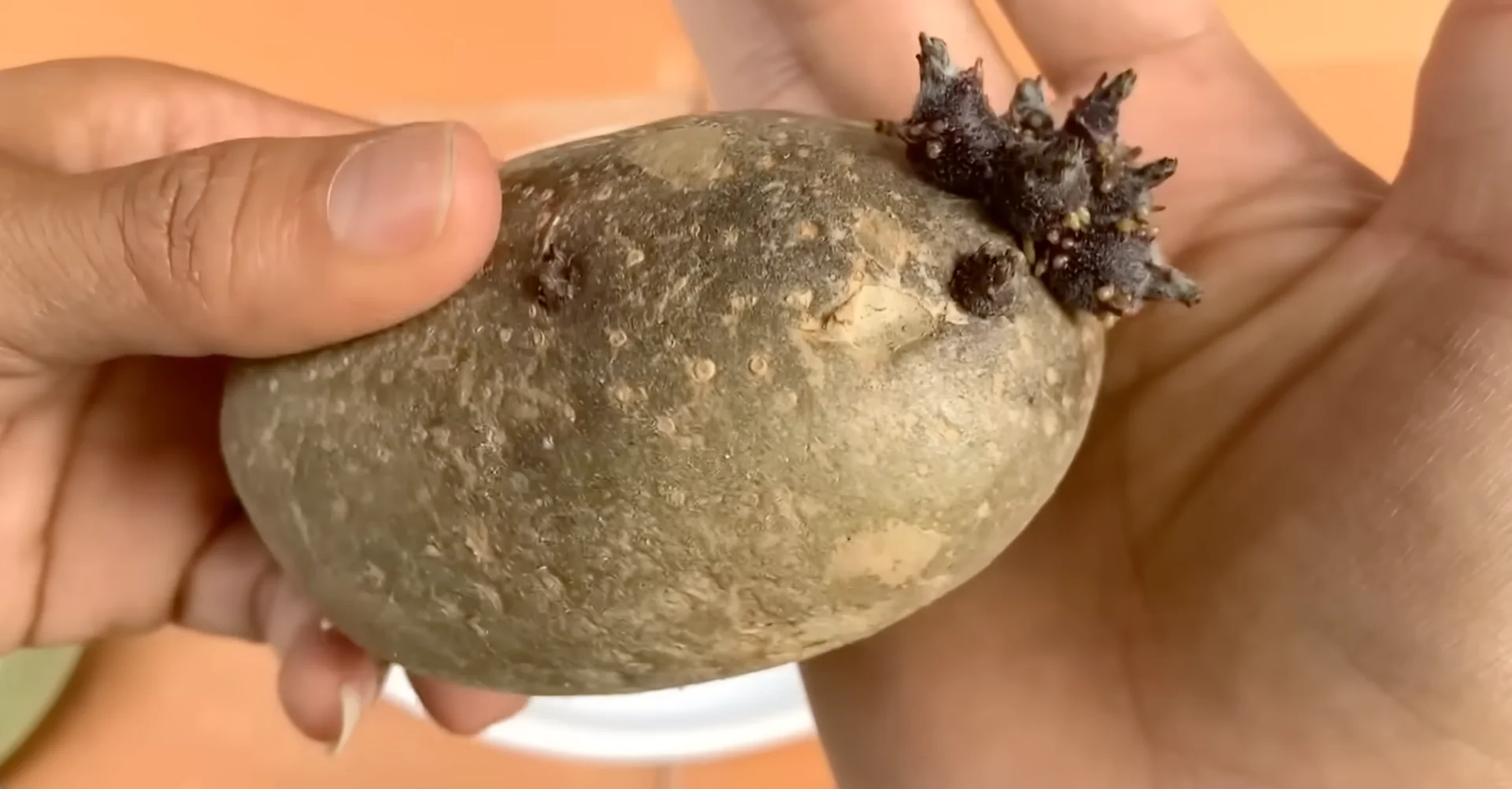
This is a sprouted potato. These sprouts contain a high amount of auxin, a plant hormone that helps stimulate growth.
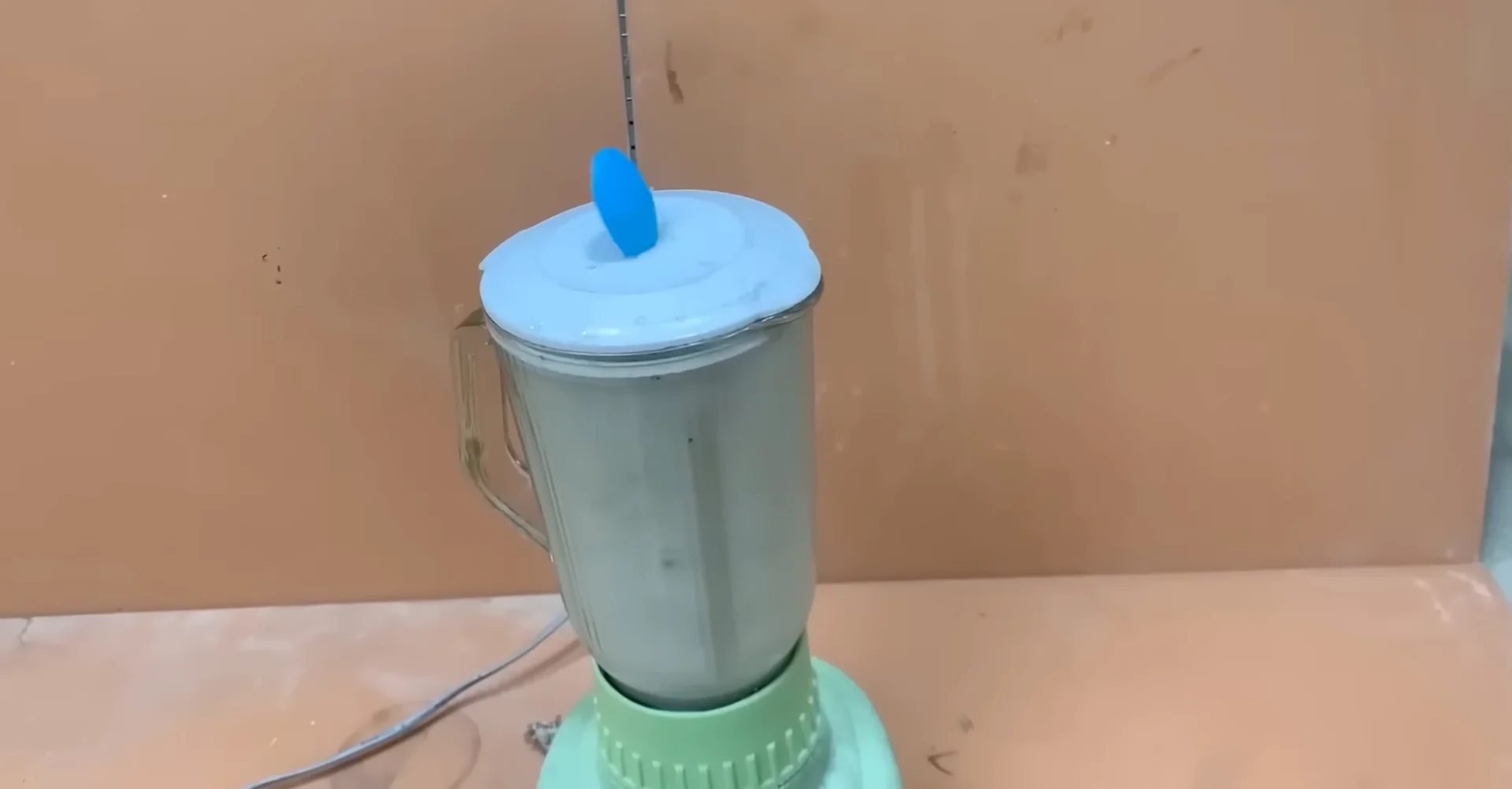
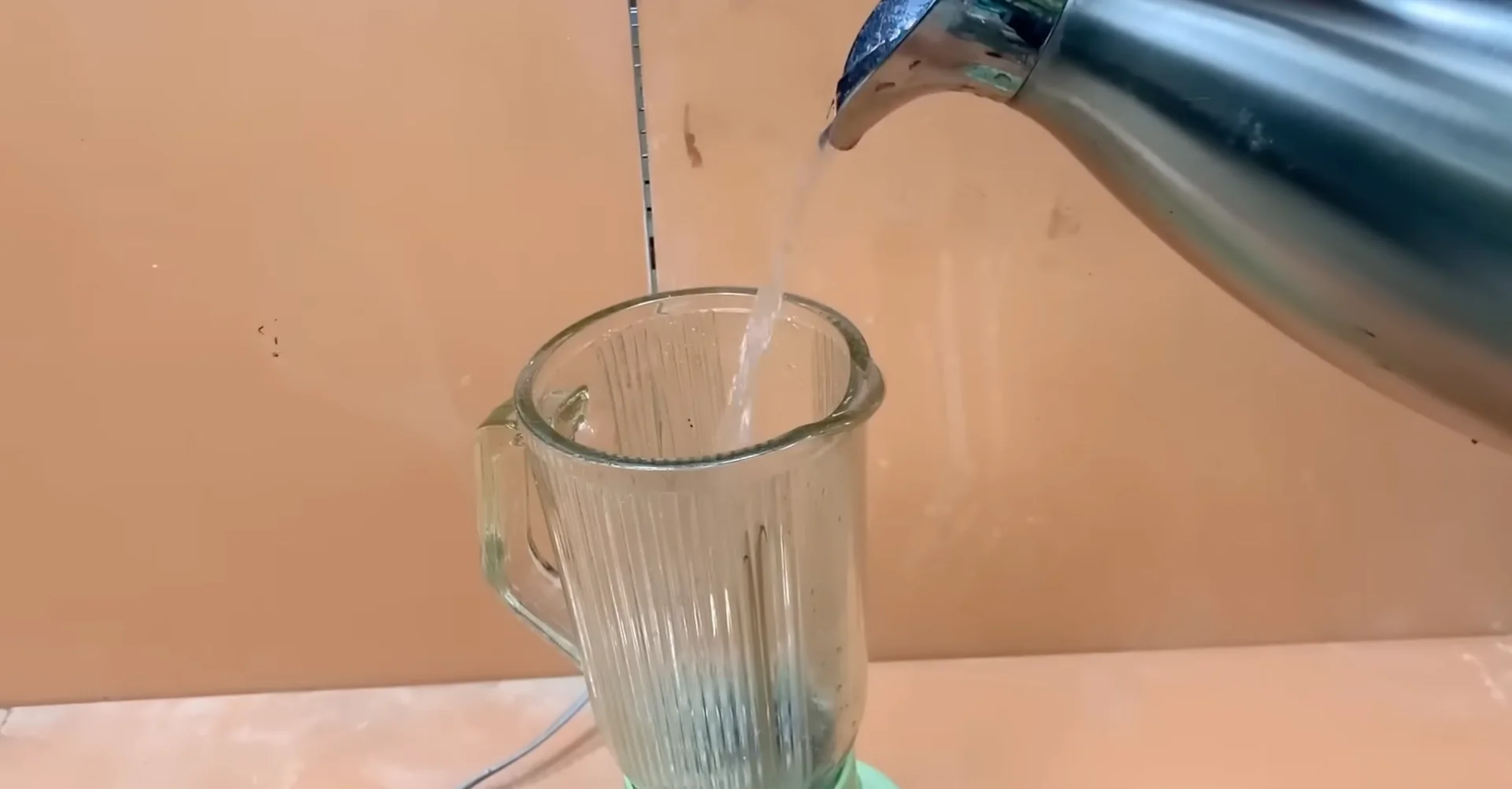
I will add 20 g of fresh ginger, a natural ingredient that helps with antibacterial action and supports healthy plant growth. Next, I add 0.6 L of room temperature water to easily blend the ingredients. Blend all the ingredients until you get a smooth mixture.
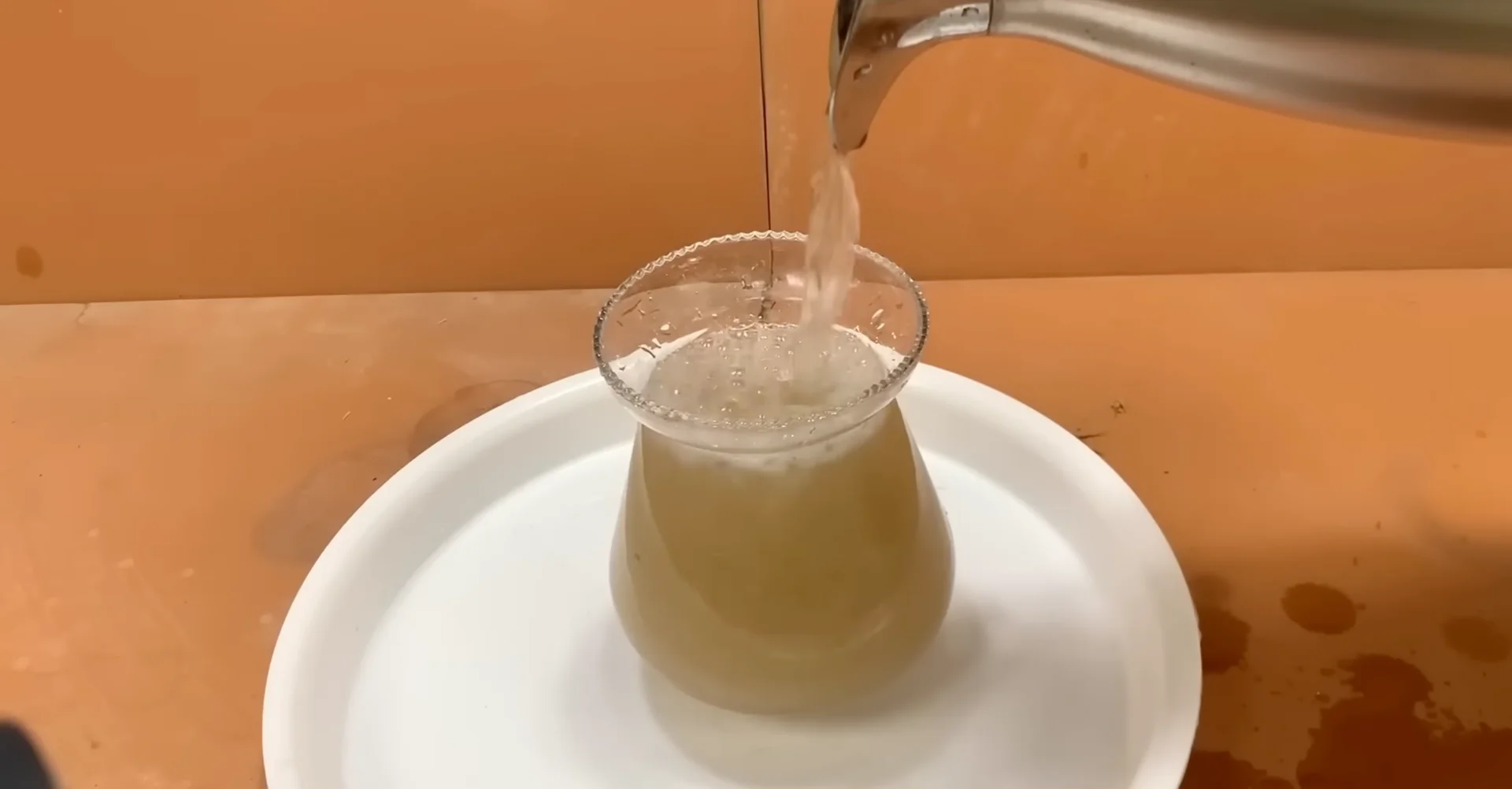
Strain out the pulp to obtain the liquid solution. Next, I add another 0.6 L of room temperature water to dilute the solution, making it easier for the plant to absorb.
2. Orchid Reblooming Techniques: Apply the tonic
Method 1 cotton wrap
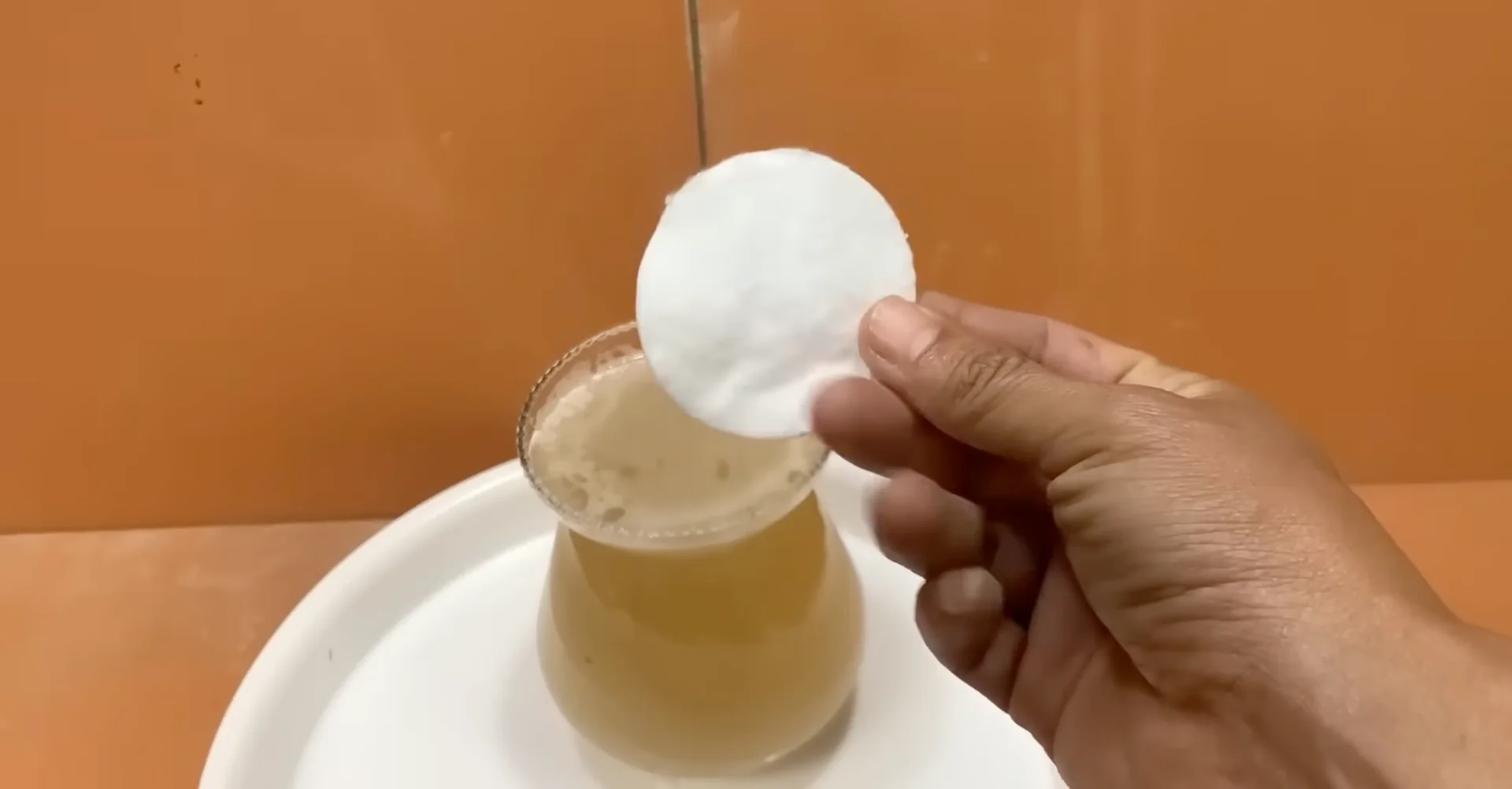
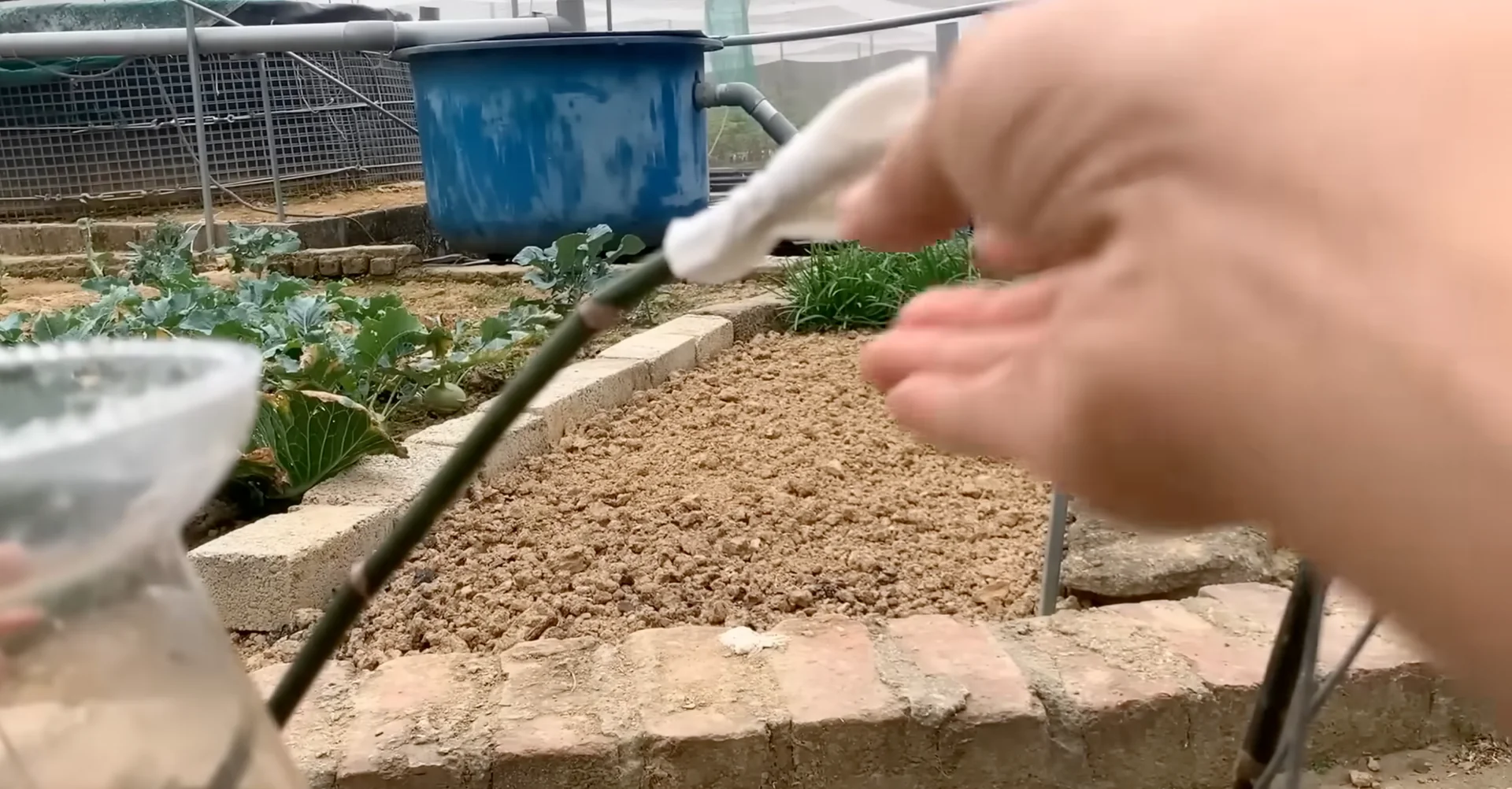
The first method is to dip cotton into the mixture, then wrap it around the nodes on the stem that contain dormant buds. This will help stimulate those buds to grow and develop into new flower spikes. Every 7 days, you should apply this mixture once to the nodes to promote the flowering process.
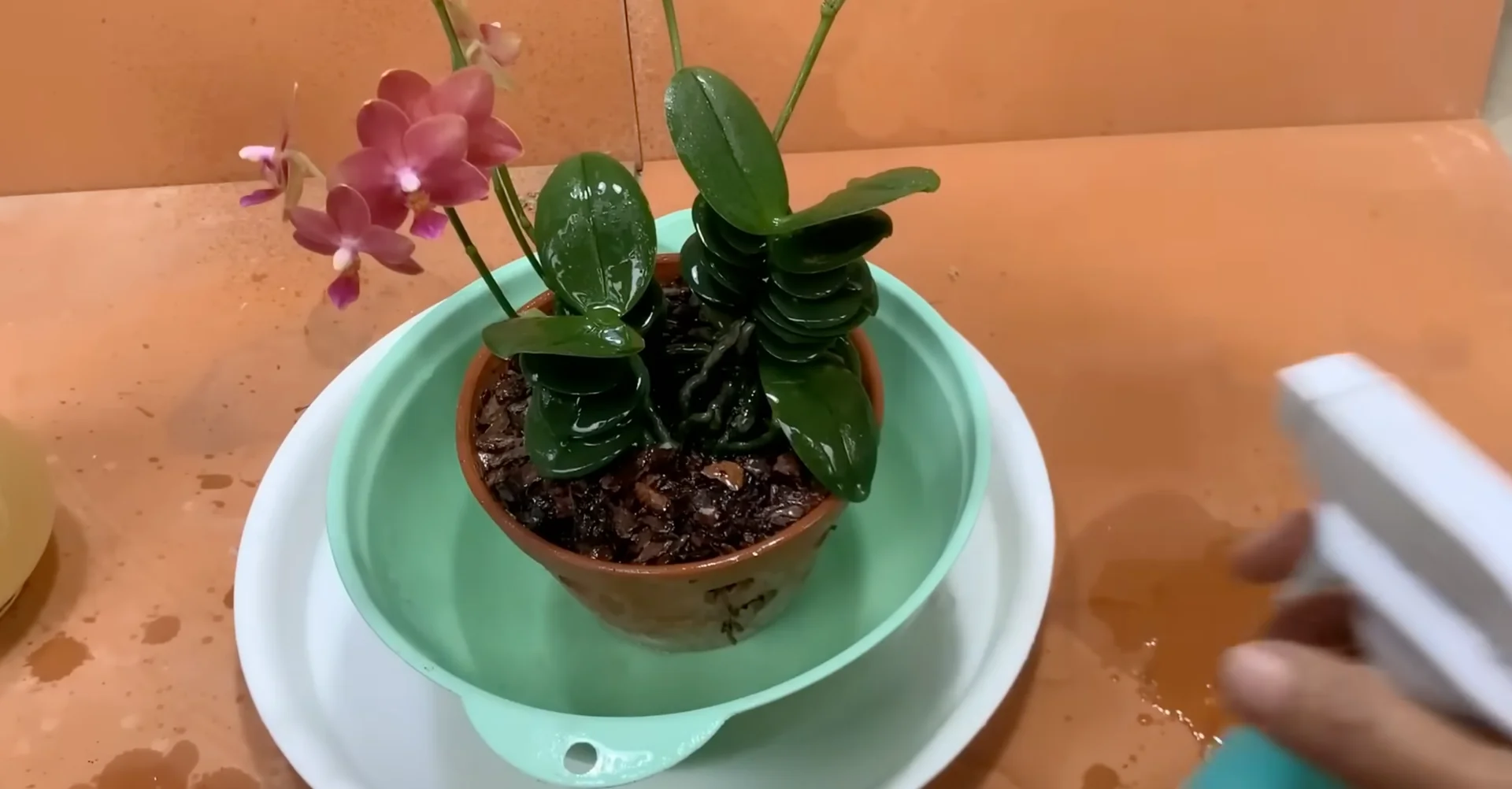
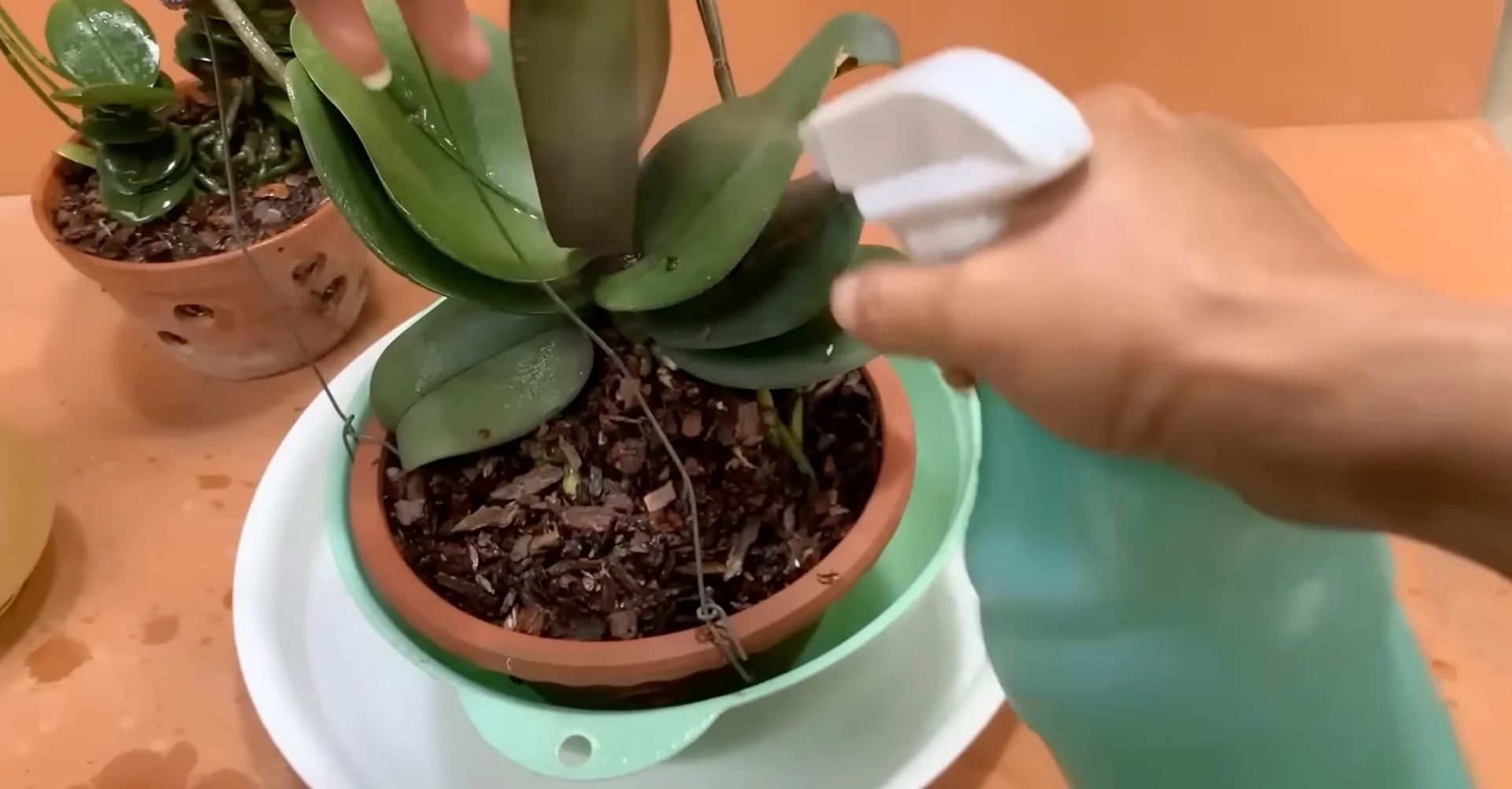
Method 2 misting
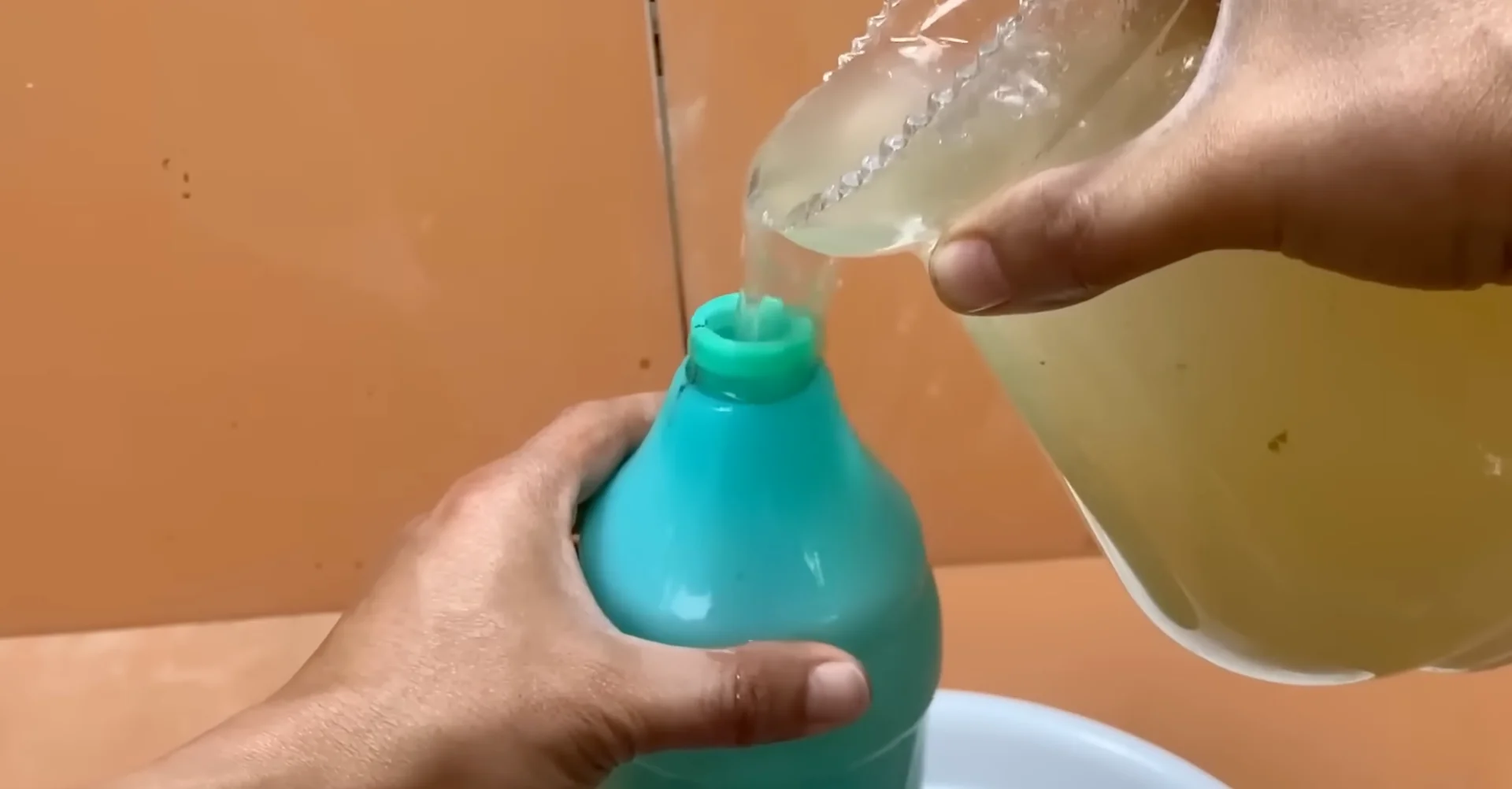
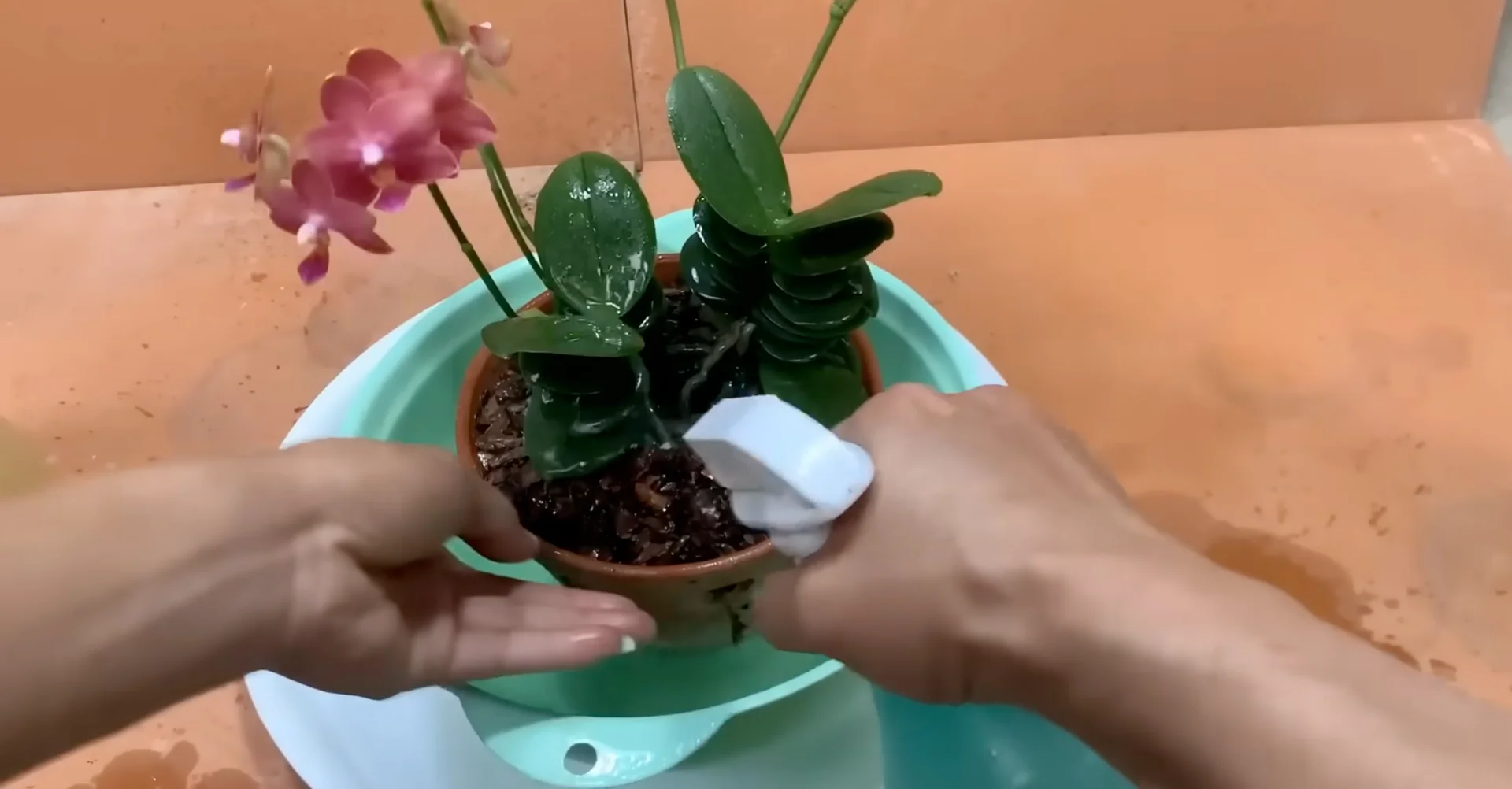
The second method, pour the mixture into a spray bottle and mist it evenly on the leaves, stem, and roots to nourish the entire plant. Do not spray it on the flowers as it may cause them to wilt and fall off quickly.
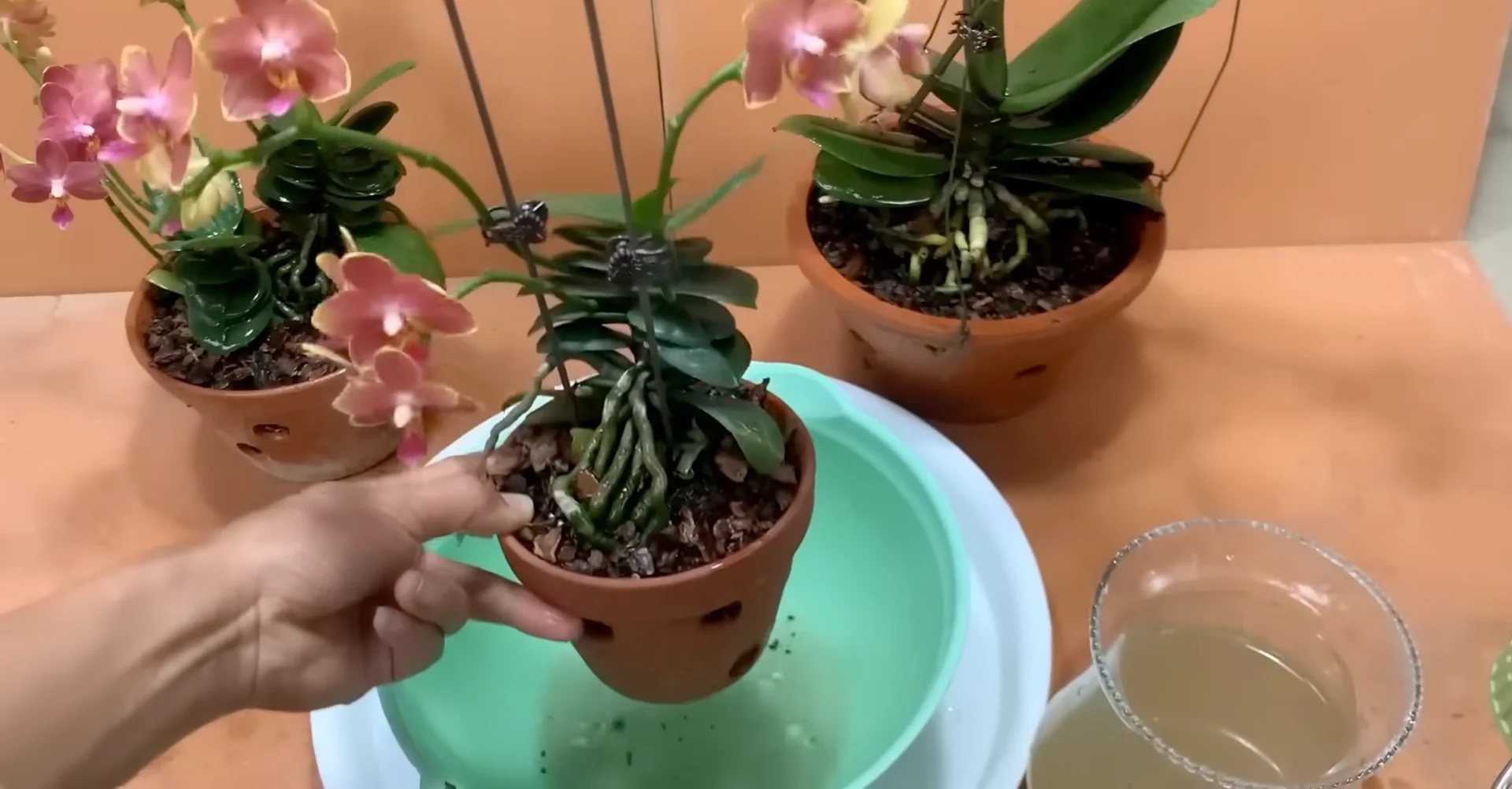
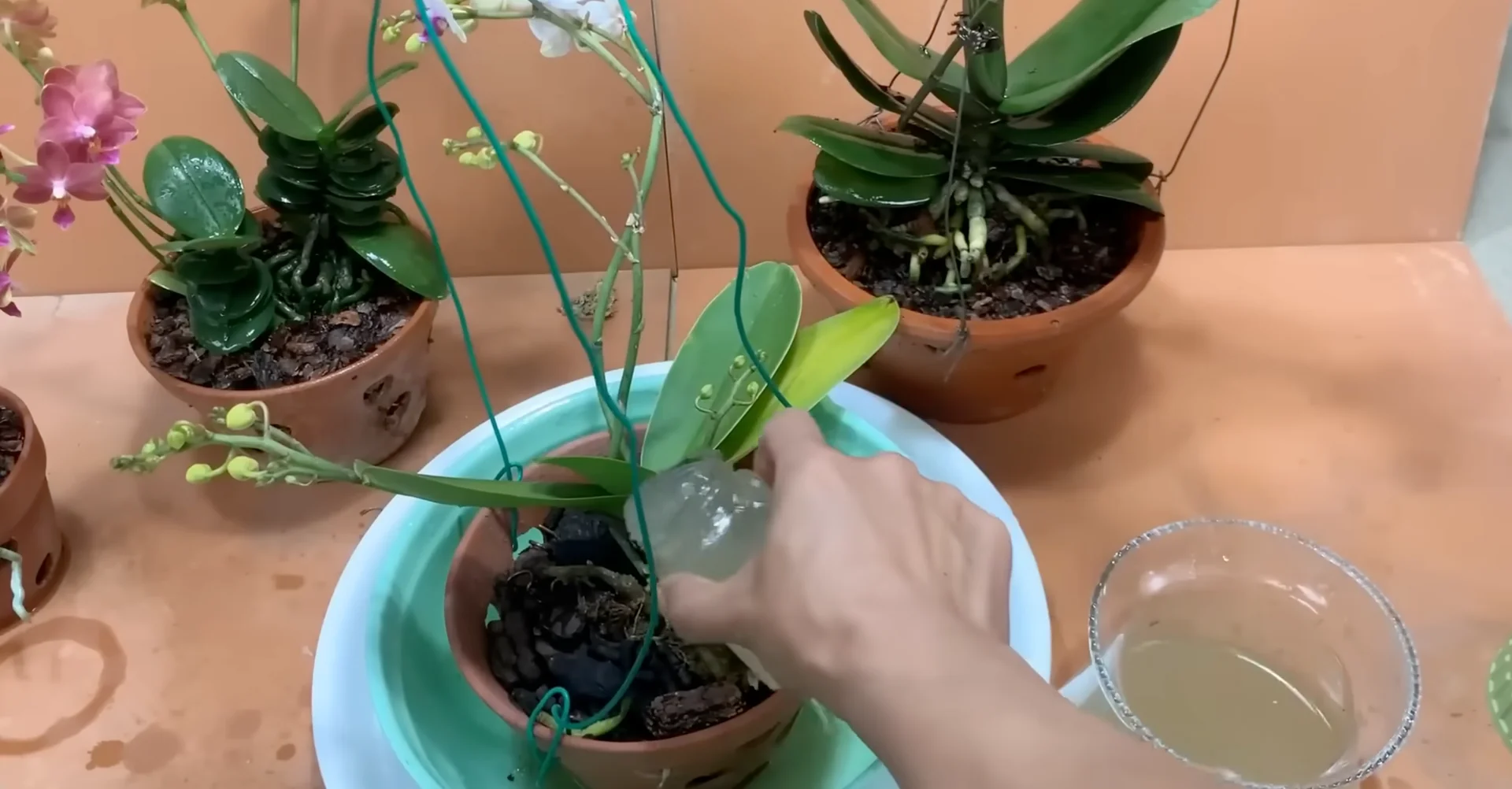
Method 3 root drench
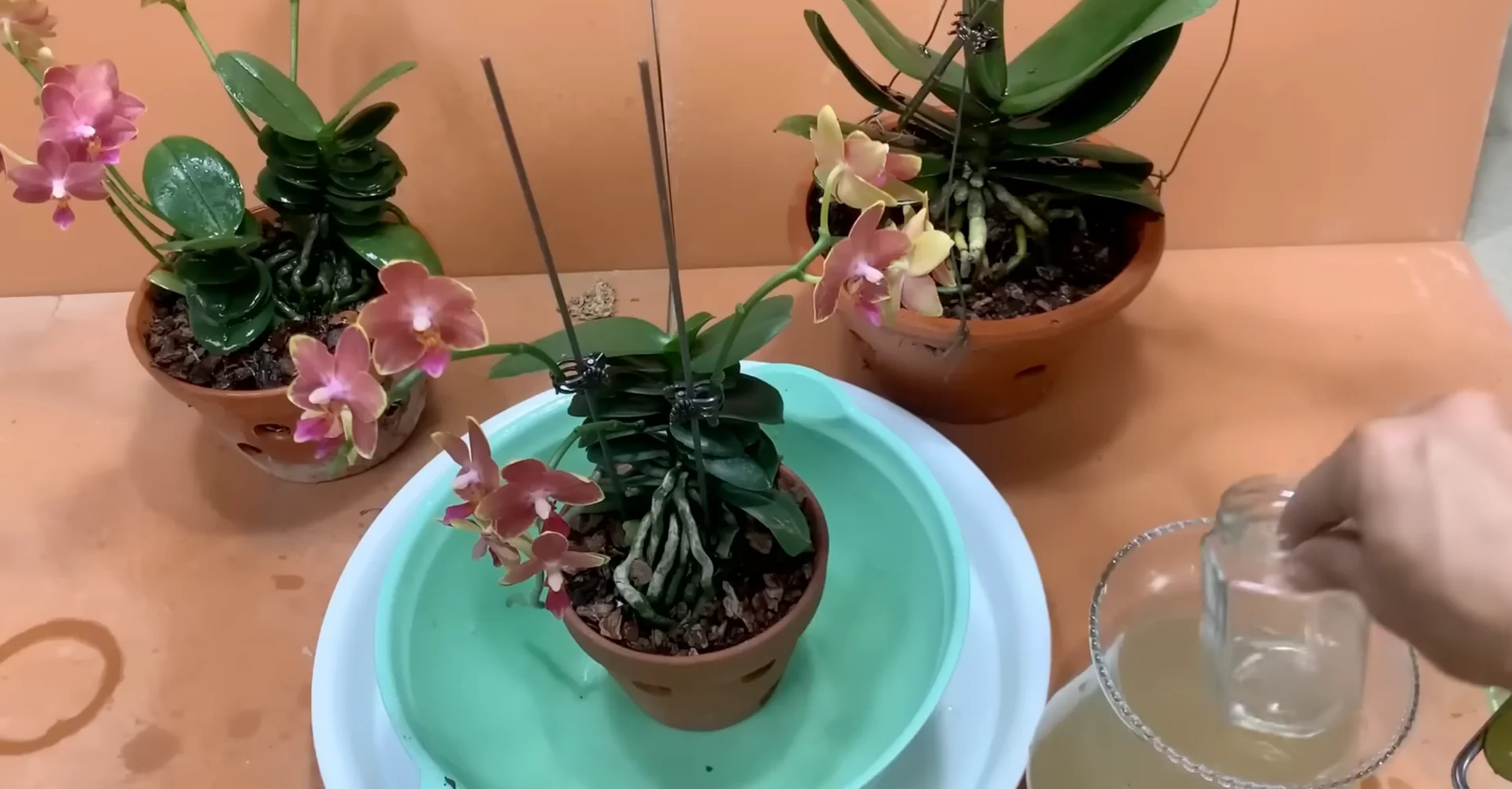
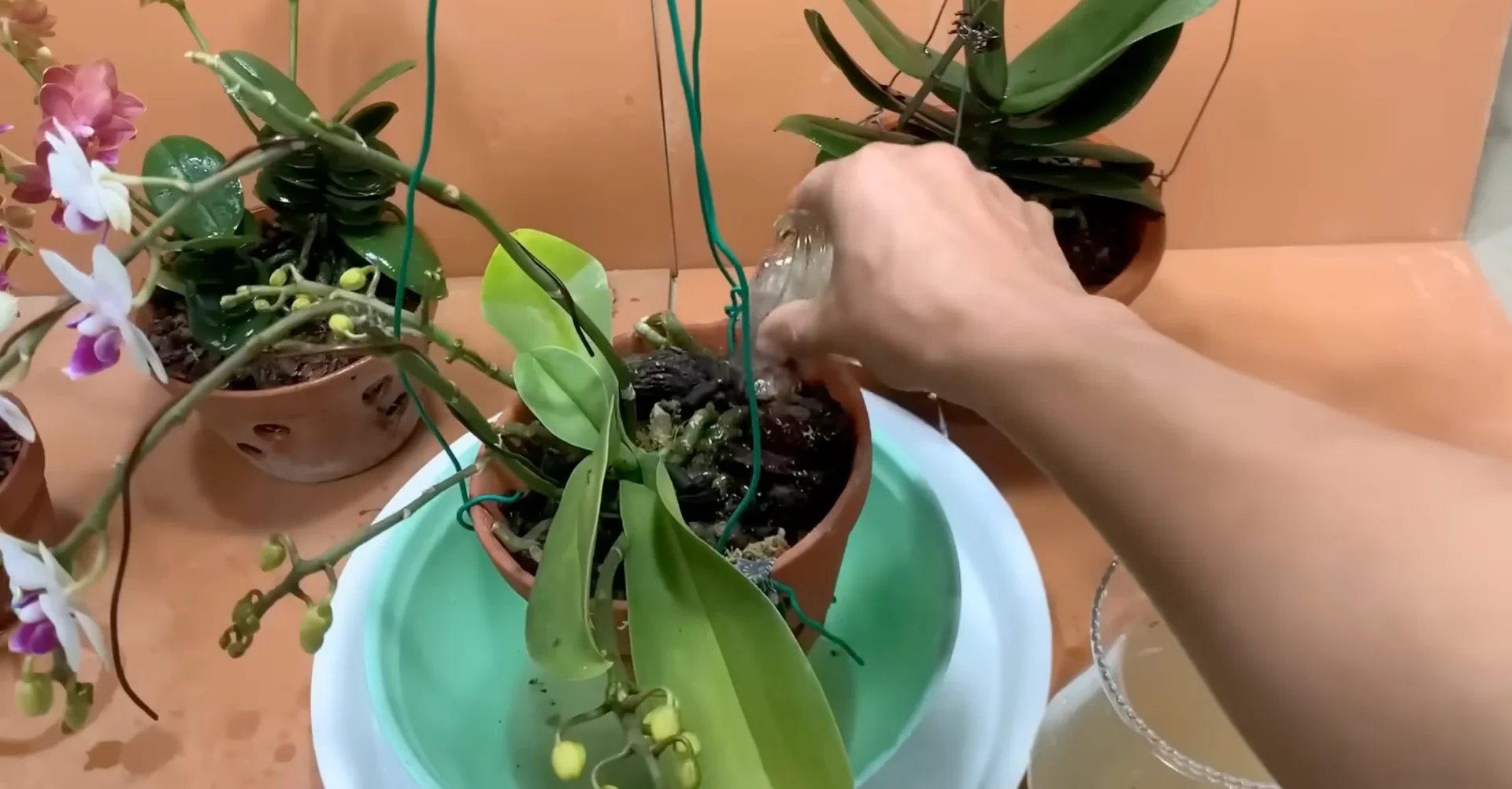
The third method, pour the mixture directly onto the roots to nourish the plant from the base. Evenly pour the mixture over the base, roots, and surface of the growing medium to help the plant absorb it better.
3. Orchid Reblooming Techniques: Nutrient benefits
Auxin vitamins minerals
Potato sprouts contain many essential nutrients for plants such as auxin, vitamins, and minerals, which helps stimulate root growth, promote development, and enhance the plant’s resistance.
NPK support
Potato sprouts also contain natural nitrogen, phosphorus, and potassium, essential nutrients that help plants develop strong roots, green leaves, and stimulate flowering.
Phosphorus
Potato sprouts also contain phosphorus, an important nutrient that promotes root development, and plays an essential role in the plant’s overall growth process.
Calcium
Potato sprouts are also rich in calcium, an essential nutrient for plant cell development, helping to form strong and stable cell structures. At the same time, calcium also improves soil pH and increases the plant’s ability to absorb other nutrients.
Magnesium
Potato sprouts also contain magnesium, an important nutrient that helps balance pH levels and enhances the plant’s ability to absorb nutrients.
4. Orchid Reblooming Techniques: Schedule and results
Schedule
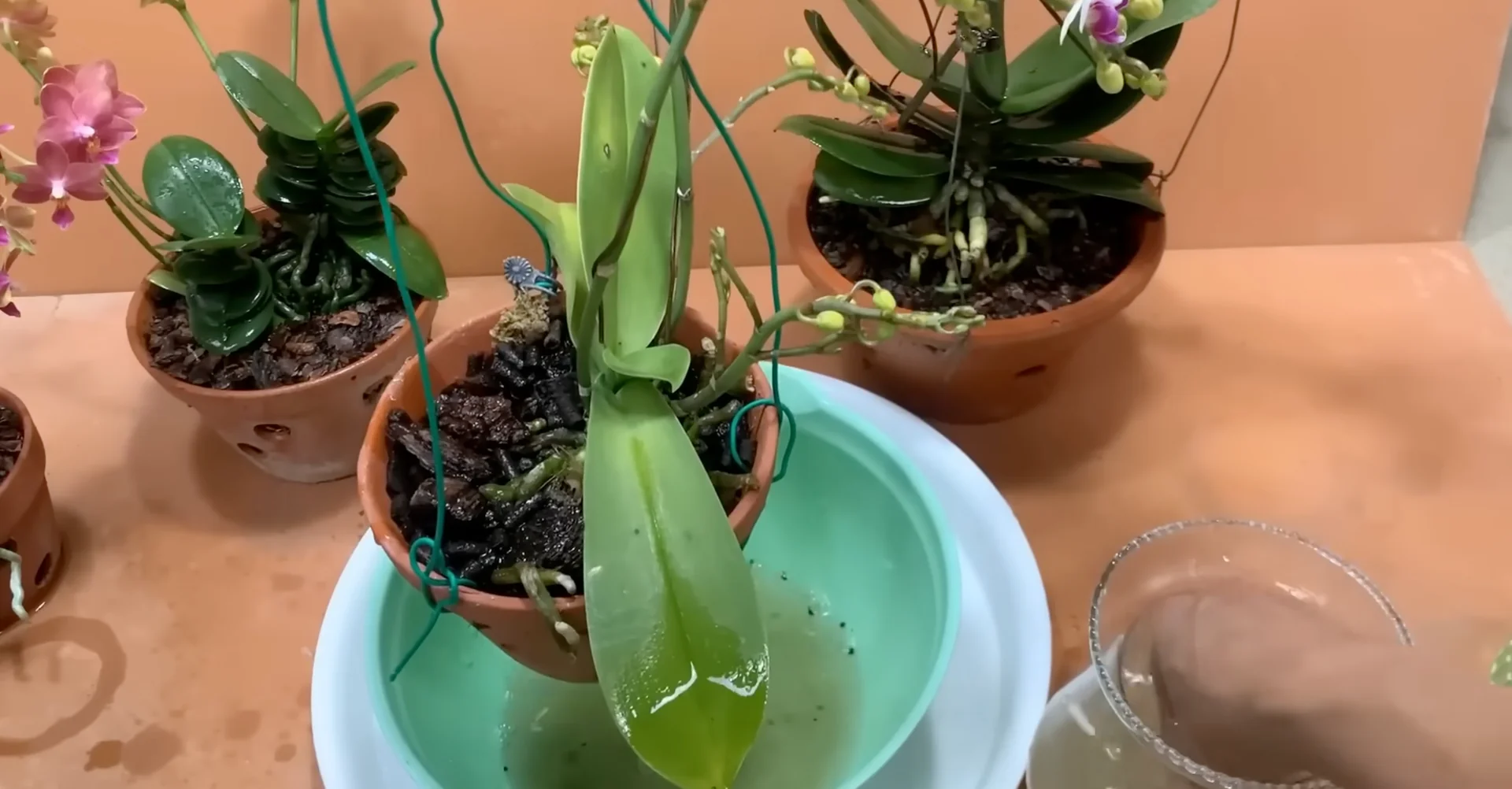
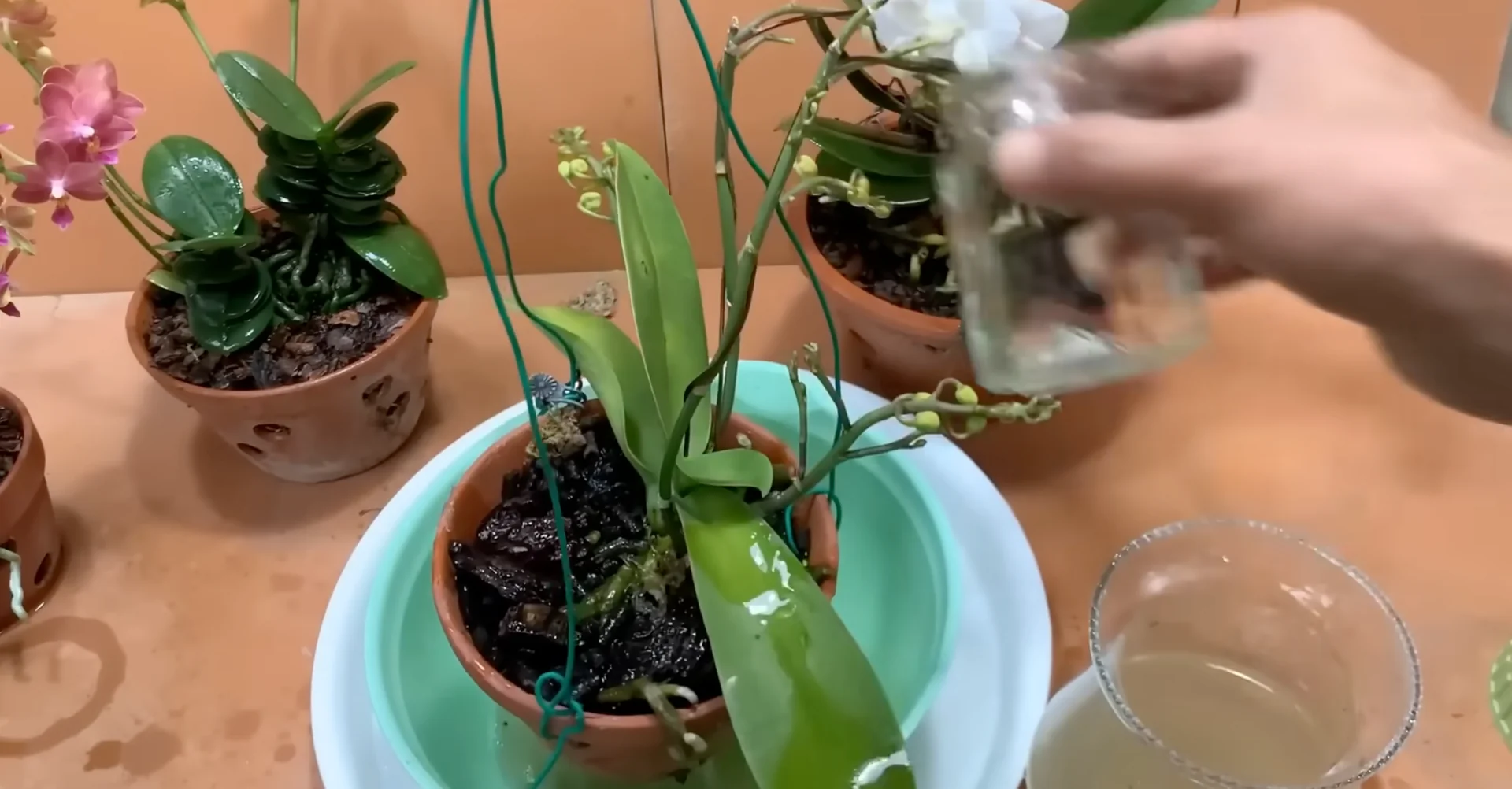
You can apply the misting method on the leaves or water directly at the base once a month to provide the plant with a steady supply of nutrients.
Blooming
After more than a month, the orchid spikes that had once faded have started blooming again. As you can see, the nodes with dormant eyes have now developed into new flower spikes, preparing for the next blooming cycle. The orchids treated with potato juice have bloomed profusely with many flowers blooming together on a single spike.
Not only do they bloom abundantly, but the flowers also stay fresh on the spike for a long time, sometimes lasting up to 6 months.
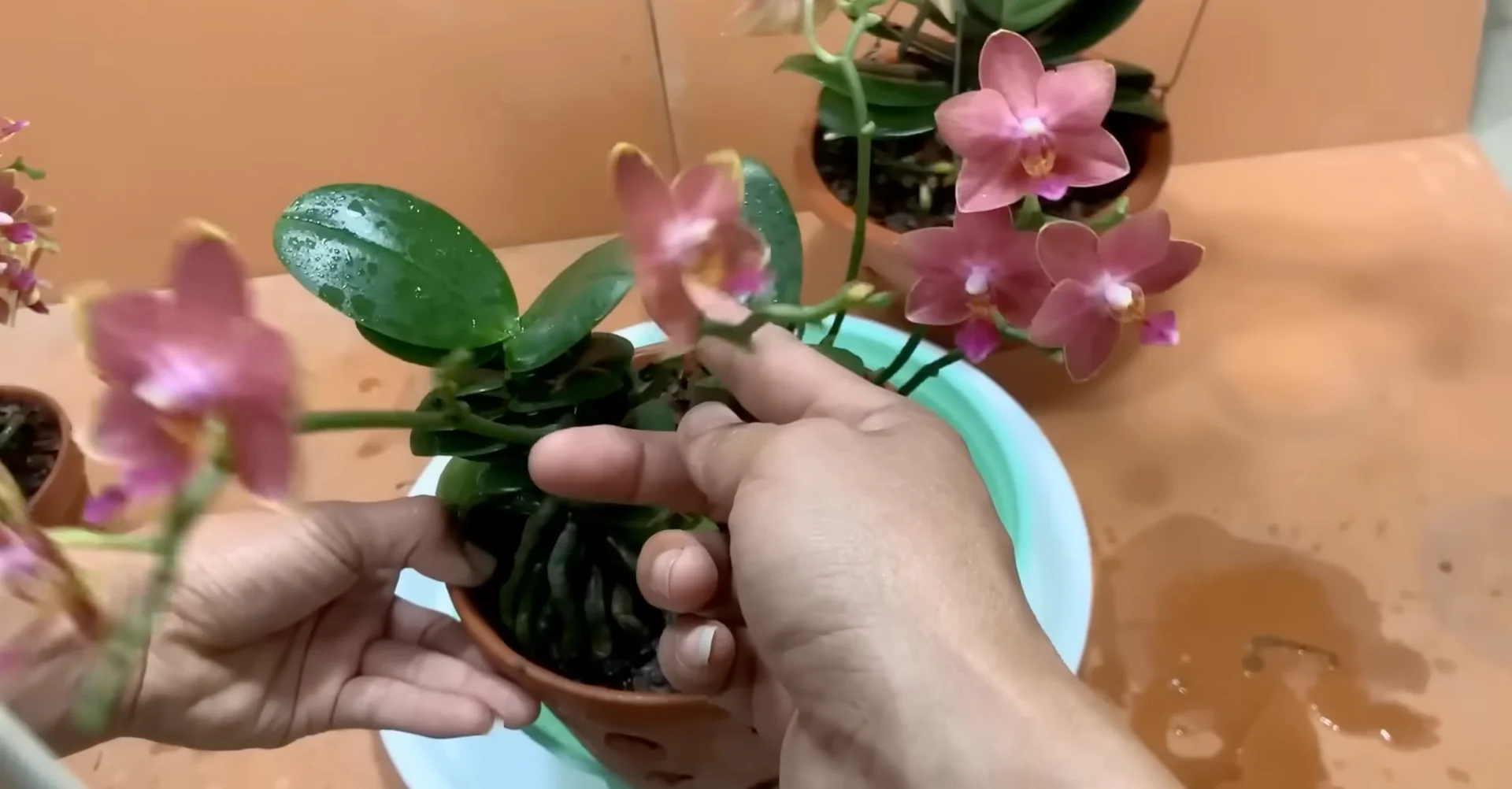
Foliage and roots
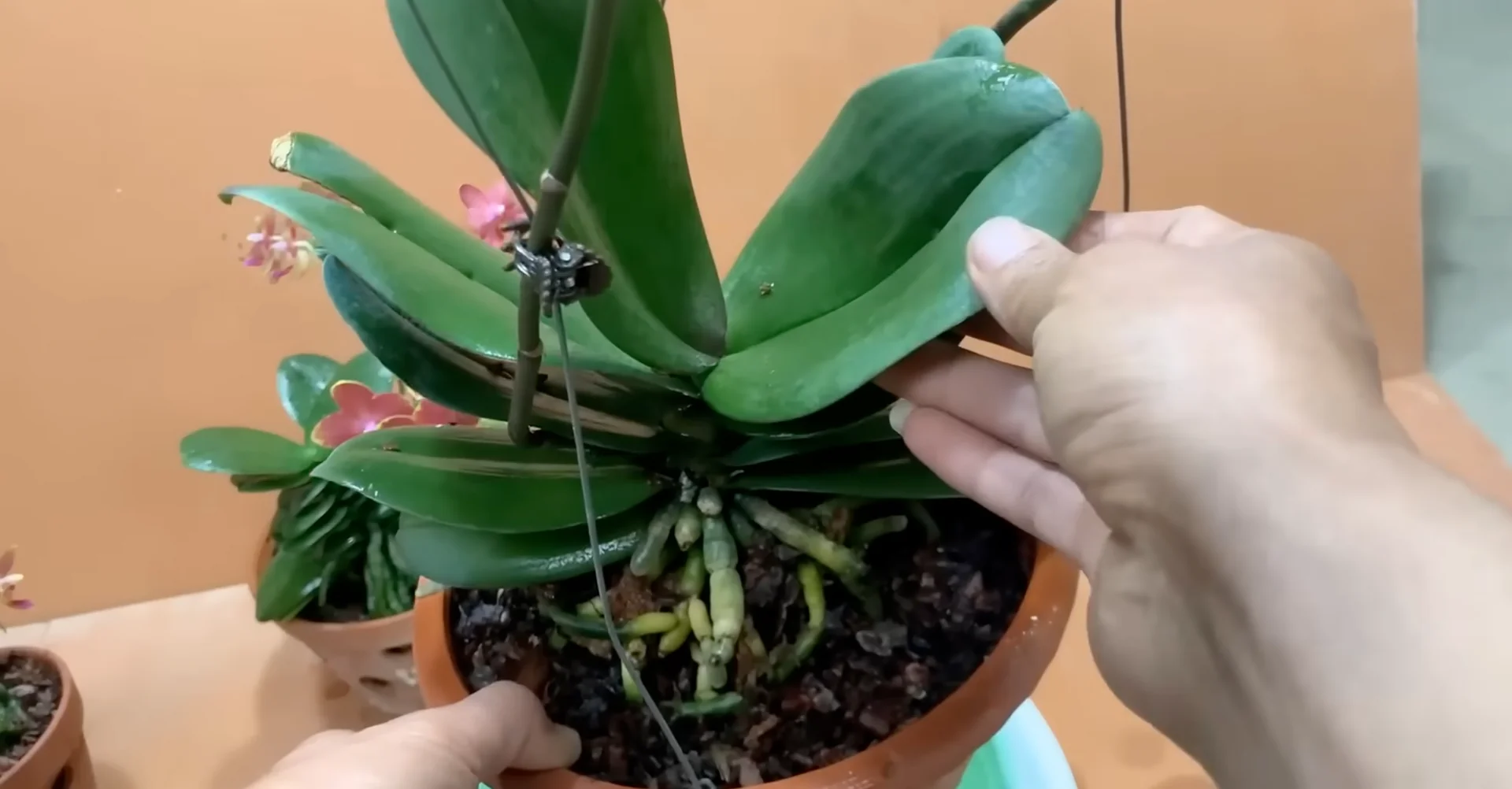
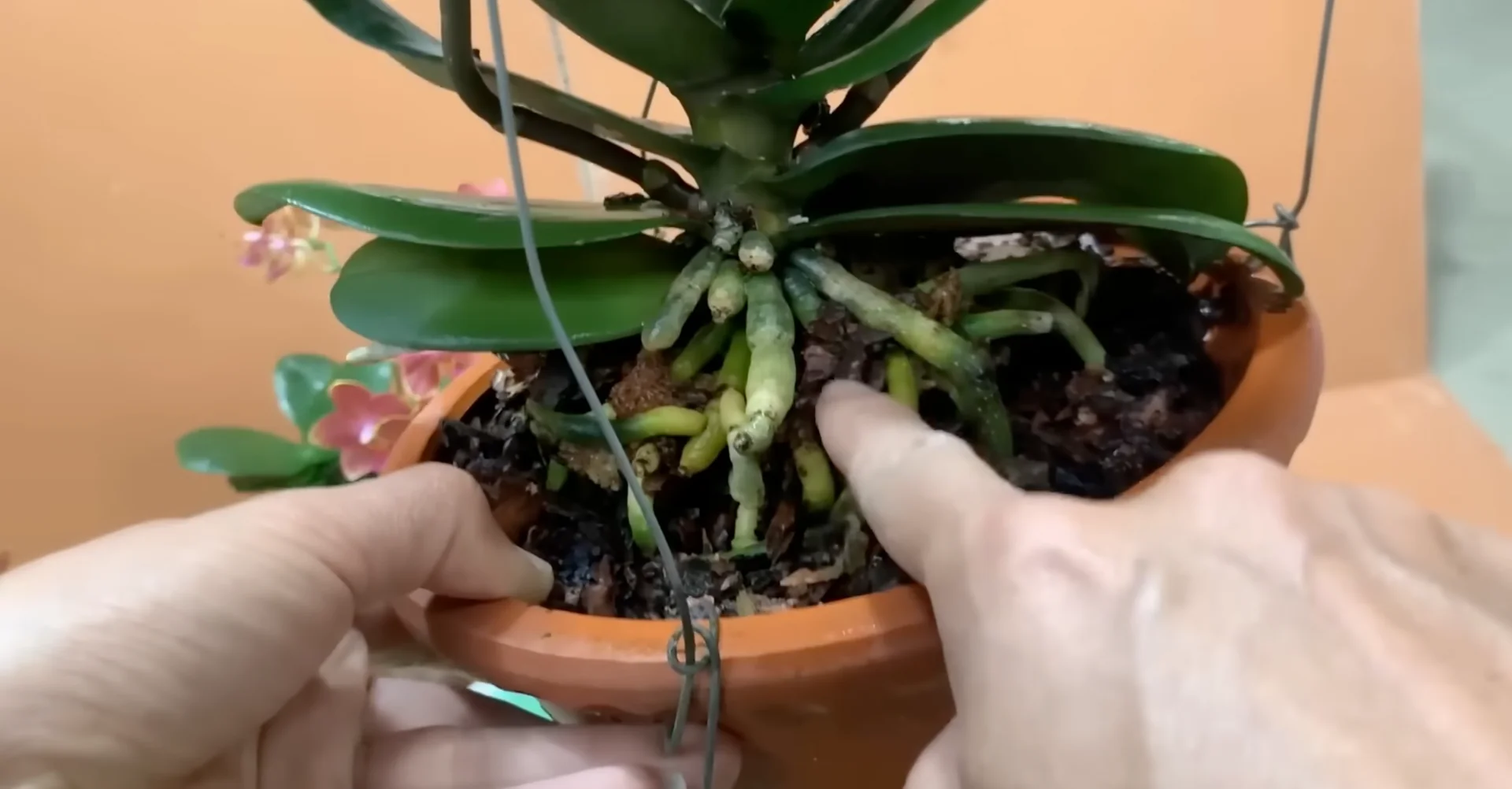
The leaves have also become thicker and sturdier, clearly showing the vitality and health of the orchid. The root system has grown large and strong, firmly attaching to the growing medium, a sign that the plant is absorbing nutrients very well.
Final thoughts
Cut back spent nodes, keep a viable node, and let the wound dry while you avoid watering. Use the sprouted potato and ginger tonic, then apply by cotton wrap, misting, or root drench with attention to the weekly node treatment and monthly feeding. With this care, orchids can rebloom strongly, hold flowers for a long time, and grow vigorous leaves and roots.
About The Author