

I guide you through methods of propagating roses from cuttings using organic ingredients that are familiar and easy to find. These approaches do not require synthetic growth hormones, yet they are highly effective. I keep the process simple and focused on clean preparation, moisture control, and gentle handling.
I use two natural solutions and two different substrates to get fast, healthy rooting. One pairs coffee with ginger on a soft paper substrate. The other pairs aloe vera with carrot on clean river sand.
Rose Cutting Propagation
I start by choosing a healthy rose branch with the flower color I like. Cut the branch to about 15 to 20 cm and remove all the leaves to concentrate nutrients for root growth. Keep tools and containers clean throughout the process.
1. Coffee and Ginger Method
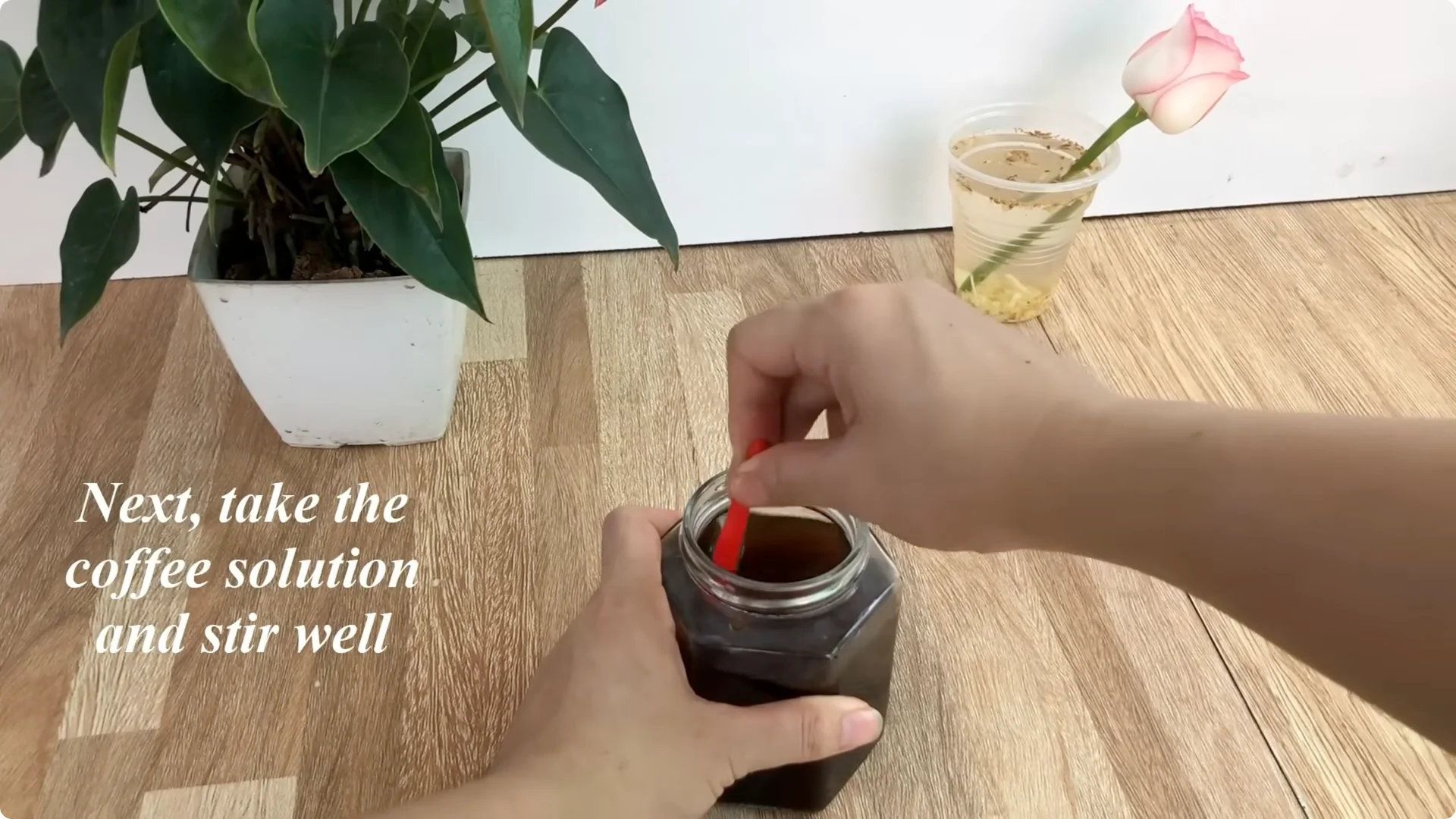
Prepare the coffee solution
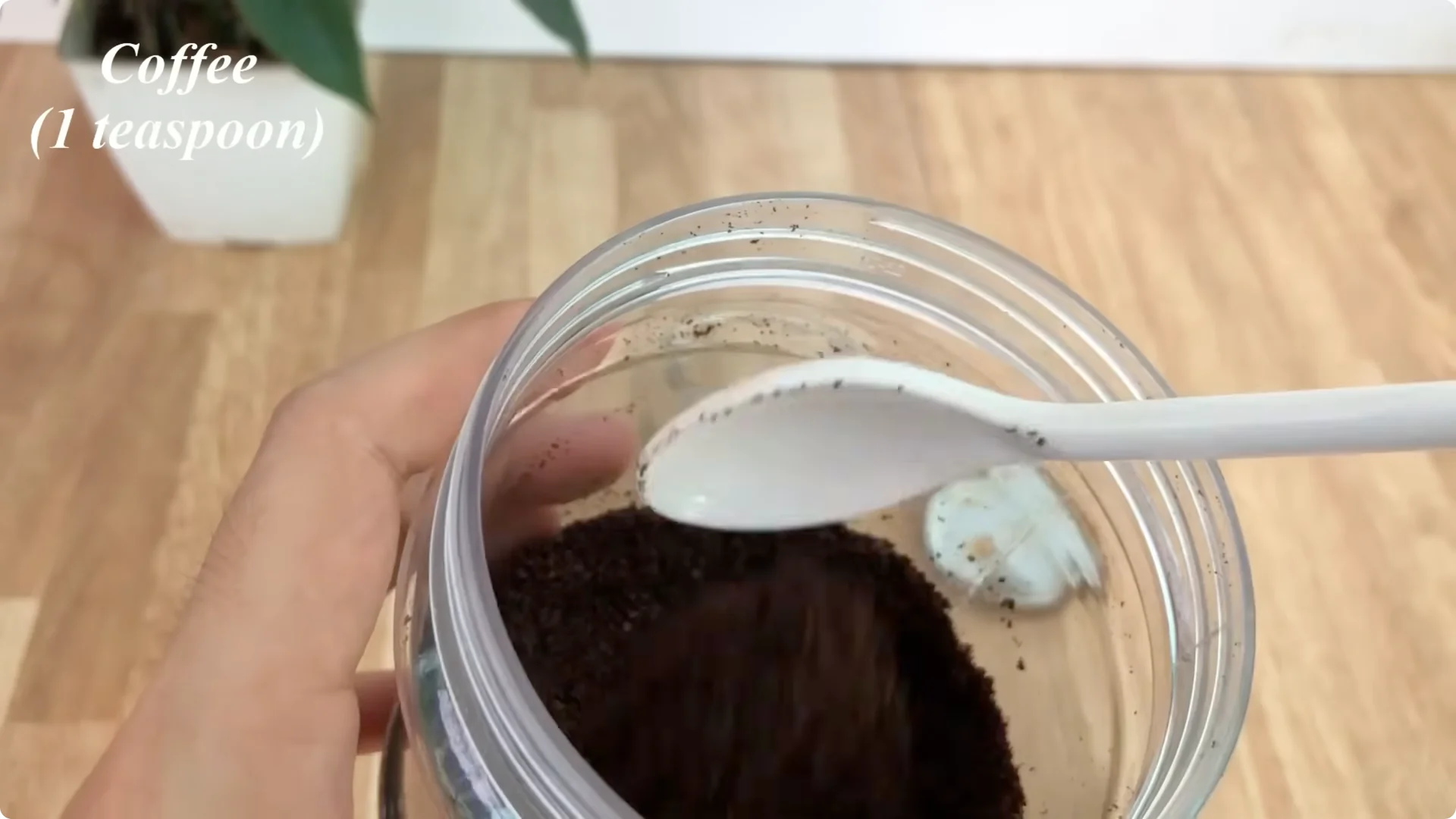
Take 1 spoon of coffee powder and put it in a clean glass jar. Pour in about 0.5 liters of boiling water, cover the lid tightly, and let it cool naturally for about 1 hour. Stir well and filter the grounds through a thin cloth to collect the clear liquid.
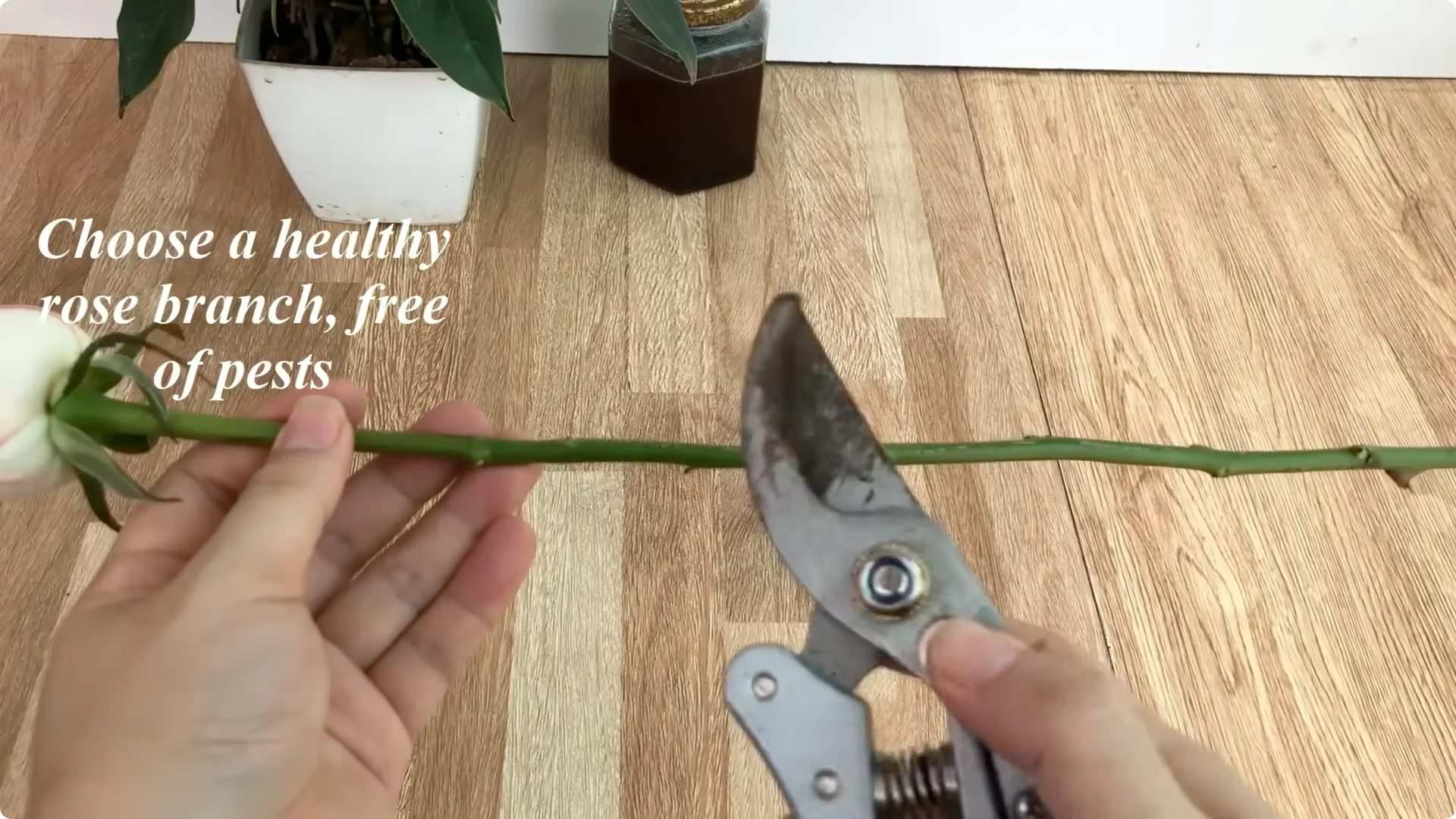
Prepare the cutting
Choose a straight, healthy branch and refresh the cut cleanly. Keep only one or two buds above the prepared base if present. Make sure the cutting does not dry out while you prepare the next step.
Make the ginger solution
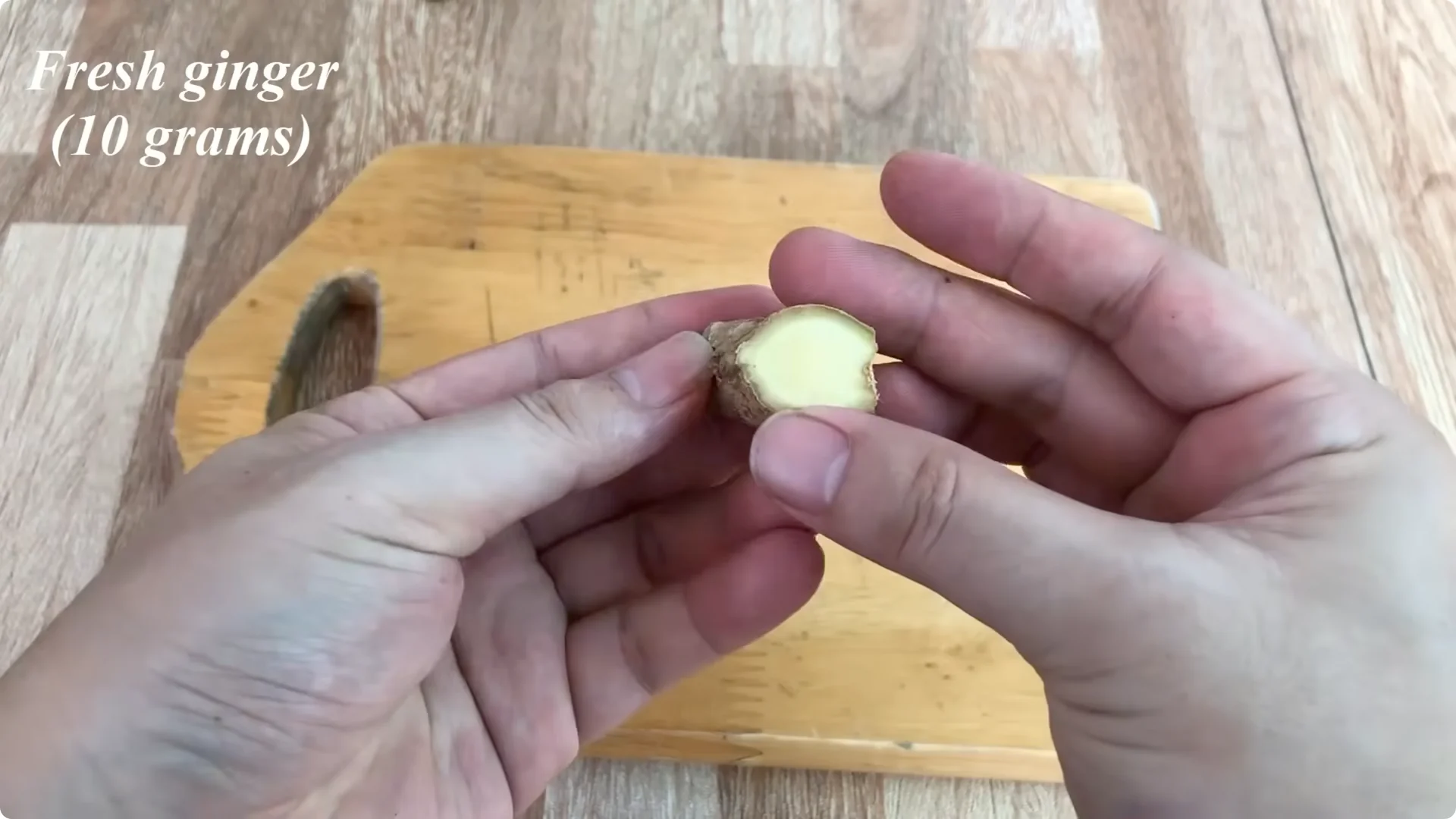
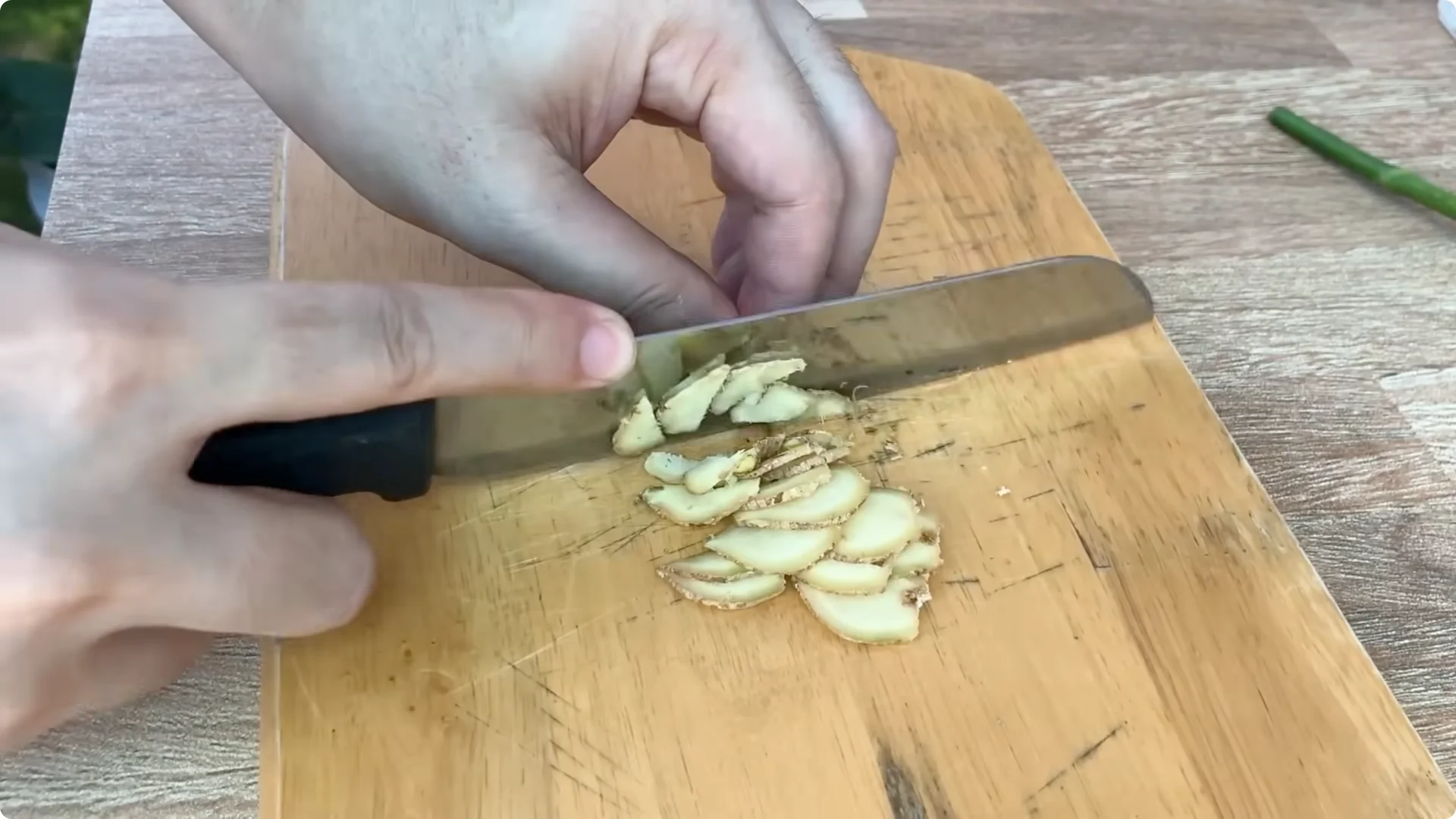
Prepare about 10 grams of fresh ginger, wash and chop it. Put the cut ginger in a clean plastic cup, pour in 0.5 liters of clean water, then stir well. Soak the rose branch in the ginger solution for about 30 minutes.
Why ginger matters
Ginger contains natural antibacterial compounds and growth stimulating enzymes. It helps disinfect cuts, limits mold, and promotes fast, healthy root growth. This is an extremely important step in sterilization and pre stimulation of root growth.
Combine the solutions
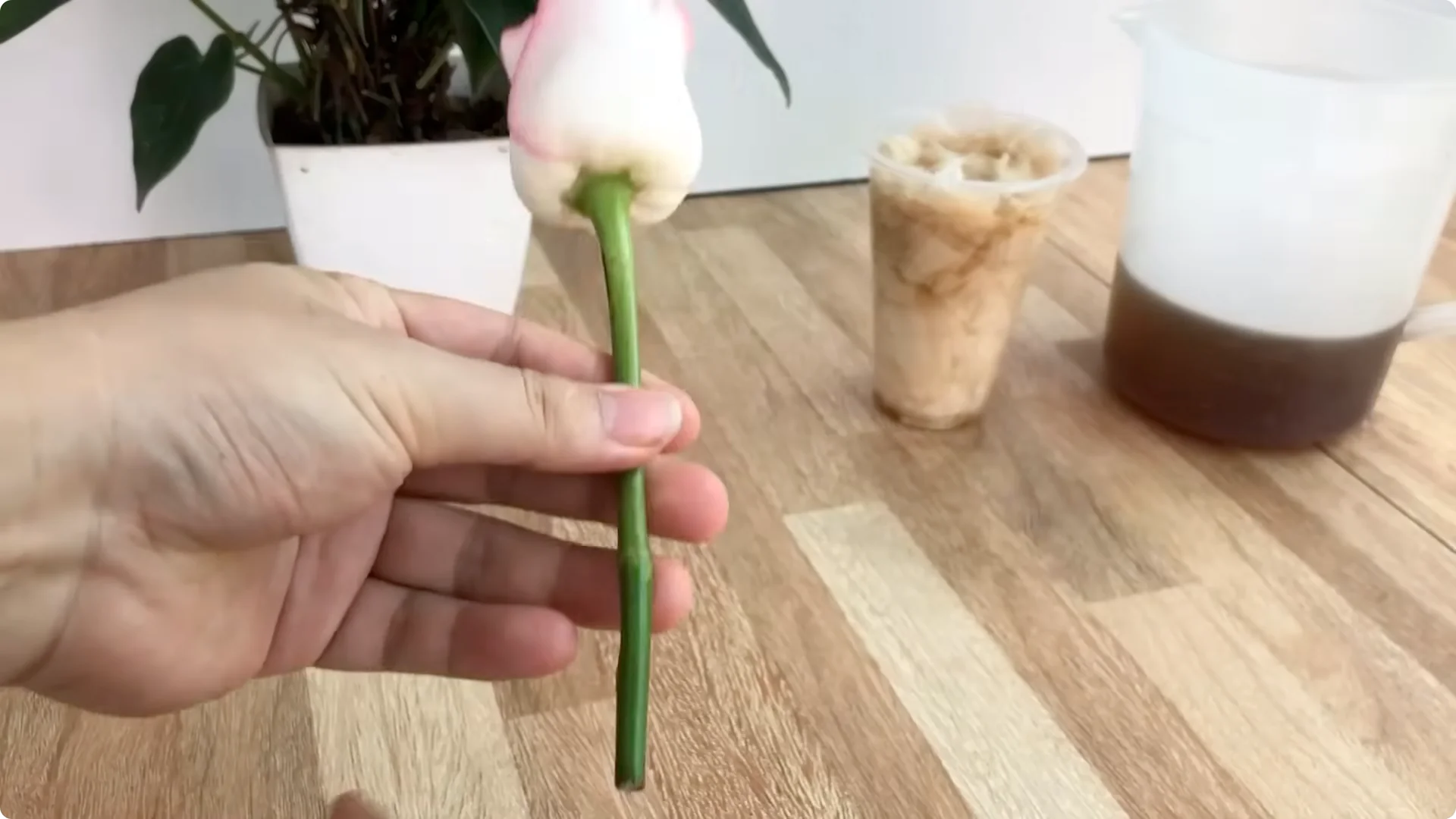
Mix the ginger solution with the cooled coffee solution. The coffee solution helps stabilize pH for root tissue development. It also supports beneficial microorganisms in the substrate, helping the cutting resist fungus and root rot.
Set the substrate
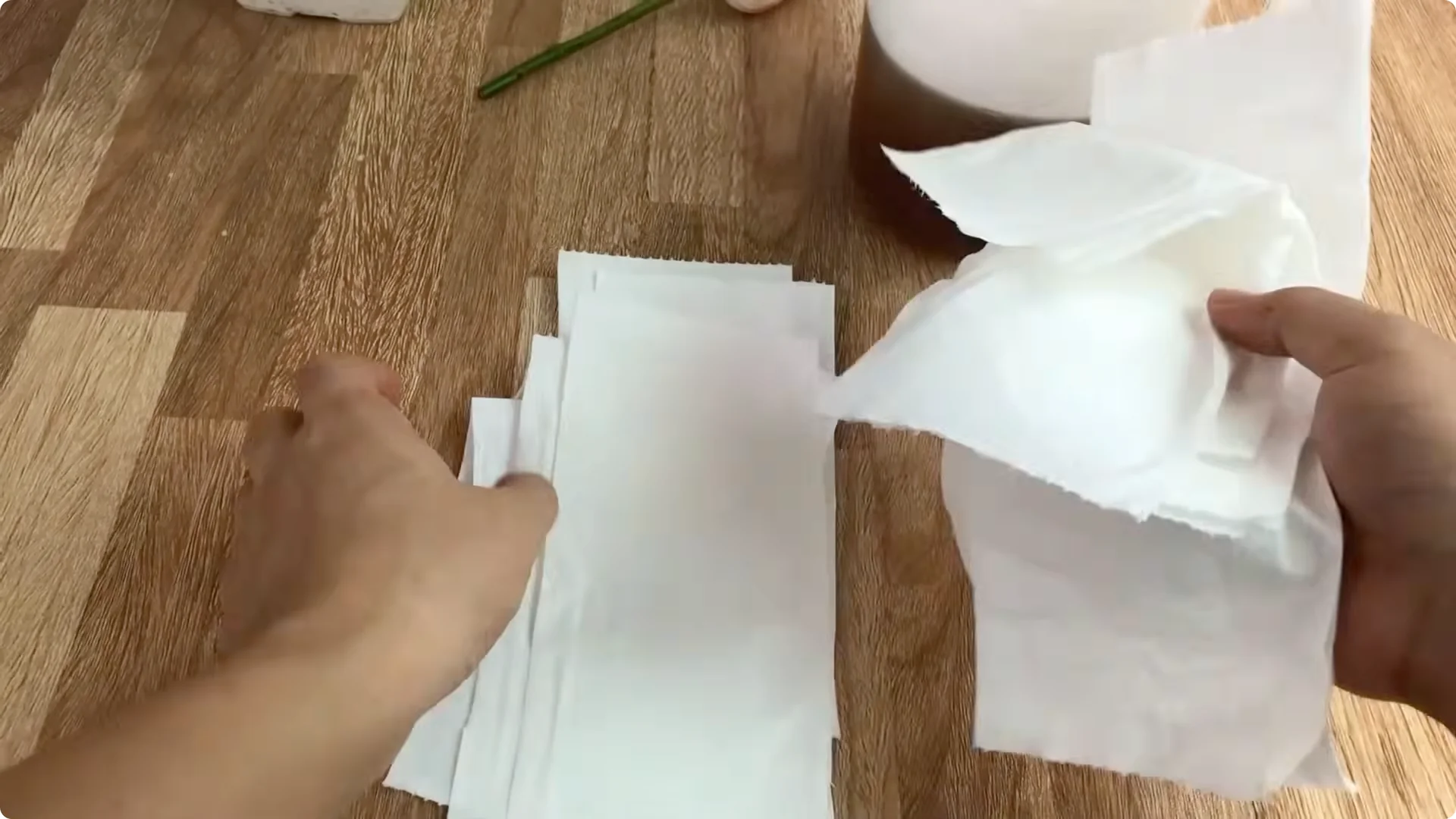
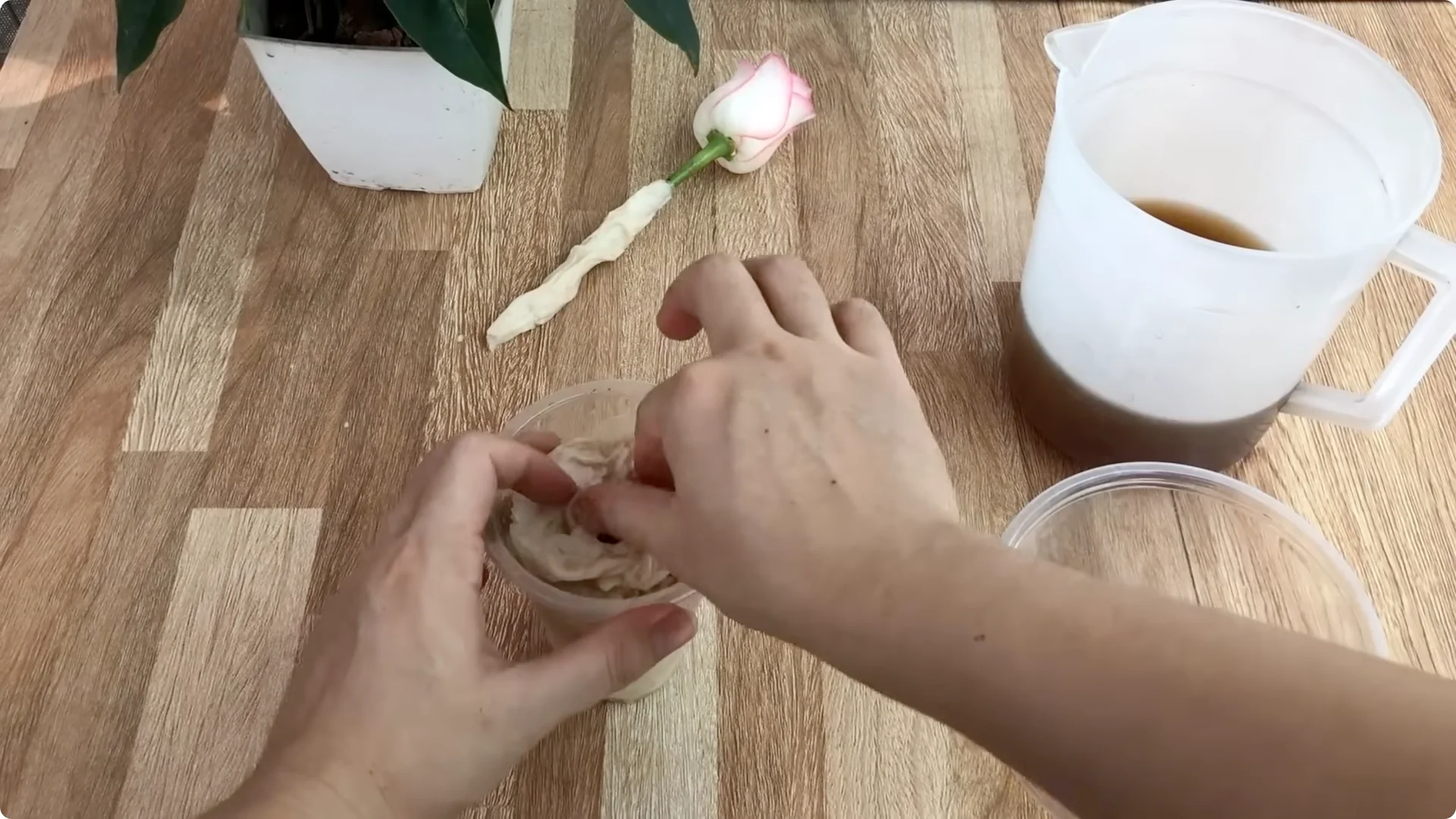
For simplicity, I use toilet paper as a soft substrate. Tear the paper into small pieces, put it in a clean plastic cup, and pour the coffee and ginger solution slowly so the paper is evenly absorbed but not soggy. Wrap the end of the rose branch with a layer of the moistened paper.
Plant the cutting
Gently squeeze the cup to remove excess water, keeping only the necessary moisture for the paper. Make a small hole in the middle of the cup, then place the rose branch so the wrapped part is neatly inside. Cover the mouth of the cup with a plastic bag or a transparent plastic cup to create a mini greenhouse that keeps moisture and temperature stable.
Placement and timing
Place the cup in a cool spot, away from direct sunlight. Keep the setup humid but not waterlogged. Avoid moving the cup during the first days.
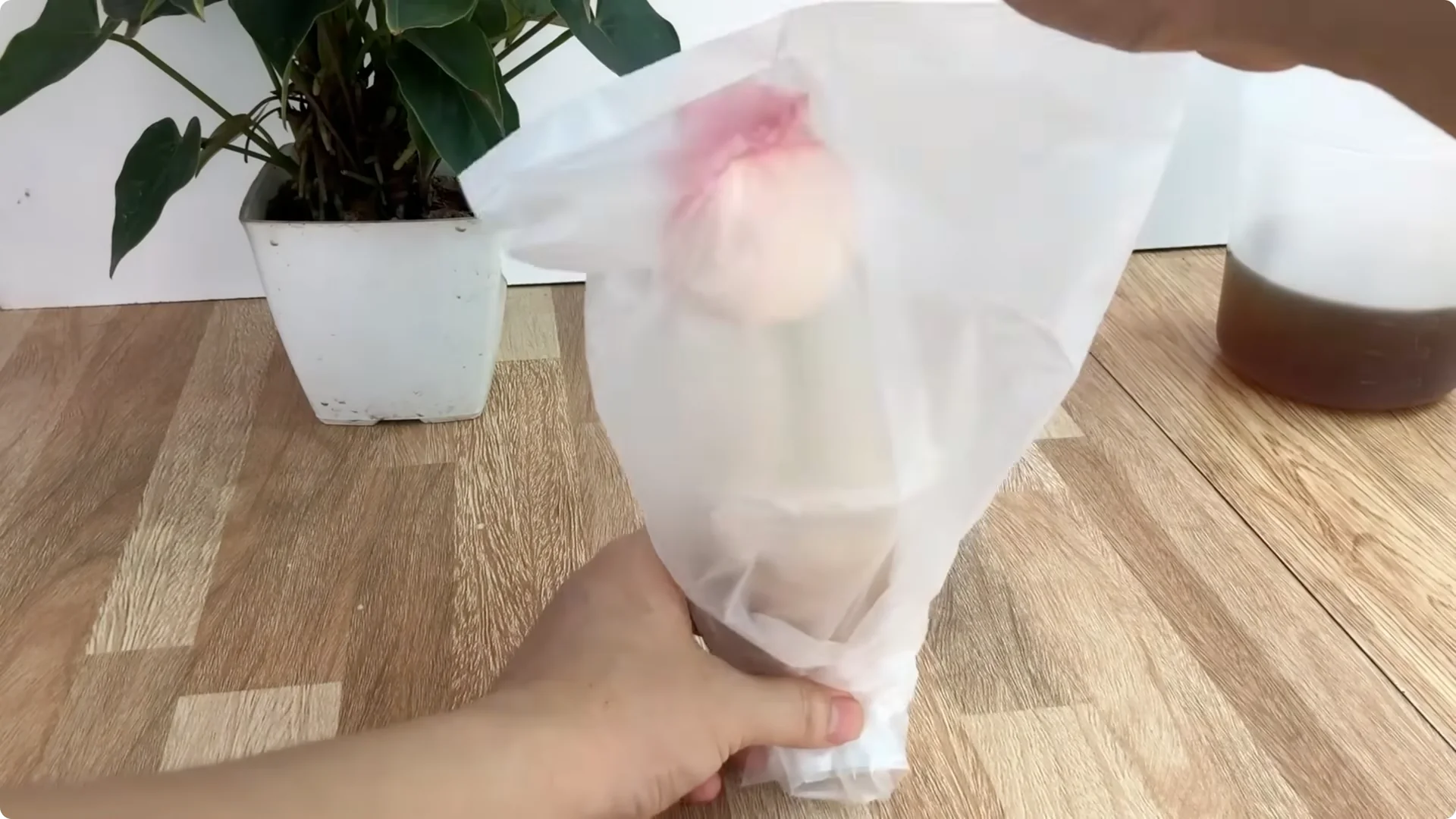
Results and transplanting
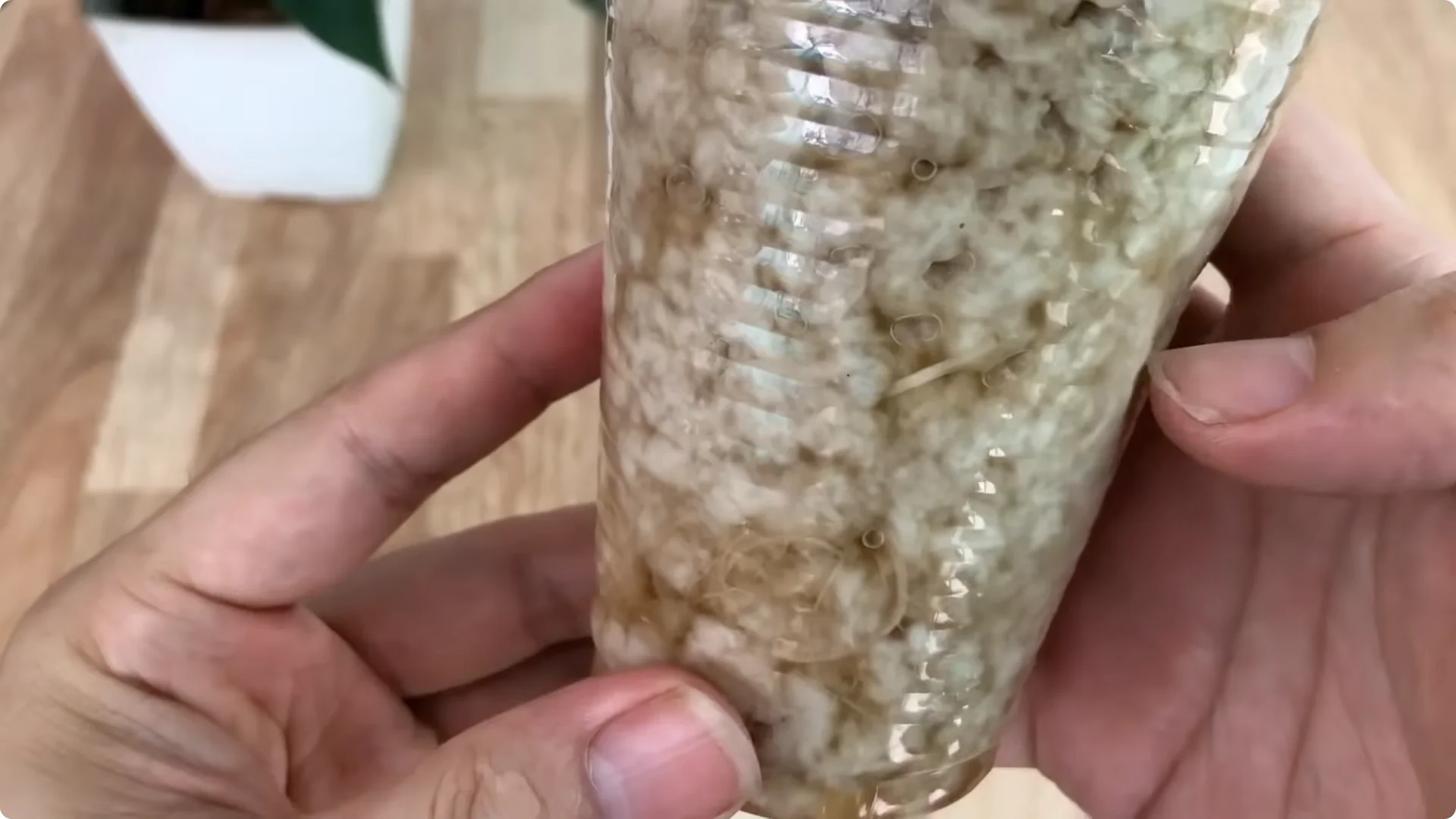
Results after 5 days are often amazing. You can see the branch sprout new buds, and the base will have many healthy white roots. At this point, gently transfer the branch to a pot with a suitable substrate such as clean river sand, and let the plant continue to grow and flower.
For more ideas, see another surprising method for propagating roses that complements this approach.
2. Aloe Vera and Carrot Method
Prepare the cutting
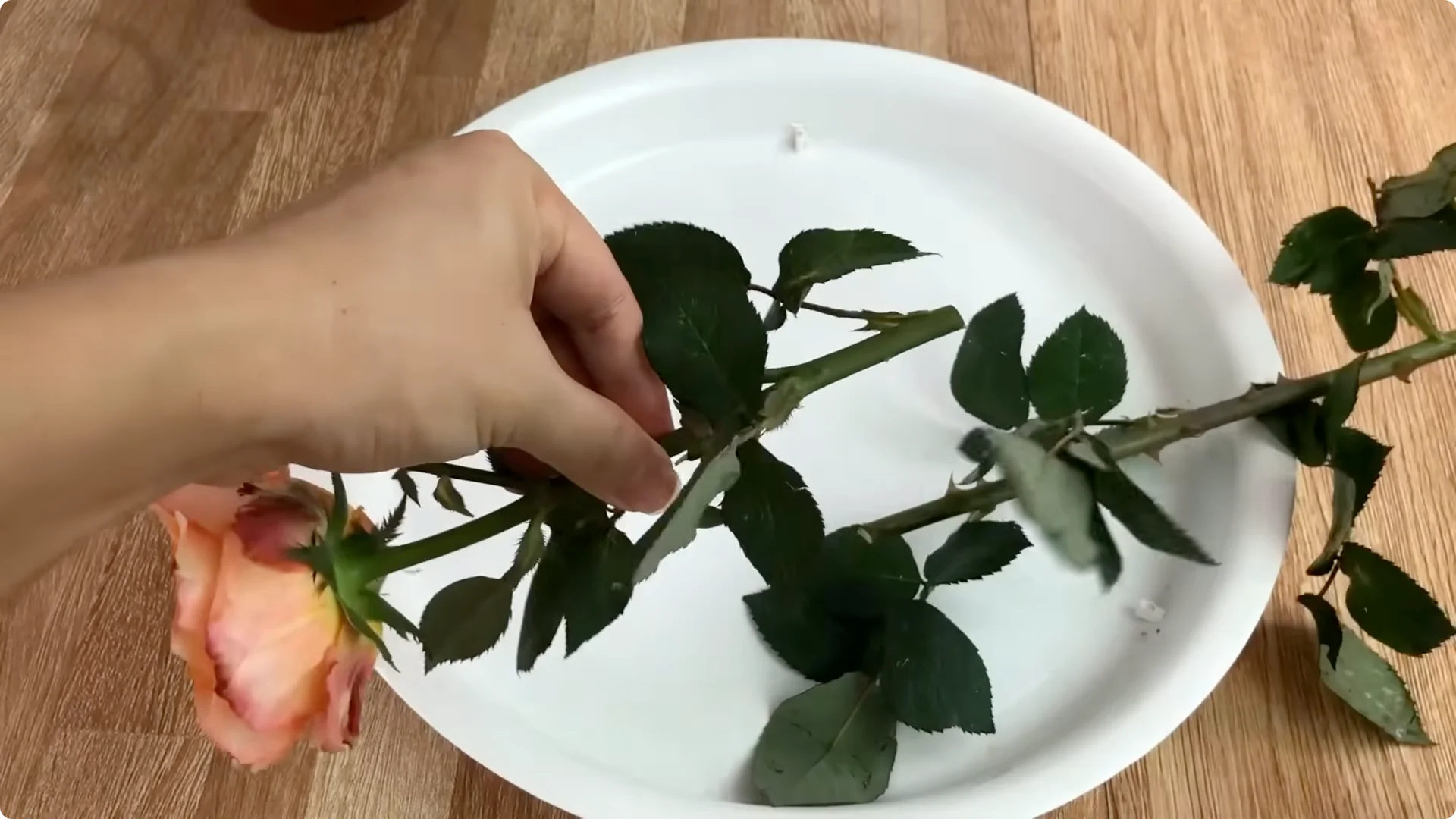
Choose a healthy branch you love and cut it to about 15 to 20 cm. Remove all the leaves to limit water loss and focus nutrients on the rooting process. Keep the cut clean.
Prime with aloe vera
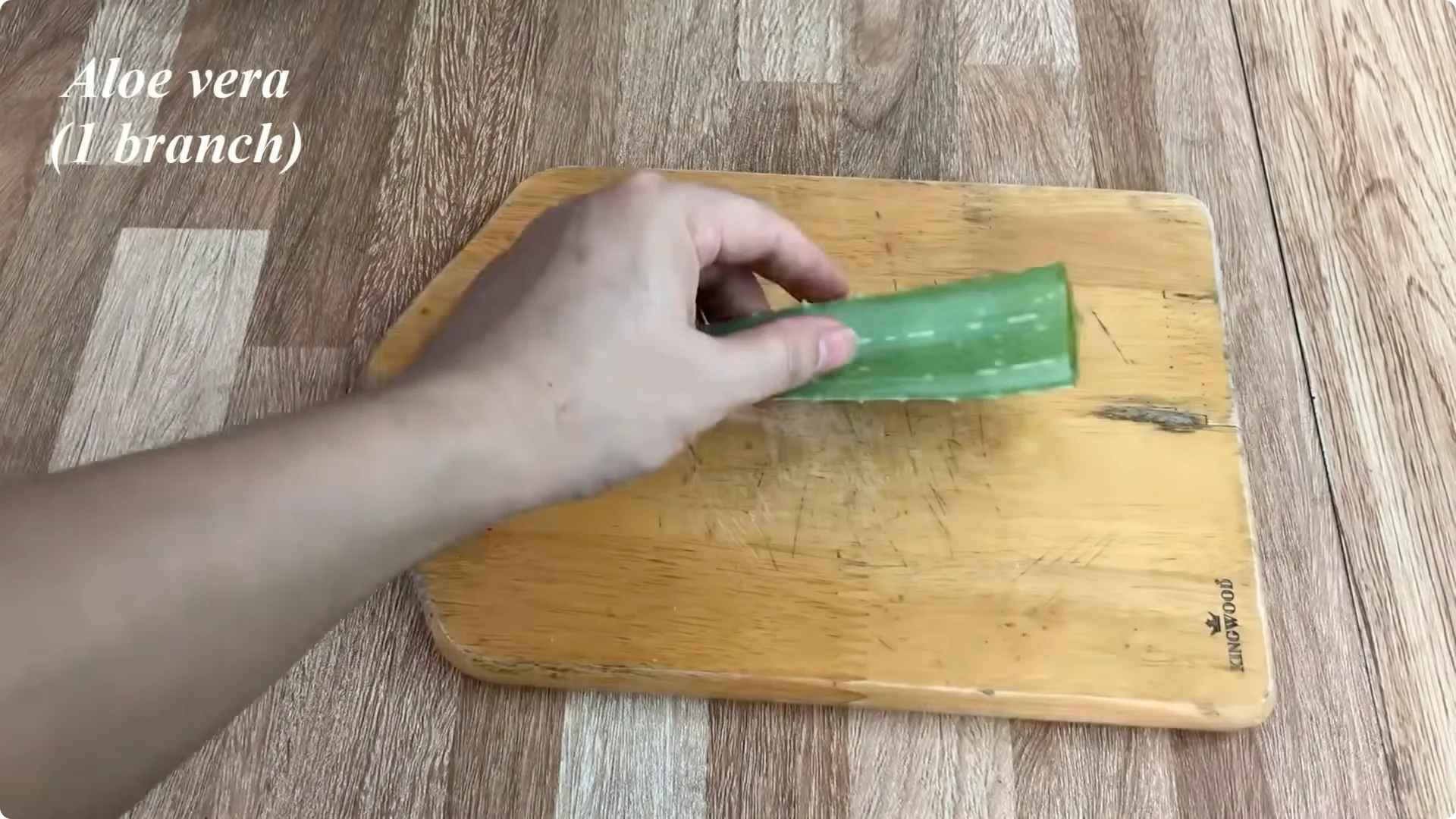
Prepare 1 fresh aloe vera branch. Cut a moderate piece, then insert the rose branch directly into the aloe vera flesh and leave it for about 30 minutes. Aloe vera contains natural enzymes, amino acids, antibacterial compounds, and plant hormones that can stimulate cell growth, protect the cut, and keep the branch naturally moisturized.
You can also explore a simple method you can also try at home that works well alongside this technique.
Make the aloe solution
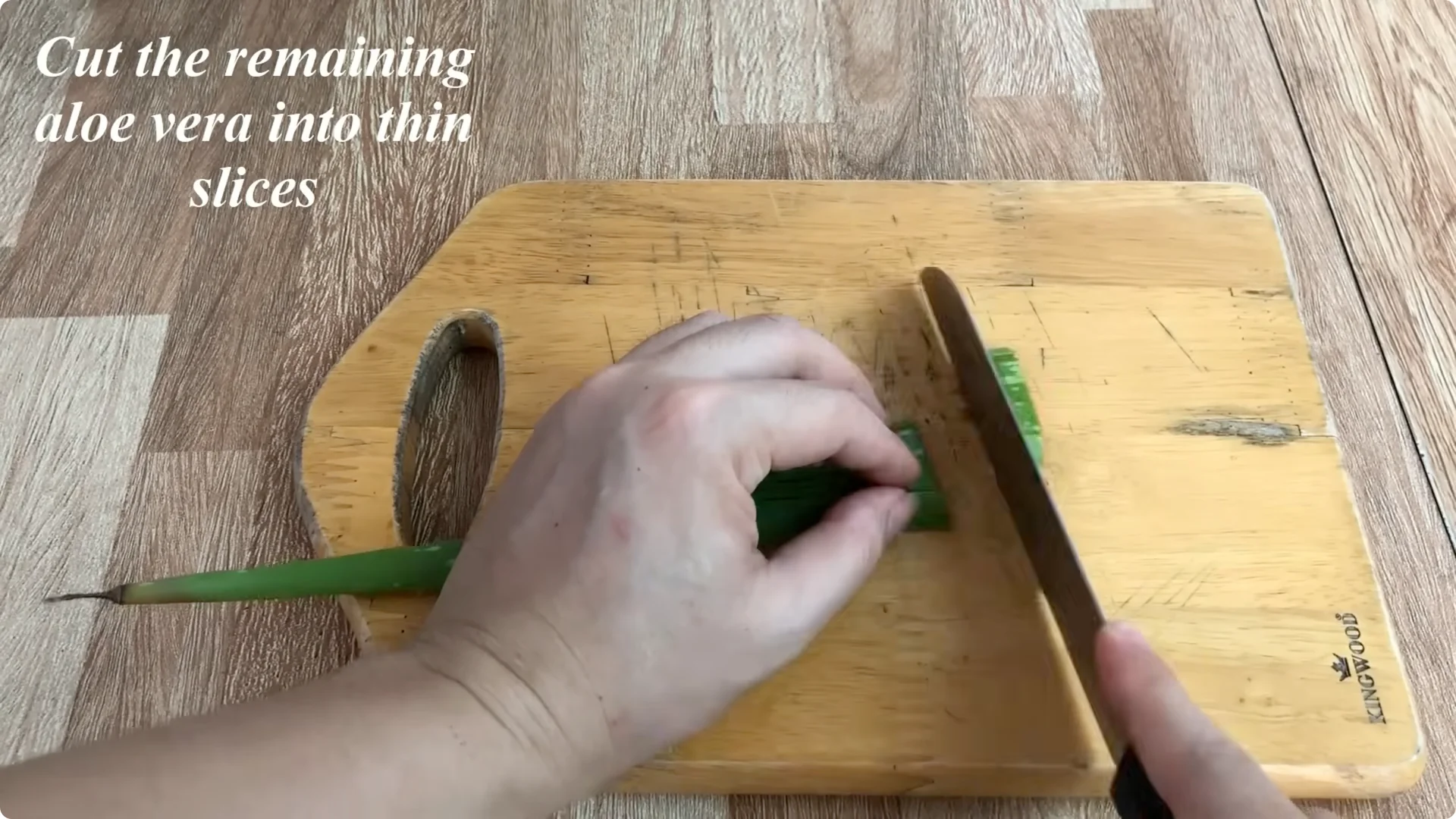
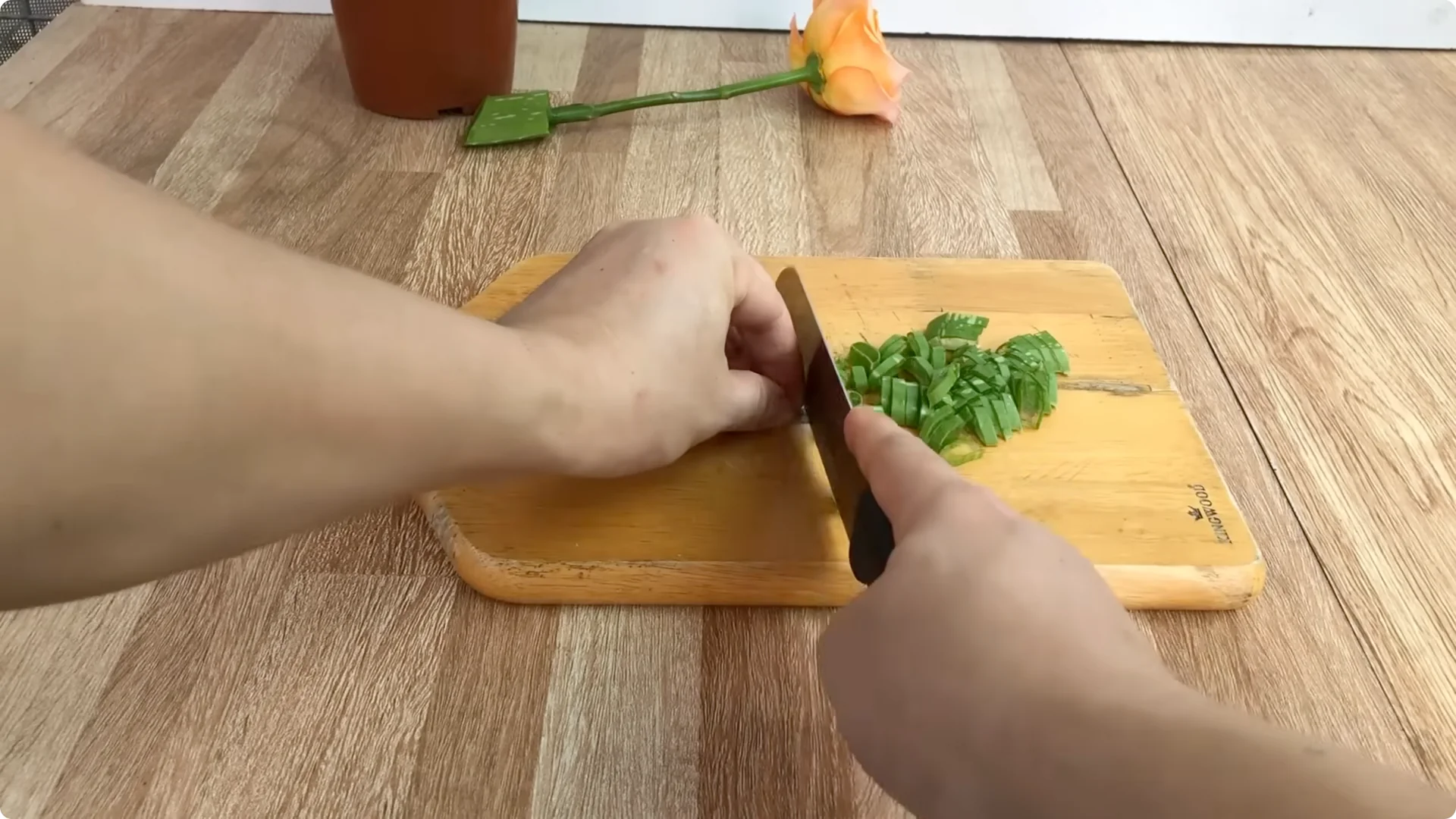
Thinly slice the remaining aloe vera, then put it in a clean plastic cup with 0.5 liters of clean water. Stir well and leave it for 20 minutes. This becomes an important part of the irrigation solution.
Prepare the carrot
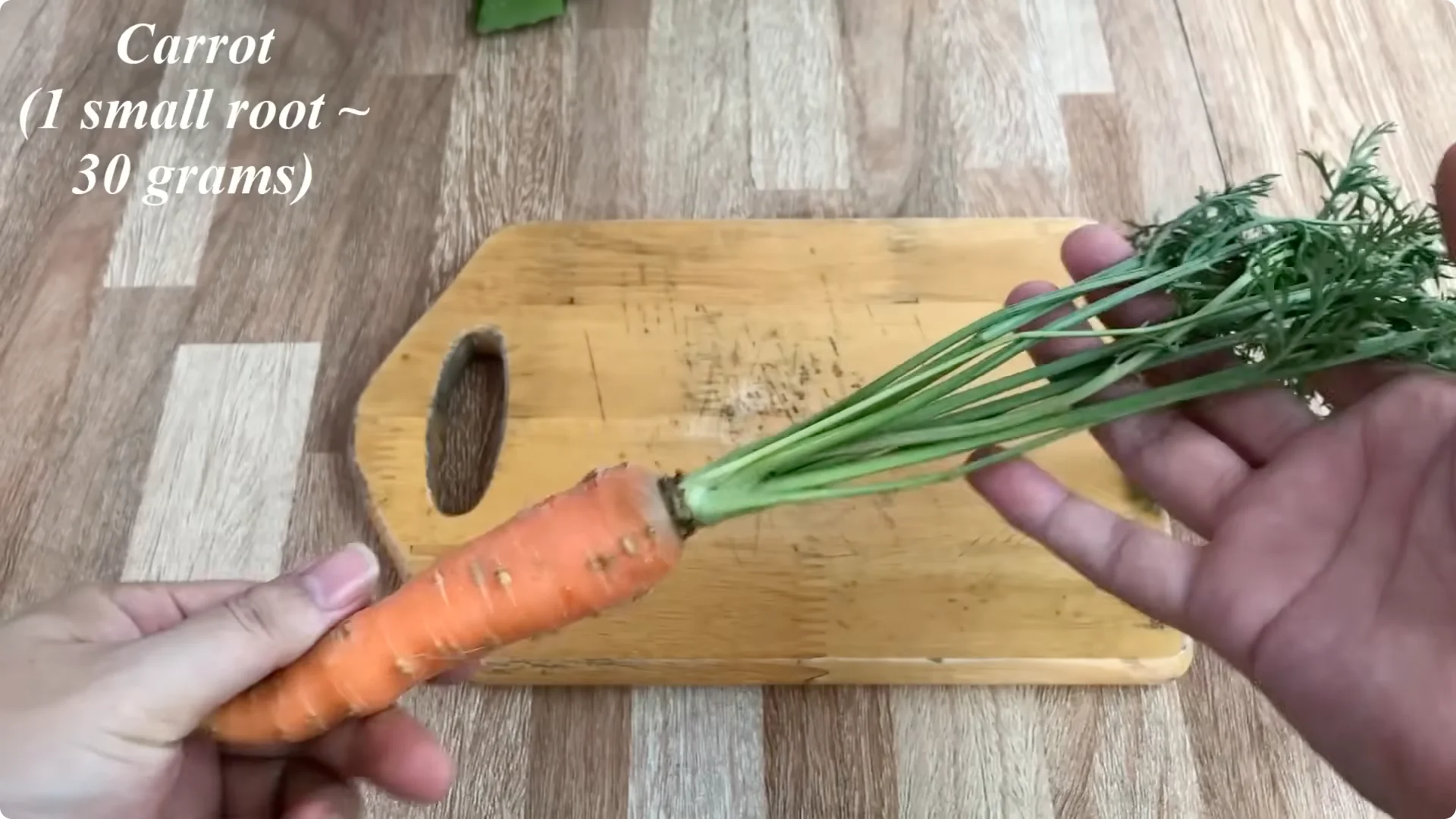
Choose a small carrot of about 30 grams. Cut a piece and drill a small hole in the middle to fit the diameter of the rose branch, then cut the rest into small pieces. Carrots are rich in beta carotene, vitamins, and minerals that can stimulate strong plant tissue growth, strengthen natural immunity, and prevent rot at the cut.
Extract the carrot juice
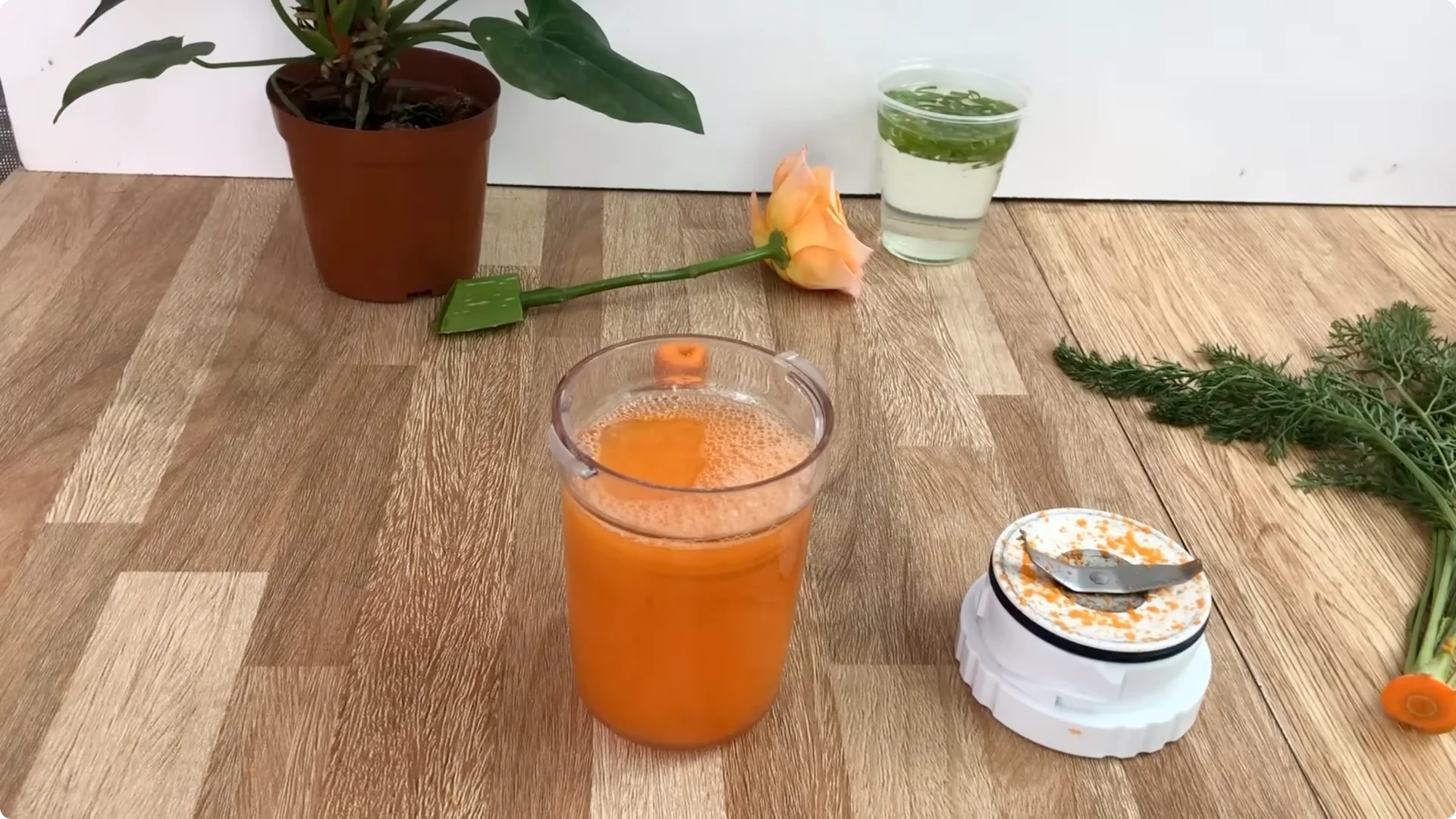
Put the carrot pieces in a blender and puree with 0.5 liters of clean water. Stir to dissolve the nutrients, then filter to get the juice and discard the pulp. Mix the aloe vera juice with the carrot juice, then add clean water to get 1 liter of cutting solution.
Set the sand cup
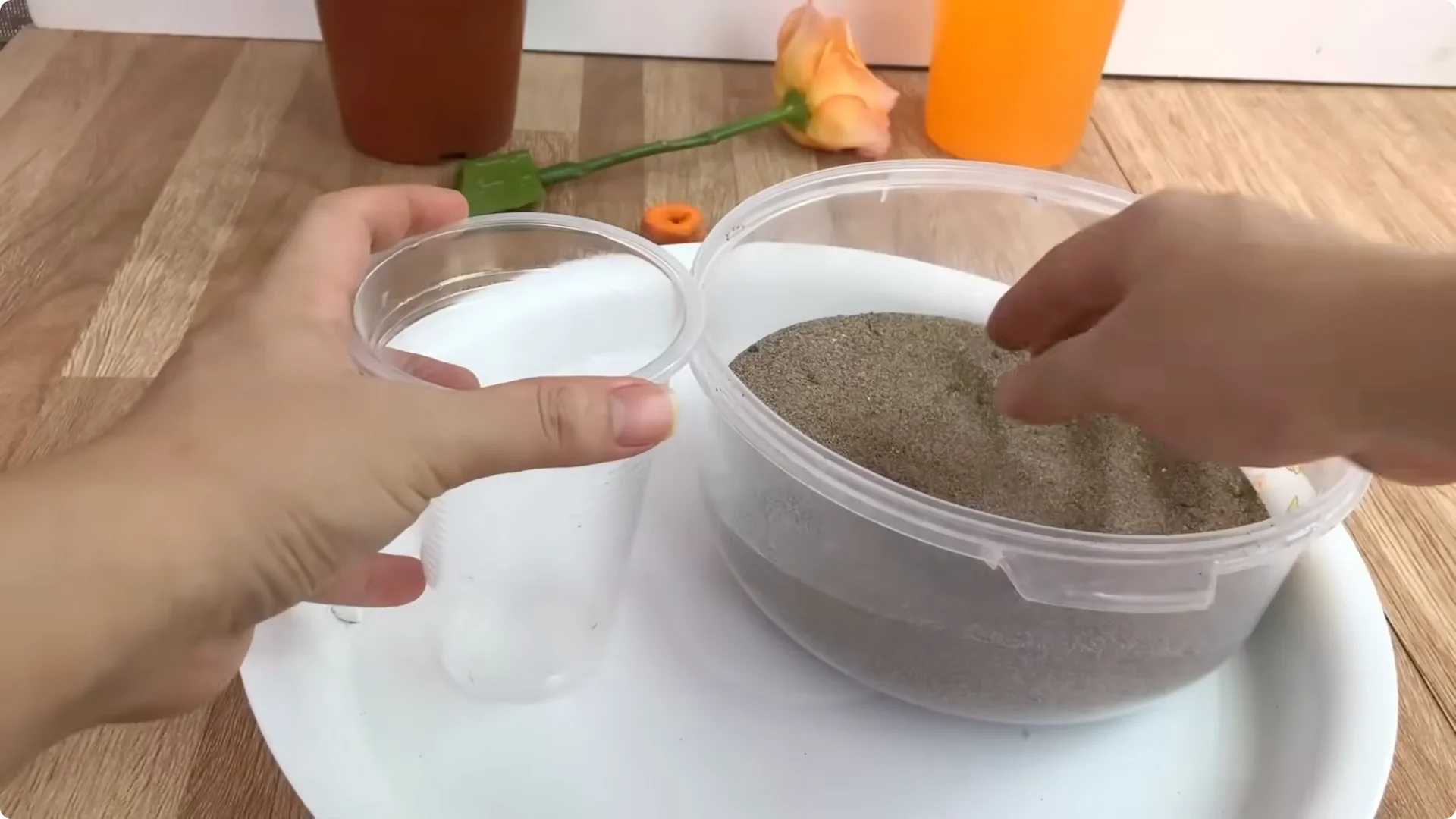
Prepare a clean plastic cup and add clean river sand to about one fifth of the cup height. Place the drilled carrot piece in the middle of the cup. Take the rose branch out of the aloe vera and insert it into the carrot piece.
Secure and moisten
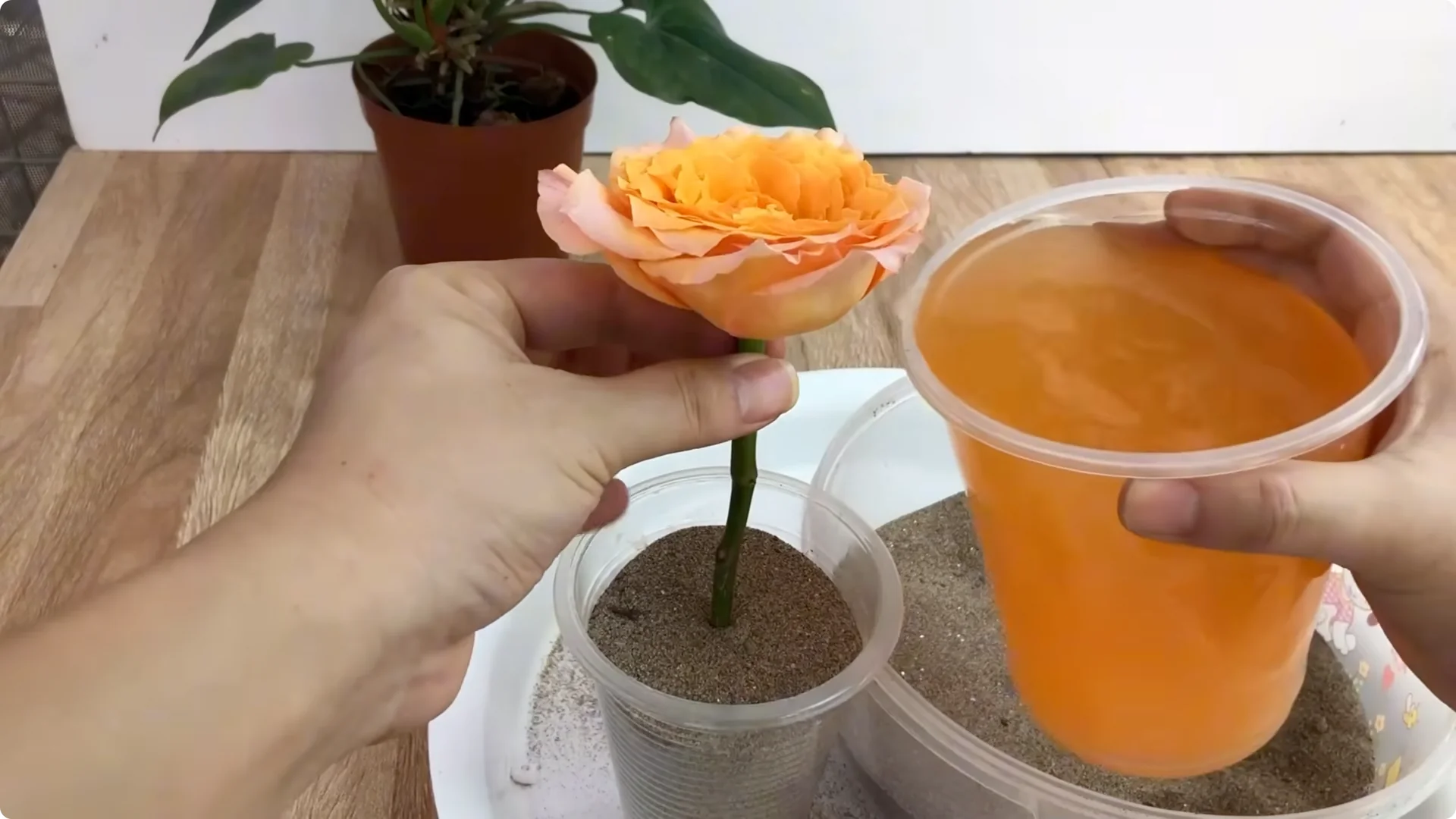
Pour more river sand to near the mouth of the cup, leaving about 2 to 3 cm of space for watering. Slowly pour the prepared carrot and aloe vera solution into the cup in an amount that keeps the base of the branch moist without flooding. The solution provides natural nutrients, maintains moisture, offers antibacterial support, and stimulates roots to grow quickly and evenly.
Cover and place
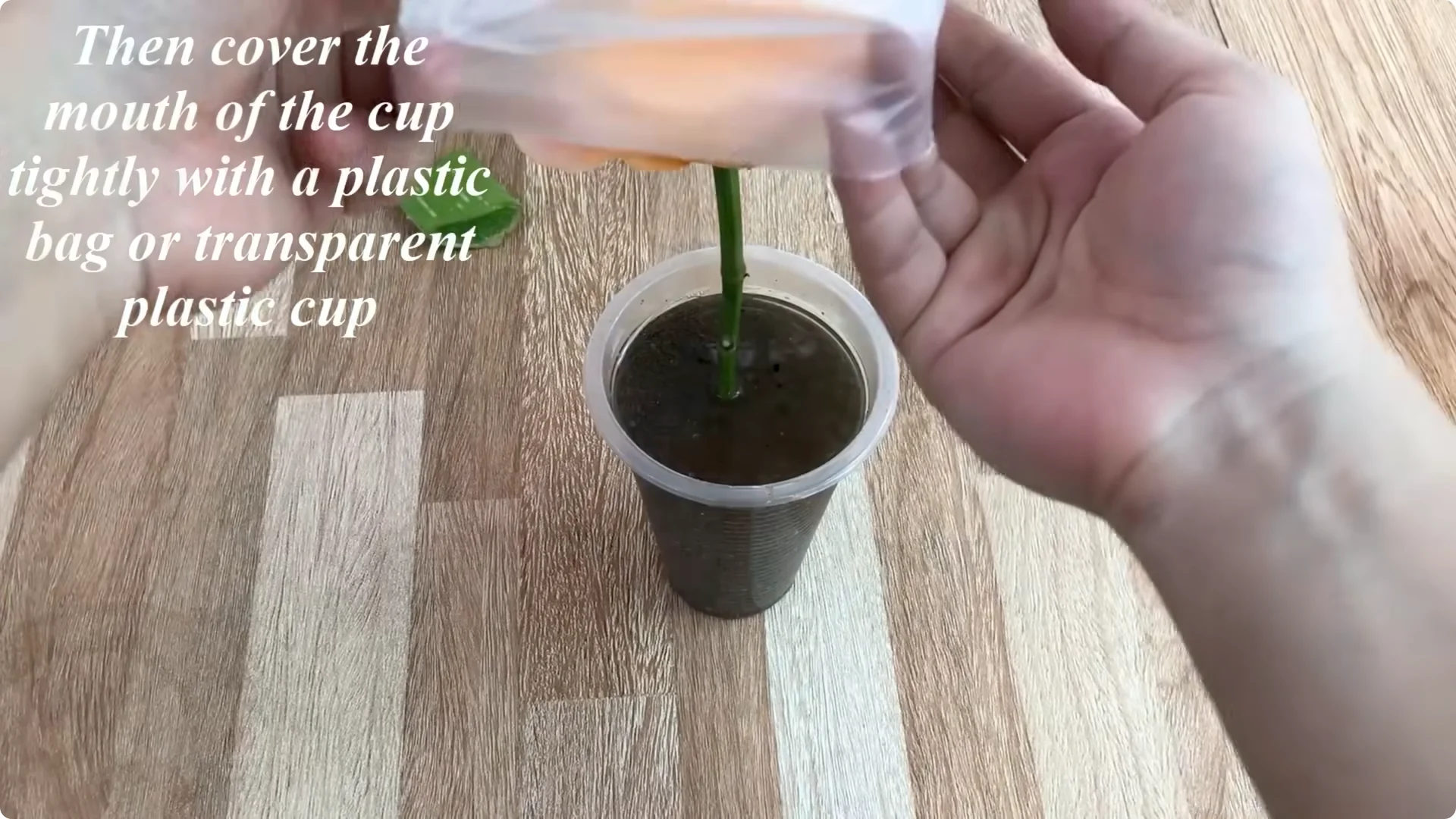
Cover the mouth of the cup with a plastic bag or clear plastic cup to create a humid environment and limit water evaporation. Place the cup in a cool place with diffused light, avoiding strong sunlight. Keep conditions steady during early rooting.
For added guidance, check more tips on rose cuttings that build on this aloe and carrot method.
Roots and potting up
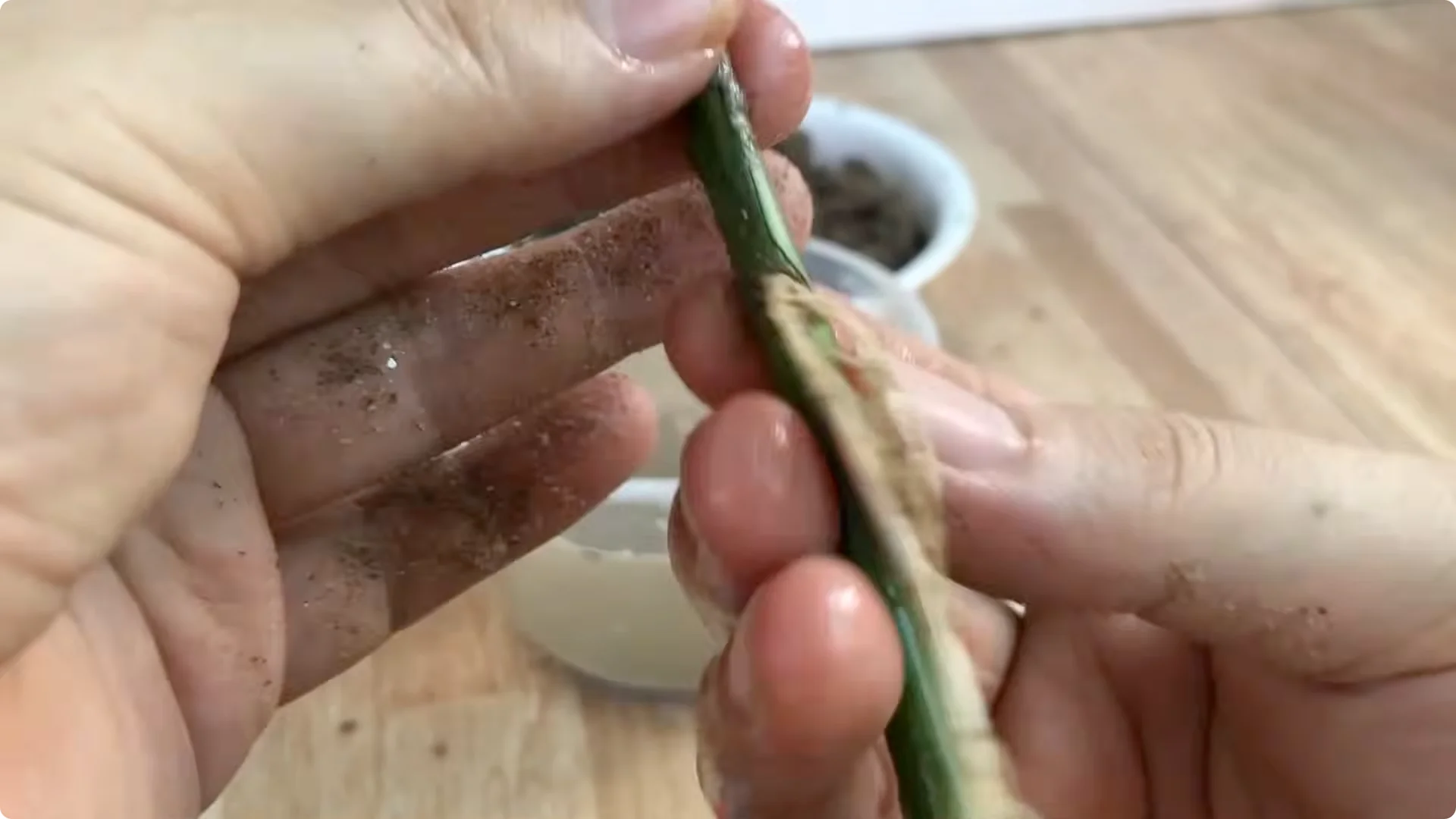
After about 10 days, young roots and new shoots begin to grow a lot. This is the ideal time to transfer the branch to a new pot. Replant the rose in a pot with good drainage, using a substrate of treated coconut fiber or combining it with burnt rice husks, rice husk ash, or decomposed organic fertilizer.
Rose Cutting Propagation Final Thoughts
Coffee pairs with ginger to stabilize pH, support beneficial microbes, disinfect cuts, and boost early rooting. Aloe vera pairs with carrot to protect the cut, supply gentle hormones and nutrients, keep moisture balanced, and encourage strong root and shoot growth. These simple, natural ingredients help rose cuttings root quickly, resist rot, and establish well for a healthy growth cycle.