
I will guide you step by step to turn an ordinary rose branch into a healthy new plant with many roots and young shoots full of vitality. This method uses simple kitchen ingredients that support rooting, protect against rot, and feed new cells. Follow each stage carefully for the best results.
1. Rose Cutting Propagation preparation
Ginger contains many antioxidant compounds, especially gingerol and shogaol, which help inhibit bacteria and mold. This is an extremely important factor because the cutting stage is very susceptible to attack by microorganisms that cause root rot. Prepare about 10 grams of fresh ginger.
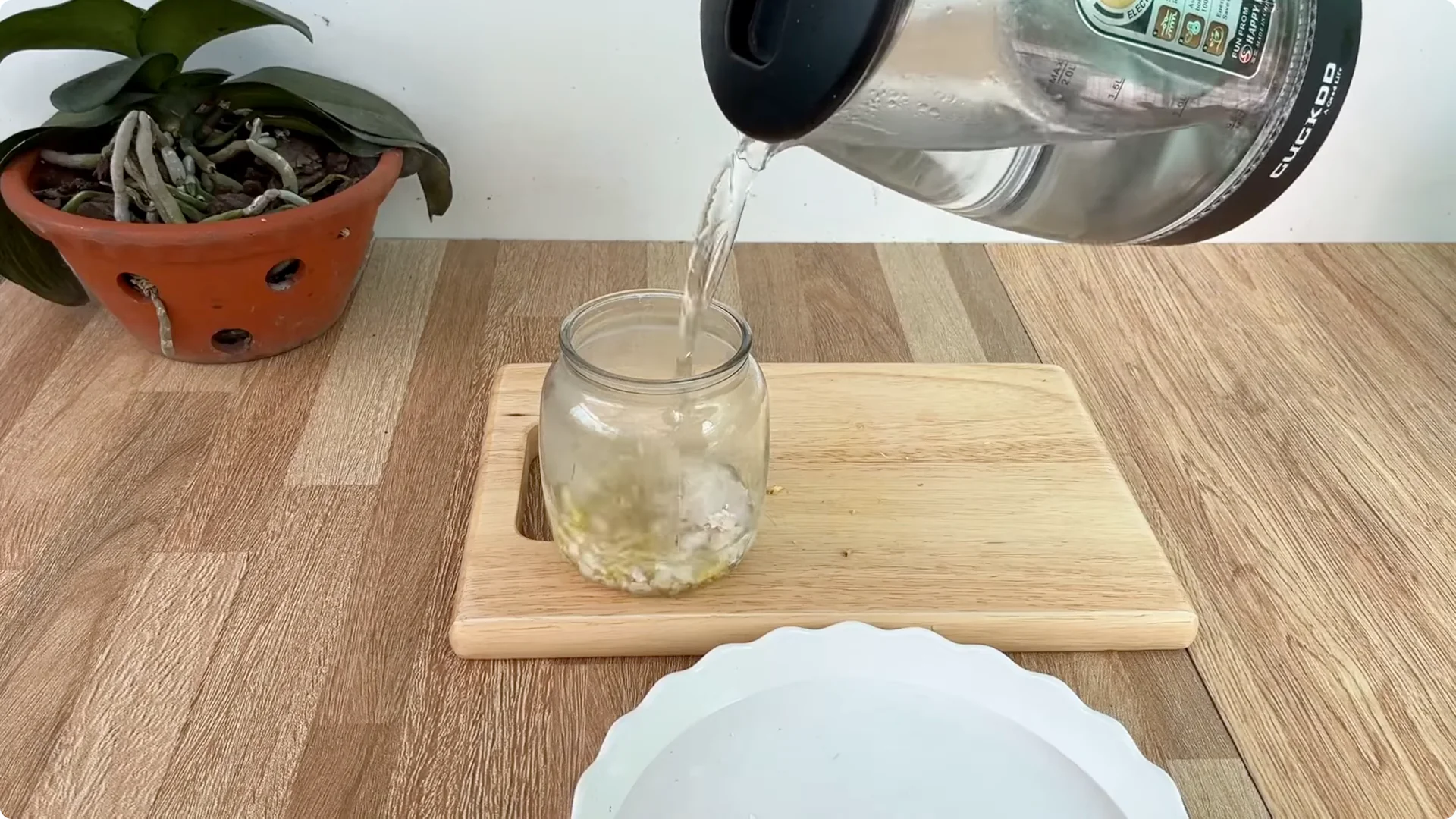
After washing, cut or chop the ginger and put it into a clean glass jar. Next, use the shells of two chicken eggs. Many people throw away the shells, but they contain a very high content of calcium carbonate, along with trace elements such as magnesium, zinc, and iron.
When crushed, eggshells gradually dissolve in the solution, providing nutrients for young roots to form stronger and more sturdy. After washing and drying, crush the eggshells and put them into the jar with the ginger. Add 500 ml of boiling water to the jar, stir well, and cover tightly.
When boiling water soaks into the ginger and eggshells, the active ingredients are released, forming a solution that is both antibacterial and mineral rich for the rose branches. Let the solution cool naturally before using. For more on egg shell benefits for rose roots, see this simple egg method.
2. Rose Cutting Propagation cuttings
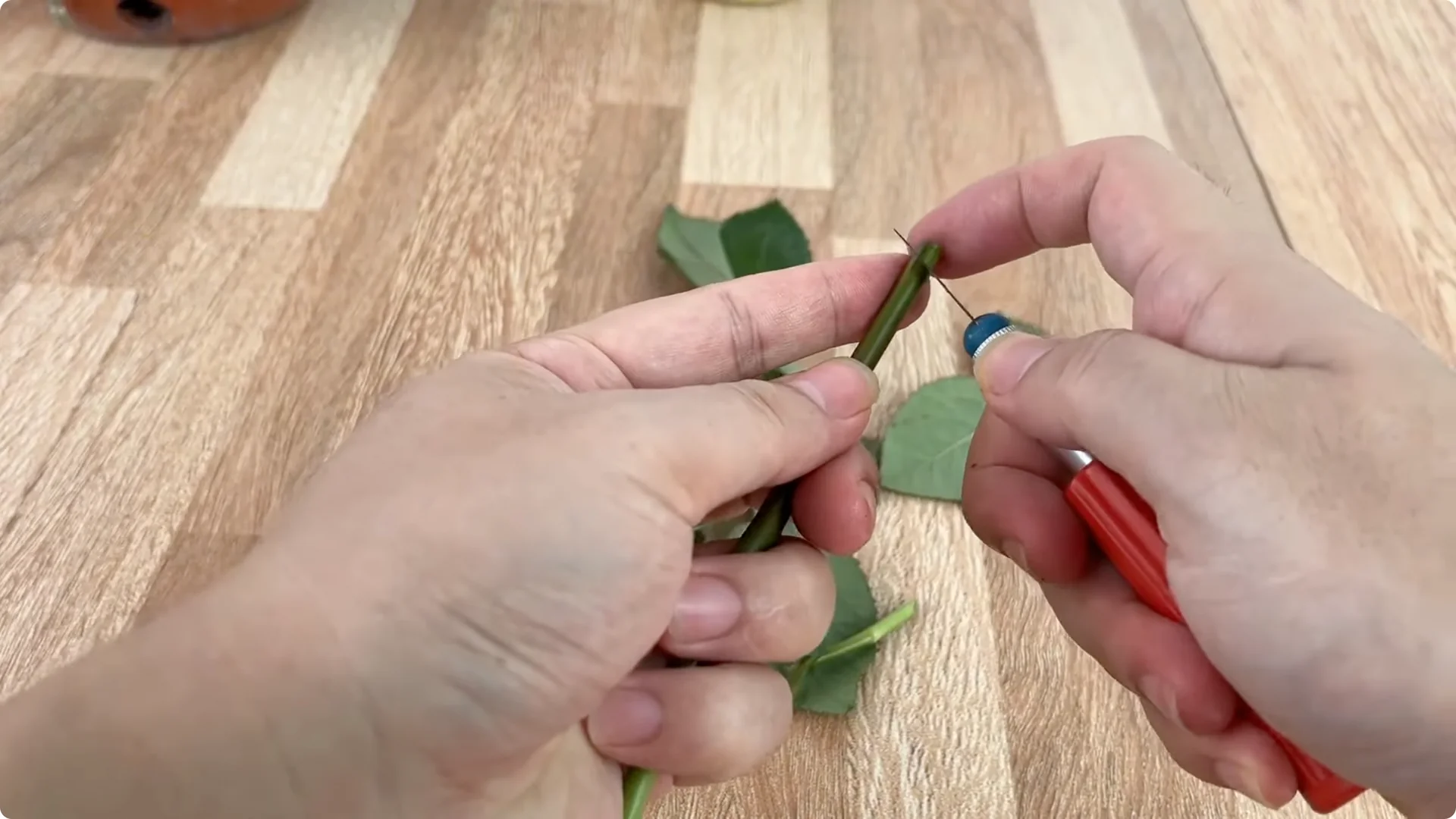
Choose branches that are free of pests and diseases and have moderate age to be both flexible and capable of sprouting roots. Remove all leaves and sharp thorns so the cutting does not lose water. Cut the branches short, leaving only 15 to 20 cm.
Cut the stem at a 45 degree angle to increase the contact area, which helps it absorb the nutrient solution more easily. After the solution has cooled, stir well and filter out the residue. Soak the rose branches for about 30 minutes.
This preliminary step helps kill bacteria and stimulates the formation of scar tissue at the stem, the precursor of the root system. Keep the soaking time consistent for each cutting. Set the cuttings aside while you prepare the next solution.
3. Rose Cutting Propagation oatmeal support
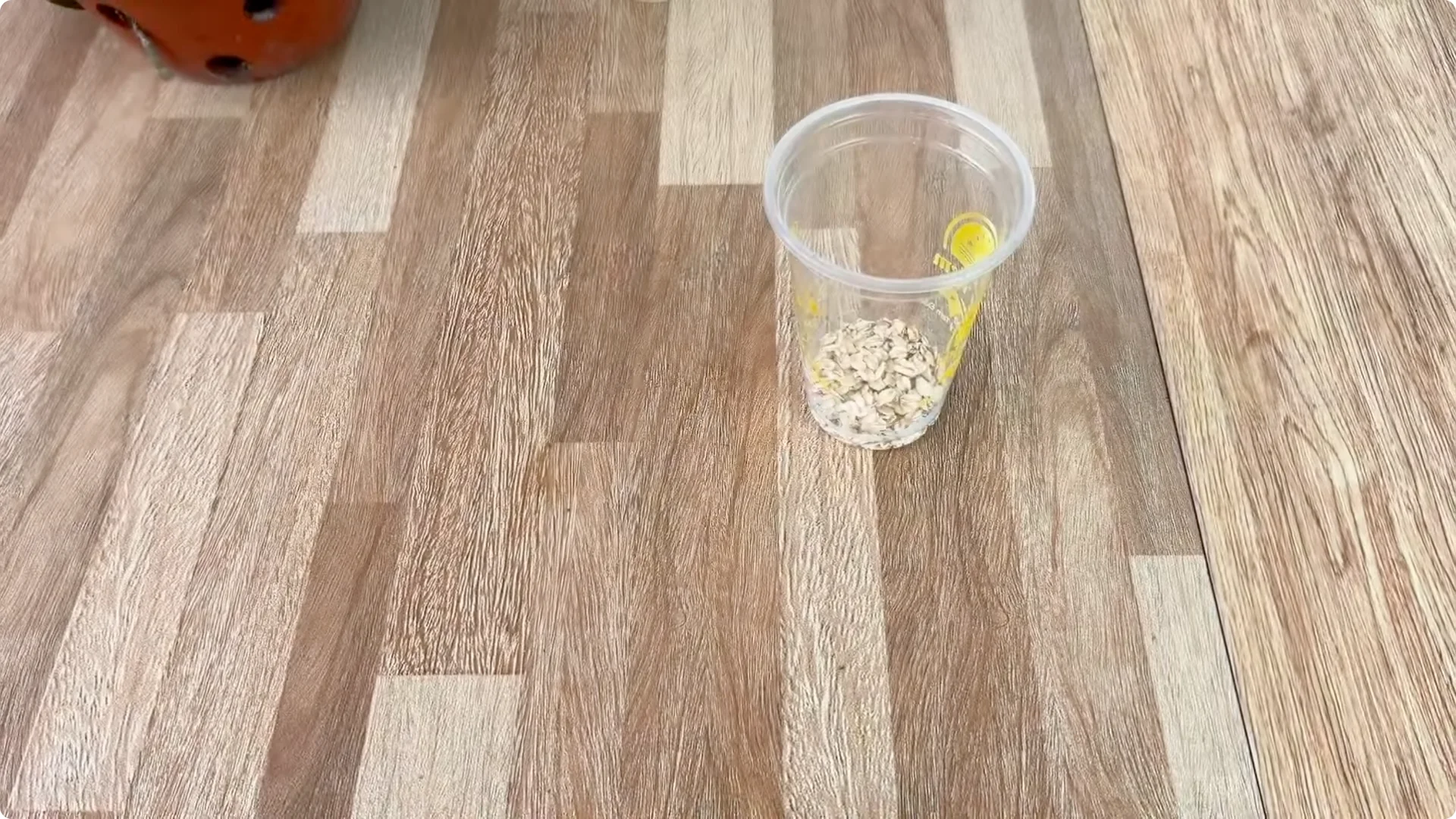
Oats are rich in carbohydrates, B vitamins, iron, and vegetable protein, all of which are great sources of energy for new cells. Take five small spoons of oatmeal and put them in a clean plastic cup, add 500 ml of water, and stir well. Let the mixture sit for 30 minutes to let the nutrients dissolve into the water, then filter to get a clear solution.
Once the flower branch has finished soaking in the ginger and eggshell solution, take it out and mix it with the oatmeal solution. This mix gives both protection and energy to the cutting. For a helpful cup based approach to stronger roots, see the one cup method for boosting rose roots and blooms.
4. Rose Cutting Propagation planting medium
Sand setup
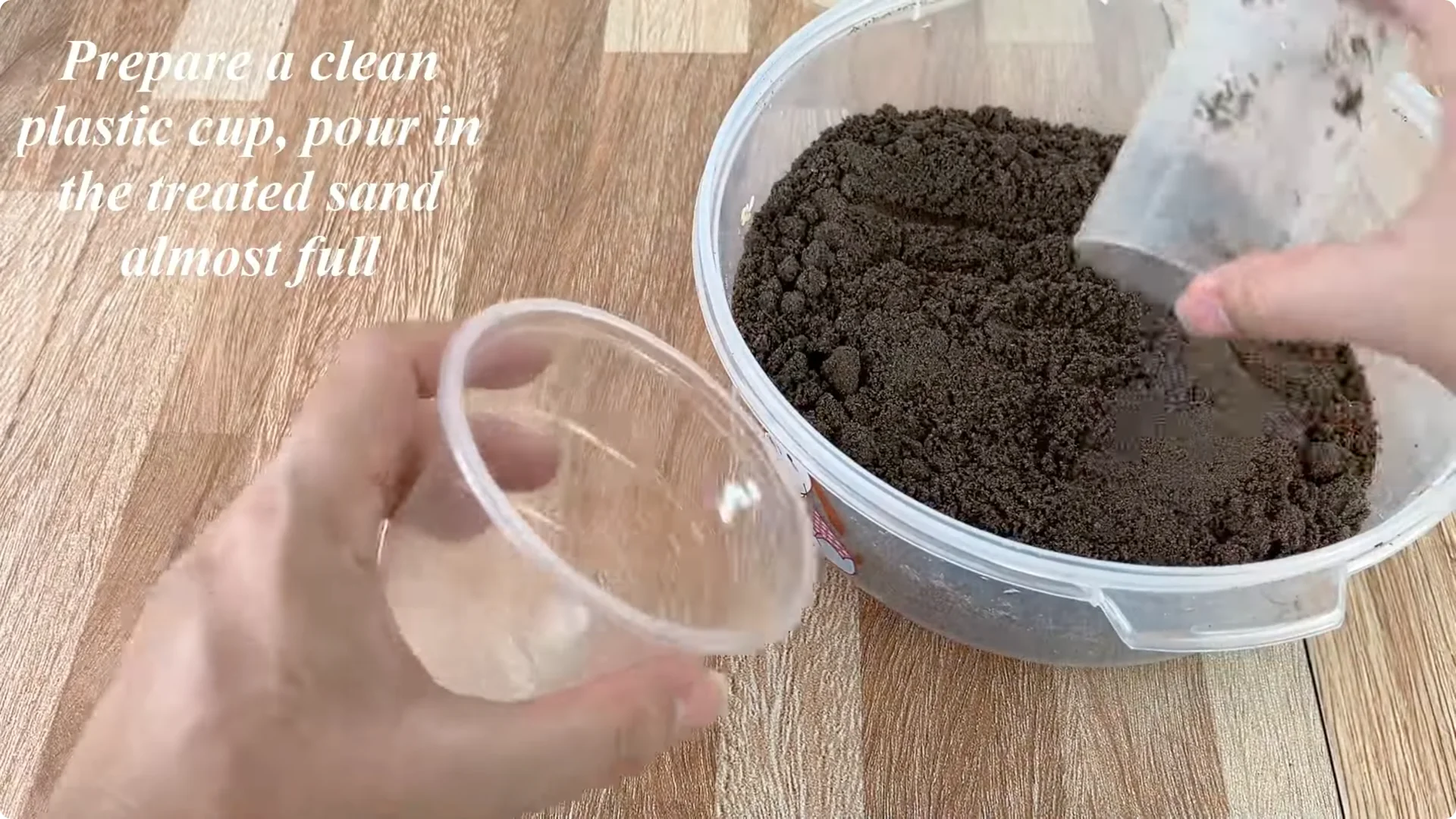
Prepare a clean plastic cup and pour in treated river sand almost full. River sand drains quickly and does not stagnate, helping young roots breathe easily. Level the surface lightly.
Moisten and plant
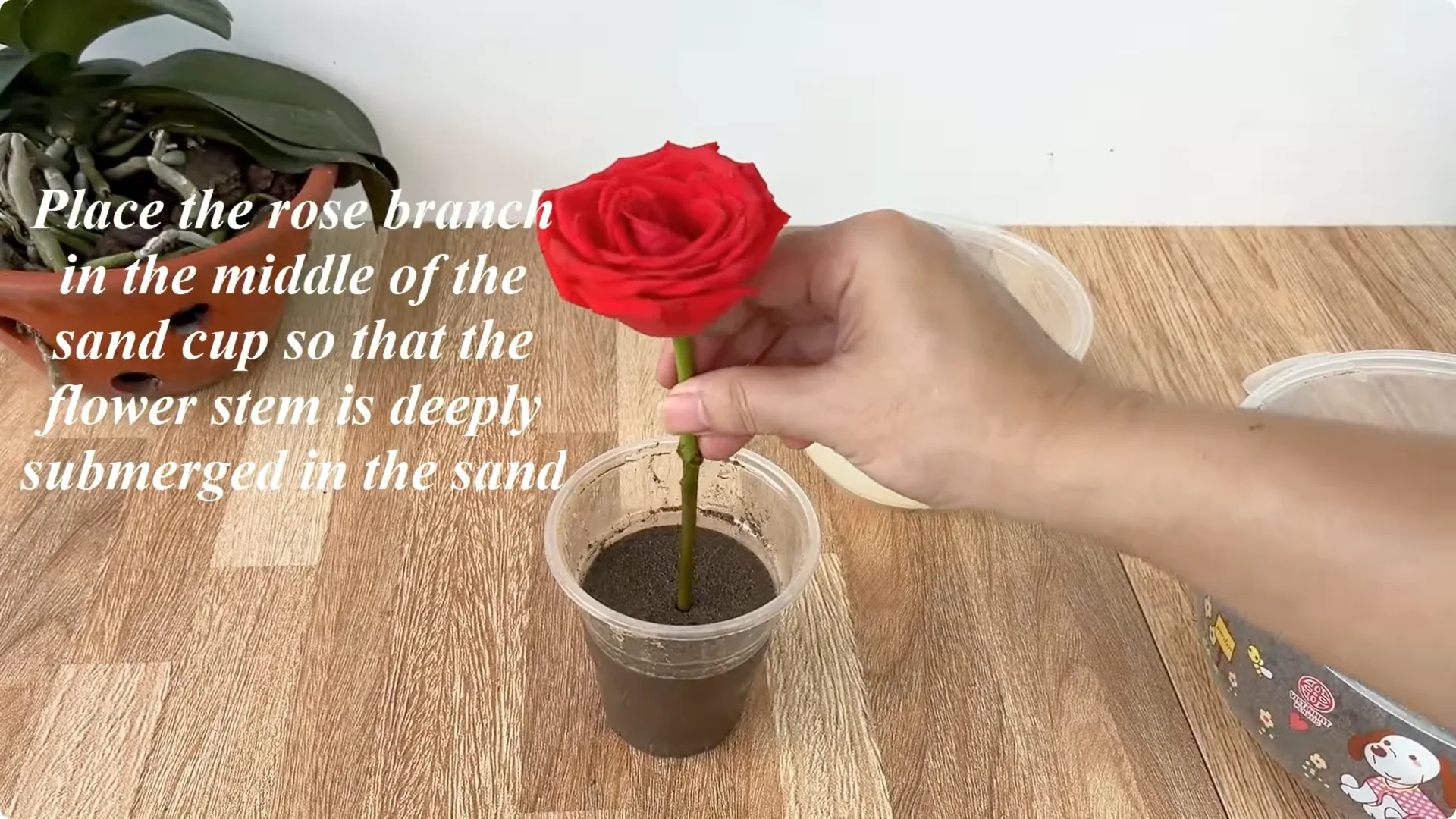
Pour in the ginger, eggshell, and oatmeal solution to provide enough moisture without waterlogging. This solution has a comprehensive effect, as ginger helps fight bacteria, eggshells add minerals, and oatmeal provides energy and vitamins. Together they create optimal conditions for young roots to form.
Place the rose branch in the middle so the stem is deeply submerged in the sand. Press firmly around to fix the branch. Ensure the cutting stands upright without wobbling.
Humidity and placement
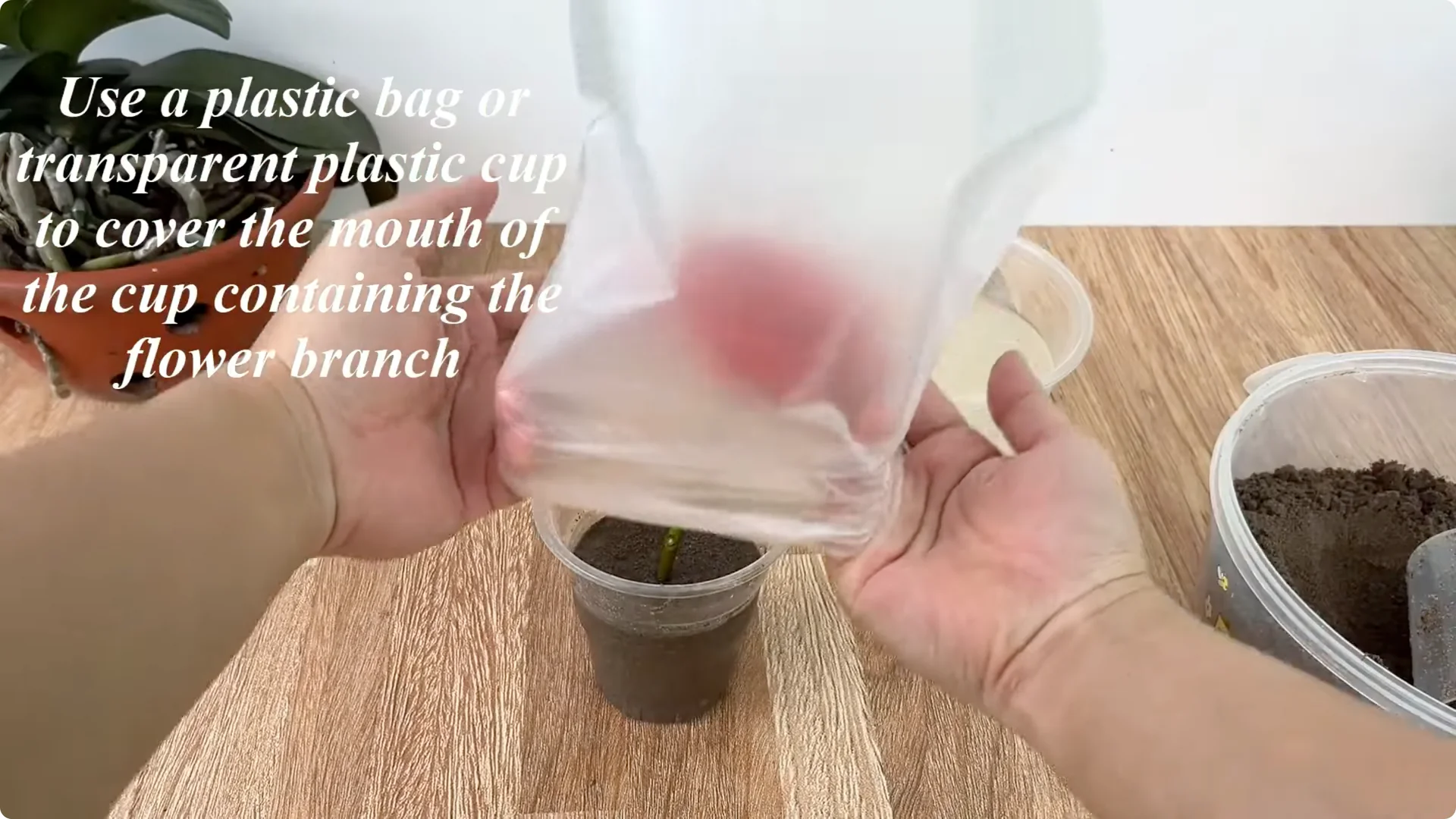
Use a plastic bag or transparent plastic cup to cover the mouth of the container. This creates a stable microclimate and limits evaporation. Place the cup in a cool place, away from direct sunlight and strong winds.
This is an important stage because a harsh environment makes it difficult for the branch to develop roots. Check moisture gently and avoid disturbing the cutting. If condensation is heavy, vent briefly and re cover.
5. Rose Cutting Propagation early growth
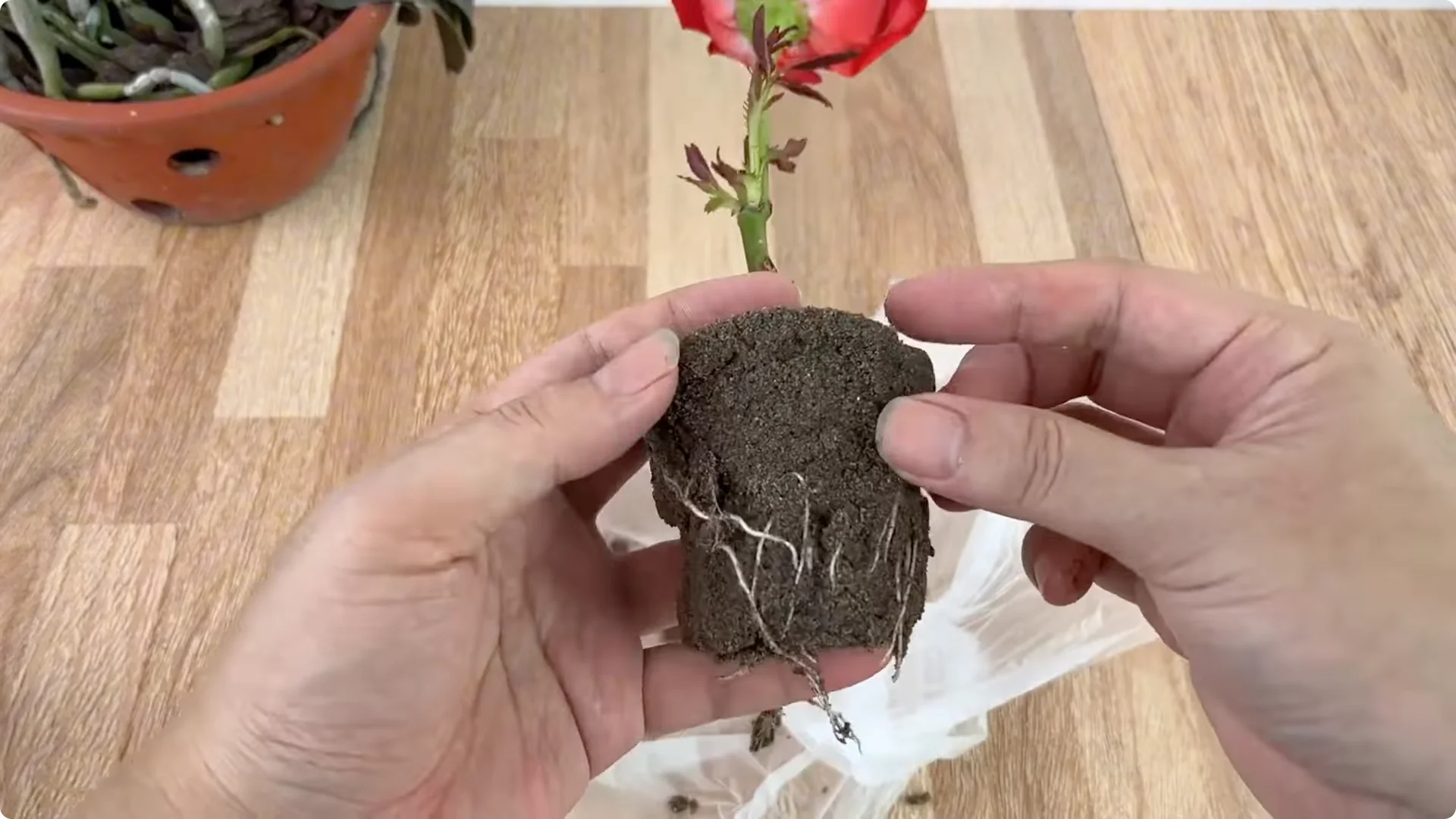
After just one week, the branch begins to sprout fresh green shoots, full of life. At the base, many plump white roots appear, proving the cutting has adapted and begun to grow independently. Handle it gently to avoid breaking tender roots.
At this point, you can transfer the plant to a new pot with a coconut fiber substrate to continue caring for it. Water lightly and keep it in bright indirect light. For another simple egg based boost that encourages roots and blooms, see this egg enriched approach.
Final thoughts
With just ginger, eggshells, and oats, ingredients that seem to be only for cooking, this method creates a great root stimulation formula for roses. There is no need for expensive chemicals as you can take advantage of what is available and still propagate successfully. Try it, and in a few weeks, your garden can be full of new, fresh, and vibrant rose bushes.