
Today, we will do a simple, natural and extremely effective method to propagate rose branches with lemon juice and beer. After only 7 days, you will be surprised to see green shoots and healthy white roots appear.
I will also share another extremely effective method of organic rose cuttings using cinnamon powder and carrots to give you more options when propagating roses at home. Both methods are safe, natural, and help minimize the risk of branch rot. For a different simple approach, see this surprising simple method.
1. Lemon and Beer Rose Propagation
Prepare the lemon solution
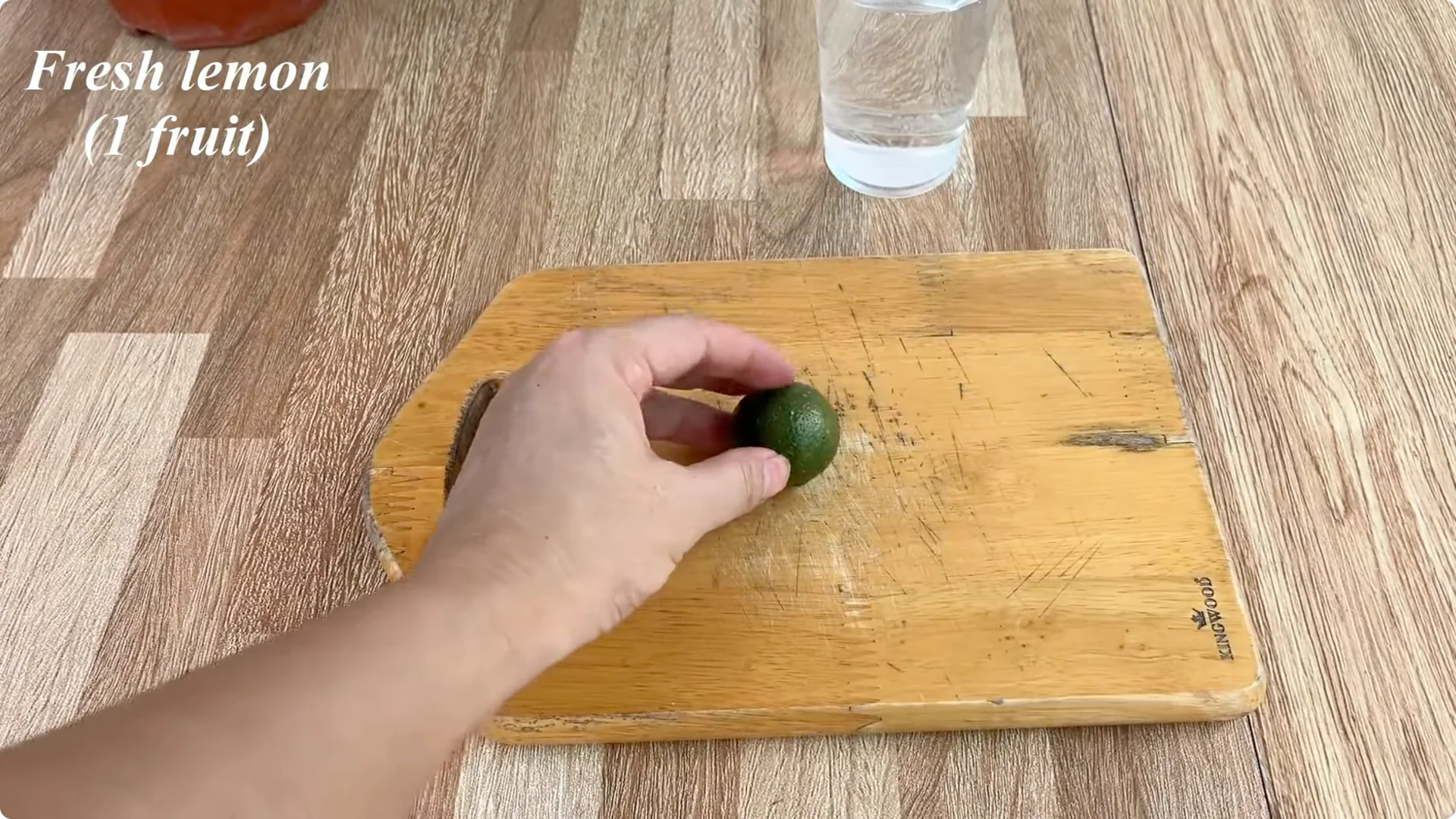
Prepare 0.5 liters of warm water – not too hot, just enough to stimulate the natural active ingredients in lemon to secrete better. Use 1 fresh lemon, wash it and cut it in half, then squeeze all the lemon juice into the cup of warm water you just prepared. Lemons contain a lot of citric acid, vitamin C and biological enzymes that help disinfect and stimulate the roots of rose branches to grow faster.
Do not throw away the lemon peel. Chop the remaining peel and add it directly to the glass of lemon juice. Lemon peel is rich in essential oils and flavonoids, has antiseptic and antifungal properties and especially helps prevent stem rot, creating ideal conditions for rooting.
Stir well and let it sit for 1 hour so that the active ingredients in lemon and lemon peel dissolve completely. After 1 hour, filter out the lemon peel pulp, keeping the clear juice.
Prepare the cuttings
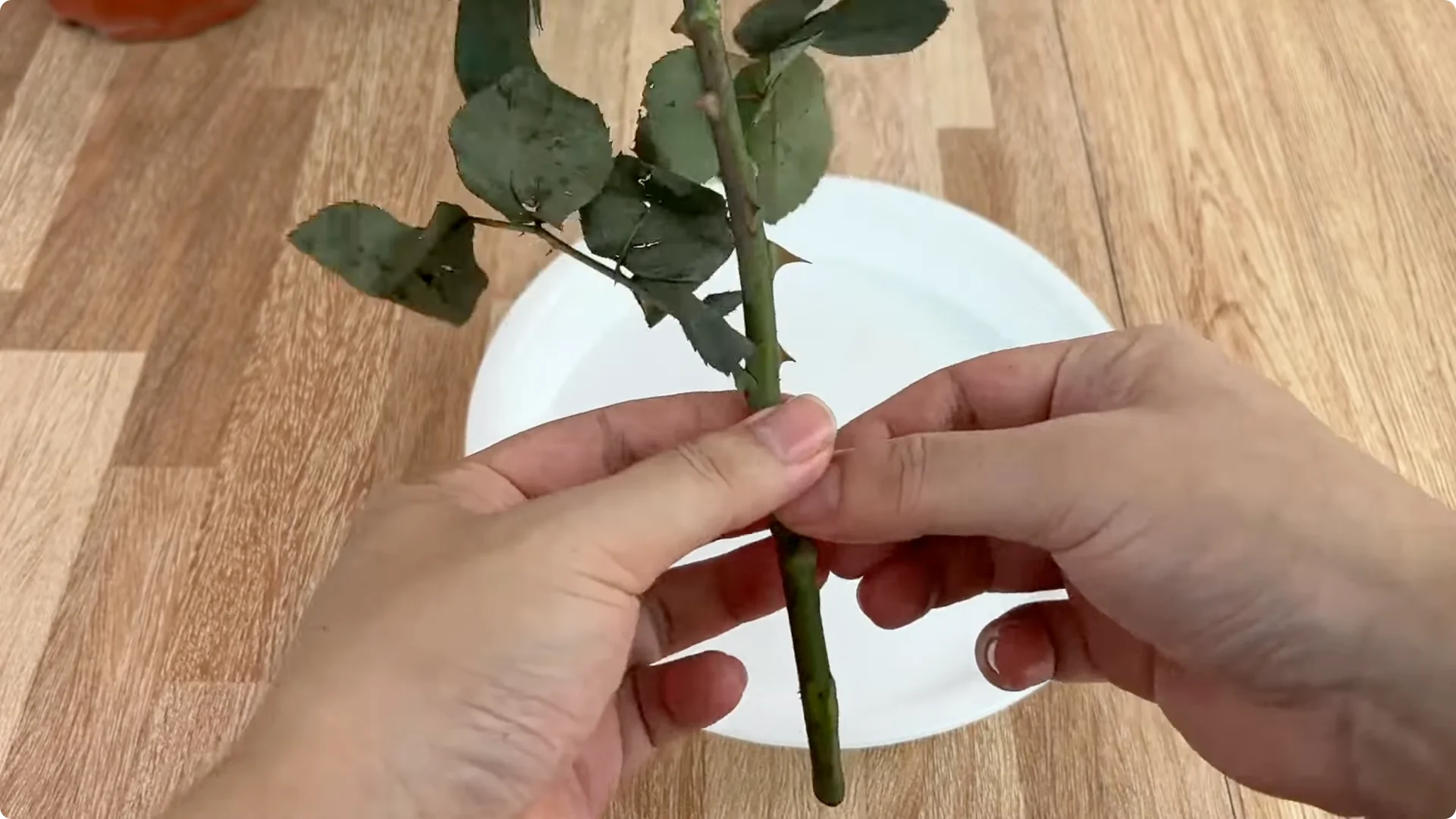
Choose a rose branch that is not too young, not too old, has a sturdy stem, and is free of pests and diseases. Use a sharp knife or scissors to remove all the leaves and sharp thorns on the branch, keeping the branch clean. Continue to cut the branch into short pieces of about 8-10 cm – this is the ideal length for good and even rooting.
Use a soft cloth or clean cotton, dip it in the lemon solution and wipe it evenly over the entire rose branch. Wiping the lemon like this helps clean the branch surface, remove potential mold and bacteria, and also helps stimulate the germination and rooting process.
Add beer to boost rooting
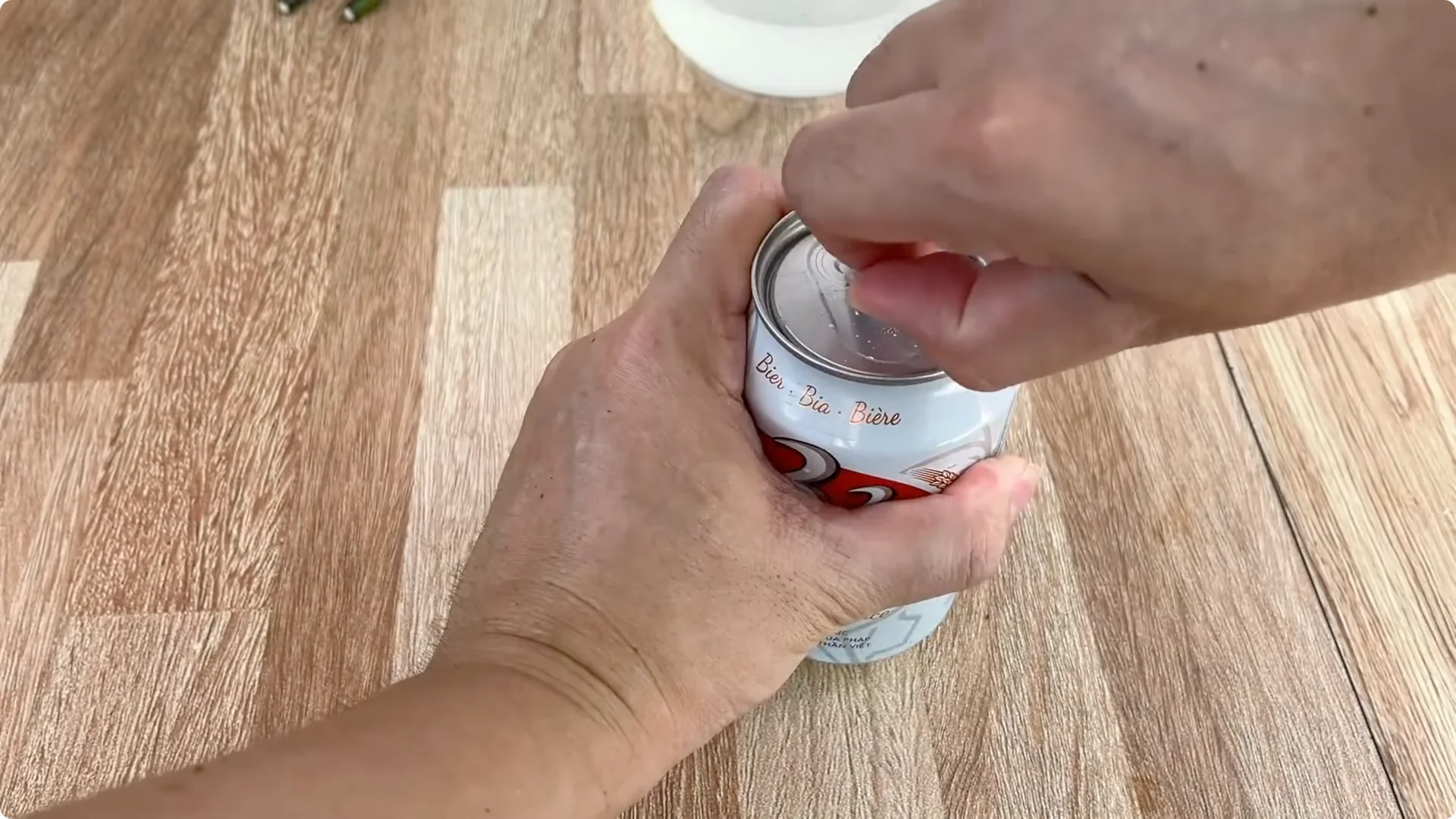
Use fresh beer. Pour 50 ml of beer into the filtered lemon solution. Beer contains yeast, B vitamins, minerals and vegetable protein which helps stimulate the growth of root cells.
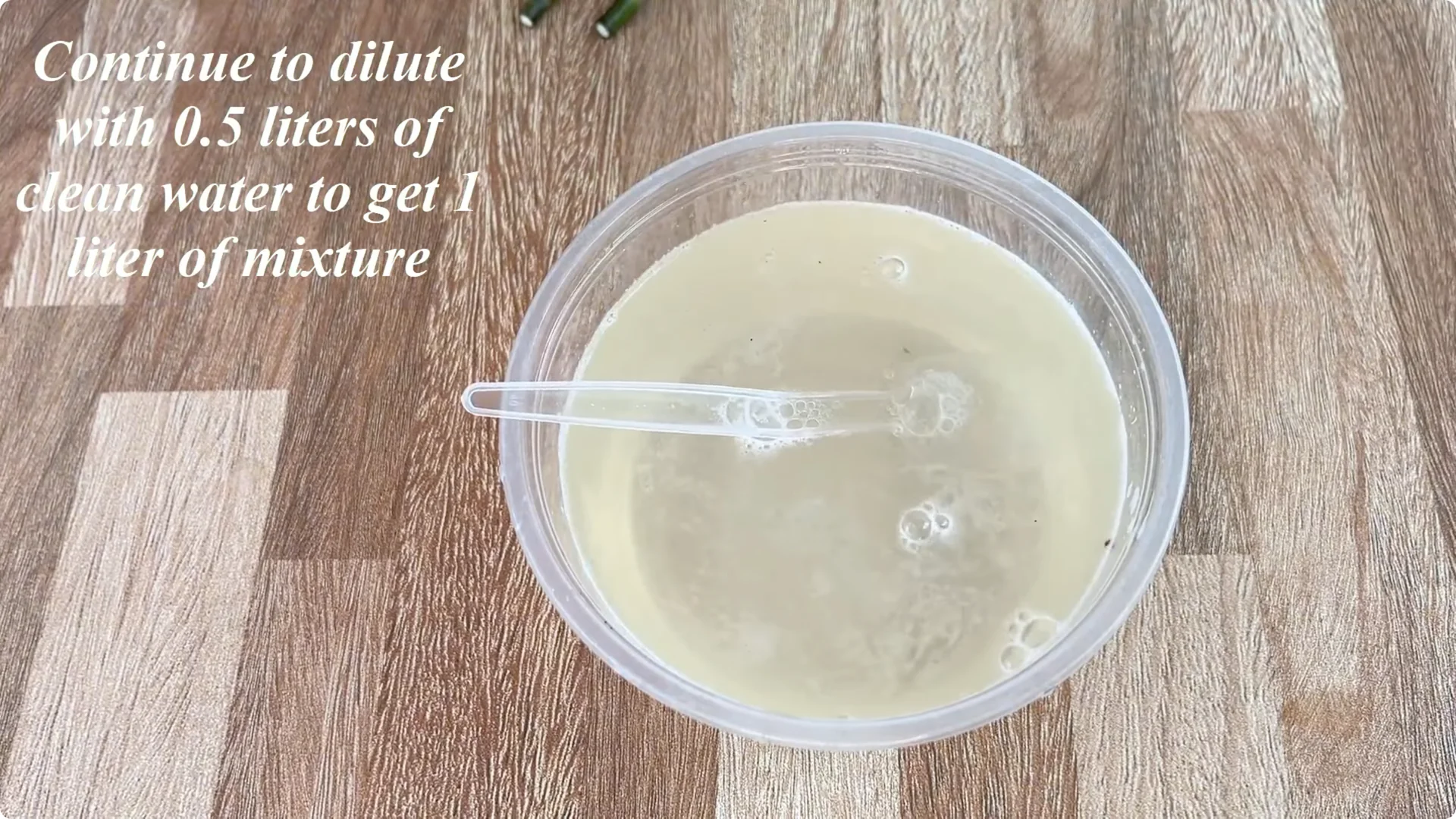
Add 0.5 liters of clean water to the mixture, stir well to get 1 liter of complete lemon-beer solution.
Prepare the medium
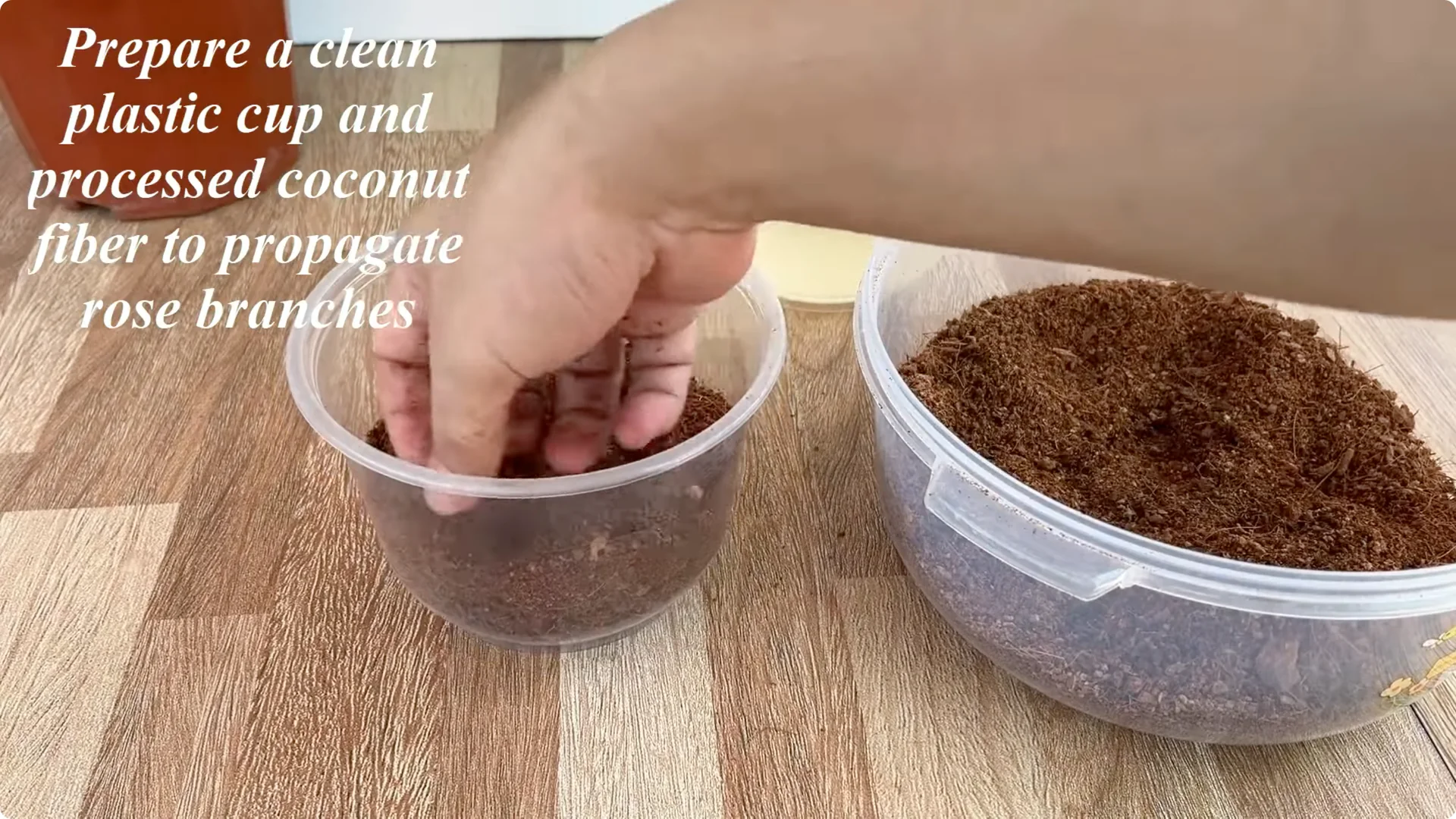
Prepare a clean plastic cup and treated coconut fiber. You can use coconut fiber soaked in lime water or boiled thoroughly to remove tannins and bacteria. Fill the cup with coconut fiber and press it firmly with your hands to create stability.
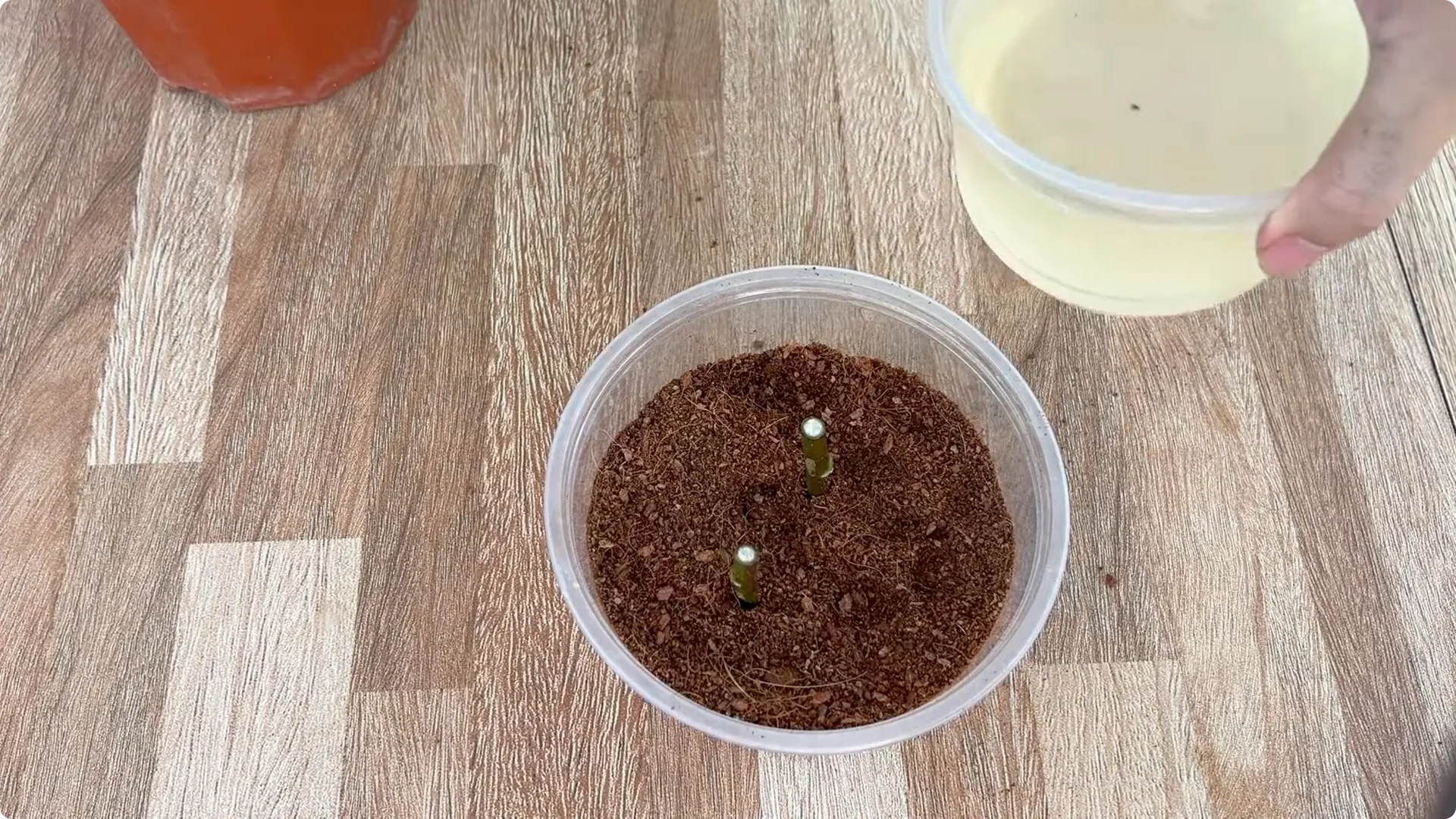
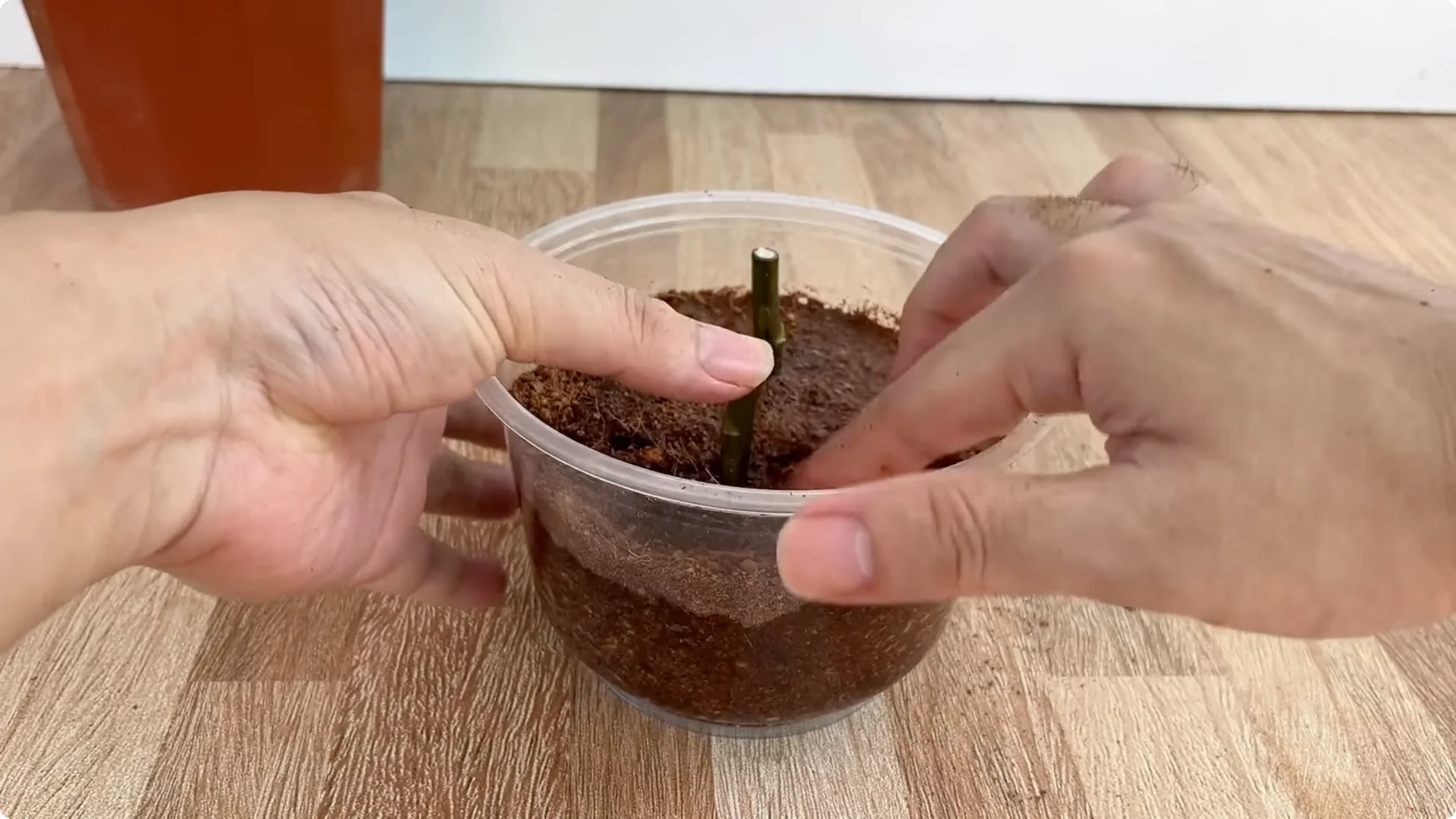
Use your finger or a stick to make a small hole in the middle, then insert the rose branch into this hole, adjusting it vertically. Add coconut fiber and continue to press firmly around to keep the branch fixed.
Plant and water
Pour the lemon-beer solution into the cup until the coconut fiber is evenly moist but not waterlogged.
Create a humidity dome
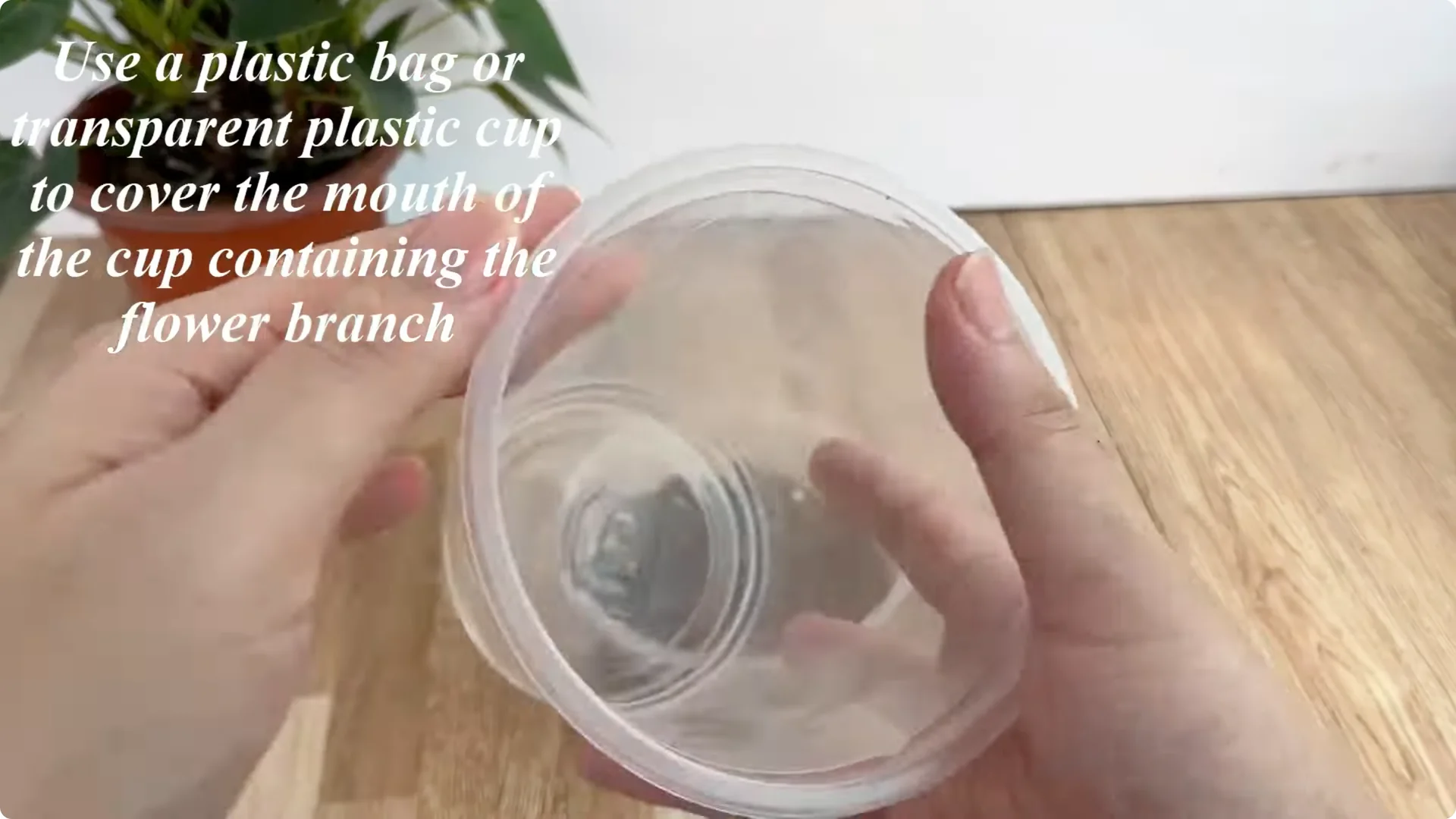
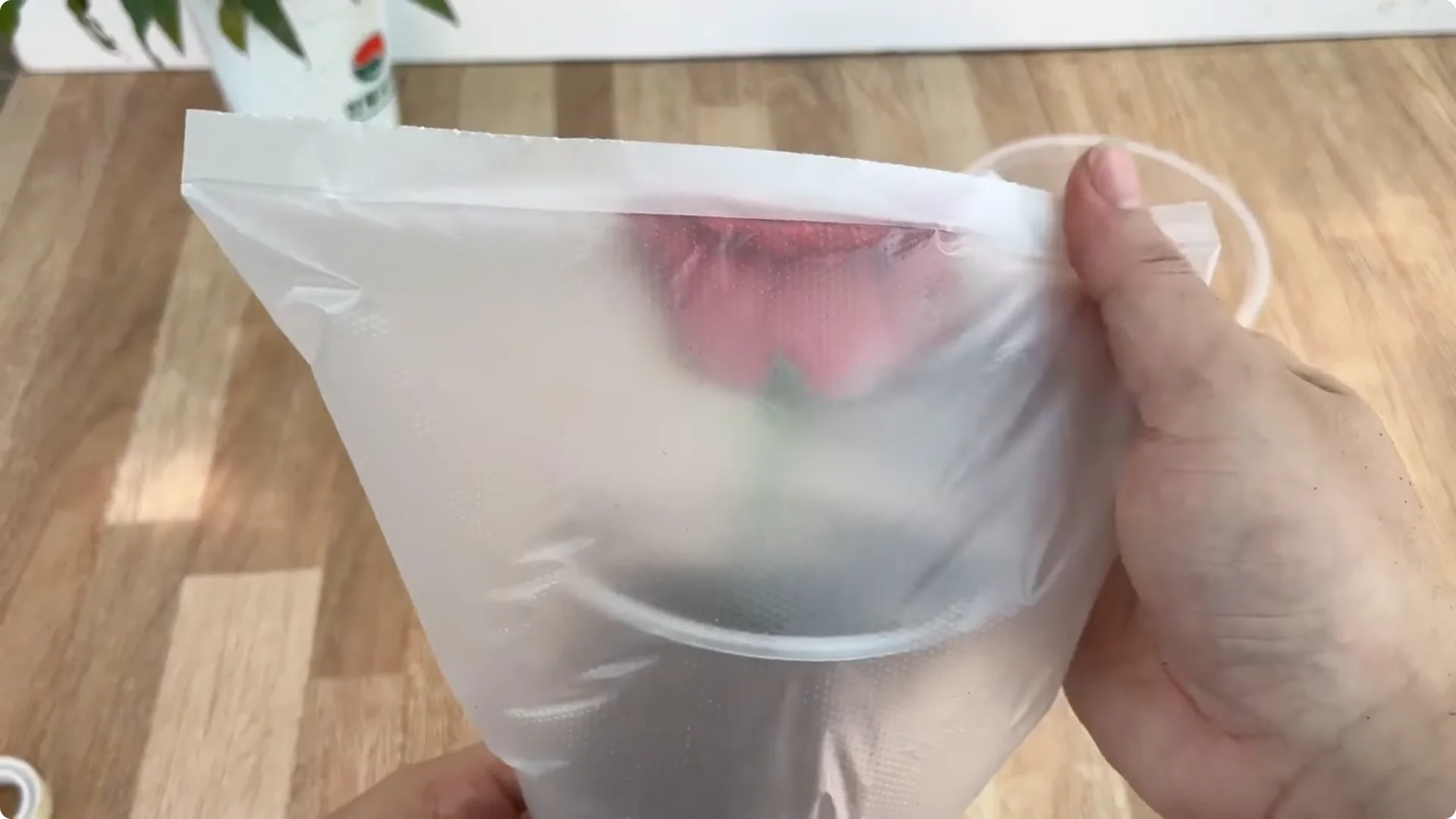
Use a transparent plastic bag or an upside-down plastic cup to cover the mouth of the cup where the flower branch has been planted. This helps create a humid, greenhouse-like environment, which is ideal for the rooting process.
Placement matters
Place the cup in a cool place, away from direct sunlight and strong winds. A stable temperature will help the flower branch retain water and promote the formation of callus tissue – a prerequisite for rooting.
For more clever rooting tricks that complement this approach, see this surprising propagation method.
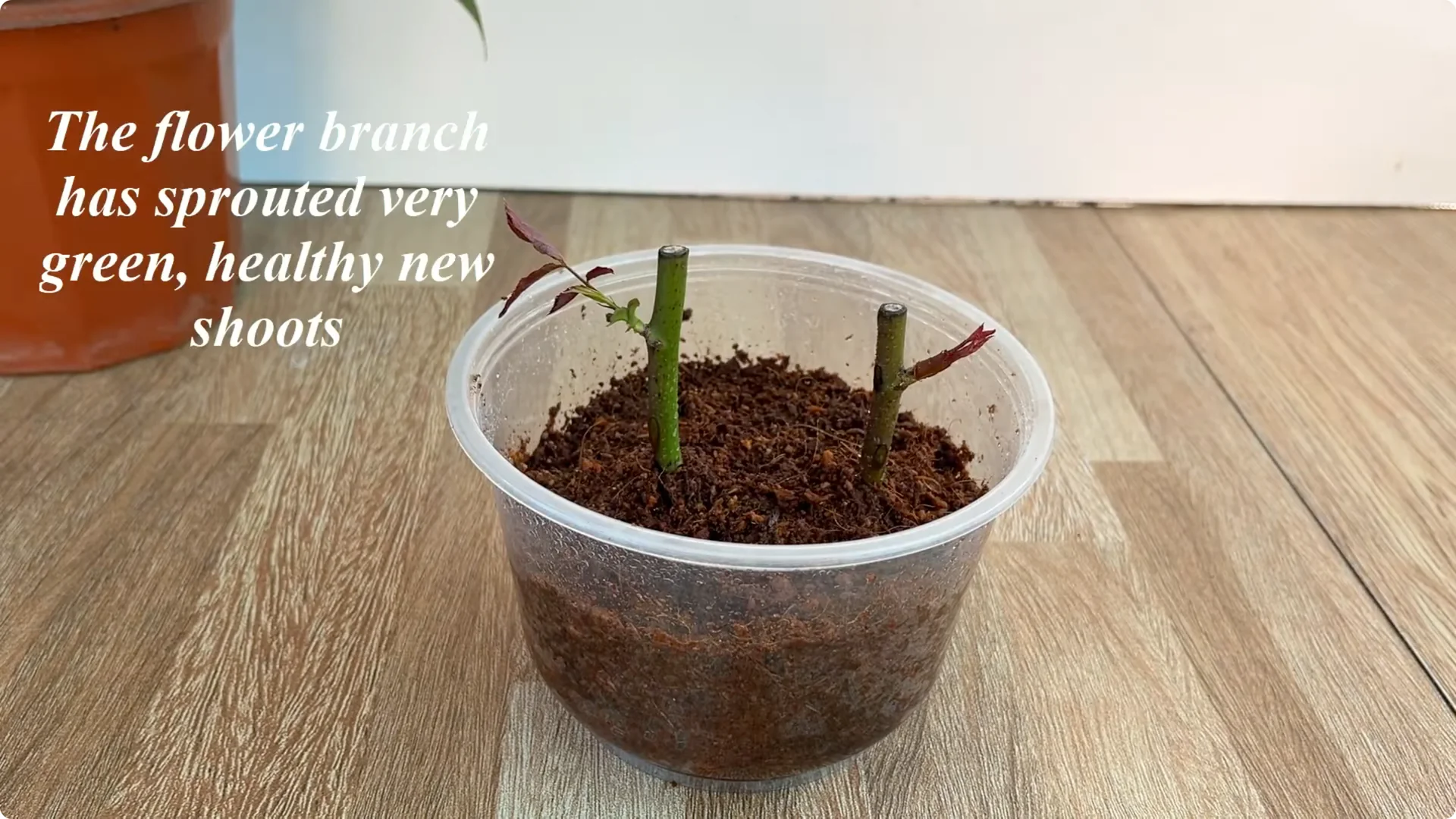
Results after 1 week
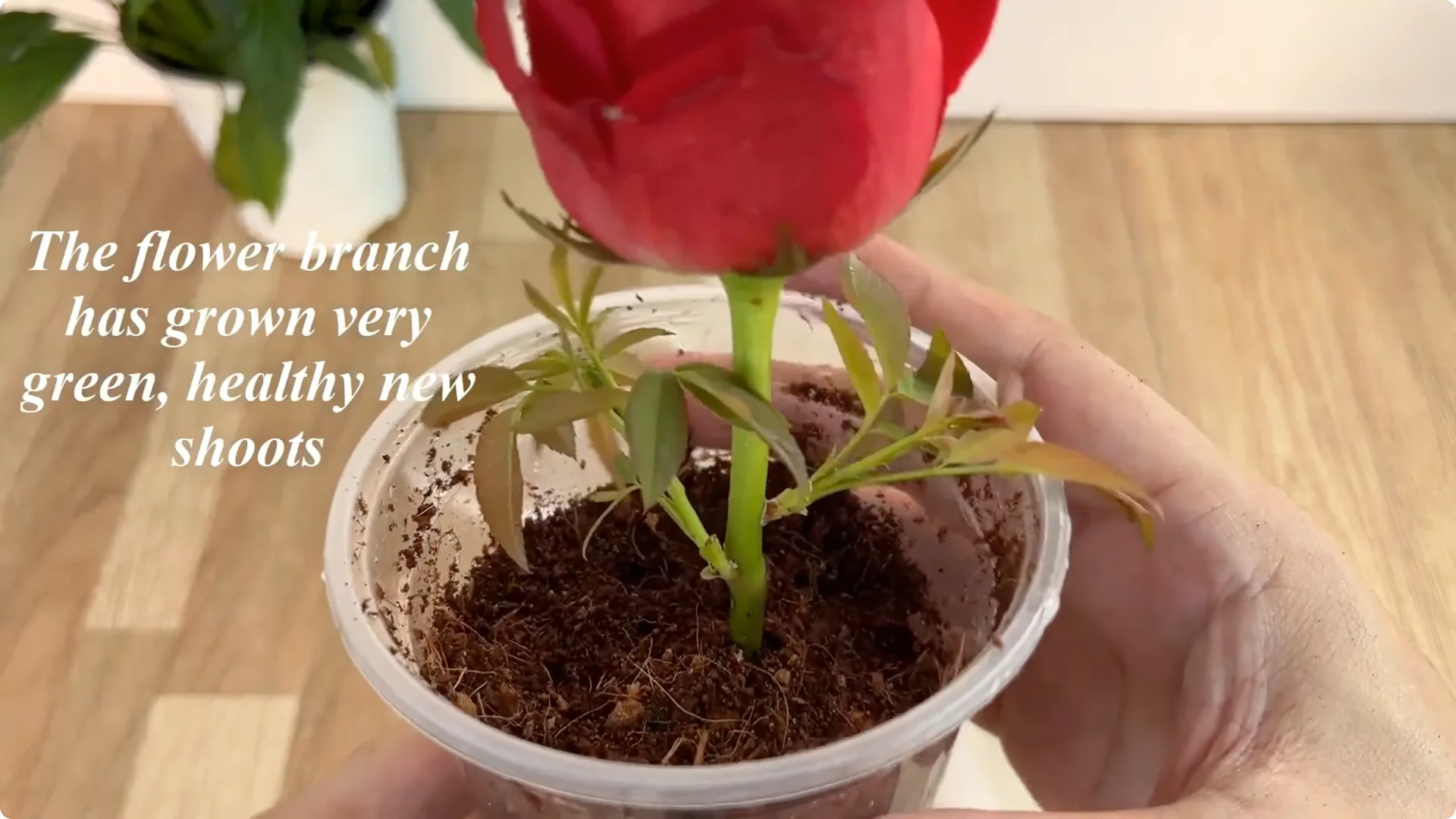
After 1 week, you will see the miracle. New shoots begin to emerge, very green, plump and full of life. At the base of the branch, many new, pure white, healthy roots will appear, clinging tightly to the coconut fiber.
Potting up
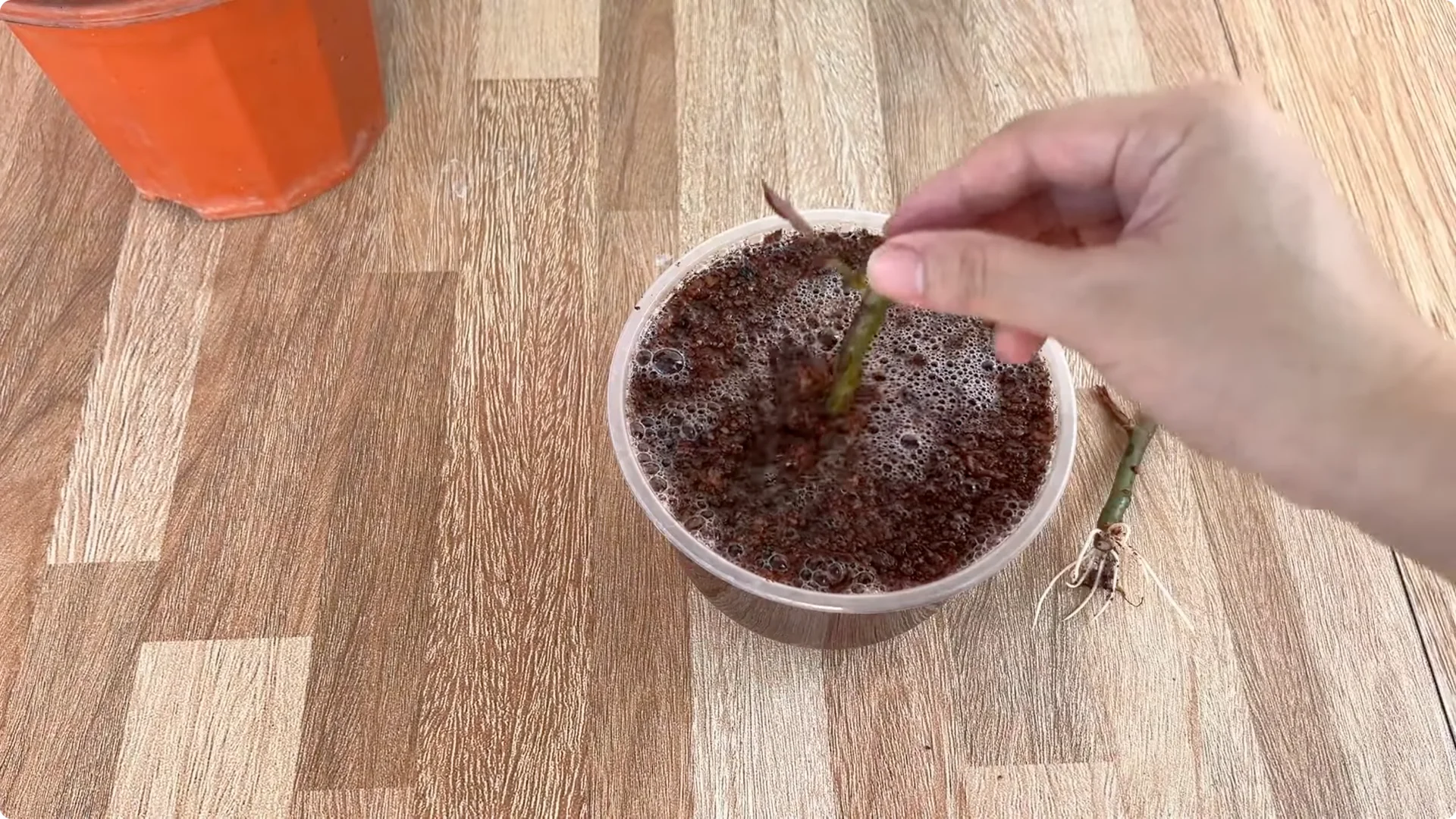
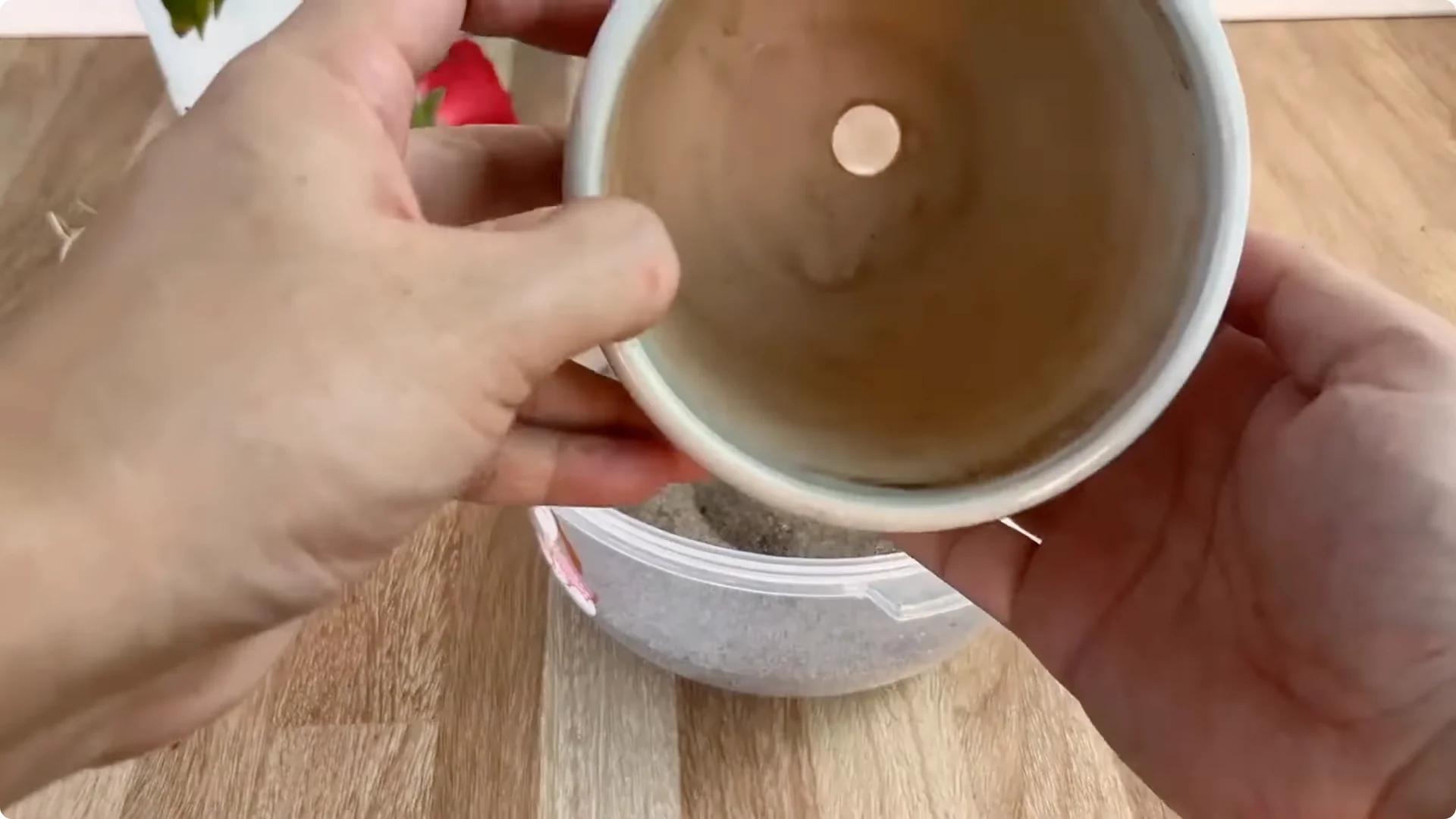
Gently lift the flower branch up and plant it in a new pot with a loose, well-drained substrate, such as river sand, coconut fiber or a specialized rose soil mixture. With this method, you can take advantage of natural ingredients such as lemon and beer, while ensuring the safety of the plant and minimizing the risk of branch rot.
2. Lemon and Beer Rose Propagation – Cinnamon and Carrot Method
Make the cinnamon solution
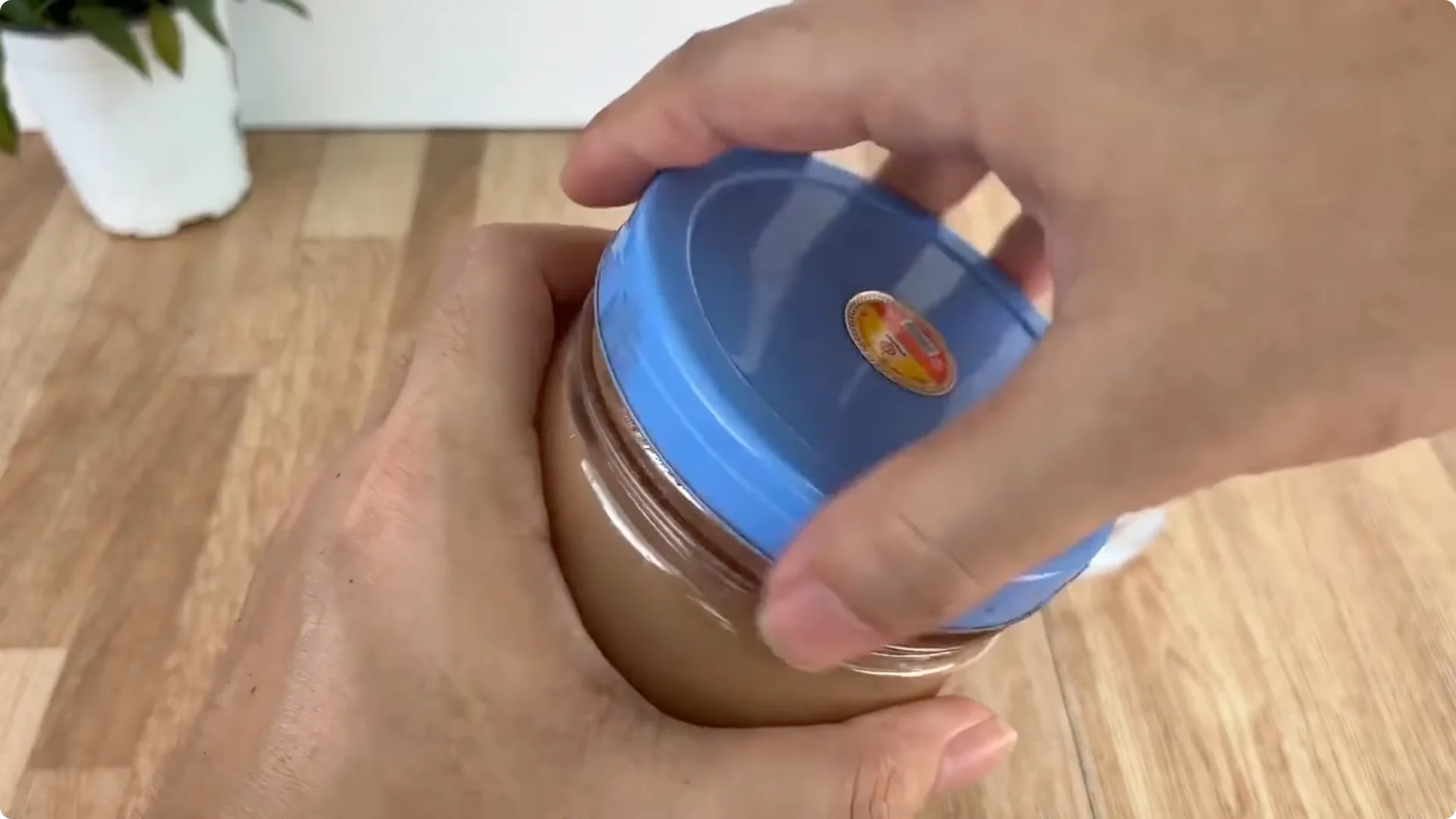
Put 1 spoon of cinnamon powder in a clean glass jar, then pour in 0.5 liters of boiling water. Cinnamon has strong antibacterial properties, helps prevent fungal diseases, and stimulates the rapid growth of callus at the base of the branch, thereby promoting the rooting process. Stir well to dissolve the cinnamon powder and prevent lumps.

Cover and let cool for about 1 hour. After 1 hour, stir the cinnamon solution, then filter out the residue through a thin cloth, keeping the clear solution.
Prepare the cuttings
Choose a healthy rose branch that is free of pests and diseases. Cut the branch short, leaving only 15-20 cm in length. Remove all leaves and sharp thorns to limit evaporation and prevent the branch from becoming infected.

Soak the rose branch in the cinnamon solution for 15 minutes so that the branch absorbs the antibacterial and root-stimulating active ingredients from cinnamon.
Make the carrot solution
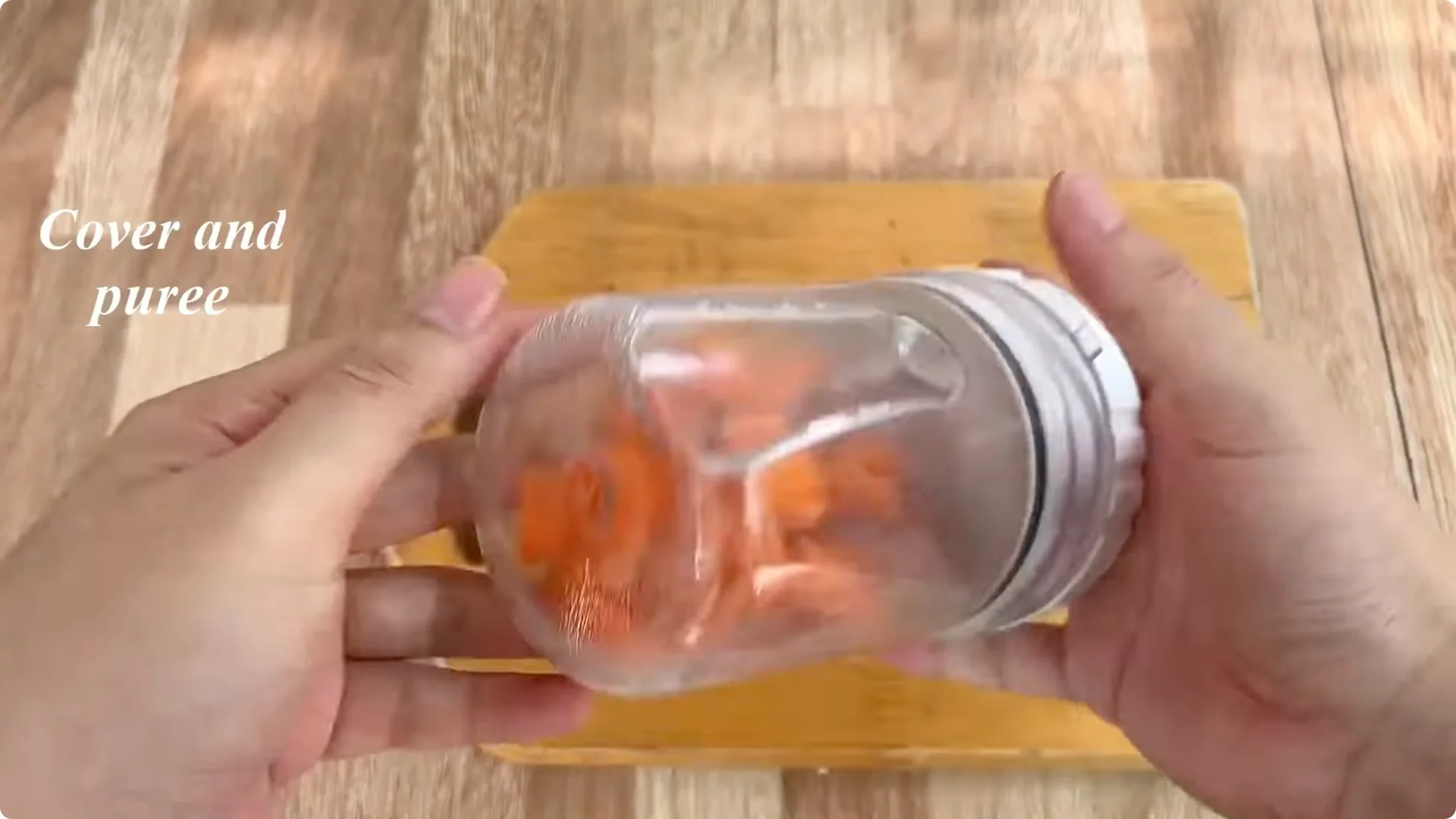
Prepare about 30 grams of fresh carrots, wash and cut into small pieces. Put in a blender, cover and puree the carrots. Carrots are rich in vitamin A, potassium and antioxidants, help increase resistance, promote the development of young roots and nourish new shoots.
Add 0.5 liters of clean water and stir well to dissolve the nutrients in the carrots into the solution, then filter out the residue and keep the pure solution. After soaking for enough time, remove the branches from the cinnamon solution. Mix the cinnamon powder solution and carrot solution well to create a nutrient-rich cutting mixture.
Planting and moisture
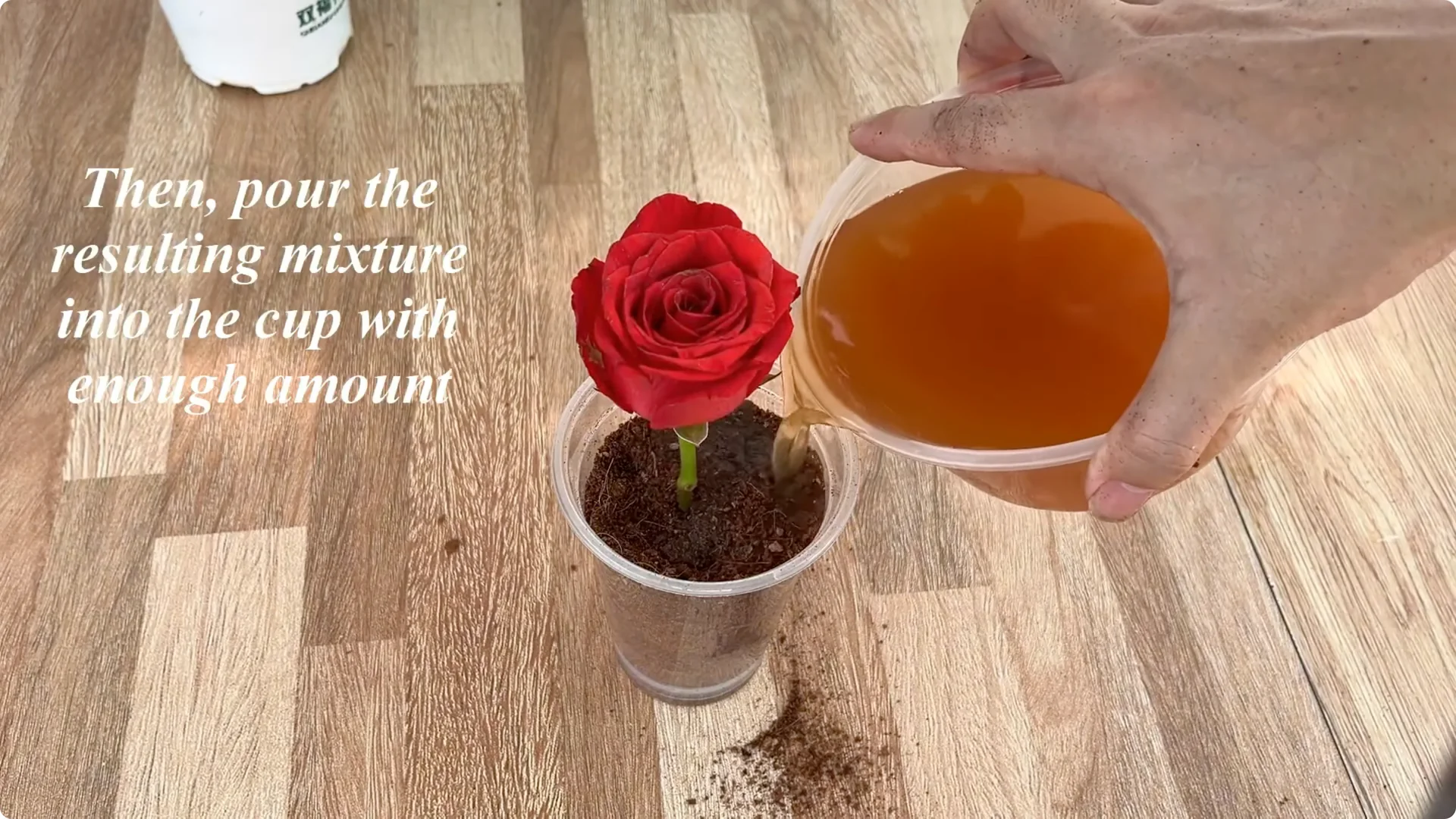
Prepare a clean plastic cup, put the treated coconut fiber in 1/2 cup and compact it. Place the rose branch in the middle of the cup and add coconut fiber around to fix the branch. Pour the cinnamon-carrot solution into the cup with enough moisture.
Cover and placement
Cover the mouth of the cup with a plastic bag or transparent lid to keep it moist. Place in a cool place, away from strong winds and direct sunlight.
For a fifth variation you can compare after trying this mix, explore this additional propagation method.
Results after 1 week
After 1 week, new green, plump shoots will appear on the branch. New roots are white, healthy and develop very well.
Transplanting
When the branch has rooted stably, transfer it to a pot with a well-drained substrate, such as river sand or a loose mixture, for the plant to continue to grow. With just cinnamon powder and carrots, you have a natural, simple and extremely effective method of propagating rose branches. It helps the branches grow roots quickly and strongly, and increases the plant’s resistance, limiting pests and diseases in the early stages.
Final thoughts
Both formulas rely on natural ingredients to disinfect, stimulate callus formation, and support fast, healthy root growth. Keep the medium evenly moist, maintain gentle humidity, and avoid direct sun and strong wind for the first week. Transplant to a loose, well-draining mix once roots are white and firm for strong continued growth.