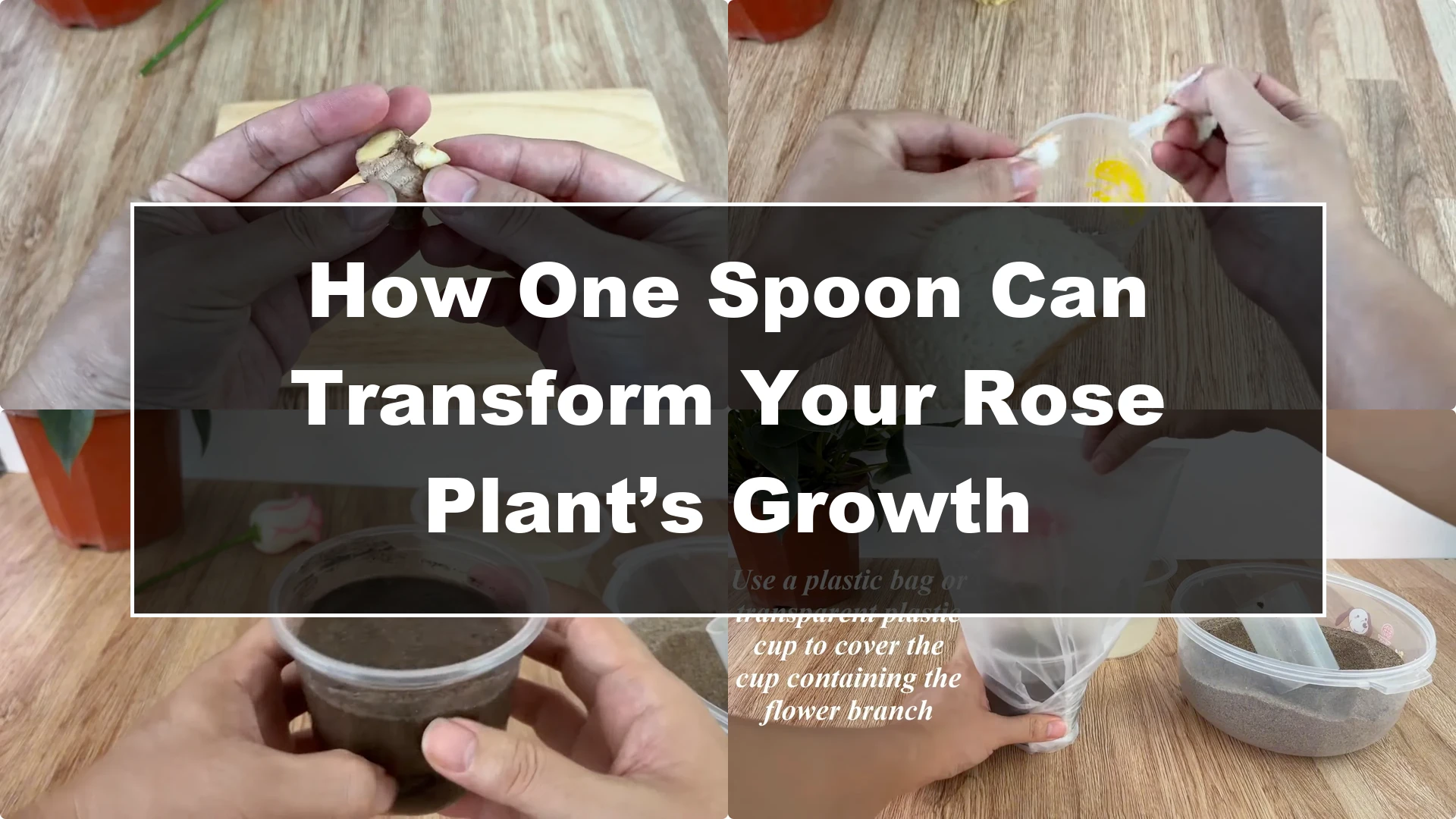
Wishing you a day full of health and joy. There is a method of cutting branches that really surprised me, so simple that anyone can do it, and the effectiveness is not inferior to root stimulants bought at the store. I want to tell you in detail how to do it so that after only 10 days, you will see a dry rose branch suddenly sprout green buds as if revived for the second time.
Choose a healthy rose branch, with a stem that is old enough to be sturdy but not too woody. Such branches are usually dark green with a slightly brownish tinge, not damaged by pests or crushed. Cut off all the leaves, thorns and even the wilted petals, as they only cause the branch to lose water faster in the early stages.
Trim the stem to about 15-20 cm. If possible, trim off a small section of the bark at the base so that the branch can absorb nutrients better. Keep the cut clean and smooth.
For another cup-based boost that helps growth and blooms, see this one-cup method.
1. Rose Cutting Propagation: Natural Root Stimulant
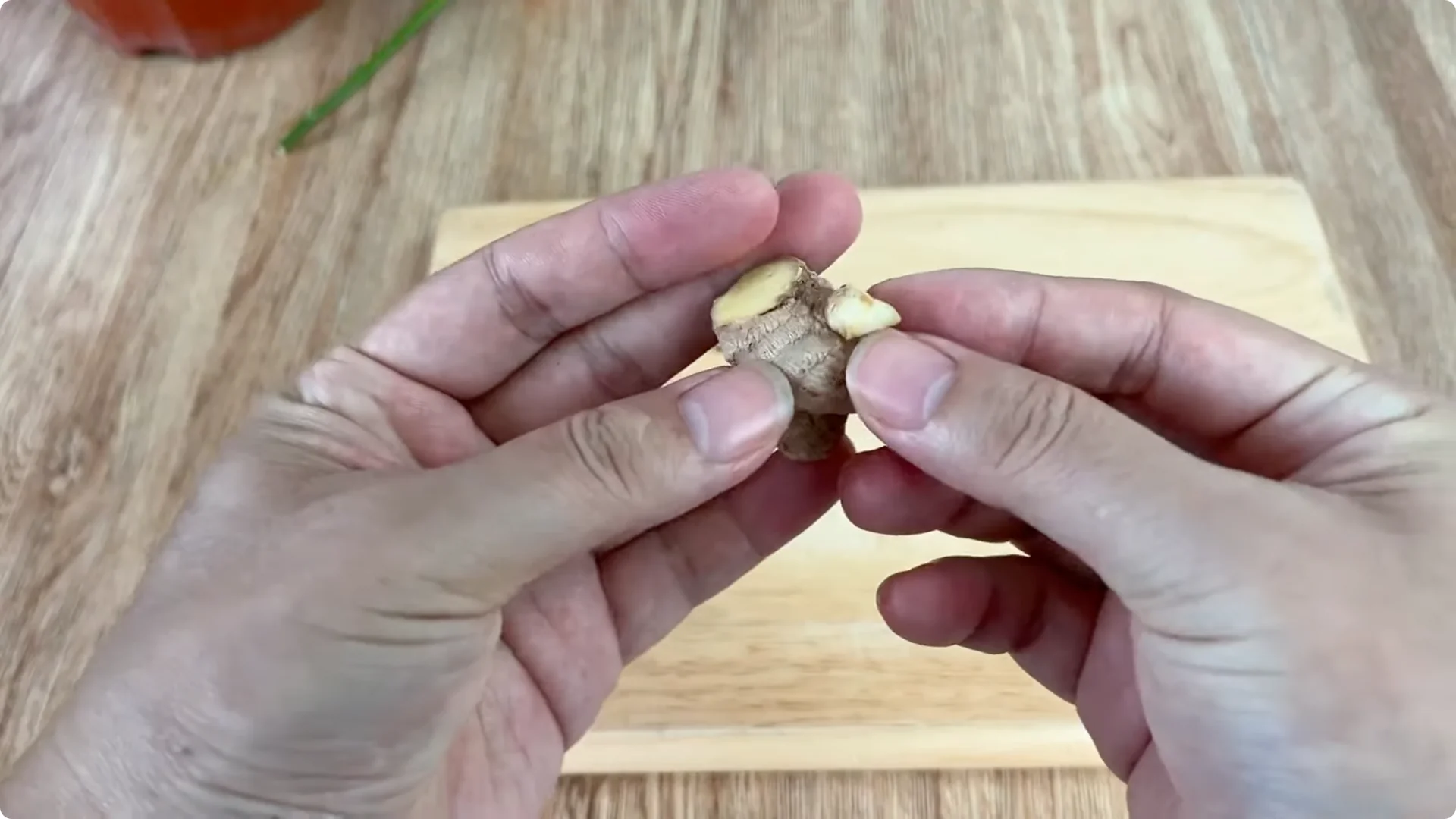
Prepare a natural root stimulant from fresh ginger. Use 10 grams of ginger, wash away the dirt and sand, then cut it into small pieces and put it in a clean plastic cup with 500 ml of water. Stir well.
Ginger contains gingerol and natural anti-inflammatory compounds which help disinfect the cut and prevent root rot. Soak the flower branch in this water for 30 minutes. Keep everything clean.
2. Rose Cutting Propagation: Nutrient Mix
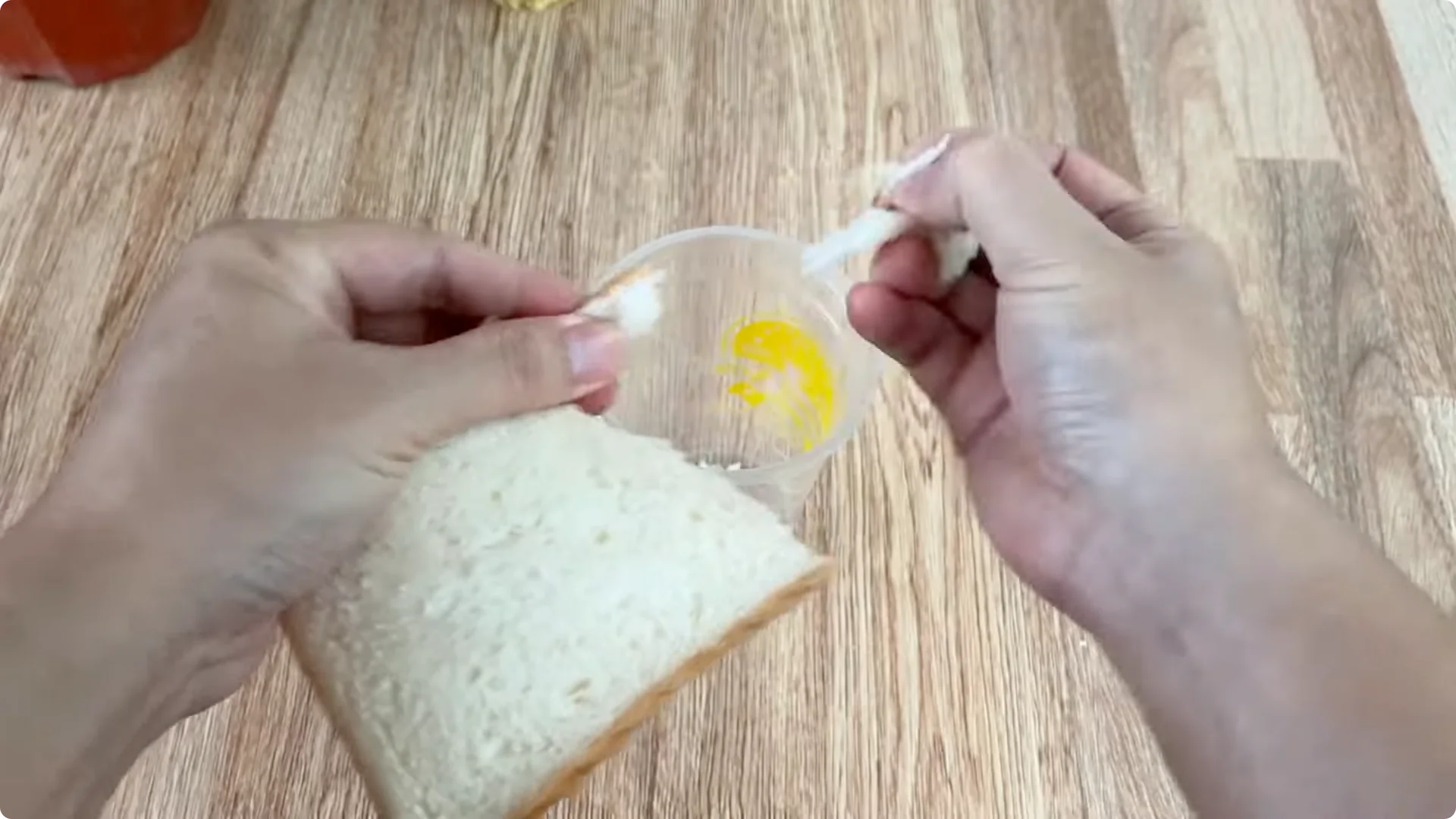
While the branch soaks in ginger water, prepare a source of nutrients to stimulate strong root formation. Take a slice of bread or a few breadcrumbs, break it into small pieces and put it in a separate cup. Add 1/2 teaspoon of glucose with 500 ml of warm water, stir well until completely dissolved, then let it stand for 30 minutes.
If glucose is not available, replace it with diluted honey or pure cane sugar. The bread will release natural probiotics, while the glucose or honey provides an easily absorbed source of energy for the flower branch. It is like a little snack before rooting.
When both mixtures are ready, take the flower branch out of the ginger water. Filter the ginger solution to remove residue. Do the same with the bread and glucose part, then mix the two solutions together so we have a mixture that is both antibacterial and nutrient rich.
If you enjoy cup-based recipes that support roots and blooms, see this roots and blooms guide.
3. Rose Cutting Propagation: Sand Setup and Planting
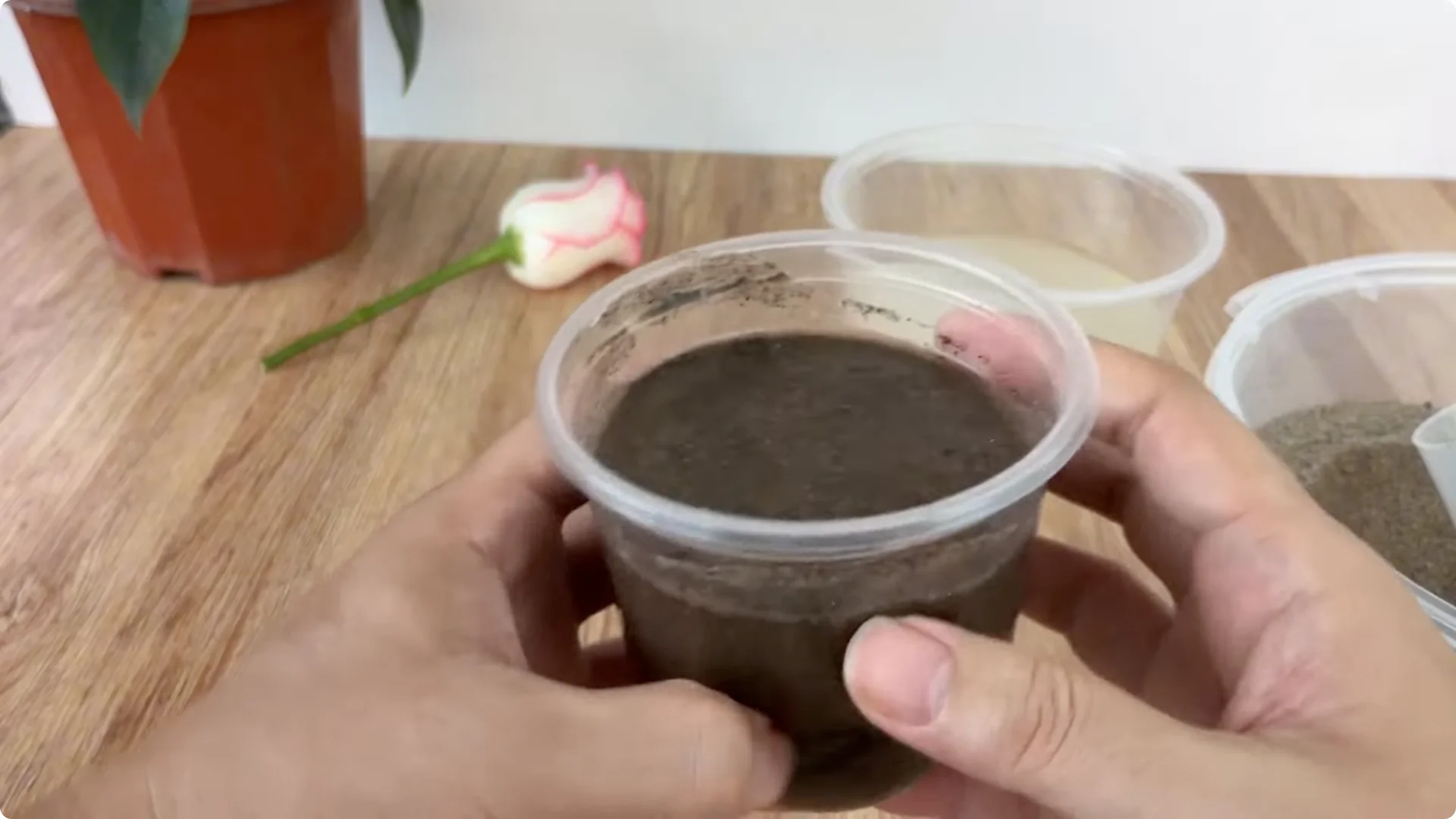
Prepare a clean plastic cup and some treated river sand. Wash and drain the sand and, if possible, add a little coconut fiber, which is very good. Keep the medium well aerated.
Pour sand into about 1/3 of the cup, then pour in the mixed solution with enough moisture. Add sand almost to the top of the cup and insert the flower stem in the middle, so that the base is at least 5-7 cm deep. Press lightly to secure it, avoiding any shaking when moving.
Maintain Humidity
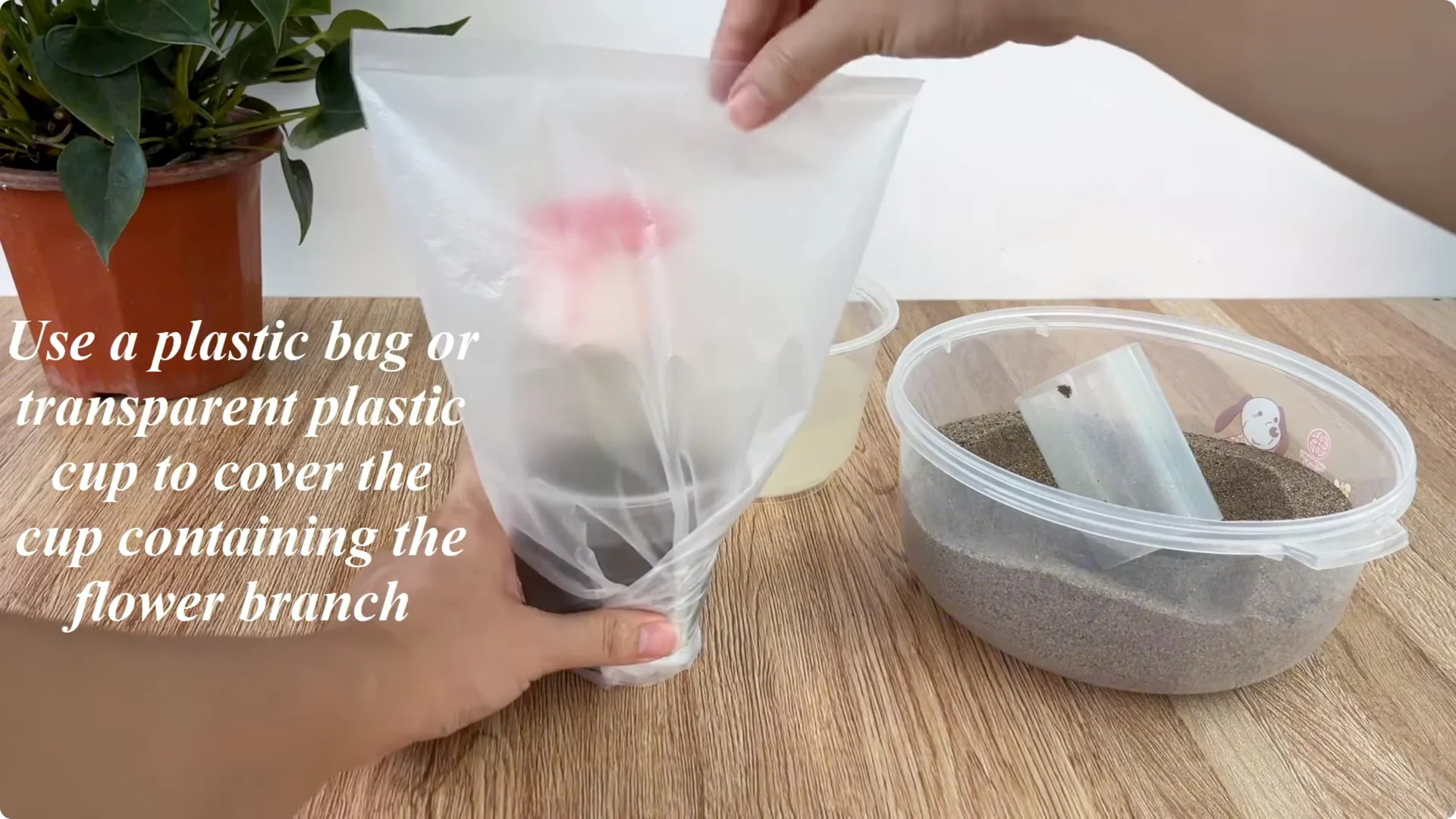
To keep the humidity stable – the deciding factor for success or failure – use a plastic bag or a clear plastic cup to cover the mouth of the cup to create a mini greenhouse environment. Place the pot in a cool place, away from strong winds and direct sunlight. Leave it for 10 days and do not open it too soon.
For added inspiration on simple cup recipes that support strong rooting, check another one-cup approach for strong roots.
4. Rose Cutting Propagation: Signs of Success
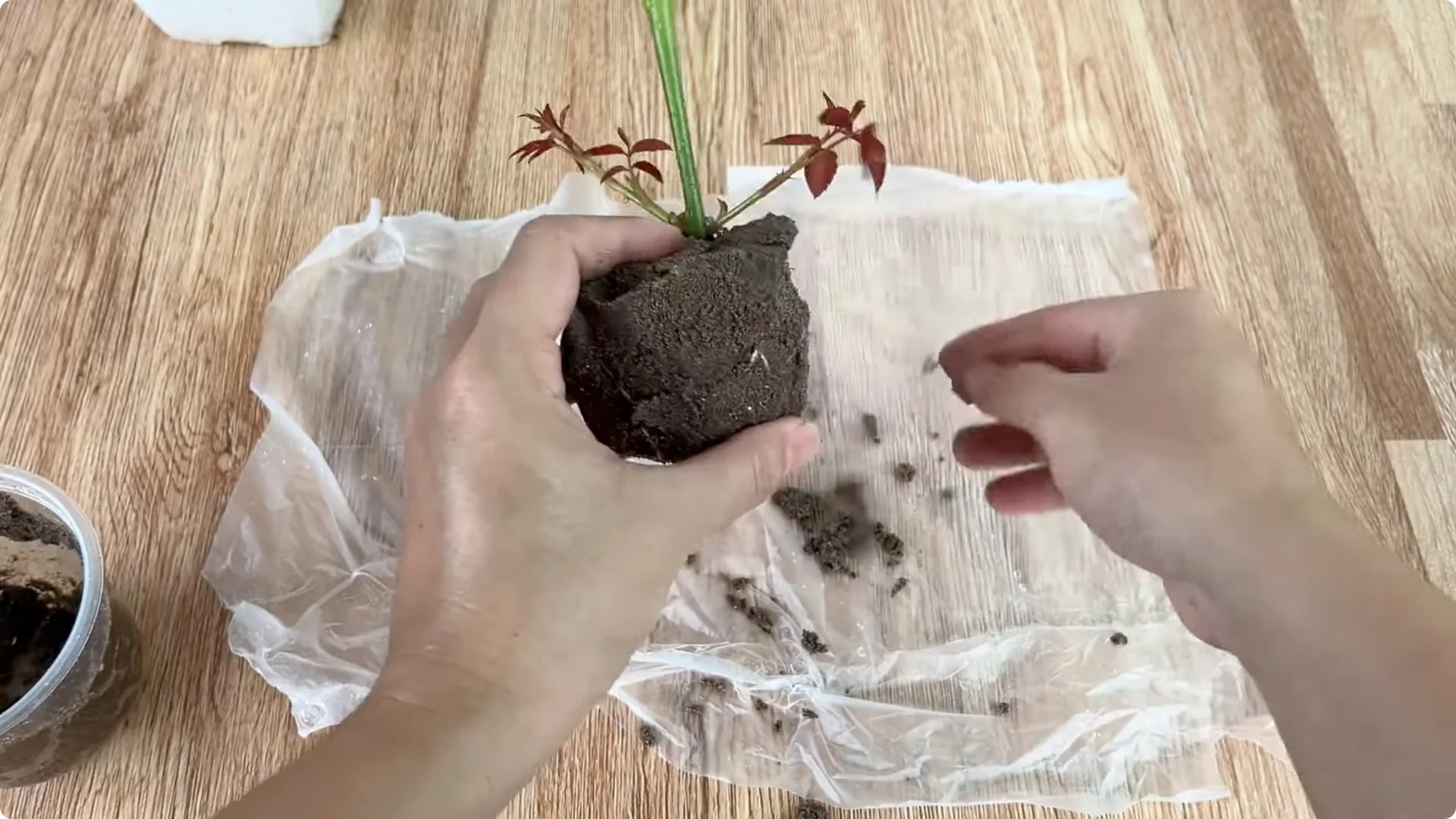
The magic will happen. When you gently look through the plastic layer and see green shoots emerging from the dormant buds, you will feel the joy of someone who has truly created new life. Be patient and let the process continue.
If you check the base, you will see clusters of plump white roots surrounding it, clinging tightly to each grain of sand. That is the sign of a new rose plant ready to move on to the next chapter. Handle the rooted cutting gently.
5. Rose Cutting Propagation: Potting Up and Care
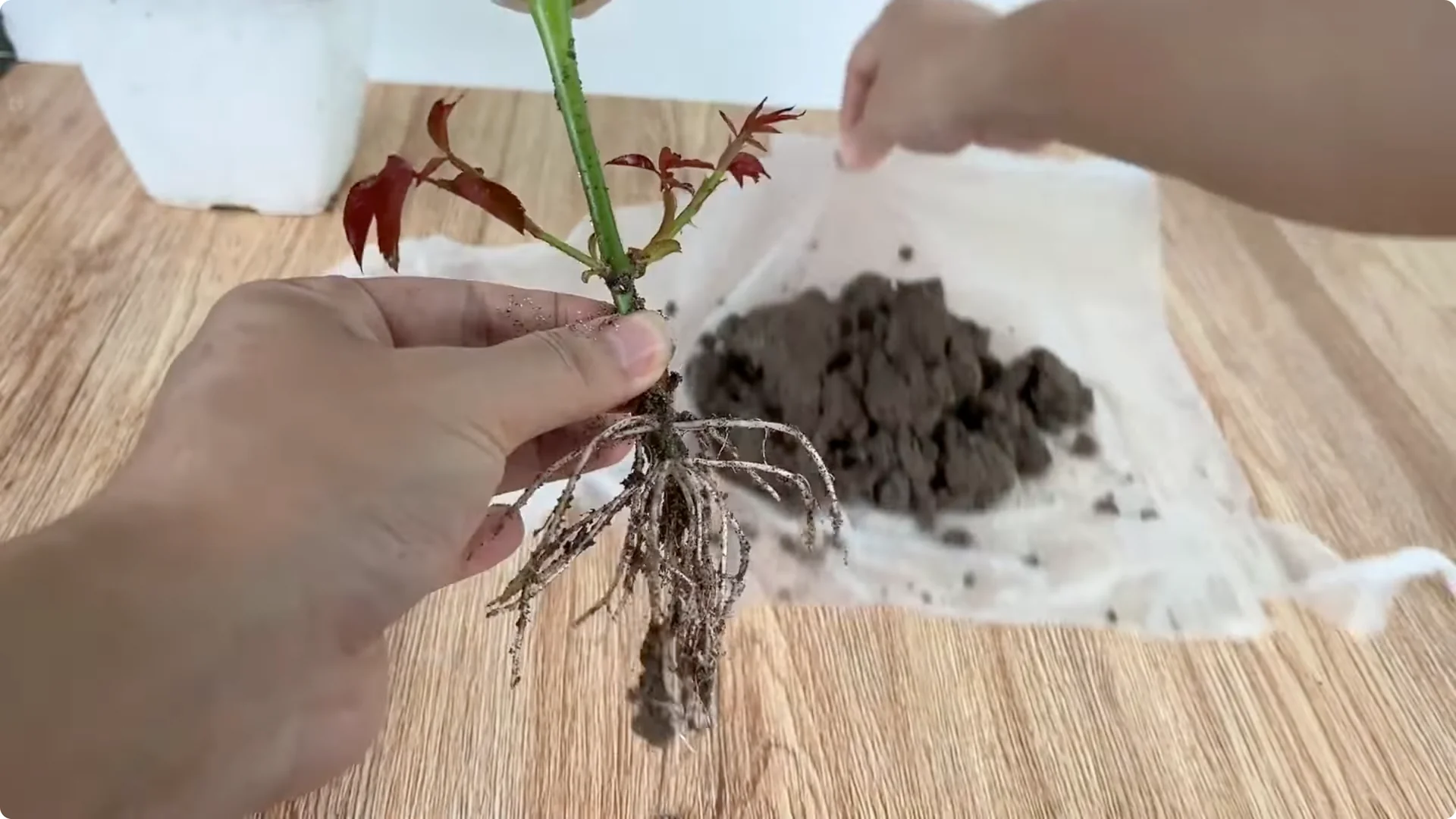
Gently pull out the branch and replant it in a large pot. Use a well-ventilated coconut fiber substrate or well-drained sandy soil. Keep the roots covered and firm.
Care for it like a normal young plant. Water lightly, place it in soft light and let it gradually get used to the sunlight. Keep the soil slightly moist, not soggy.
Final Thoughts
You may not believe that a little ginger, a few bread crumbs and a little glucose can create such a miracle, but plants always respond honestly to what we give them. If you take care of them with chemicals, they will grow quickly but can be fragile. If you feed them with natural ingredients, they will be strong from the roots and live longer.
If you are holding a beautiful rose branch and do not know what to do with it, do not rush to throw it away. Try this method once. Who knows, one day, in your small garden there will be a rose tree full of life.