
Dear rose lovers, if you have ever failed to propagate cuttings – sometimes the branches wilt, sometimes the roots rot and do not root. I will share a safe, economical method that helps rose branches sprout new buds and grow thick white roots after about 10 days. It uses simple ingredients and brings unexpected results.
This method disinfects the cut, protects against fungi and bacteria, and feeds early root formation. It also keeps moisture stable without waterlogging the base. Follow these steps closely for fast, strong rooting.
1. Rose Cutting Propagation – Choose the Right Wood
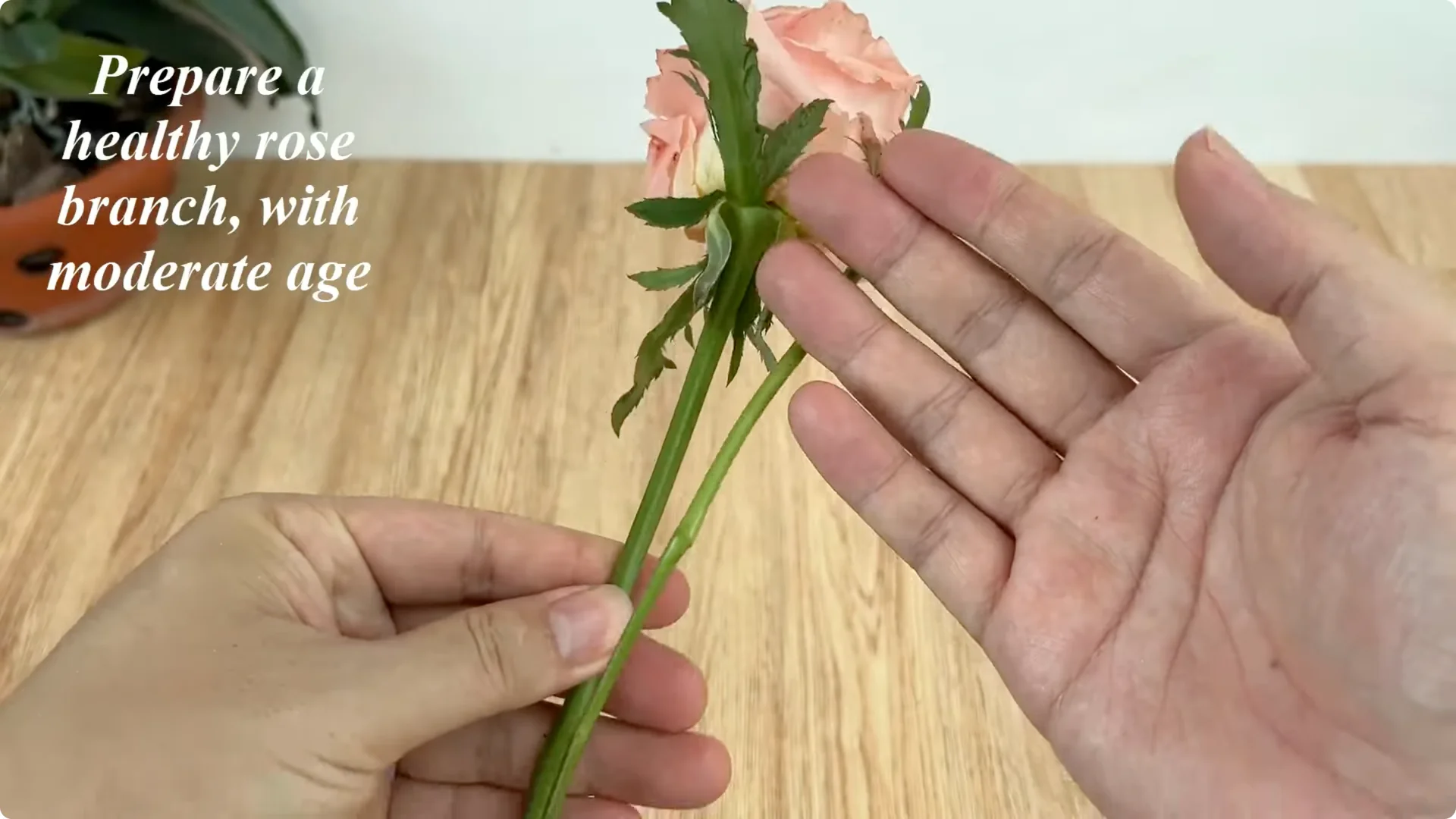
Choose a healthy rose branch of moderate age. Gardeners often call this a young branch – not too young to avoid wilting, but not too old to make it difficult to root. Cut off all the leaves and sharp thorns to limit water loss and avoid open wounds that are susceptible to fungal attacks.
Trim the branch to about 15-20 cm. Neat, clean branches will focus all their energy on sprouting and developing new roots. Use clean, sharp pruners.
For a simple cup setup that encourages early growth, see this one-cup roots and shoots method.
2. Rose Cutting Propagation – Ginger Disinfection
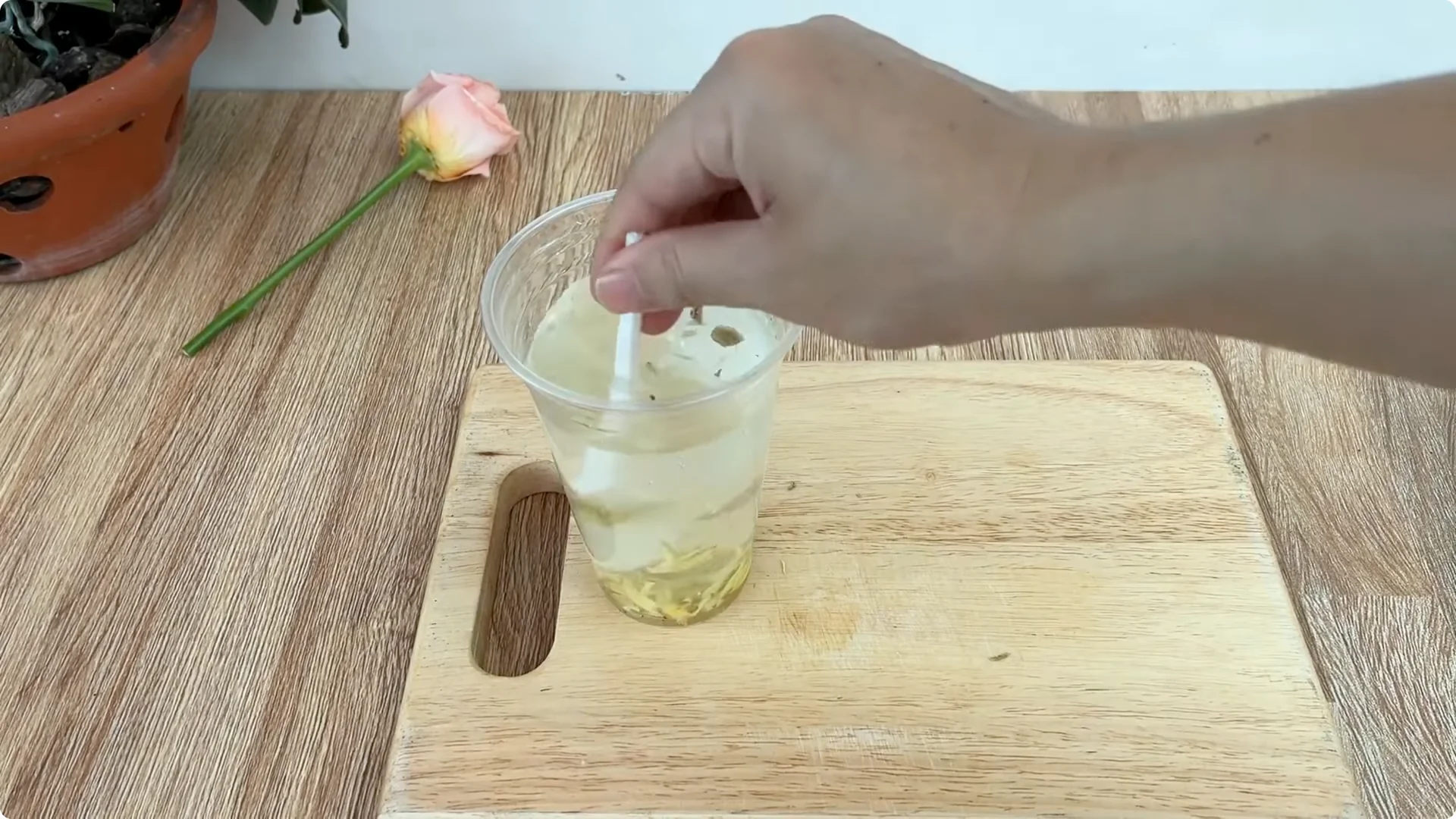
Prepare 10 grams of fresh ginger. Ginger is known for antibacterial, antifungal, and circulatory stimulating properties. For plants, ginger can disinfect cuts, prevent bacteria, and stimulate scar tissue to quickly transform into young roots.
Wash and chop the ginger, then place it in a clean plastic cup with 500 ml of water. Stir well and soak the rose branches in this solution for about 30 minutes. This is an extremely effective natural disinfection step that protects the cuttings in the early days.
3. Rose Cutting Propagation – Banana and Potato Booster
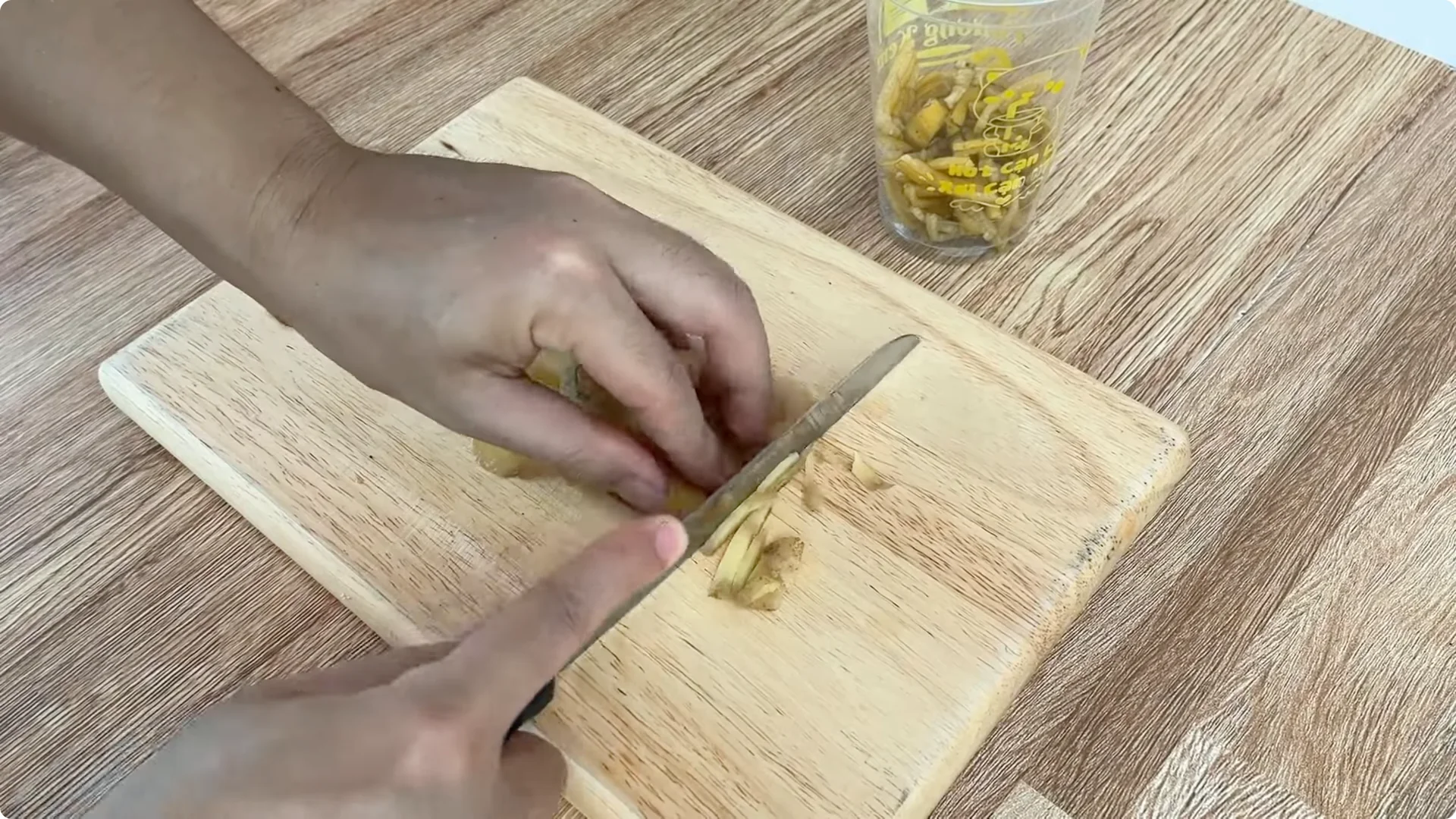
Banana nutrients
Prepare a ripe banana. Bananas contain abundant potassium and phosphorus – two important nutrients in the root formation stage. Banana peels also have natural enzymes that help promote cell division, causing roots to grow rapidly.
Peel the banana, chop it, and put it in a clean plastic cup. Keep everything clean to avoid contamination. Set it aside while you prepare the next ingredient.
Potato addition
Use potatoes – an ingredient familiar on the dining table with a wonderful effect in plant propagation. Potato peels contain starch, vitamin C, and many antioxidants. When combined with banana peels, this solution becomes a natural energy drink that provides nutrients and stimulates young roots to grow.
Wash, peel, chop the potato, and put it in the cup with the banana peel. Add 500 ml of warm water, stir well, and let it stand for 30 minutes so the nutrients dissolve into the water. Strain to get a clean solution.
For more tips on boosting roots and blooms in a cup, see these roots and blooms techniques.
4. Rose Cutting Propagation – Combine the Solutions

When the rose branches have soaked enough in the ginger solution, take them out. Filter out the ginger residue and keep the clear water. Filter the banana peel and potato mixture to collect a clean solution.
Mix the ginger water with the banana-potato solution. The result is an extremely nutritious mixture that is both antibacterial and rich in potassium, phosphorus, and starch. These are all necessary for rapid root formation.
5. Rose Cutting Propagation – Plant the Cutting
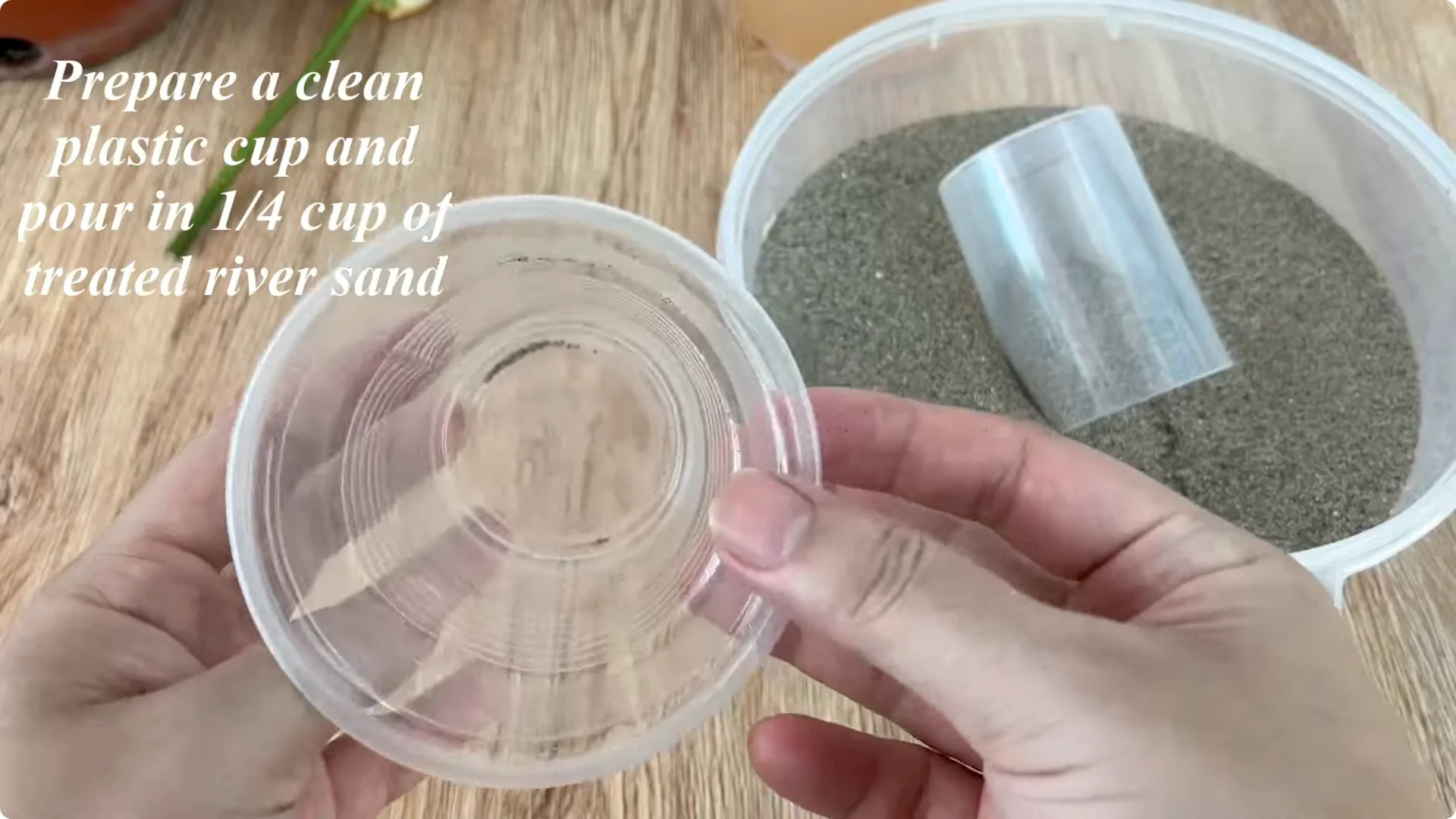
Cup and sand setup
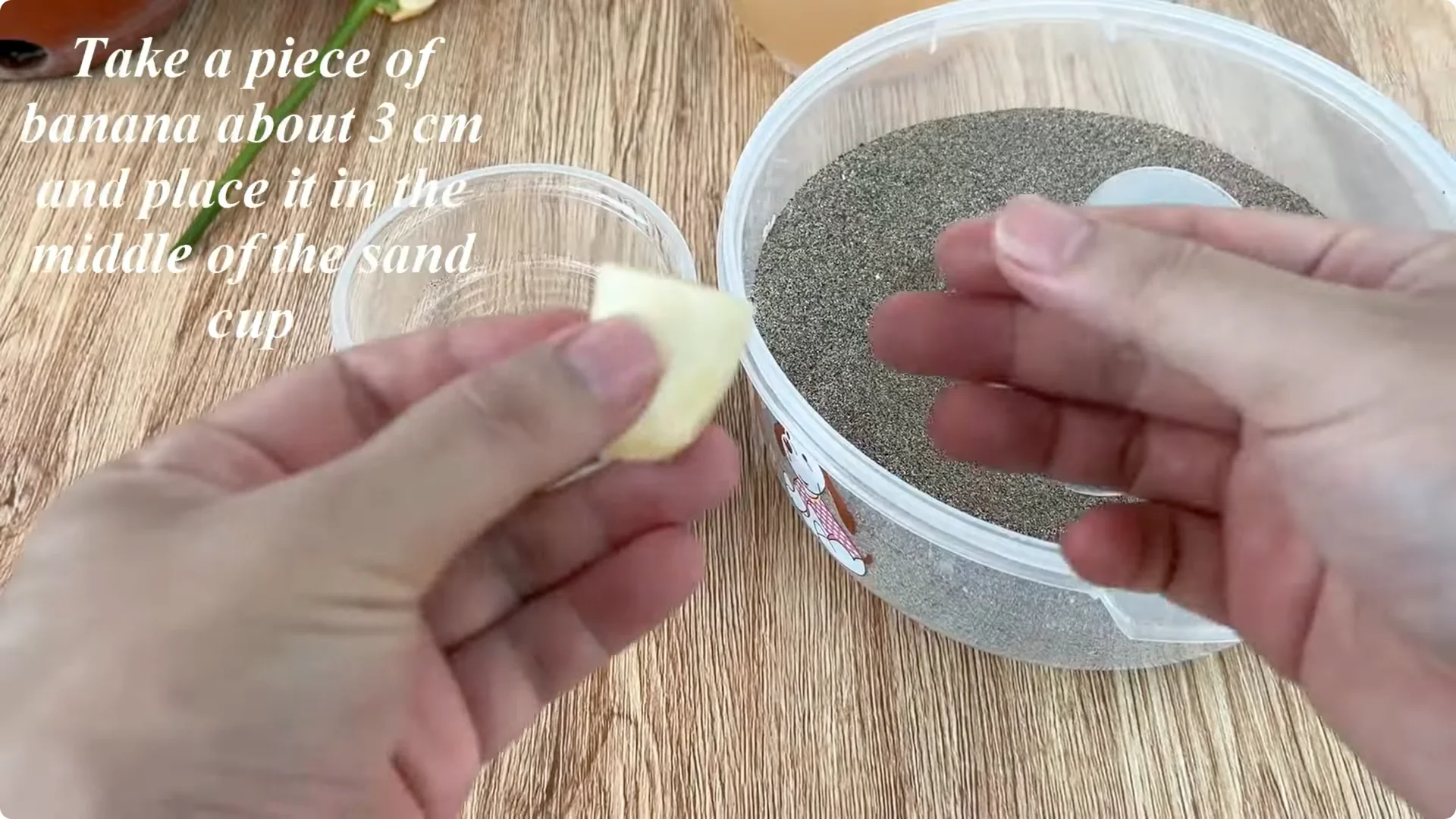
Prepare a clean plastic cup and treated river sand. Fill 1/4 of the cup with sand. River sand drains quickly and keeps the base from getting waterlogged.
Banana core and insertion

Place a piece of ripe banana about 3 cm long in the middle of the cup. This piece acts as a nutrient reserve, providing potassium and natural sugars right next to the base of the branch. Insert the rose branch so the base penetrates the banana piece.
Continue adding sand until the cup is almost full and press lightly to secure the branch. Keep the cutting upright and stable. Do not compact the sand too tightly.
Moisture and cover

Pour in enough of the ginger-banana-potato solution to moisten the sand. Do not add too much, since waterlogging can rot the base. The sand should be evenly damp, not soaked.
Use a plastic bag or a transparent plastic cup to cover the mouth of the cup. This helps retain moisture, limits evaporation, and creates a mini greenhouse effect. Keep the cover slightly vented to avoid stale air.
Placement
Place the cup in a cool place, away from drafts and direct sunlight. Stable, bright shade is ideal. Avoid direct heat that can wilt tender tissues.
If you like single-cup propagation setups that support early blooming, see these roots-and-blooms cup tricks.
6. Rose Cutting Propagation – Results in About 10 Days
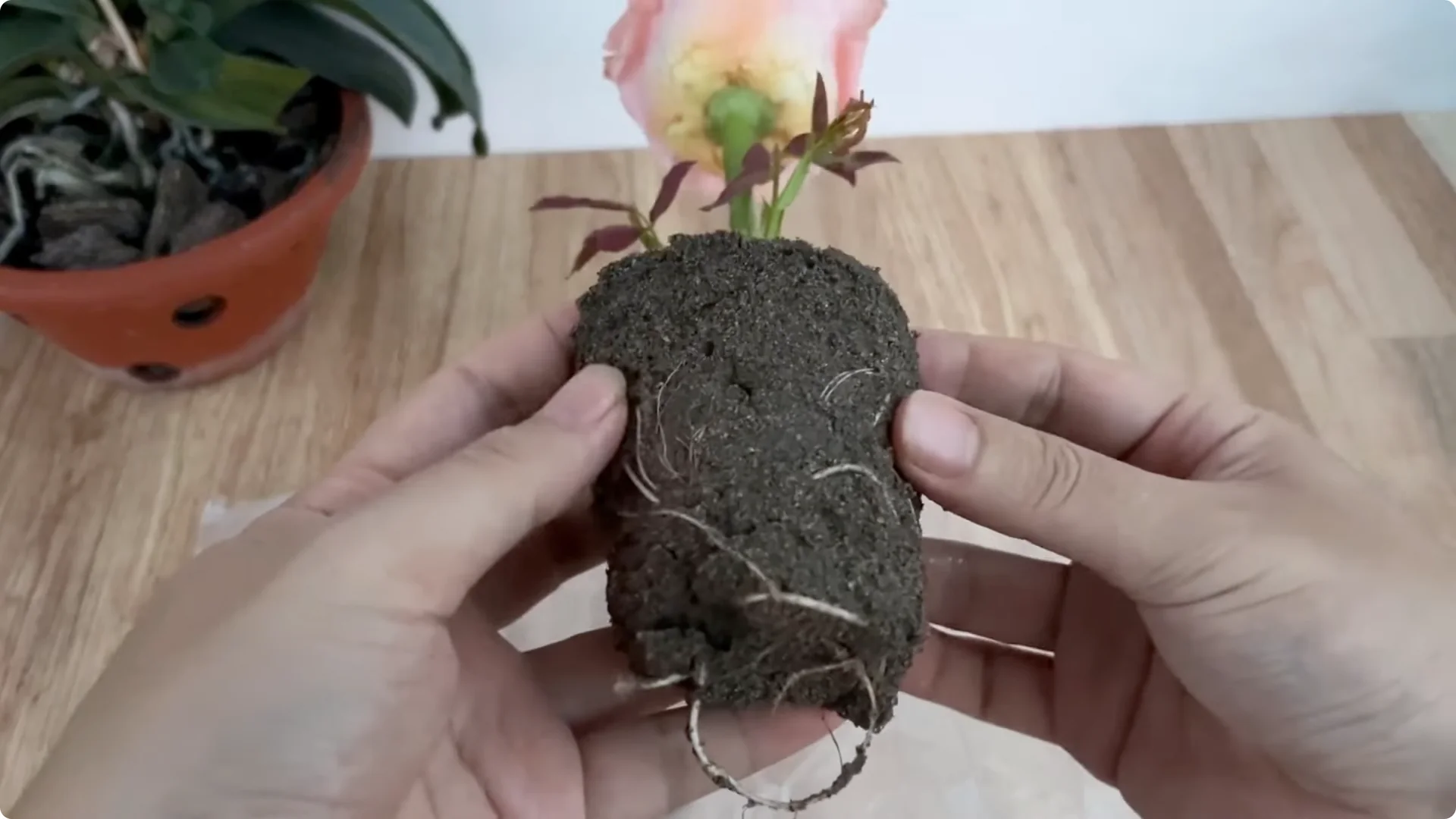
In about 10 days, you will see a clear change. From the branch eyes, new shoots begin to sprout, green and full of life. At the base, plump white roots grow around the banana piece – a sure sign the cutting has taken.
Healthy new roots will continue to thicken and branch. Keep moisture steady and light indirect. Do not disturb the cutting while roots are forming.
7. Rose Cutting Propagation – Transplanting
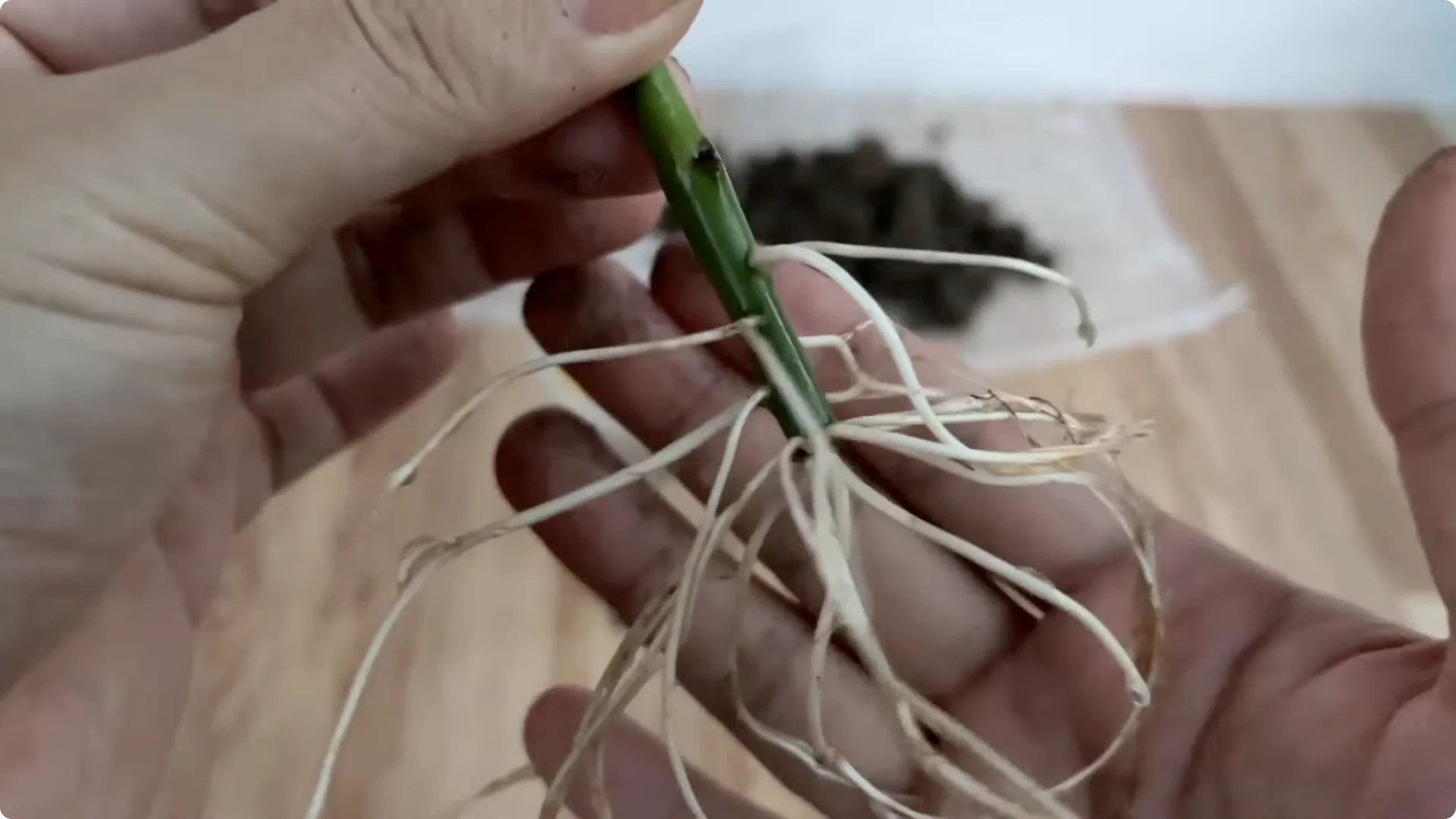
When the roots are long and strong enough, gently transfer the plant to a new pot. Use a well-drained substrate, preferably river sand or a sandy mix. Handle the root ball carefully and avoid breaking the new roots.
Water lightly to settle the medium. Keep the plant in bright shade until it resumes growth. Then transition it gradually to more light.
Final Thoughts
With just ginger, bananas, and potatoes, you can propagate roses in a simple, natural, and effective way. The ginger disinfects and protects, while banana and potato feed early root growth. Follow the steps above and enjoy vigorous new rose plants from cuttings.