
Have you ever wanted to propagate your favorite rose branch yourself, so that from a small branch it can grow into a healthy, flowery rose bush? I will share with you an extremely simple but extremely effective method. Follow each step carefully, and you will be surprised by the results.
First, choose a healthy rose branch that is free of pests and diseases. The ideal length is about 15-20 cm. A standard rose branch helps the rooting process faster and the young plant grow more sustainably.
Remove all the leaves and sharp thorns, because if left, they will absorb nutrients and make it more difficult for the branch to root. Keeping a neat stem like this focuses energy on forming new roots. This is the foundation for strong growth later.
For a compact setup that keeps everything contained, see this simple one-cup rooting approach.
1) Rose Cutting Propagation: Garlic, Honey and Rice Water
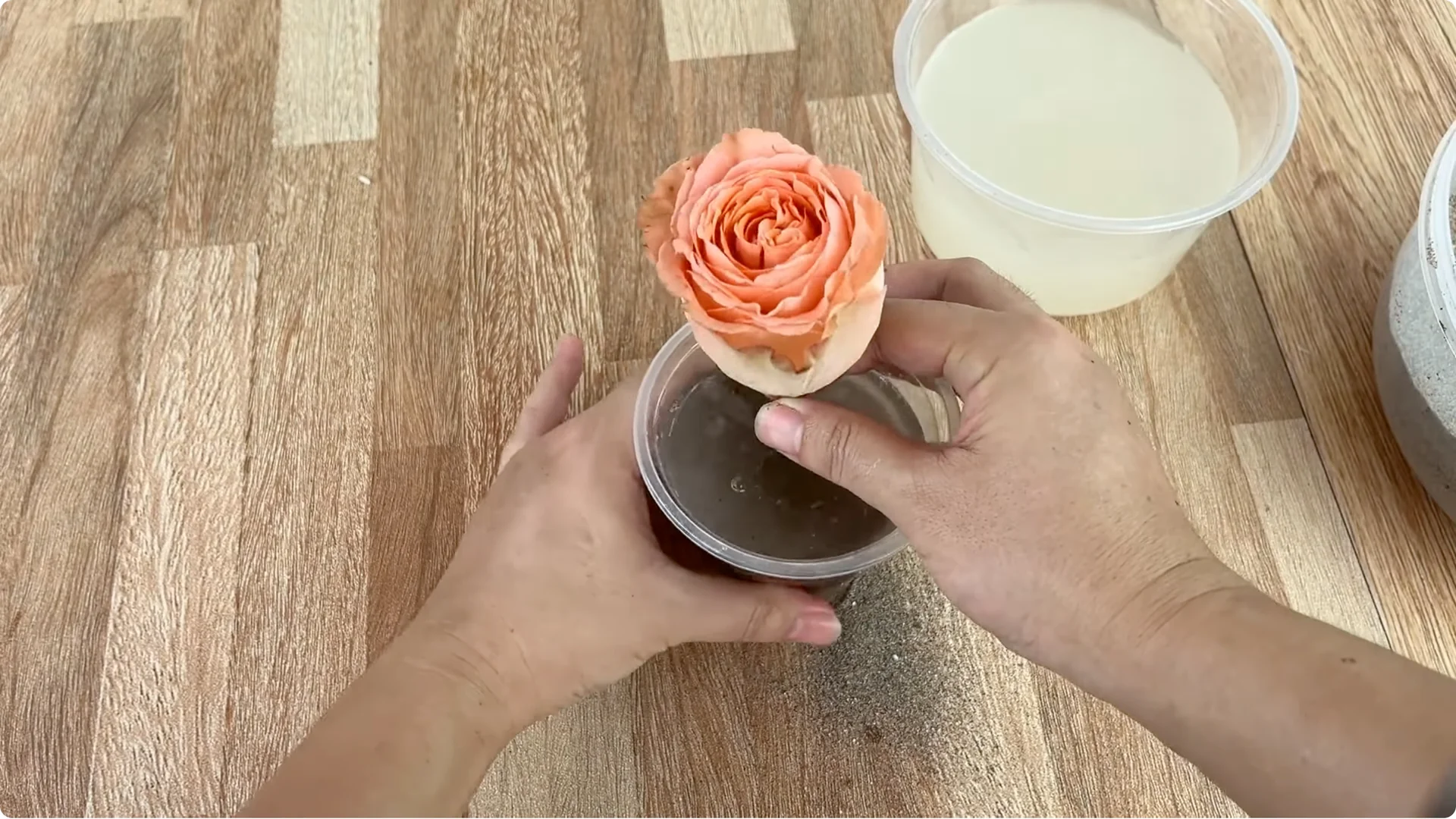
Select and prep the cutting
Choose a healthy rose branch, 15-20 cm long, free of pests and diseases. Remove all the leaves and thorns to reduce water loss and help the branch focus on growing new roots. Keep the stem neat to direct energy toward root formation.
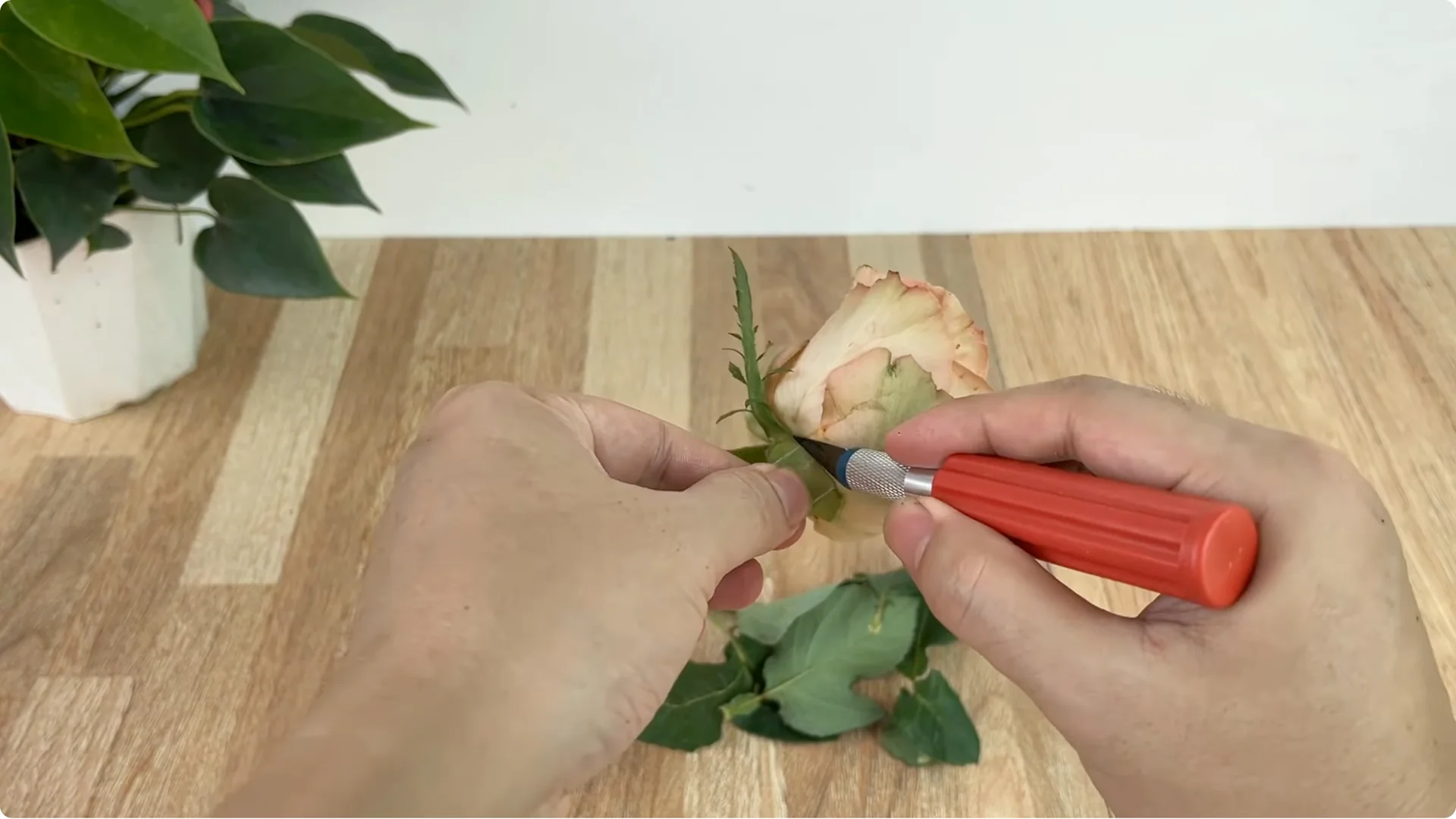
Make the garlic-honey soak
Prepare 2 cloves of garlic and peel them. Garlic is considered a natural antibiotic of the plant, containing allicin with strong antibacterial effects that prevent fungi from attacking cuttings during the sensitive stage. After chopping the garlic, put it in a clean plastic cup, add a spoonful of honey, pour in about 0.5 liters of clean water, stir well, and soak the rose branches for 30 minutes.

This is the armor that protects and nourishes the initial steps for the cuttings. Honey not only has antibacterial effects but is also a natural growth stimulant containing many enzymes and minerals that help plant tissue recover quickly. Let the branch drain a bit after soaking.
Prepare the rice water
Take 3 tablespoons of rice and put them in a clean plastic cup. Add 0.5 liters of water and wash thoroughly, then pour the water into another cup and discard the rice. Rice washing water contains many B vitamins, starch, and minerals such as iron, zinc, and phosphorus, which provide great nutrients to help young roots grow healthily.
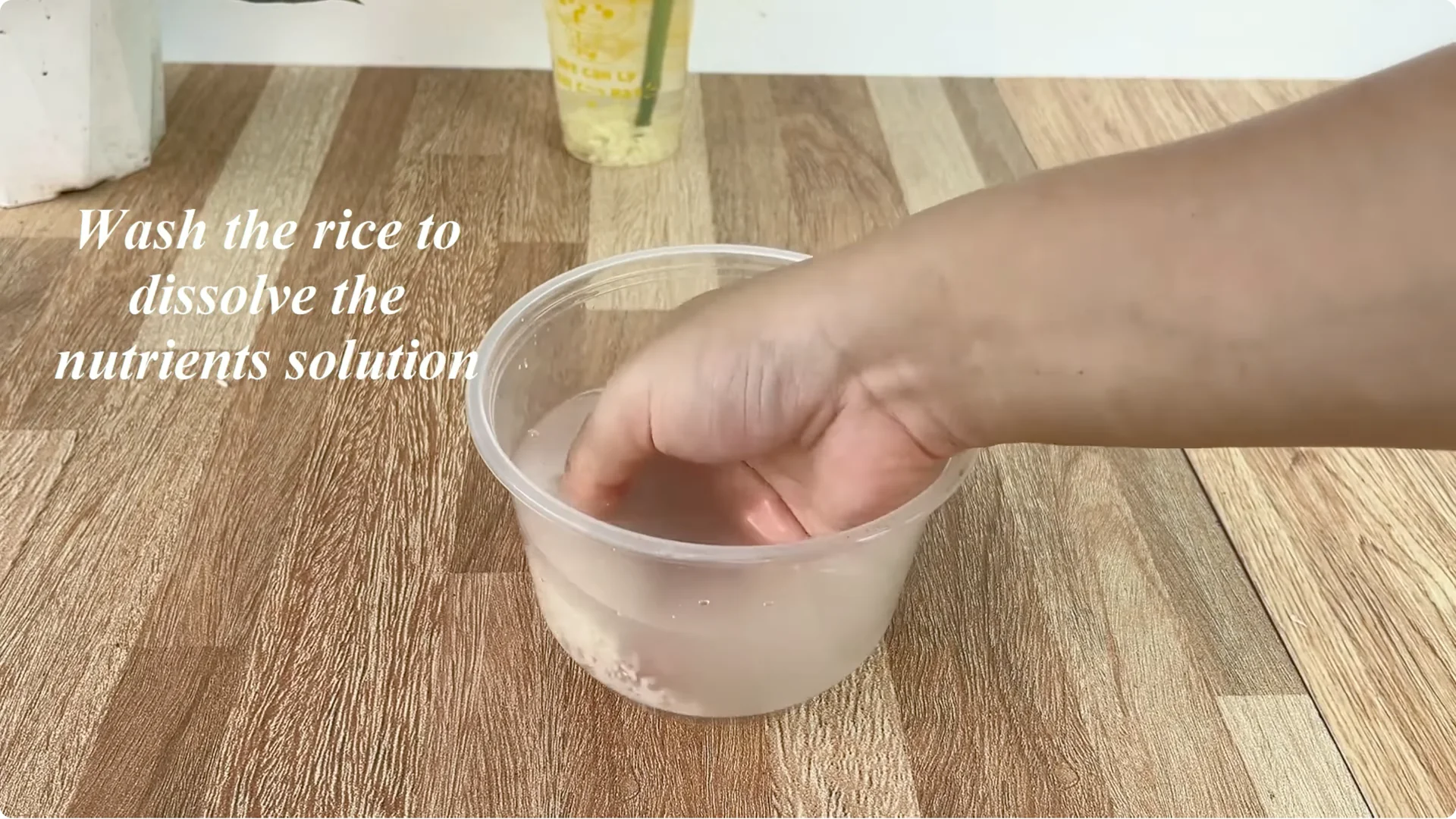
The rice washing water now acts as both a natural fertilizer and an energy solution for the rose branch in the early stages. Filter the remaining garlic-honey solution to remove residue and mix it with the rice washing water. This creates a protective and nourishing mix for rooting.
Pot in river sand
Prepare a clean plastic cup and processed river sand. Put sand in about one-third of the cup, place the rose branch in the middle, then continue to add sand until the cup is almost full, pressing lightly around to fix it. River sand is loose, well-drained, and maintains moderate humidity, making it very suitable for cuttings.
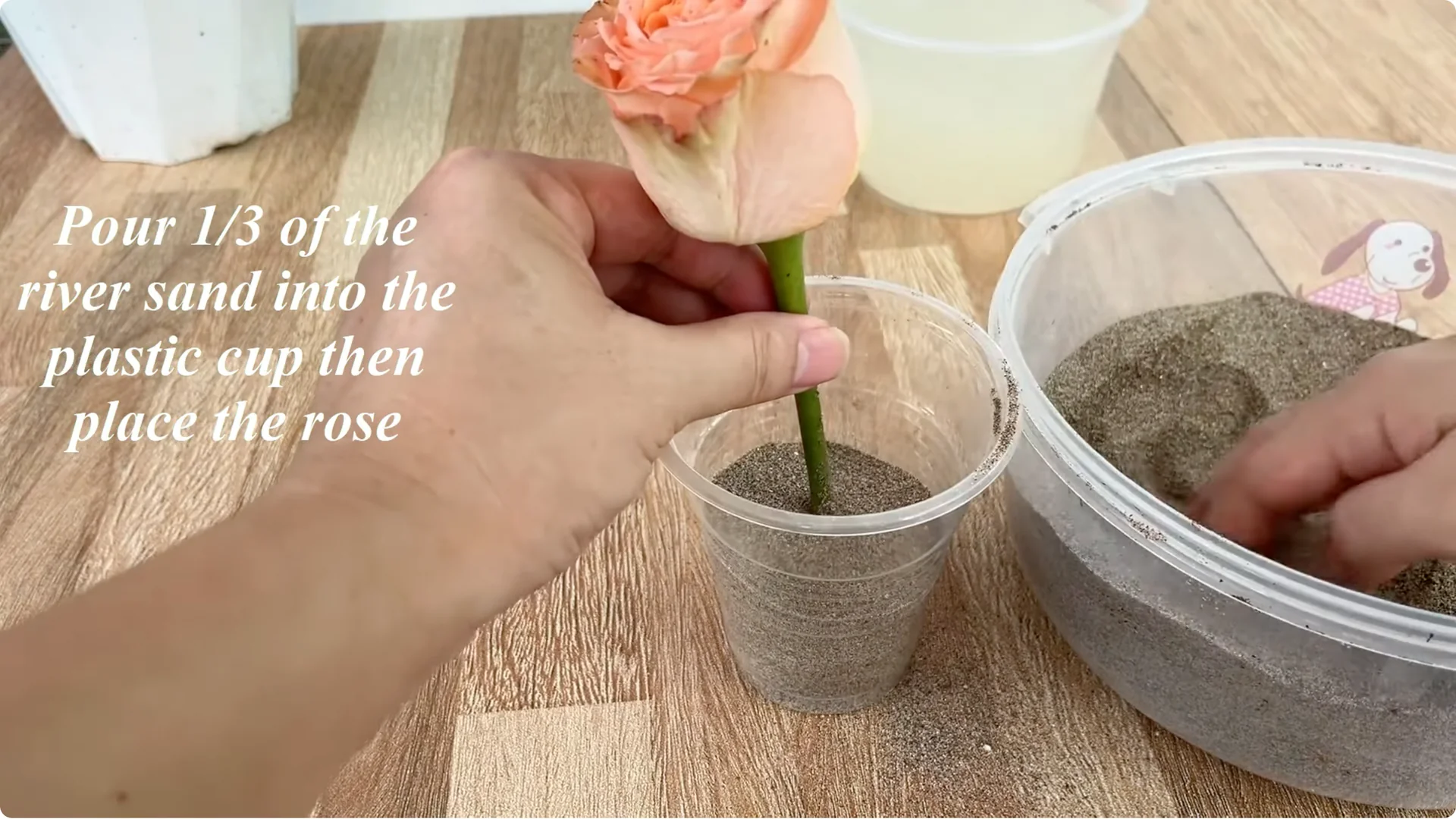
Slowly pour in the garlic-honey-rice water solution until the sand is moist enough. The combination not only protects the branches from bacteria but also provides a rich source of nutrients. This creates an ideal environment to keep the branch moist and fed regularly.
Create a humidity dome
Use a transparent plastic bag or cover the mouth of the cup with a clear plastic cup. This creates high humidity, limits evaporation, and simulates a mini greenhouse. Place the cup in a cool place, away from drafts and direct sunlight.
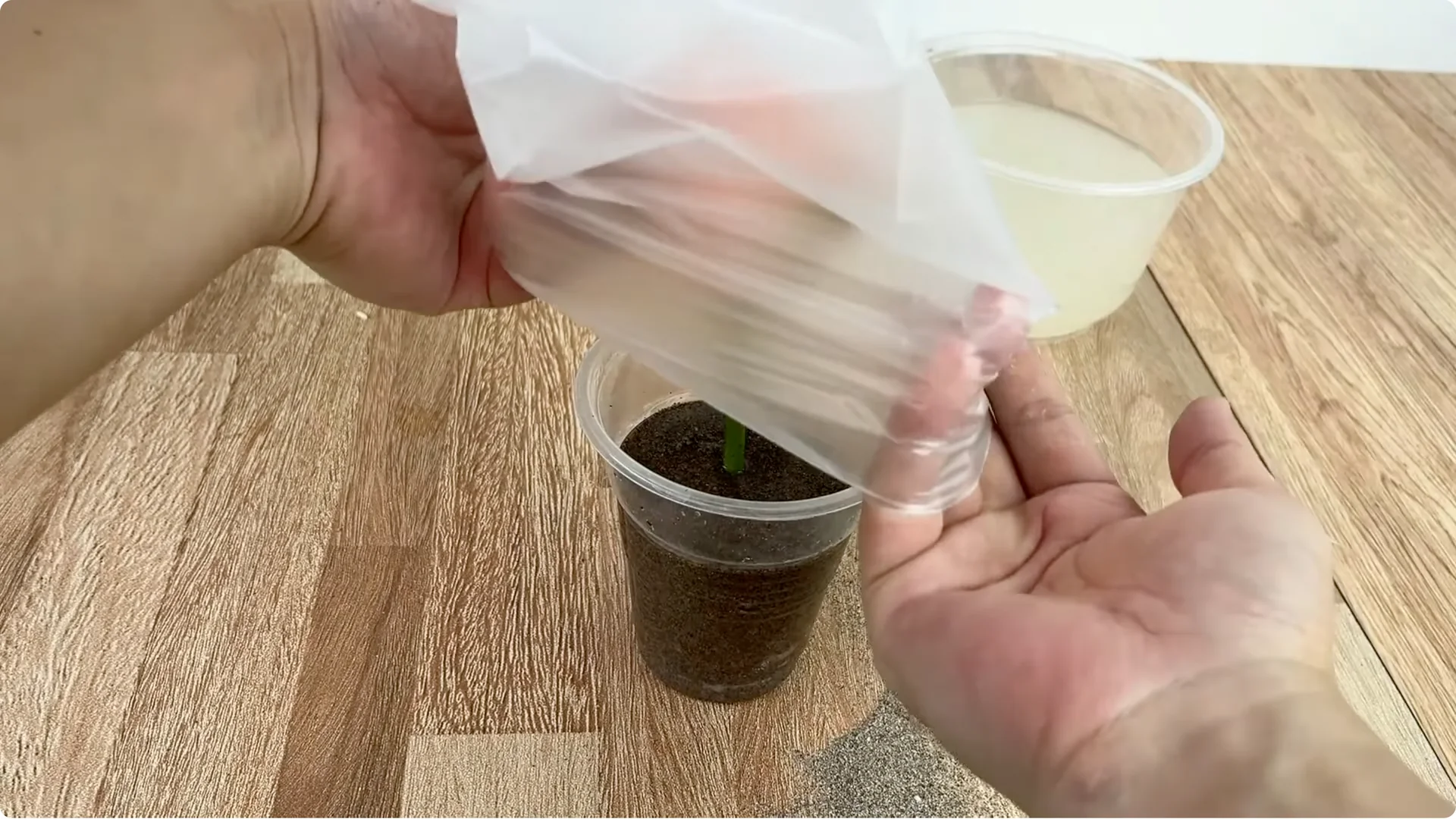
Rooting timeline and transplant
After about 10 days you will notice the rose branch starting to sprout green, vibrant new shoots. At the base, a series of plump white roots will grow out, firmly attached to the river sand, which is a clear sign of success. Transfer the branch to a new pot with coconut fiber substrate or loose, well-drained soil so the plant continues to grow strongly.
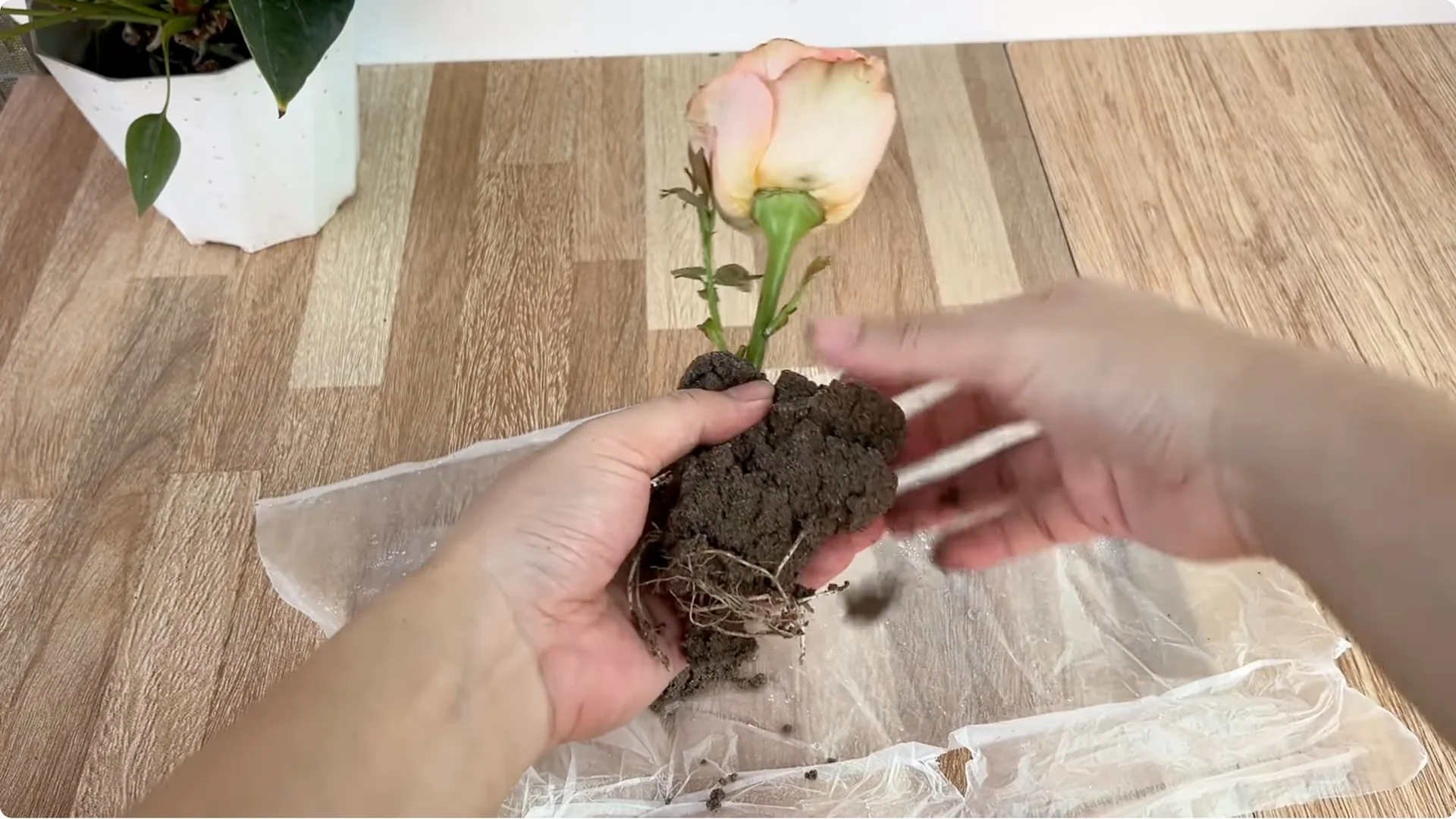
This method uses simple ingredients from the kitchen. It is economical, safe, and environmentally friendly. Try it to build a garden full of flowers.
2) Rose Cutting Propagation: Ginger, Lemon and Bread
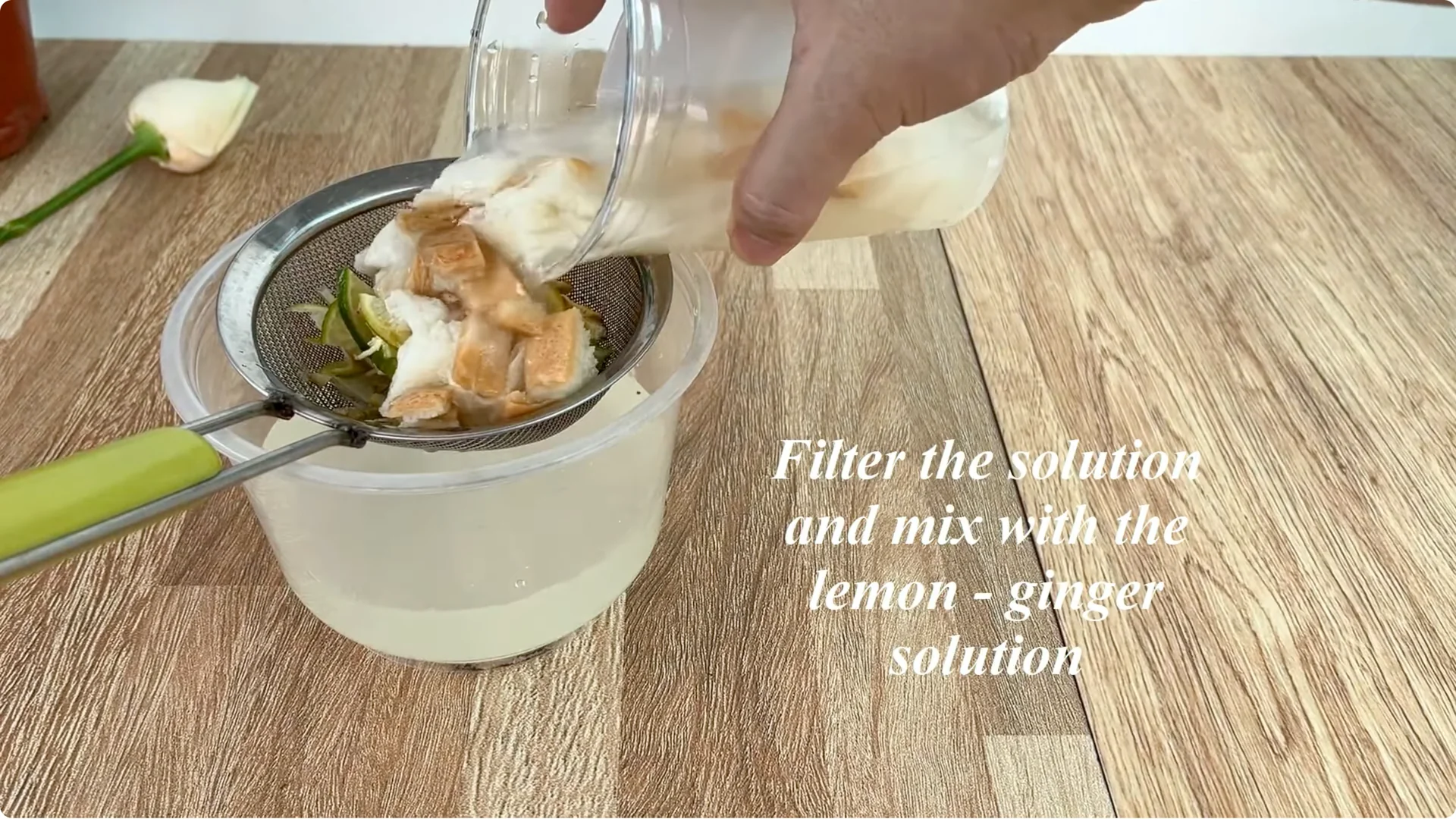
Prepare the cutting
We need to prepare a healthy rose branch, free of pests and diseases and of moderate age. Cut the branch to about 15-20 cm, and remove all leaves and thorns to reduce water loss and help the branch focus on new roots. Use sharp scissors to cut the base at a 45-degree angle to increase the contact area with the nutrient solution and stimulate stronger root formation.
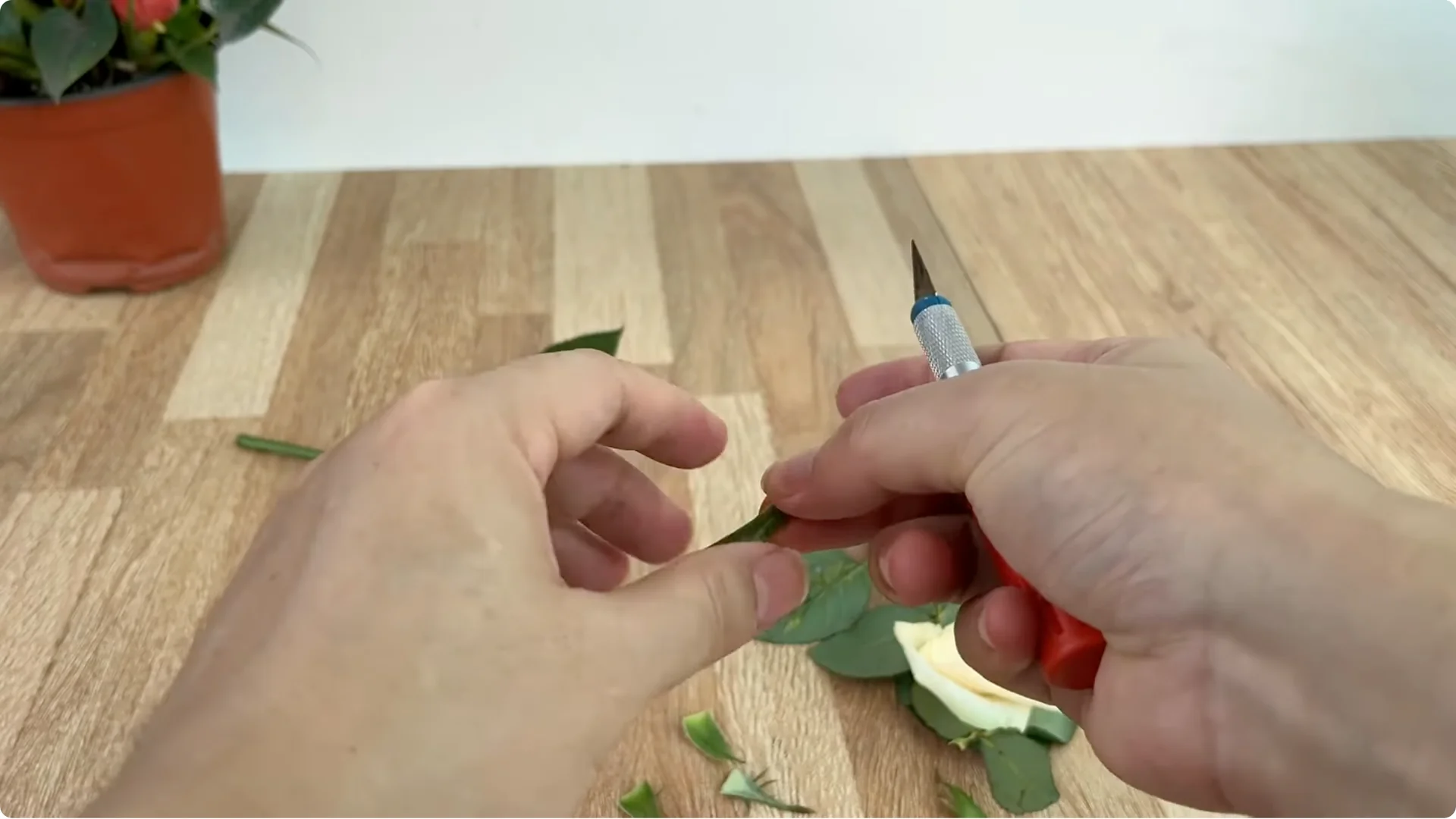
Make the ginger-lemon soak
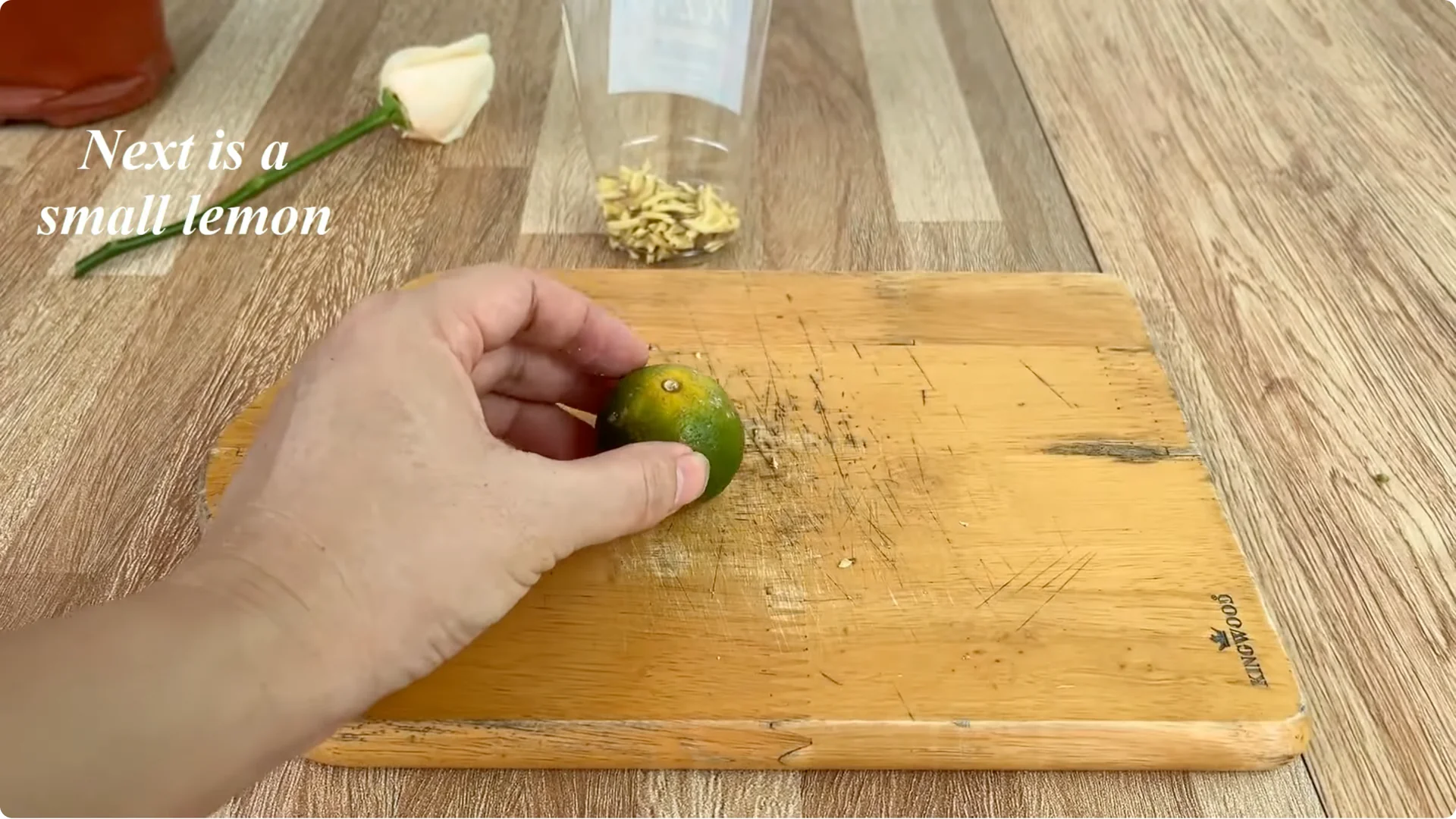
Prepare about 10 grams of fresh ginger, wash it, chop it, and put it in a clean plastic cup. Cut a small lemon into very thin slices and add it. Ginger provides natural antibacterial substances, and lemon contains citric acid that creates a slightly acidic environment to help roots grow easily.
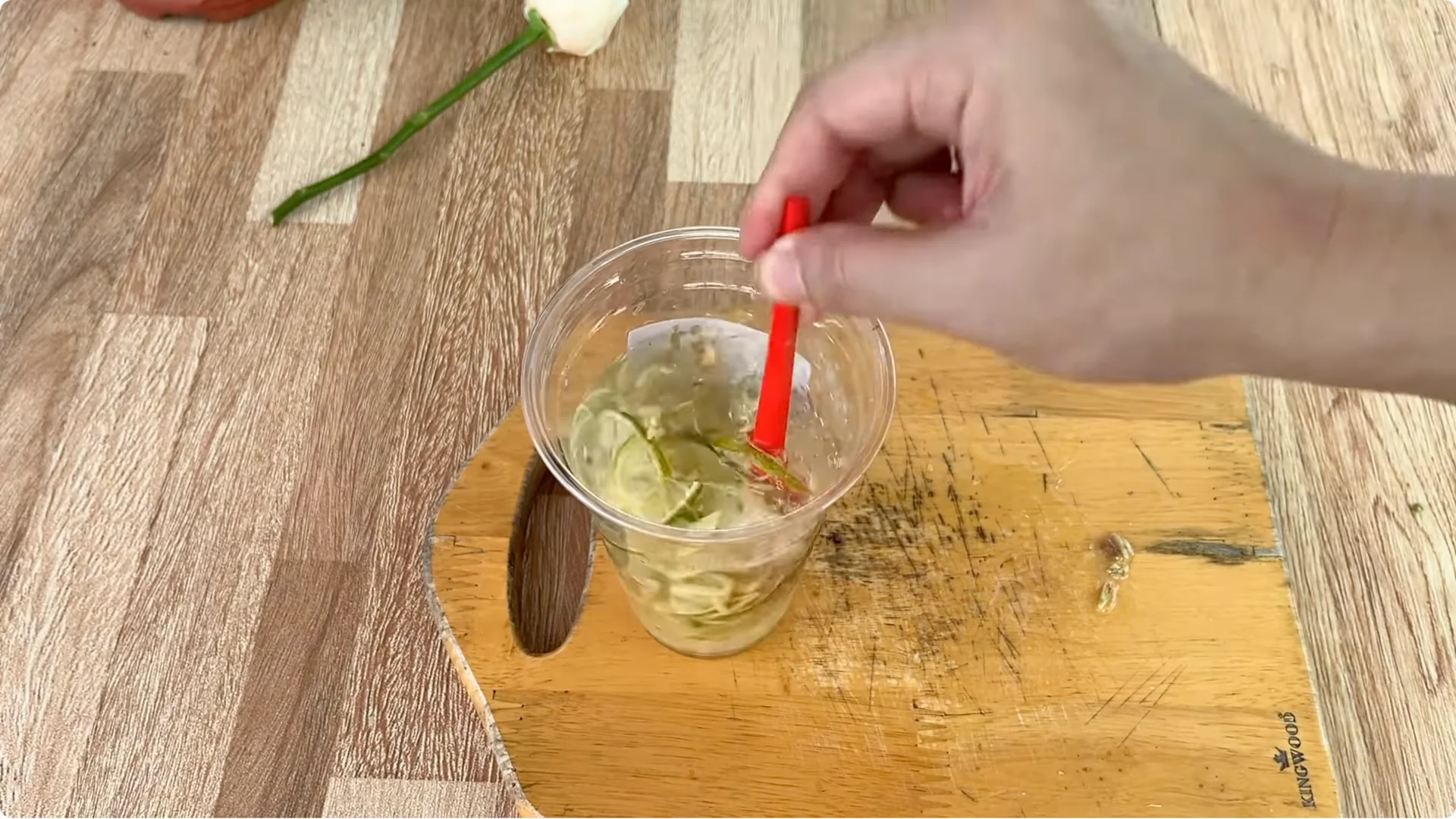
Add 0.5 liters of clean water to the cup, stir well, and soak the rose branch for 30 minutes so the solution penetrates deeply into the plant tissue. The ginger-lemon blend protects the cutting from bacteria and promotes the formation of new roots. Keep the branch submerged during this period.
If speedy results interest you, see how growers get roots sprouting overnight with careful moisture and warmth.
Prepare the bread water
Tear a slice of bread into small pieces and put it in a plastic cup. Add 0.5 liters of clean water, stir well, and let it sit for about 30 minutes. When soaked, bread releases a small amount of carbohydrates and natural yeast, which provides energy-rich nutrients and a beneficial microbiological environment for young roots to develop.

Mix solutions and pot in sand
Take the rose branch out of the ginger-lemon solution and filter it to remove residue, collecting clear water. Filter the bread mixture water and mix the two solutions together to create a nutrient-rich blend that is antibacterial, nourishing, and root-stimulating. Prepare a clean plastic cup with treated river sand and pour the sand almost full.
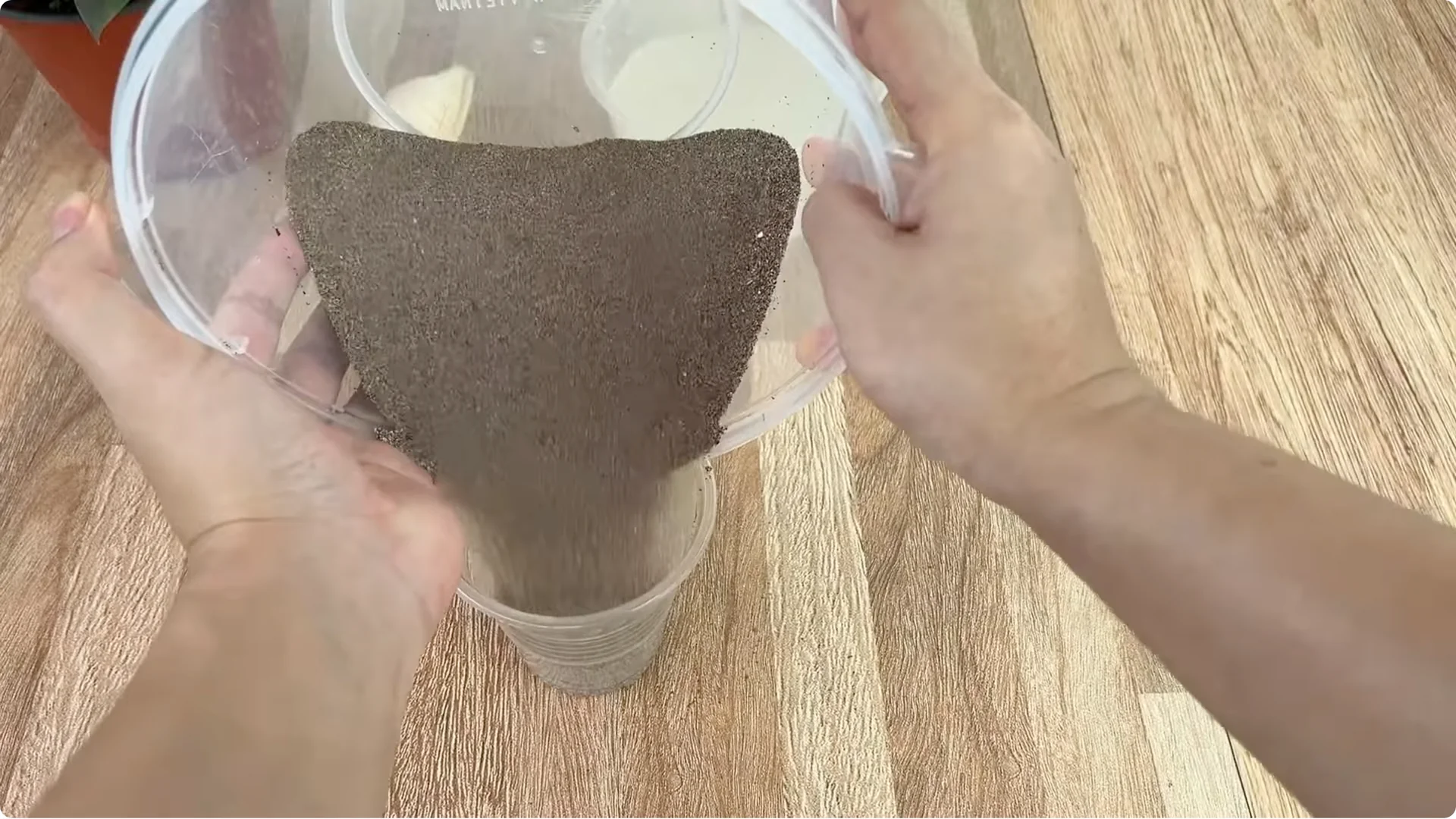
Sprinkle the mixed solution evenly so the sand is moist but not soggy. Insert the prepared rose branch into the middle of the cup, deep enough for the base to have good contact with the environment. Press the sand lightly to stabilize the cutting.
Maintain humidity and placement
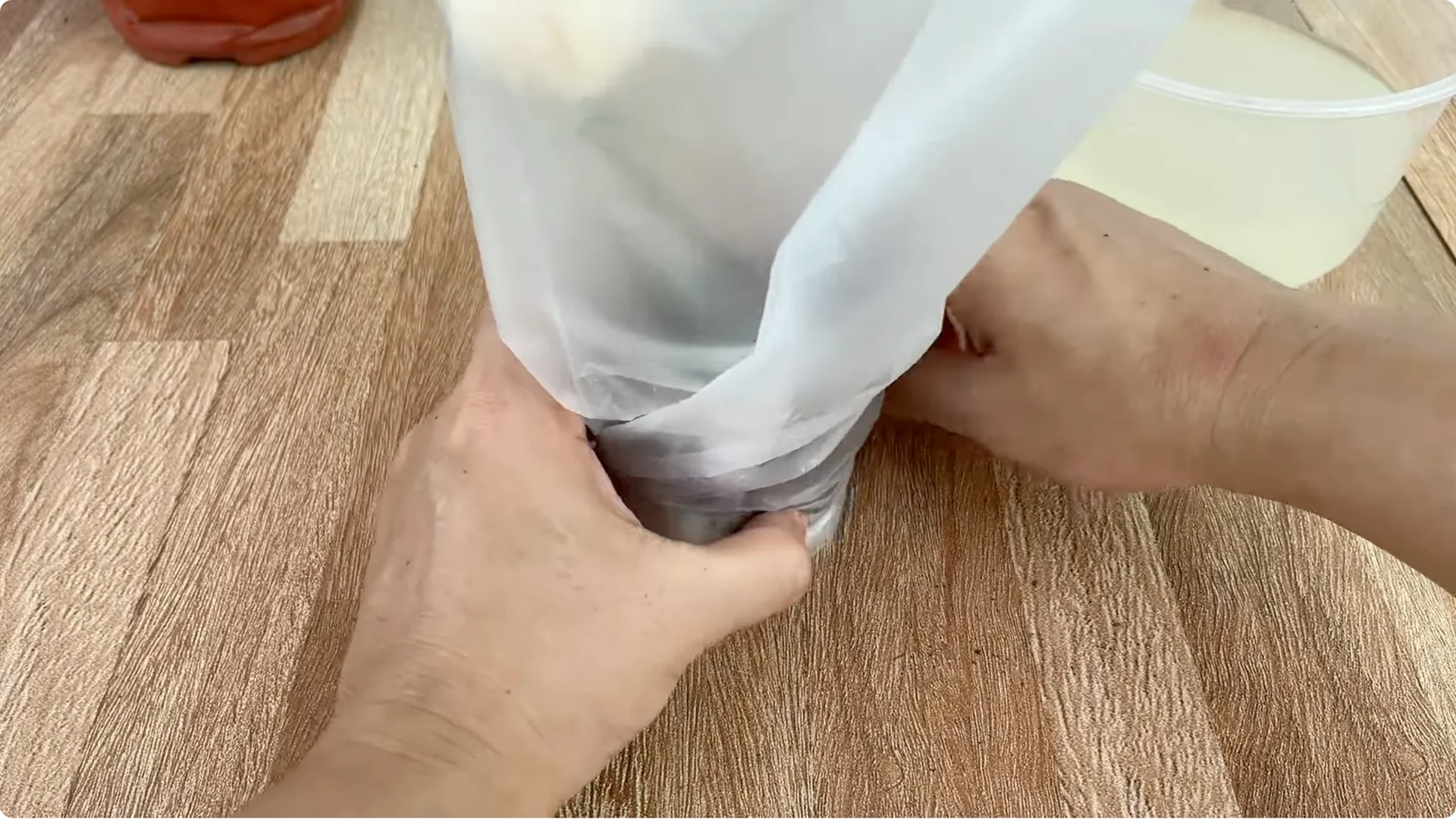
Use a plastic bag or a transparent plastic cup to cover the mouth of the cup. This keeps humidity stable and creates a greenhouse effect that helps the rose branch take root easily. Place the cup in a cool place, avoiding strong winds and direct sunlight to prevent rapid water loss.
7-day results and transplant
After 7 days of care, the rose branch begins to sprout green buds, signaling a new life full of vitality. At the base appear many plump, strong white roots, clinging to the sand layer. This is the right time to plant the branch in a pot containing a well-drained substrate such as coconut fiber or nutrient-mixed soil.
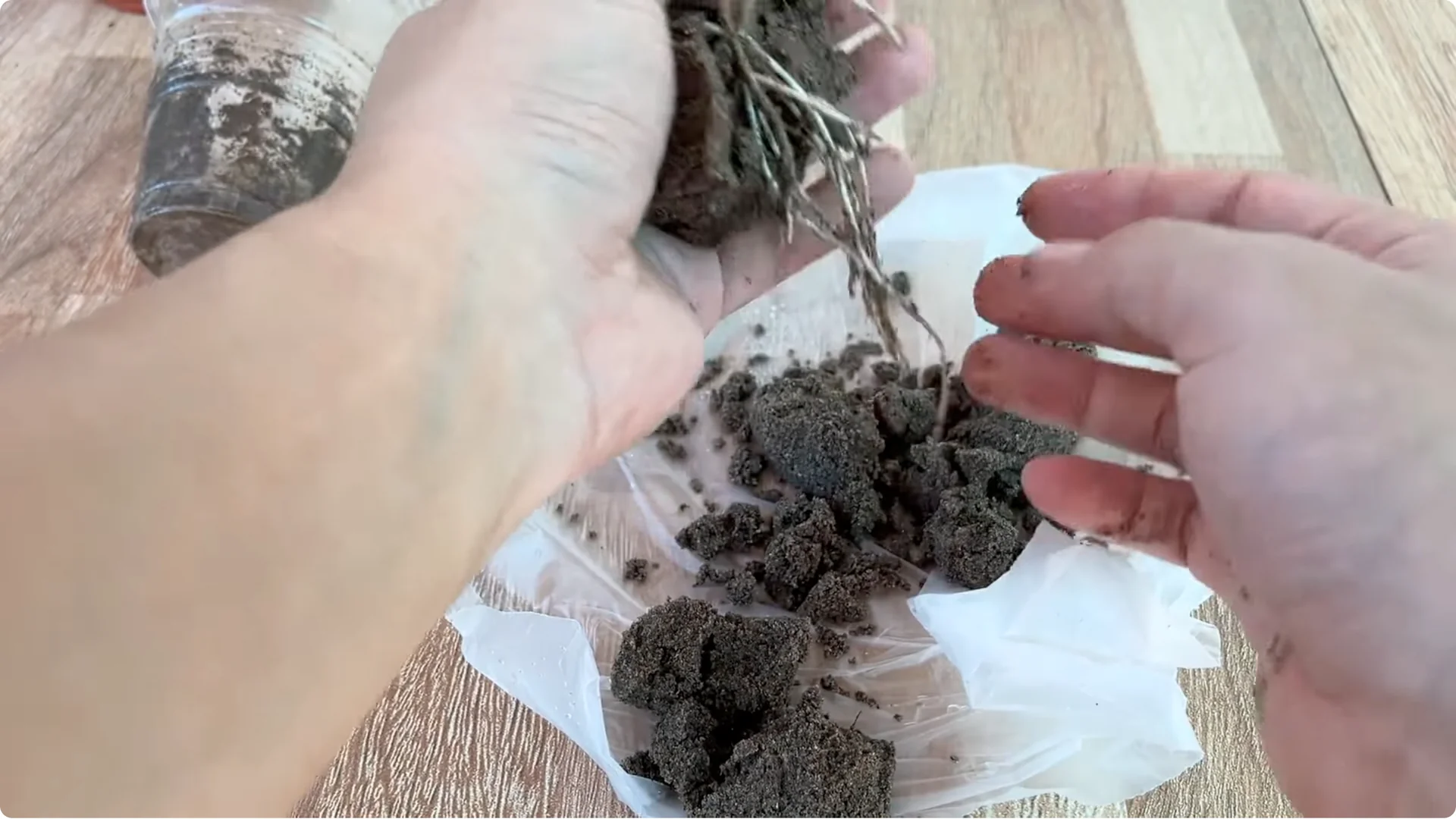
When moved to the new environment, the young plant quickly adapts and develops into a lush rose bush. It will give beautiful, long-lasting flowers with proper care. You can also try rooting a rose cutting in an onion as a fun alternative.
Final Thoughts on Rose Cutting Propagation
With garlic-honey-rice water or ginger-lemon-bread, you can protect the cutting, feed it gently, and create the right moisture to spark roots. River sand, a humidity cover, and careful placement complete the setup. In 7-10 days, new shoots and white roots signal success, and you can transplant to a loose, well-drained mix for strong growth.