
Today, let’s explore more simple and effective rose propagation methods. This is a natural, safe method and very suitable for home gardeners.
Prepare 1 spoon of cinnamon powder and put it in a clean glass jar. Cinnamon powder contains cinnamaldehyde, a substance with natural antifungal and antibacterial properties that helps protect cuts on rose branches and limits bacteria that cause root rot.
1. Rose Propagation Techniques: Rooting Solution
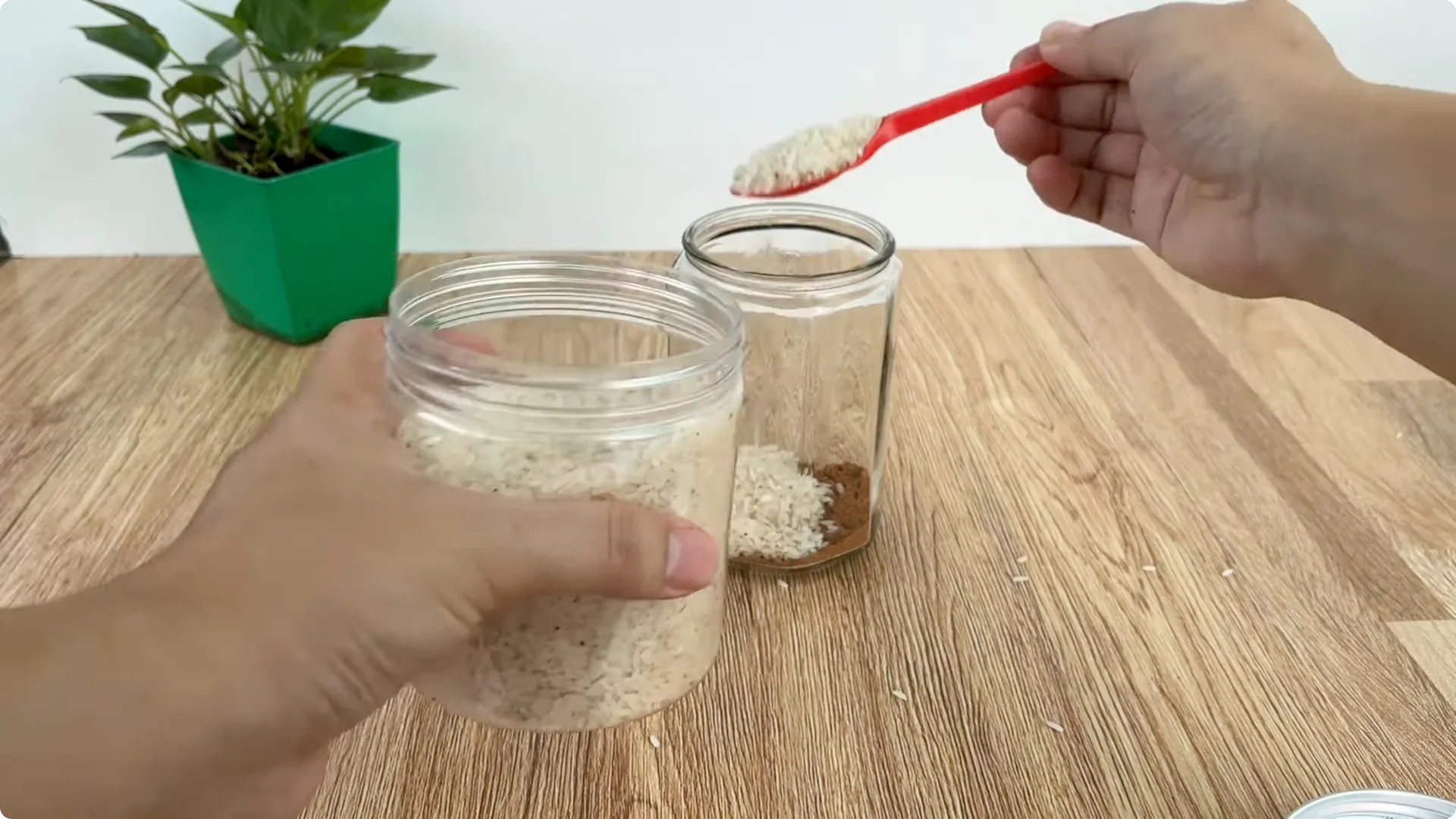
Next, put 5 spoons of rice and 500 ml of boiling water in the jar. Hot water helps release minerals and starch from the rice while dissolving nutrients from the cinnamon powder. Stir well so the cinnamon powder is absorbed evenly, creating a light suspension.
Cover and let it cool completely. This will be an important rooting solution in the process of treating the branches.
Read More: Rose Cuttings Sprout Faster Bloom Year Round
2. Rose Propagation Techniques: Prepare the Cutting
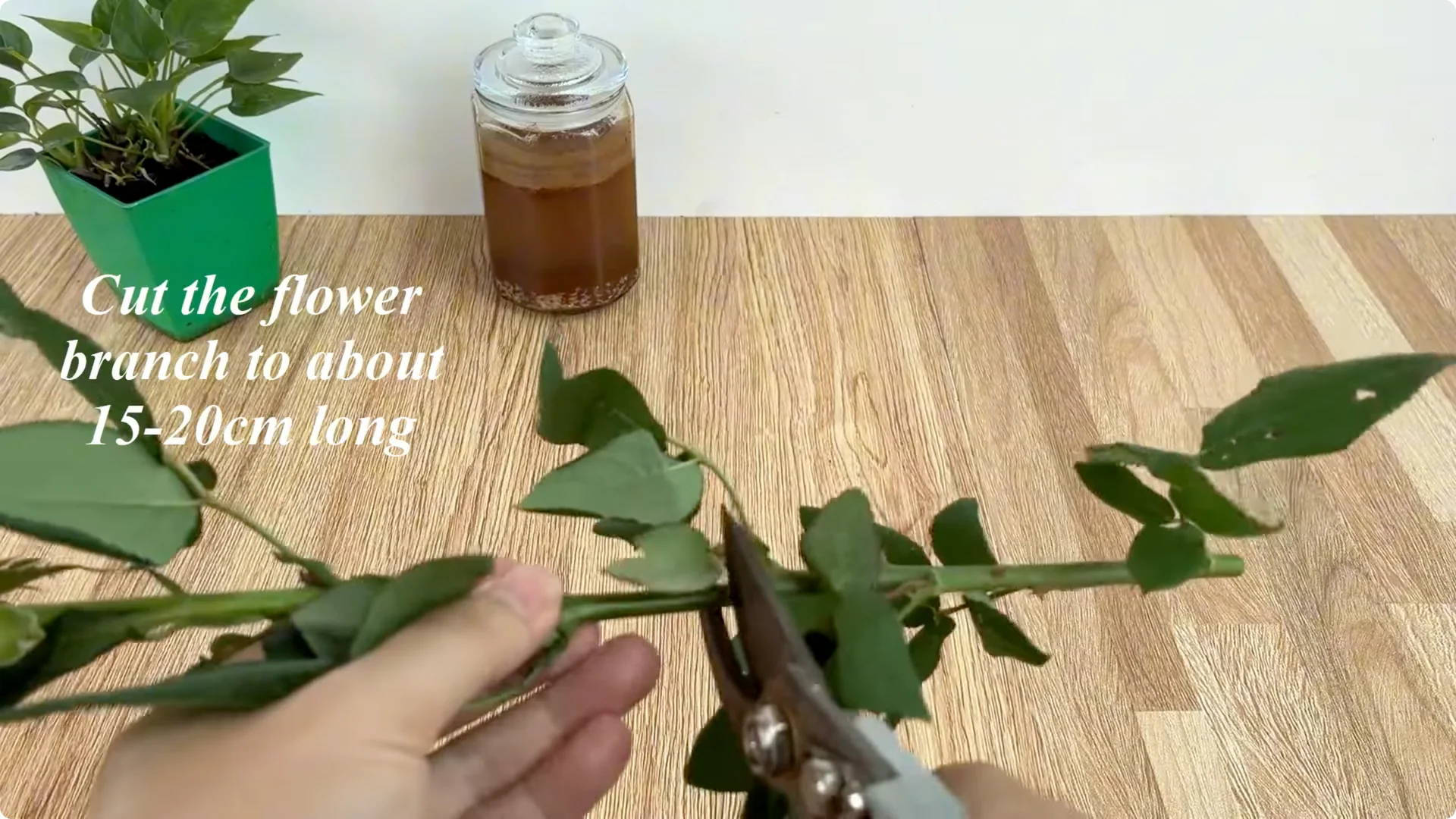
While waiting for the solution to cool, prepare a healthy rose branch that is free of pests and diseases. A branch of moderate age will help the wood tissue react well and easily form callus and young roots.
Cut the branch about 15-20 cm long. Remove all leaves and sharp thorns to reduce water loss and prevent bacteria from entering. Petals that show signs of wilting should also be removed to avoid spreading disease or weakening the branch.
Use a sharp knife to lightly cut a part of the outer bark of the stem. This creates a surface for nutrient absorption and stimulates root formation from the callus points.
3. Rose Propagation Techniques: Lemon Activation Bath
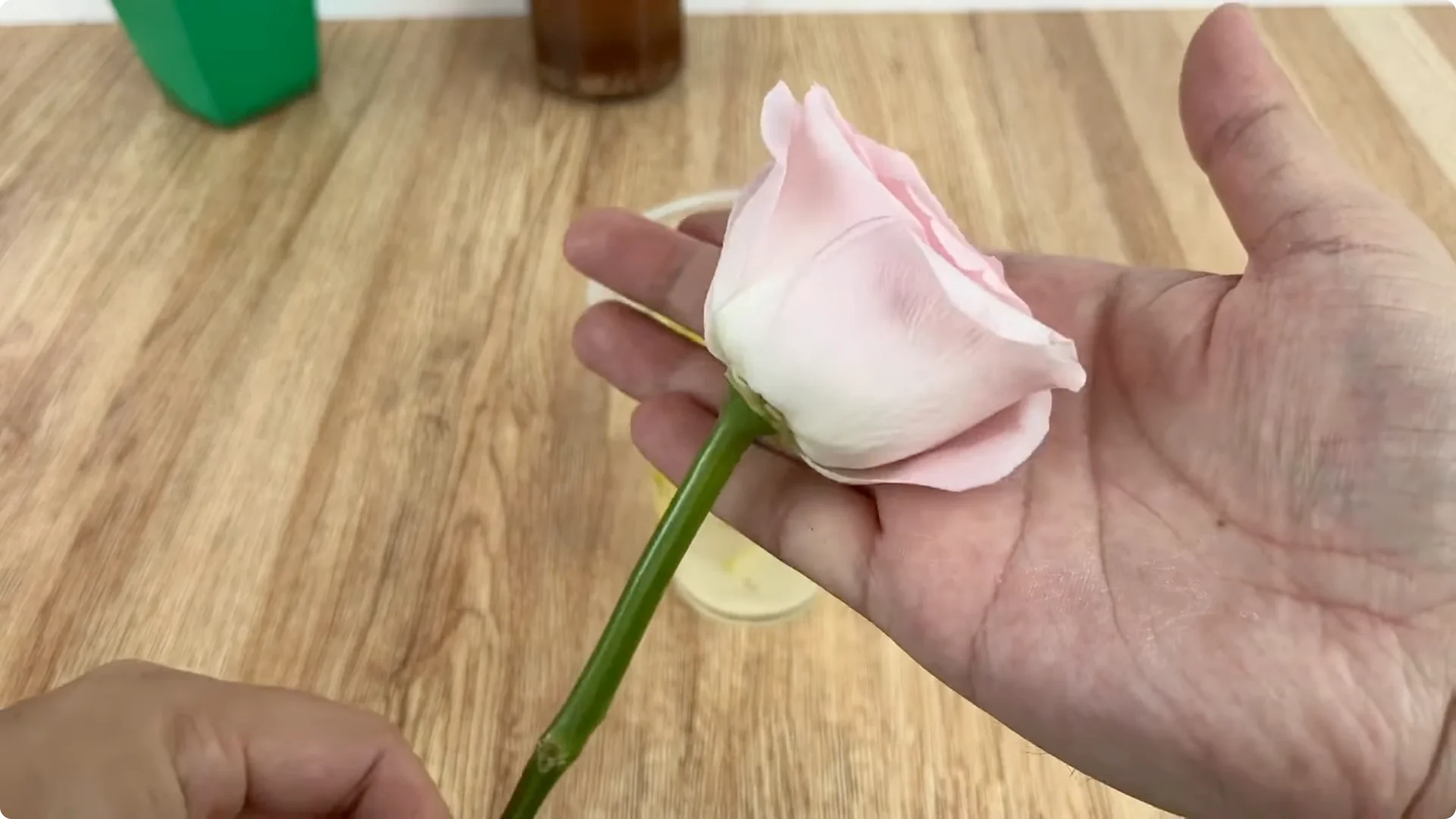
Prepare 1 fresh lemon, wash it, cut it into thin slices, and put it in a clean plastic cup. Lemon solution has a mild antiseptic effect, regulates pH, and activates living tissue.
Add 500 ml of water to the cup and stir well to dissolve the citric acid. Place the rose branch in the lemon solution and soak for 30 minutes to clean and activate the cut tissue.
4. Rose Propagation Techniques: Combine Solutions
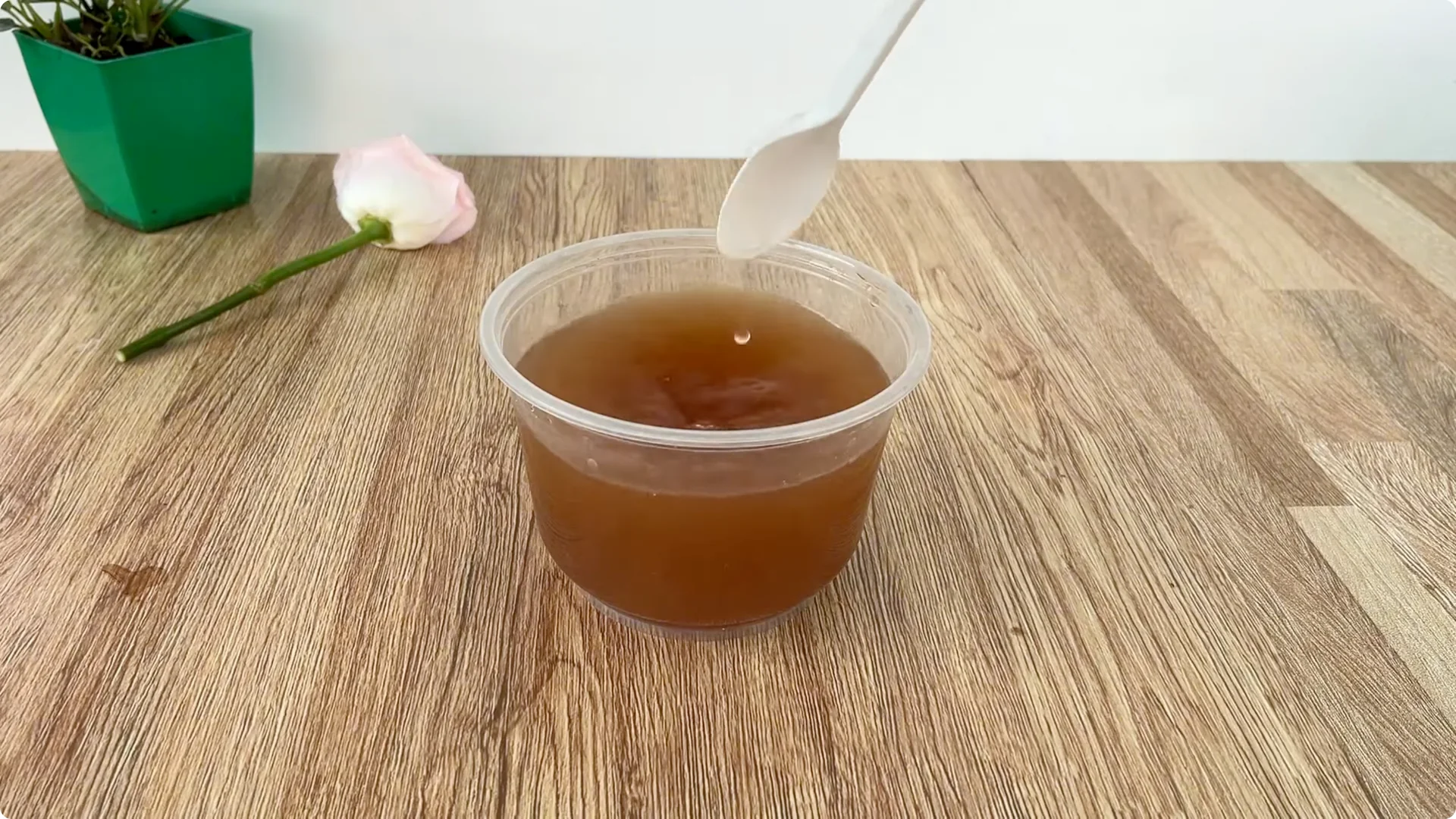
When the cinnamon-rice solution has cooled, stir again to dissolve the nutrients better. Filter out the residue and keep the light brown juice.
Remove the rose branch from the lemon solution and let it drain slightly. Filter out the lemon residue and collect the solution.
Pour the filtered cinnamon-rice solution into the cup containing the remaining lemon solution. This creates a mixture that combines antifungal properties, root stimulation, and pH regulation.
Read More: One Cup Rapid Growth Rose Branches
5. Rose Propagation Techniques: Plant in Coconut Fiber
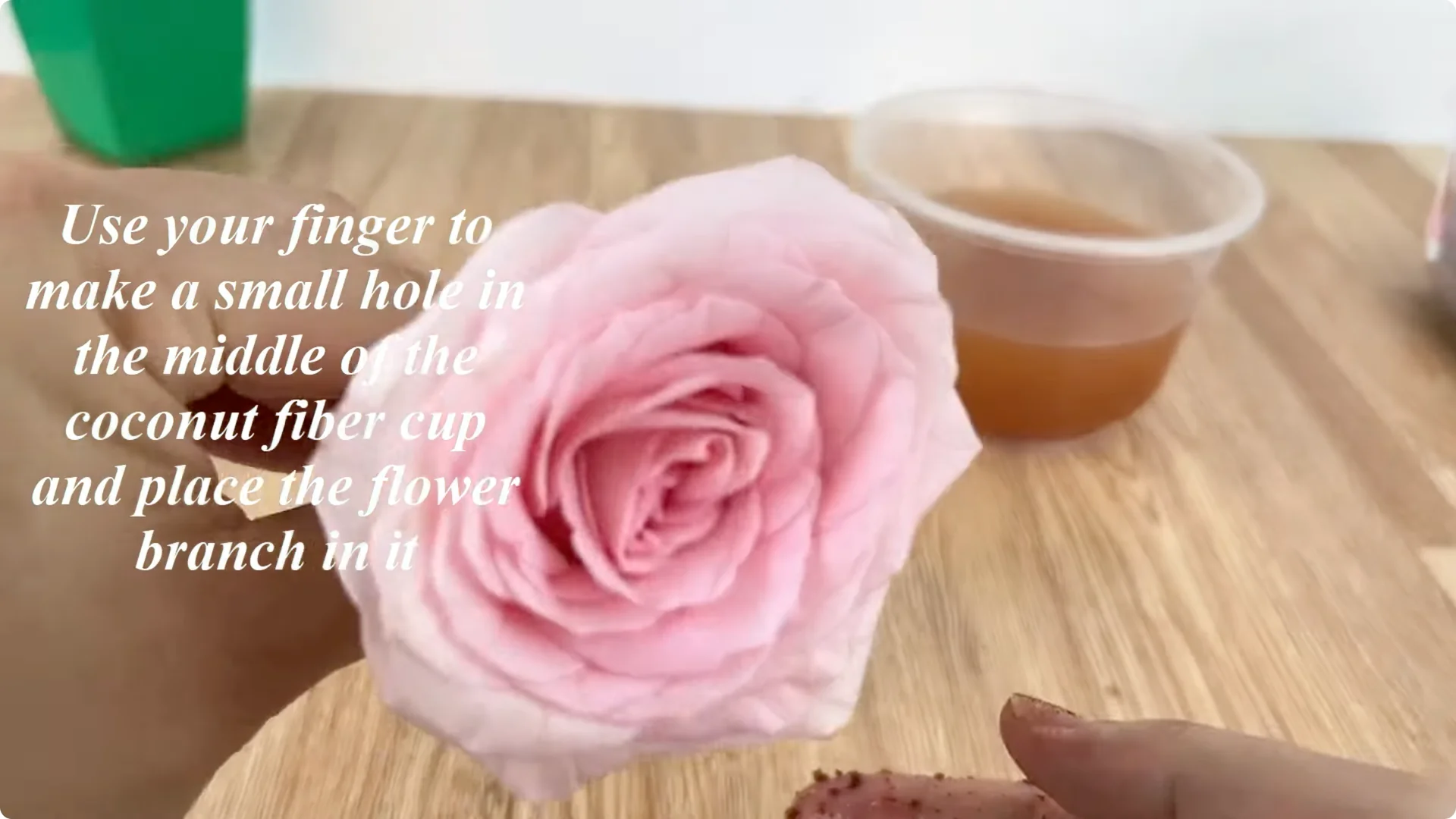
Prepare a clean plastic cup and fill it with treated coconut fiber. Coconut fiber is a breathable substrate and retains moisture well, creating an ideal environment for young roots to develop while reducing the risk of rotting.
Pour the solution mixture into the coconut fiber cup with enough amount to moisten without causing water stagnation. Use your finger to make a small hole in the middle of the coconut fiber layer. Place the treated rose branch in the correct position and press lightly around to secure the stem.
6. Rose Propagation Techniques: Humidity and Placement
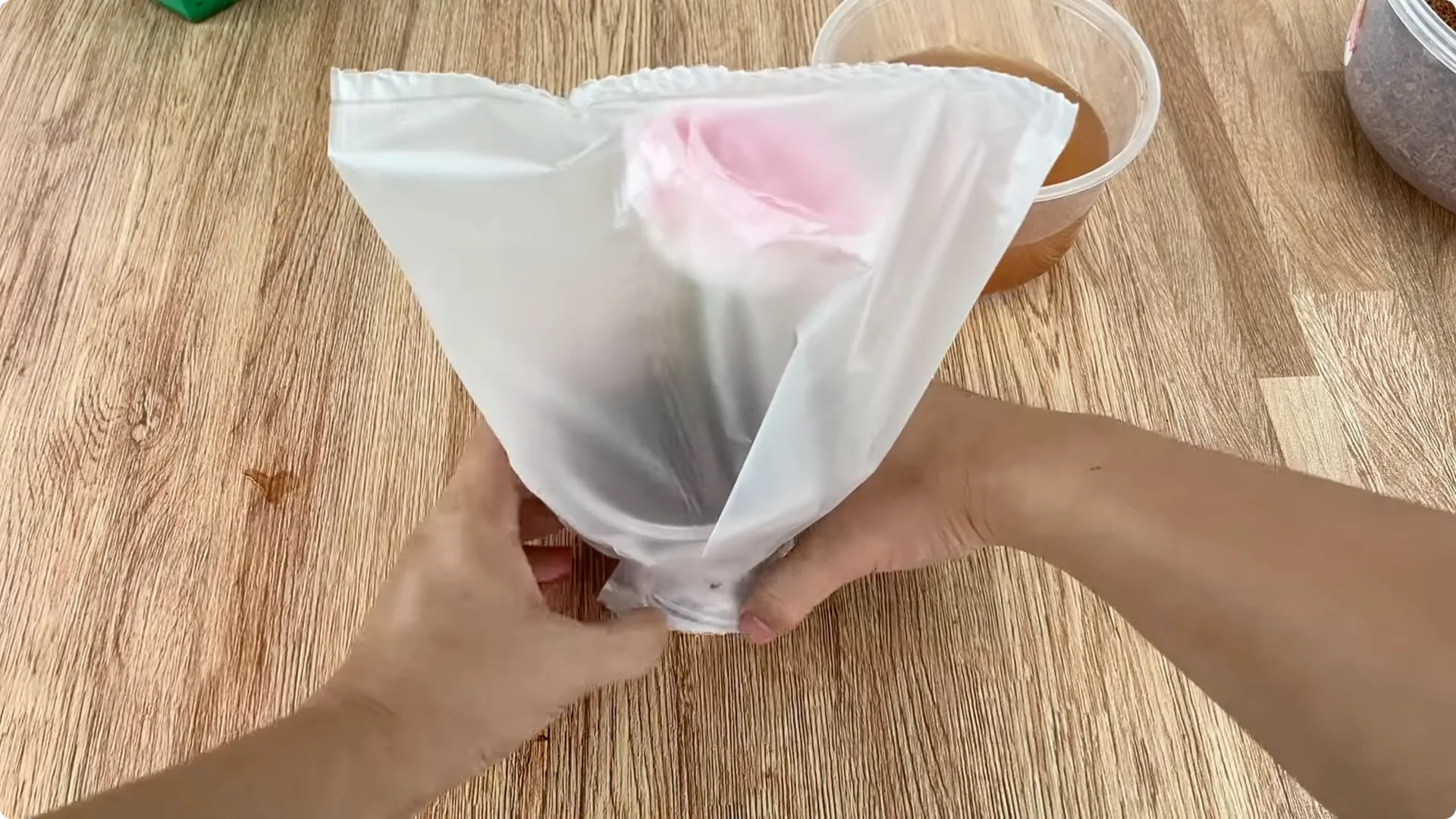
To maintain high humidity, use a plastic bag or transparent plastic cup to cover the mouth of the cup, creating a greenhouse effect. Place the cup in a cool place, away from strong winds and harsh sunlight.
This condition helps reduce water loss and keeps the branch tissue from drying out, supporting root development.
7. Rose Propagation Techniques: Check Progress
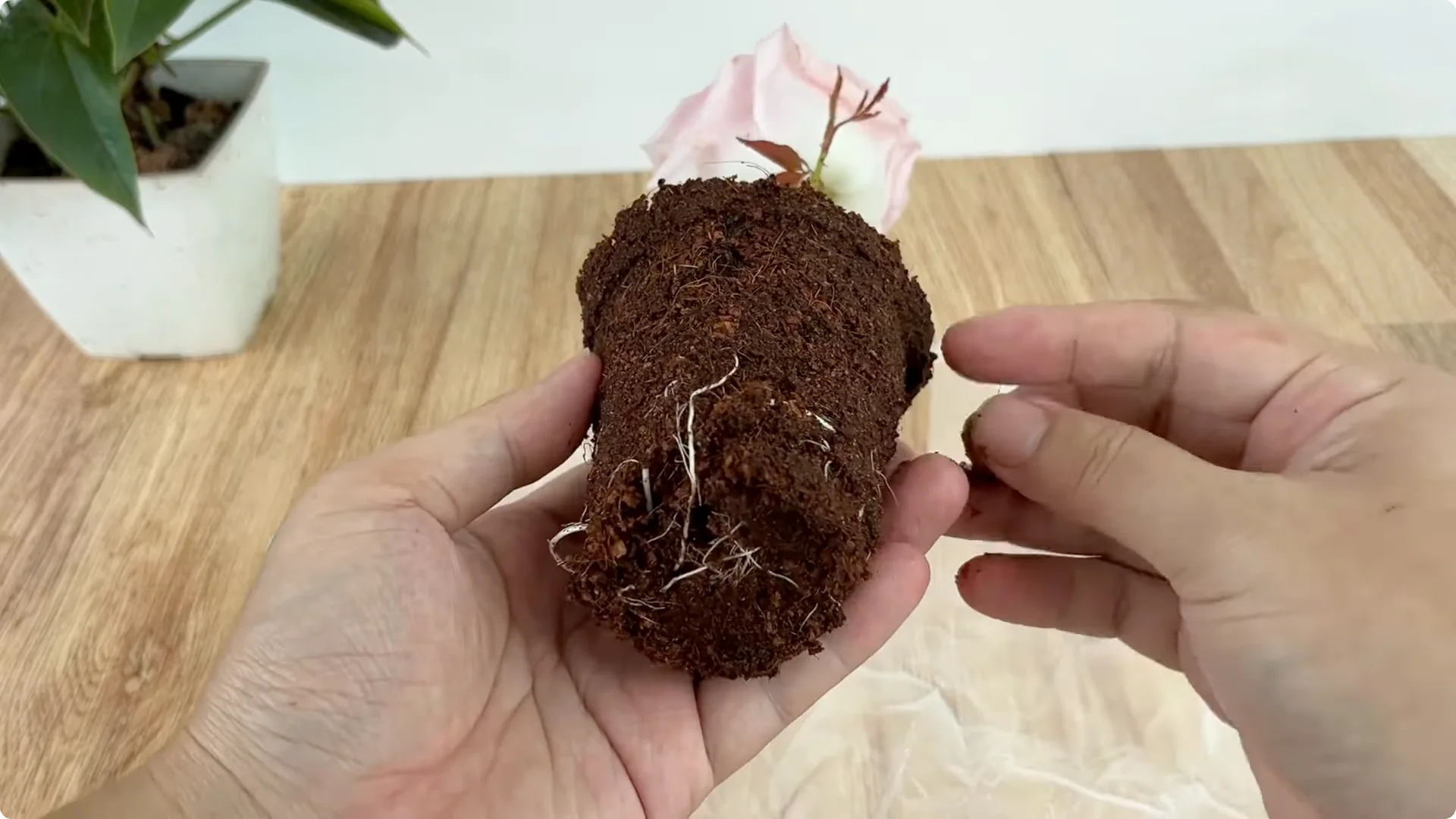
After about 10 days, you can observe the results. On the stem, fresh green shoots also begin to grow.
When you gently stir the coconut fiber layer, you will see many new roots appear at the base of the rose branch, white and full of water. This is a sign of healthy growth that shows the nurturing and stimulating process has brought about obvious results.
8. Rose Propagation Techniques: Potting Up
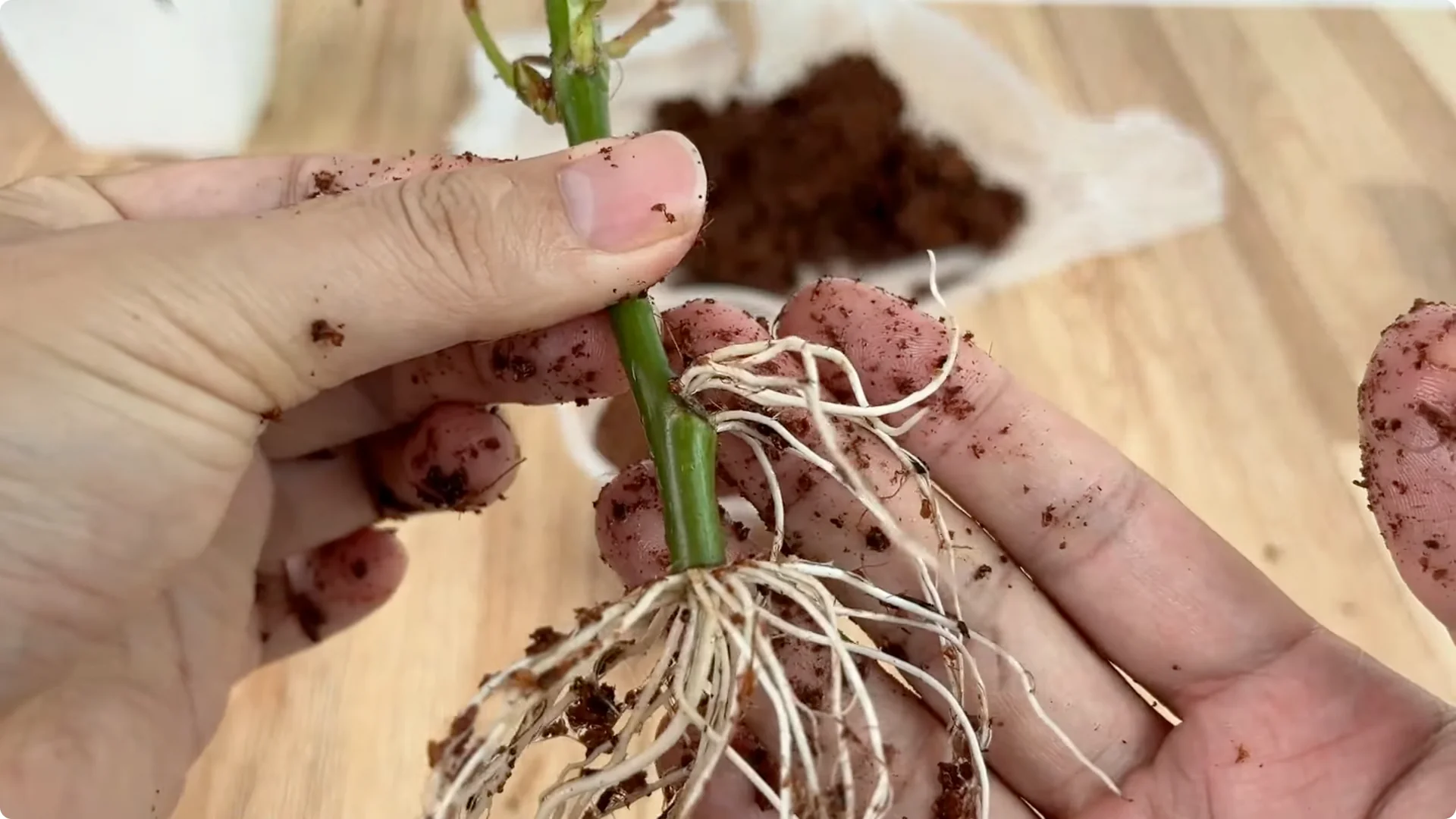
When the roots are long and strong enough, move the branch to a new pot. Moisten the growing medium first, then plant the rose branch in a well-drained pot. You can use clean river sand as the initial growing medium.
Sand helps the roots breathe and develop easily while limiting waterlogging and rotting. Place the pot in a place with light in the morning or late afternoon. Water moderately so the roots gradually get used to it, helping the plant stabilize and continue to grow.
Read More: Egg Sparked Rose Branches Root Bloom
9. Final Thoughts on Rose Propagation Techniques
With familiar ingredients in the kitchen – cinnamon powder, rice, and lemon – combined with a few scientific steps to process the branches, you can successfully propagate roses with a high rate. This method is economical and safe, easy to apply for beginners and those who love gardening.
Wish you success in practicing and owning many healthy rose roots, blooming brightly in your garden.