

I will guide you on how to grow rose cuttings using natural ingredients, very effective and especially safe for plants. If you want to propagate roses at home without using chemical root stimulants, this is the solution you should try. It is simple, gentle on plants, and easy to follow.
Choose an old, healthy rose branch that is free of pests and diseases. Remove all leaves to avoid dehydration during the growing process. Cut the branches into short pieces about 10 cm long, then leave them in a cool place to dry for a few hours to shrink the cut ends and limit root rot.
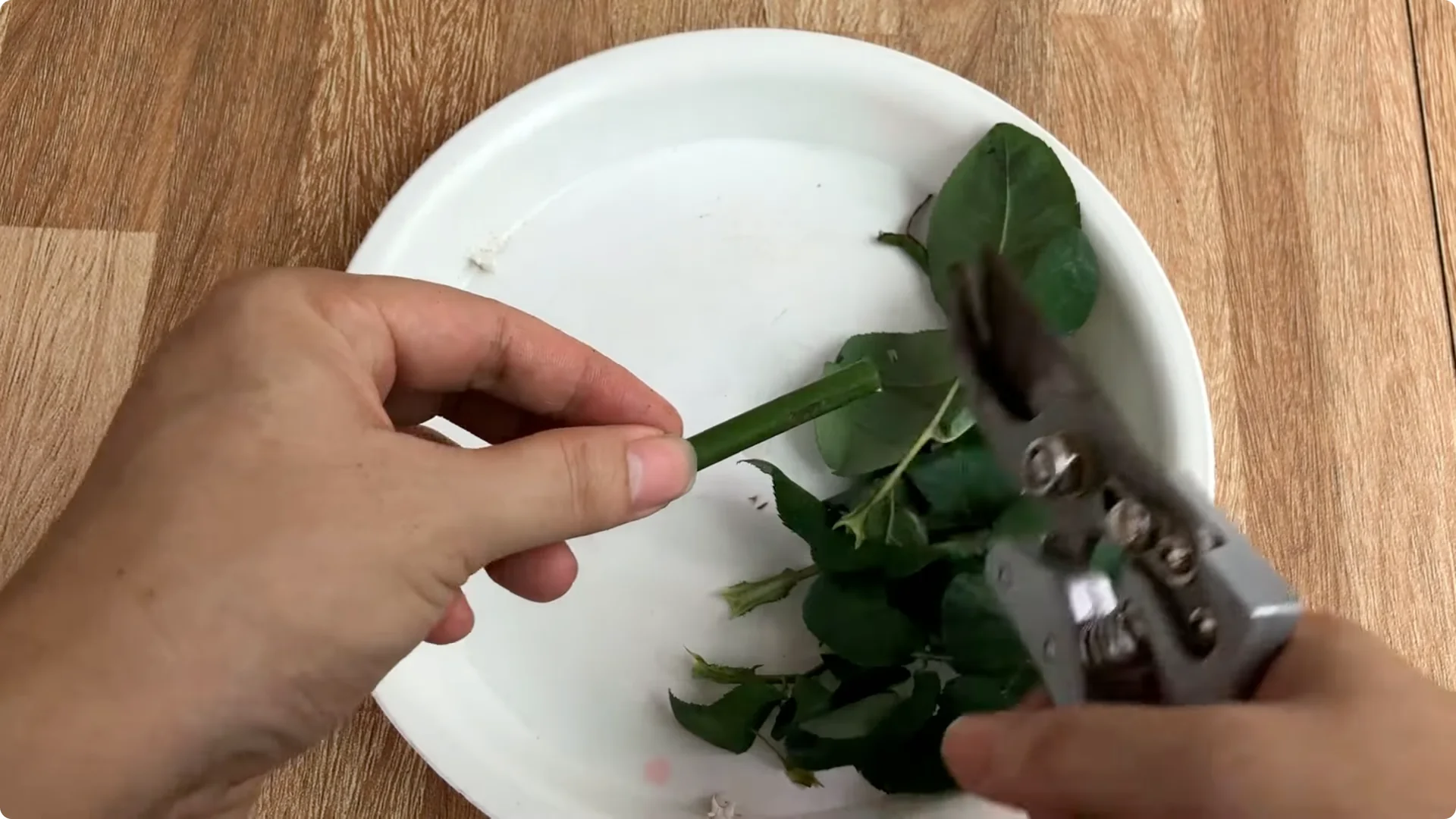
1. Rose Cutting Propagation overview
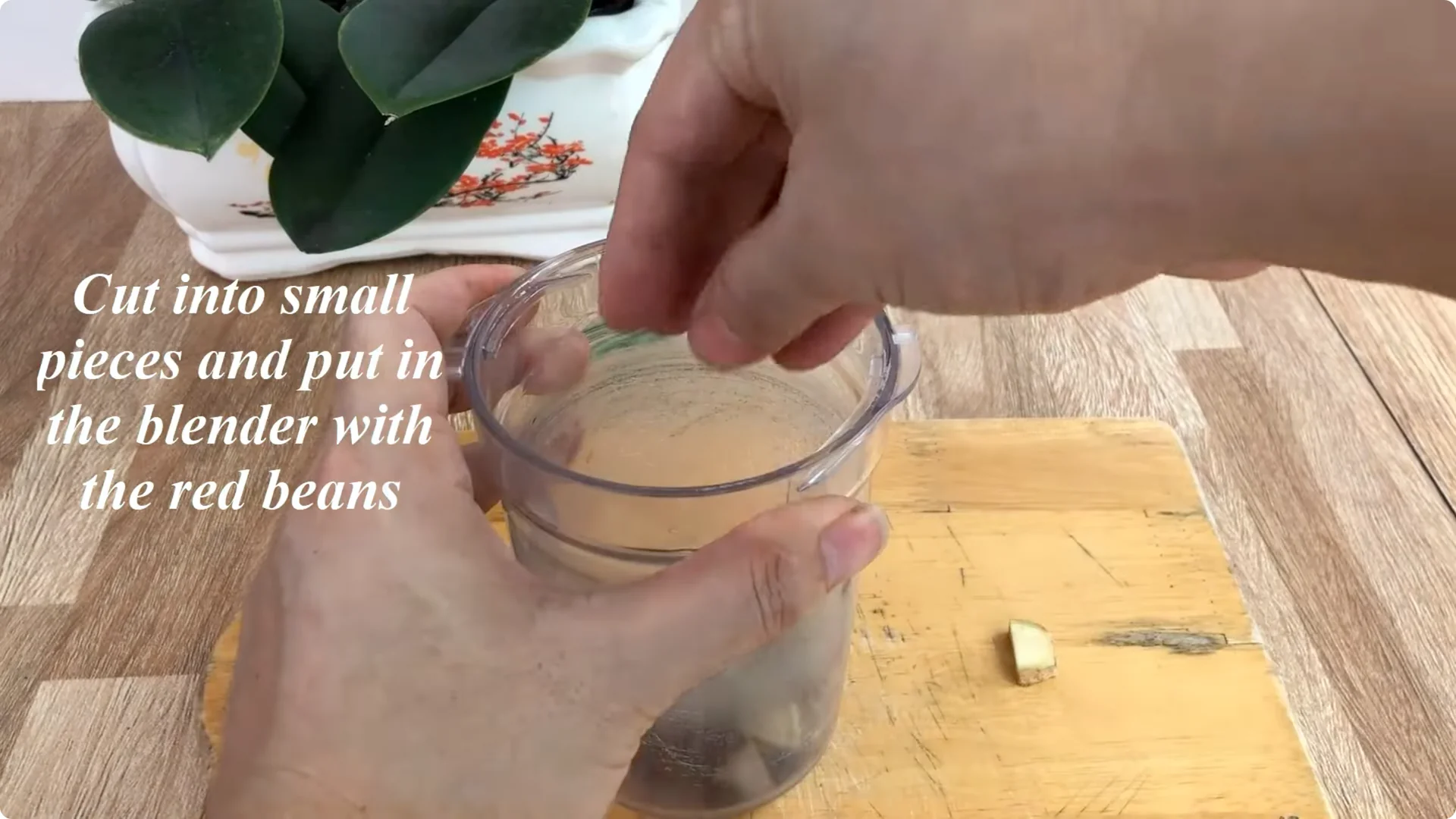
This method uses red beans and fresh ginger to care for and stimulate the cuttings. It supports rooting, protects against infection, and encourages strong early growth. I keep everything natural and easy to prepare at home.
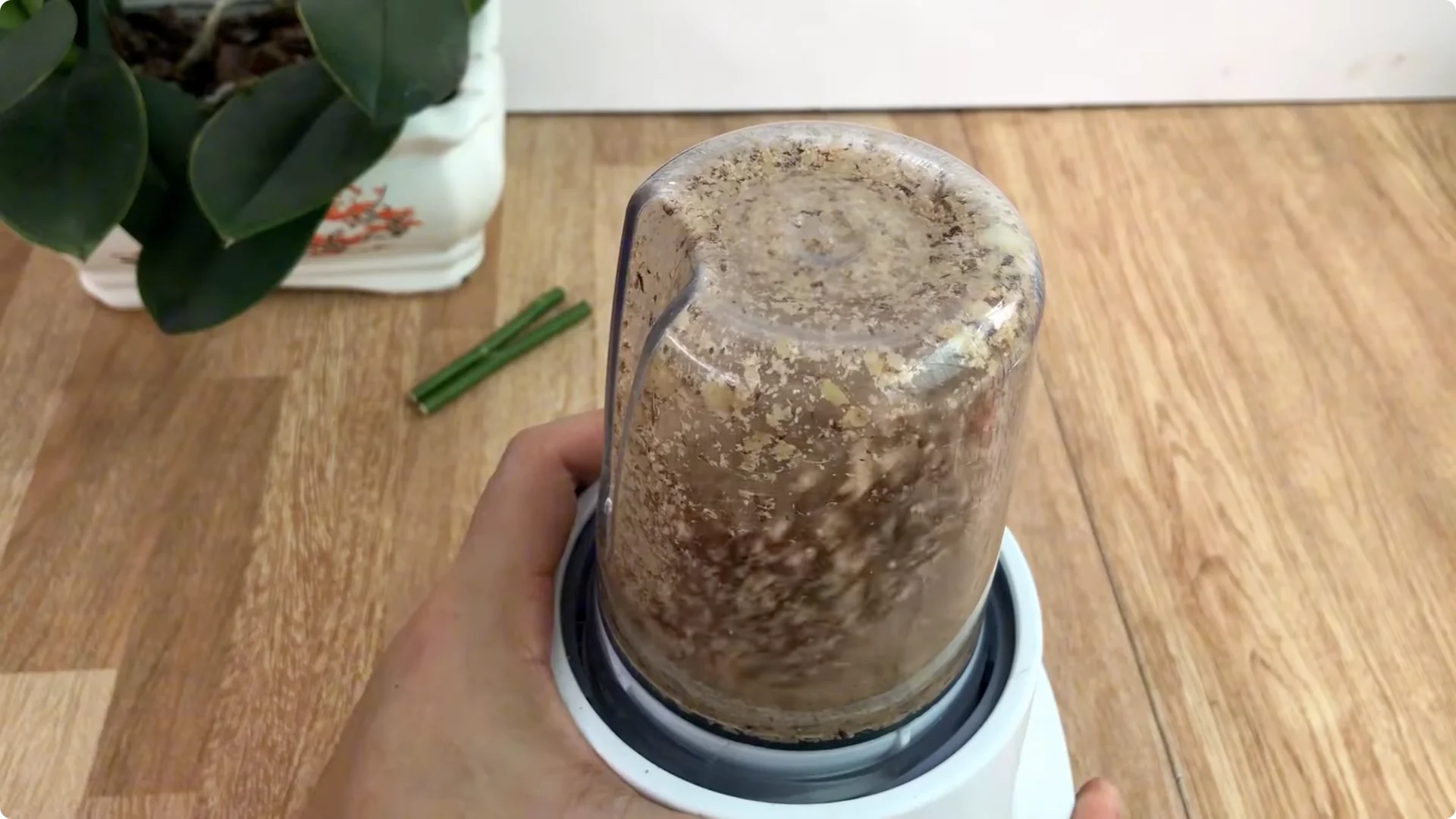
2. Rose Cutting Propagation prep
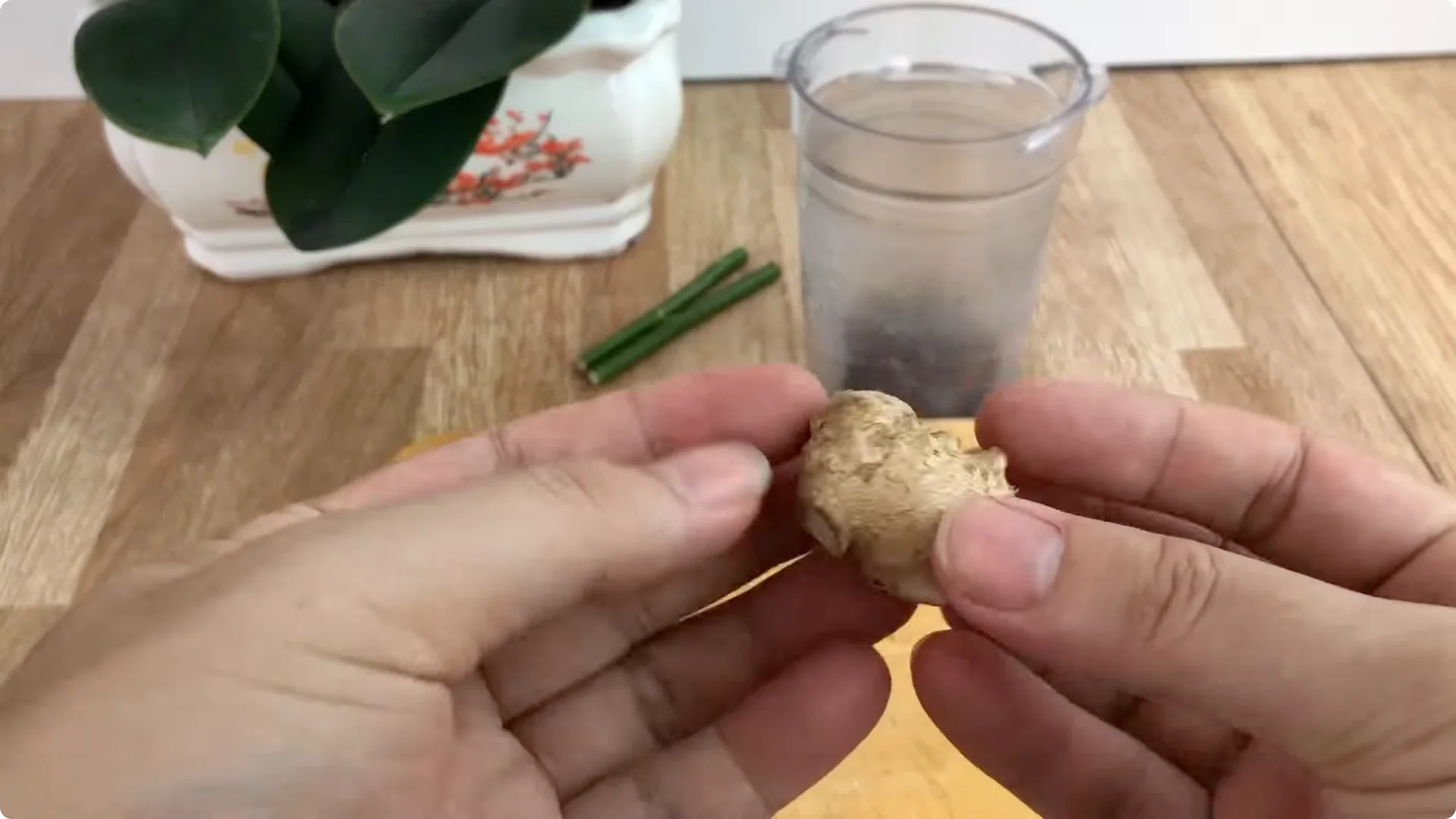
Put 1 spoon of red beans in the blender. Wash fresh ginger, chop it, then add it to the blender. Grind the mixture until it is fine.
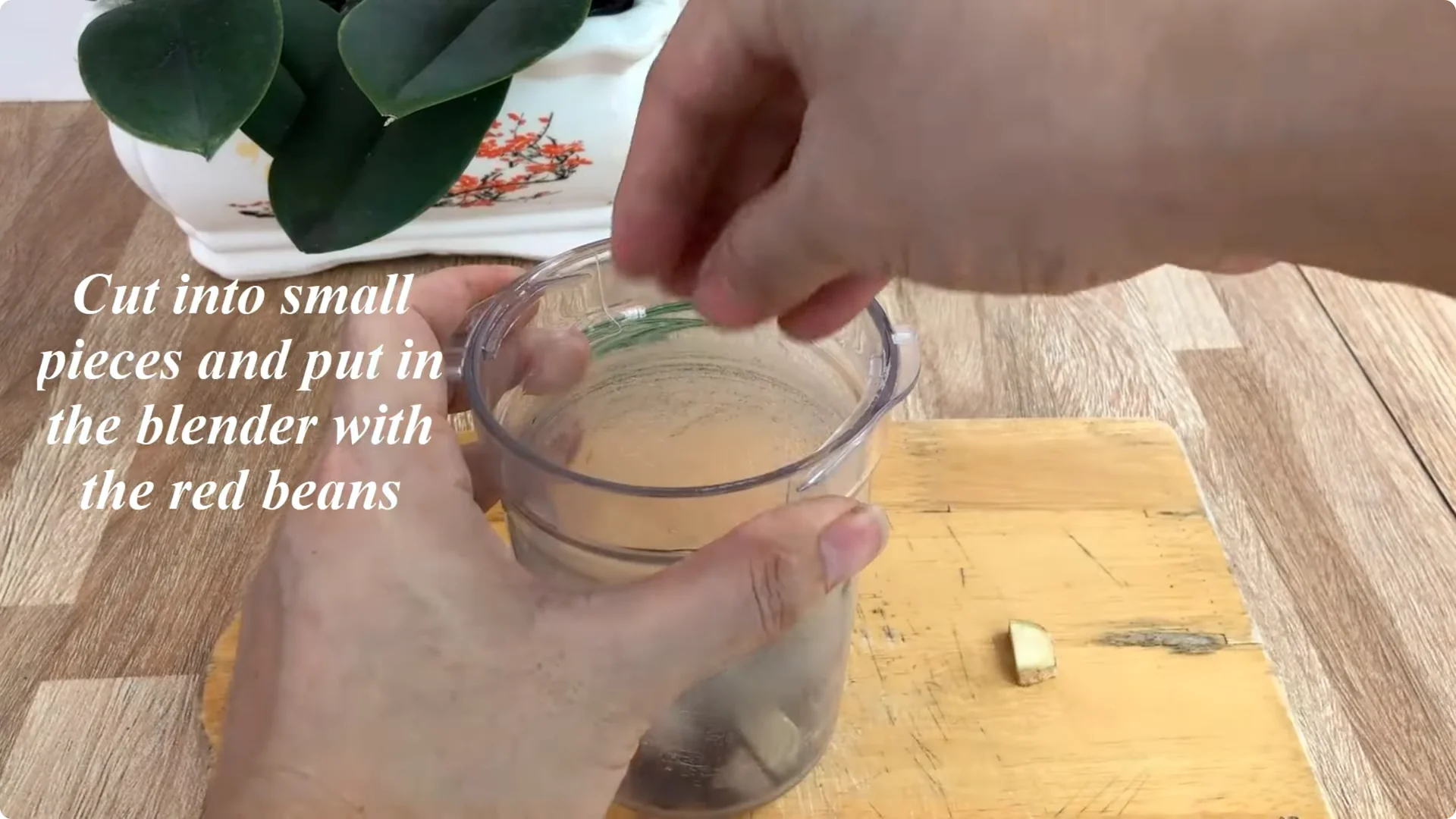
Red beans contain vegetable protein, vitamin B, and minerals that help increase metabolism and promote root cell formation. Ginger has natural antibacterial and antifungal properties, helping cuttings avoid infection and stimulate new tissue growth. For more context on the spoon technique, see this quick note on the one spoon approach for rooting and blooming.
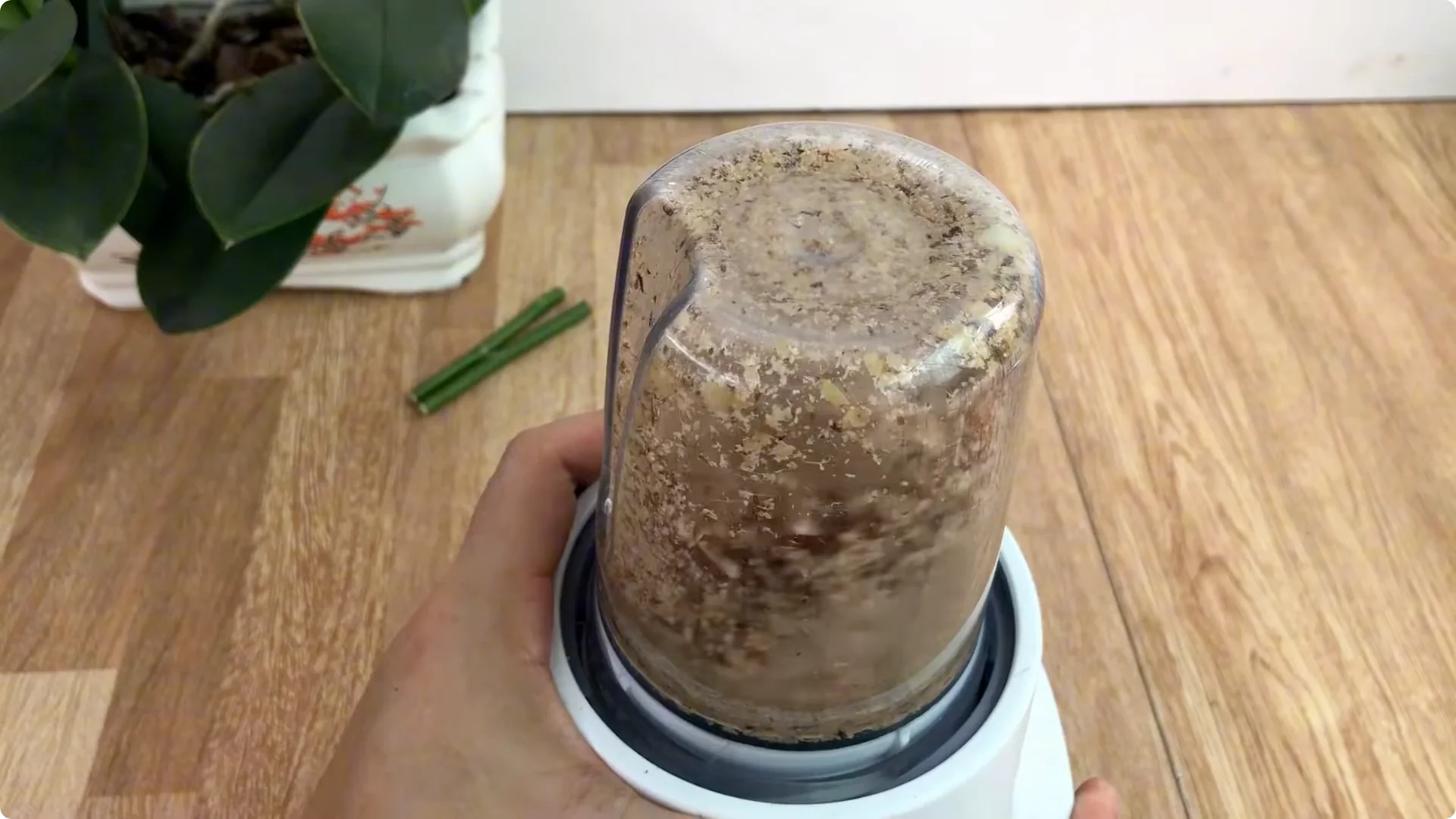
3. Rose Cutting Propagation solution
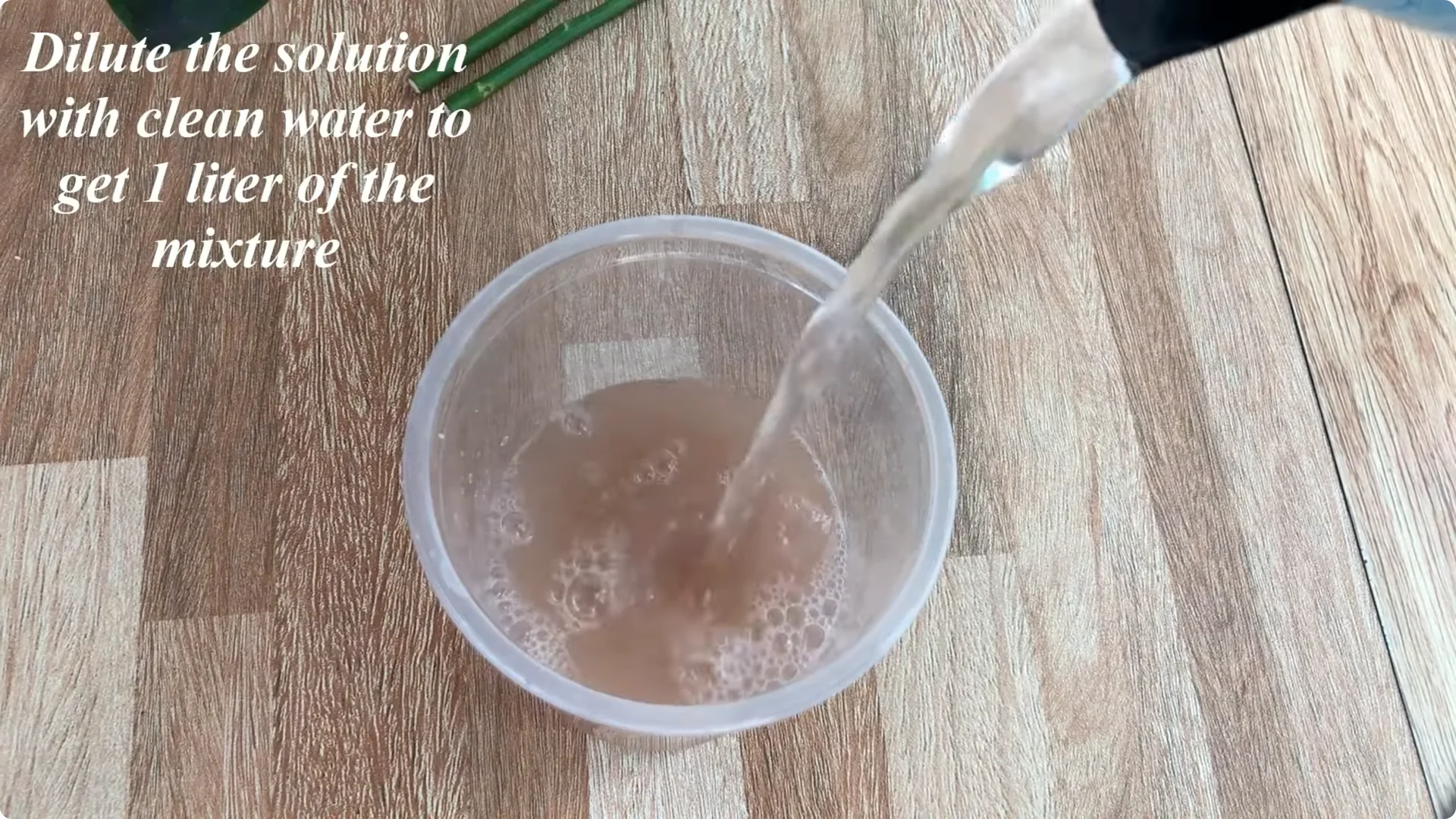
Pour 0.5 liters of warm water into the mixture, stir well, and let it sit for 30 minutes so the active ingredients release into the water. Stir again, then filter out the residue through a sieve or clean cloth, keeping the clear solution. Dilute with clean water to get about 1 liter of red bean and ginger mixture.
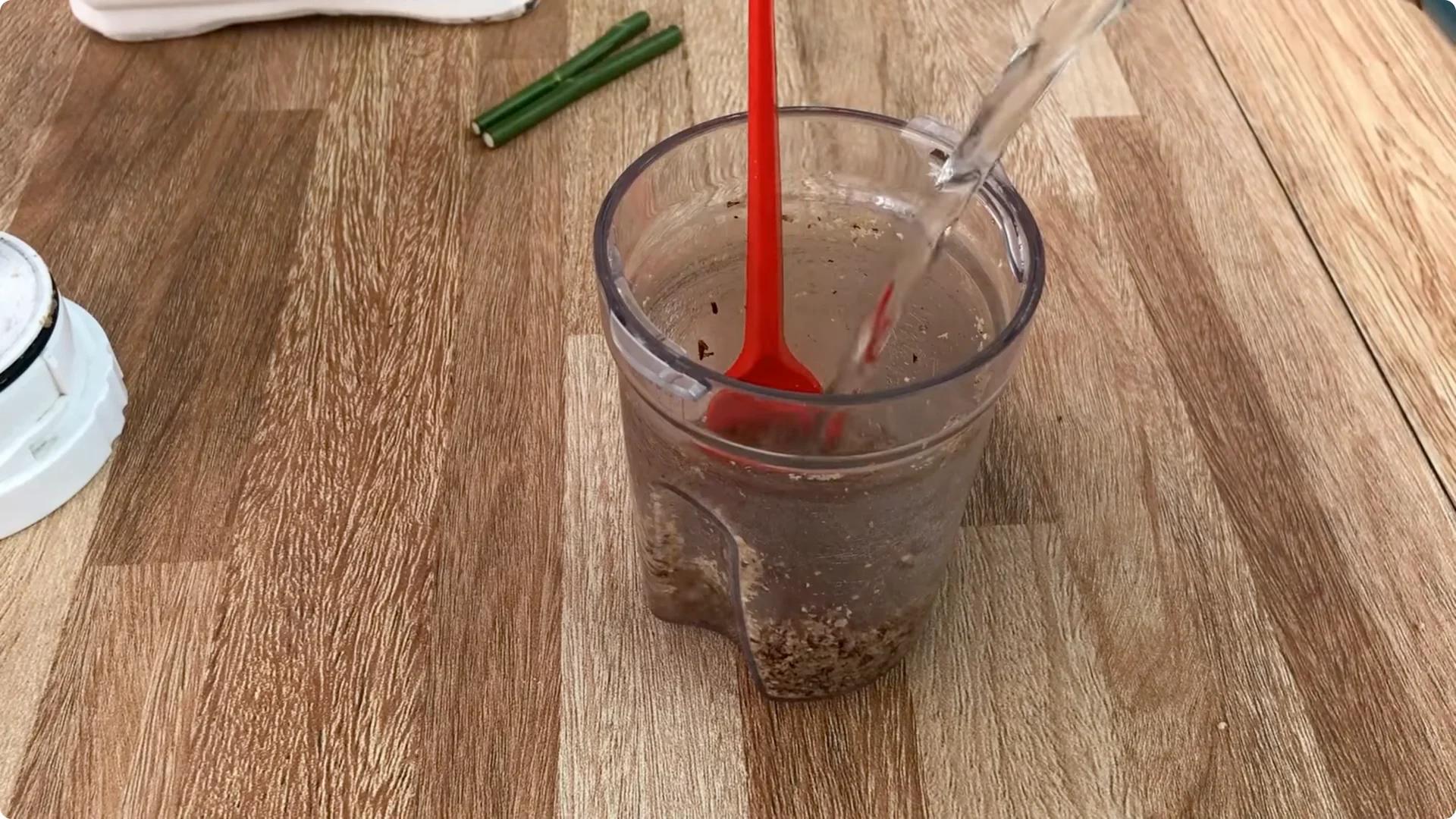
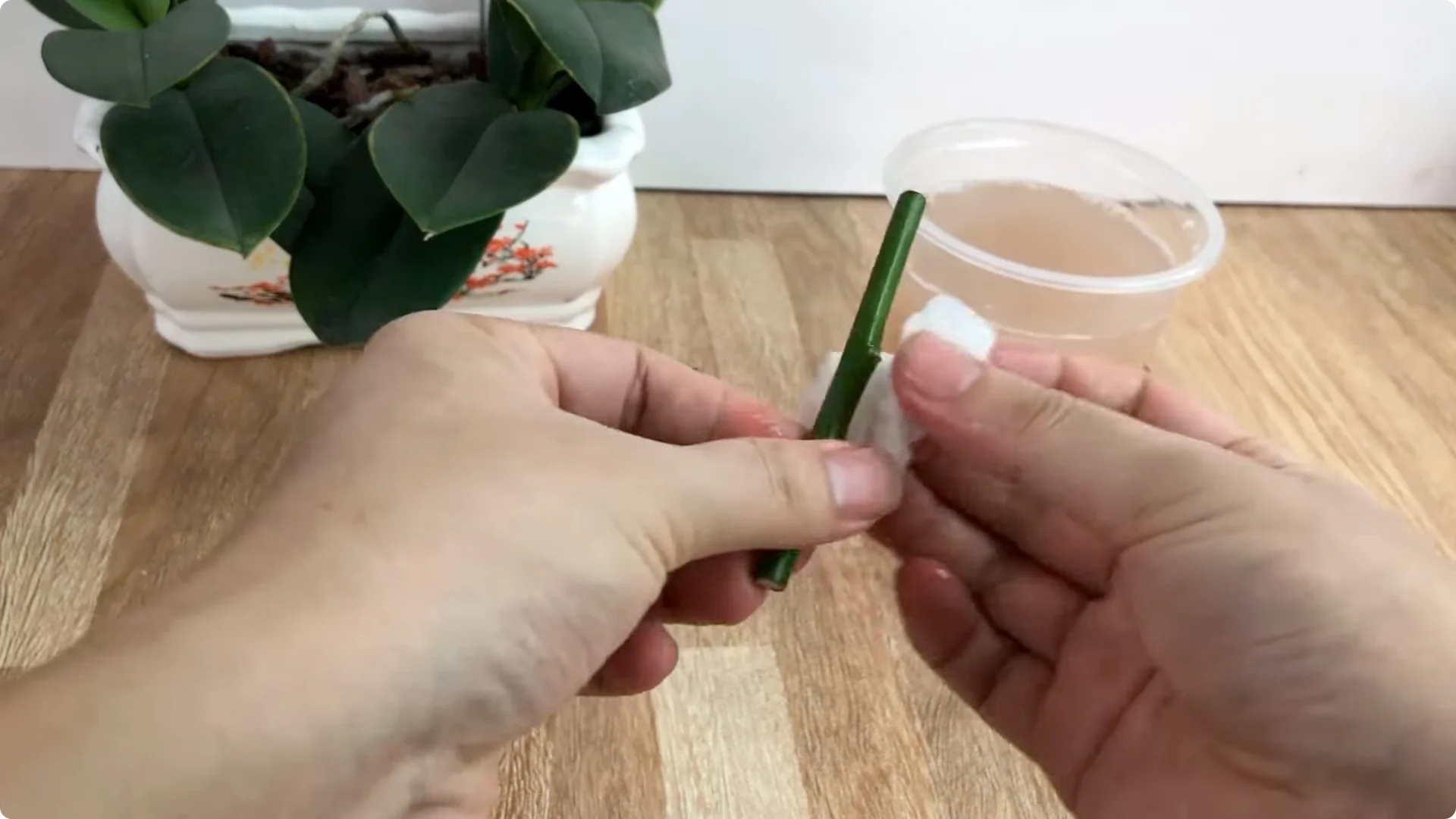
Use cotton or a clean soft cloth and dip it into the red bean and ginger solution. Gently wipe the entire rose branch. Wiping helps nutrients penetrate through the bark and lightly disinfects the cut area.
4. Rose Cutting Propagation planting
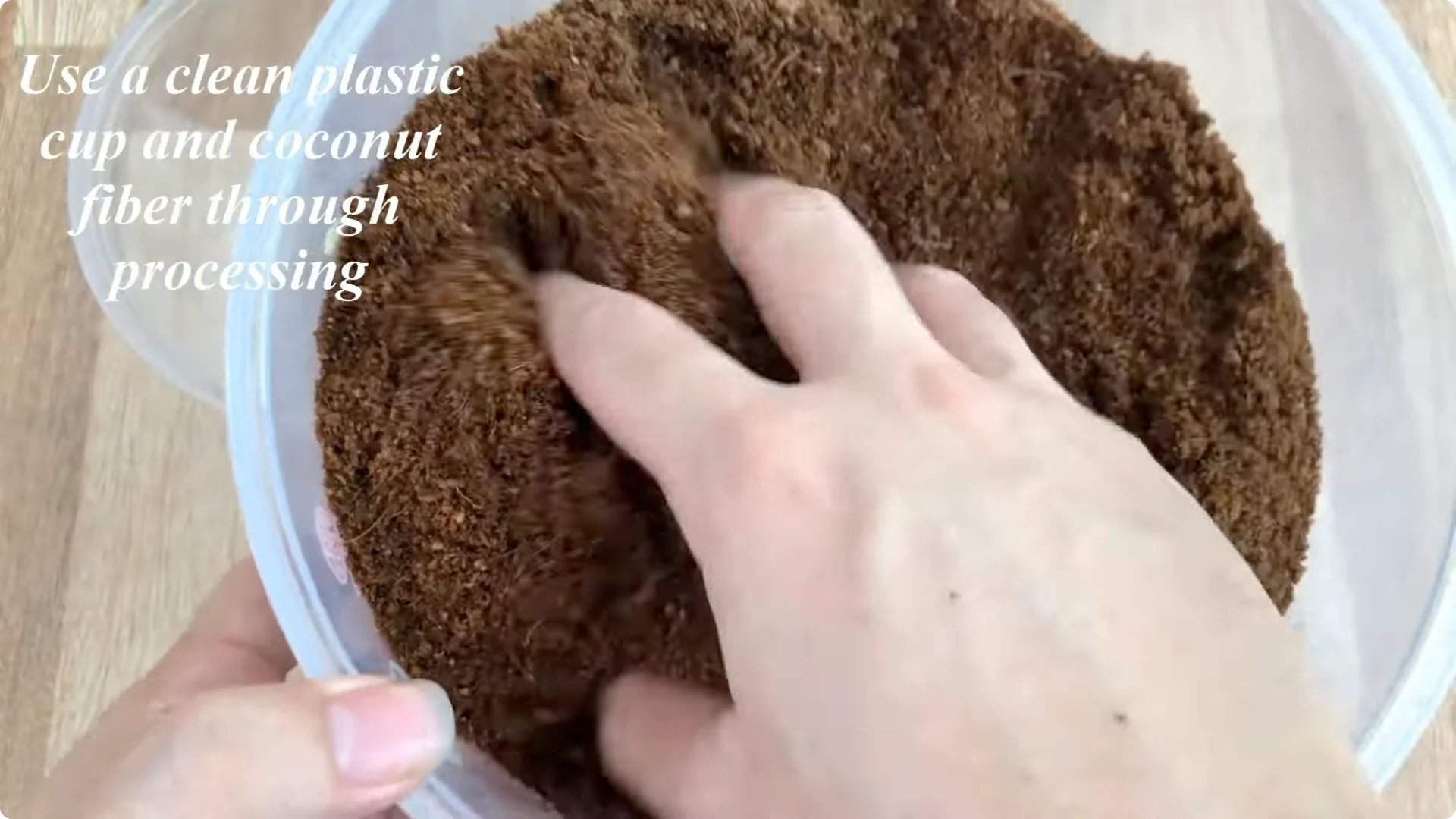
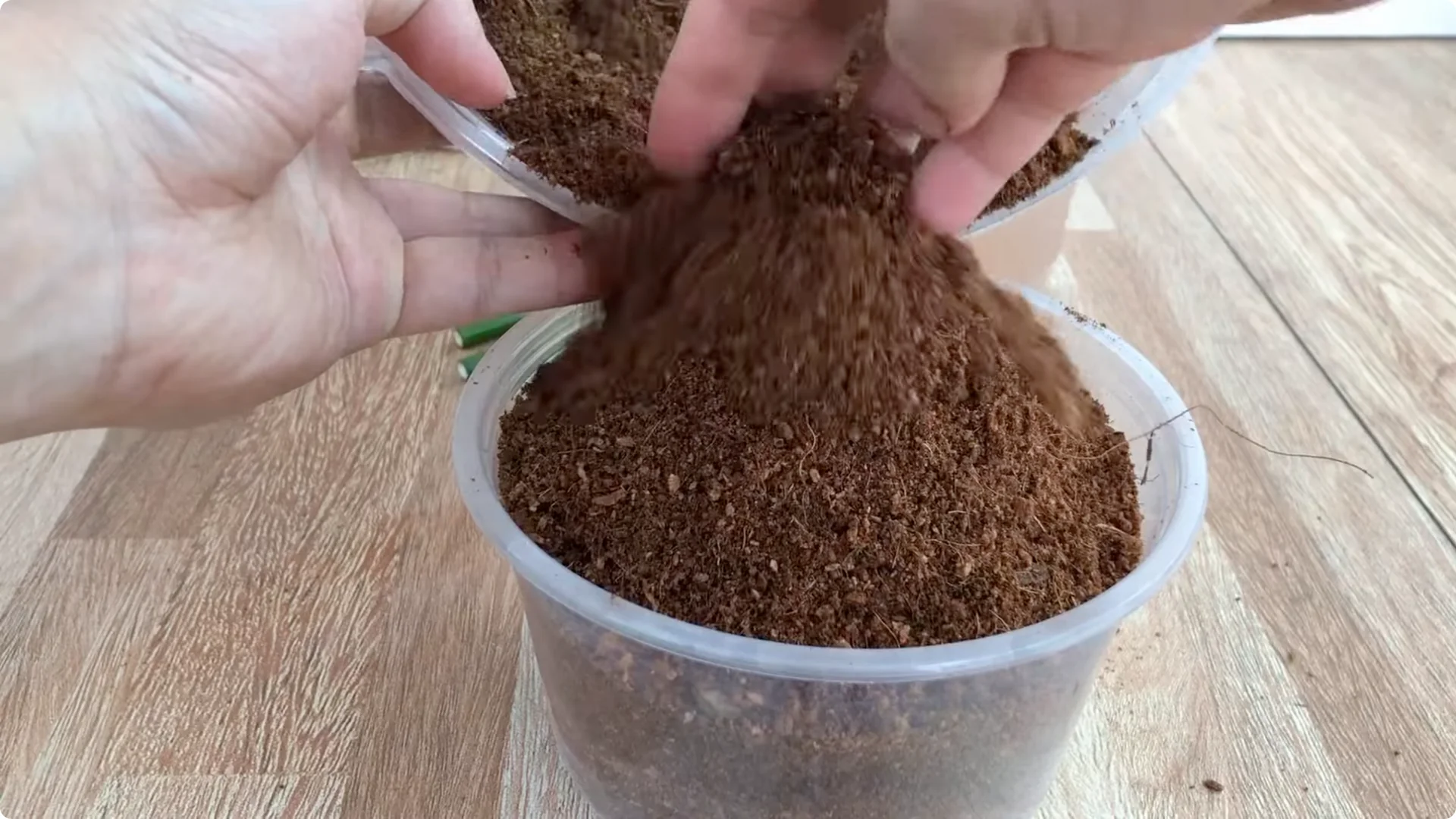
Prepare processed coconut fiber and a clean plastic cup. Fill the cup with coconut fiber and press lightly with your hand to create firmness. Make a small hole in the middle and insert the rose branch.
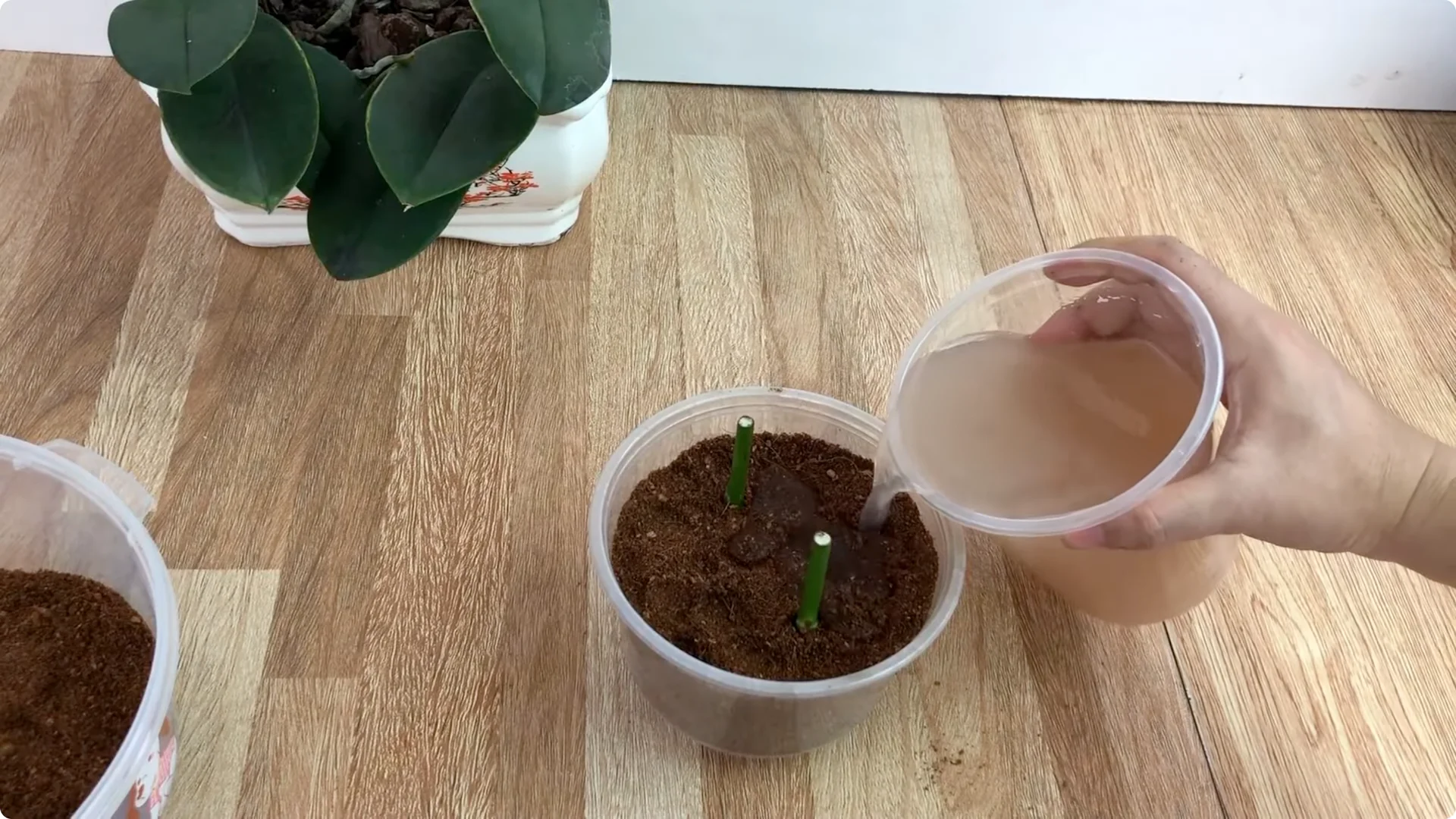
Pour the red bean and ginger solution into the cup, just enough to moisten the coconut fiber. Do not add too much liquid. Moist, airy, and clean is the goal.
5. Rose Cutting Propagation care
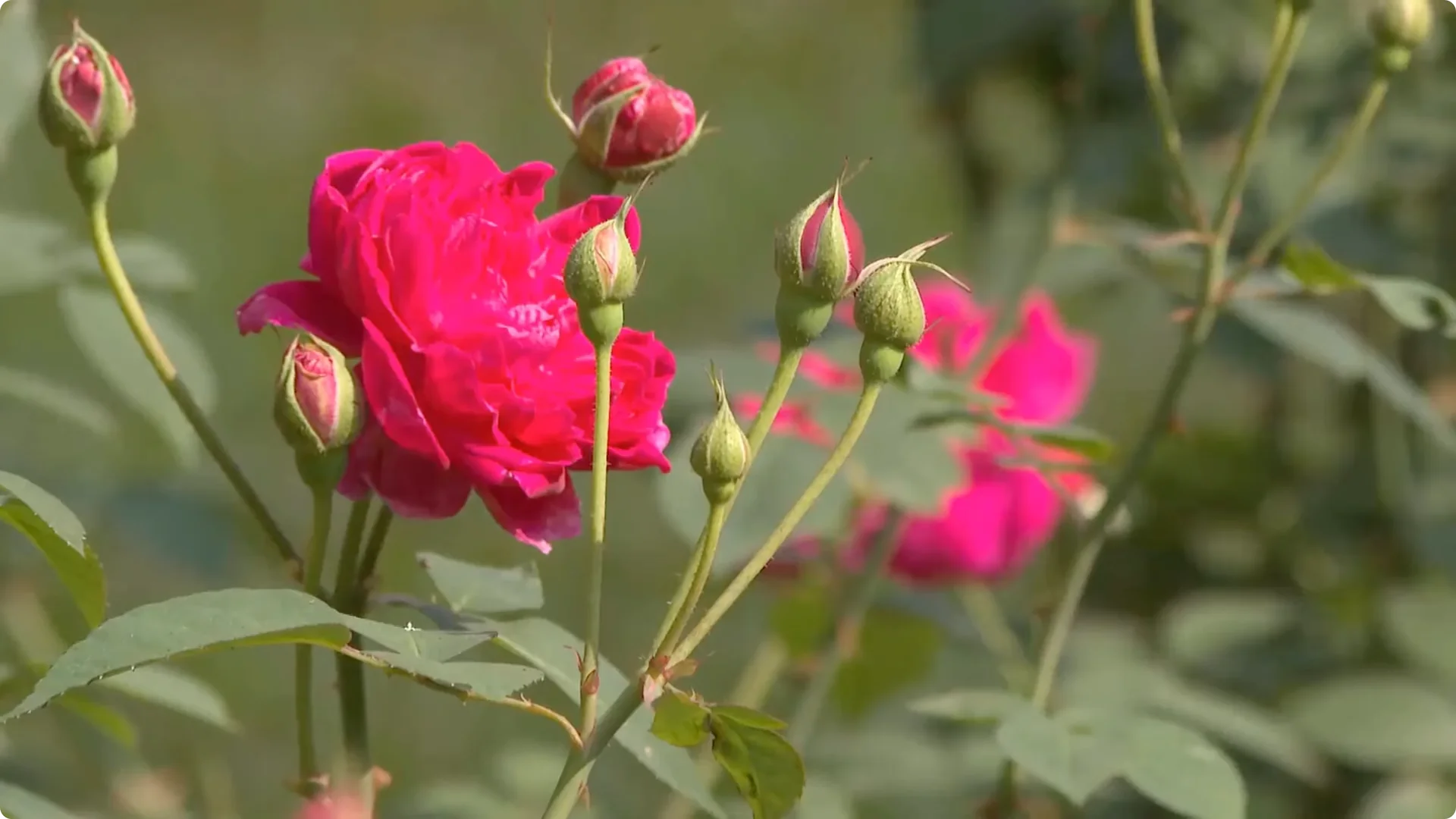
Cover the mouth of the cup tightly with a plastic bag or a transparent plastic cup to retain moisture like a mini greenhouse. Place the cup in a cool, bright spot. Absolutely avoid direct sunlight that causes heat shock to the branch.
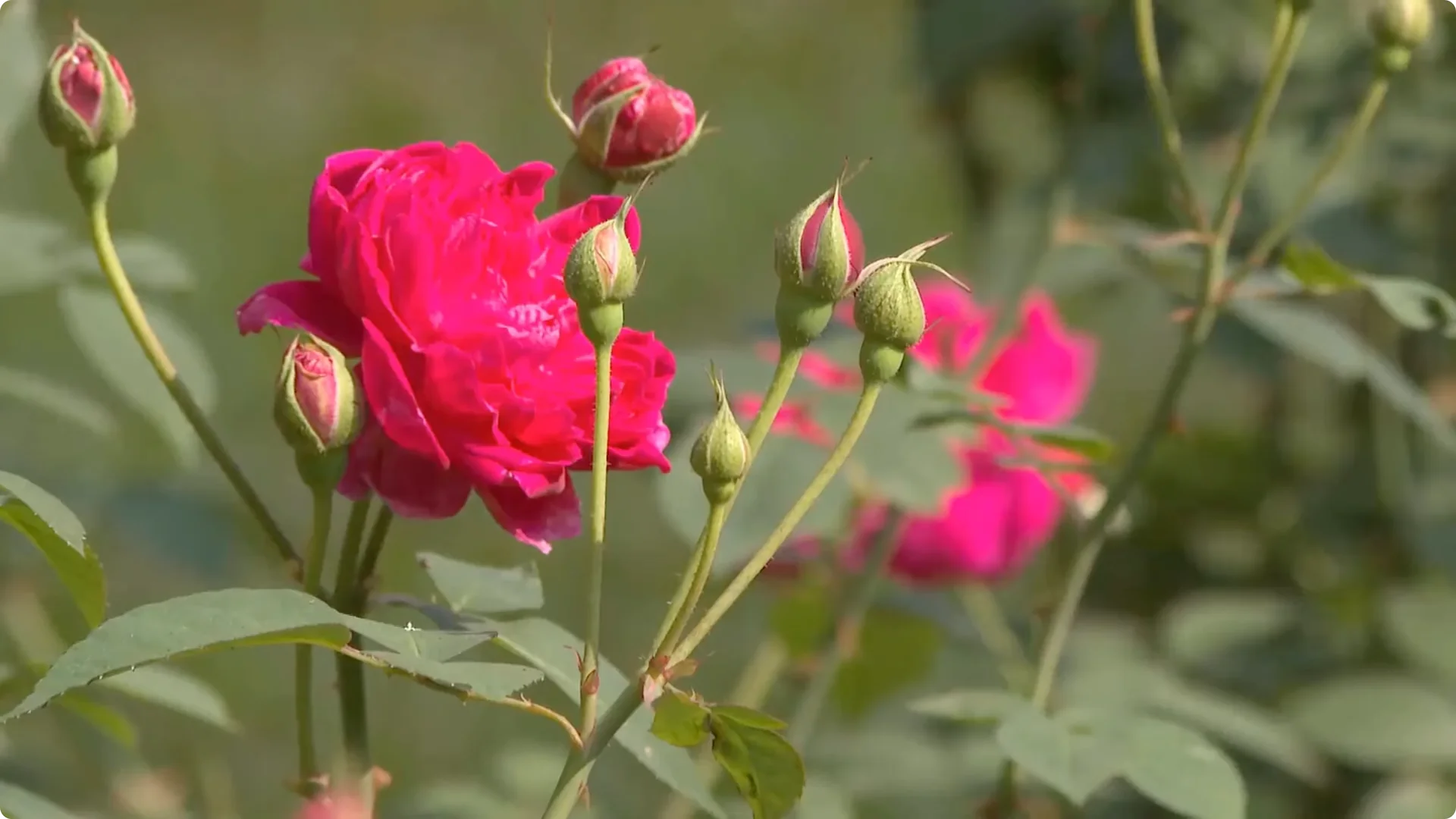
After about 7 days, you will see strong signs. New green, plump shoots begin to appear. The red bean and ginger solution acts as a natural root stimulant, helping the branches to root faster.
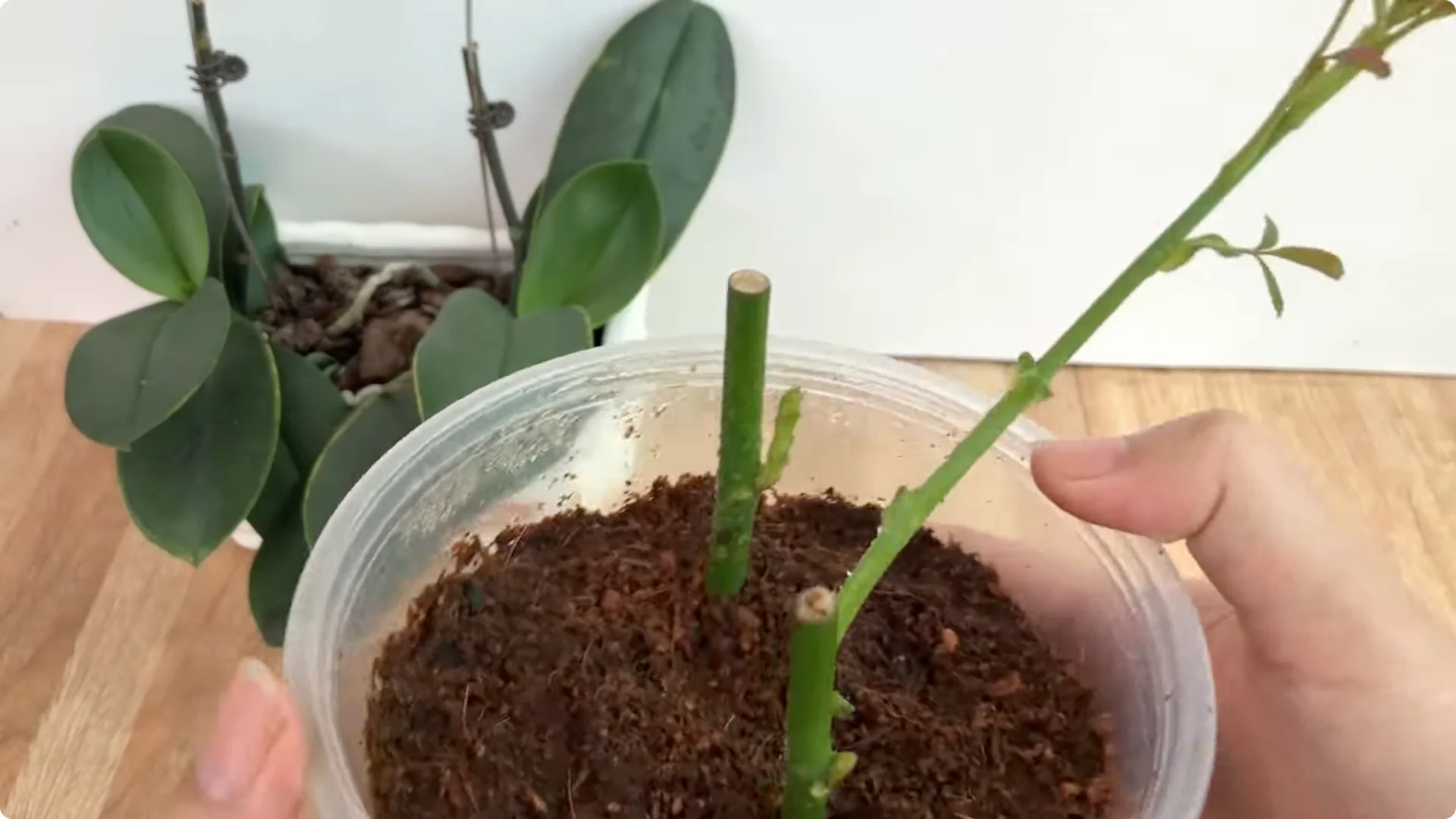
It also creates a clean and nutrient rich environment, helping the branches grow well without being waterlogged or rotten. It helps the branch absorb nutrients faster and stimulates scar tissue to develop into new roots. Disease resistance of the cuttings improves in the early stage.
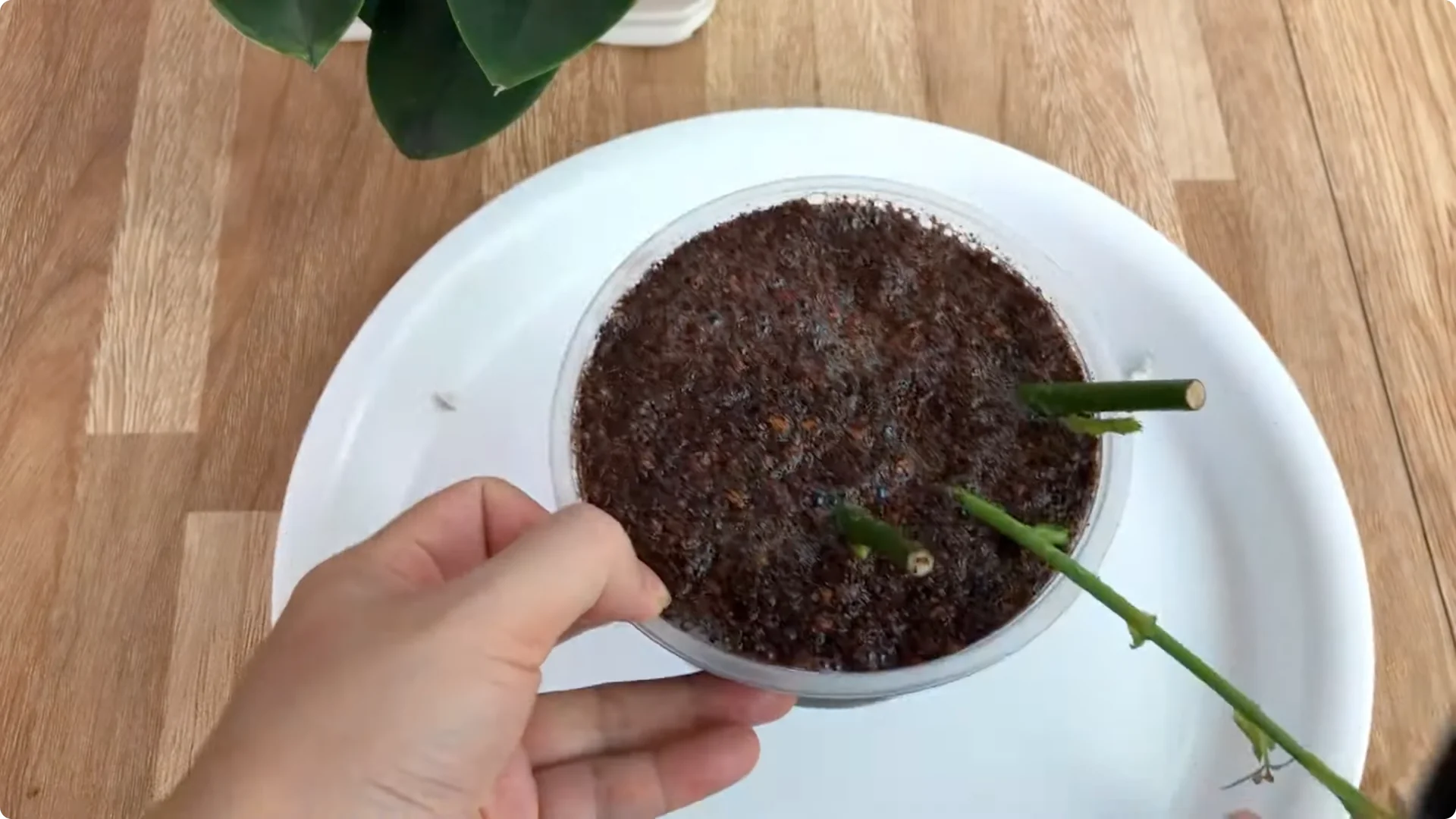
If you want extra ideas for encouraging buds and blooms as roots form, see these practical notes on getting branches to bloom with a spoon based method. These concepts pair well with the gentle tonic above.
6. Rose Cutting Propagation success check
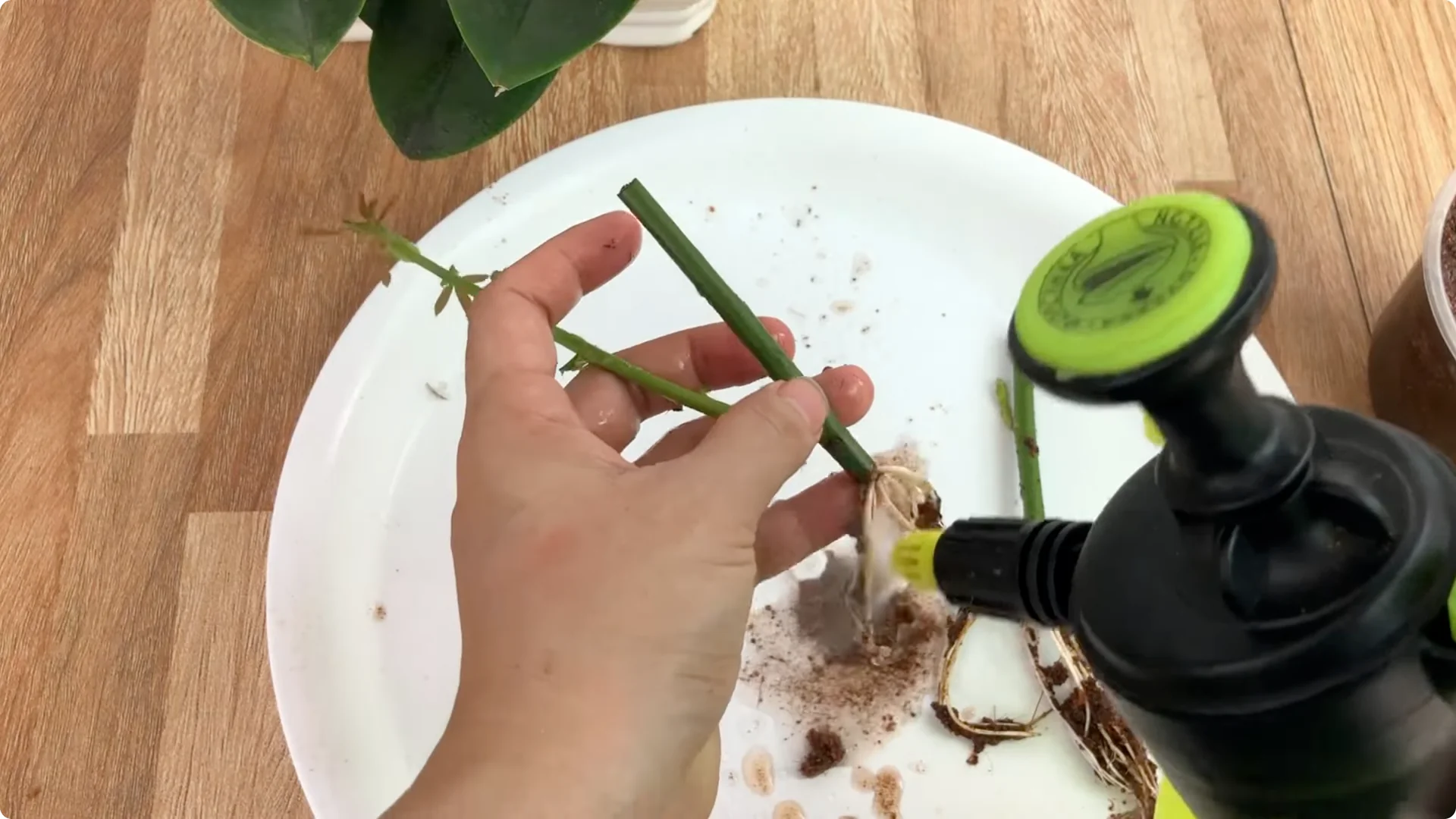
New white, strong roots will grow around the base of the branch. This is a clear sign of a successful cutting. Do a gentle tug test to confirm resistance before potting up.
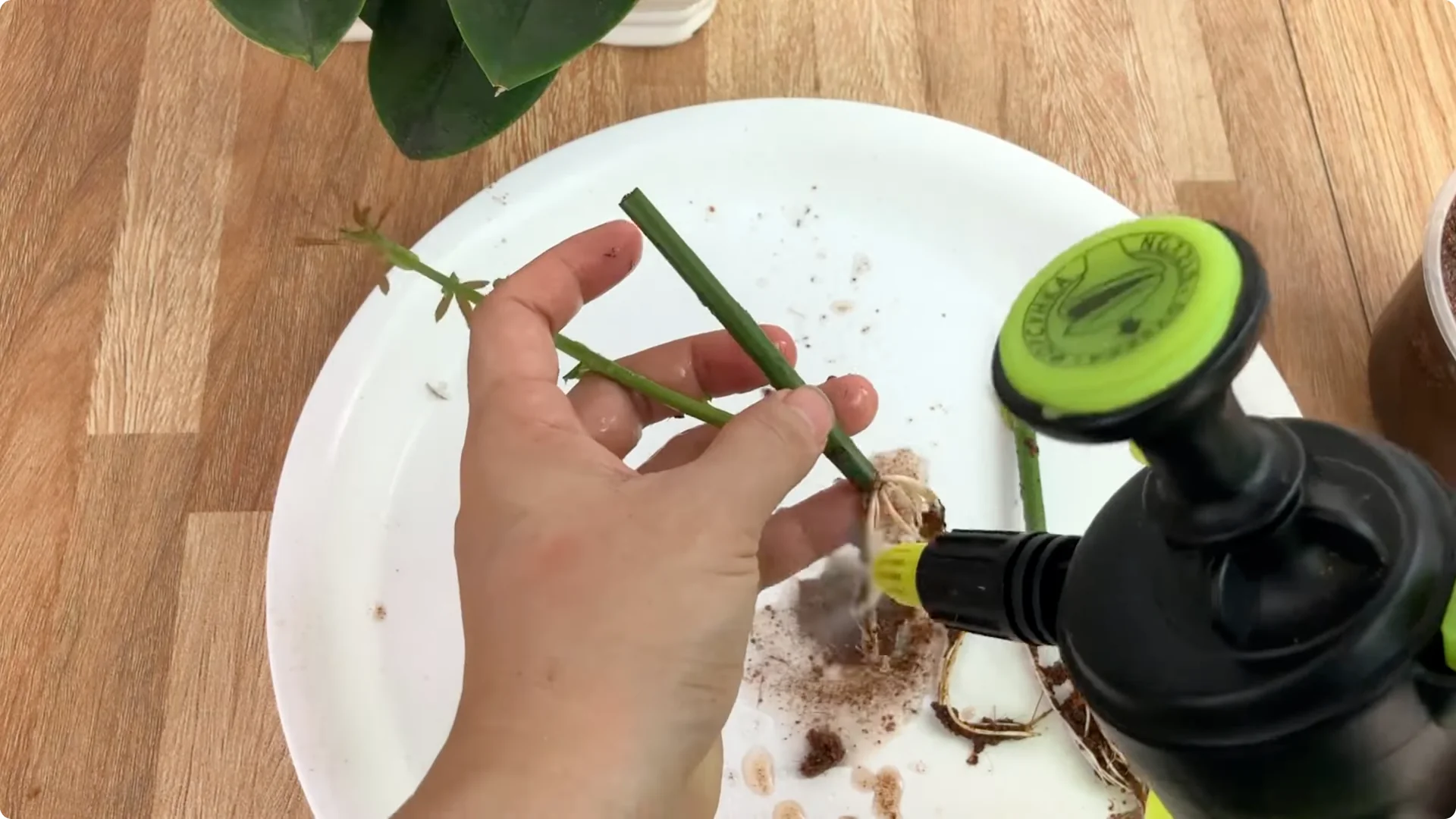
7. Rose Cutting Propagation potting up
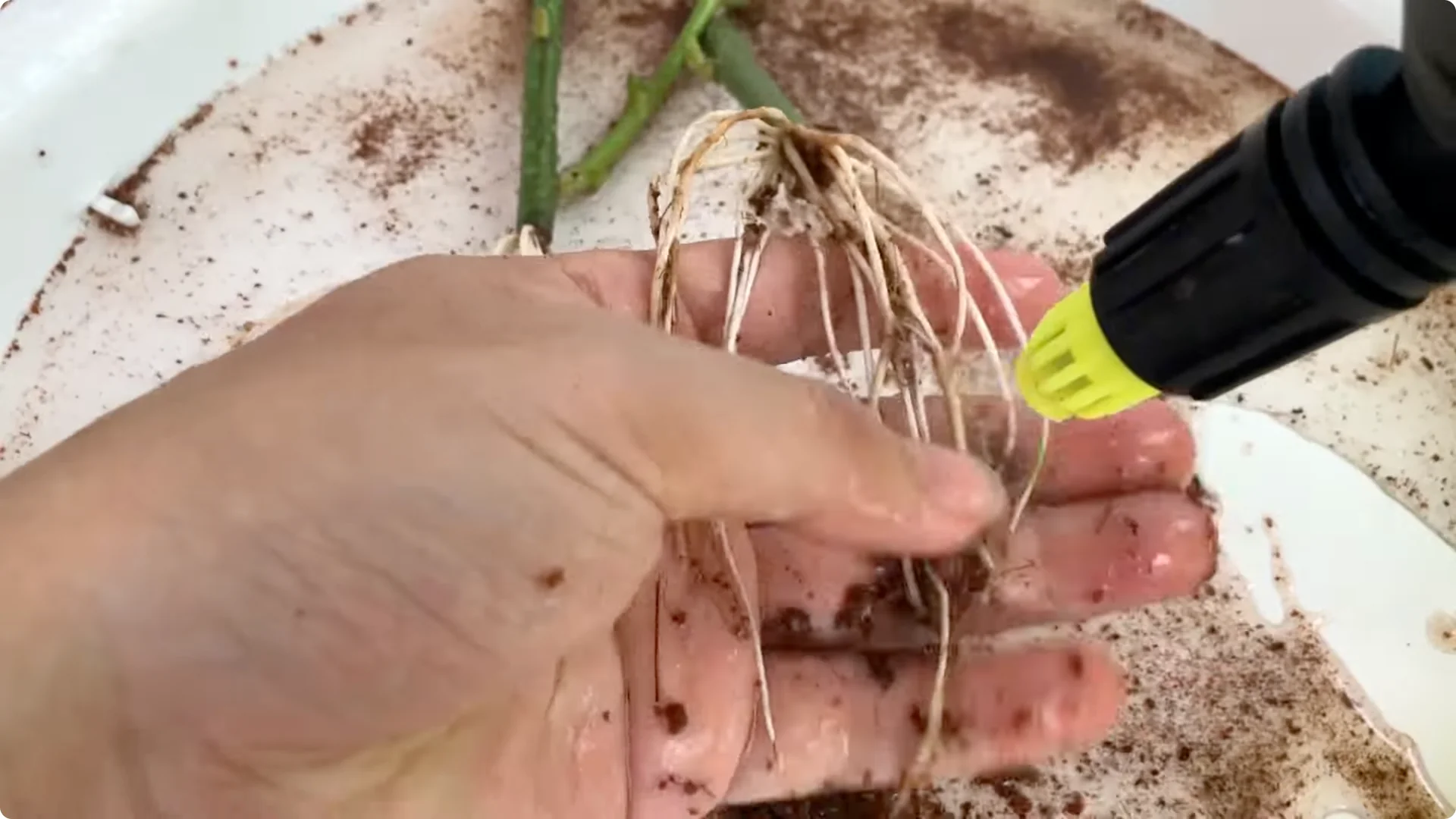
Plant the rooted branch in a larger pot. Use a loose, well drained substrate such as river sand or clean soil mixed with rice husks. This helps the plant continue to grow steadily and sustainably.
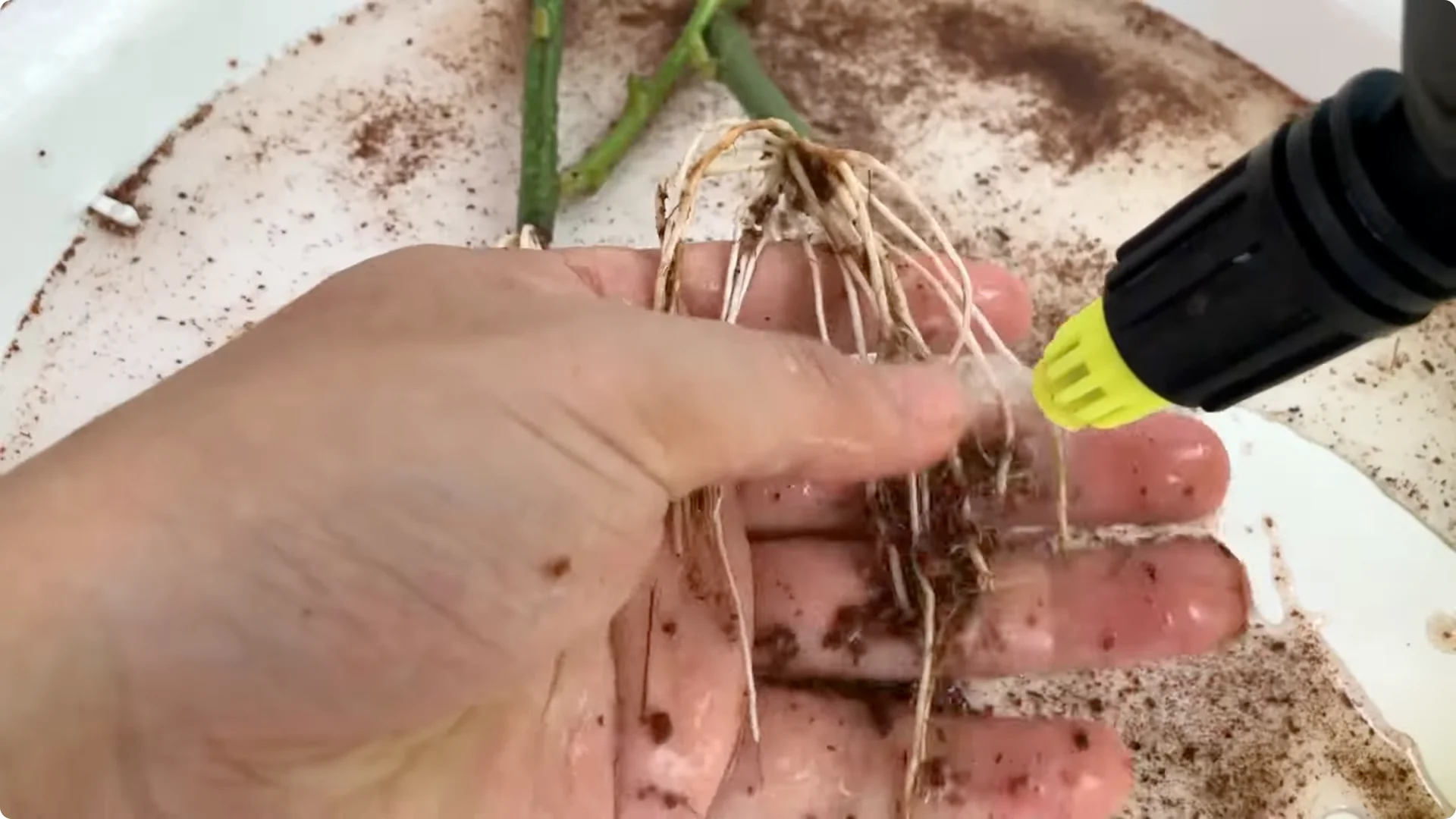
With red beans and ginger, you can propagate rose branches successfully and keep plants healthy naturally. No chemical stimulants are needed to achieve reliable rooting and early growth. It is simple and easy to do at home for anyone who loves flowers.
For another helpful reference on this spoon based technique, explore this guide to the one spoonful method for rooting and blooming. It complements the steps outlined here.
Final thoughts
This gentle method keeps rose cuttings protected, fed, and steadily growing. Aim for clean tools, light moisture, and bright but indirect light. With patience and the red bean and ginger solution, Rose Cutting Propagation becomes both safe and effective.