

I have a simple method to propagate roses at home. We will make a unique cuttings recipe that creates a great environment for rose branches to grow strongly. Follow each step to apply it successfully the first time.
1. Rose Propagation Using Garlic: Why it works
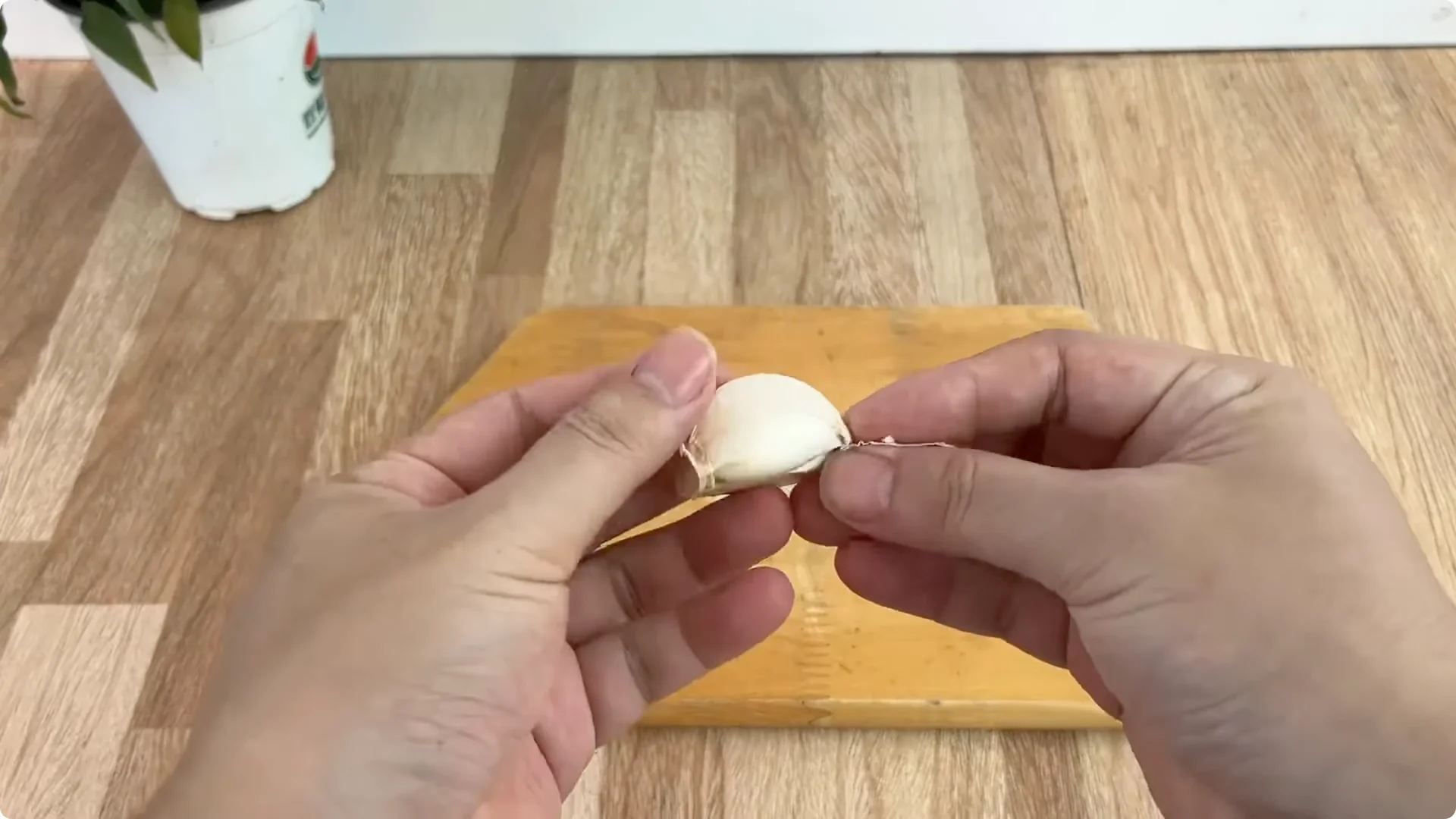
First, we use garlic, about two cloves. Garlic contains allicin, a very strong antibacterial and antifungal compound, which can protect cuttings from agents that cause rot and infection. In addition, garlic helps stimulate the activity of callus tissue at the base of the branch, promoting the process of new roots and acting as a natural root stimulant.
For a related bloom boosting tip, see the single clove garlic trick for bigger rose blooms.
2. Rose Propagation Using Garlic: Select and prepare cuttings
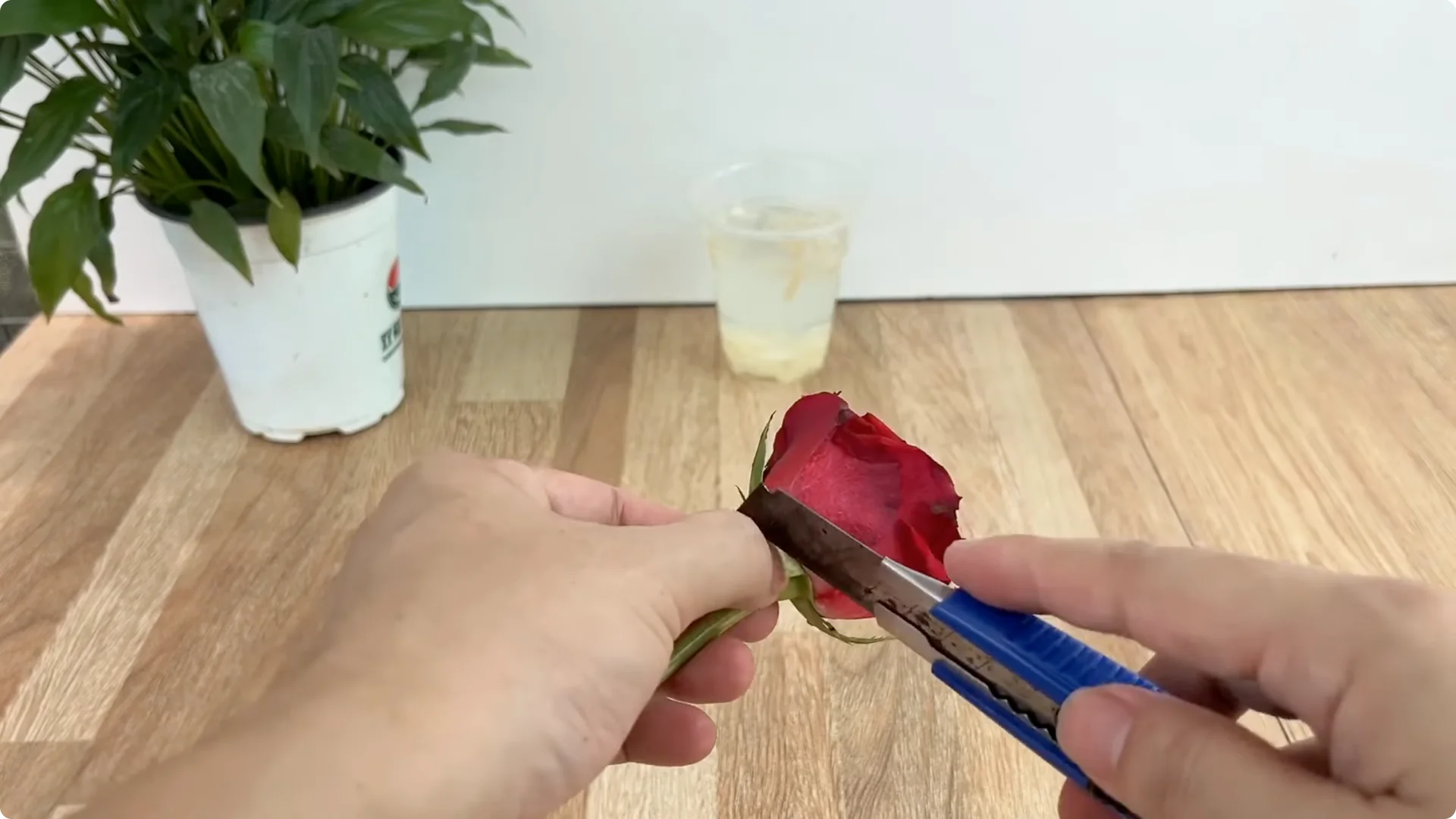
Choose a branch that is not too young to avoid waterlogging, and not too old because it dries easily. Cut the branch short, leaving only about 15 to 20 centimeters. Remove all leaves and sharp thorns on the branch to reduce water evaporation so the branch concentrates nutrients for forming roots and new shoots.
3. Rose Propagation Using Garlic: Make the garlic solution
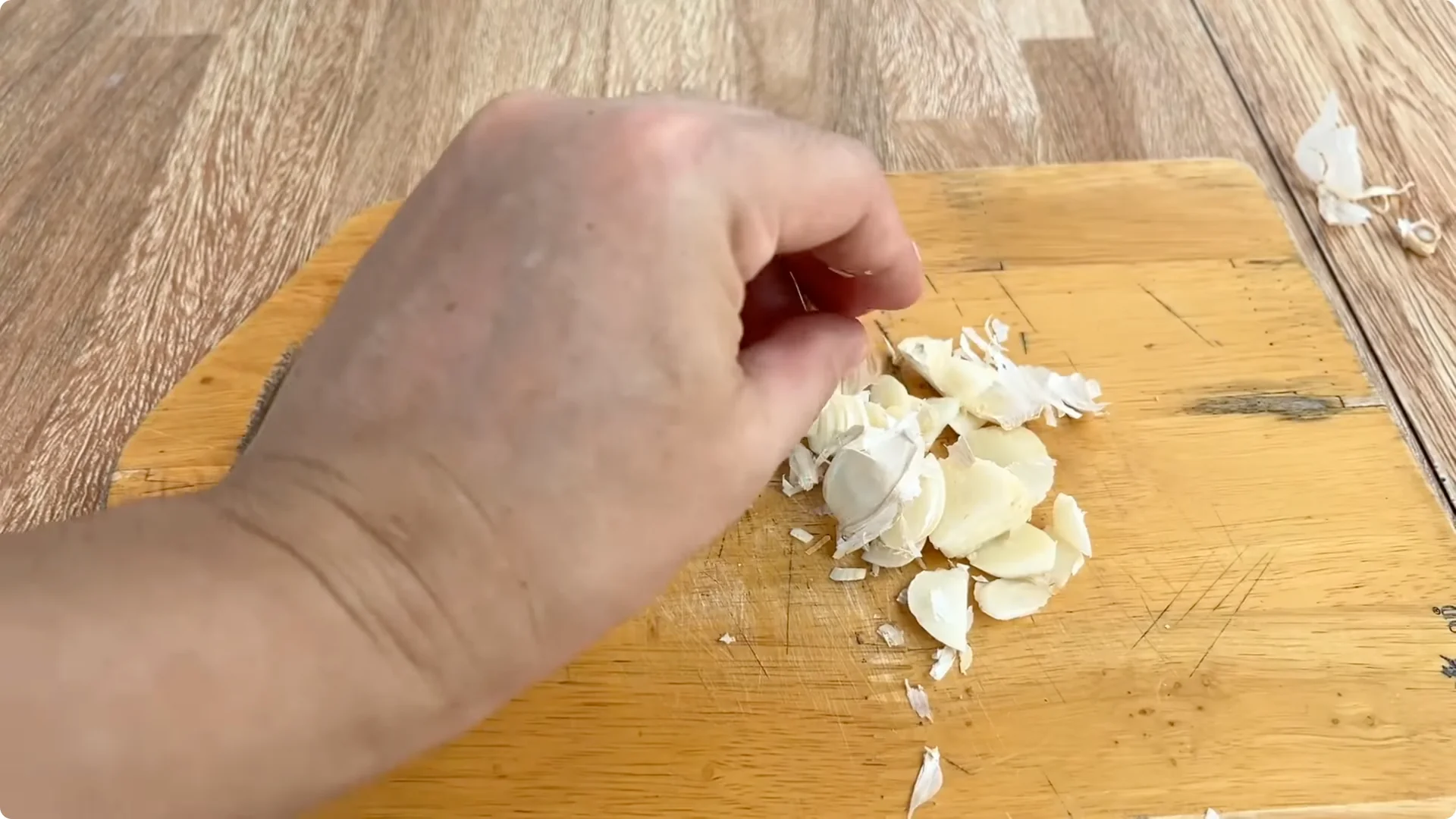
Slice the garlic into thin slices and put it in a clean plastic cup. Add 0.5 liters of warm water, stir well, and let it sit for about 1 hour so that the active ingredients in the garlic dissolve into the water. After about 1 hour, stir the solution again and filter out the residue, keeping the clear water.
Use a clean, soft cloth dipped in this garlic water and wipe the entire surface of the flower branch. This step helps disinfect the outside of the branch and applies a thin layer of nutrients to the surface, protecting the plant tissue in the early stages.
4. Rose Propagation Using Garlic: Add milk nutrients
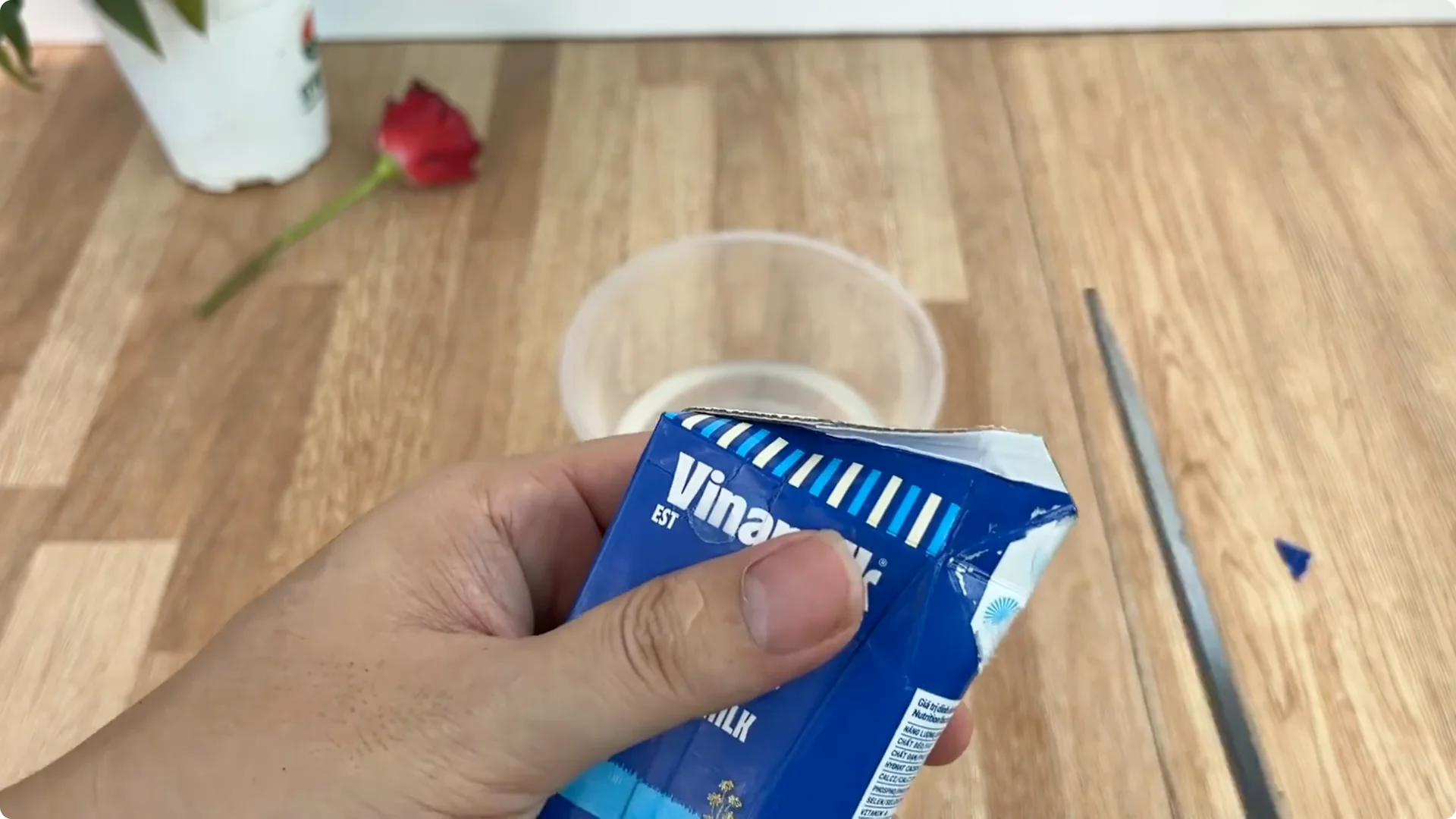
Add 1 tablespoon of fresh milk, about 5 milliliters, to the cup of garlic solution. Then add 0.5 liters of water and stir well. Fresh milk contains protein, lactose, vitamins, and minerals such as calcium and potassium, acting as a gentle source of nutrients for the cuttings.
For more on nutrient cups that boost roses, check out this one cup method that strengthens roots and blooms.
5. Rose Propagation Using Garlic: Plant in sand
Prepare the cup and sand
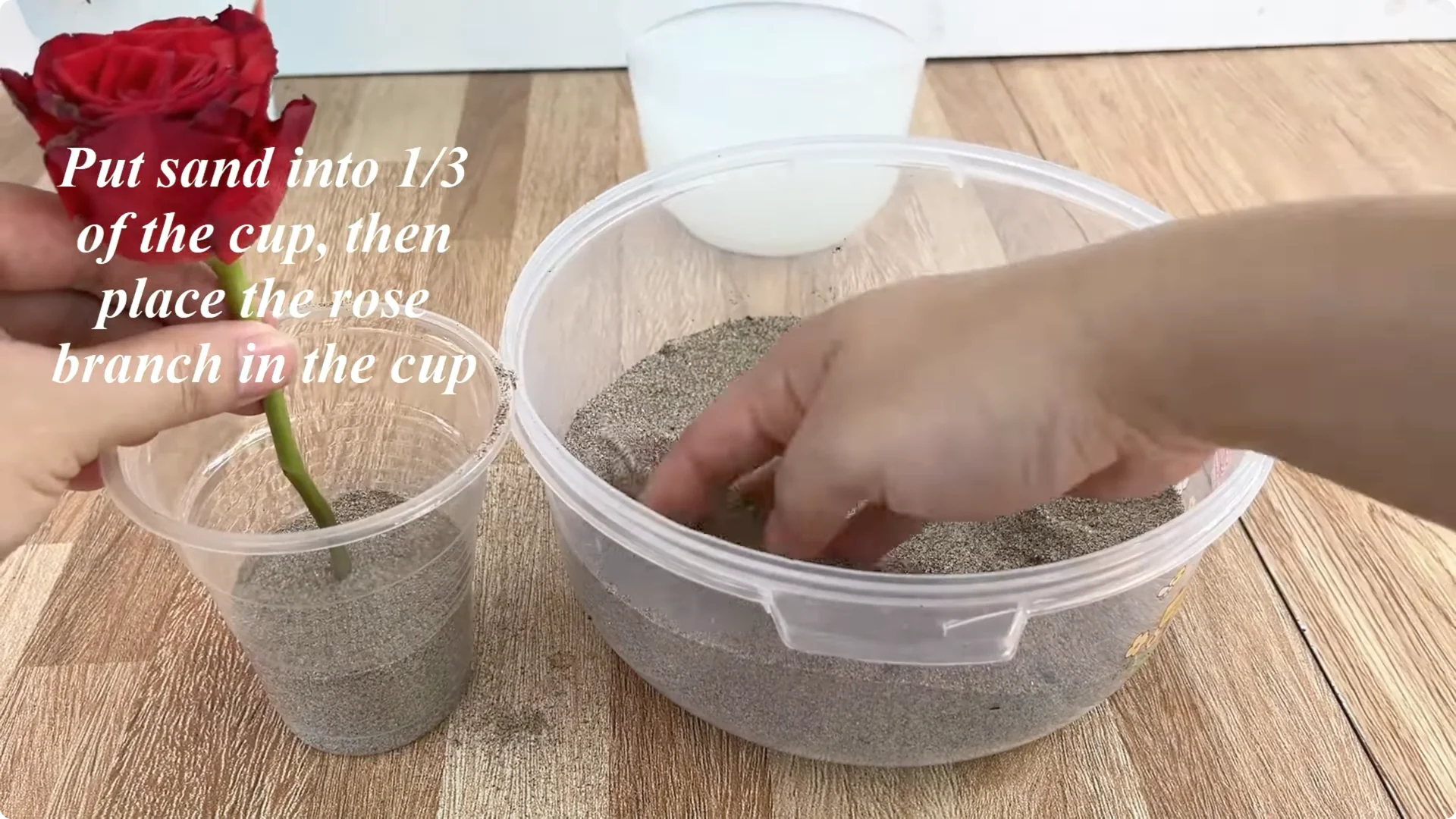
Prepare a clean plastic cup and put in about one third of treated river sand. River sand has good ventilation and drainage, helping to limit waterlogging, a common cause of dead cuttings. It also creates a stable, clean environment for new roots to develop.
Set the cutting
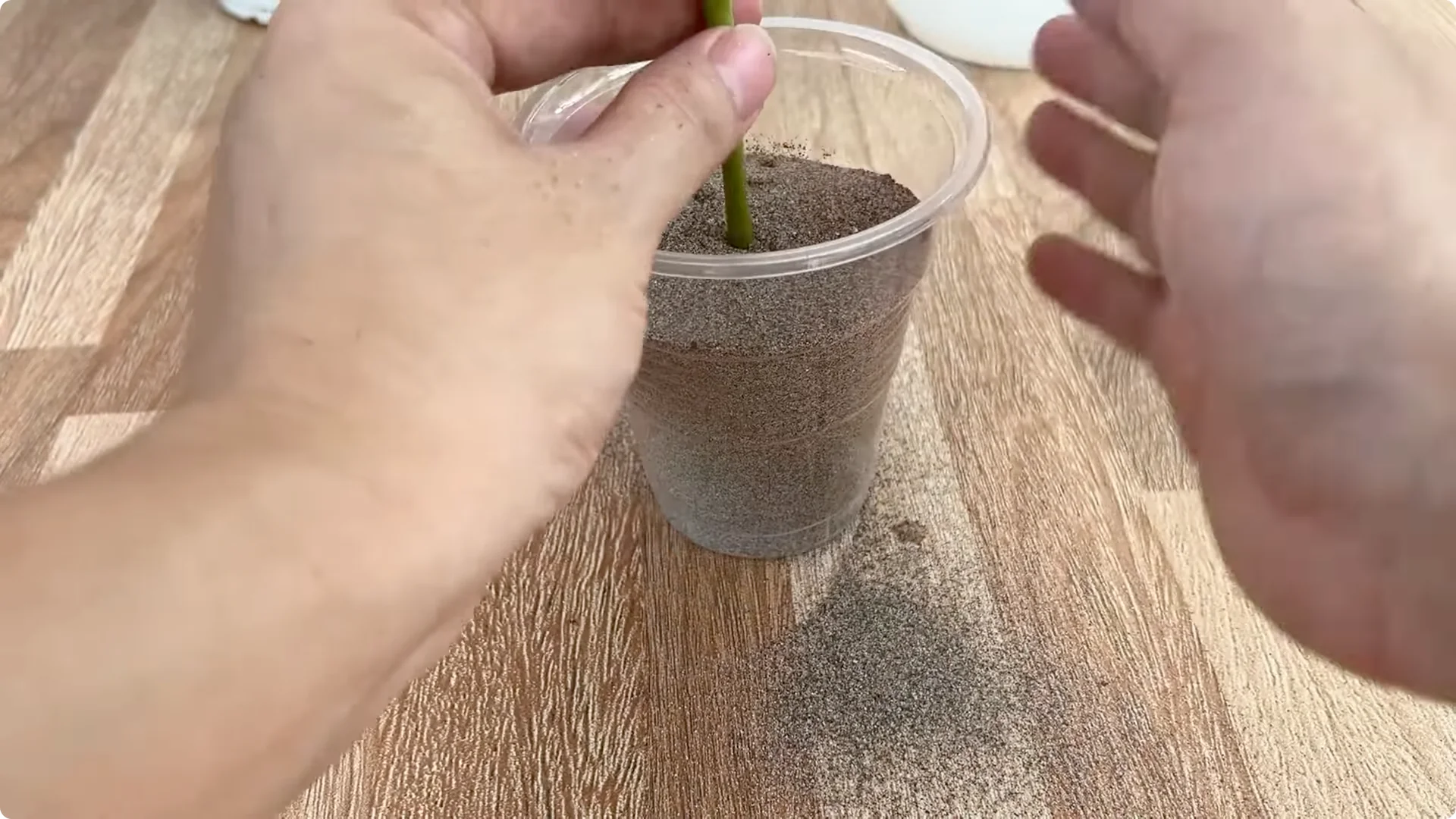
Place the rose branch in the middle. Add sand and press lightly to fix it. Keep the branch upright and stable.
Moisten with solution
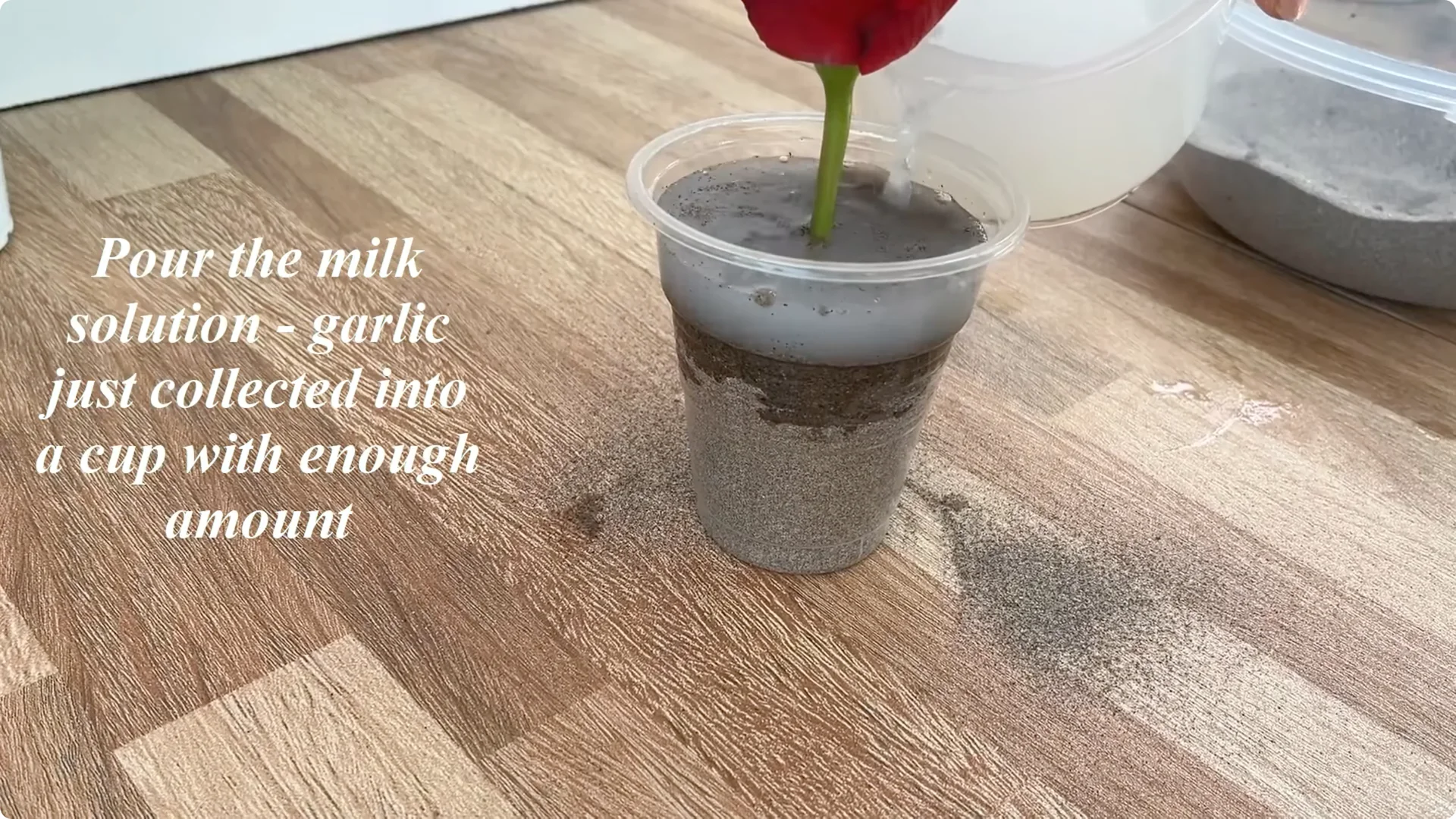
Pour the garlic and milk solution into the cup. Moisten the sand enough but avoid making it waterlogged. The goal is consistently moist, airy media.
Create humidity
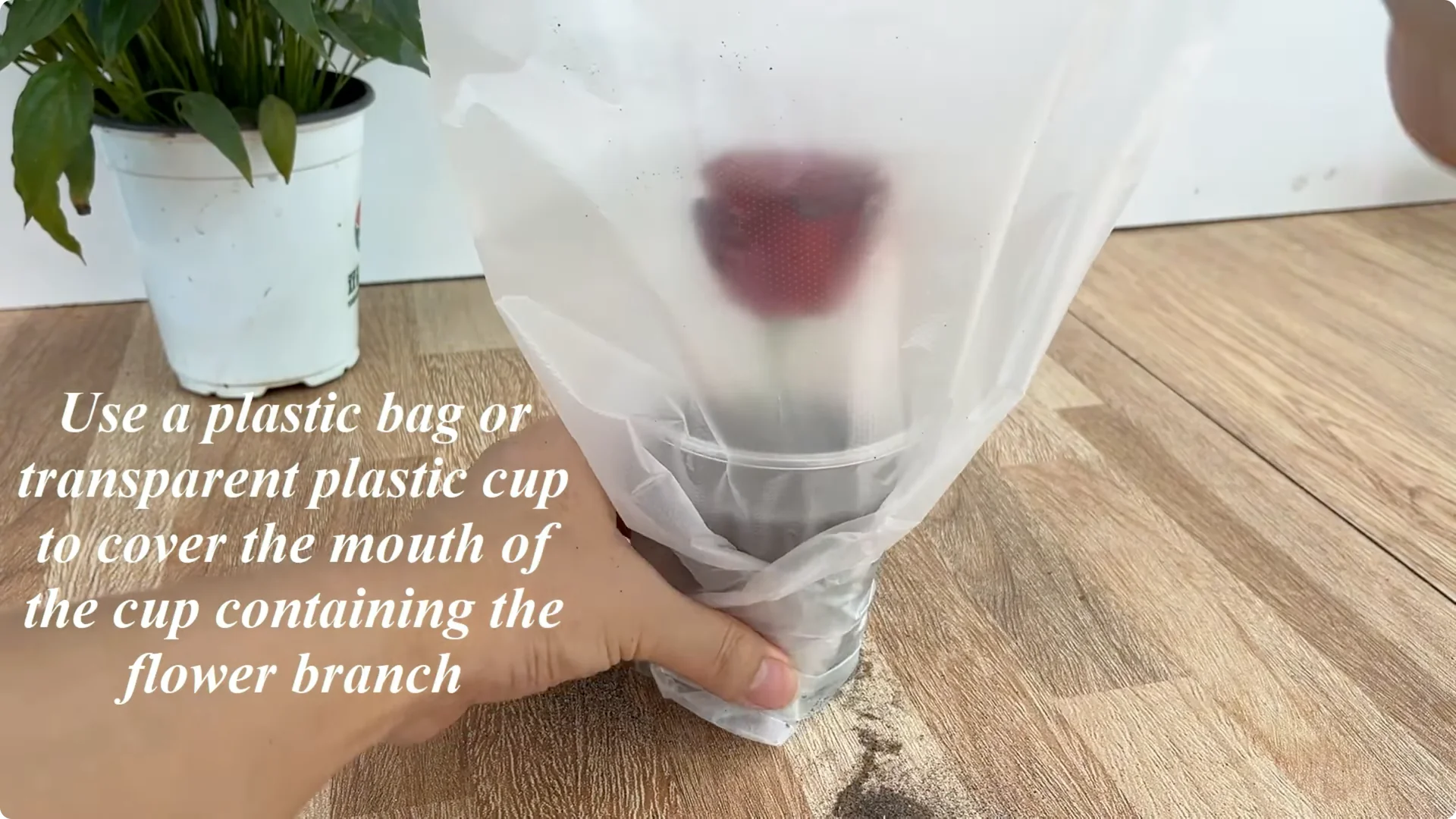
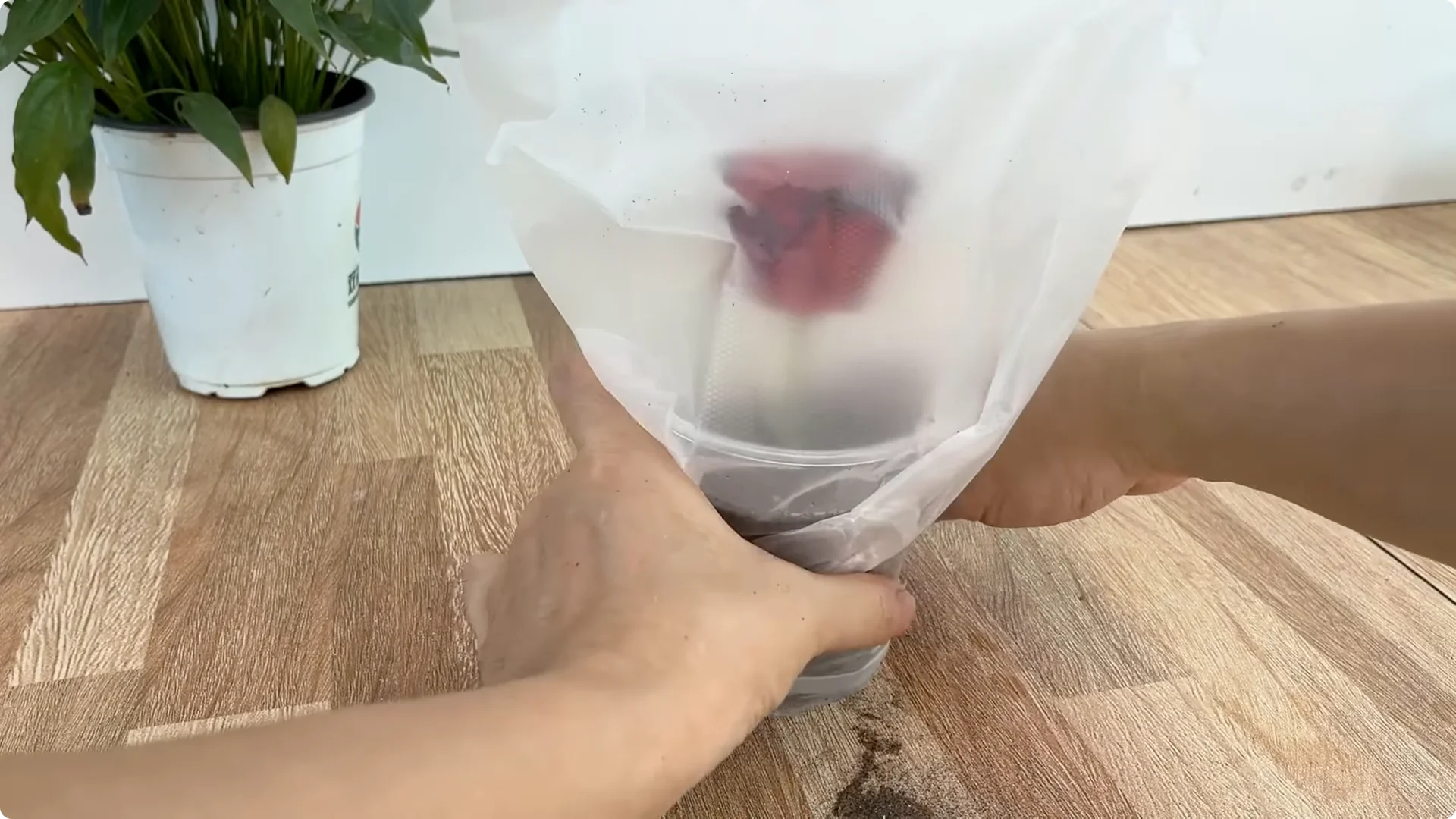
Use a plastic bag or a transparent plastic cup to cover the mouth of the cup. This keeps humidity like a mini greenhouse, helping the cuttings to quickly take root. Seal lightly while allowing a little air exchange.
Placement
Place the cup in a cool place, away from direct sunlight and strong winds. Gentle light is fine, but avoid heat build up. Keep the setup stable and undisturbed.
6. Rose Propagation Using Garlic: Rooting and transplant
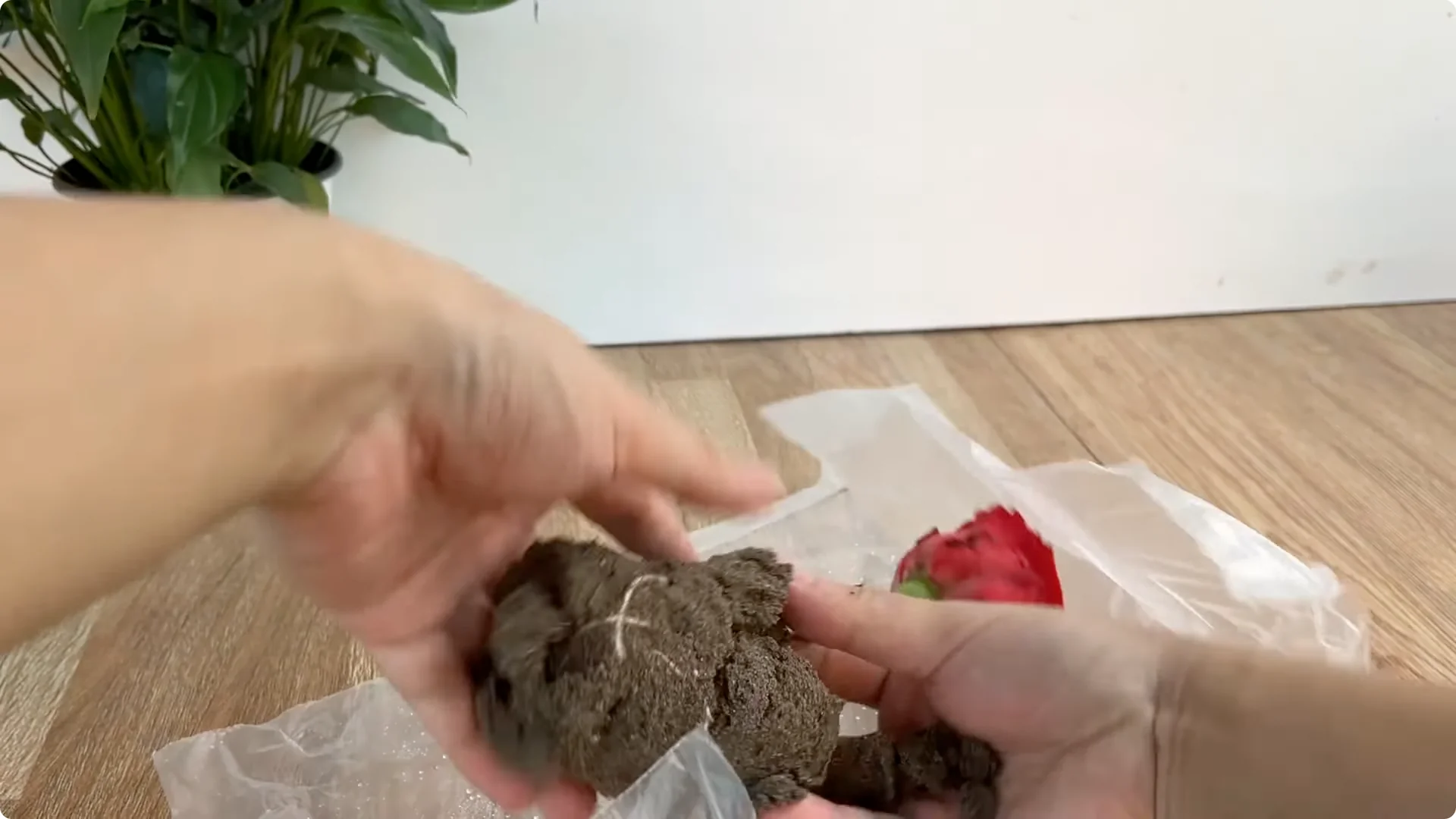
After just 7 days, you will see the rose branch begin to sprout healthy, green shoots, and many plump, white roots appear around the base. This is a clear sign that the branch has successfully taken root. You can move the branch to a large pot using a well drained substrate such as coconut fiber so the plant can grow steadily and quickly adapt to the new environment.
For faster establishment in pots, see how to grow roots and blooms fast with a simple cup routine.
Final thoughts on Rose Propagation Using Garlic
With just garlic and fresh milk, both cheap and easy to find, we create a great cutting solution. It helps stimulate root growth, protect branches from fungi, and nourish healthy young shoots. Wishing you success and a brilliant rose garden all year round.