

I will guide you through a unique way to propagate rose branches using ingredients that seem very strange. This combination brings amazing results, helps rose branches root quickly, and encourages strong new shoots. It is simple, safe, and budget friendly.
When it comes to roses, people think of charming beauty and a gentle, enchanting fragrance. This flower is called the queen of flowers and is an immortal symbol of love, romance, and gratitude. Colors carry meaning, with yellow roses often seen as a message of friendship and joy.
1. Rose Propagation with Ginger

Choose and prepare the cutting
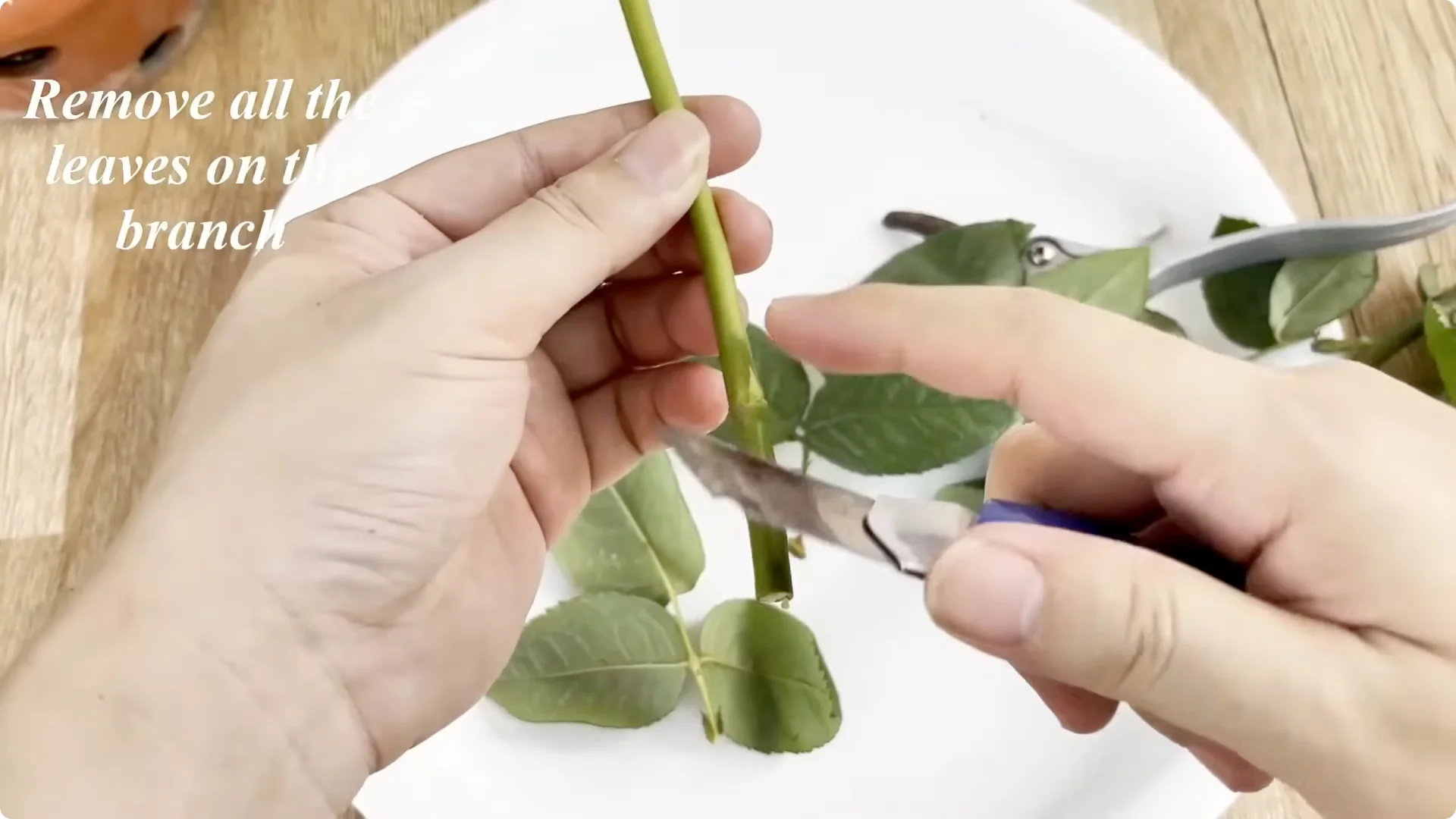
Choose a healthy rose branch that is free of pests and diseases. Remove sharp thorns if needed, cut the branch to about 15 to 20 cm, and remove all the leaves to reduce water loss. Keep the cut clean and fresh.
Prepare the ginger solution
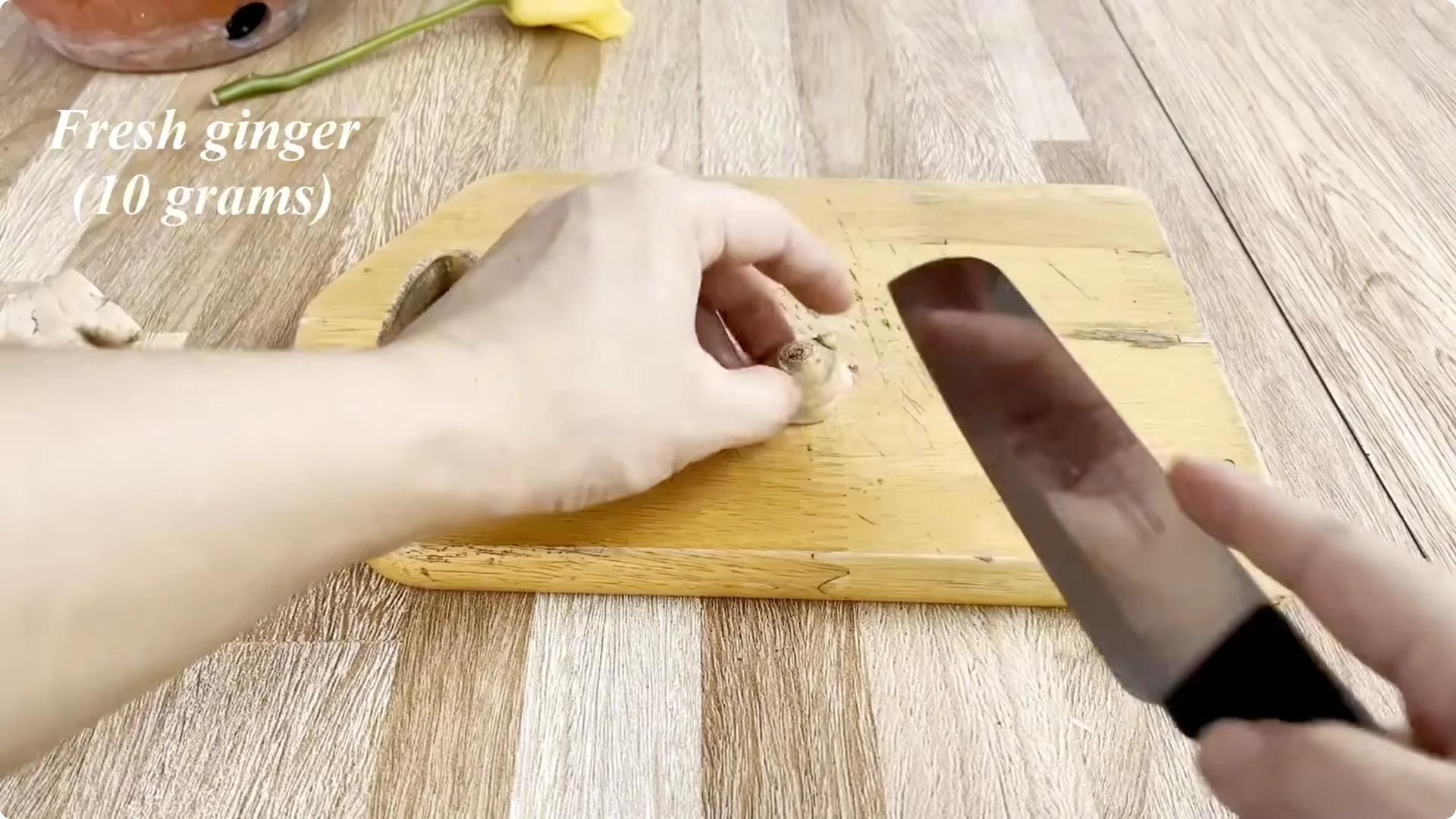
Prepare about 10 grams of fresh ginger, slice it thin, and place it in a clean cup. Ginger contains essential oils, gingerol, shogaol, and strong antioxidant compounds. These ingredients have antibacterial and antifungal properties that protect the cut from rot and infection while stimulating tissue growth for faster rooting.
Pour 0.5 liters of clean water into the cup and soak the rose branch in the ginger mixture for about 30 minutes. This helps disinfect the cut and limits wilting or early root rot. After 30 minutes, remove the branch, stir the ginger mixture, and filter out the residue to keep only the ginger juice.
For another straightforward approach to softwood cuttings, see this simple way to propagate roses.
Add Coca Cola and dilute
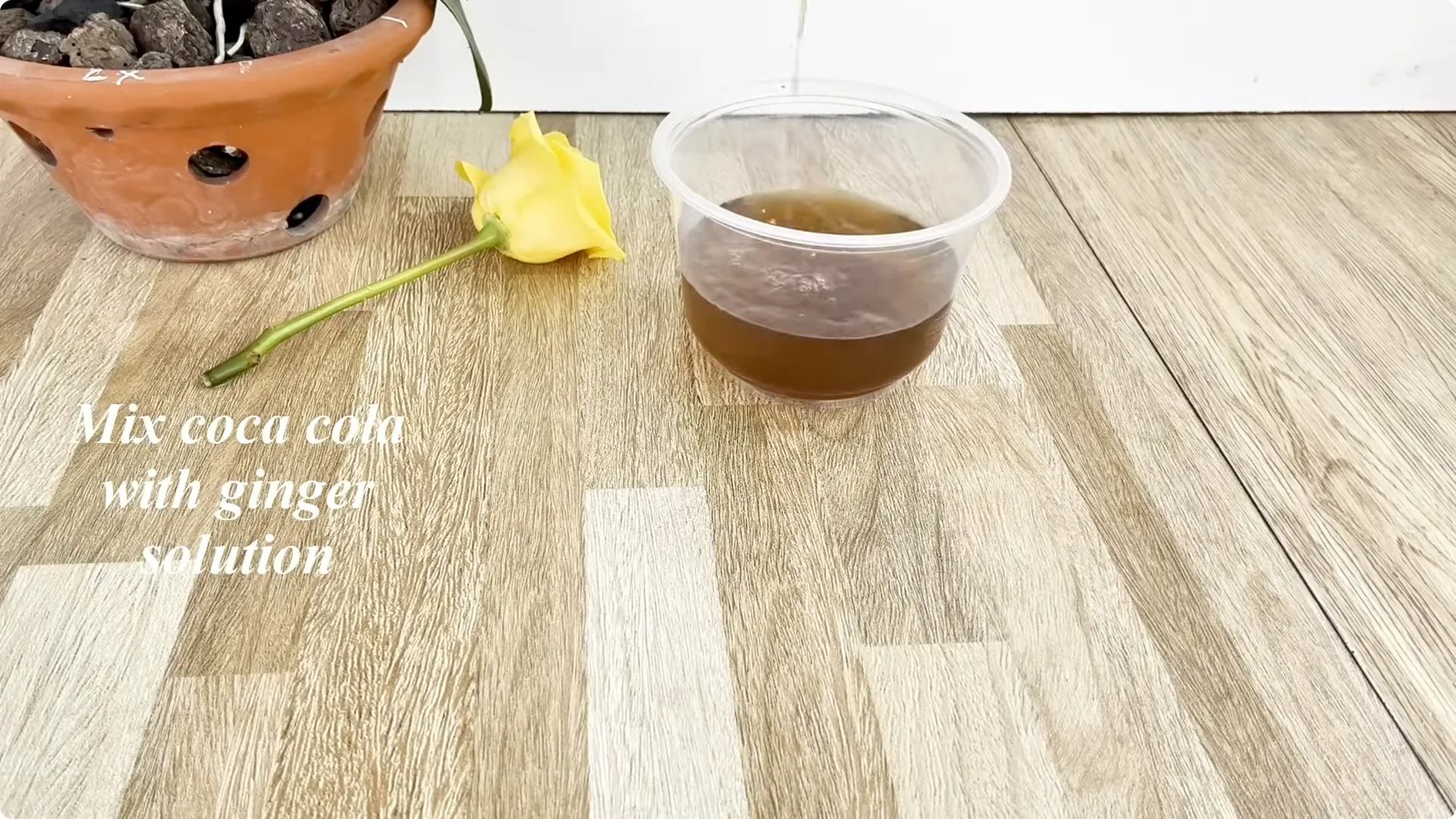
Measure 100 ml of Coca Cola. Coca Cola contains sugar, phosphoric acid, caffeine, and trace minerals that supply quick energy and micronutrients to plant tissue, helping to speed up rooting. Mix the Coca Cola with the ginger juice and then dilute the combined liquid with clean water to make a total of 1 liter of solution.
Make the toilet paper substrate
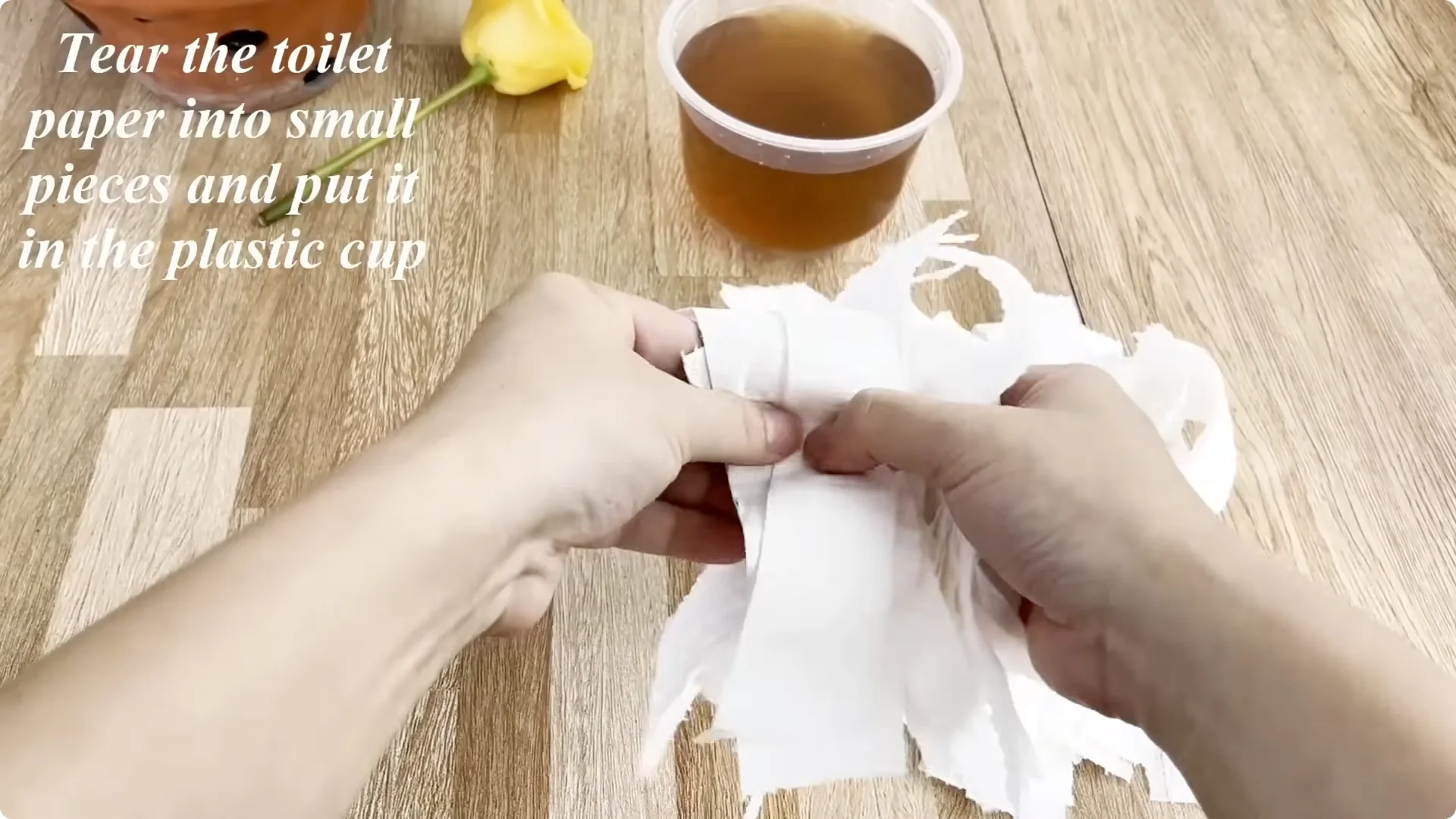
Prepare a clean plastic cup and some toilet paper. Tear the paper into small pieces, place it in the cup, and pour in the entire diluted ginger and Coca solution. Leave it for about 10 minutes so the paper can absorb all the nutrients.
Gently press the paper to reduce excess water, keeping the substrate moderately moist. It should be moist enough but not soggy or waterlogged. This texture helps the cutting stay stable while roots initiate.
Set the cutting and create humidity
Make a small hole in the center of the cup and place the rose branch in it. Press the paper gently around the stem to fix it in place and avoid movement during incubation. Cover the cup with a plastic bag or a transparent cup to create a humid mini greenhouse.
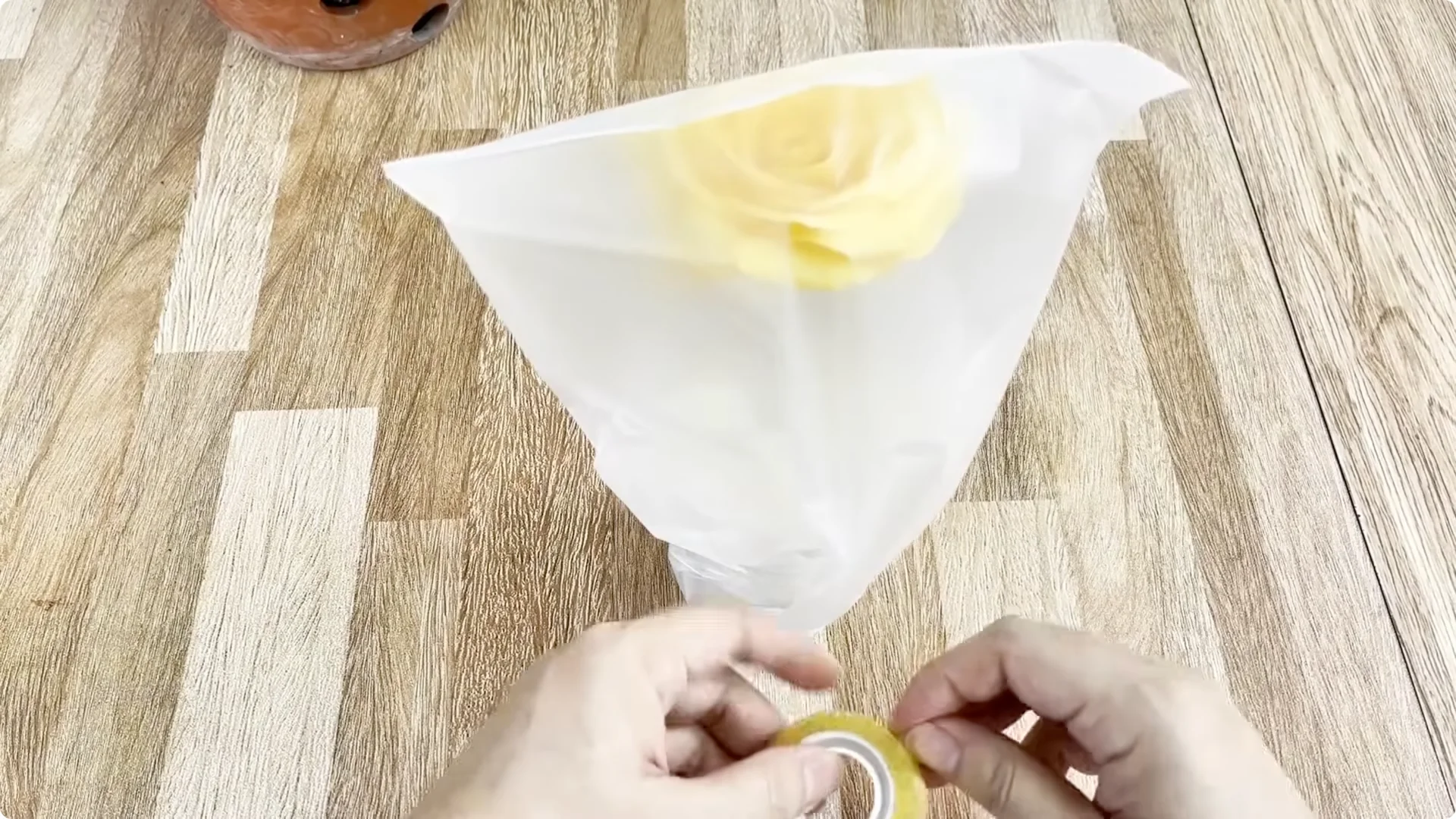
Place the cup in a cool, bright spot out of direct sunlight. Do not disturb or check too often at the beginning to keep the environment stable. Maintain steady moisture and gentle light.
What to expect and why it works
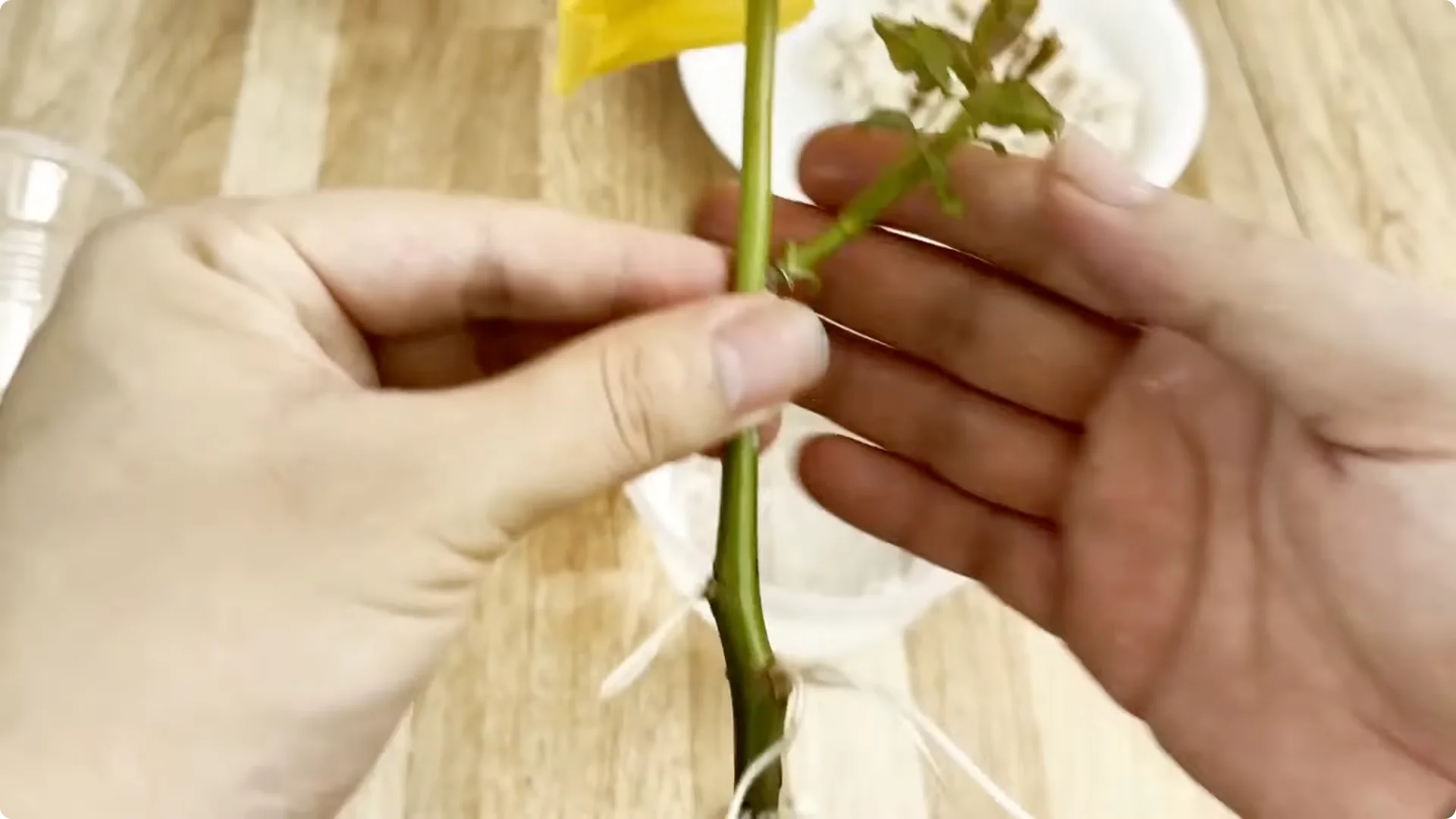
After about 7 days, new shoots begin to grow, green and sturdy. White, strong roots develop evenly around the base and are ready for the next growth stage. Toilet paper is soft, holds moisture well, and keeps the cutting upright.
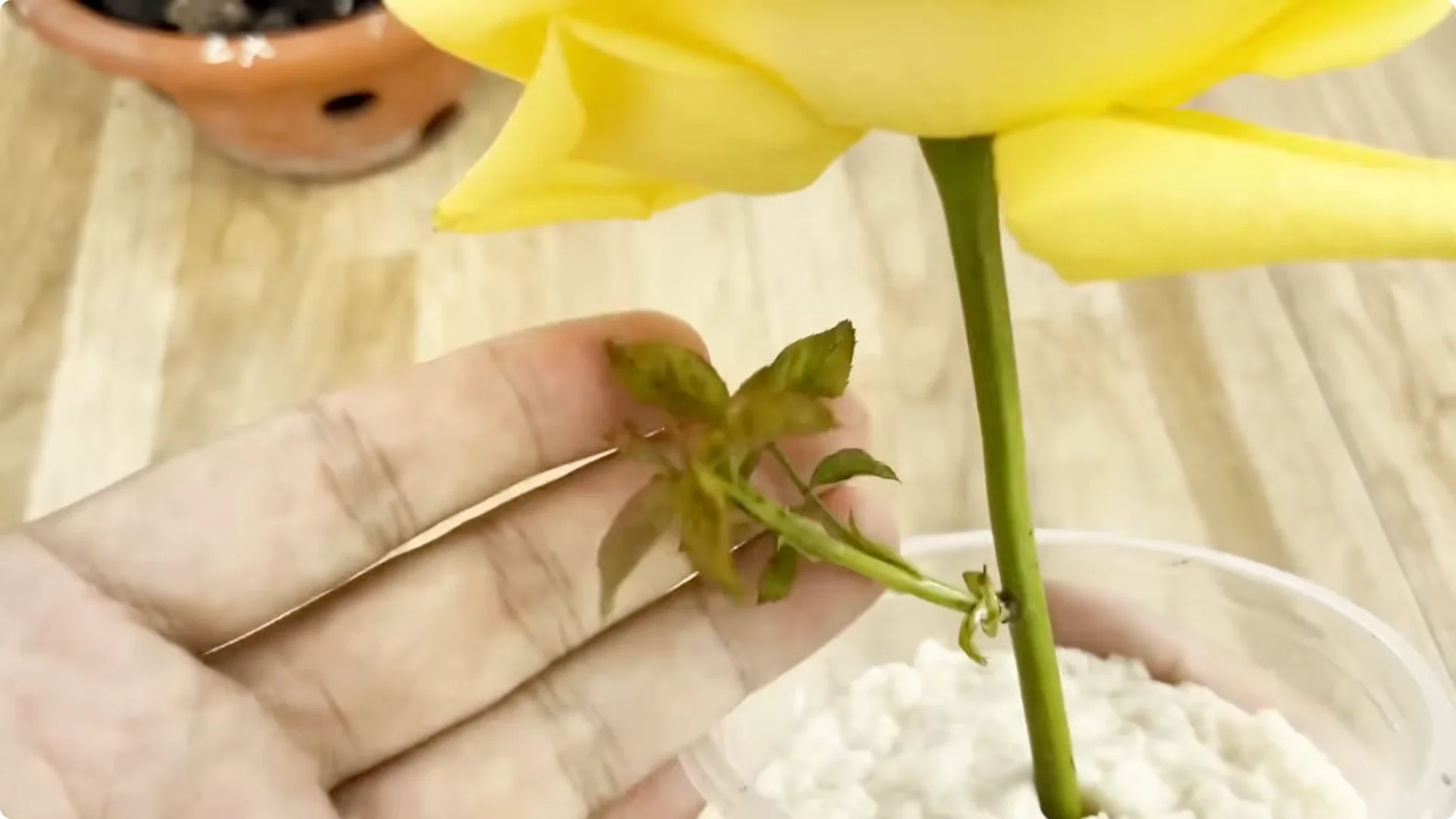
Combined with the ginger and Coca solution, the setup creates a humid, clean, and nutritious environment that is ideal for young roots. This pairing supports rapid callus formation and early root growth. Cleanliness and steady humidity are key.
Potting up
Transfer the rooted branch to a pot with a well drained substrate. You can use processed coconut fiber, soil mixed with rice husks, or a blend of pumice, rice husk ash, and organic fertilizer if available. Water gently and keep the plant in soft light to help it stabilize after rooting.
2. Tomato and Garlic Method
Prepare the cutting
Choose a healthy rose branch, free of pests or damage. Cut the branch to about 15 to 20 cm and remove all the leaves to limit evaporation. Keep the base smooth and clean.
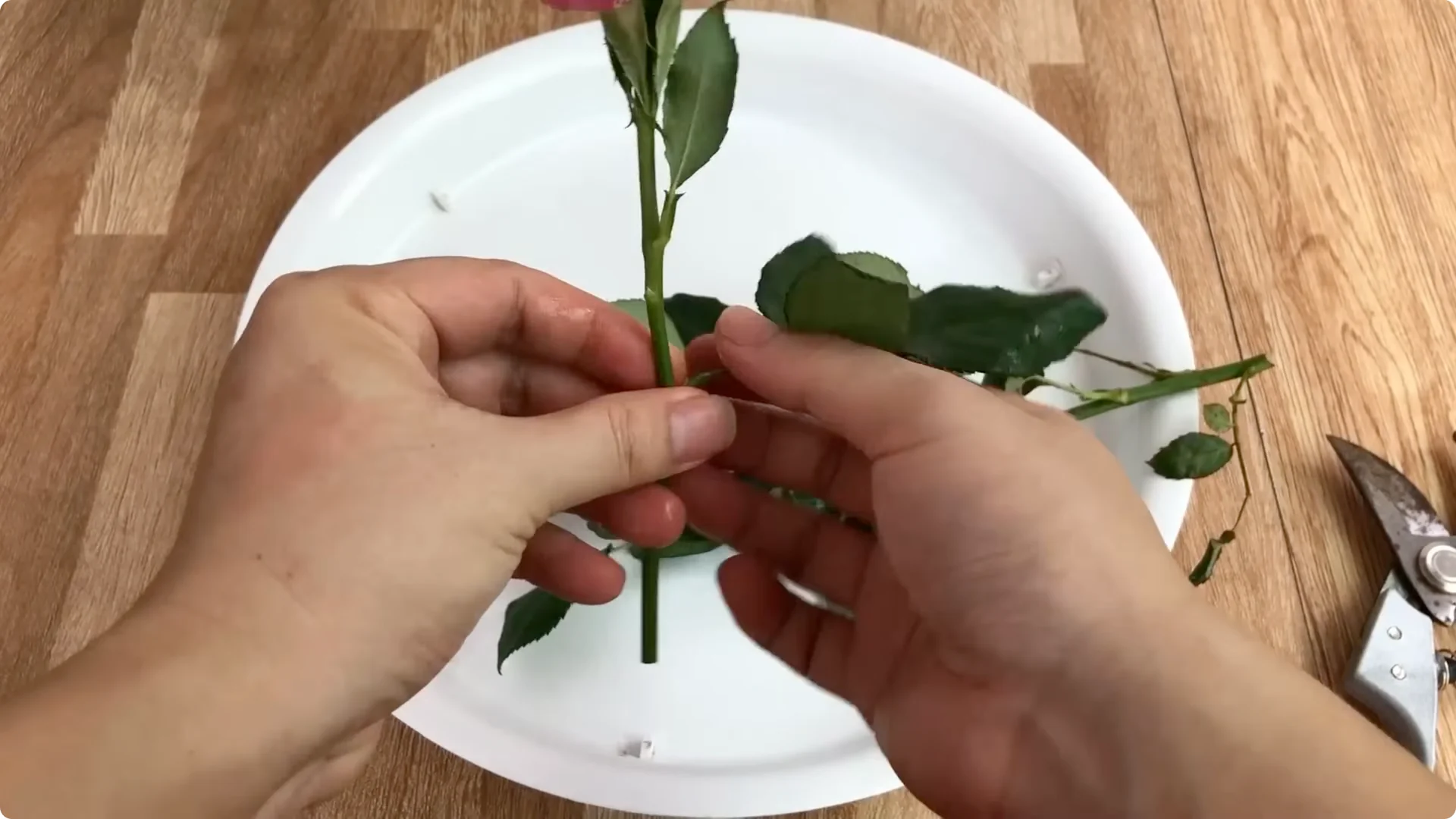
Prime with garlic
Prepare 4 fresh garlic cloves. Take 1 clove, peel and cut it in half, then carefully carve a small hole in the center that matches the diameter of the branch base. Insert the base of the rose branch into this garlic hole, then rub the cut side of the garlic along the lower part of the branch.
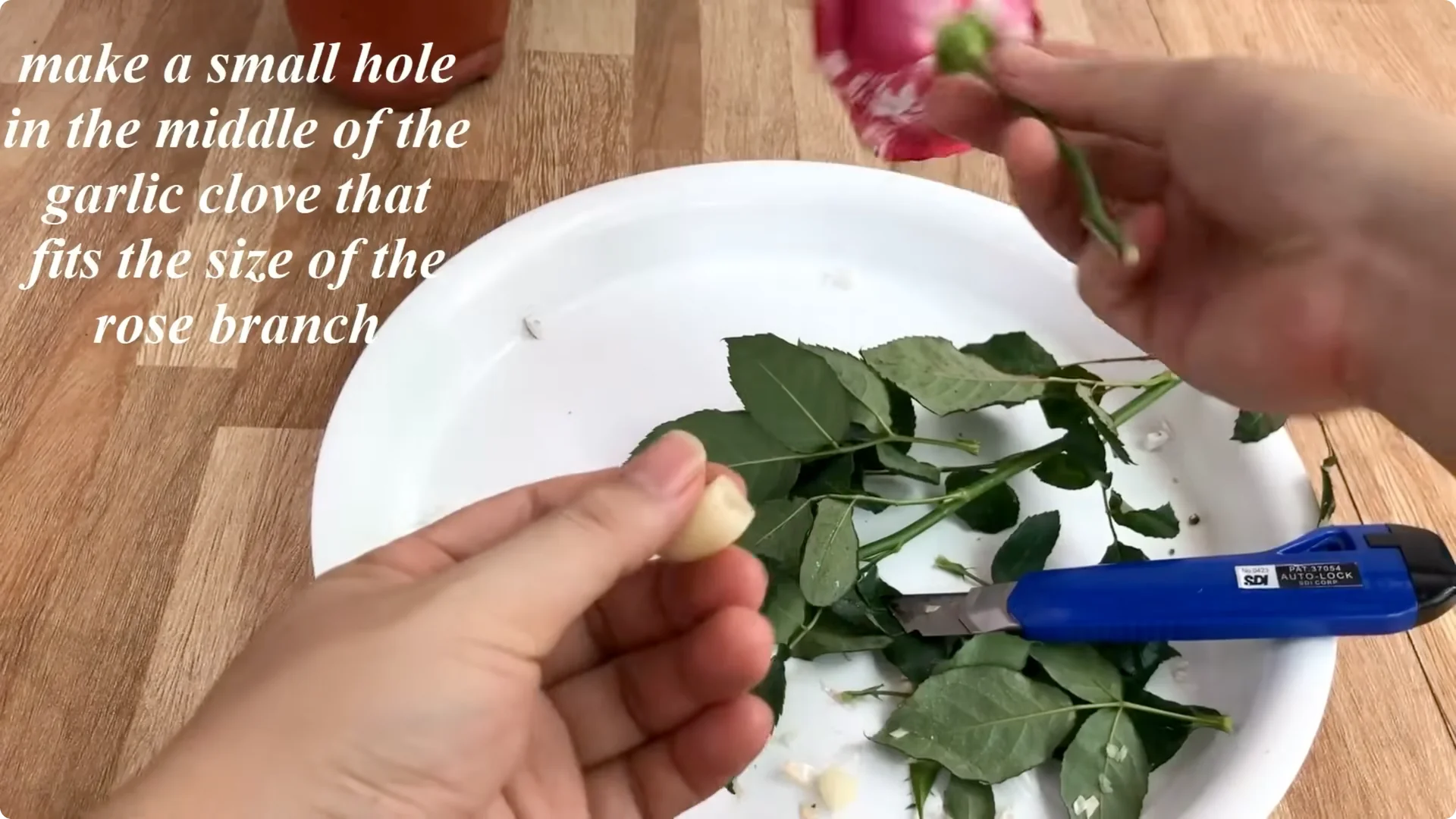
This step both disinfects and helps the branch absorb natural antibiotic compounds from garlic. Leave the branch like this for 30 minutes so the essence can penetrate well. This priming step is very important.
Make the tomato garlic solution
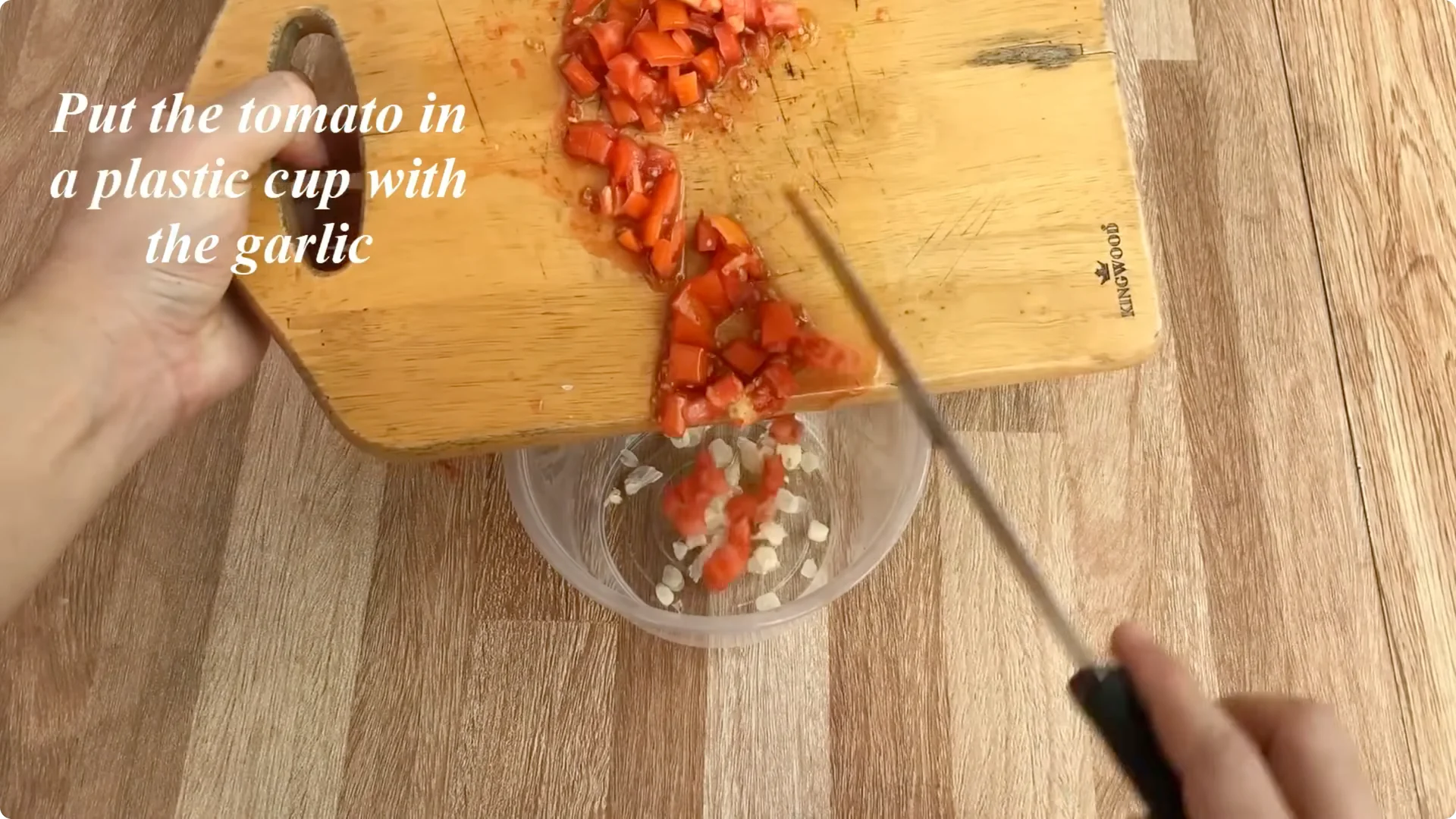
Slice the remaining 3 garlic cloves very thin so their active compounds release easily. Take 1 small tomato about 30 grams, cut it into small pieces to increase the contact area. Tomatoes provide natural enzymes, vitamins B1 and B6, salicylic acid to stimulate new root tissue, and natural auxin that supports rooting.
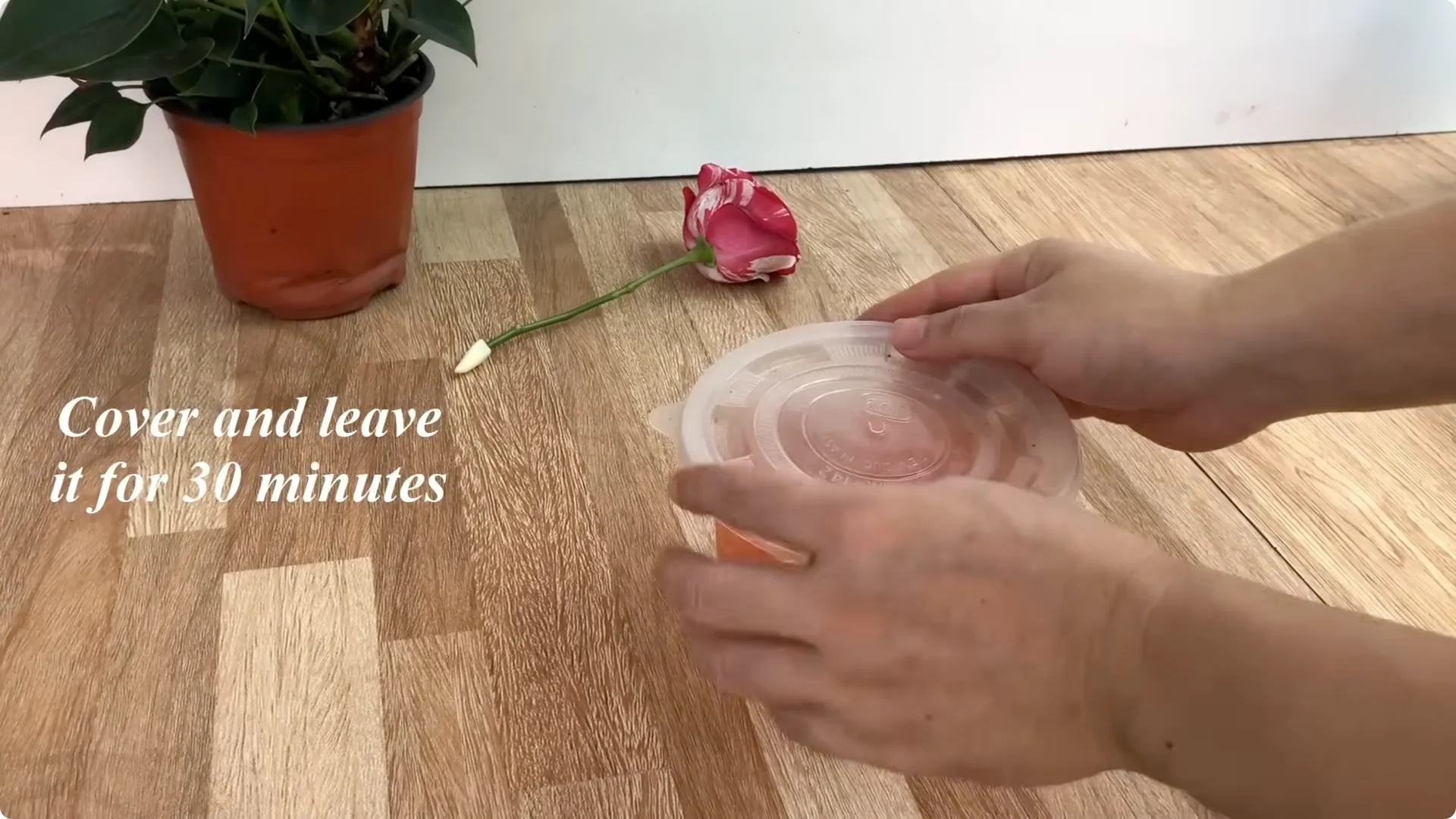
Put the garlic and tomato into a clean plastic cup. Add 1 liter of clean water, cover, and soak the mixture for 30 minutes. Stir well, then filter to remove the solids and keep the solution clear.
If you prefer another clear and simple preparation, see this step by step rose propagation method.
Set up the jar
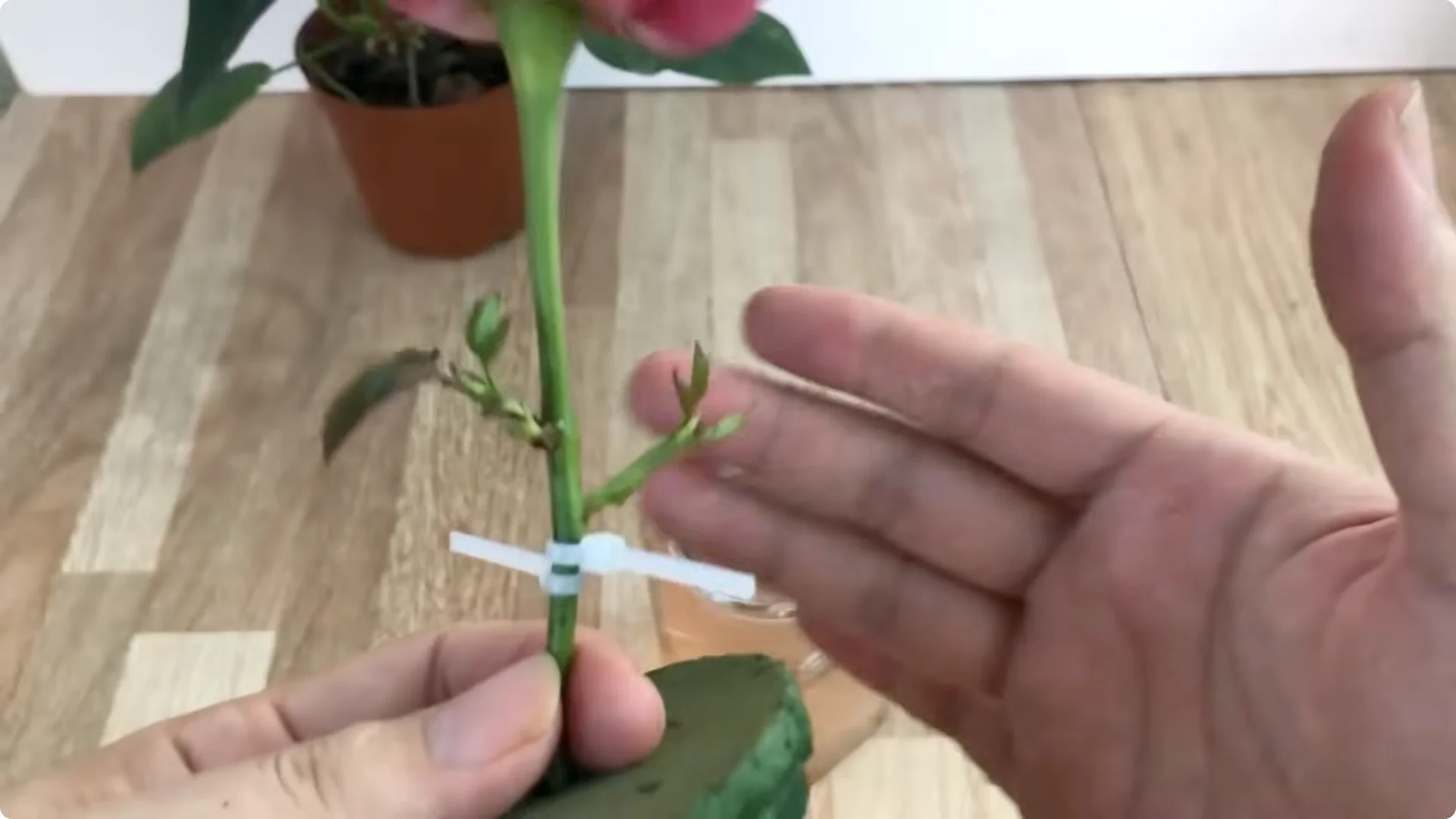
Prepare a clean glass jar and a piece of foam cut to fit the mouth of the jar. Make a small hole in the middle of the foam that matches the stem thickness. Pour the filtered solution into the jar almost to the top.
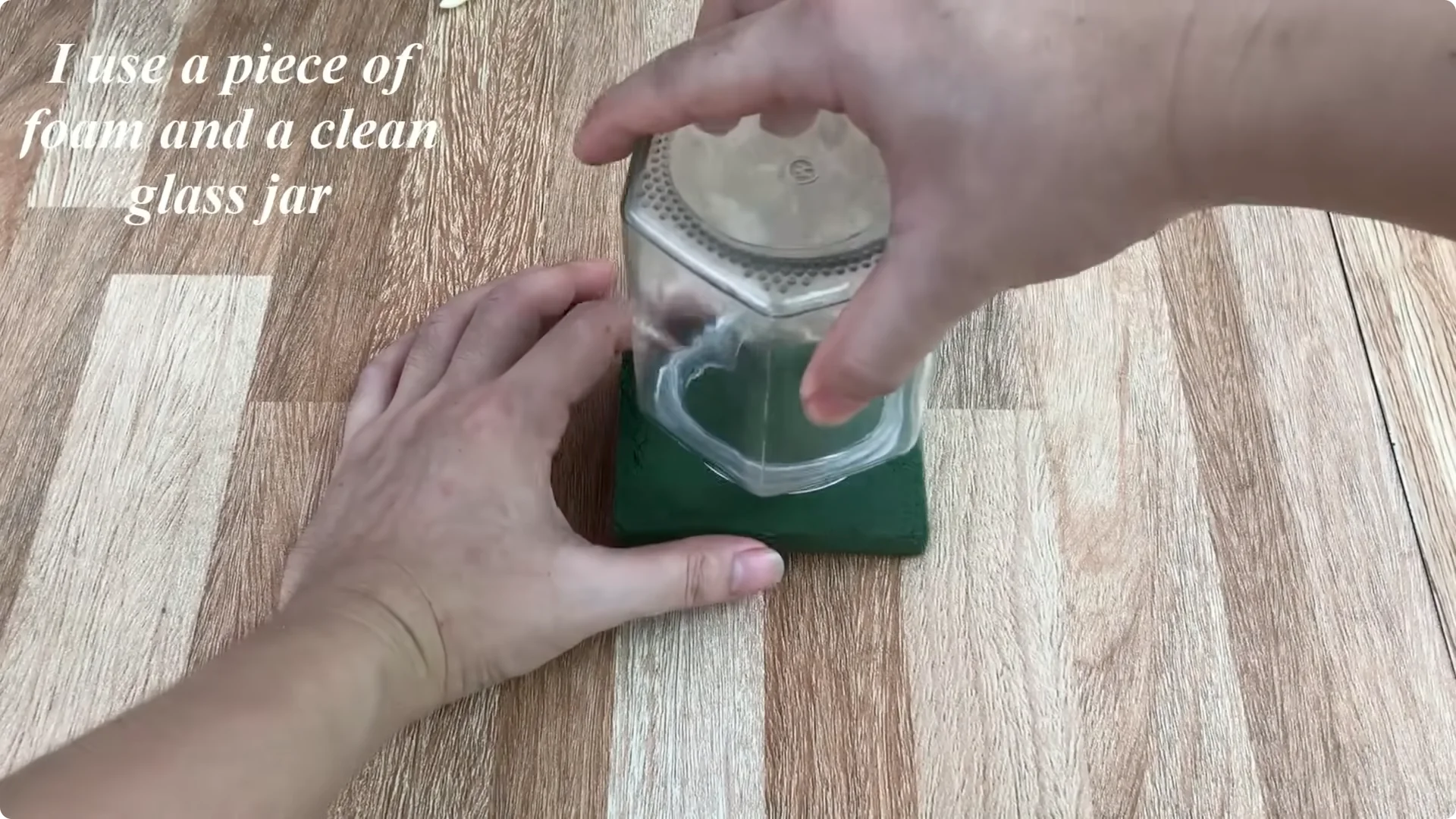
Remove the branch from the garlic clove. Use a cable tie or soft string to fix the branch on the foam surface. Insert the stem through the foam so the base is submerged in the solution about 3 to 4 cm.
Create humidity and place correctly
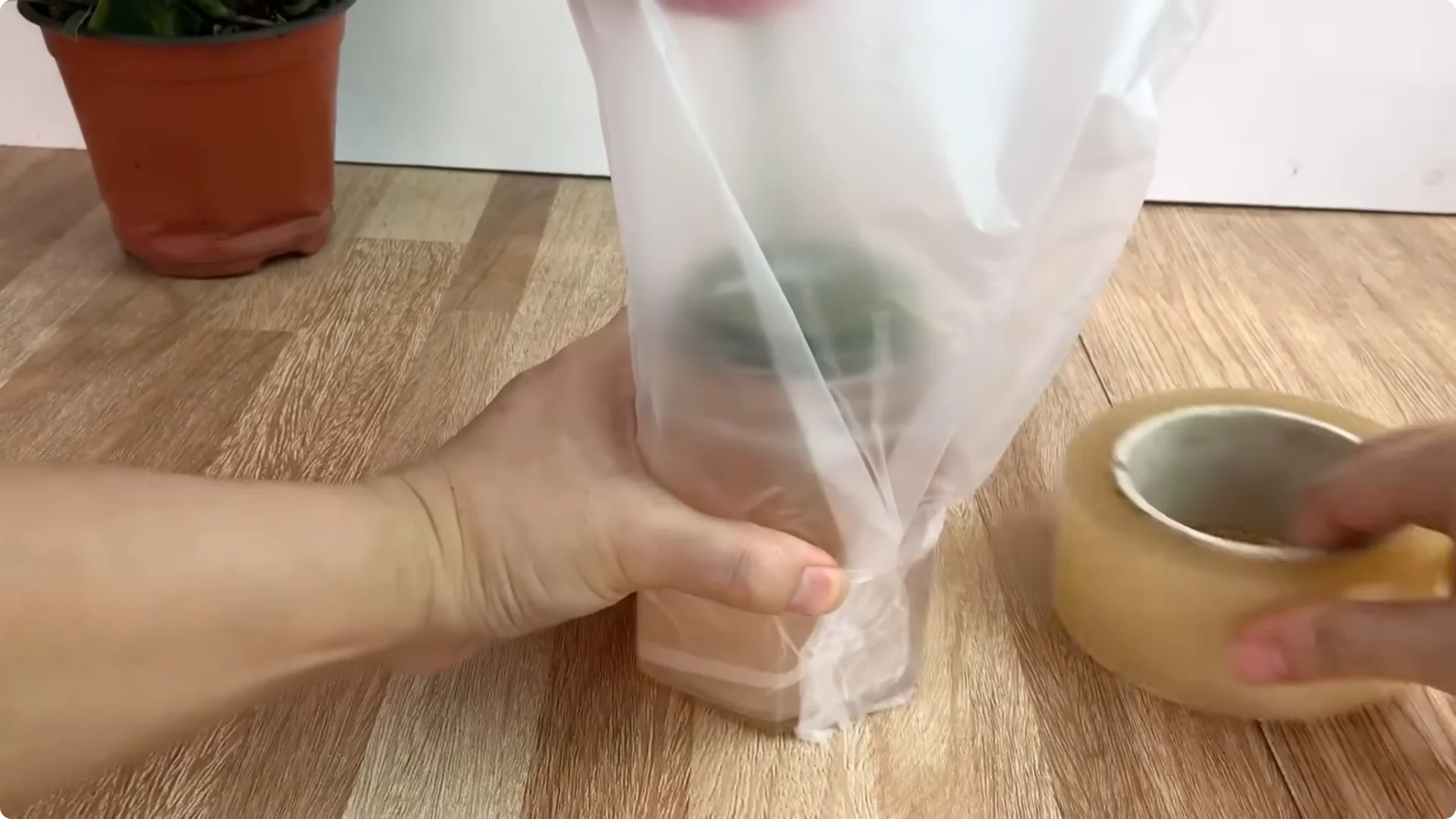
Cover the mouth of the jar tightly with a clear plastic bag or an upside down plastic cup to maintain high humidity. Place the jar in a cool place with soft light and avoid direct sun. High humidity and gentle light help the cutting adapt quickly.
Results and potting up
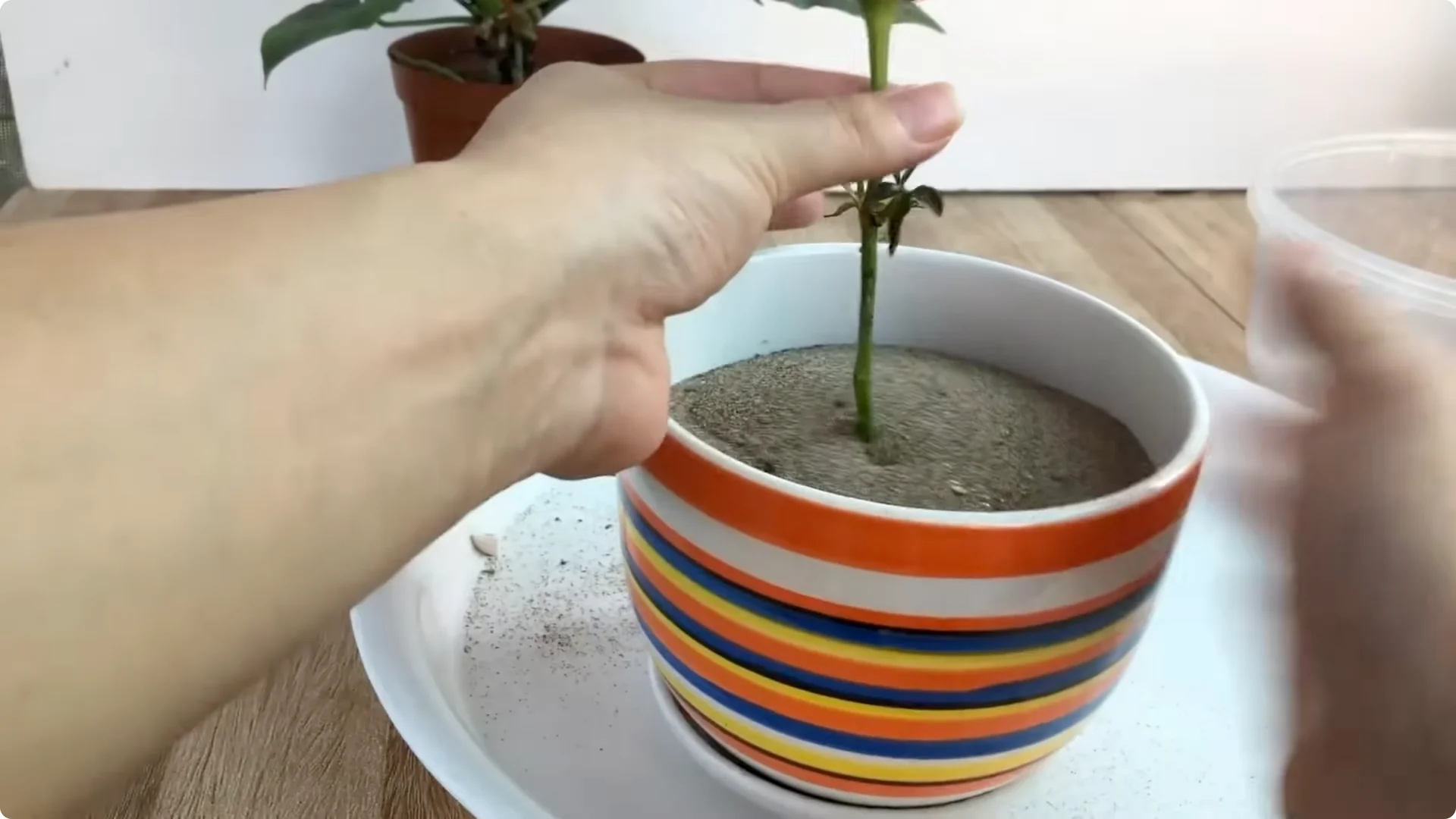
After about 5 days, healthy white roots begin to form. New green shoots appear, showing the cutting has adapted and is growing well. When the roots reach about 3 to 5 cm, plant the cutting in a pot with good drainage.
I often use clean river sand because it drains quickly and reduces the risk of waterlogging. It also creates ideal conditions for young roots to grow strongly. Water lightly and increase light gradually as the plant settles.
Why this works
The tomato and garlic solution relies on natural active ingredients that guard against infection and support rapid root initiation. It is simple to prepare at home and very effective for fresh cuttings. Clean tools and gentle handling make a clear difference.
Final Thoughts
With just fresh ginger, Coca Cola, and a few sheets of toilet paper, you can successfully propagate roses at home without chemicals or synthetic rooting stimulants. The tomato and garlic method is also simple, safe, and highly effective, helping branches root quickly and push strong new shoots. These approaches are suitable for beginners and for anyone who loves growing roses.
For more easy techniques you can apply right away, see another simple method for propagating roses.