

I will guide you through a simple method to propagate rose branches that stimulates quick rooting and strong buds in just 7 days. This approach uses familiar ingredients and creates a clean, naturally nutritious environment for cuttings. It is safe and economical, yet highly effective for home gardeners.
Roses symbolize charming and delicate beauty. Each rose has its own character, both proud and close. Passionate red, pure white, or brilliant yellow, roses calm the heart in the midst of busy life.
1. Garlic and Rice Rose Propagation
Select and prepare the cutting
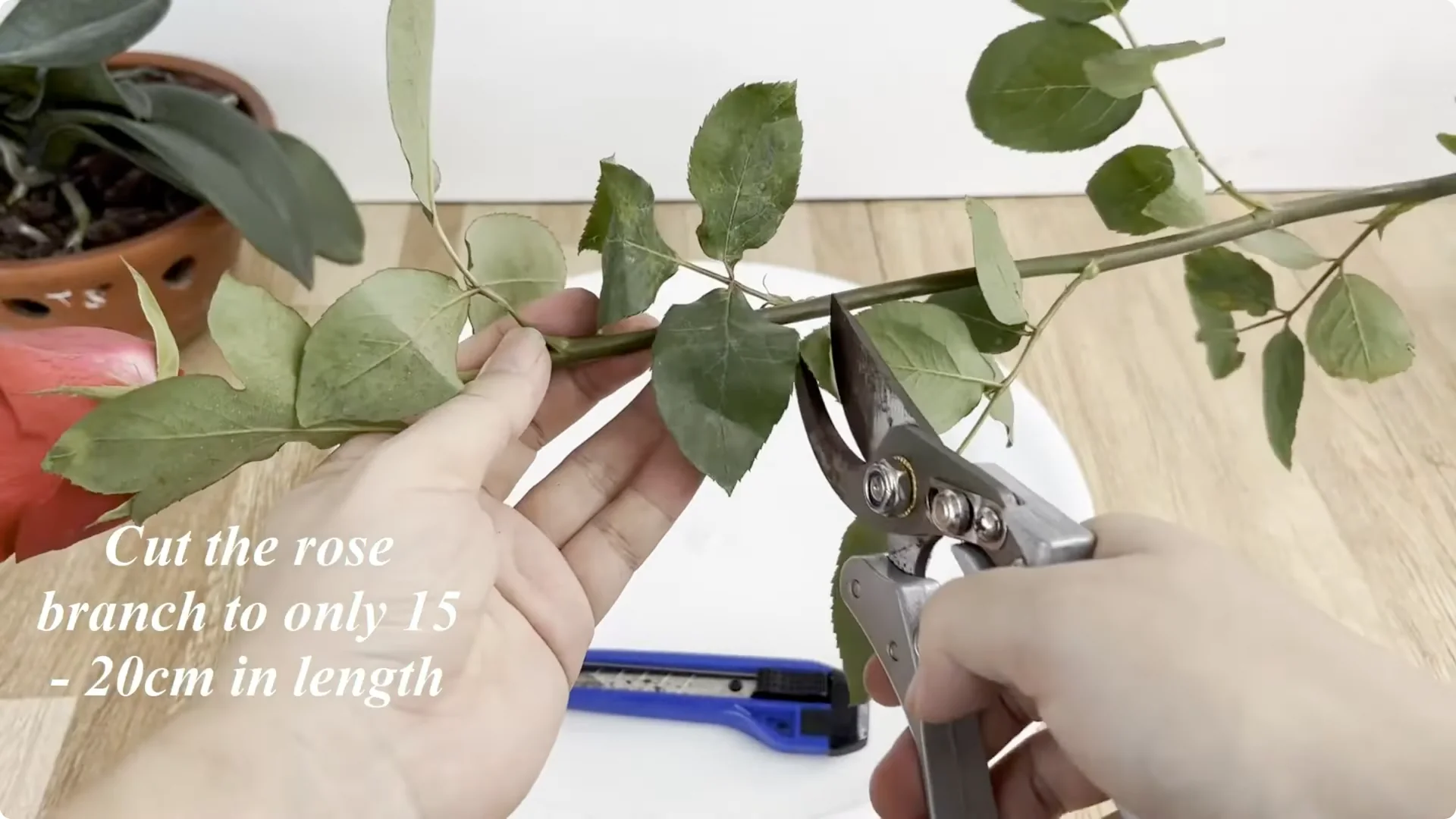
Choose a healthy rose branch that is free of pests and diseases. Keep it 15 to 20 cm long and remove all leaves to limit dehydration during rooting. Set the cutting aside.
Prepare the garlic treatment
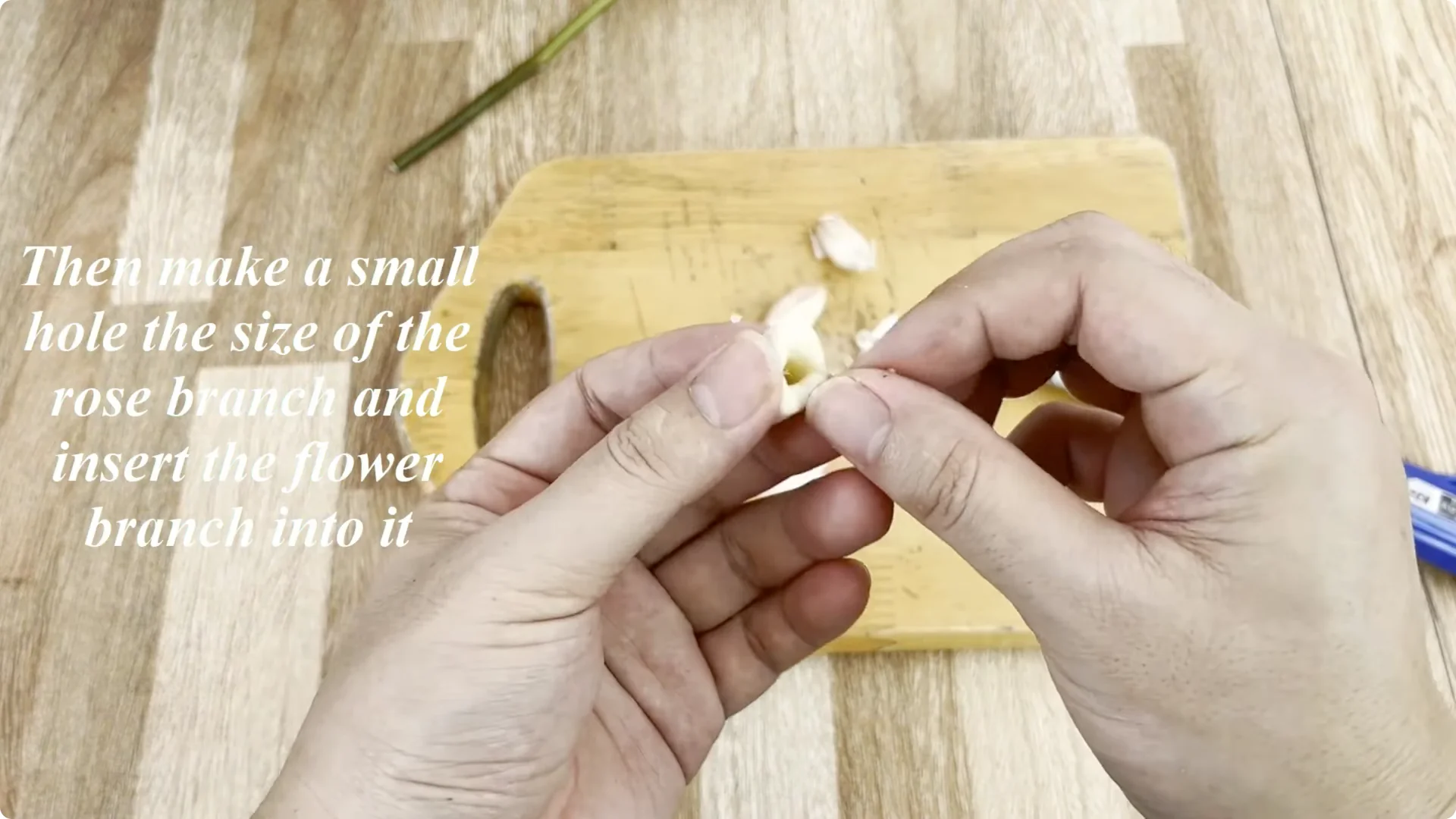
Use 3 cloves of fresh garlic. Take 1 clove, cut it in half, then make a small hole in the center of the half so it fits the base of the rose cutting. Insert the cutting so the garlic touches the base directly.
Rub another clove of garlic over the entire stem of the cutting. Let the branch dry naturally for about 60 minutes. Keep the surface clean.
Make the garlic rice solution
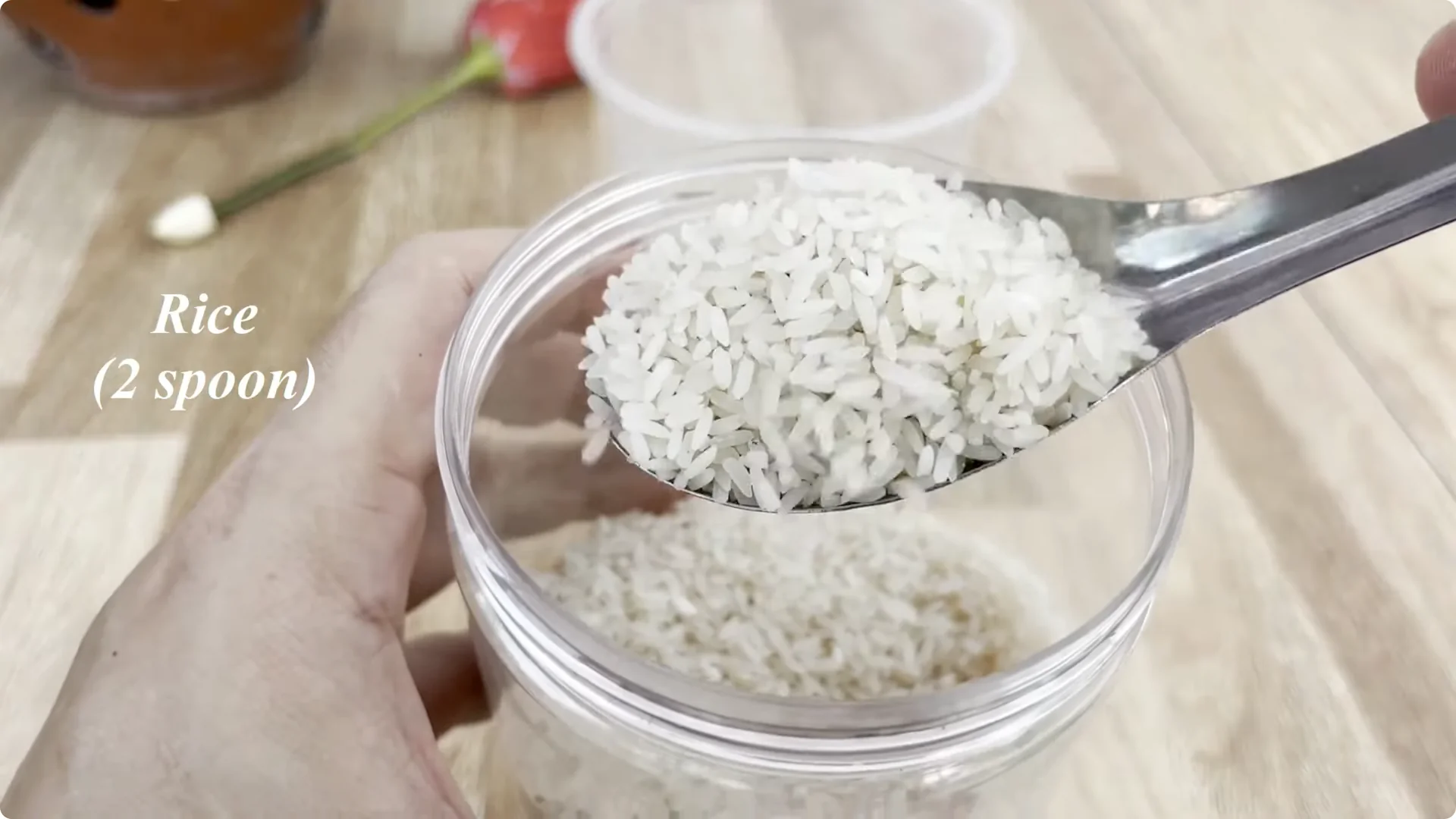
Chop the remaining 2 cloves of garlic and put them in a clean plastic cup. Add 2 tablespoons of white rice. Pour in 1 liter of warm water at about 35 to 40 C, stir well, and let it stand for 1 hour.
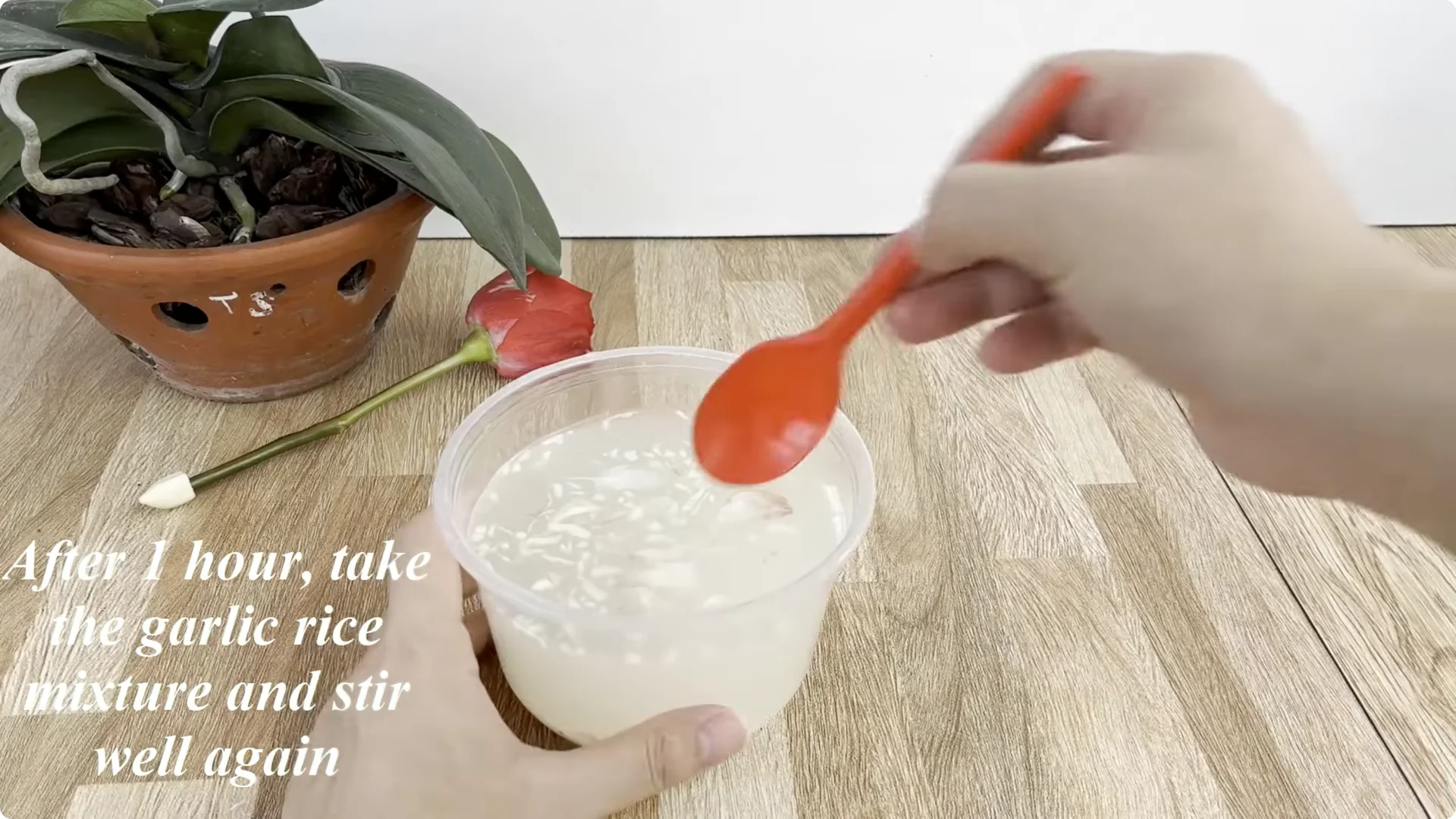
Stir again, then filter out the residue to keep a clear solution. Garlic contains allicin with antibacterial, antifungal, and fast tissue healing properties. It protects the cut from rot and stimulates new roots.
Rice provides vitamin B, plant fat, and starch that release into the water during soaking. These nutrients nourish root tissue and support root growth. Combined with garlic, the solution is both clean and rich in natural nutrition.
For another surprising way to root roses, see this method that also encourages quick rooting.
Potting and first watering
Prepare a clean plastic cup and treated coconut fiber free of pathogens. Fill with coconut fiber, press lightly, then make a small hole in the center. Remove the cutting from the garlic half and place it into the hole.
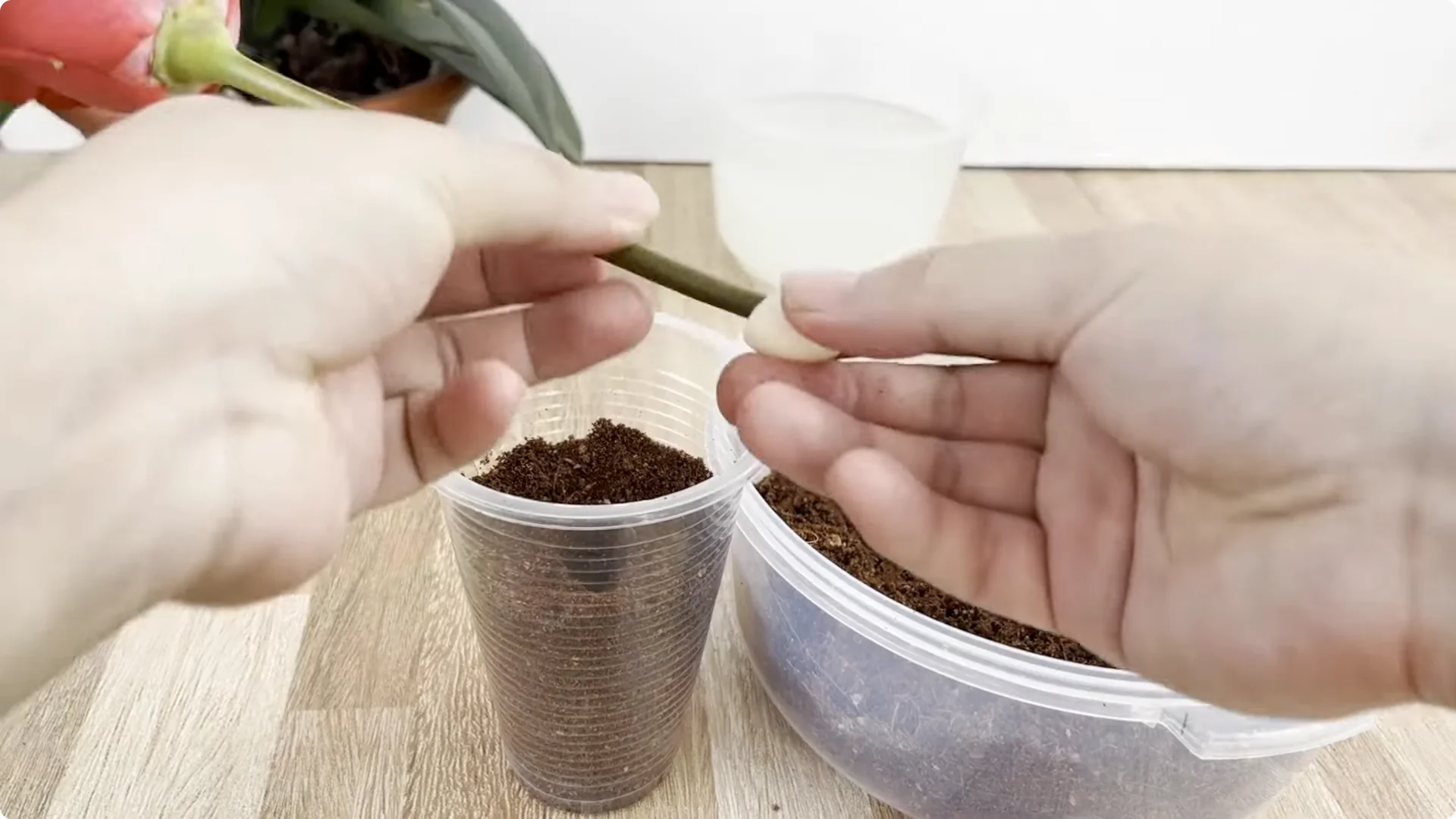
Add a little coconut fiber around the base and press firmly to secure the cutting. Pour the garlic rice solution just enough to moisten the fiber. Do not overwater to avoid waterlogging.
Create humidity and place correctly
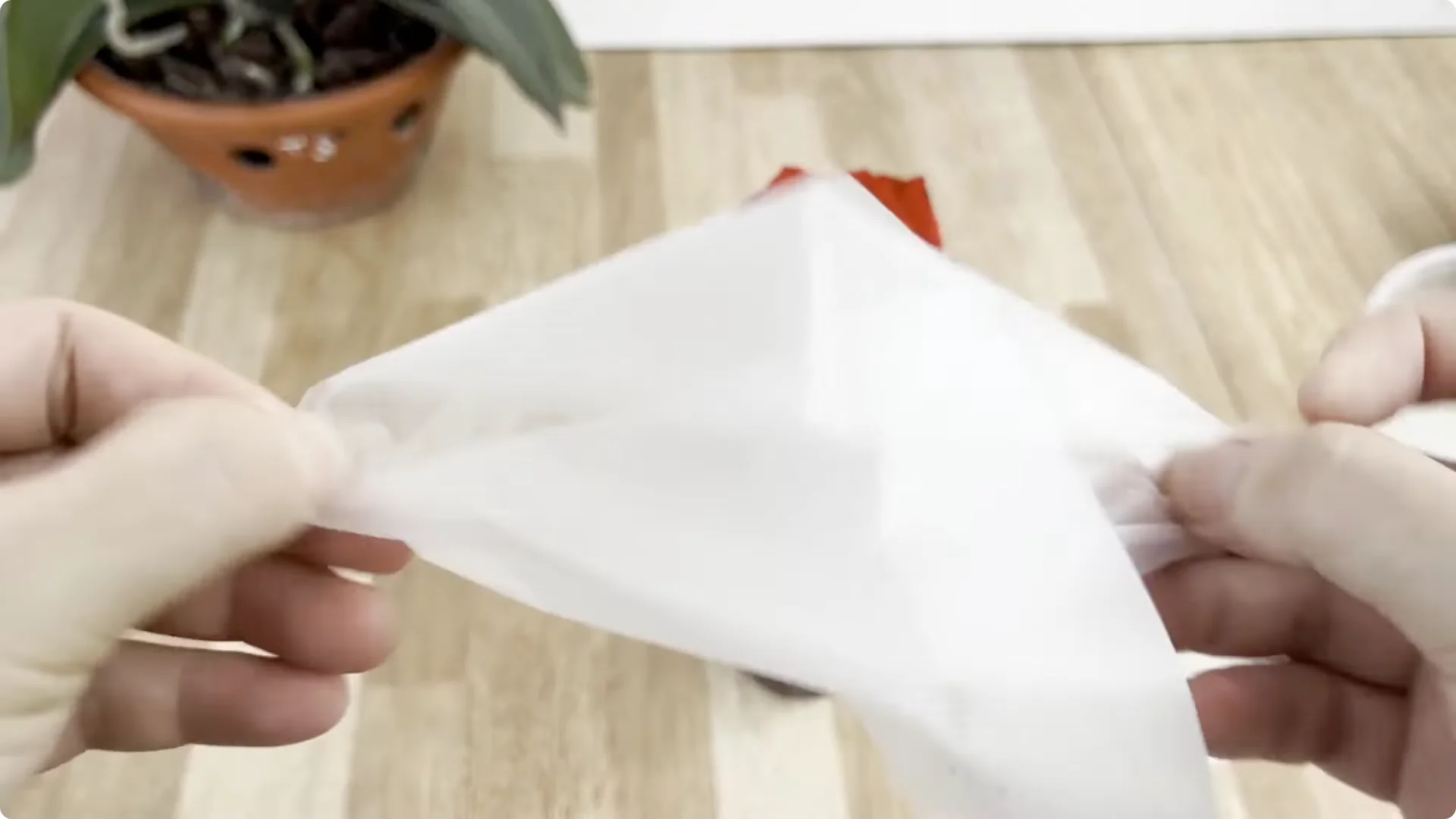
Cover the mouth of the cup with a plastic bag or a transparent plastic cup to create a greenhouse effect. Place the cup in a cool spot with gentle light. Avoid direct sun and strong wind.
Results and transplanting
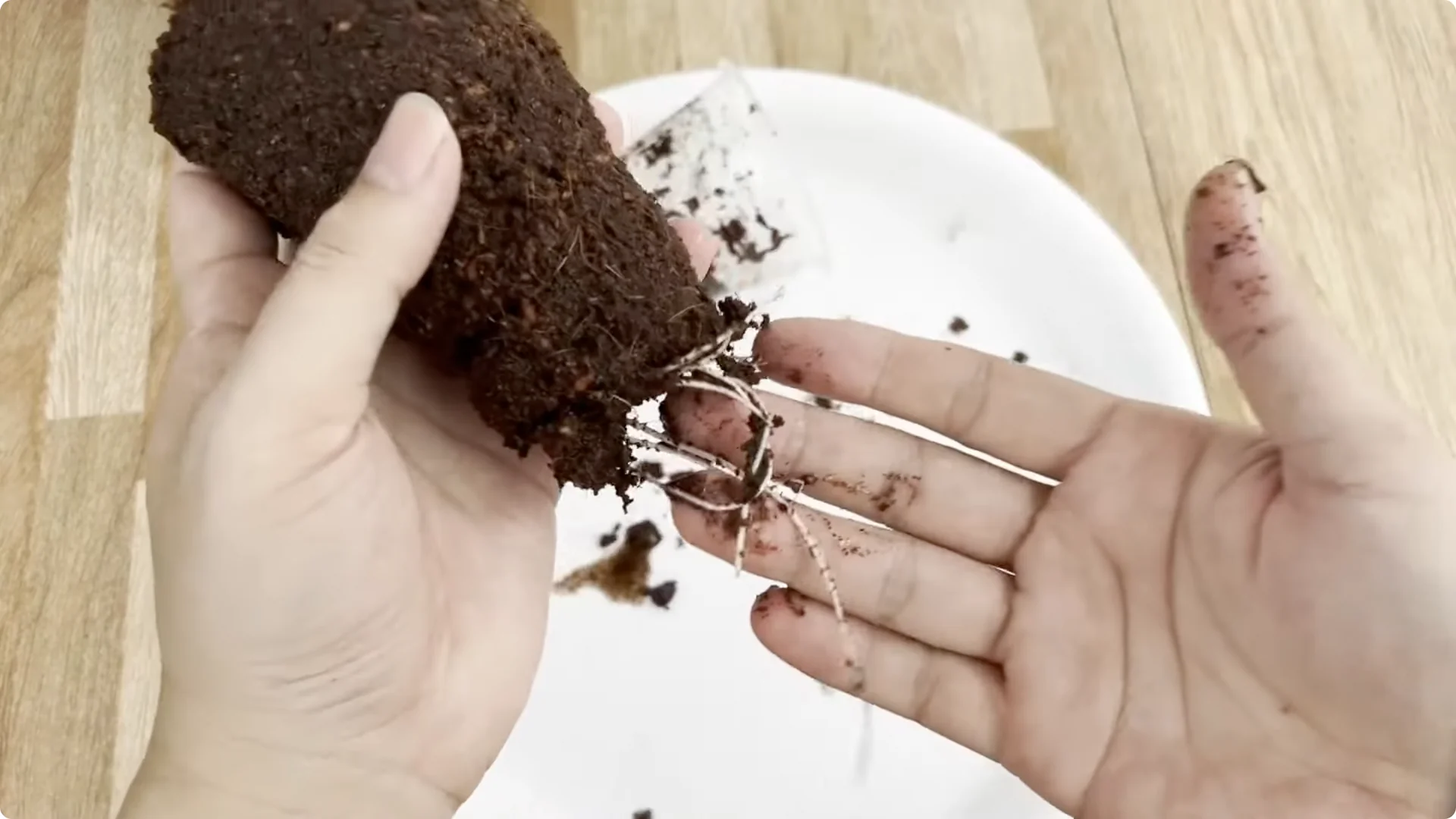
After about 7 days, fresh green shoots appear on the branch. New roots are white, strong, and develop evenly around the base. When the roots are well developed, move the cutting to a separate pot.
Use river sand, or loose soil mixed with rice husk ash and coconut fiber for good drainage. This helps the roots continue to grow strongly. Keep moisture moderate as the plant adjusts.
2. Lemon and Cucumber Rose Propagation
Select and prepare the cutting
Choose a healthy, pest free rose branch of moderate maturity. Keep it 15 to 20 cm long and cut the base at about a 45 degree angle to increase the contact area with nutrients. Remove all leaves and sharp thorns to limit water loss during incubation.
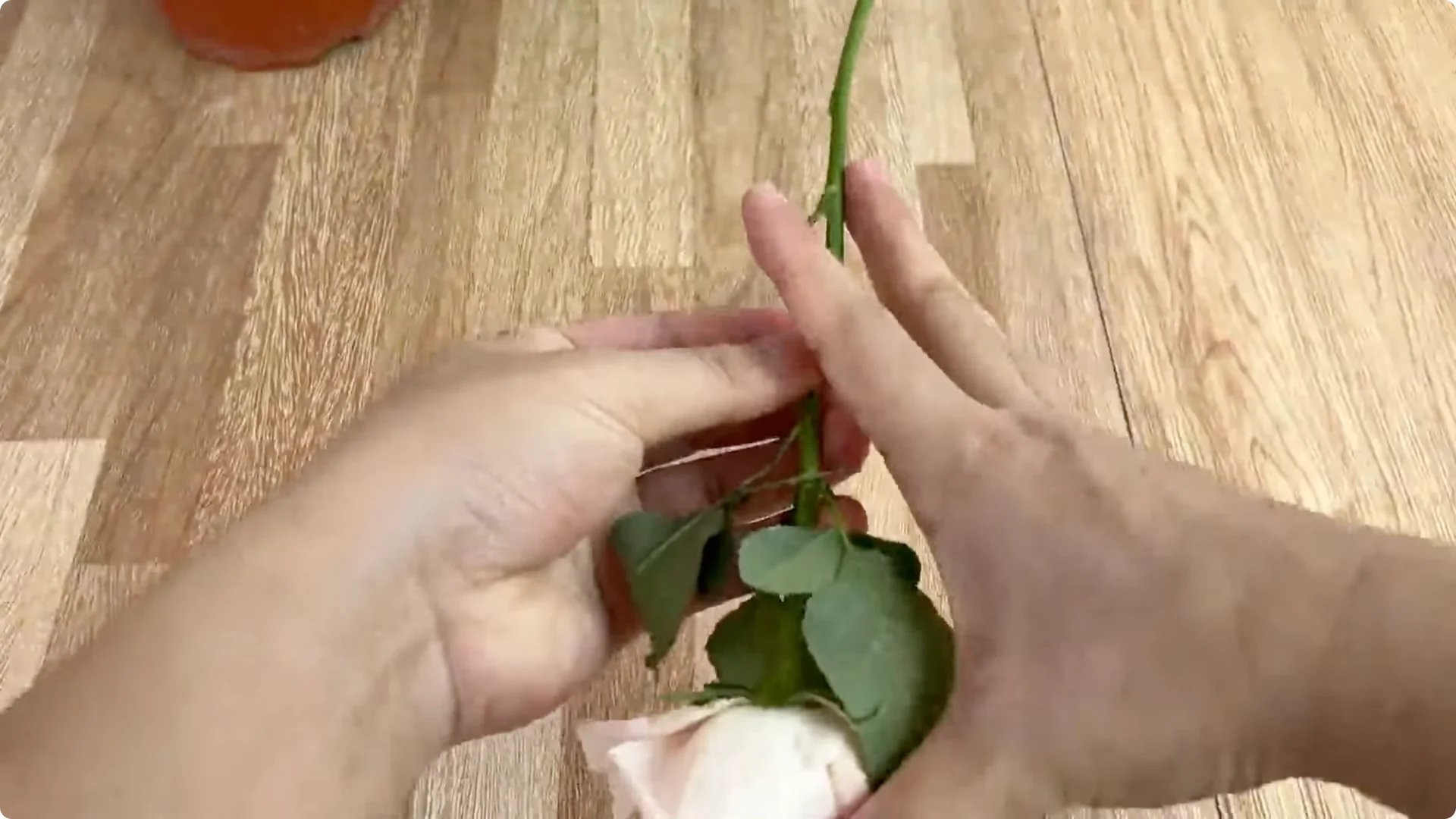
Make the lemon solution
Grate or peel the outer skin of a fresh lemon, then chop the peel and place it in a clean plastic cup. Limonene in the peel has antibacterial and antioxidant properties that protect the cut and help trigger natural defenses. Vitamin C increases resistance, supports healing, and helps new tissue develop.
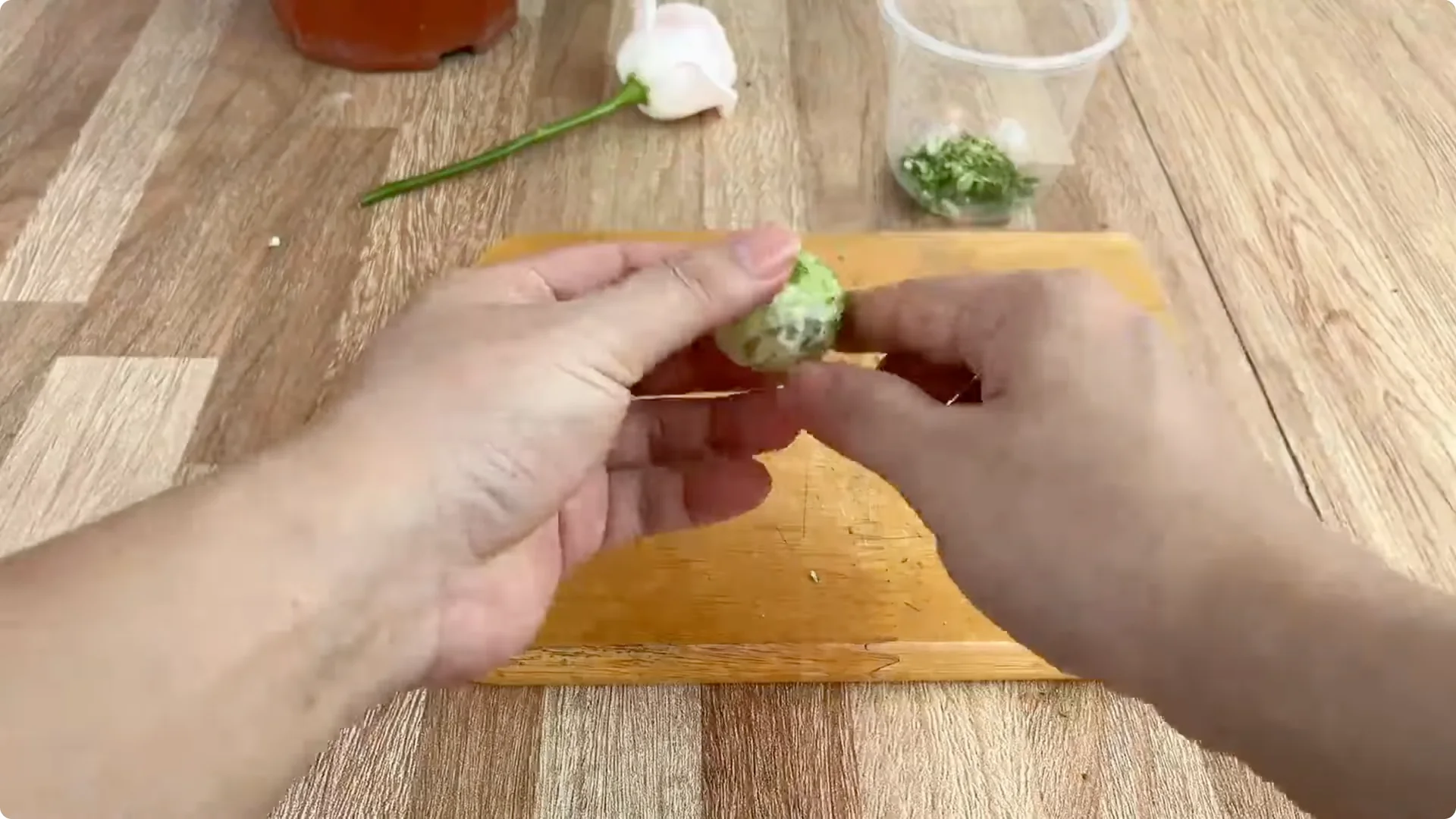
Cut the lemon in half and squeeze the juice into the cup with the peel. Add 0.5 liters of clean water, stir, and soak the cutting for about 30 minutes. This mild acid cleans root tissue and stimulates scar tissue formation, a key step for new roots.
Prepare the cucumber support and solution
Cut about 30 grams of fresh cucumber, then slice a 2 to 3 cm piece. Make a hole the size of the cutting base in the center of that piece to hold the branch later. Cut the remaining cucumber into small pieces and put it in a blender.
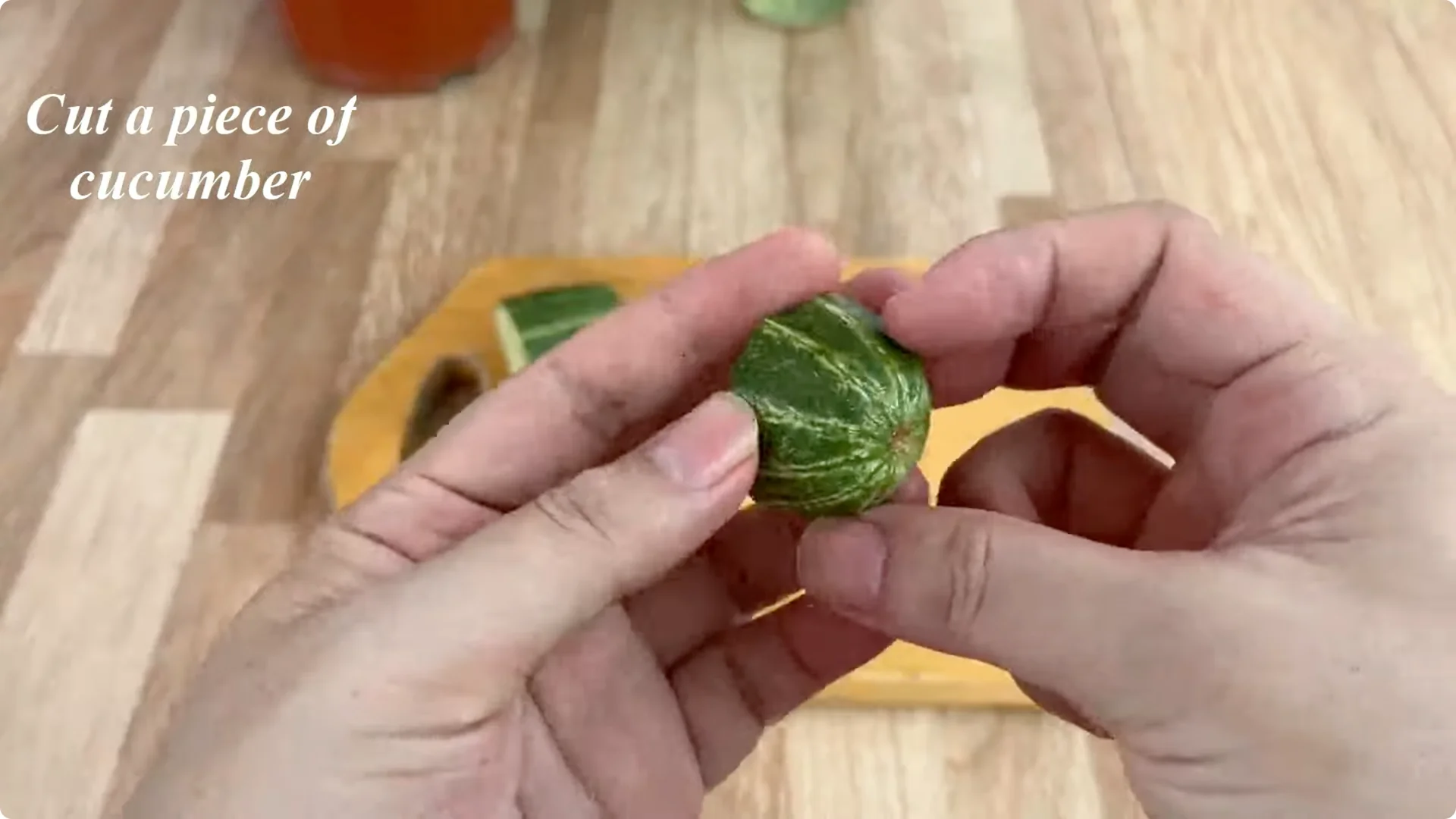
Add 0.5 liters of clean water and blend until smooth. Filter out the pulp and keep the liquid. Cucumber provides natural enzymes, potassium, vitamin C, and silica, which increase resistance and stimulate root growth.
Cucumber water is cool and holds moisture well, helping tissue stay hydrated during cutting. This limits wilting and supports steady growth. Keep both solutions ready for use.
Combine, plant, and water
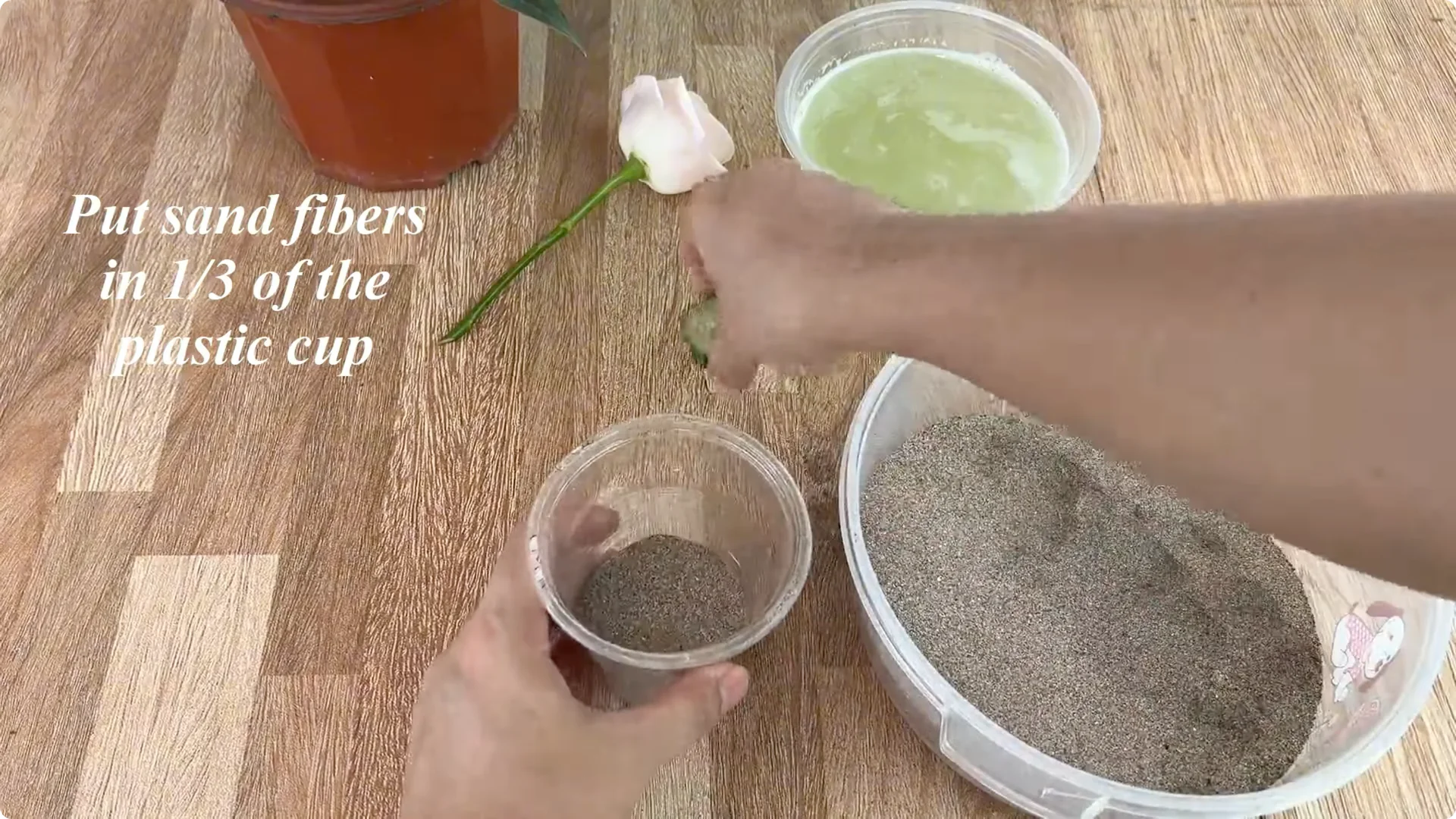
Remove the cutting from the lemon soak and let it drain gently. Filter the lemon solution to remove the peel, then mix the lemon solution with the cucumber solution. Prepare a clean plastic cup with treated river sand that is washed and drained.
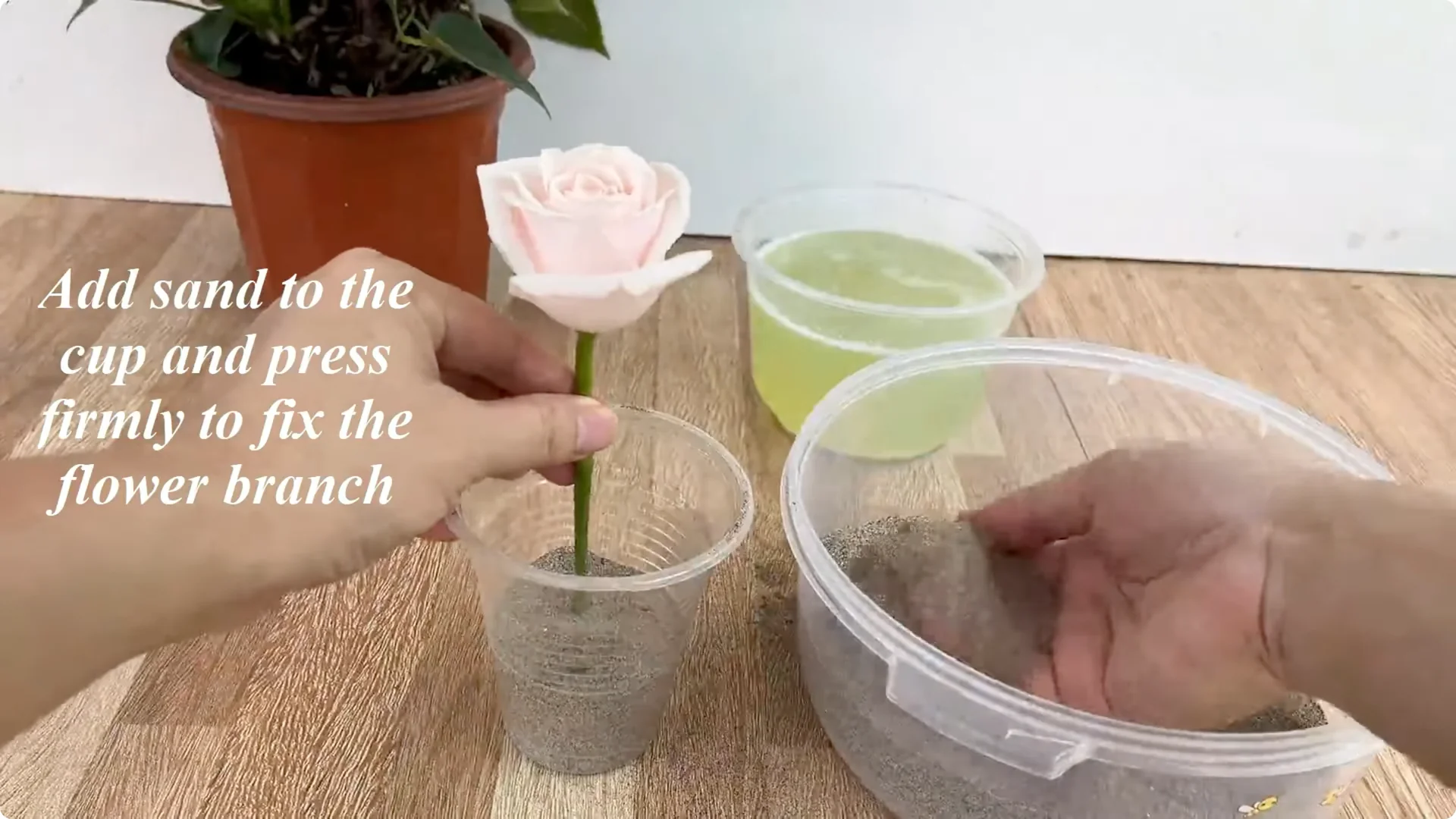
Fill the cup with sand to about one third. Place the cucumber piece with the hole in the center. Insert the rose cutting into the cucumber hole, then add sand to the edge and press to secure the branch.
Pour enough of the lemon cucumber solution to moisten the sand, not too much. Cover the cup with a plastic bag or transparent cup. Place it in a cool location away from strong wind and direct sunlight.
Explore more quick rooting tricks in this guide to alternative rose propagation steps. These ideas complement the lemon and cucumber approach well. They help refine your routine.
What to expect and when to transplant
After one week, new shoots begin to sprout, plump and green. White healthy roots grow around the base, firmly anchored in the sand. The lemon cucumber mixture helps fight bacteria, clean tissue, and limit rot.
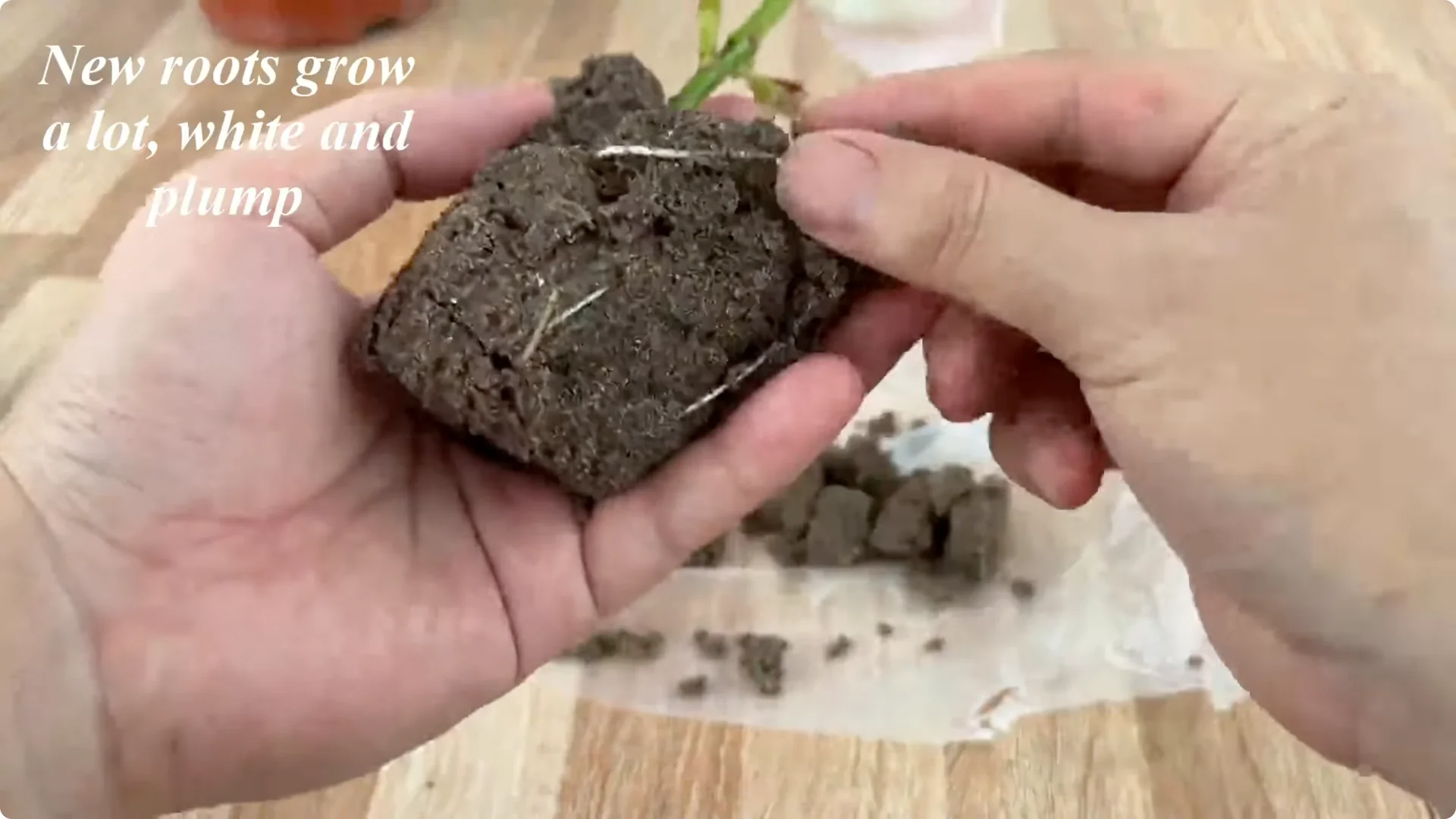
It provides vitamins, minerals, and natural enzymes that help root tissue form quickly. It holds moisture and stimulates new cell growth. Once roots are stable, transfer the plant to a pot.
Use a loose substrate such as coconut fiber, or soil mixed with rice husks. This helps roots settle in and continue to grow strongly. Keep the plant in bright indirect light as it adapts.
Final thoughts
With easy to find ingredients like garlic, rice, coconut fiber, lemon, and cucumber, you can propagate rose cuttings at home without synthetic rooting stimulants or chemical fertilizers. These methods are natural, safe, and budget friendly, yet they deliver strong roots and fresh buds in a short time. Practice steady moisture, gentle light, and clean materials for the best results.
For a simple companion approach, see a straightforward method for propagating roses. Keep experimenting and selecting the technique that suits your conditions. Soon you will enjoy healthy new rose plants from your own cuttings.