
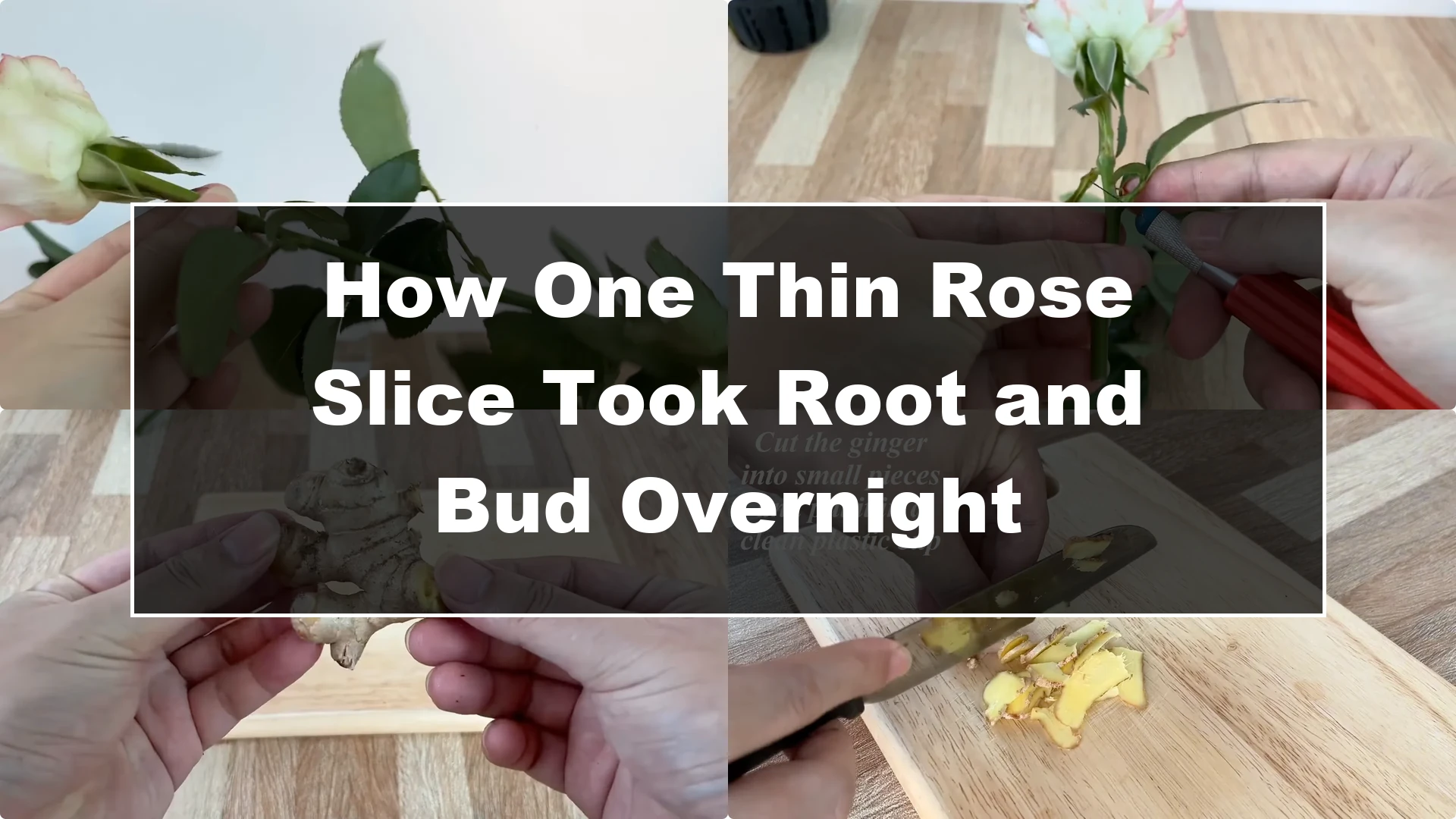
I will guide you through a very special method combining fresh ginger, orange peel and potatoes to create a nutrient solution to help rose branches easily take root. This approach keeps the process clean, supports early root formation, and encourages strong new shoots.
If you enjoy simple kitchen based tricks with roses, you might like this one spoonful method for rooting and blooming branches: one spoonful method for rooting and blooming.
1 Choose the branch
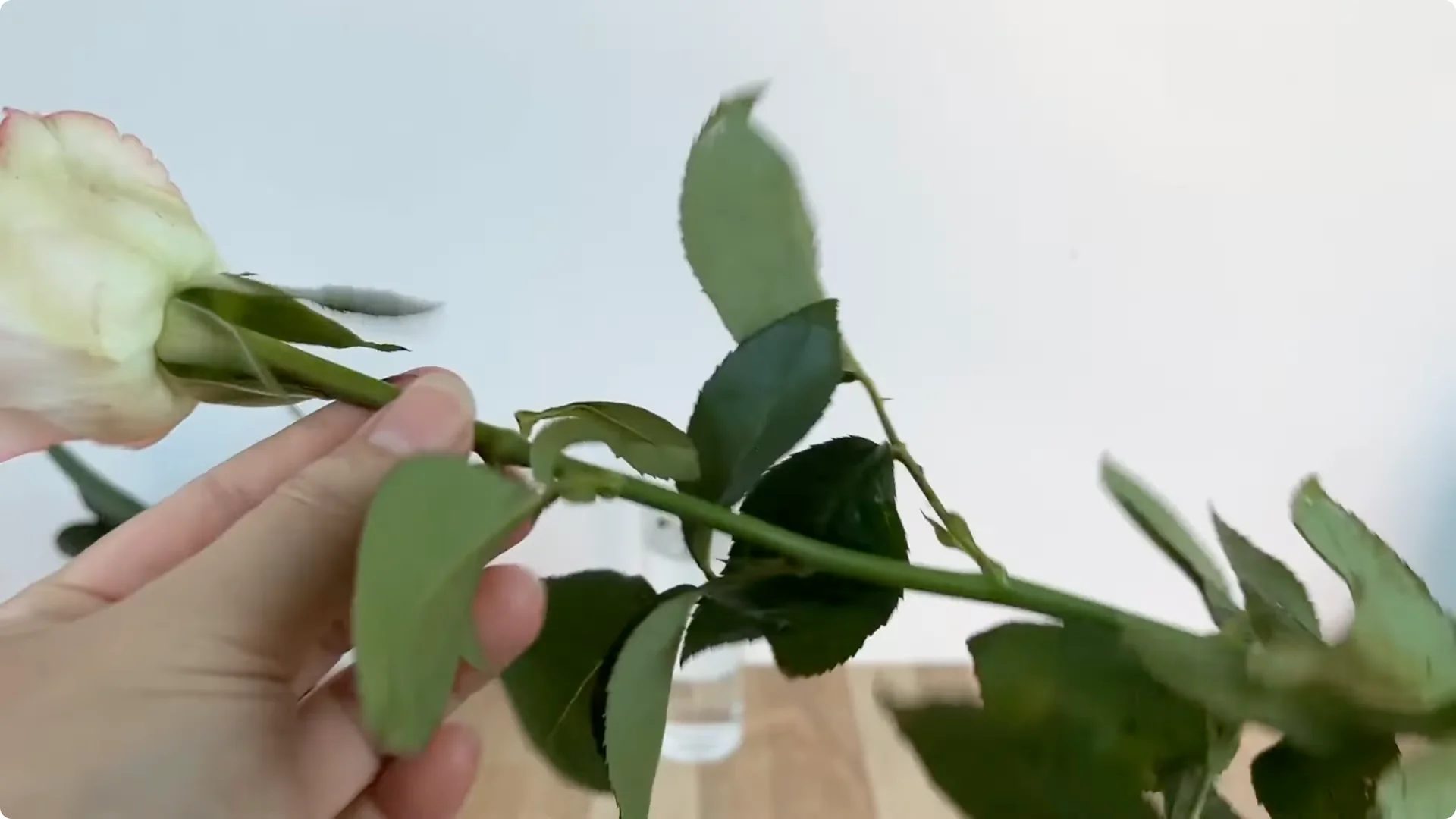
Prepare a very healthy rose branch and choose a type with moderate age. If the branch is too young, it is easy to get waterlogged and rot at the base. If it is too old, the ability to sprout will be poor.
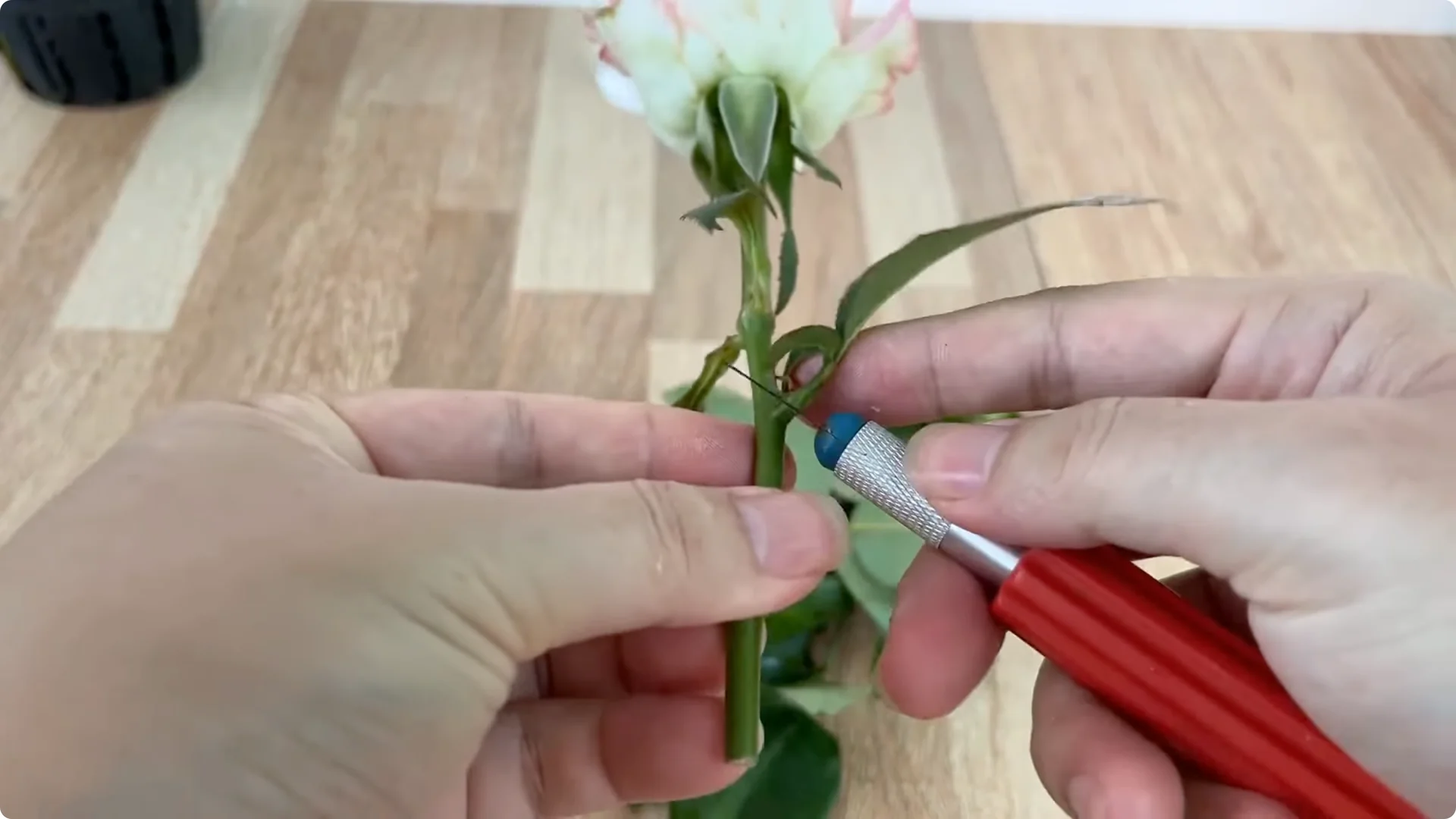
Use sharp scissors to shorten the branch, keeping only about 15 to 20 cm long. To limit water loss, remove all the leaves and sharp thorns. Keep only the smooth stem so that the branch will focus all its energy on developing roots.
2 Ginger base for Rose Rooting Nutrient Solution
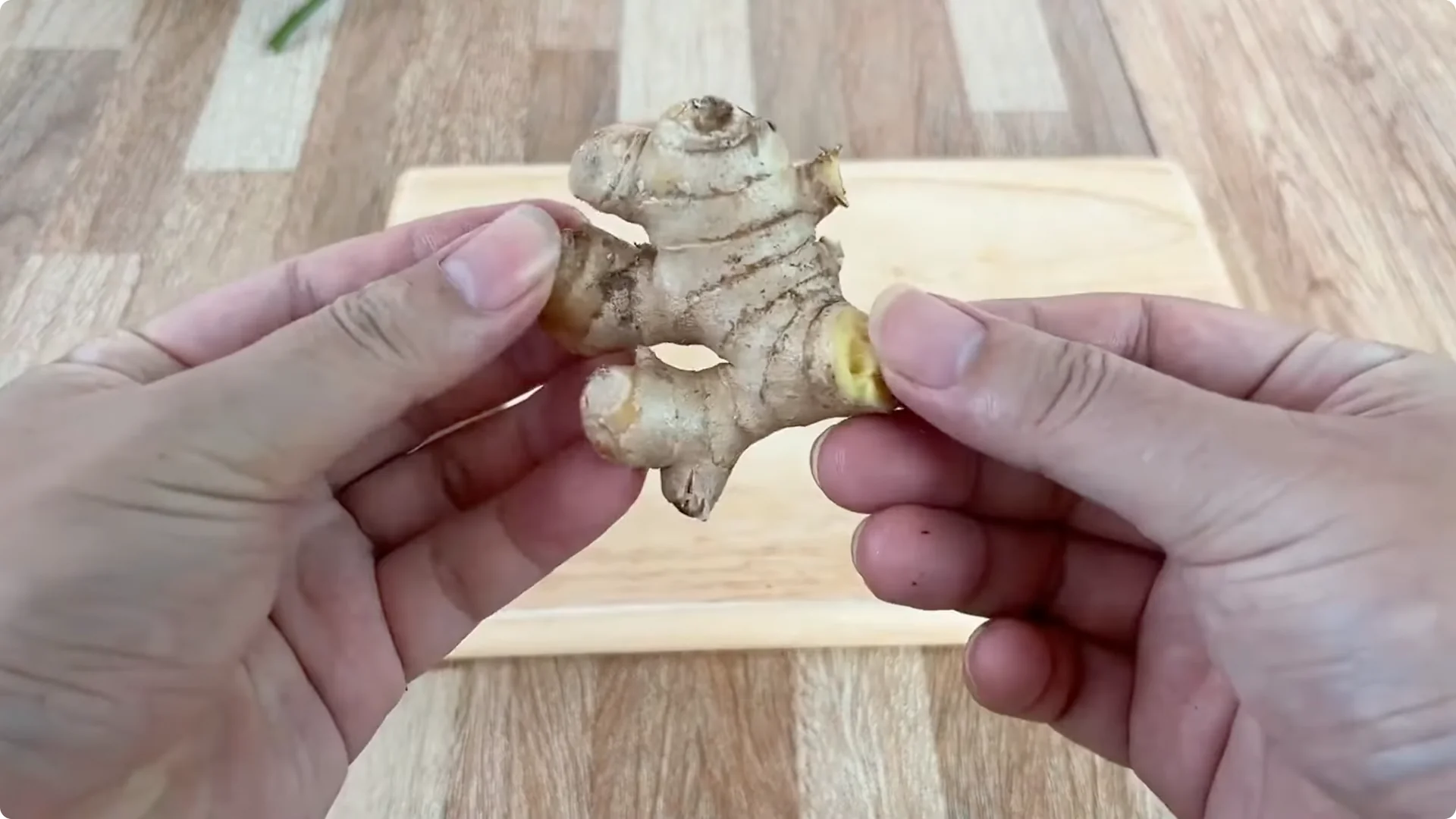
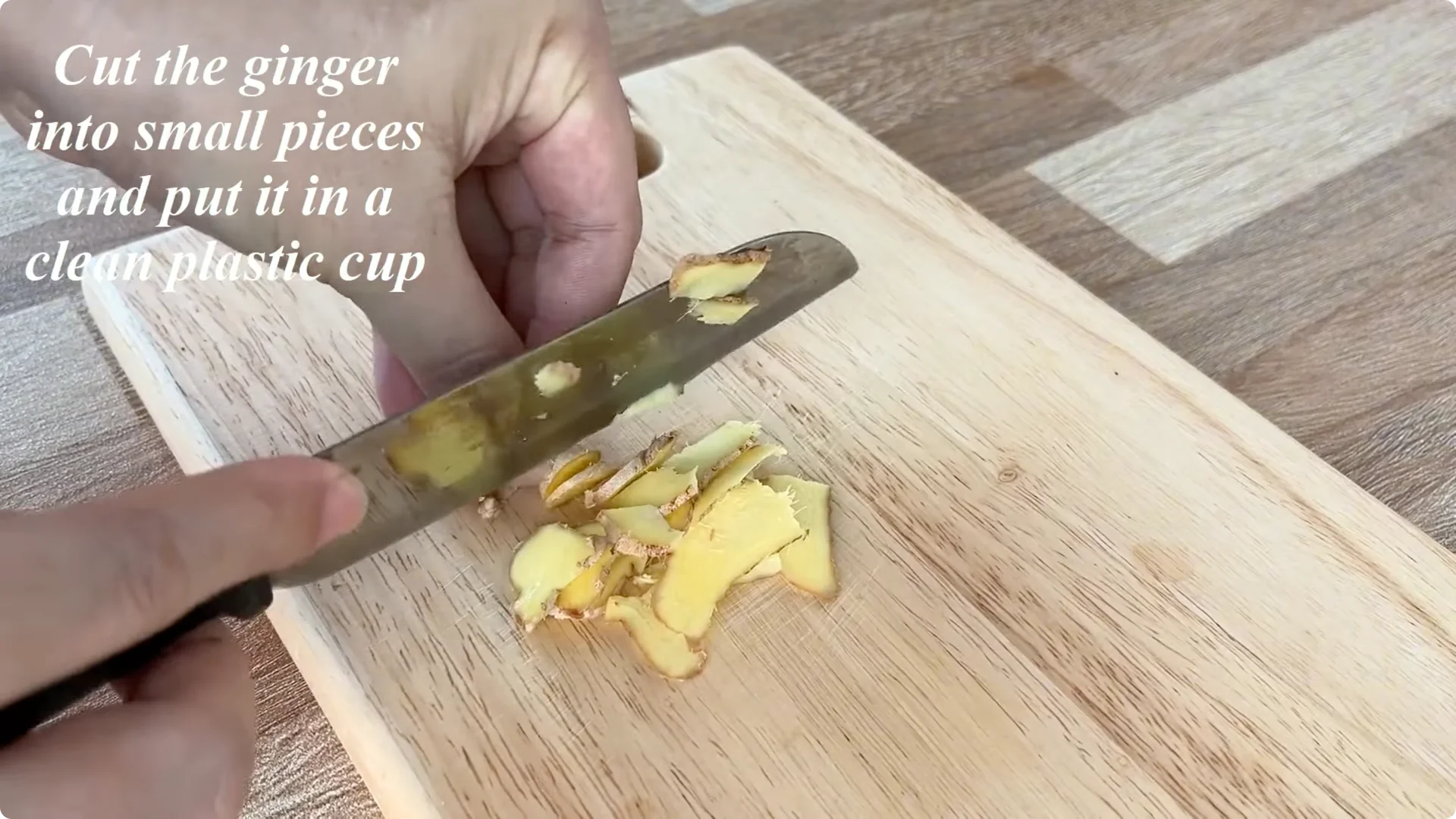
You need 10 grams of fresh ginger. Wash and chop it, then put it in a clean plastic cup. Ginger contains natural antioxidants and antibacterial compounds which help disinfect cuts on rose branches, limit fungi, and stimulate the formation of new roots.
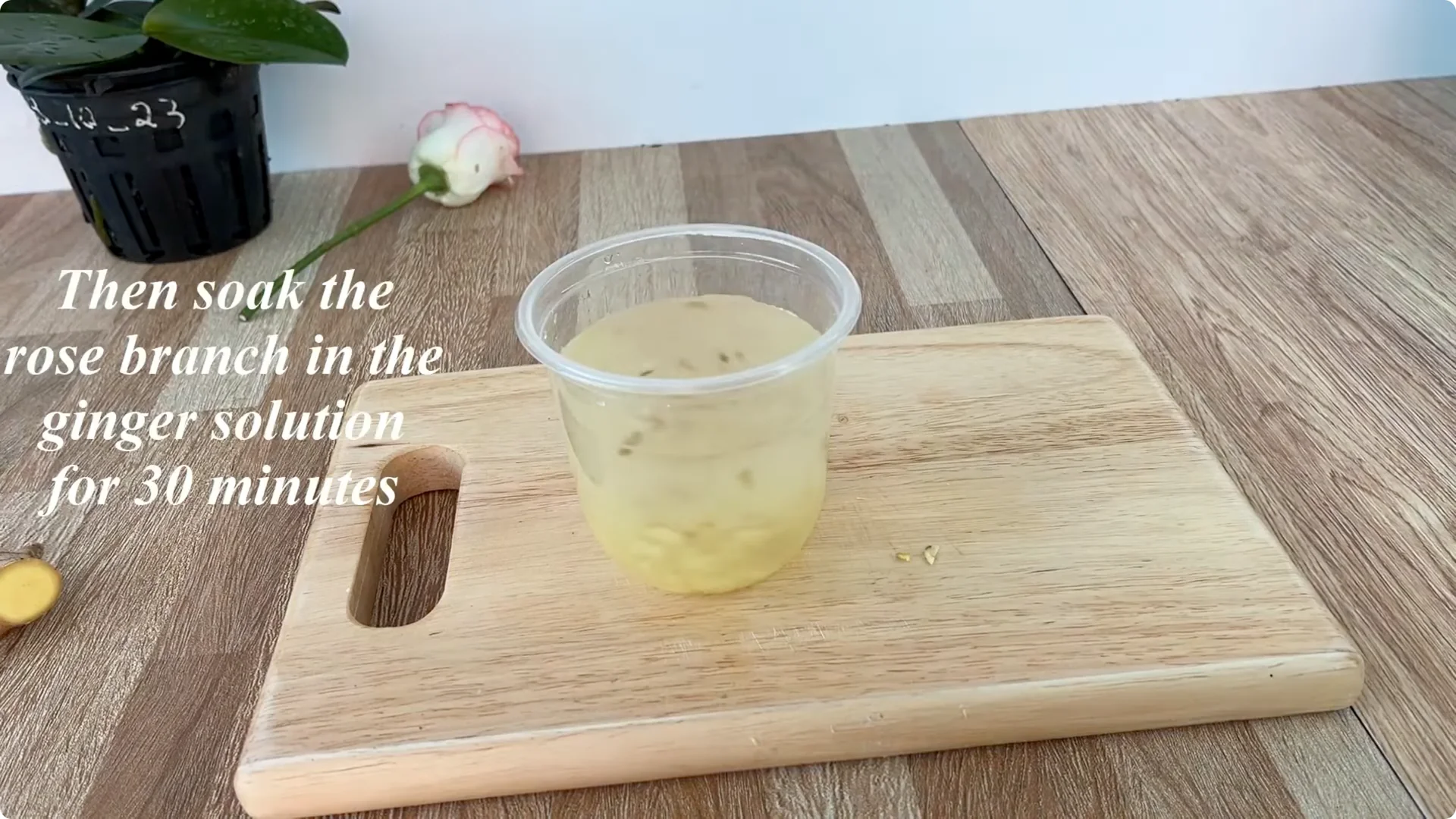
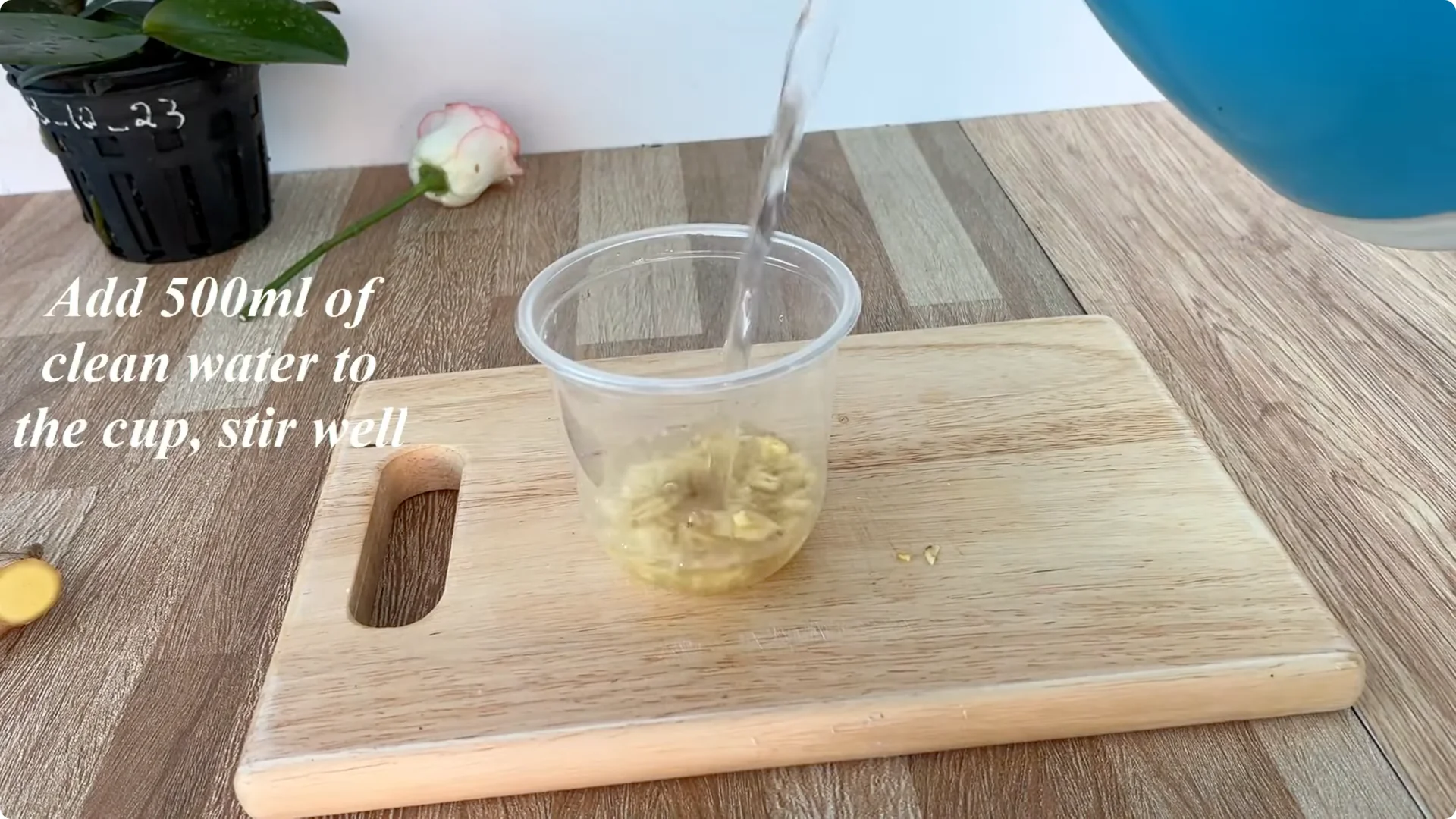
Add 500 ml of water and stir well. Soak the rose branches in the ginger solution for about 30 minutes. Consider it a sterilization and root priming step before moving on.
3 Orange peel and potato booster
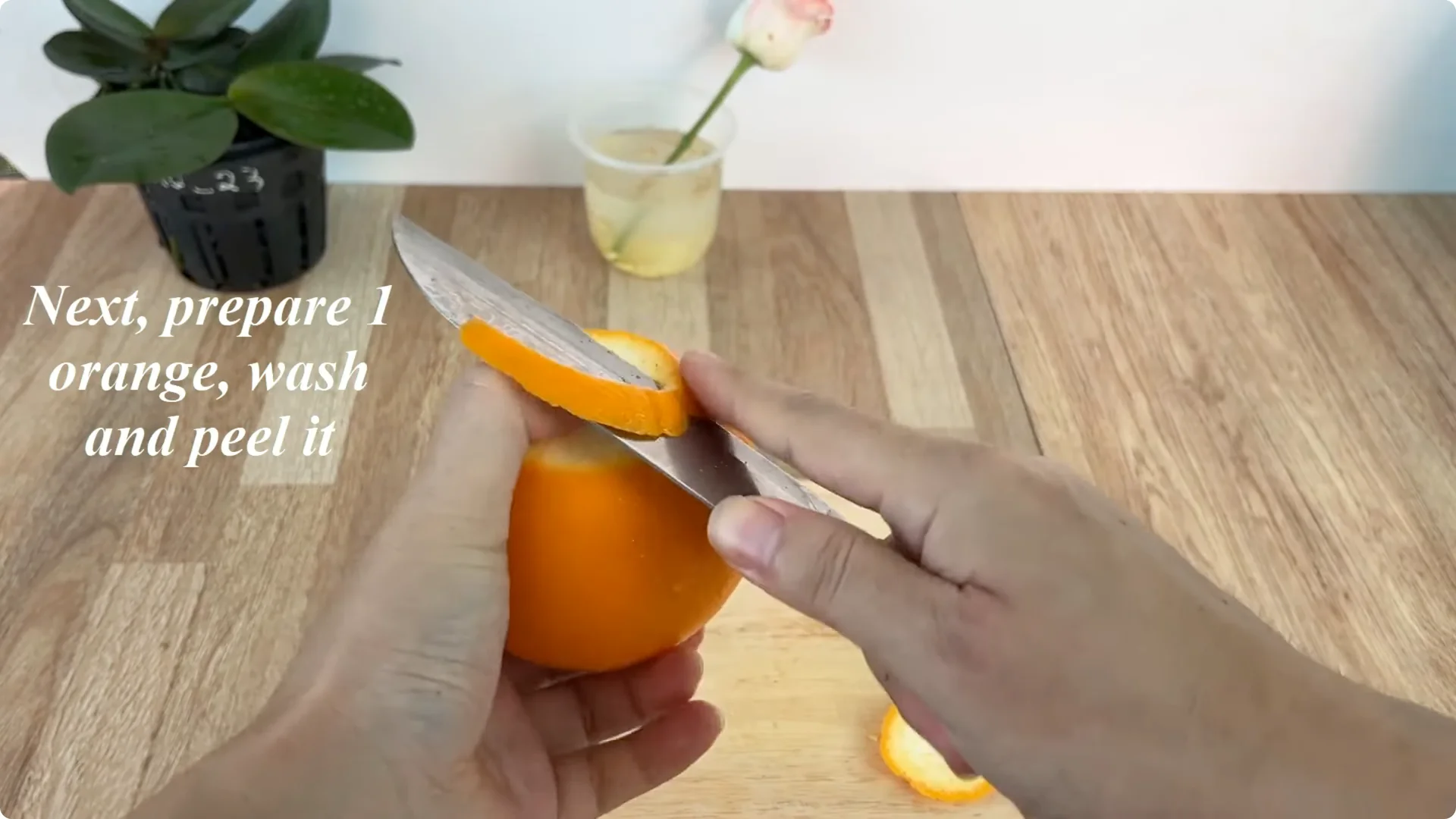
You need a fresh orange. Wash it, peel it, and cut the peel into small pieces. Orange peel contains a lot of organic acids and vitamin C which both have antibacterial effects and help stimulate rose branches to secrete natural rooting hormones.
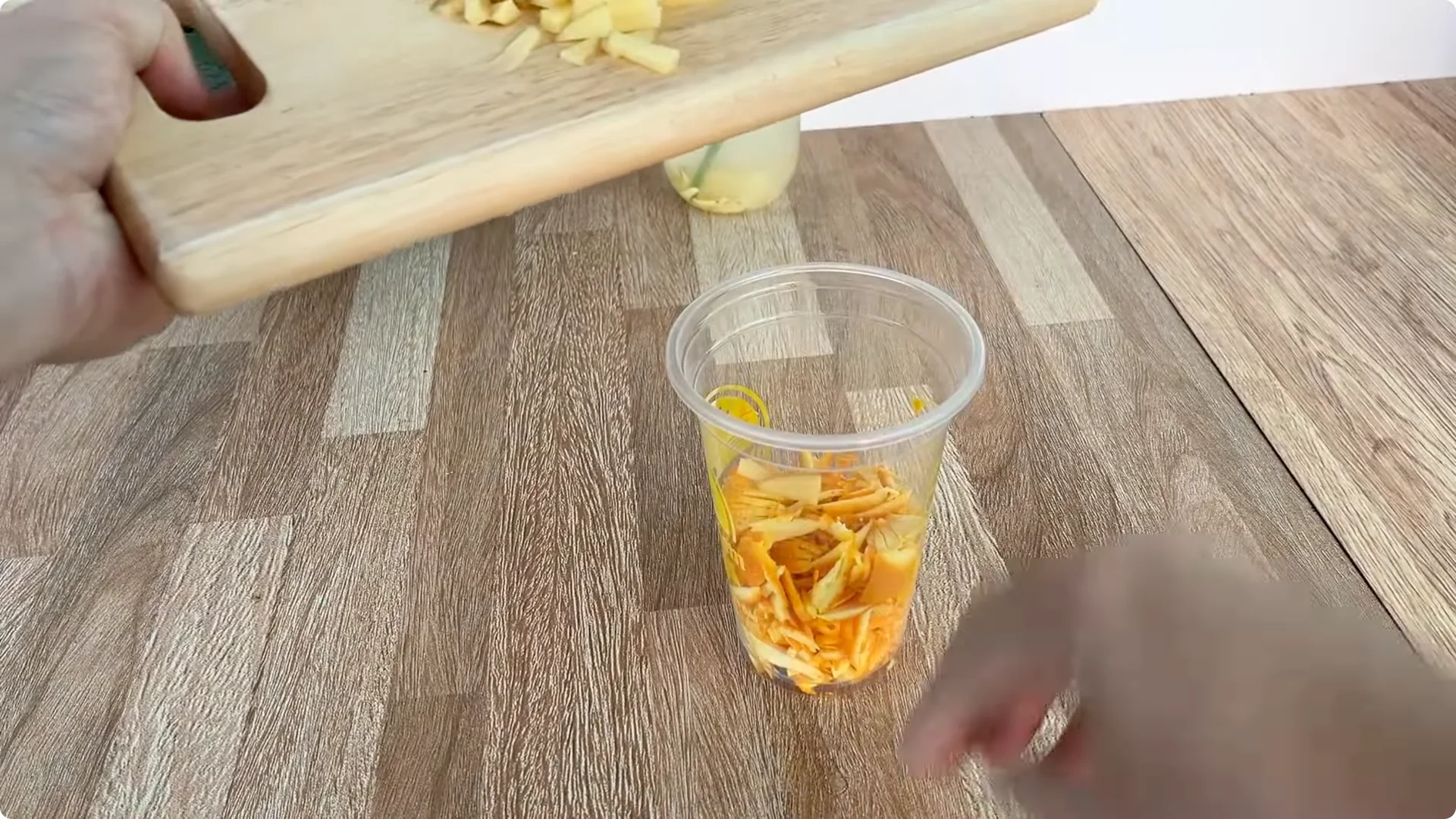
To increase the effectiveness, combine 20 grams of washed and chopped potatoes. Potatoes are rich in starch and a small amount of cytokinin. This substance stimulates cell division thereby supporting the formation of young roots.
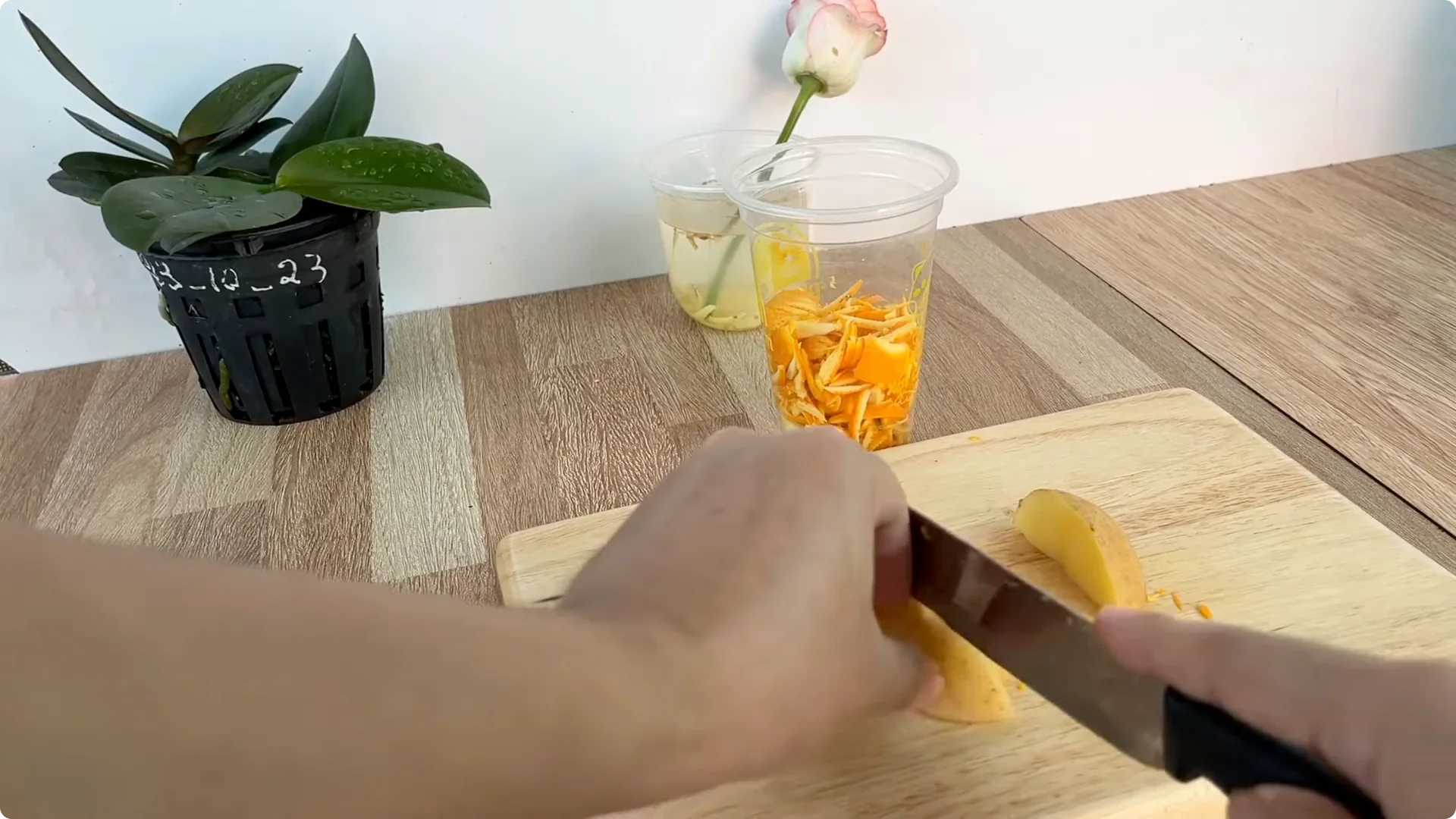
Put both the orange peel and the potato in a clean plastic cup. Add 300 ml of warm water, stir well, and let stand for about 30 minutes. This allows the nutrients to dissolve.
4 Make the Rose Rooting Nutrient Solution
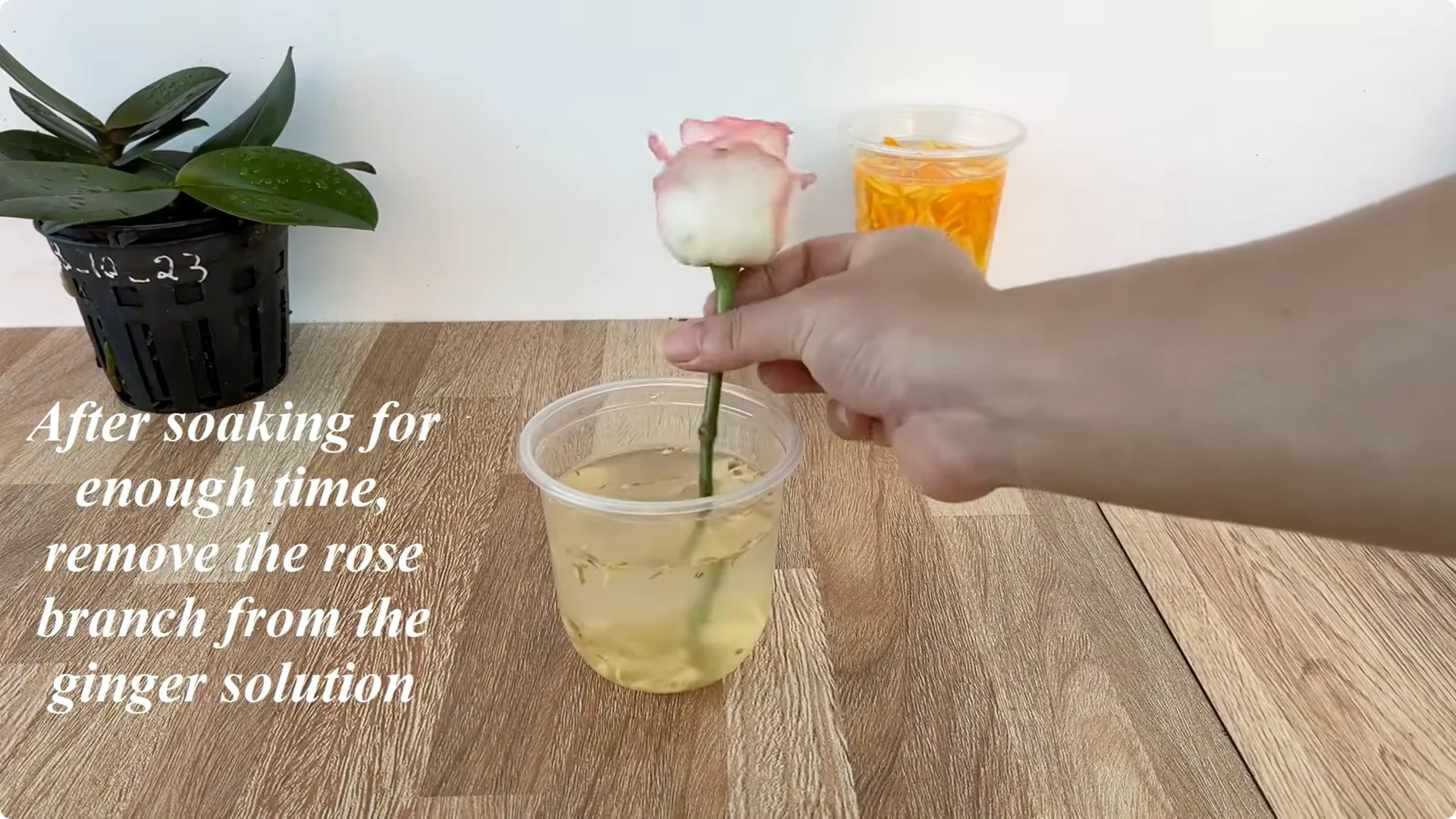
When the soaking time with ginger is enough, take out the rose branch. Stir the ginger mixture, then filter out the residue to collect a clear solution.
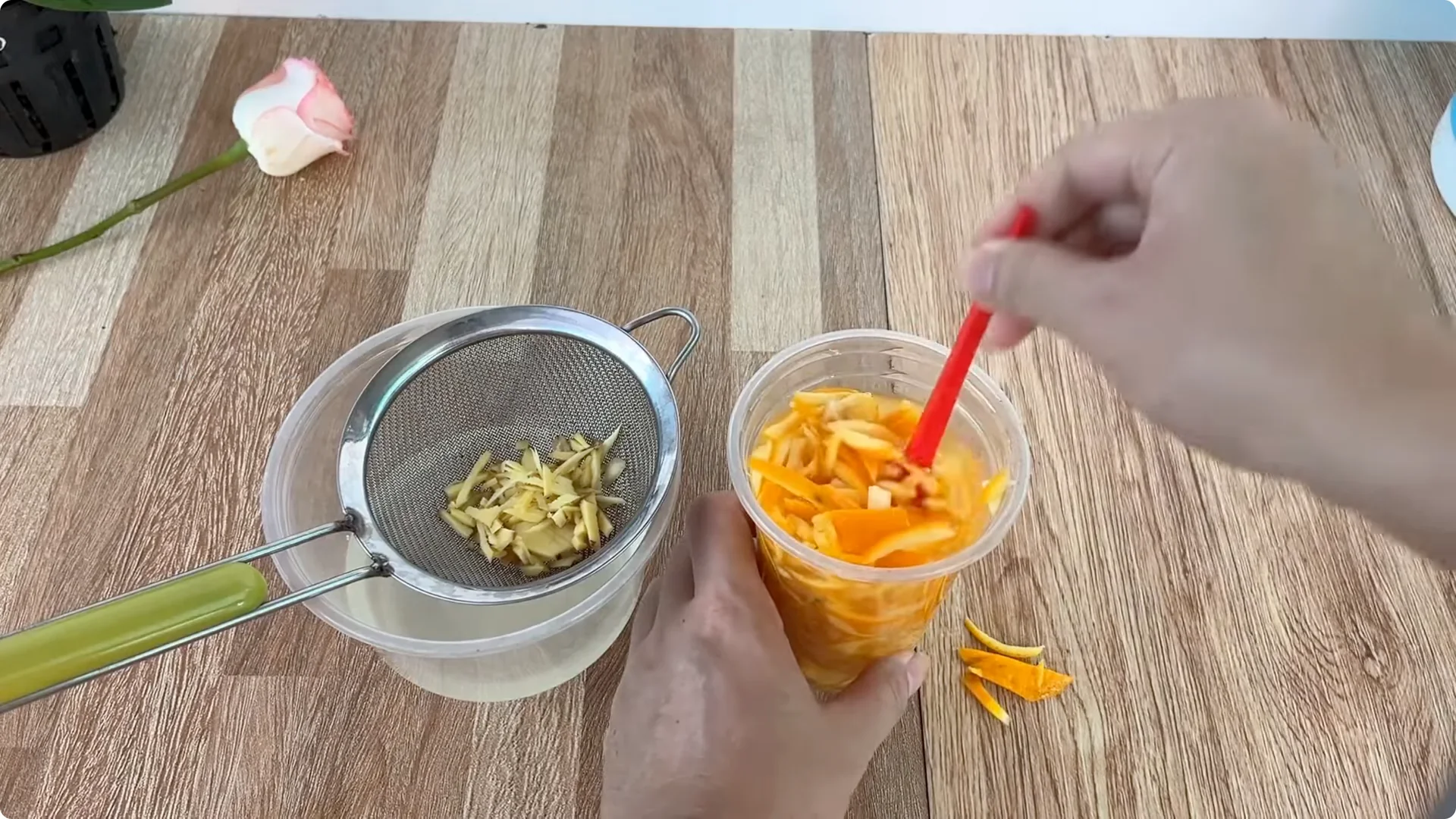
With the mixture of orange peel and potatoes, do the same. Stir well, filter the solution, and mix it with the ginger solution.
Dilute the entire mixture to get about 1 liter of liquid solution. This is a multipurpose source of nutrients that is both antibacterial and provides energy for the rose branch in the early stages. You can also compare this liquid approach with a one cup rooting method here: one cup rooting method.
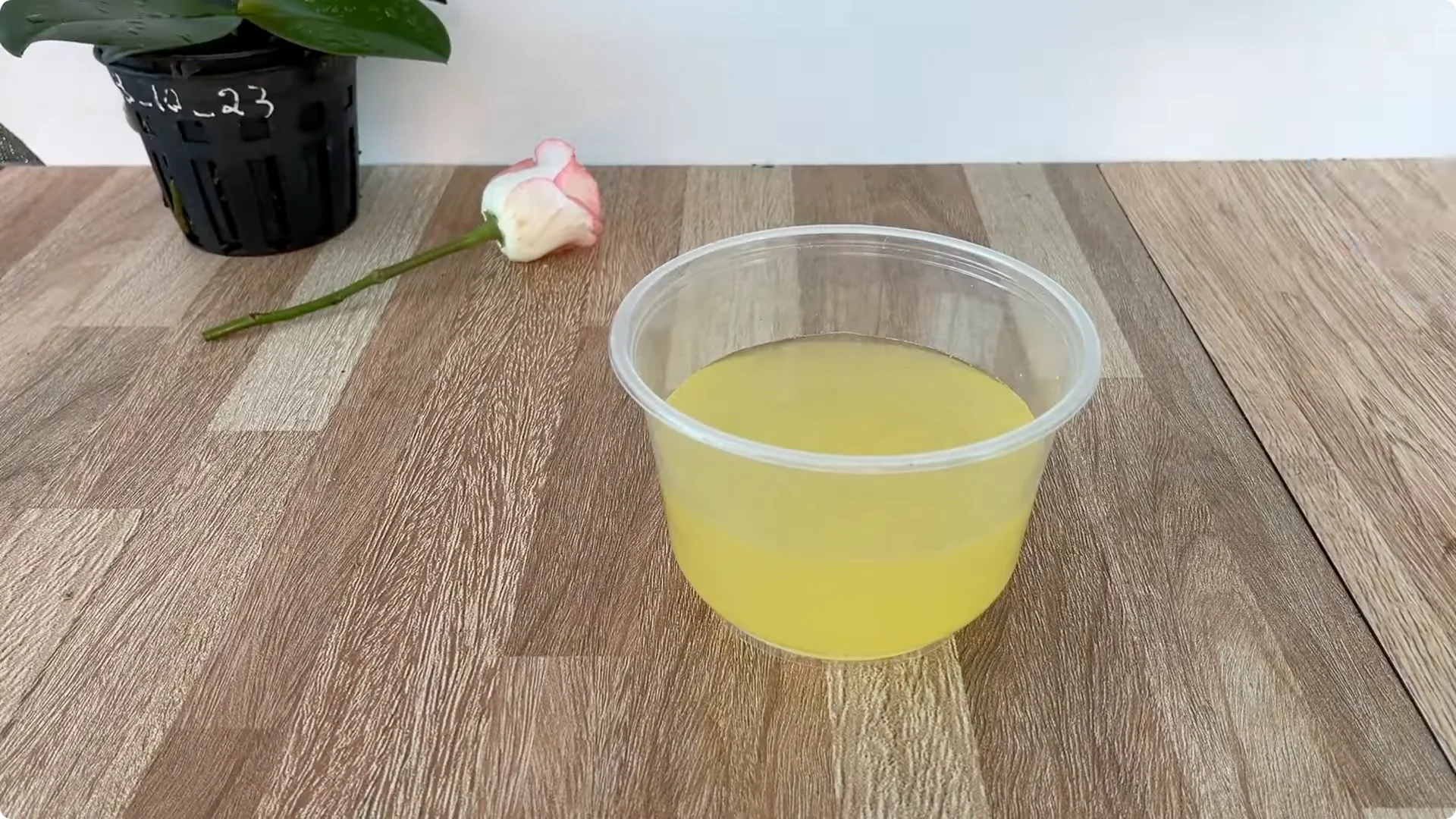
5 Prepare the substrate
Take a clean plastic cup and pour treated sand almost full into the cup. Then pour the ginger orange peel potato solution into the cup with enough amount so that the sand retains the right moisture. Clean, airy, and well draining sand will limit root rot, a common reason many rose branches are damaged from the beginning.
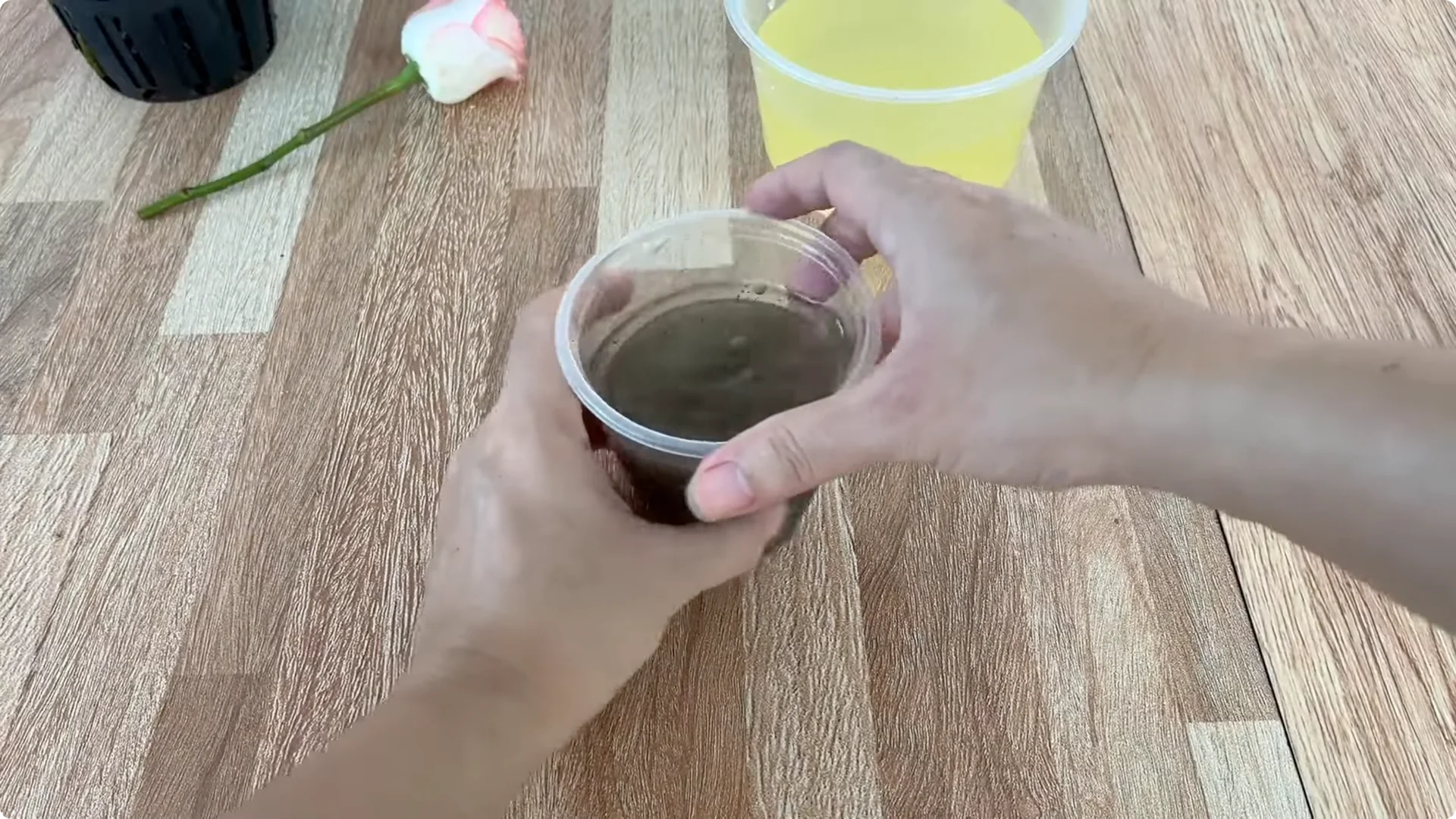
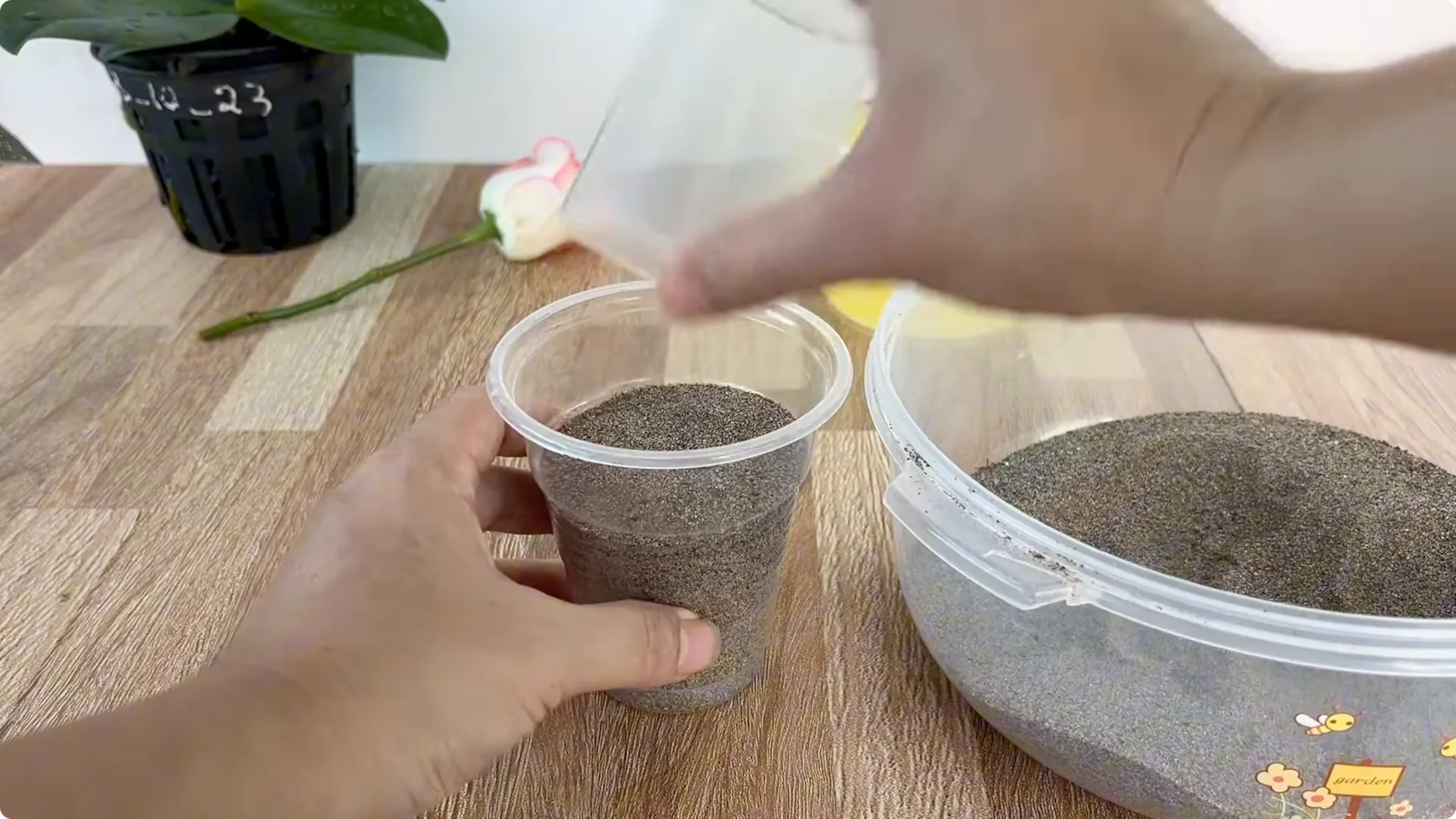
6 Planting and humidity dome
Insert the rose branch into the middle of the cup. Press down gently so that the branch is submerged deeply and stands firmly.
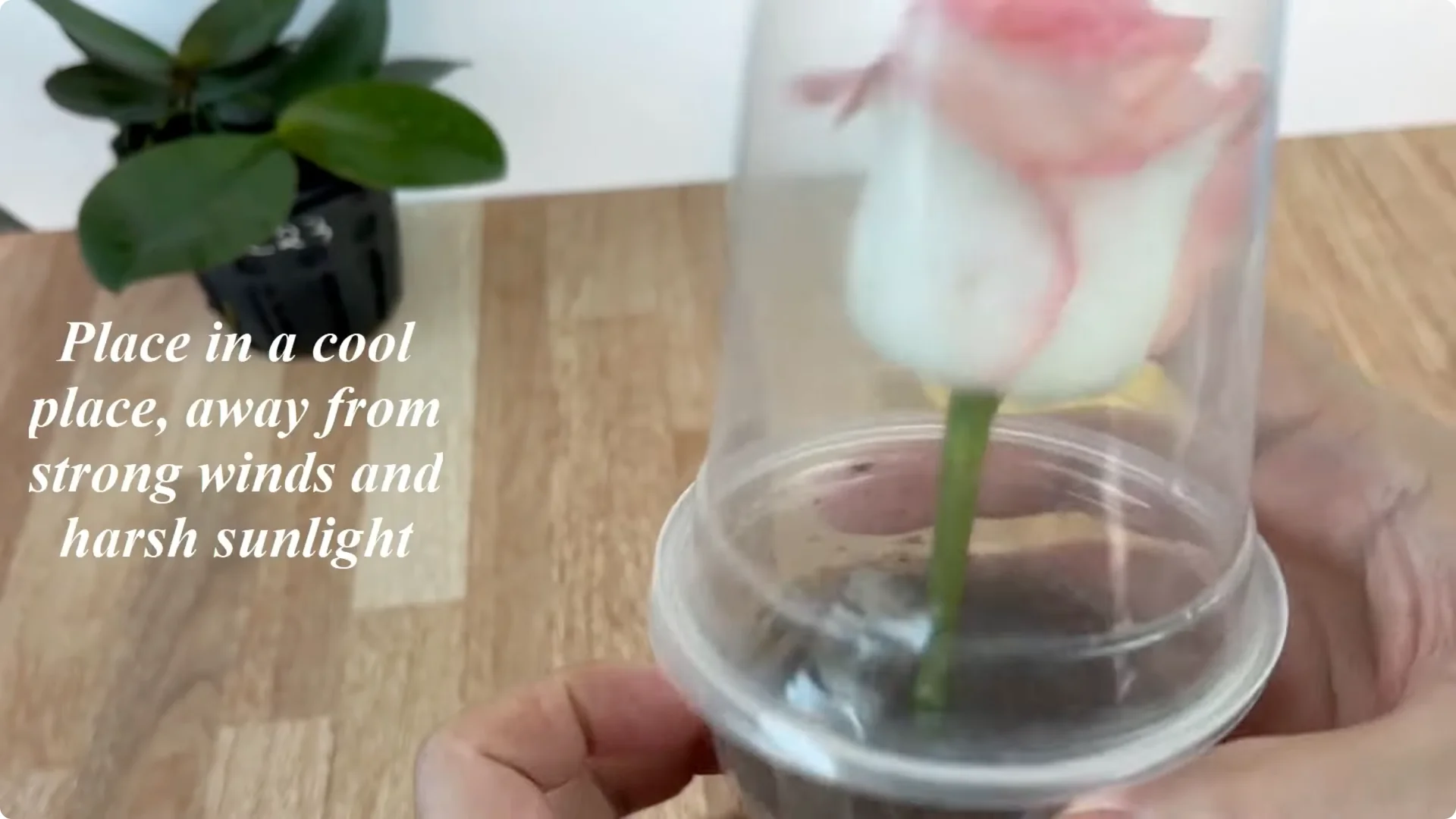
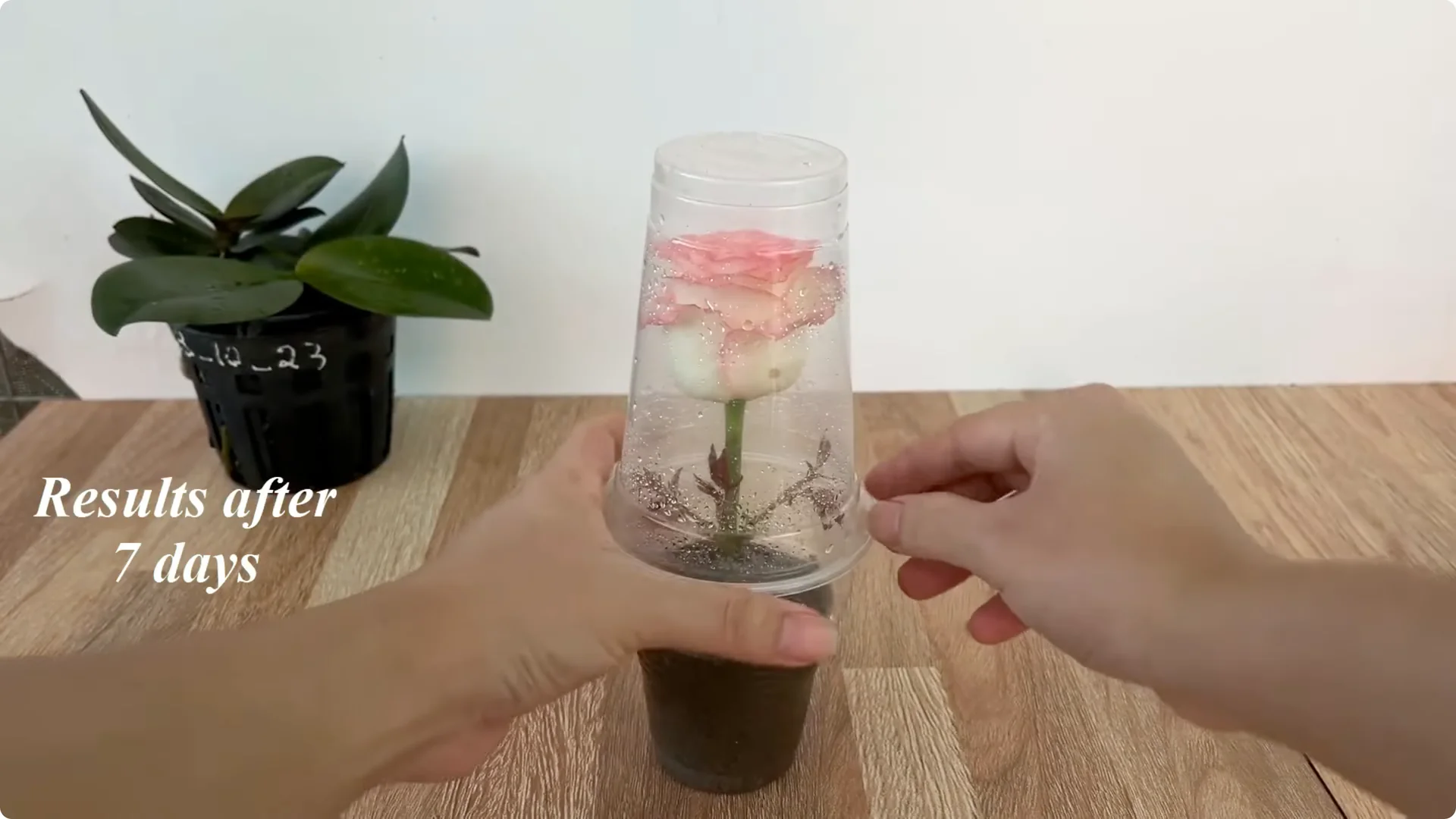
To create a greenhouse environment and keep humidity stable, use a transparent plastic bag. You can also cover it with a clean plastic cup placed over the mouth of the cup containing the rose branch.
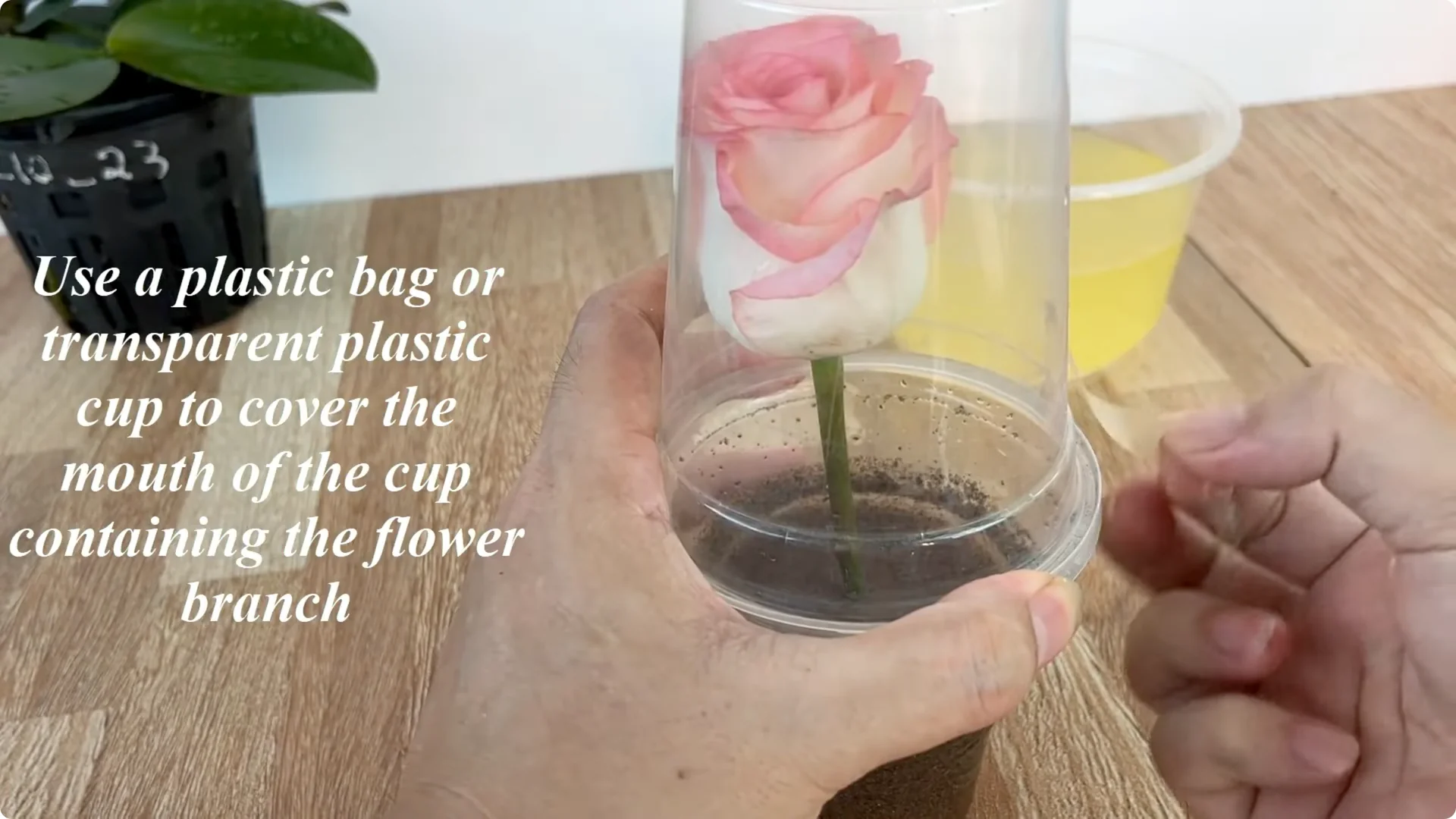
7 Placement and early care
Place this small pot in a cool place, away from drafts and direct sunlight. Balanced temperature and humidity will help the flower branches not lose water. This setting also stimulates the roots to grow quickly.
8 Results and transplanting
After about 7 days, the results will surprise you. On the trunk of the branch, fresh green shoots will pop up, signaling that the branch has successfully taken root.
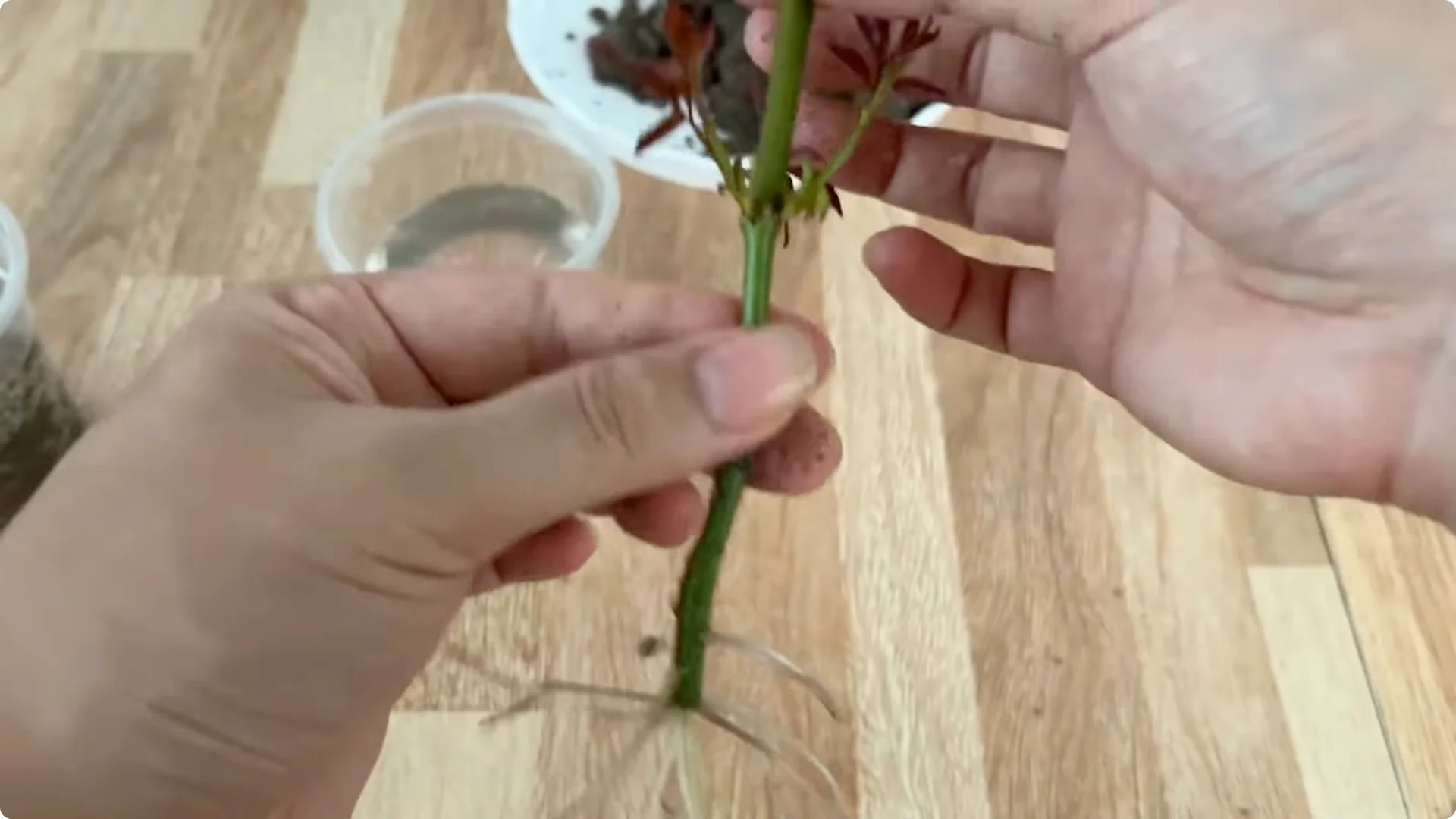
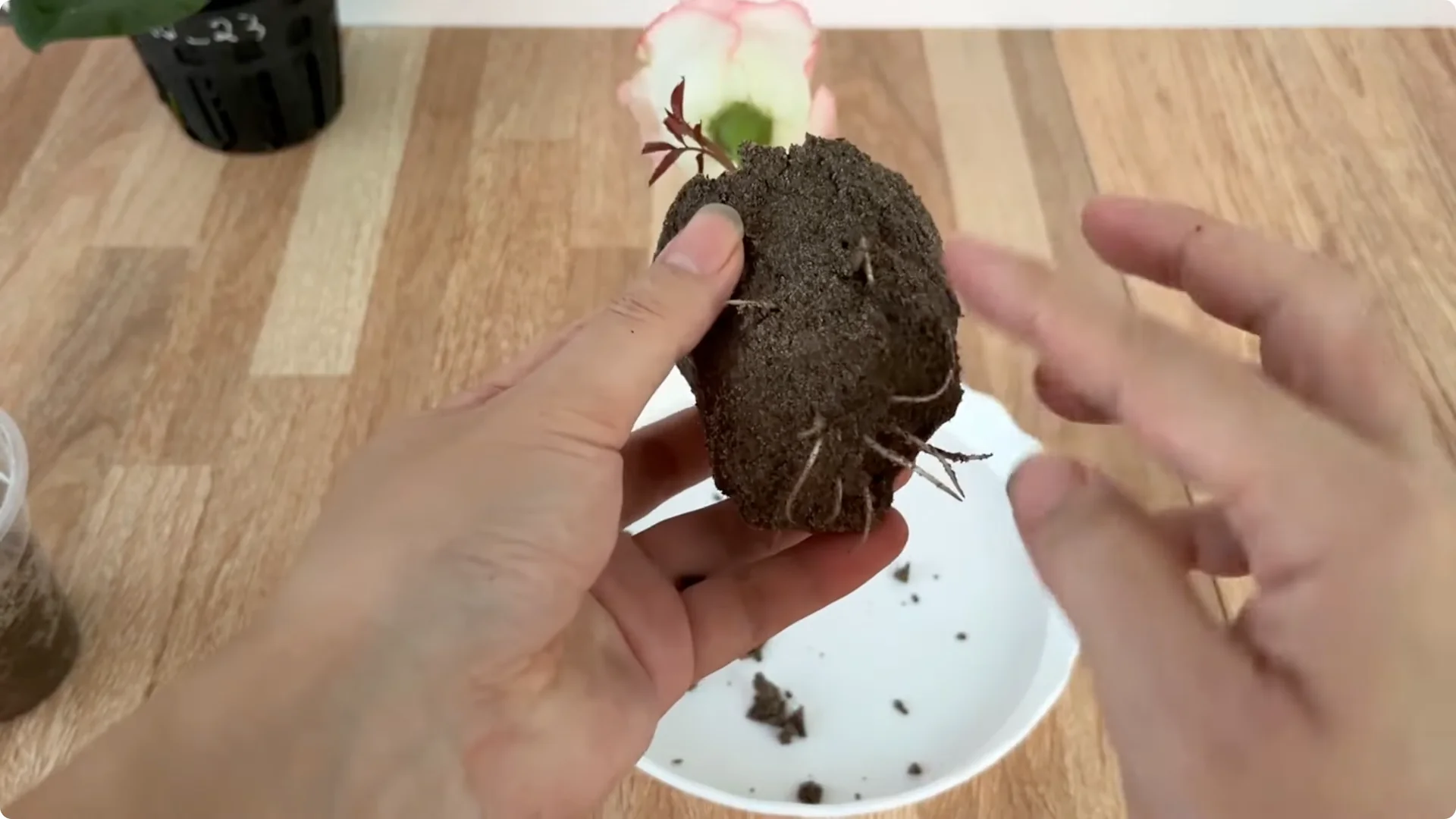
The base of the rose branch will begin to sprout many new, plump, white, and healthy roots. At this point, move the rose branch to a new pot with a well draining substrate. Combine coconut fiber and river sand to both retain moisture and maintain good air circulation.
For another natural stimulant to encourage roots and buds, see how garlic can spark strong response in rose cuttings: garlic to spark rooting and budding.
Why this Rose Rooting Nutrient Solution works
With just simple ingredients such as ginger, orange peel, and potatoes, you can create a solution that is both natural and effective to help rose branches grow quickly. This method is safe, economical, and easy to apply at home. If you love roses and want to propagate them sustainably, this is the secret worth trying today.
Final thoughts
Choose a moderately aged branch, disinfect and prime it with ginger, then boost it with orange peel and potato. Combine the solutions, moisten clean sand, plant firmly, and maintain a humid, cool environment. Expect new shoots and white roots in about a week, then pot up into a well draining mix for healthy growth.