

Propagating roses with natural biological materials is becoming a trend that many flower growers love for its high efficiency, safety, and environmental friendliness. One notable formula is the combination of orange peel – honey – fresh milk, creating a root-nourishing environment that is both antibacterial and stimulates strong growth. For a simple walkthrough you can adapt to your setup, explore this straightforward rose propagation method.
1. Natural Rose Propagation: Prepare the Seedlings
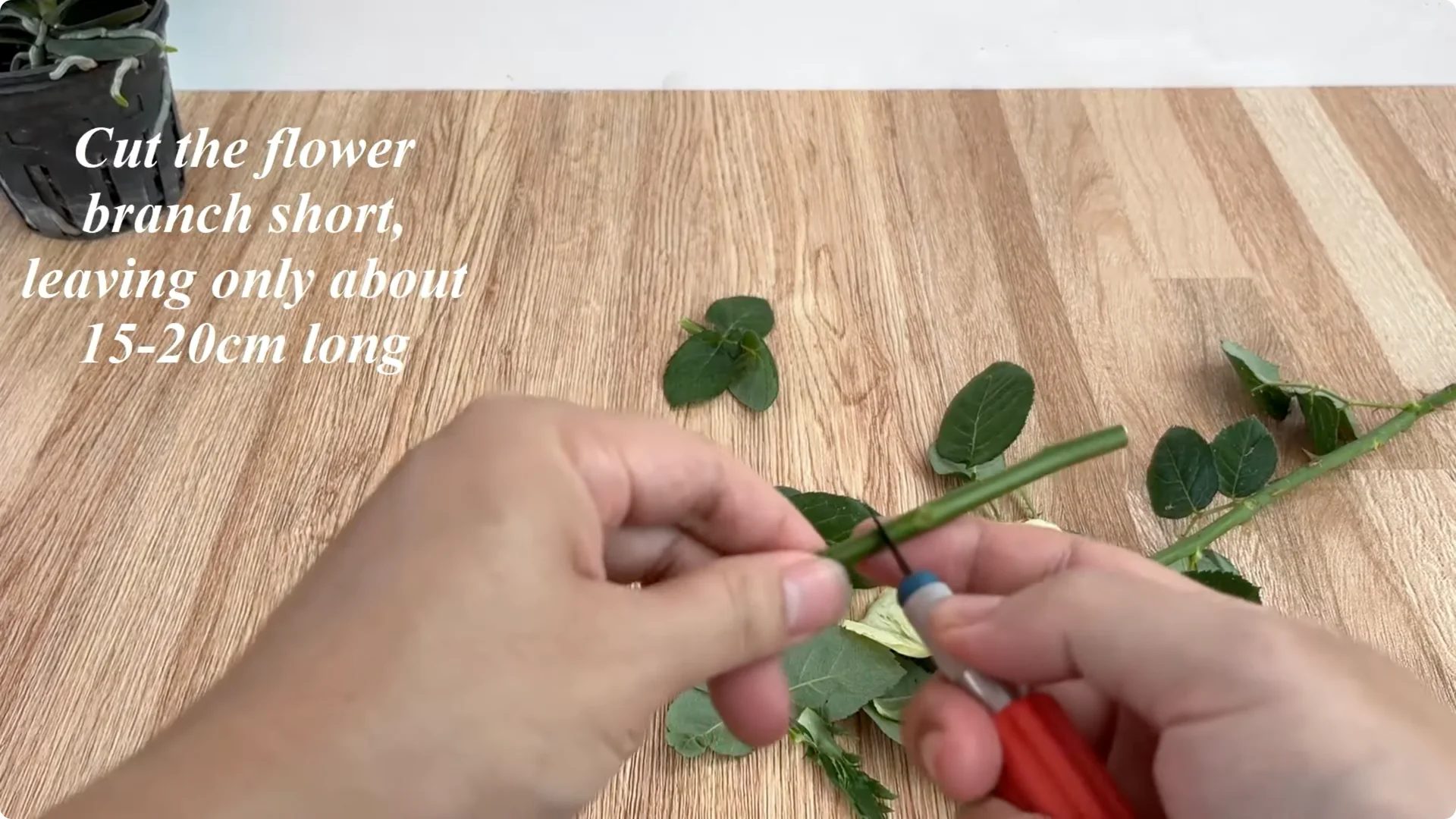
The step of processing the seedlings determines whether the branch is strong enough to receive nutrients or not. A standard rose branch needs to be moderately old, the wood has formed but still has the elasticity of the sap. All leaves and thorns must be removed to prevent water vapor from escaping and reduce the risk of fungal infection in the cuts.
After being cut short to only 15-20 cm, the branch becomes compact, facilitating the process of absorbing nutrients from the stem.
2. Natural Rose Propagation: Make the Orange Peel and Honey Base
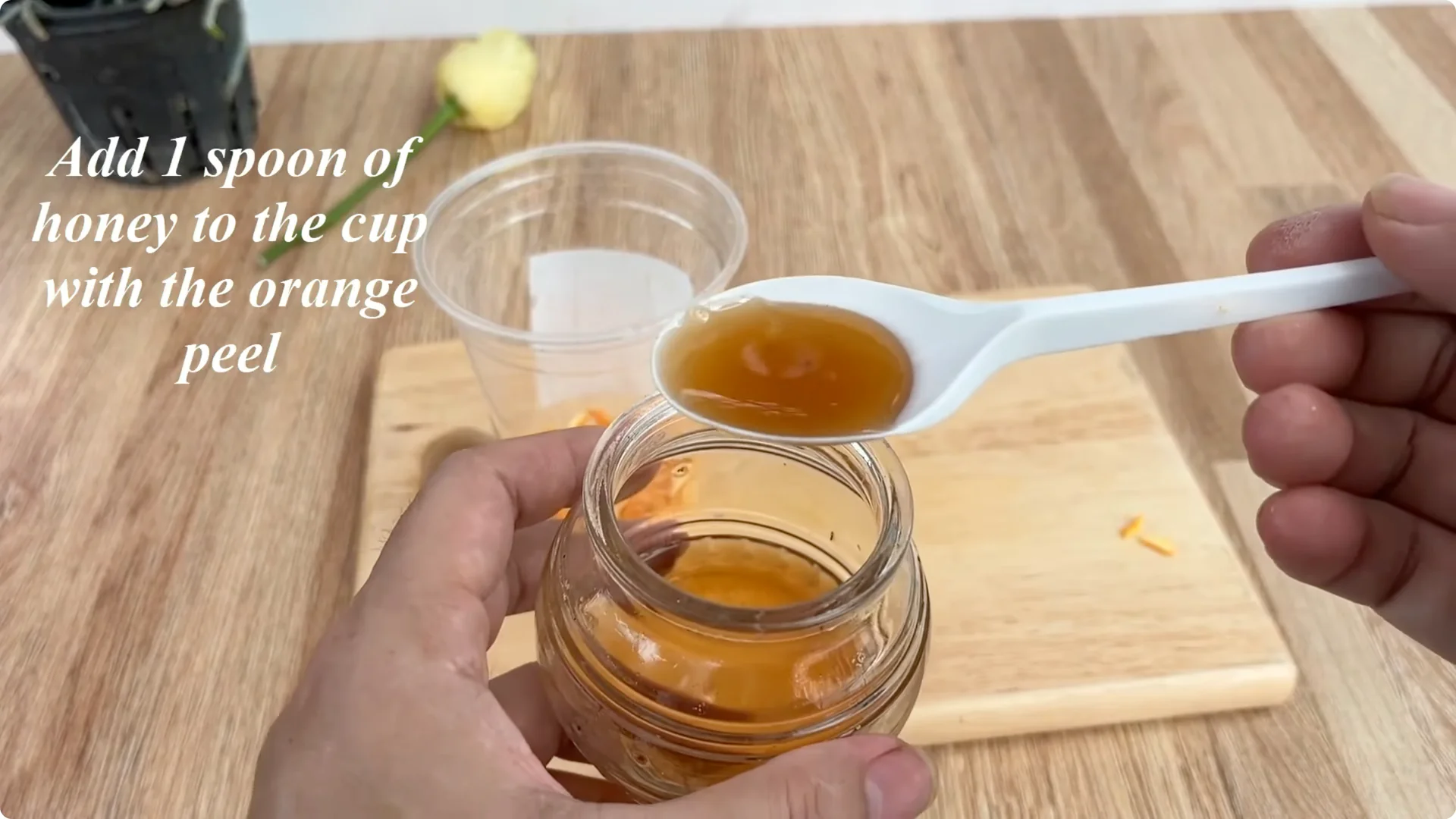
Next is the step of creating a nutrient solution from orange peel and honey. Orange peel is a rich source of limonene, flavonoids, and vitamin C compounds that have natural antibacterial properties and stimulate cell division in plant tissue. An orange is washed, peeled, and cut into small pieces to help the essential oils easily diffuse when soaked in water.
The peel is placed in a clean plastic cup, then a spoonful of honey is added. Honey acts as a moisturizer, providing sugar and amino acids to help nourish the branch tissue during the stage of not yet rooting. When 500 ml of clean water is poured in and stirred well, we get a solution that is both antibacterial and has the ability to stimulate growth.
The rose branches are soaked in this mixture for 30 minutes to fully absorb the biological active ingredients. After soaking, the solution is filtered to remove the residue to avoid mold. If you plan to propagate different cultivars, see how to propagate different rose varieties successfully.
3. Natural Rose Propagation: Enrich With Fresh Milk
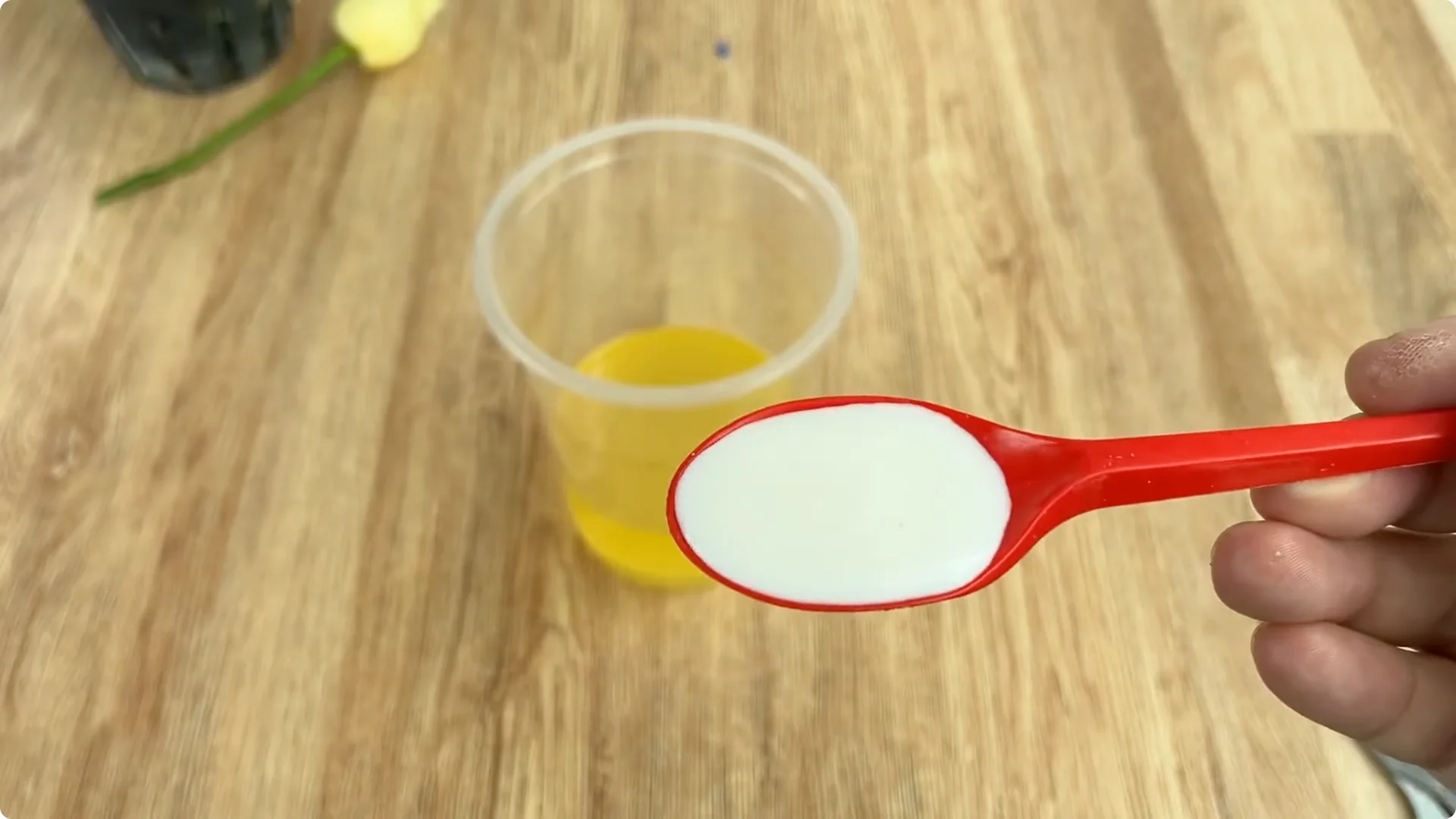
The next ingredient is fresh milk. Milk contains protein, lipids, and lactobacillus – beneficial bacteria that can help decompose organic matter and stimulate faster recovery of plant tissue. The resulting water continues to increase its biological value by adding a spoonful of fresh milk.
When adding 500 ml of clean water and stirring well, we create a complete plant nutrient solution with three groups of effects: sterilization – tissue culture – moisture retention.
4. Natural Rose Propagation: Fix the Cutting Using Controlled Hydroponics
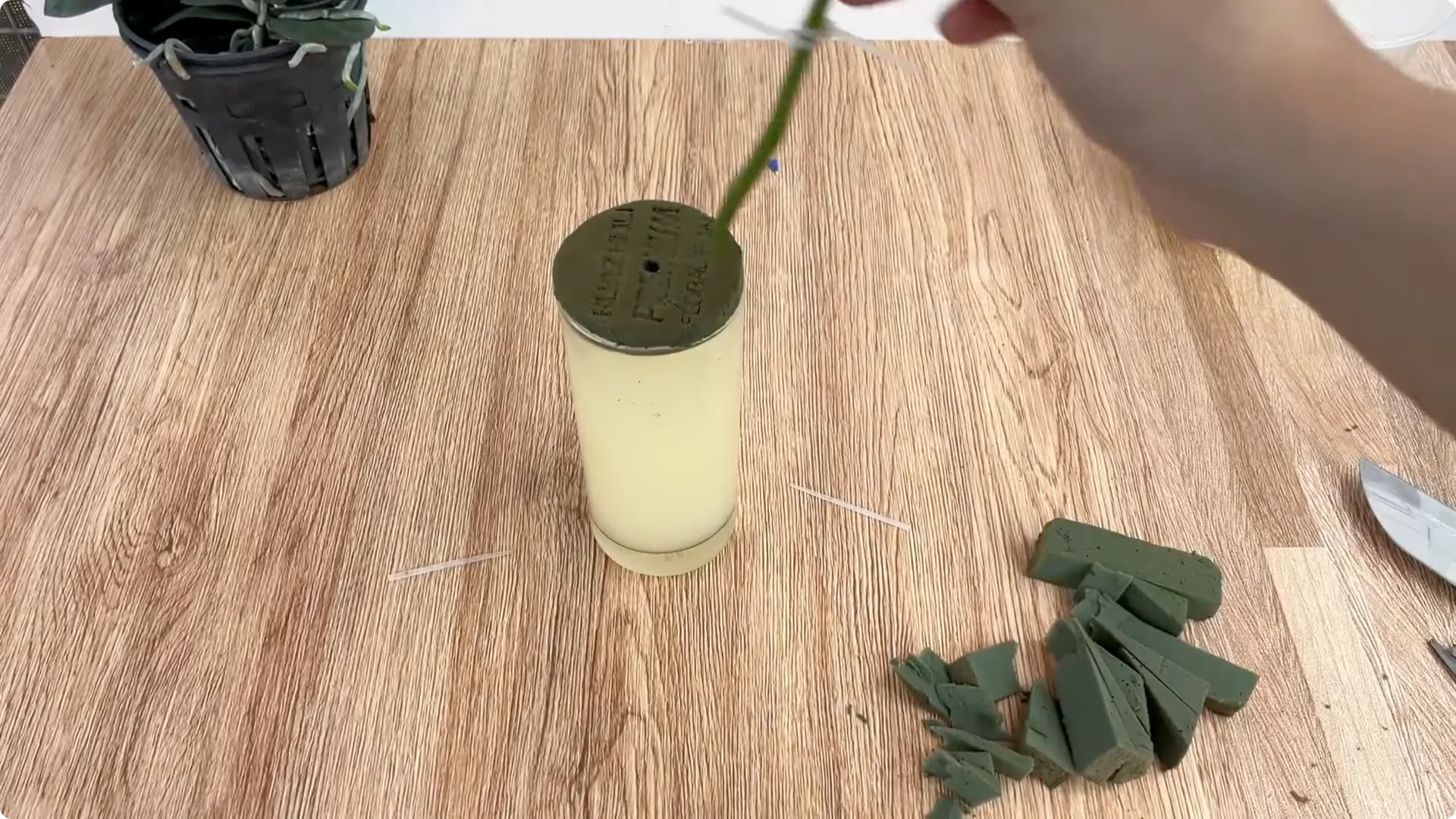
The branch fixing step is done using the controlled hydroponic method. A clean glass cup is prepared with a piece of foam that fits snugly into the mouth of the cup. The foam has a small hole in the middle of the same size as the stem.
After filling the cup with the solution, the foam is placed on top as a lid to retain moisture, prevent evaporation, and maintain a stable environment inside. To avoid the stem from leaning or loosening, a string can be used to lightly fix the stem at the point of contact with the foam. The rose branch is inserted through the foam hole so that the stem is deeply immersed in the solution.
5. Natural Rose Propagation: Maintain Humidity and Temperature
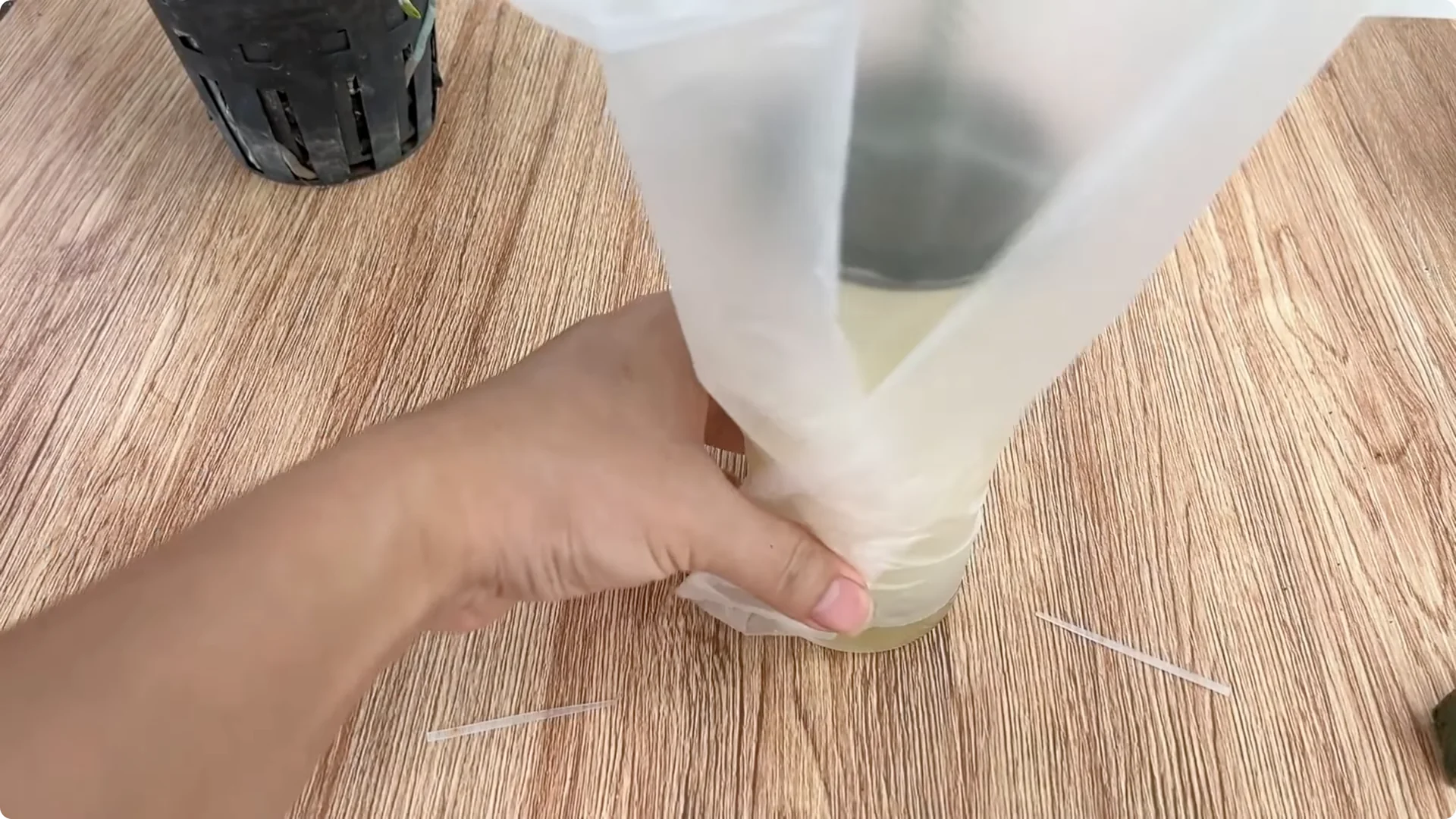
Like other biological cutting methods, stable humidity and temperature play a decisive role. A layer of plastic bag or a transparent plastic cup wrapped around the outside helps create a greenhouse effect, keeping moisture around the branch. The cup should be placed in a shady place, away from strong sunlight and strong winds because both of these factors can easily dry out the branch tissue or cause heat shock.
6. Natural Rose Propagation: Watch for Early Signals
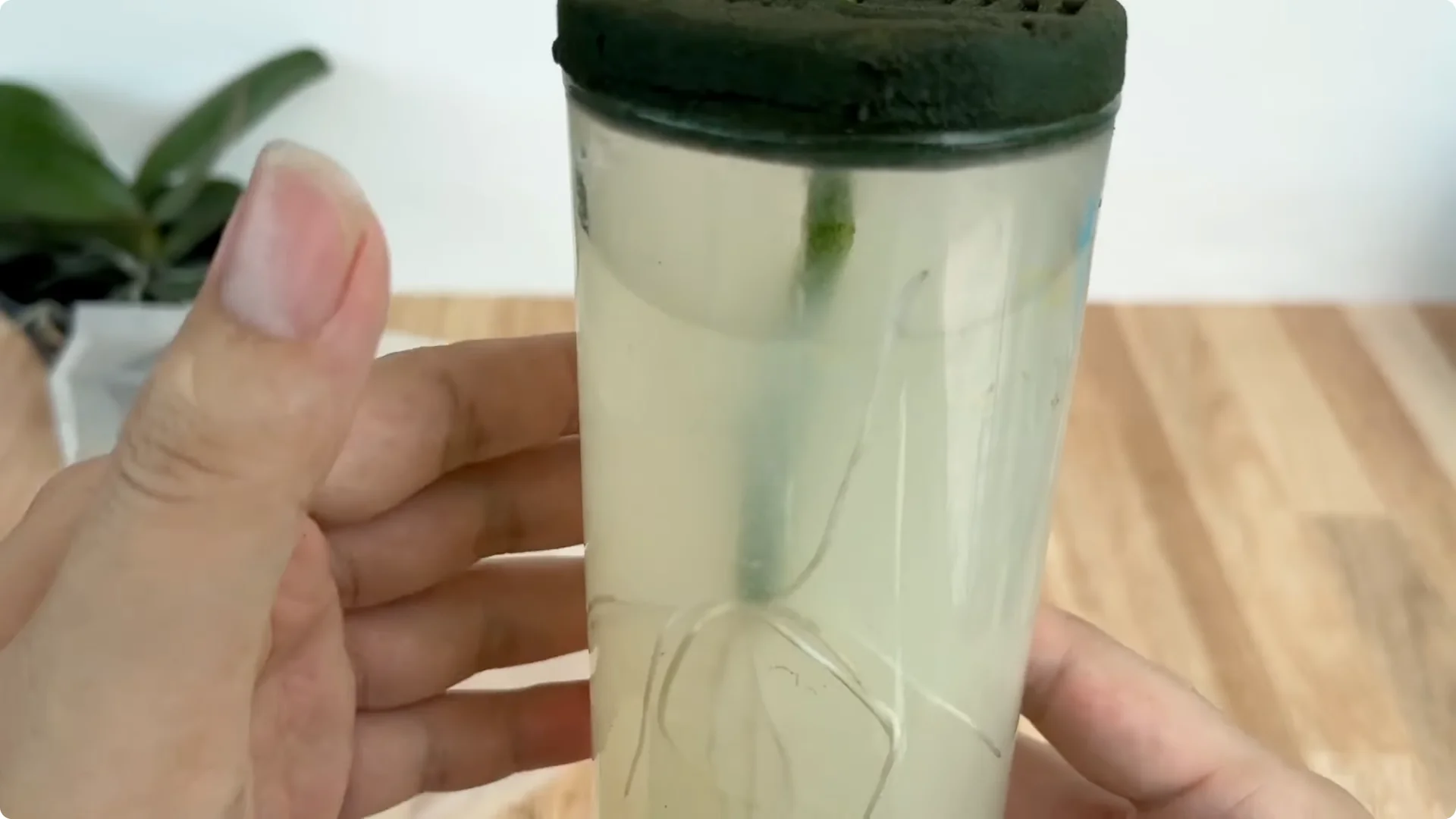
After about 10 days, the transformation process is obvious. The branch buds begin to plump and sprout healthy green buds – a sign that the tissue has become active again. At the base, clusters of white, round, plump roots grow continuously, proving that the biological solution has strongly activated the cell division process.
7. Natural Rose Propagation: Transplant to a Stable Medium
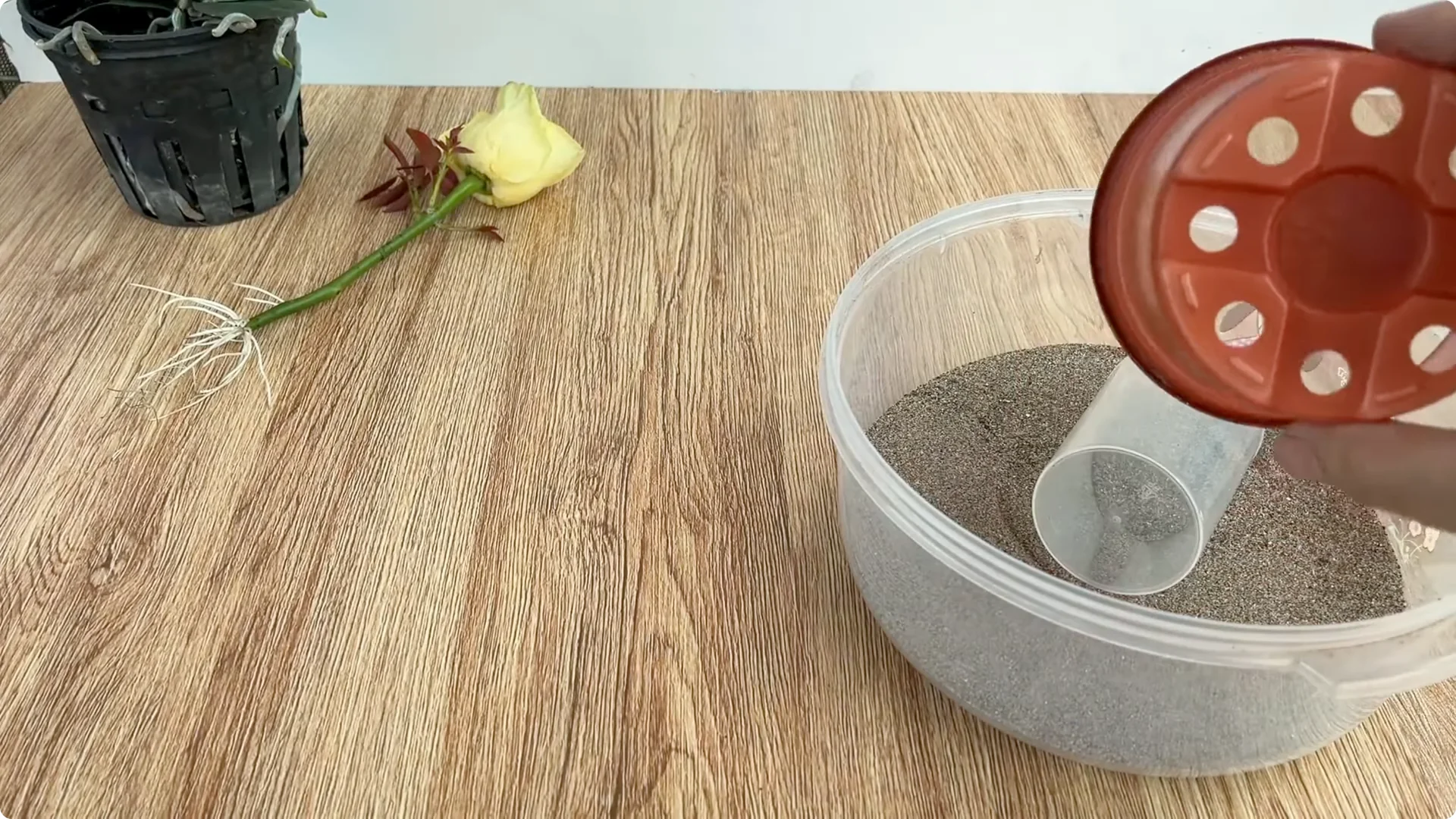
When the root system is developed enough, the branch can be transferred to a more stable environment. Clean river sand is a suitable choice for the first stage because of its ability to drain water quickly and not retain moisture for too long, causing root rot. From there, the plant can develop into a healthy new rose bush if properly cared for, and you can later use these tips to encourage abundant blooms.
Final Thoughts on Natural Rose Propagation
The method of using orange peel – honey – fresh milk is easy to do and fully exploits the biological power of everyday materials. Instead of relying on chemicals, you can successfully propagate roses with just the things you already have in your kitchen. Wish you always have pots of roses blooming brilliantly!