

I will guide you through special methods of cutting rose branches, combining fresh lemon, potatoes and glucose, and another formula with coffee and onions. These formulas are simple but bring surprising results: branches root quickly, new shoots grow strong, and root rot is limited. Follow each step carefully to apply it successfully from the first try.
Choose a healthy rose branch with moderate age. Branches that are too young will easily get waterlogged, and branches that are too old will take a long time to root. Remove all the leaves and sharp thorns, then cut it short to about 15–20 cm.
The Beginner’s Rose Propagation Starter Kit 🌹
A simple printable PDF guide to help you root rose cuttings successfully.
Get The Guide →For additional ideas that keep things straightforward, see easy rose propagation methods you can apply at home.
1. Preparation for Rose Cutting Propagation
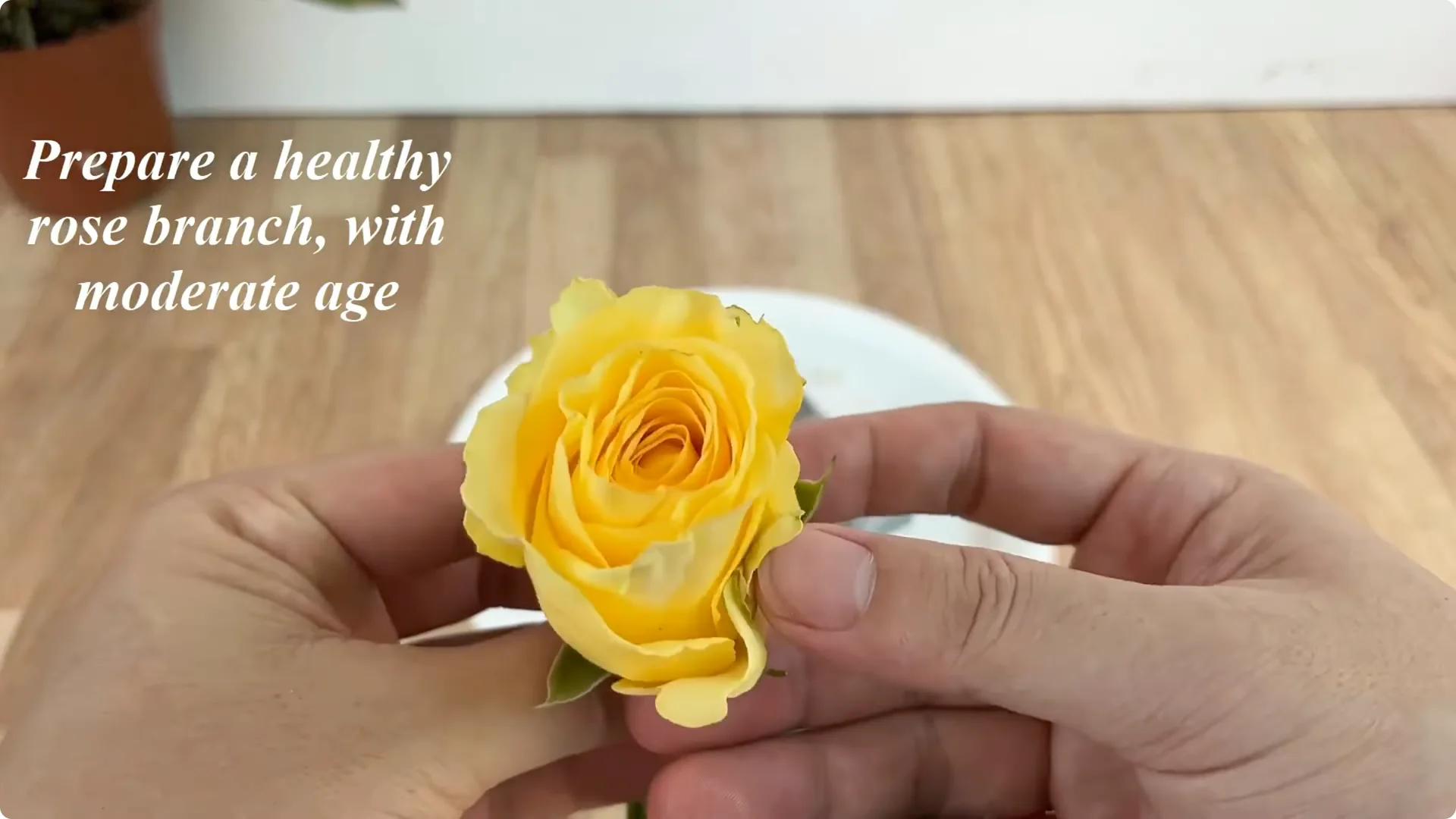
A healthy branch is a very important factor. Removing the leaves helps reduce water loss, allowing the branch to focus its energy on forming new roots and shoots. Keep only a few clean stems if needed.
Use a clean cutting tool and handle the branch gently. Keep the cut clean and avoid crushing the base. Work on a clean surface to reduce contamination.
2. Rose Cutting Propagation With Lemon, Potato, and Glucose
Ingredients and benefits
Prepare 1 fresh lemon, 1/2 teaspoon of glucose, 30 grams of potato, and 0.5 liters of water. Lemon contains a lot of citric acid and vitamin C, which has antibacterial and mild antifungal effects. It also stimulates the callus at the base of the branch to grow quickly, helping the rooting process to be more favorable.
Potatoes contain starch, vitamin B, potassium, and some plant nutrients. The starch provides a slow source of energy, nourishing the branch in the early stages. Potassium and vitamins help promote root development and increase the plant’s resistance.
For another helpful technique that pairs well with this approach, check out a simple trick for rose propagation.
Step 1 – Make the lemon-glucose soak
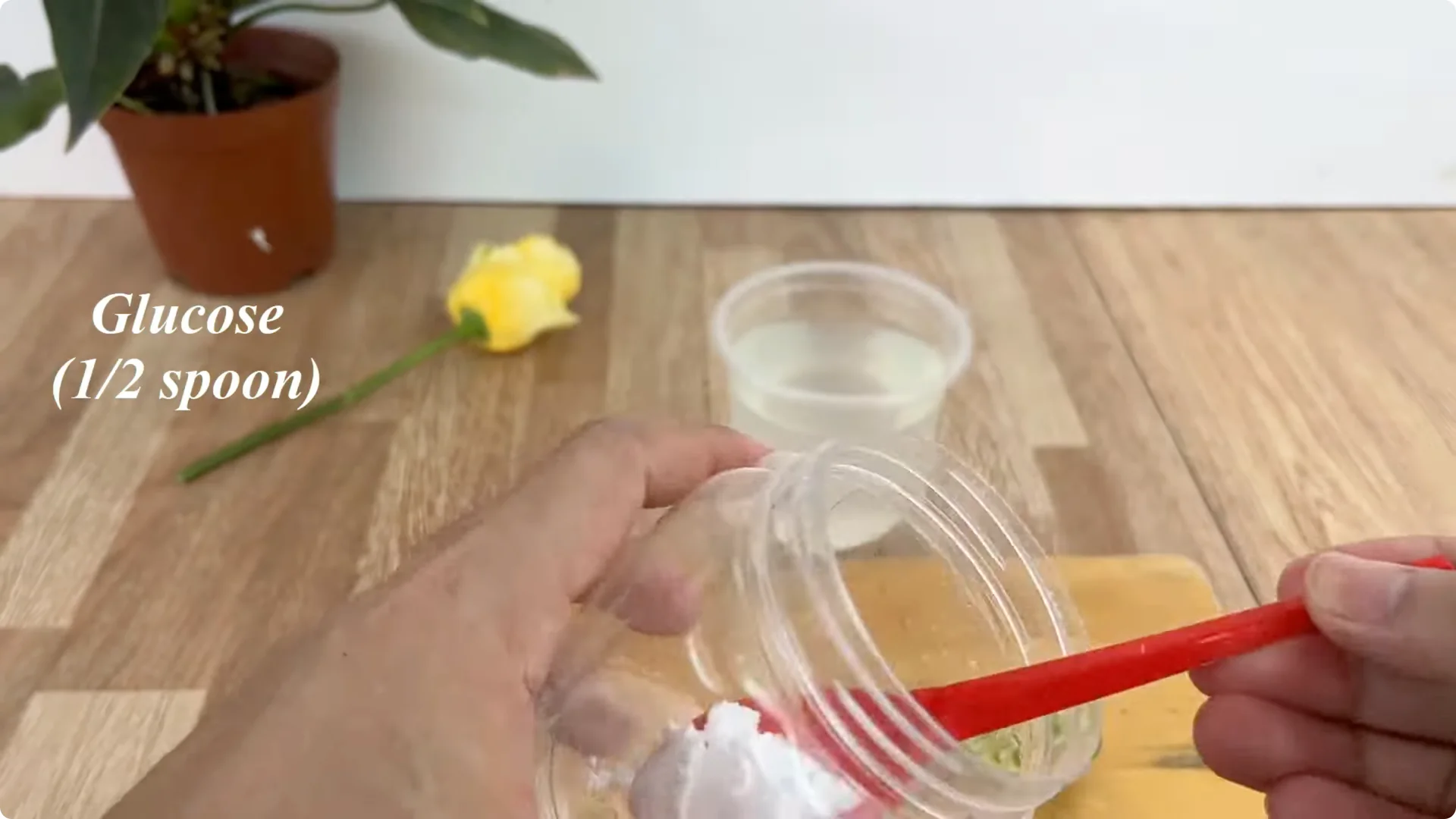
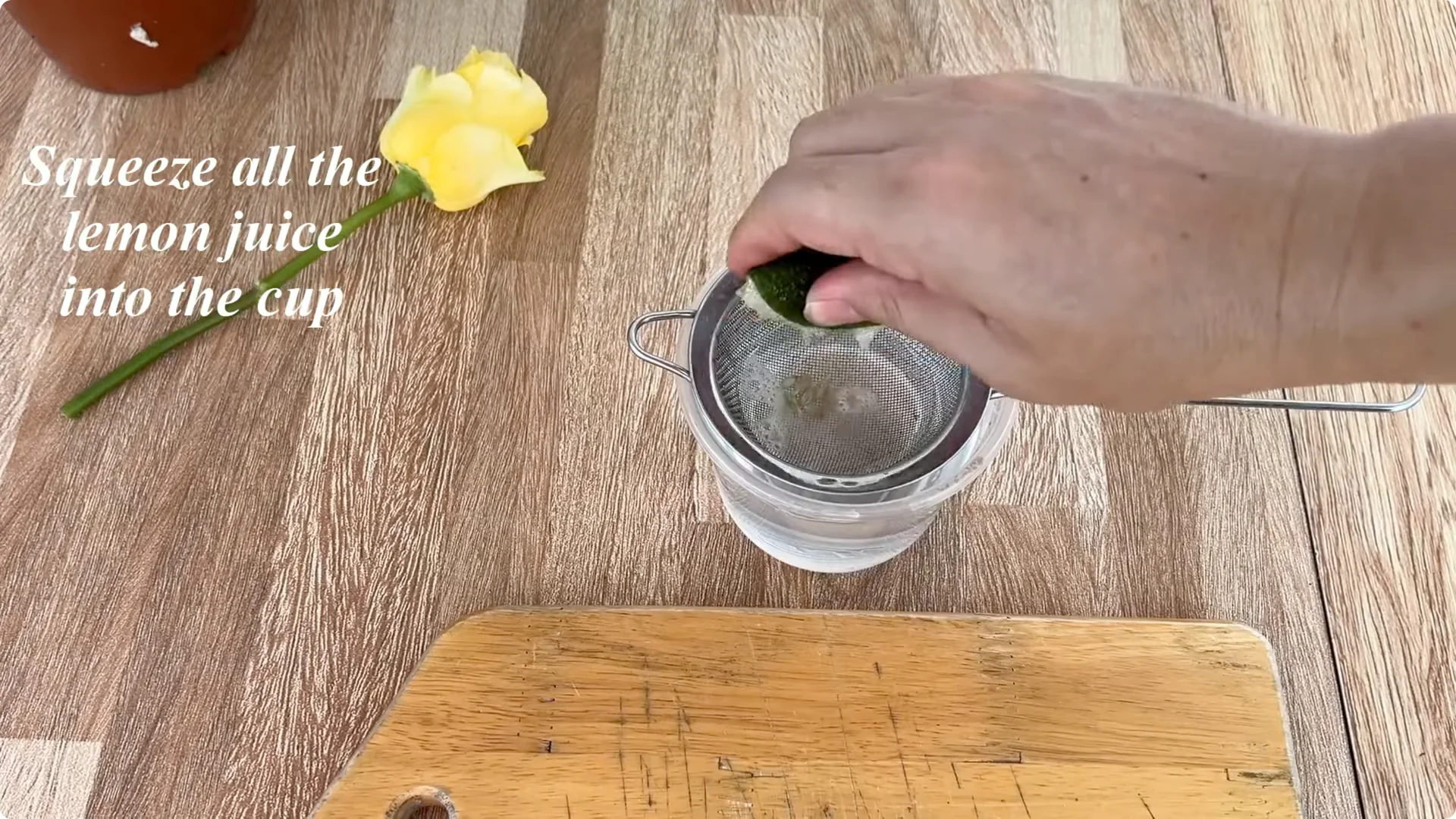
Cut the lemon in half, pour 500 ml of water into a clean plastic cup, and squeeze all the juice into the cup. Add 1/2 teaspoon of glucose and stir until the glucose is completely dissolved. Soak the rose branches in this lemon-glucose solution for about 30 minutes.
Step 2 – Blend lemon peel and potato
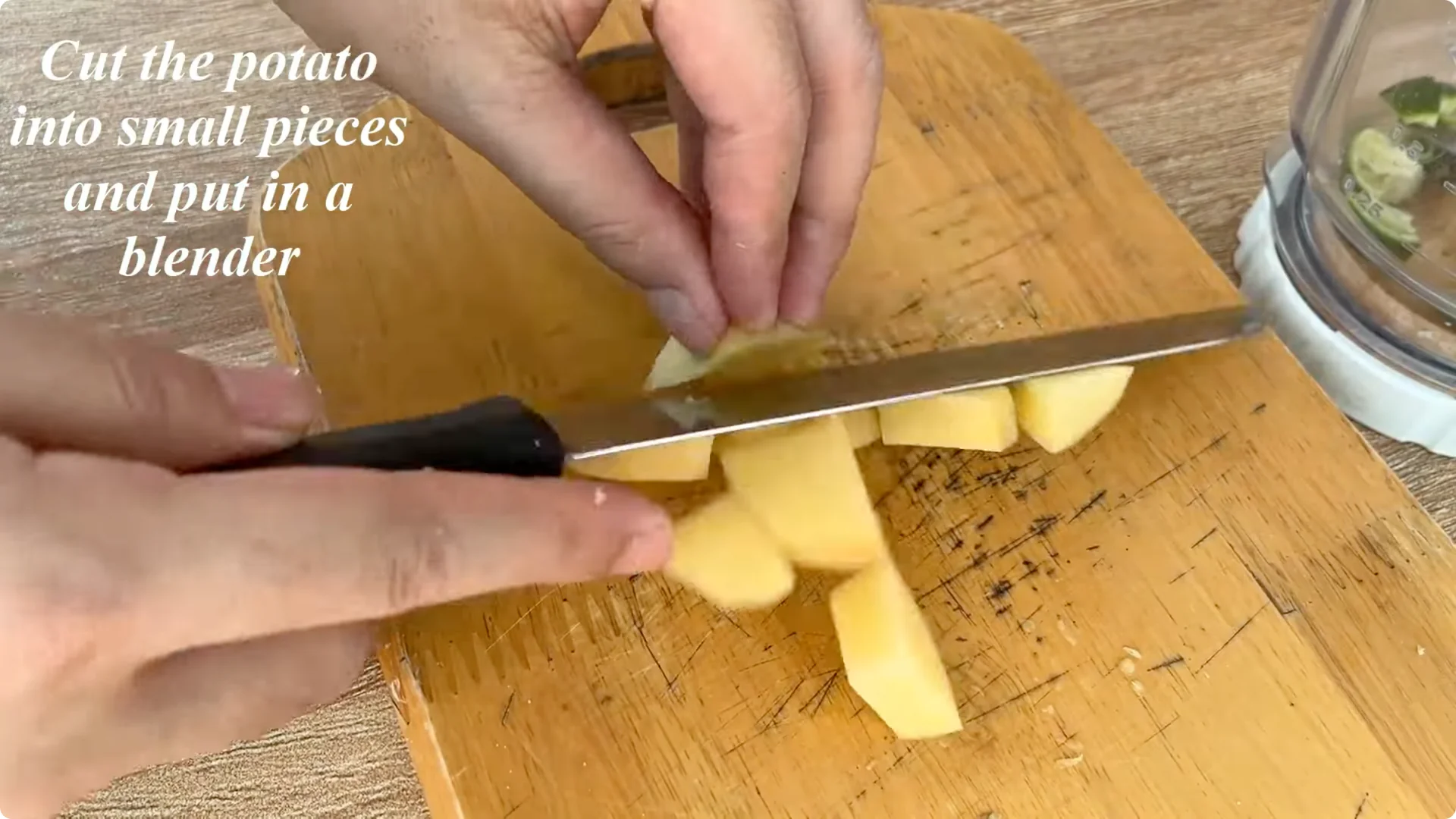
Take the remaining lemon peel, cut it into small pieces, and put it in a blender. Use 30 grams of potato, also cut it into small pieces and put it in the blender, then pour in 0.5 liters of water, cover, and puree. Filter out the pulp through a sieve, keeping the clear water.
Lemon peel contains flavonoids and natural acids, helping to fight bacteria and creating a clean environment around the base of the branch. The pleasant essential oil scent is a bonus. This prepares a clean, supportive base for rooting.
Step 3 – Combine solutions and plant the cutting
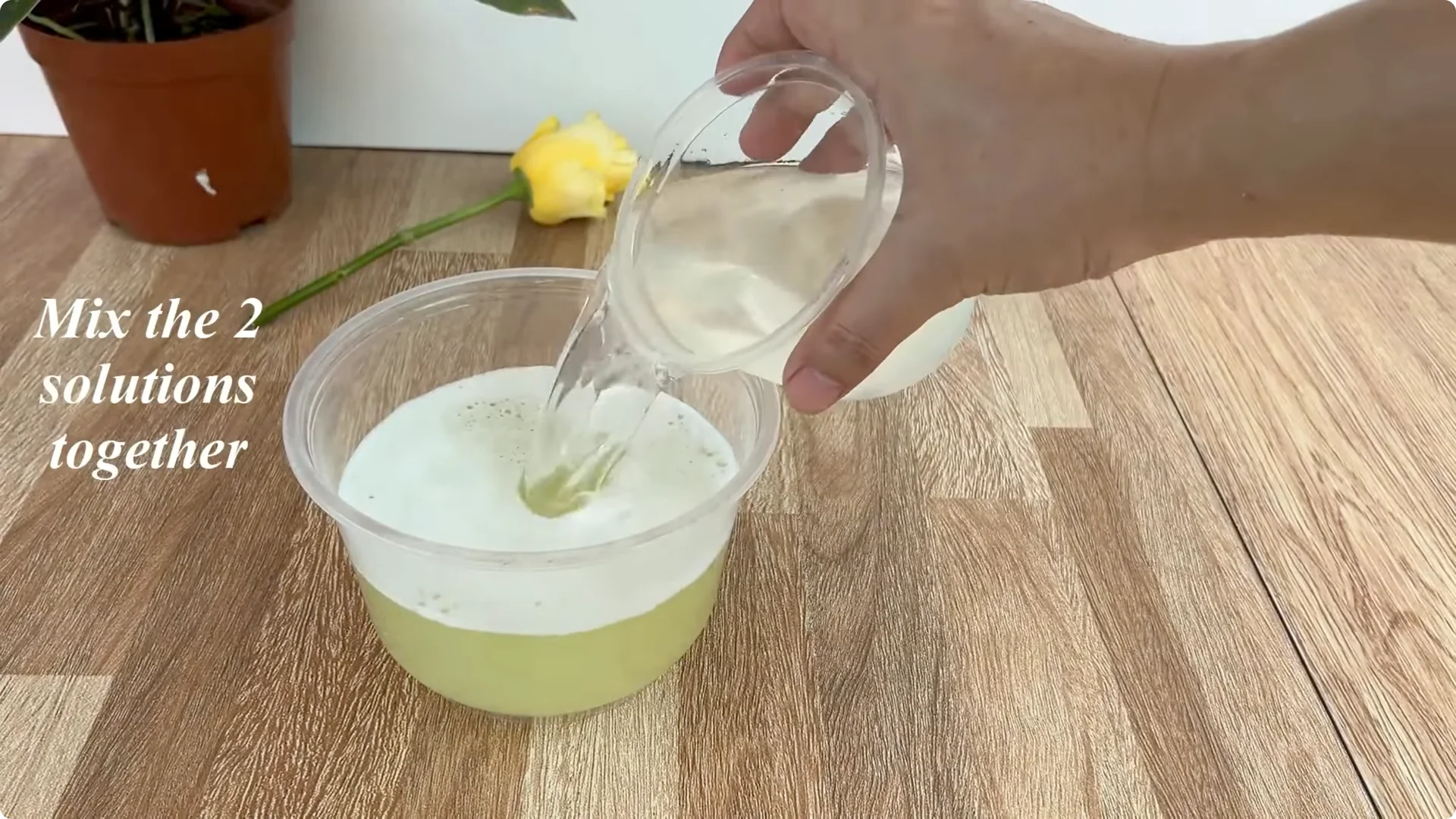
After soaking for 30 minutes, take the flower branches out of the lemon-glucose solution. Mix this solution with the prepared potato-lemon peel mixture. You now have a synthetic solution that is strongly antibacterial and provides energy and nutrients, helping the branches to root quickly and sprout strongly.
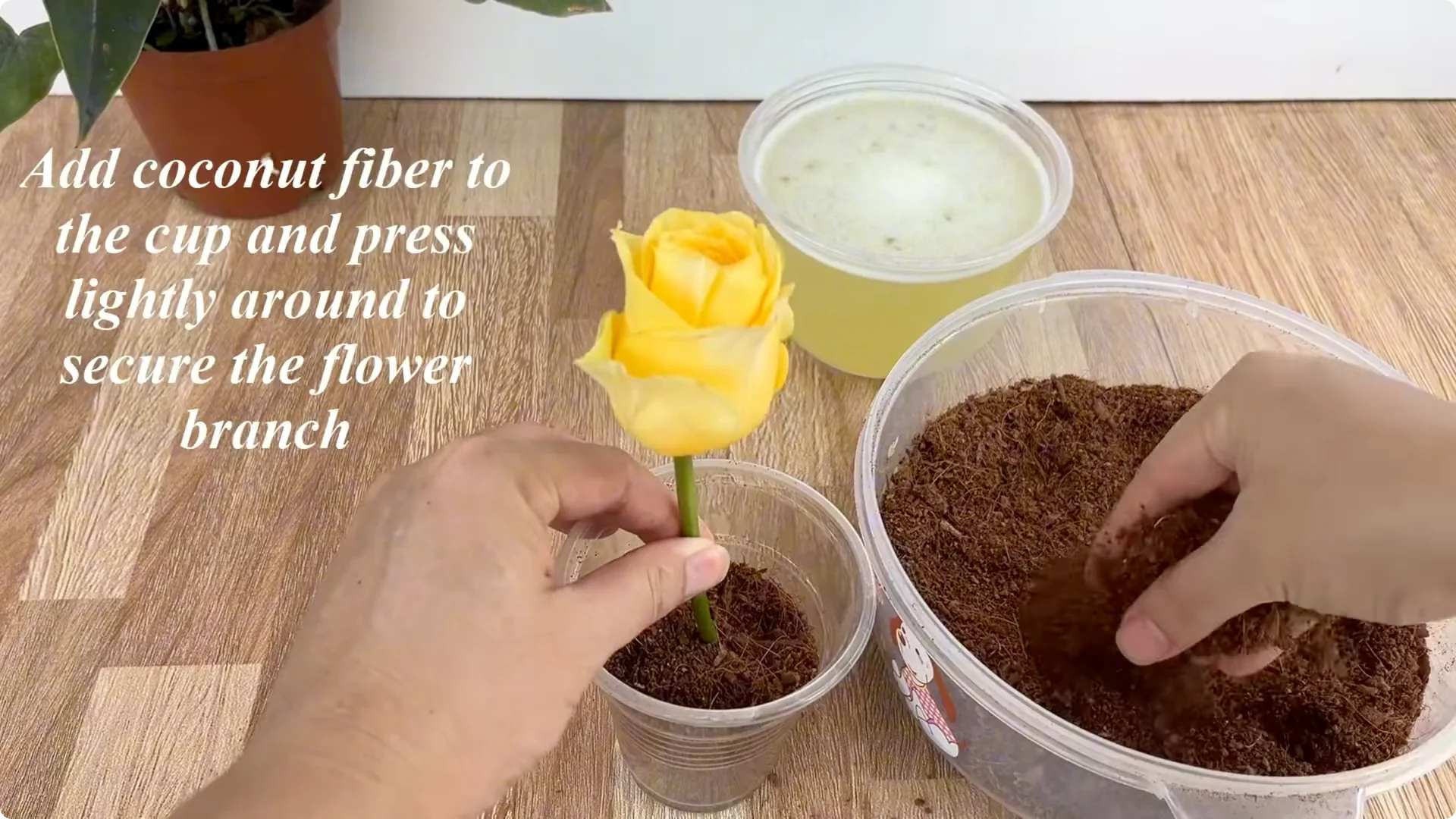
Prepare a clean plastic cup. Put in processed coconut fiber to 1/2 cup and press firmly, make a small hole in the middle, and place the rose branch in it. Add coconut fiber and press lightly around to fix the branch.
Step 4 – Moisten and create humidity
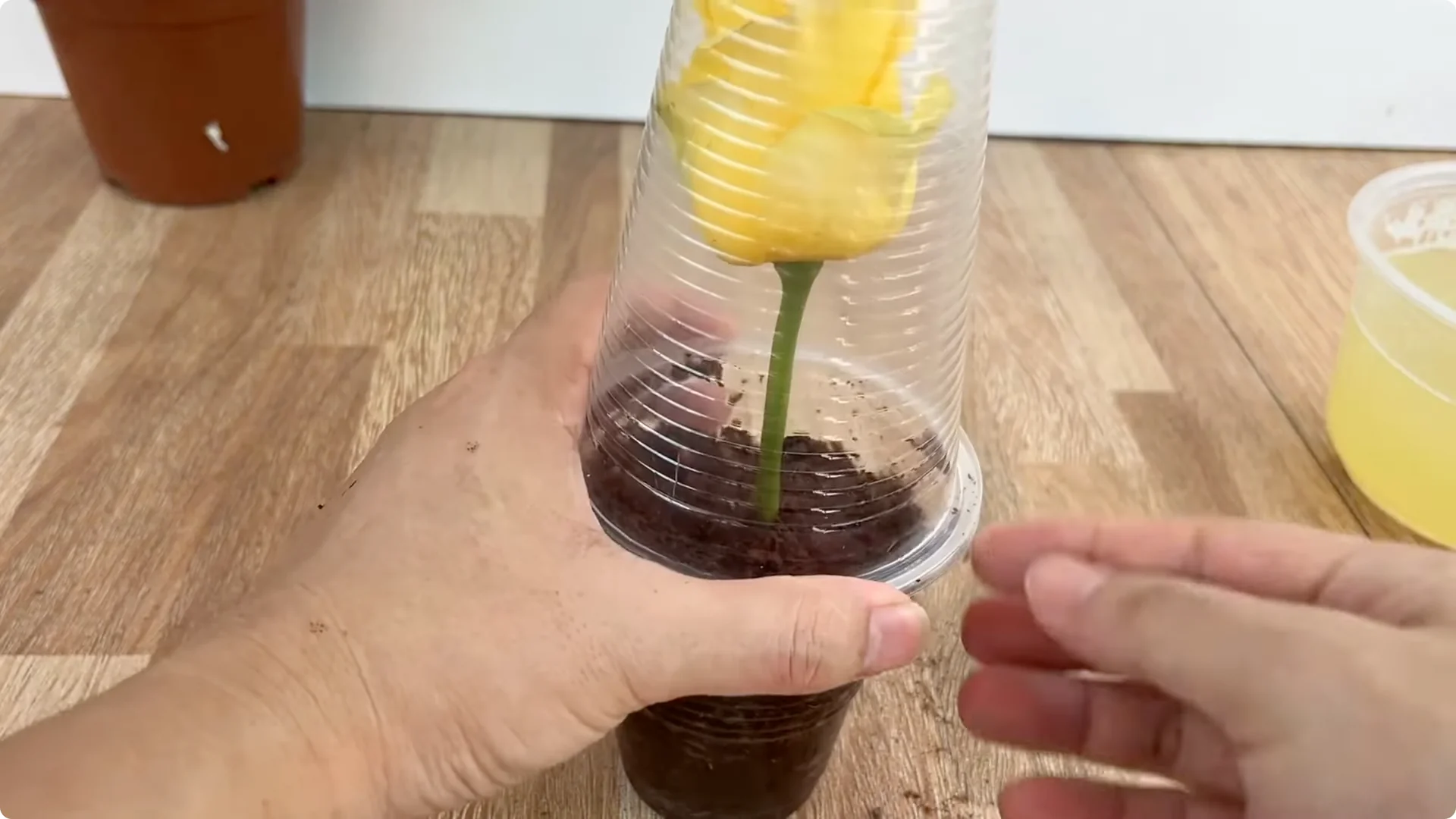
Pour the lemon – potato – glucose solution into the cup so that the coconut fiber is moist enough but not too waterlogged. Coconut fiber retains moisture well but is still airy, helping young roots develop without being waterlogged. This is the ideal growing medium for the cutting stage.
Glucose in the solution acts as an instant energy source. It helps cells at the base of the branch divide quickly, promoting the formation of new roots and nourishing young shoots in the early stages when the branch has not yet synthesized nutrients. Use a plastic bag or transparent plastic cup to cover the mouth of the cup to create a mini greenhouse effect and keep high humidity.
Step 5 – Placement, results, and transplanting
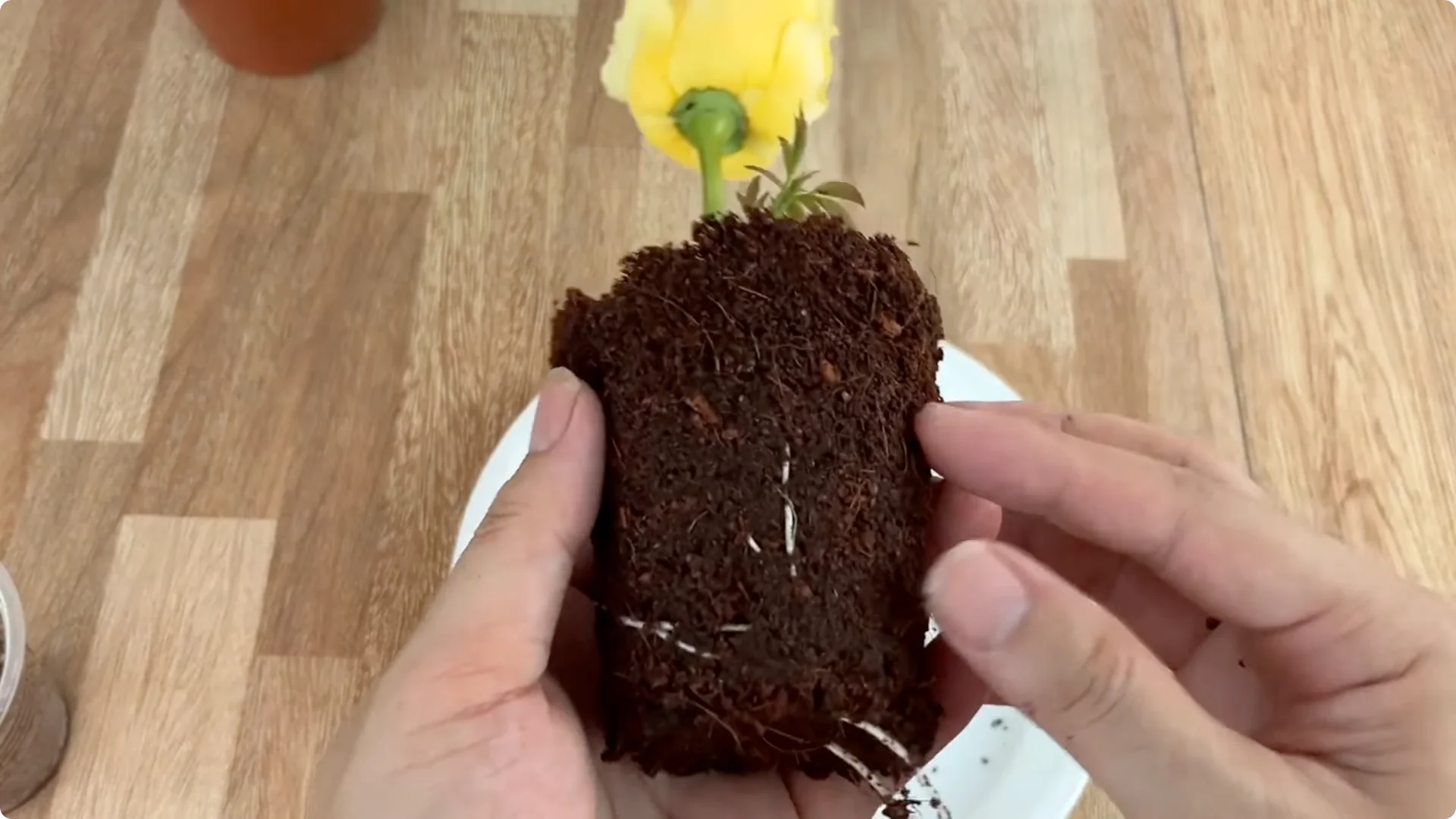
Place the cup in a cool place, avoiding strong sunlight and strong winds. After just 7 days you will see green shoots starting to grow, along with many white, plump roots around the base. This is a clear sign that the branch has successfully taken root.
At this point, you can transfer the branch to a larger pot. Use a well-drained substrate such as coconut fiber or sand mixed with soil, so that the plant continues to grow healthily. Water lightly and keep the environment stable.
3. Rose Cutting Propagation With Coffee and Onion
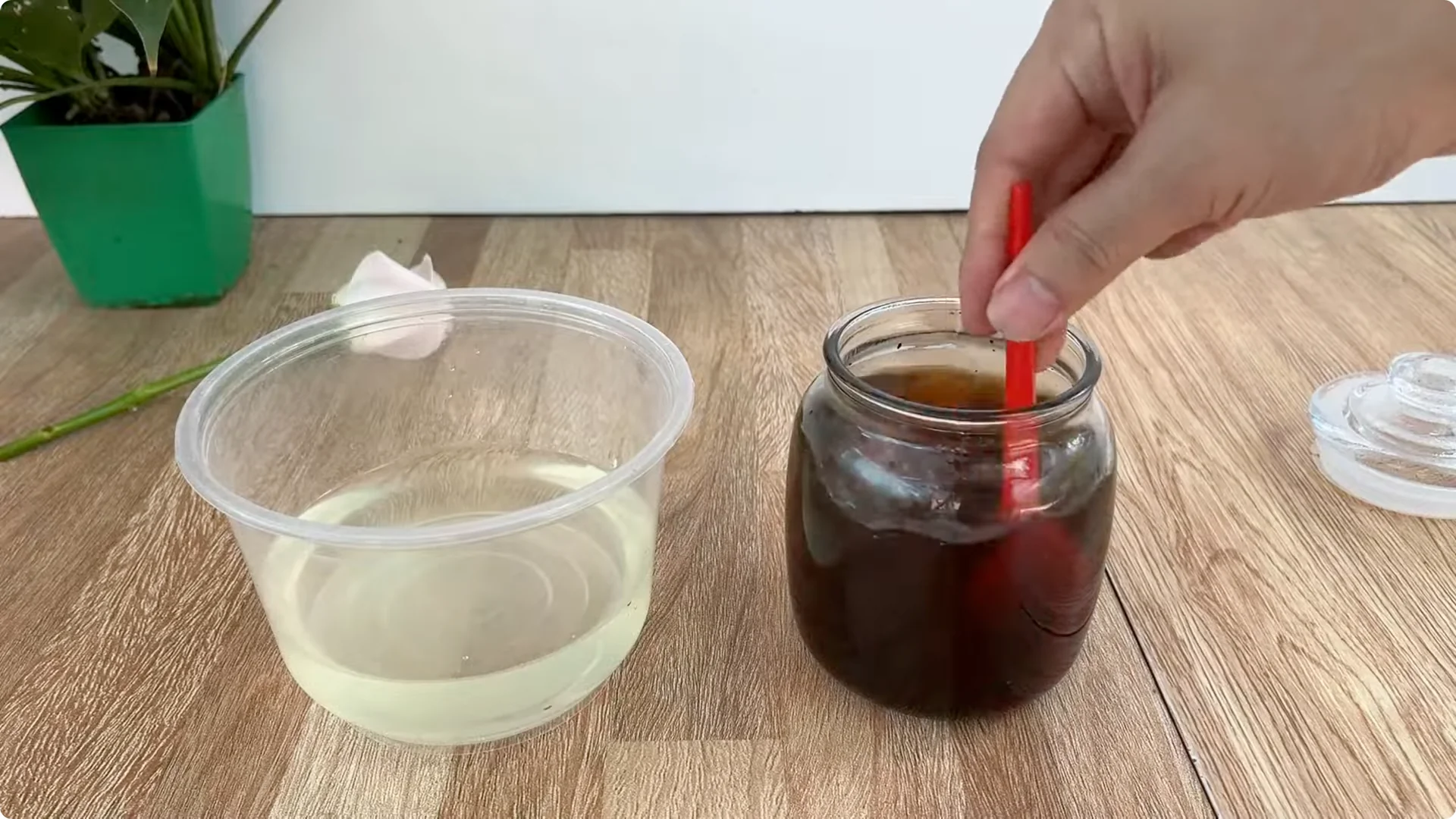
Ingredients and why they work
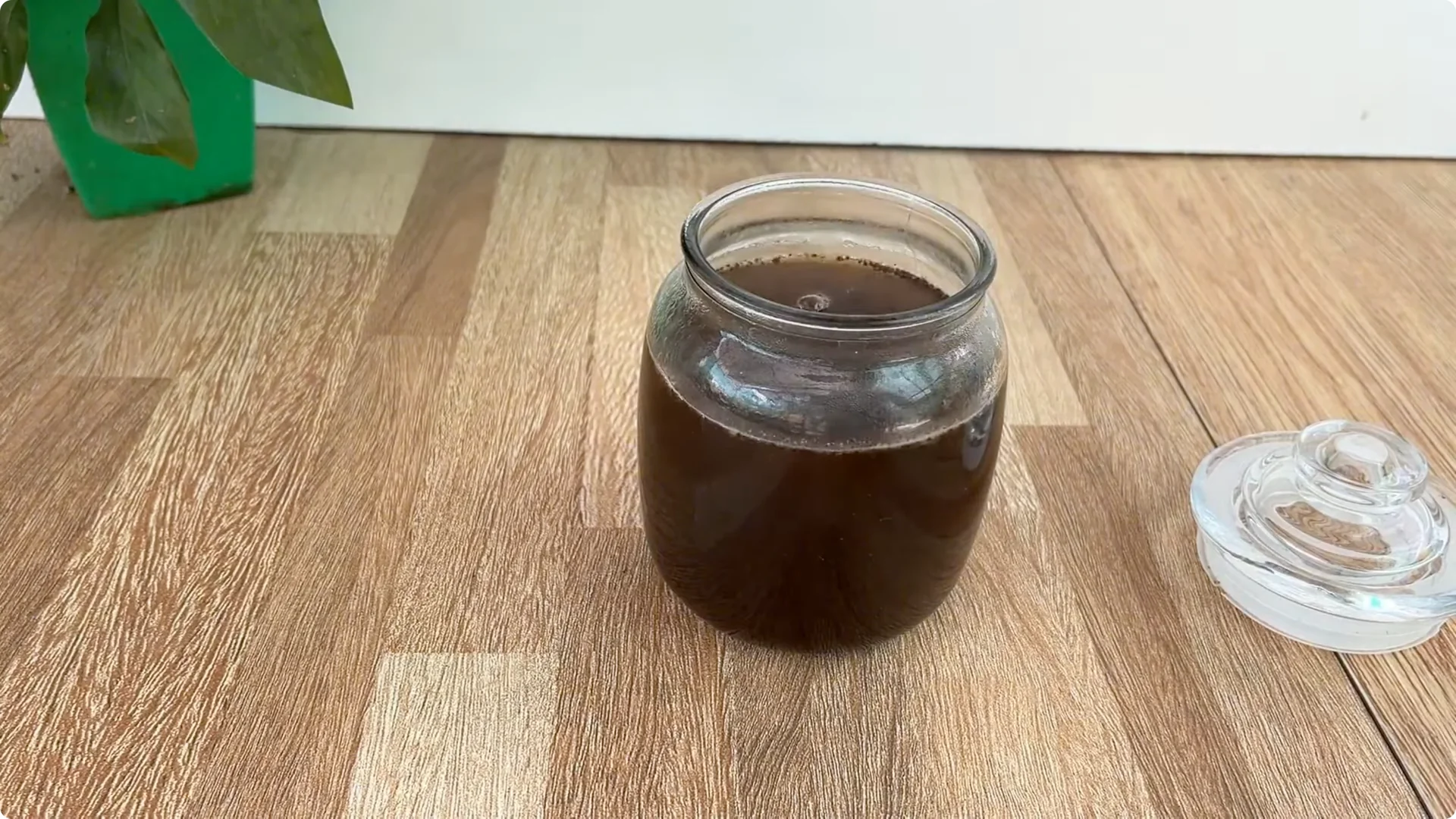
Coffee contains caffeine and many antioxidants. Caffeine helps stimulate the activity of callus tissue at the base of the branch, promoting cell division and the formation of new roots. Onions contain sulfur compounds, flavonoids, and a small amount of natural phytohormones.
These substances have strong antibacterial and antifungal effects, helping to prevent root rot. They also stimulate the callus at the base of the branch to develop new roots. Learn more about why onions are effective for rose propagation.
Step 1 – Brew coffee and let it cool
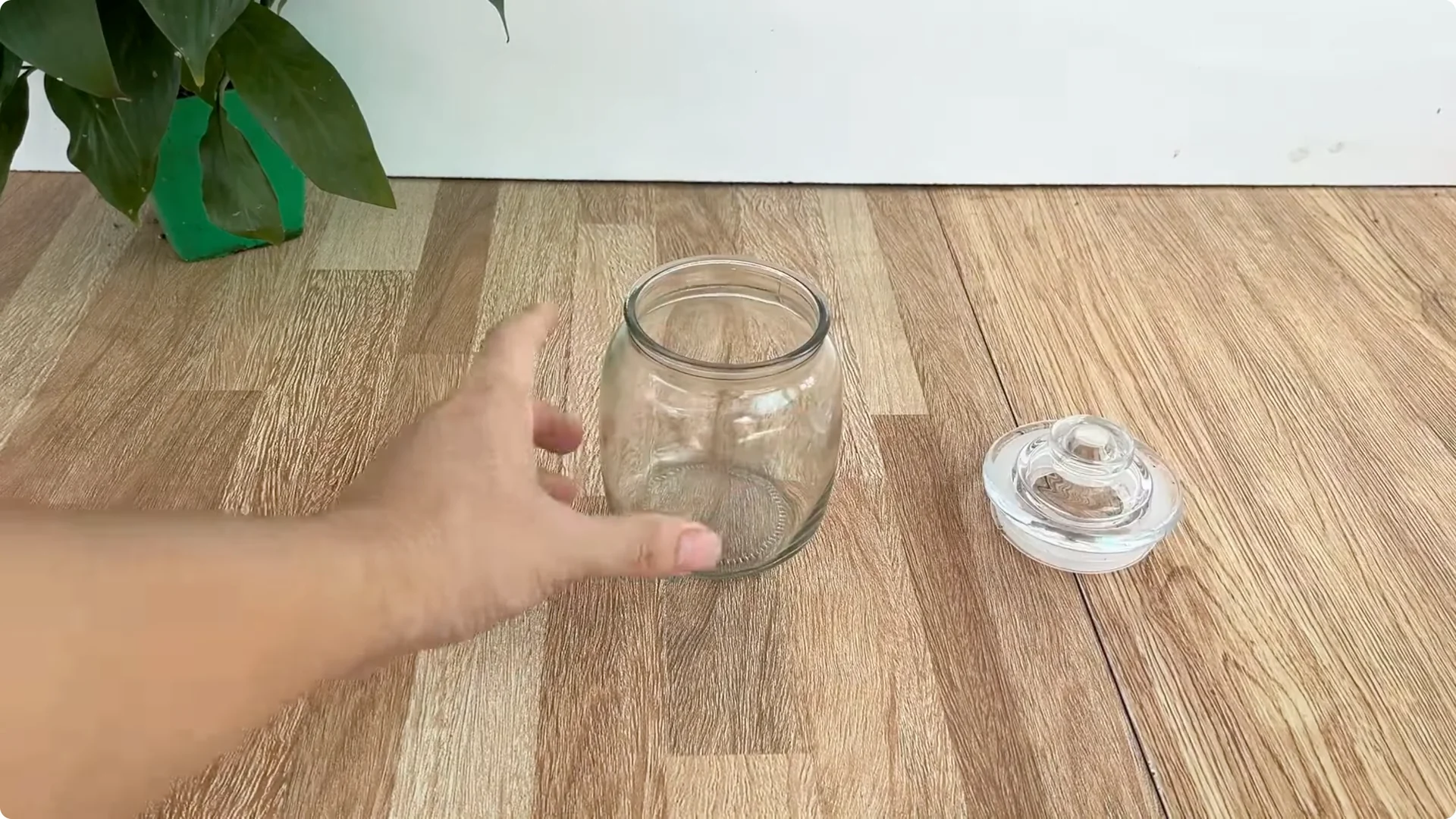
Put 1 teaspoon of coffee in a clean glass jar. Add 0.5 liters of boiling water, cover, and let it cool for about 1 hour. Filter out the coffee grounds through a clean cloth to keep the clear coffee water.
Step 2 – Prepare the branch
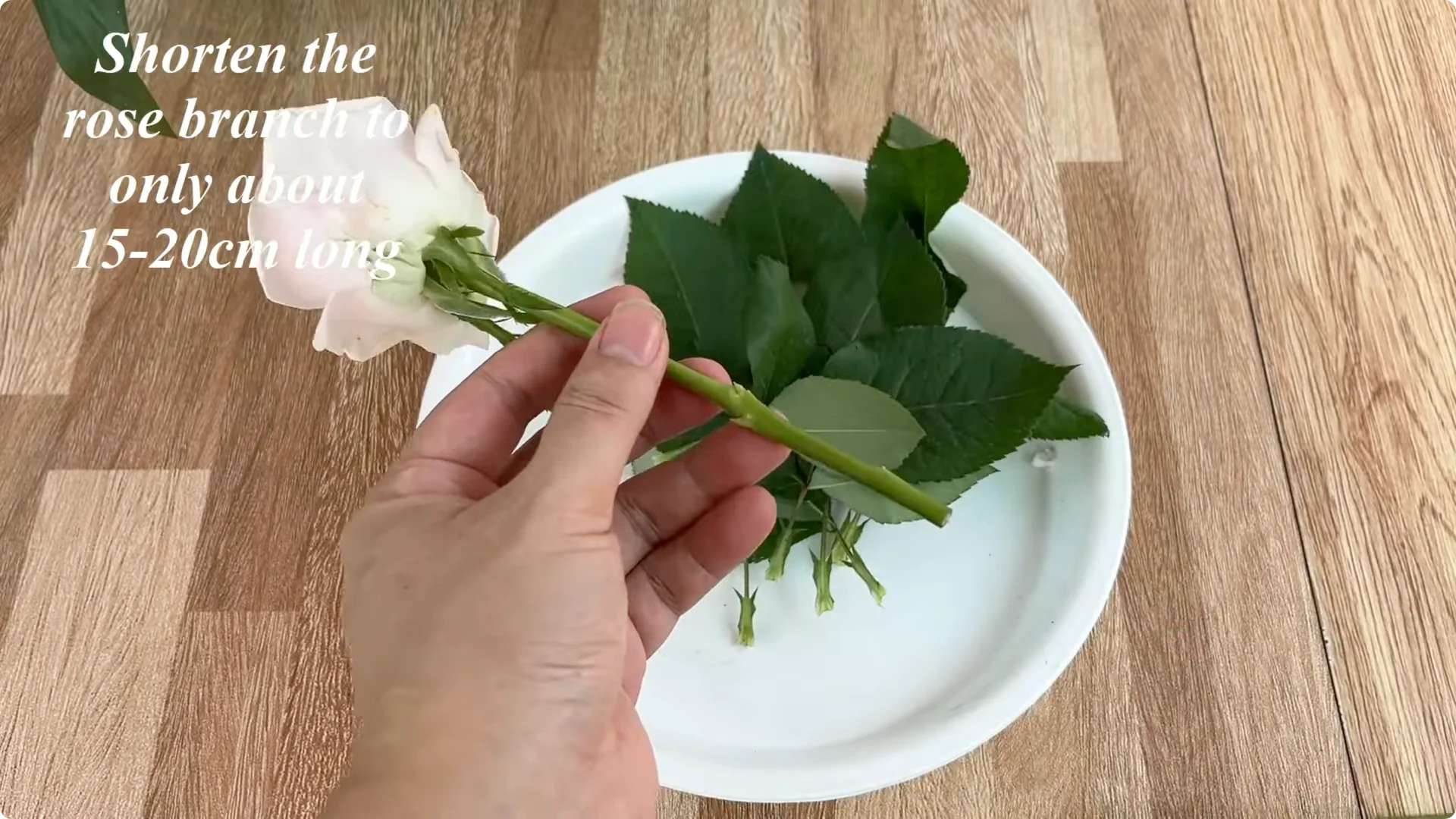
Choose a healthy branch with moderate age, not too young to avoid rotting, nor too old because it is easy to dry. Cut the branch to about 15–20 cm and remove all the leaves and sharp thorns, keeping only a few clean stems. This step helps reduce water loss so the branch can focus all its energy on forming roots.
Step 3 – Make the onion soak
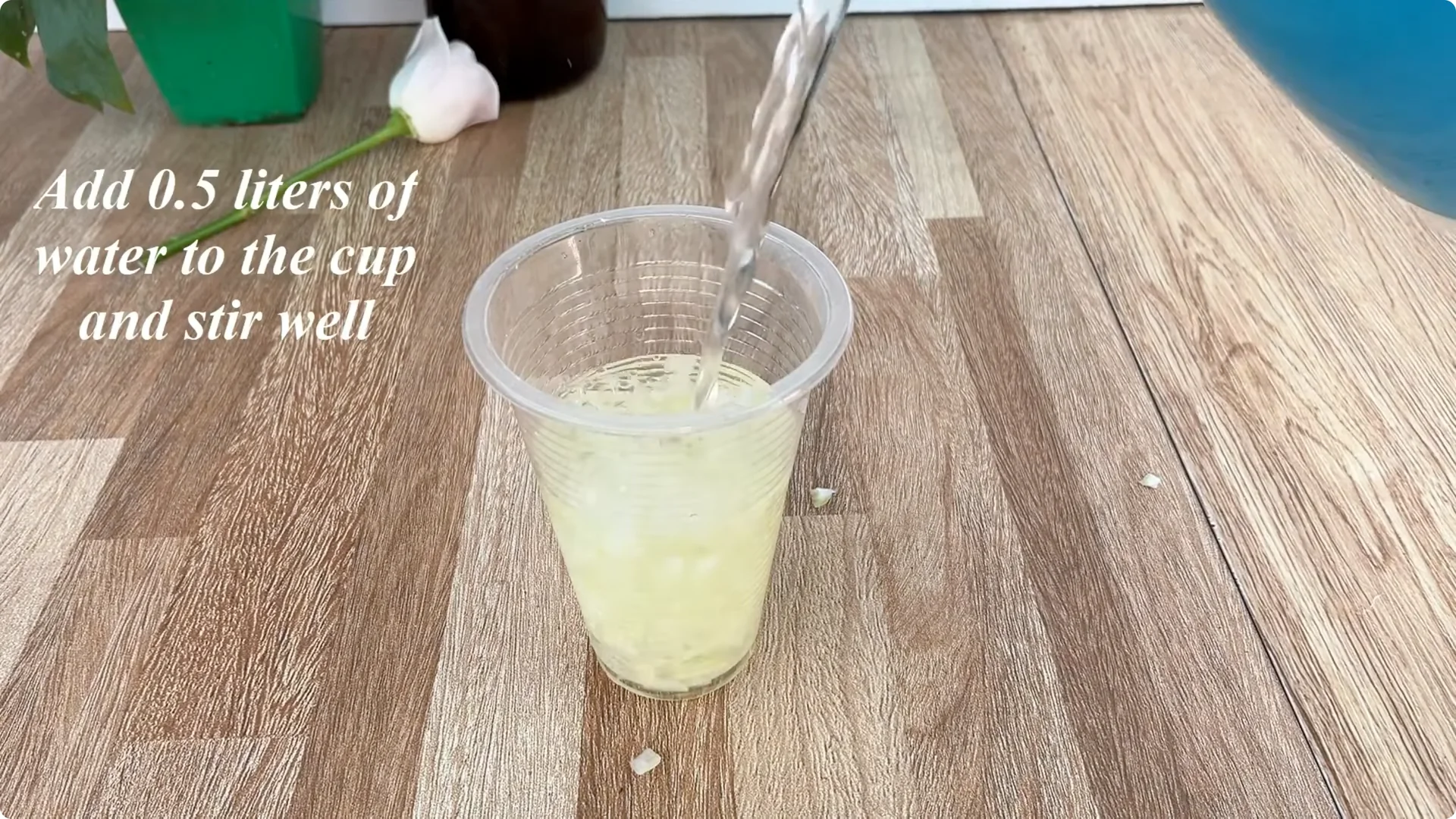
Use about 30 grams of onion, cut into thin slices, and put it in a clean plastic cup. Add 0.5 liters of water and stir well. Soak the rose branches in this onion solution for about 30 minutes, then filter out the onion residue to keep the clear water.
Step 4 – Mix solutions and set up the jar
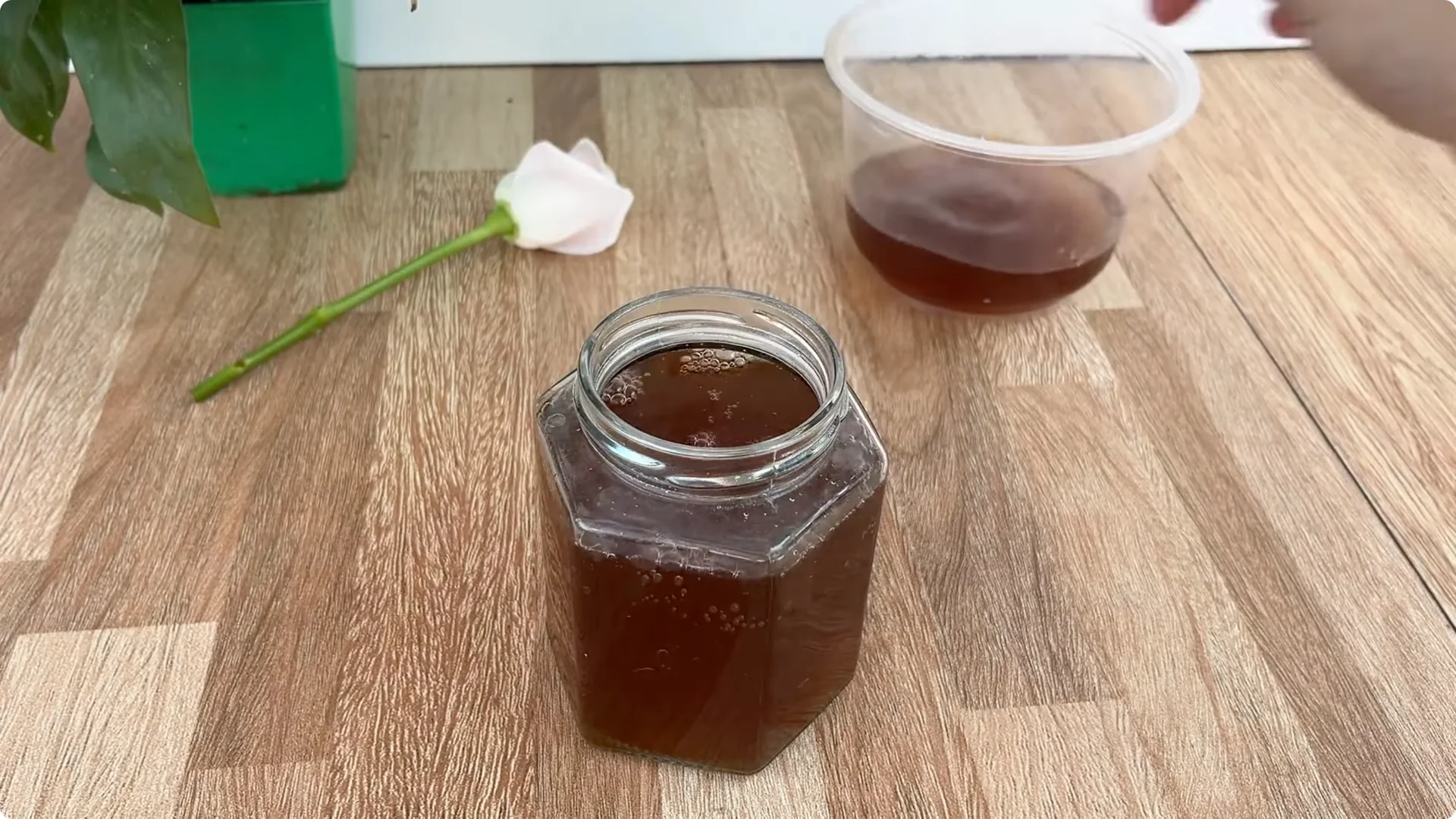
Mix the filtered coffee with the filtered onion water. You now have a special mixture that is antibacterial, anti-rot, and stimulates root growth thanks to the combination of caffeine in coffee and sulfur and phytohormones in onions. Pour the mixed solution into a clean glass jar, almost full to the mouth.
Cut a piece of foam to fit the mouth of the jar and use a stick to make a small hole in the middle, just right for the diameter of the rose branch. Place the foam on top of the jar and use a string to secure the position of the branch on the foam. Insert the branch through the small hole so that the base is deeply immersed in the solution.
Step 5 – Create humidity, place, and transplant
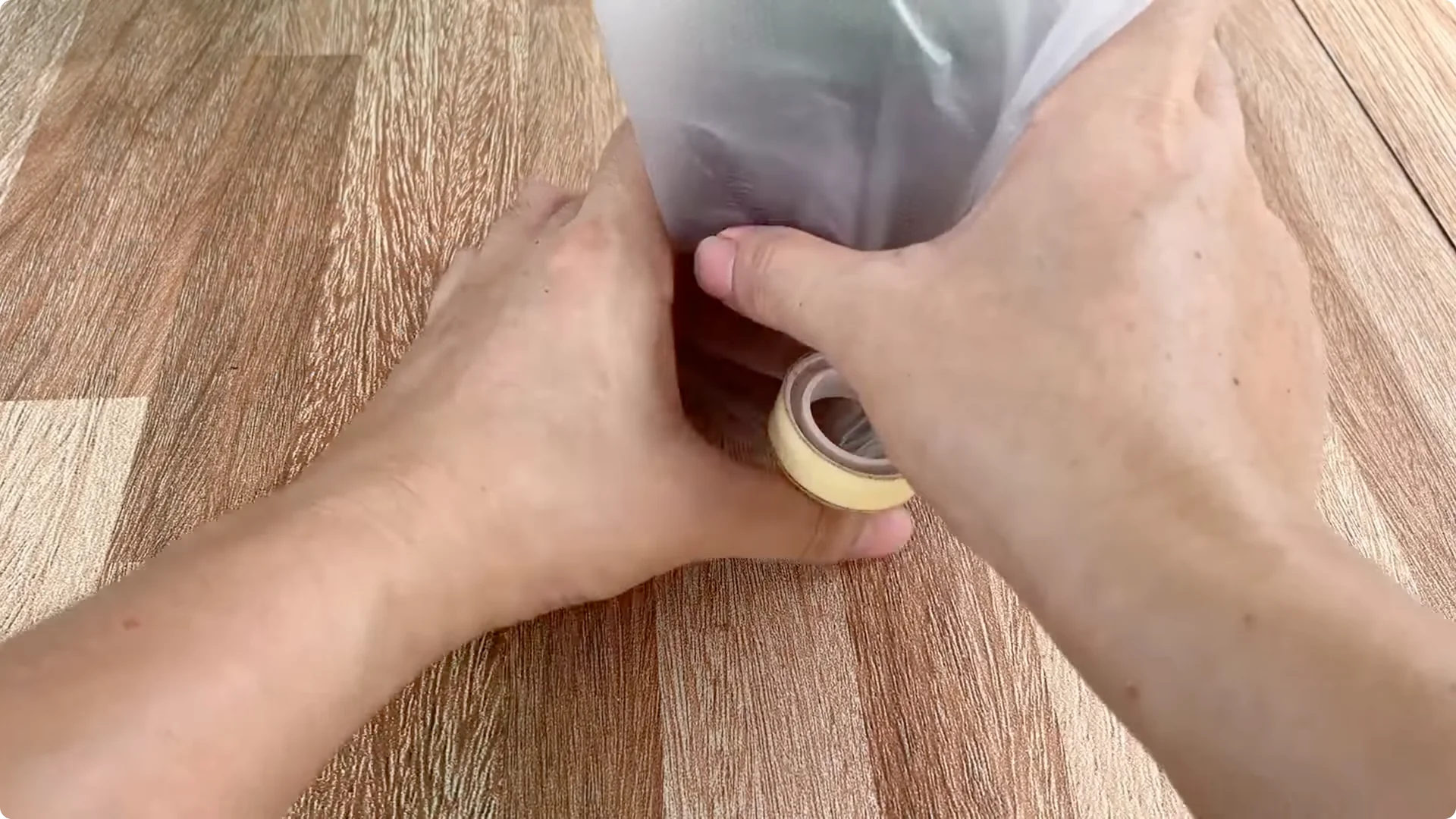
Use a plastic bag or a transparent plastic cup to cover the mouth of the jar to create a mini greenhouse. Place the jar in a cool place, away from strong sunlight and wind. After just 7 days you will see green shoots start to grow and new white, plump roots appear around the base.
This is a sign that the branch has successfully taken root. Move the branch to a larger pot, using a well-drained substrate such as coconut fiber. The roots will grow healthily and the plant will adapt quickly.
Final Thoughts
With just lemon, potatoes and glucose, or coffee and onions, you can create effective natural cutting solutions. These methods stimulate strong root growth, protect against root rot, and help you successfully propagate roses at home. For more straightforward techniques and variations, explore easy rose propagation ideas that pair well with these formulas.
About The Author

The Beginner’s Rose Propagation Starter Kit 🌹
A simple printable PDF guide to help you root rose cuttings successfully.
Get The Guide →