

Here is a special method for propagating roses. It is extremely effective, helping to stimulate cuttings to sprout and grow healthy roots in a short time. For a different approach, see a simple method to propagate roses.
1. Rose Propagation from Cuttings – Natural Method
1. Prepare the coffee solution
First, prepare a coffee solution – a natural root stimulant nutrient. Take 1 teaspoon of coffee powder and put it in a clean glass jar, then add about 500 ml of boiling water to the jar. High temperature will help dissolve organic compounds in coffee such as caffeine, chlorogenic acid and a small amount of tannin that can inhibit bacteria, while stimulating metabolism in cutting tissue.
The Beginner’s Rose Propagation Starter Kit 🌹
A simple printable PDF guide to help you root rose cuttings successfully.
Get The Guide →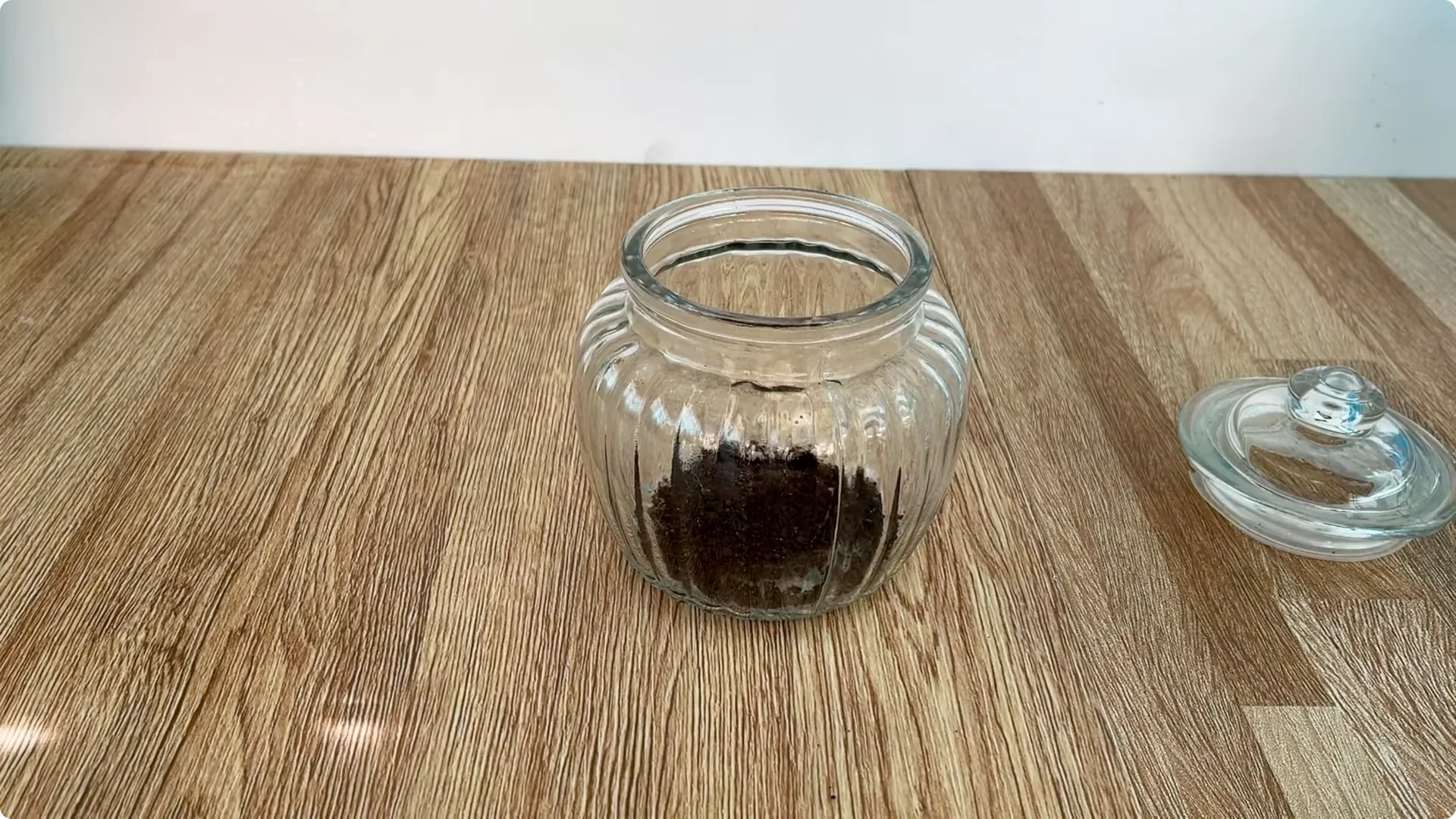
After stirring well, close the jar tightly and let the solution cool naturally. Stir well again when cooled. Filter through a thin cloth to remove the residue, collecting the clear solution.
2. Prepare the cuttings
Choose a healthy rose branch, free of pests and diseases, of moderate age – not too young, not too old. Shorten the flower branch, leaving only about 15-20 cm in length. Use scissors or a knife to cleanly trim all the leaves and sharp thorns along the stem, and remove the wilted petals to reduce water evaporation.
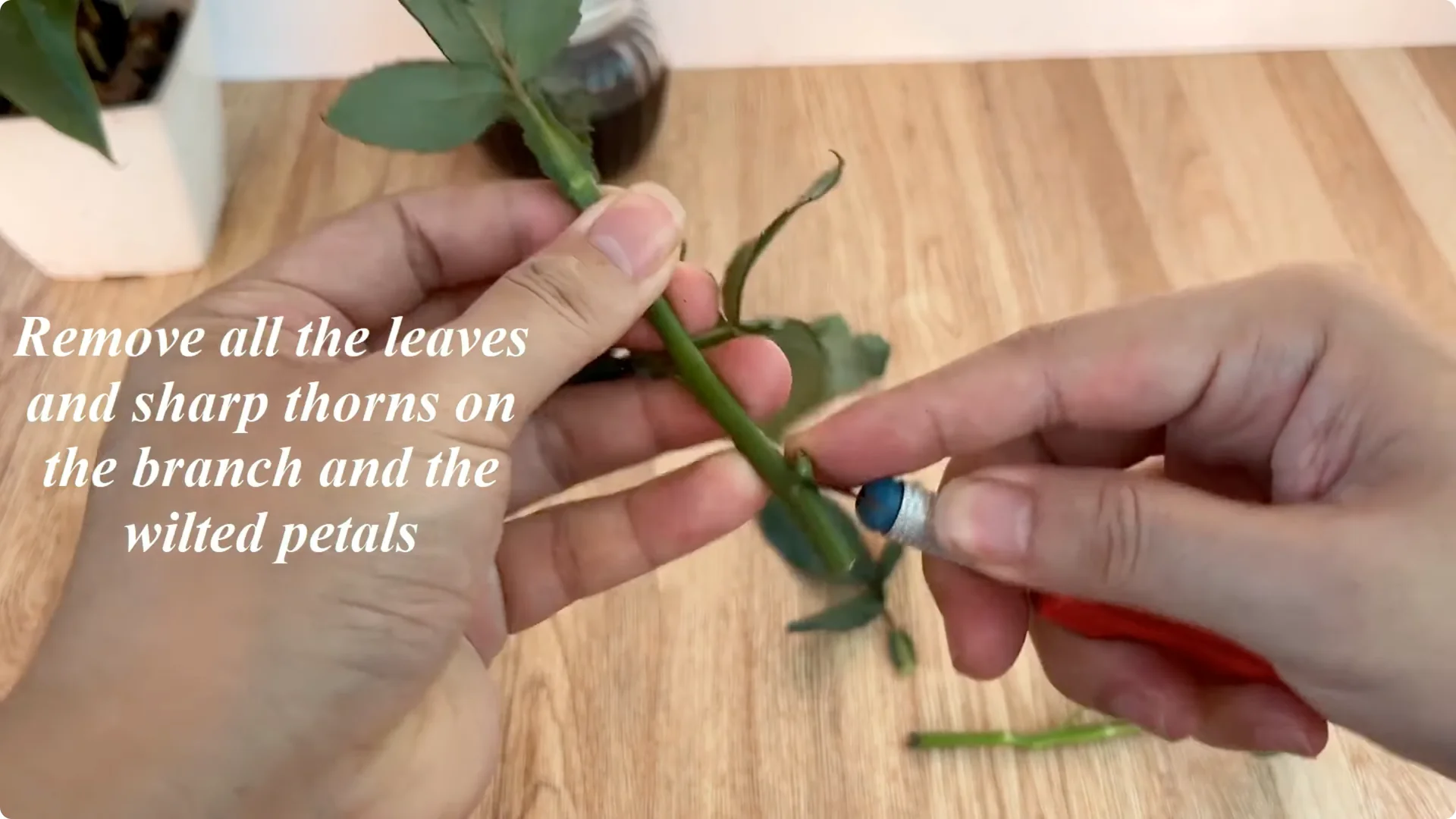
Only keep about 2-3 young leaves on the top of the branch to ensure minimal photosynthesis. The base of the branch can be trimmed off a section of bark to increase the contact area with the nutrient solution, helping to absorb water and nutrients better.
3. Make the lemon solution
Prepare the lemon solution – a source of organic acid that stimulates rooting. Take a fresh lemon, wash it, cut it in half and squeeze all the juice into a clean plastic cup. Lemon juice contains a high amount of citric acid which can clean bacteria and mold on the surface of the branch while softening plant tissue and activating the process of root cell division.
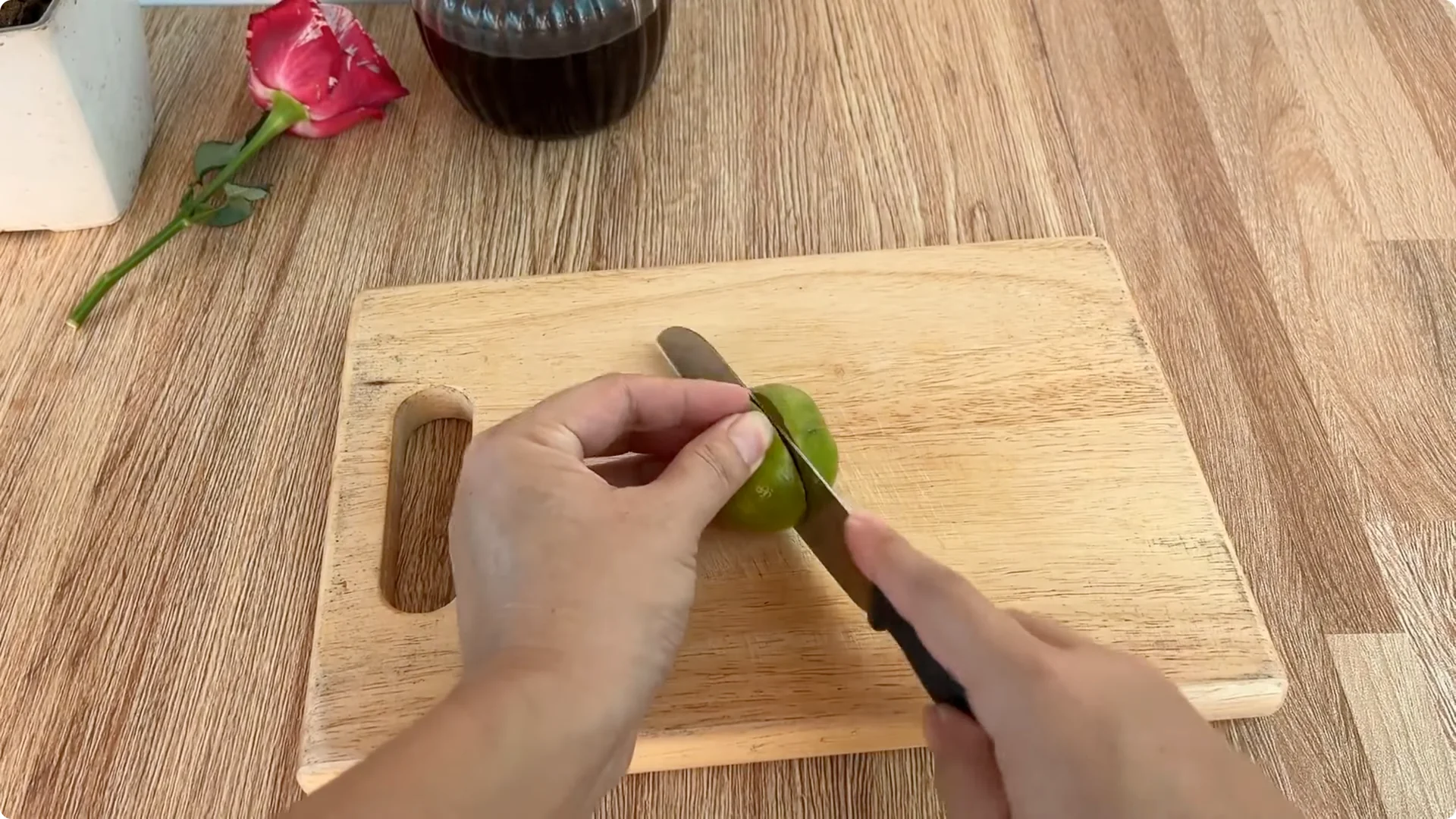
Add 500 ml of water, stir well to dilute. Soak the rose branch in this solution for about 30 minutes. This is an important step to help prepare the branch tissue before cutting.
4. Use lemon peel and carrots
Do not throw away the remaining lemon peel. Cut the entire lemon peel into small pieces and put it in another clean plastic cup. Lemon peel contains essential oils containing limonene – a natural antibacterial compound that helps prevent root rot, while also providing vitamin C to help restore damaged tissue.
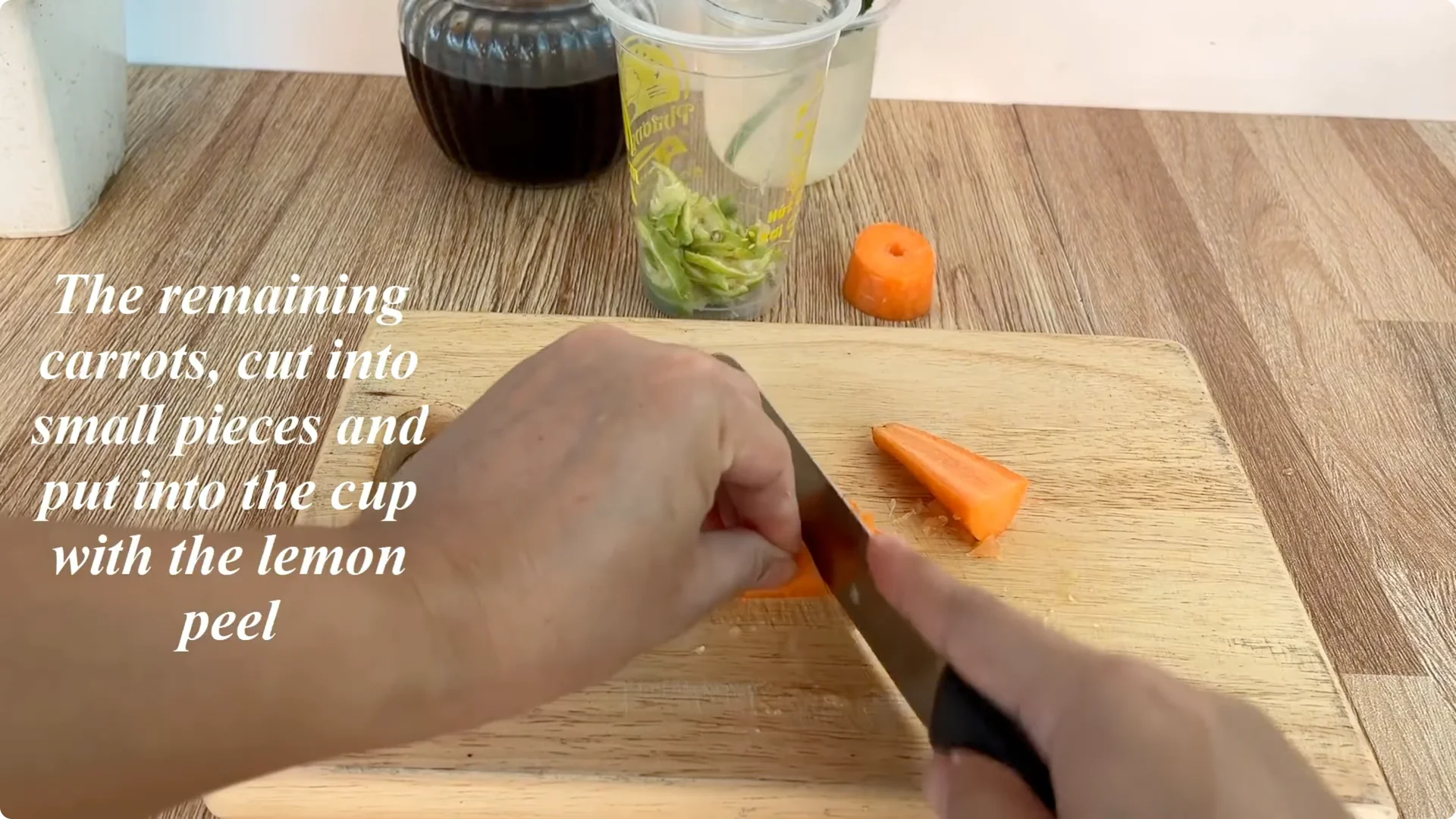
Choose a fresh carrot, wash it, and cut it into about 40 grams. From this part, cut out a piece about 2 cm thick and use a small knife to cut a hole in the middle that is the same size as the flower branch. This carrot slice will be used as a natural support, providing nutrients and keeping moisture at the base of the cutting.
Cut the remaining carrots into small pieces and put them in a cup with the prepared lemon peel. Add 500 ml of warm water and stir well, then let it sit for 30 minutes. When combined, the essential oil from the lemon peel and beta-carotene from the carrots will dissolve in the water, creating a nutrient solution rich in antioxidants, helping the root tissue to heal quickly and regenerate new root cells.
5. Combine the nutrient solutions
Take the rose branch out of the lemon juice cup. Filter out the seeds, then mix this lemon juice with the filtered coffee solution. Return to the lemon peel – carrot mixture, stir again, then filter through a thin cloth, collect the light yellow solution and pour it into the cup containing the coffee-lemon mixture.
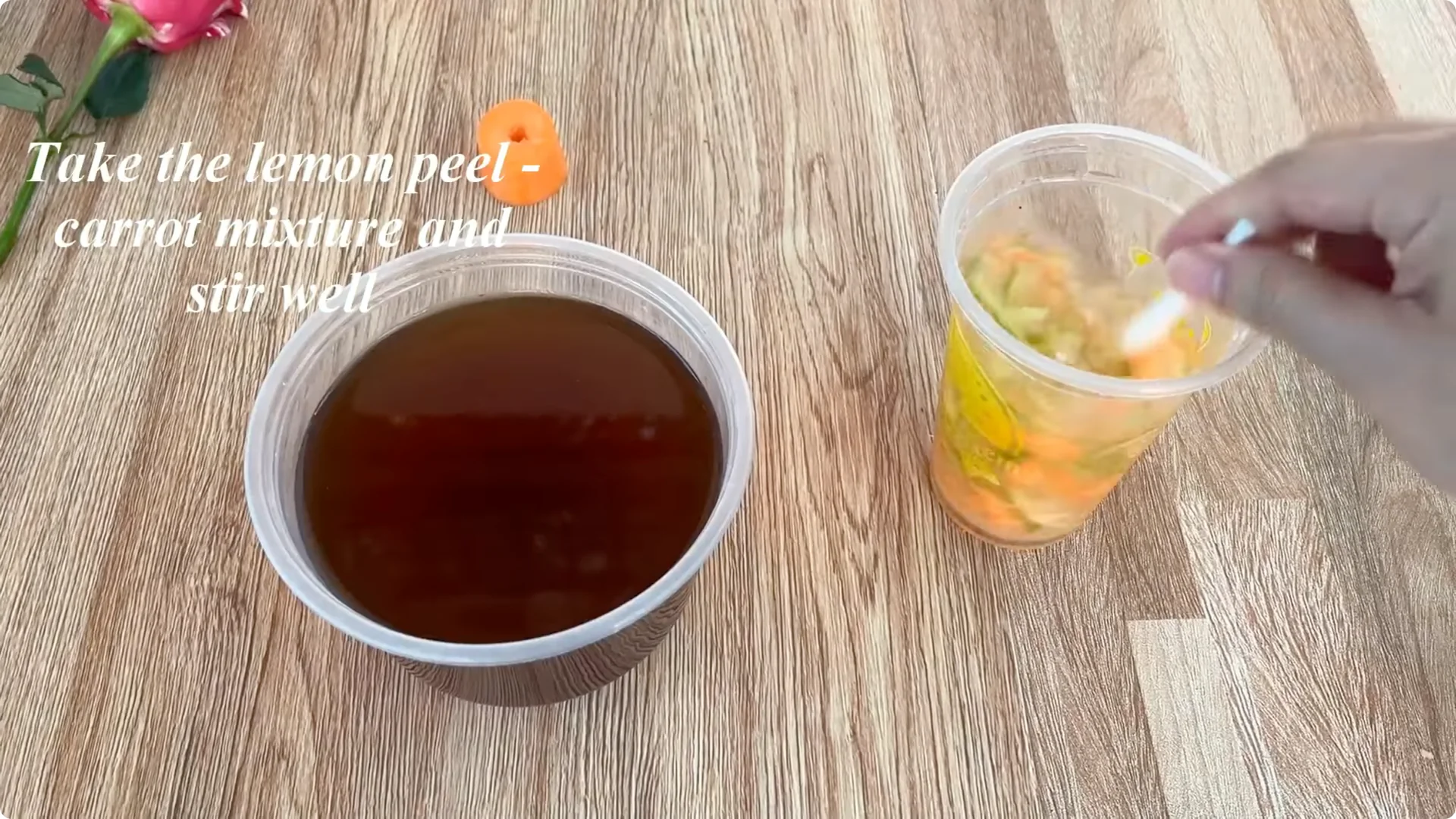
Thus, you have created a coffee-lemon-carrot mixture, containing beneficial biological active groups: caffeine to stimulate roots, antibacterial citric acid, beta-carotene and vitamin C to restore tissue. If you enjoy household-ingredient approaches, see a cola-based propagation trick for roses.
6. Set up the cutting cup
Use a clean plastic cup, pour in a layer of treated river sand that occupies about 1/4 of the cup’s volume. Place the rose branch in the small hole in the middle of the carrot and gently place it in the sand cup. Add more river sand until the cup is almost full, making sure the base of the branch is buried deep and stable.
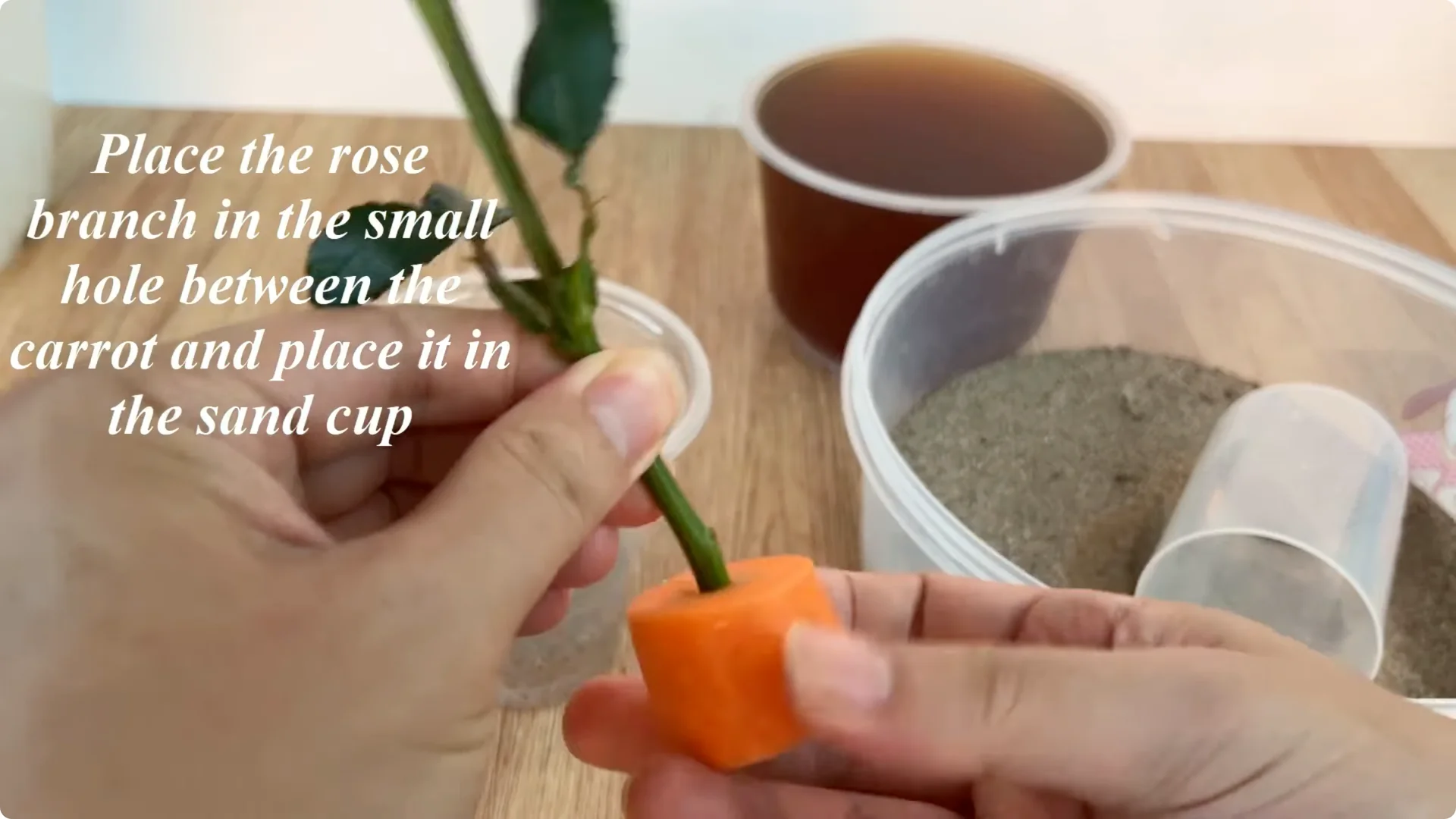
Finally, pour the coffee-lemon-carrot solution into the cup, enough to keep the sand evenly moist without water stagnating at the bottom.
7. Create a stable microclimate
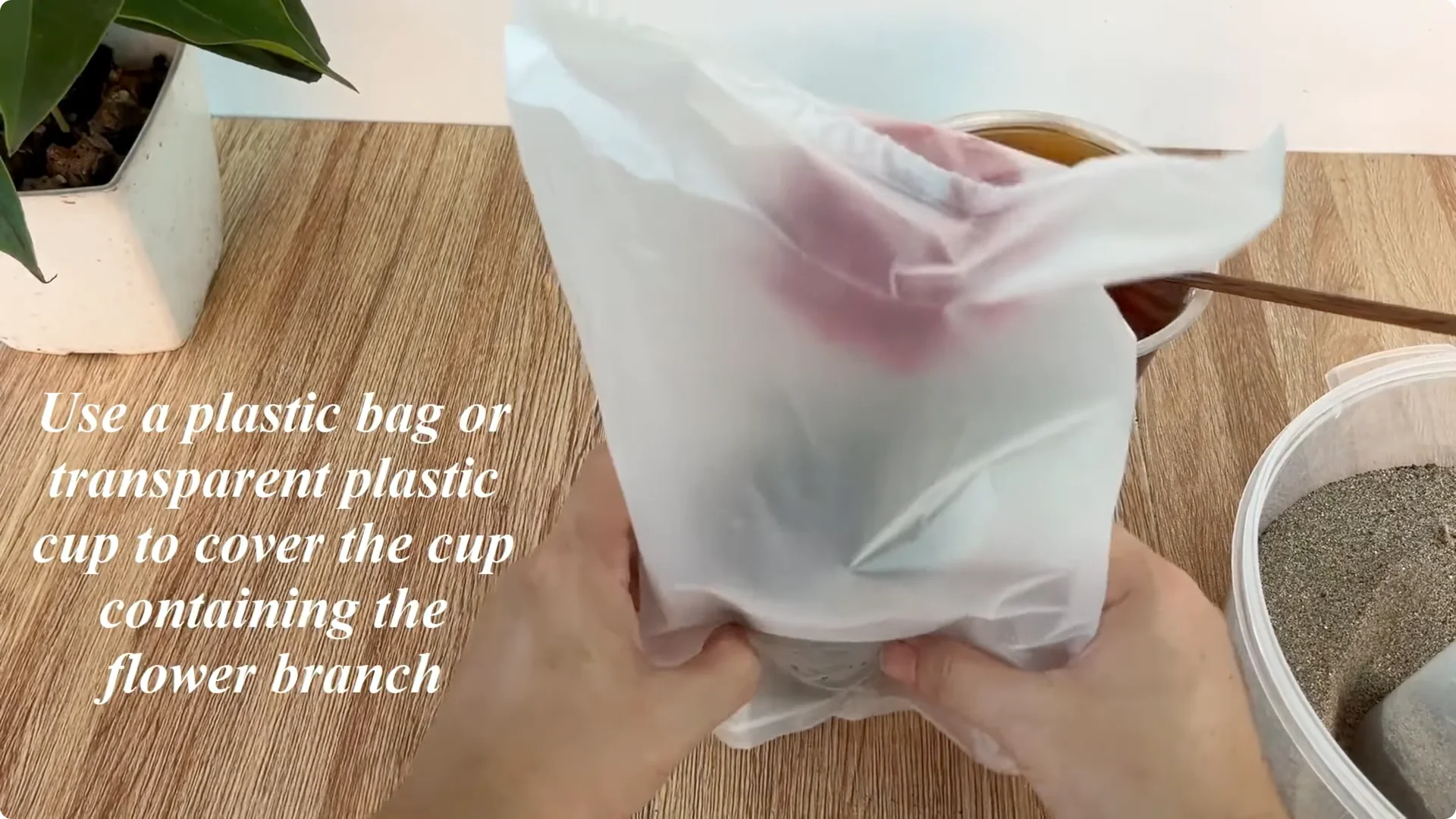
Cover the cup with a plastic bag or a transparent plastic cup to keep the moisture in. Place the cutting in a cool place, away from strong winds and direct sunlight. The ideal temperature is around 25-28°C, and the light will help the cuttings photosynthesize gently without losing water.
8. Signs of success and next steps
After about 10 days, you will see the magic. The rose branch will start to sprout green shoots, showing that the root tissue has healed and new roots are forming. When you gently check, you will notice thick white roots growing around the carrot and spreading out in the sand layer – that is the sign of a successful cutting.
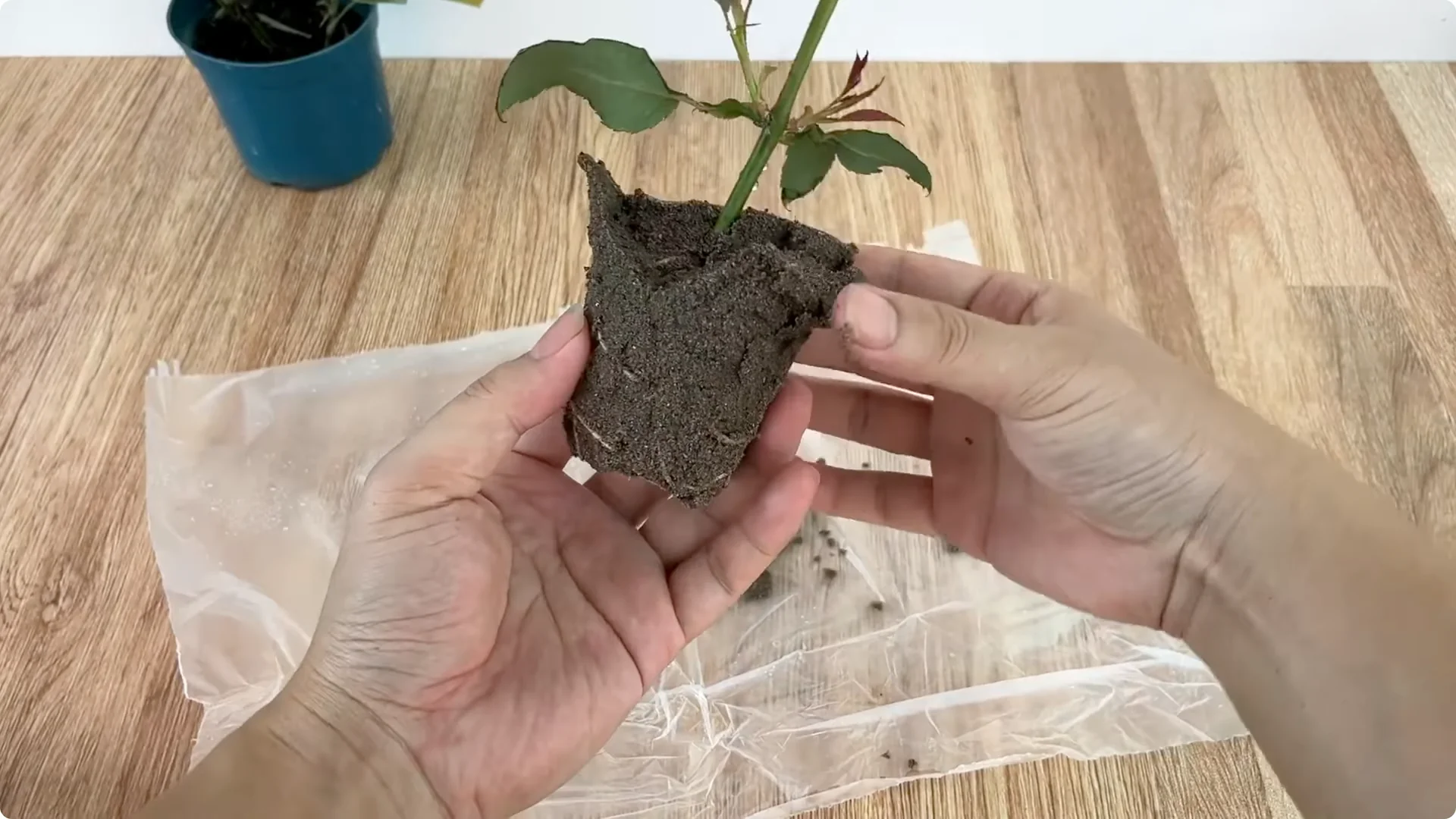
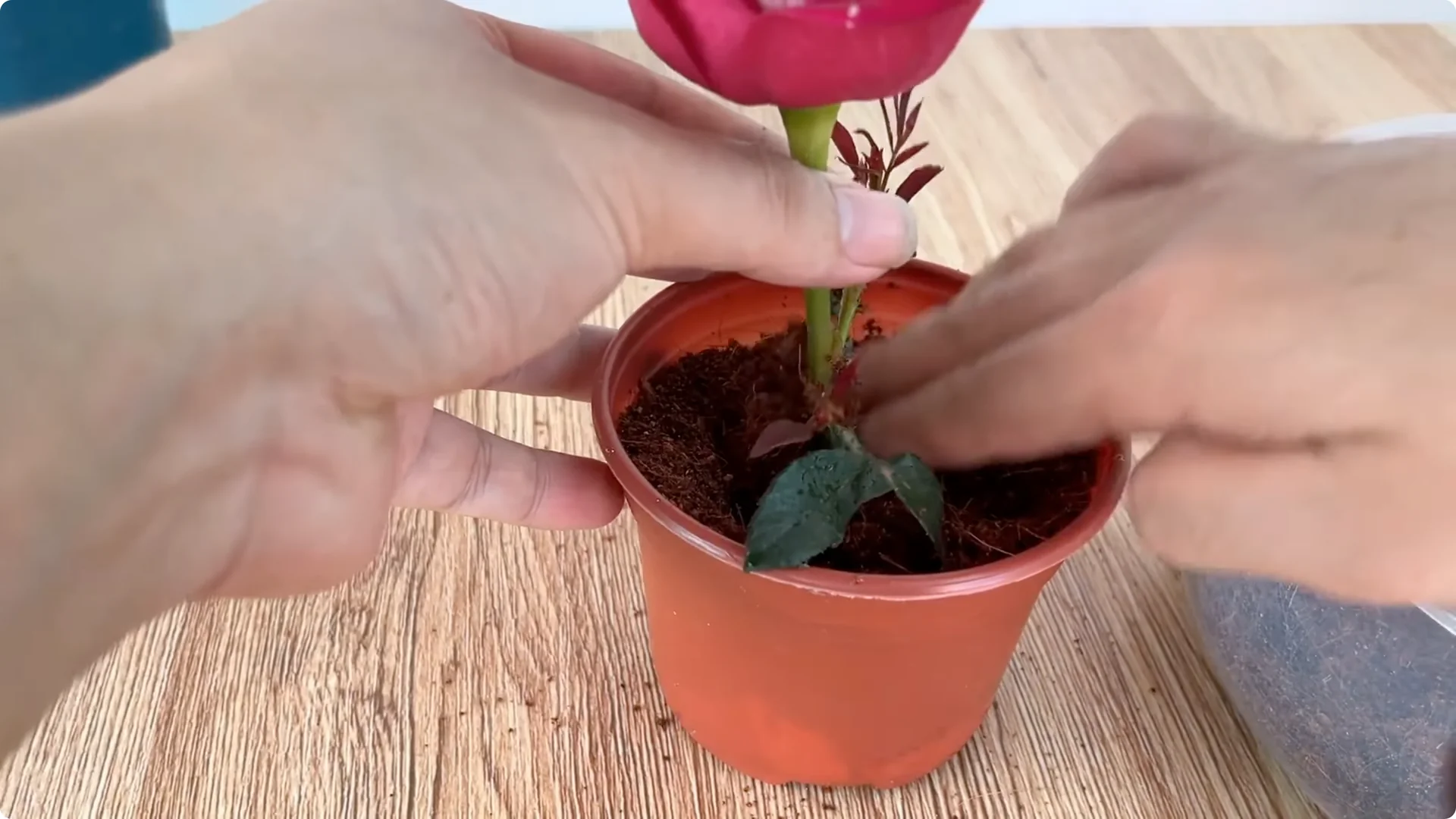
At this point, you can gently transfer the flower cutting to a pot with good drainage, using a substrate of coconut fiber mixed with rice husk ash or humus soil. For more ideas that pair well with this approach, explore a surprising simple method to propagate roses.
2. Rose Propagation from Cuttings – Why it works
This propagation formula is not only simple but also takes full advantage of natural ingredients, safe and economical. Coffee provides energy to stimulate roots, lemon is a powerful disinfectant, and carrots add vitamins and antioxidants. All together, they create a perfect environment for the rose cutting to grow.
Final Thoughts
Use this gentle routine to prepare, nourish and protect your cuttings. Keep moisture stable, provide soft light, and transplant once roots are visible and strong. Wish you success and soon have for yourself pots of bright, healthy and fragrant roses right in your own garden!
About The Author

The Beginner’s Rose Propagation Starter Kit 🌹
A simple printable PDF guide to help you root rose cuttings successfully.
Get The Guide →