

Today, we will explore a rather strange but extremely interesting technique, with easy-to-find materials, combined with a scientific branch treatment step to stimulate the formation of new roots and shoots. I will walk through selection, preparation, organic soaking solutions, and care to help the cutting establish quickly.
1. Rose Cutting Propagation: Branch Selection and Prep
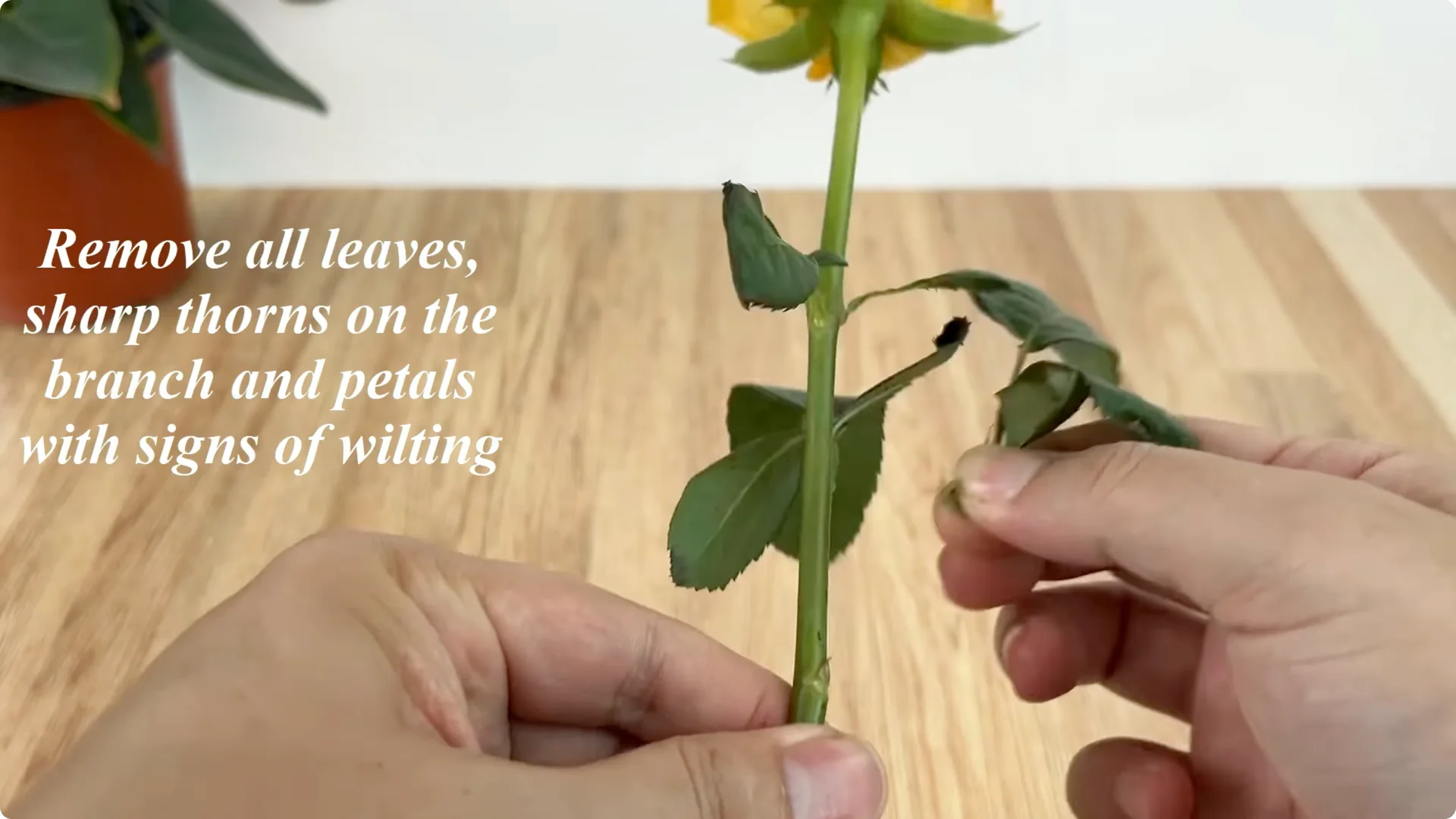
First, we proceed to select and process the branches. Choose a healthy rose branch with a moderate age – this is the stage where the wood tissue is stable but still soft enough to easily stimulate roots.
Remove all leaves and sharp thorns to limit water evaporation and reduce the risk of infection. Wilted or damaged petals should also be removed.
Cut the branch about 15-20 cm long, and cut the base at a 45° angle to increase the contact area, help absorb the solution better, and create conditions for young roots to develop. For more ideas on getting cuttings to root and bloom fast, see this guide on helping rose cuttings root and bloom fast.
2. Rose Cutting Propagation: Ginger Disinfection
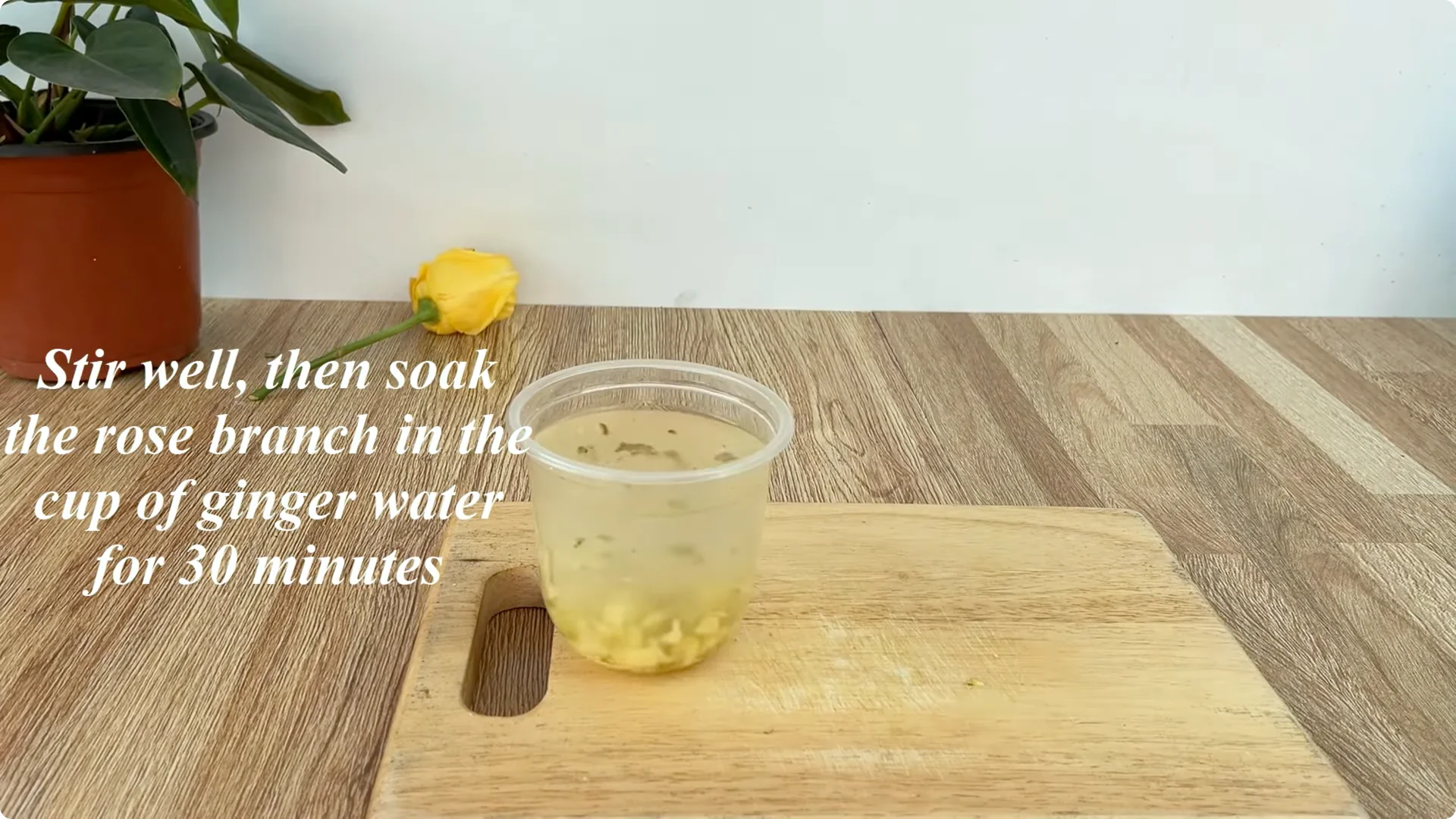
Next, prepare about 10 grams of fresh ginger. Ginger contains many compounds such as gingerol and shogaol which have the ability to kill bacteria, fight fungi, and stimulate scar tissue growth.
Wash and chop, put ginger in a clean plastic cup with 500 ml of water, and stir well to dissolve the active ingredients. Place the rose branch in the cup, and soak for about 30 minutes to disinfect the base while absorbing the activating nutrients.
3. Rose Cutting Propagation: Tomato and Bread Stimulant
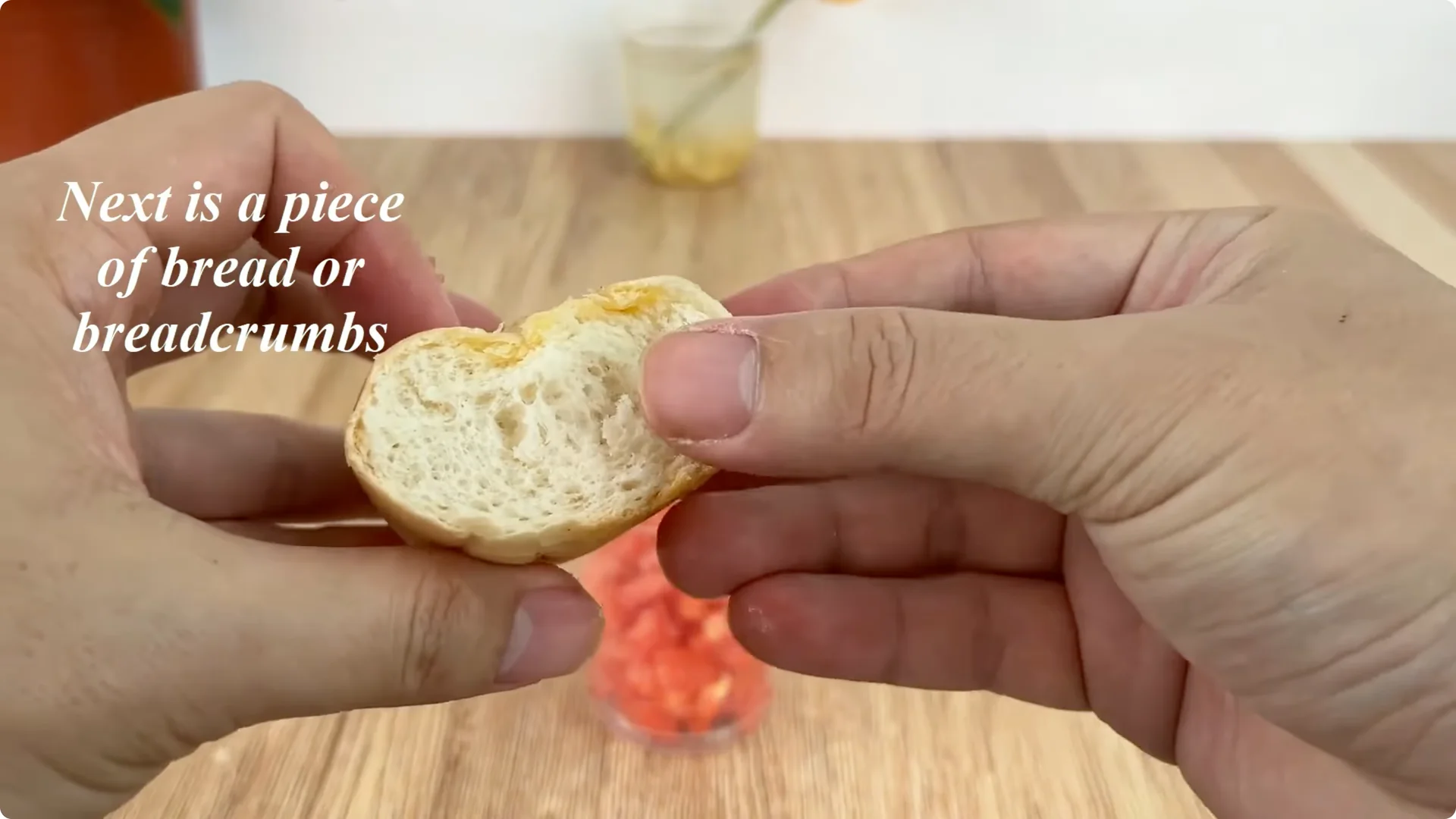
During that time, prepare a ripe tomato about 30 g. Tomatoes contain a lot of vitamin C, organic acids, and natural enzymes that help break down wood tissue, stimulating the formation of new roots.
After washing and chopping, put it in a clean plastic cup. Next, put a piece of bread or shredded breadcrumbs in the cup. Bread provides carbohydrates, helps beneficial microorganisms grow, and creates a balanced microbial environment to support root stimulation.
Add another 500 ml of warm water, stir well, and let it sit for 30 minutes to dissolve the nutrients, creating a very special organic root stimulant mixture. For a simple one-cup approach to rapid growth, see this one-cup rapid growth method.
4. Rose Cutting Propagation: Mix the Solutions
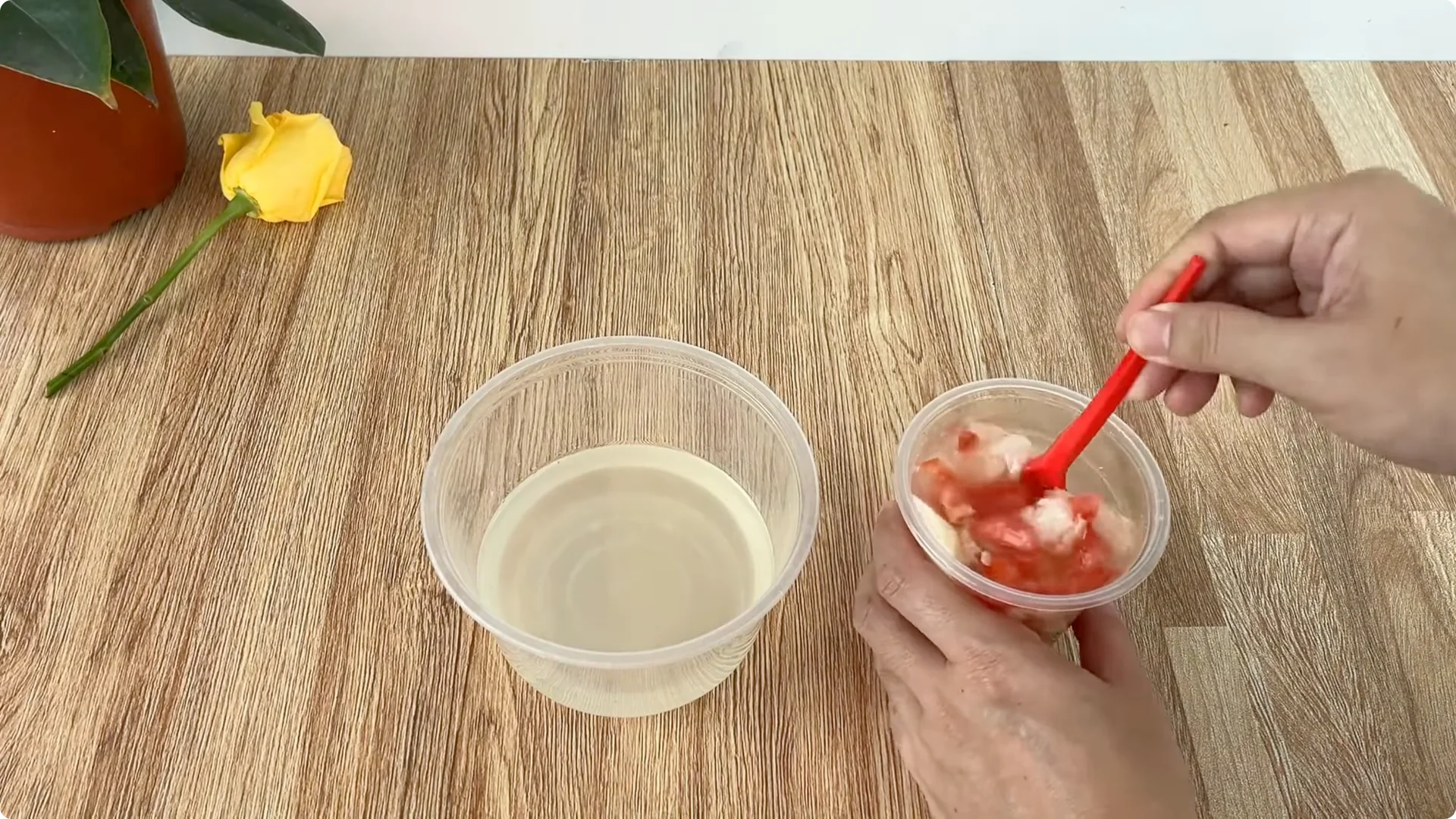
After soaking for enough time, remove the rose branches from the ginger solution. Filter the ginger solution into a clean plastic cup.
Continue to filter the tomato – bread mixture separately, then mix the two solutions together to create a synthetic root stimulant solution. The combination of antibacterial (ginger), xylem-dissolving enzymes – vitamins (tomatoes), and microbiological sources – carbohydrates (bread) helps create an ideal environment for the development of living roots.
5. Rose Cutting Propagation: Sand Medium and Planting
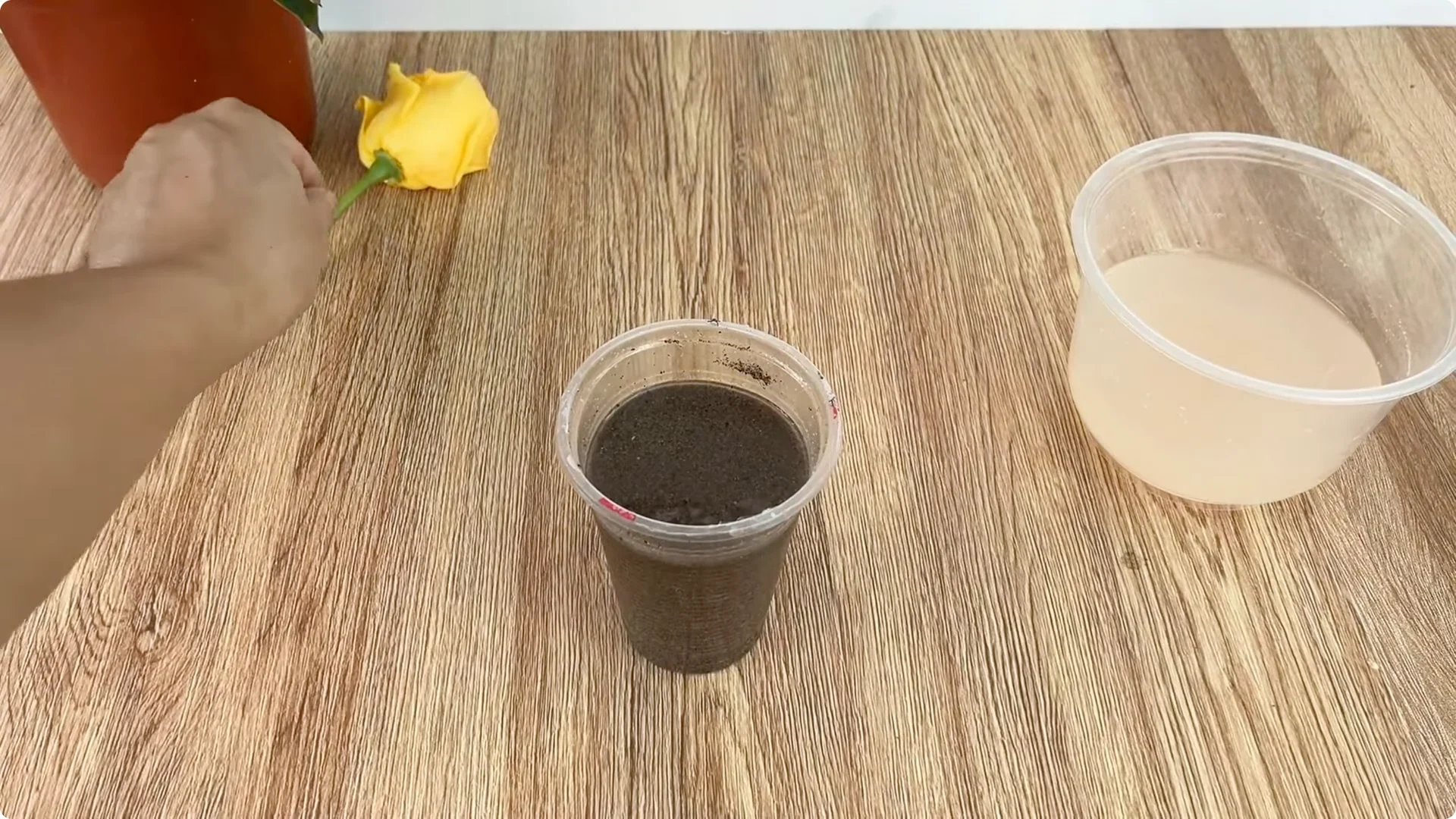
Prepare a clean plastic cup and fill the cup with treated river sand. Clean river sand is highly breathable, helping young roots to breathe well and limit waterlogging.
Pour in the ginger – tomato – bread solution in just enough quantity to create optimal humidity. Insert the rose branch into the cup, so that the base is deeply submerged in the sand. Gently press the sand layer around the branch to fix the position.
If you want to try another organic booster, here is an egg-based rooting booster that also encourages rooting and bloom.
6. Rose Cutting Propagation: Create a Humid Microclimate
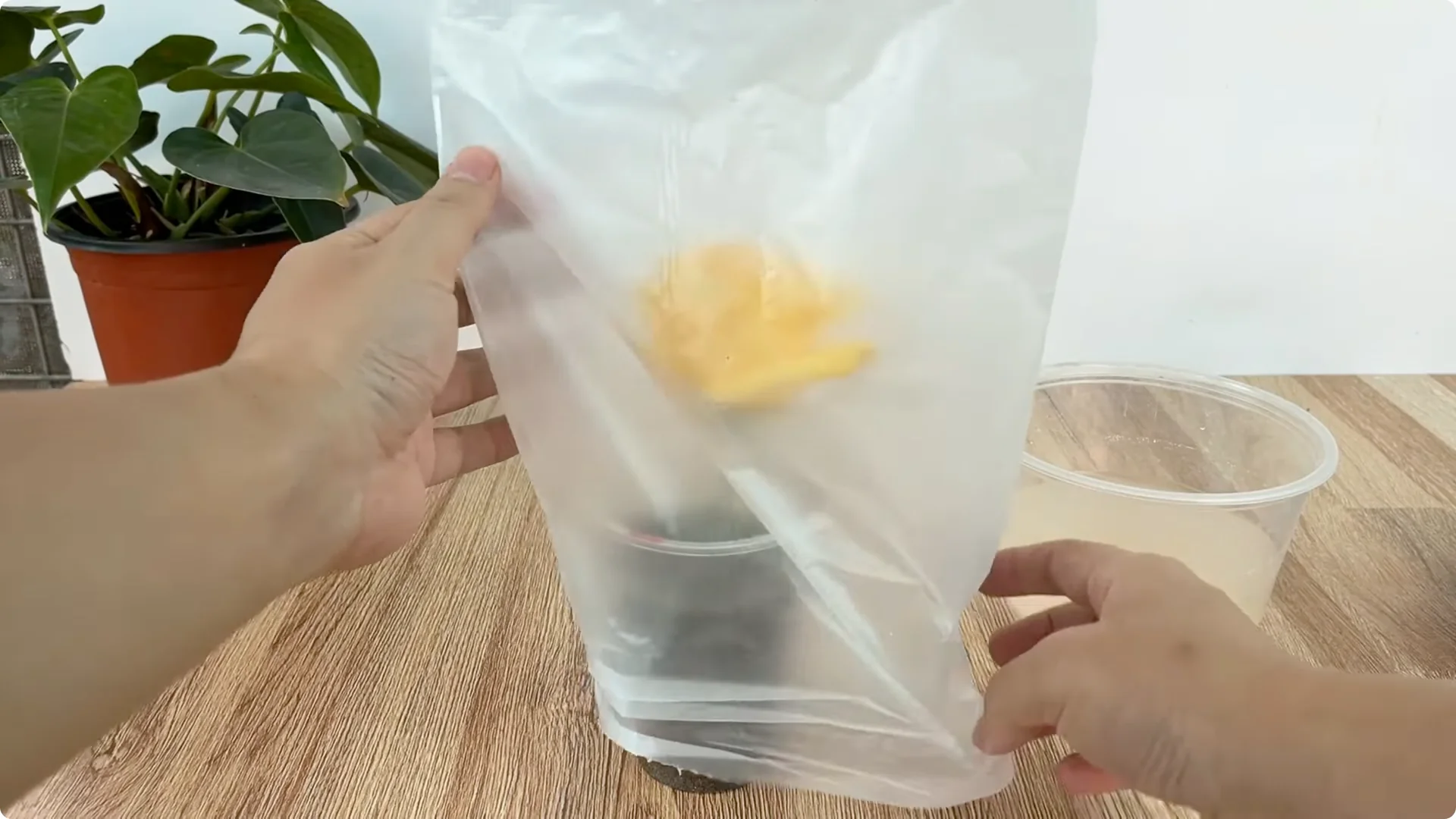
To create a suitable humid environment for the formation of new roots, use a plastic bag or a transparent plastic cup to cover the mouth of the cup. This helps create a greenhouse effect, limiting the evaporation of water from the stem, helping the root tissue stabilize the humidity and quickly stimulate the appearance of new roots.
Place the cup in a cool place, away from direct sunlight and strong winds, to maintain a humid and stable environment.
7. Rose Cutting Propagation: Check After 10 Days
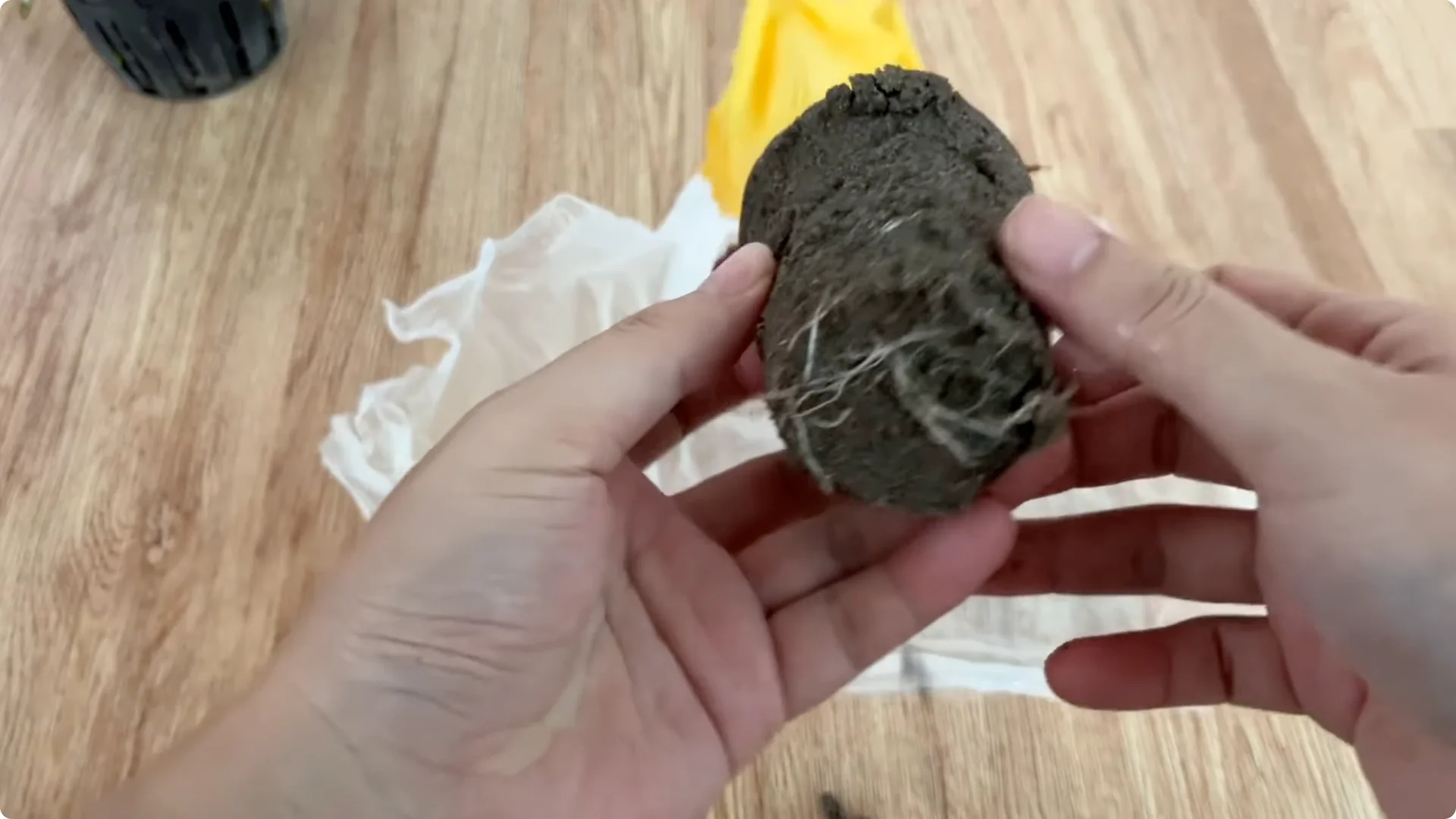
After 10 days, when checking, you will see the flower branch begins to grow new buds with a bright green color. This is a sign that the wood tissue has recovered well.
At the base, a large amount of new white, succulent roots appear, proving that the organic root stimulant solution has been effective.
8. Rose Cutting Propagation: Potting Up
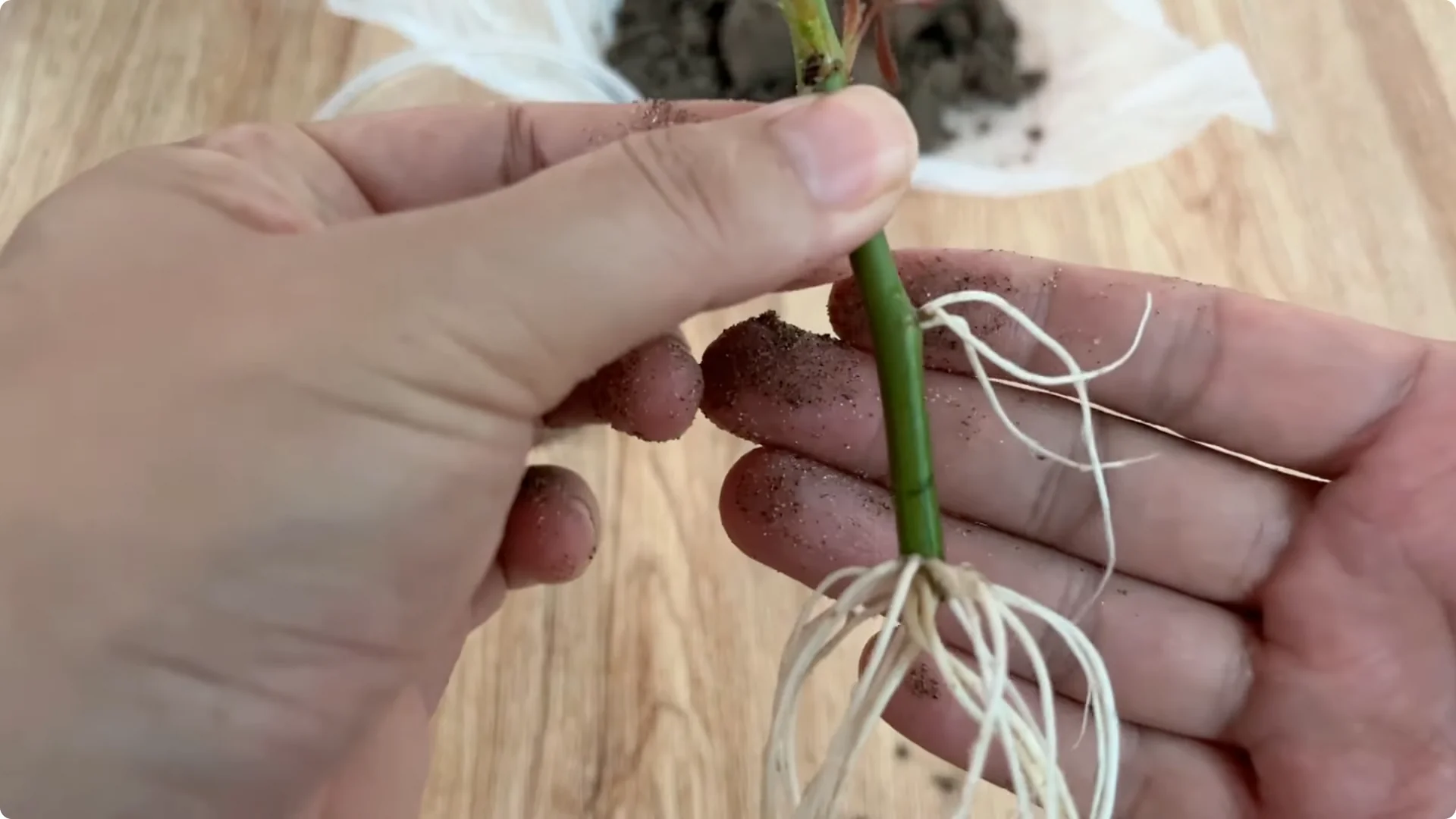
At this point, you can separate the branches and plant them in a new pot. Use treated coconut fiber as a substrate to ensure optimal ventilation and moisture retention.
Place the pot in a cool, airy place with moderate light for the plant to stabilize, then gradually introduce it to the natural environment for healthy growth.
Final Thoughts
With only familiar ingredients such as ginger – tomatoes – bread, we can completely create an effective organic root stimulation – bud nourishment formula for the process of propagating roses at home. Wishing you success and many healthy, beautiful rose plants in your garden!