

Here is a unique and effective method of stimulating root growth for rose branches using two familiar ingredients. The combination creates a natural source of nutrients to help branches quickly recover, sprout, and develop healthy white roots in a short time.
This guide keeps the steps simple and practical, using coffee and orange peel to boost rooting. Follow each step carefully for healthy, plump roots and strong new shoots.

The Beginner’s Rose Propagation Starter Kit 🌹
A simple printable PDF guide to help you root rose cuttings successfully.
Get The Guide →1. Natural Rose Cutting Propagation: Coffee Base
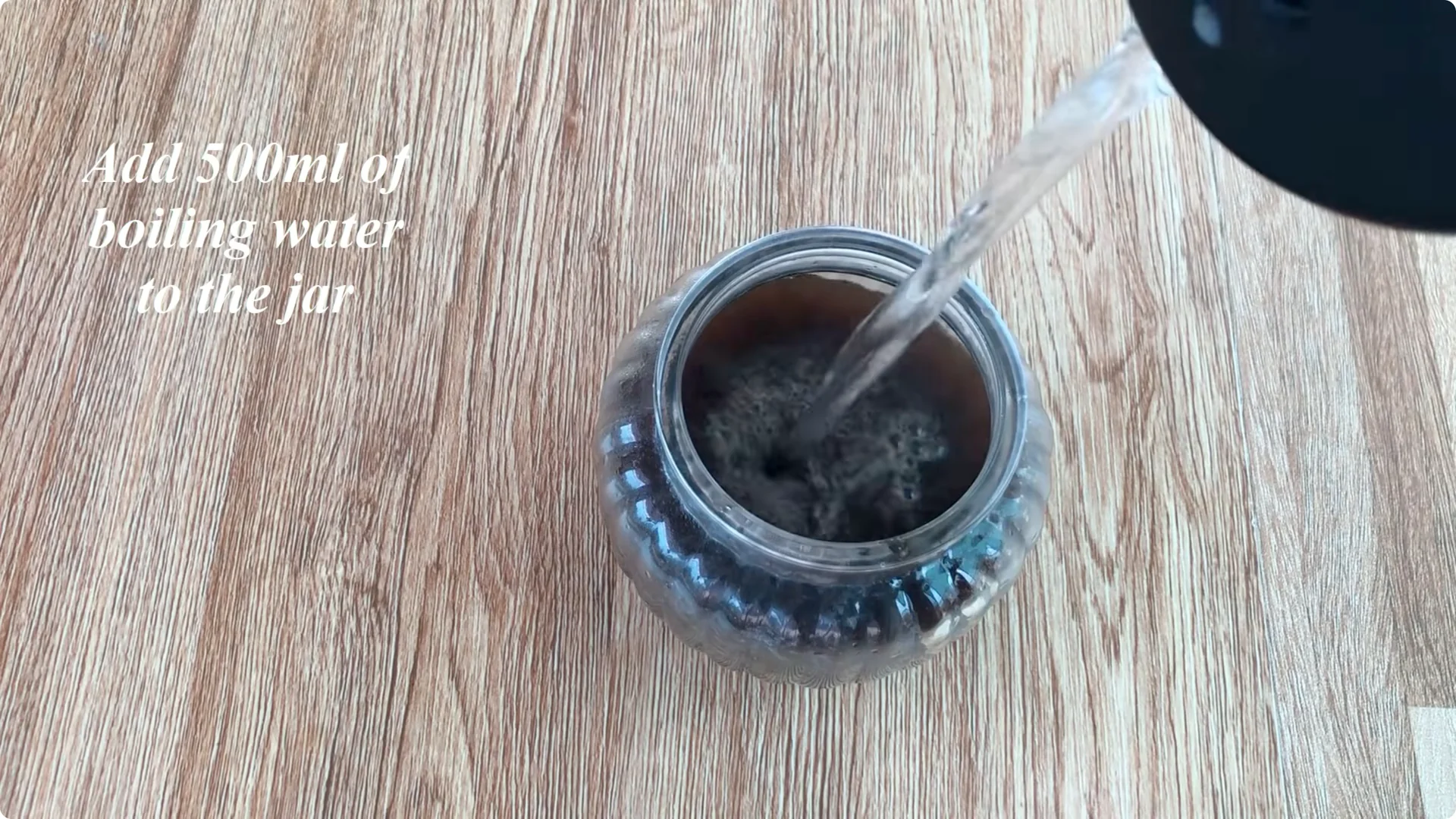
Prepare a teaspoon of coffee and put it in a clean glass jar. This ingredient provides trace minerals such as potassium, magnesium, phosphorus, and a small amount of antioxidants.
When dissolved in hot water, coffee helps stimulate metabolism in plant tissue, enhancing the ability to form new roots. Add 500 ml of boiling water, cover, and let it cool naturally. During that process, the nutrients from the coffee will slowly dissolve, creating a very good solution for rose branches in the tissue regeneration stage.
For another natural stimulant that pairs well with this approach, see how onions can help roses root faster.
2. Natural Rose Cutting Propagation: Select and Prepare the Cutting
Choose a favorite rose branch that is moderately old. A standard branch is slightly dark green, the stem is hard but still elastic.
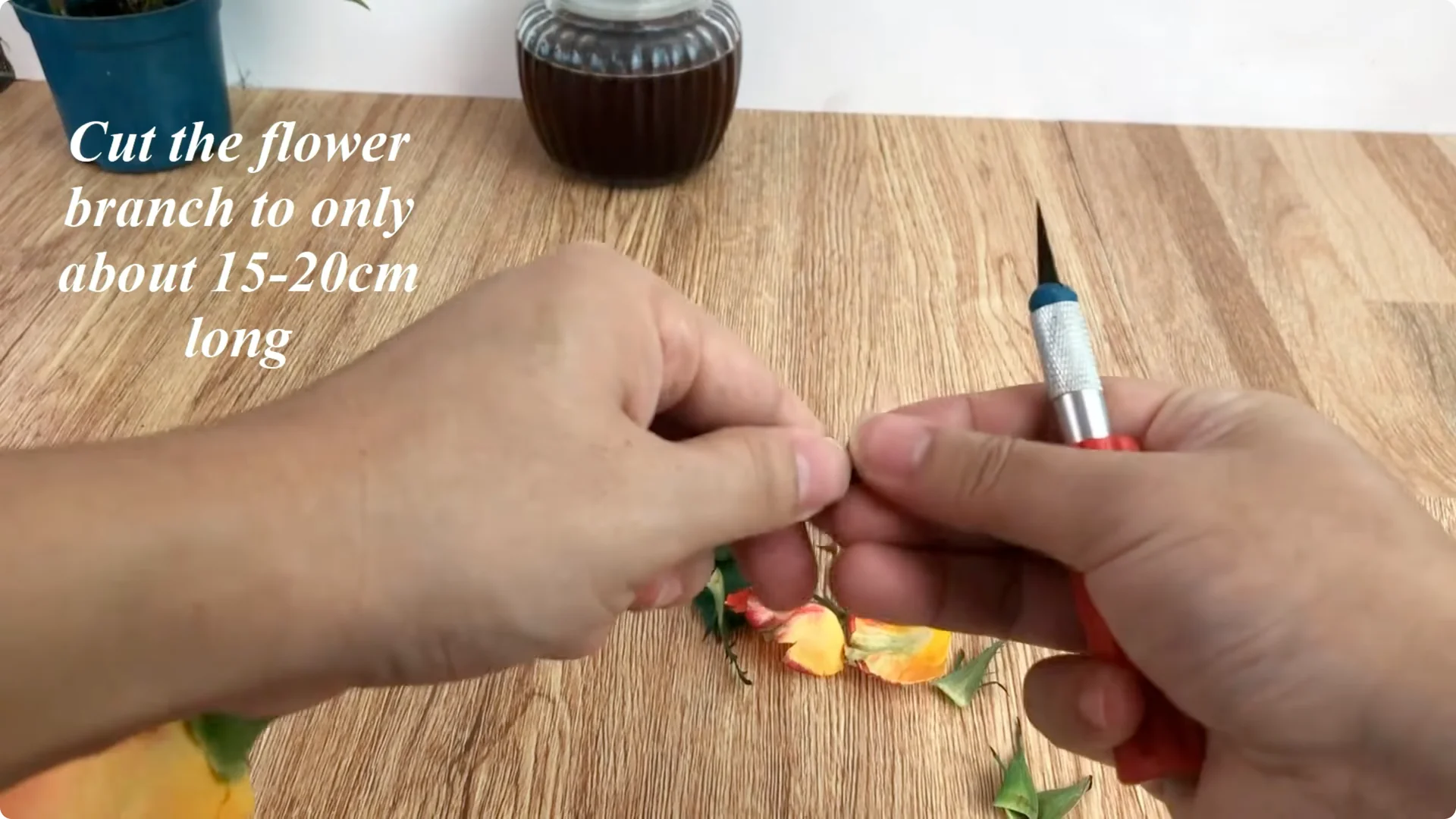
Branches that are too young are easy to rot, while branches that are too old are difficult to root. Cut off all the leaves, sharp thorns, and old, wilted petals. This helps reduce water loss and limit the invasion of fungi during the stage when the branch has not yet formed roots.
Cut the rose branch to about 15-20 cm – the ideal length for the root stimulation process. Use sharp scissors to cut the base of the branch at a 45-degree angle to increase the contact area with the nutrient solution. This helps new roots easily grow from the base tissue.
If you need a rapid-start approach for quick sprouting, explore tips to help roses root sprout overnight.
3. Natural Rose Cutting Propagation: Orange Peel Soak
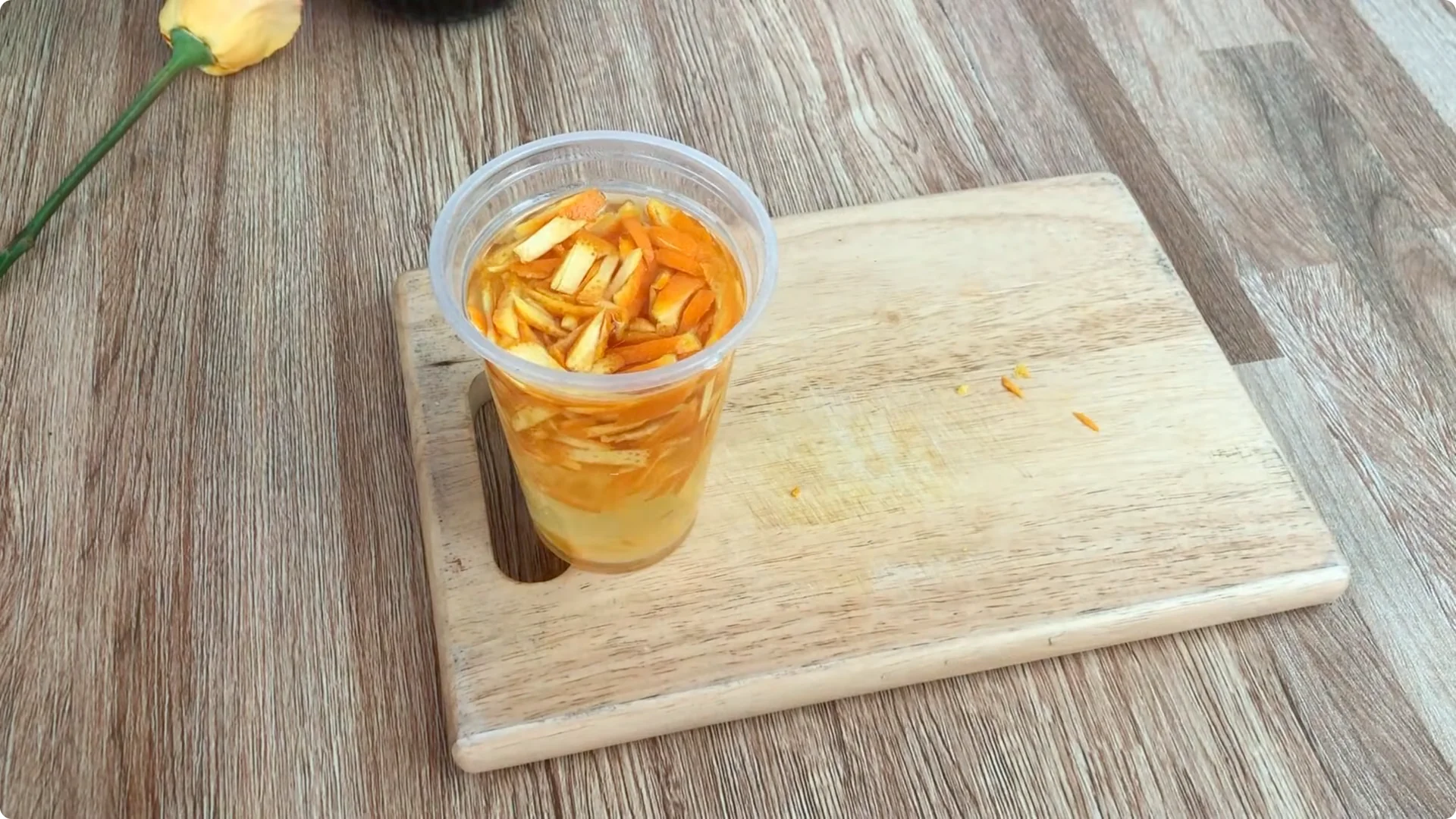
Choose a fresh orange, wash it, and peel it. Fresh orange peels are rich in vitamin C, natural essential oils, and antioxidants.
These ingredients help clean the surface of the branch tissue, while stimulating the cell regeneration process. Cut the orange peel into small pieces and put them in a clean plastic cup. Add 500 ml of clean water and stir well to let the essence of the orange peel dissolve into the water.
Put the rose branch in the cup of orange peel solution and soak for 30 minutes. During the soaking time, the active ingredients from the orange peel will soften the root tissue and promote the formation of callus – this is the premise for new roots to grow. When the soaking time is enough, gently remove the branch from the orange peel solution.
Stir the solution well and filter out all the pulp to get clear water. This keeps the liquid clean for mixing with the coffee solution later.
Some gardeners also succeed with an unusual helper. See how using beer can help roses sprout roots.
4. Natural Rose Cutting Propagation: Combine the Solutions
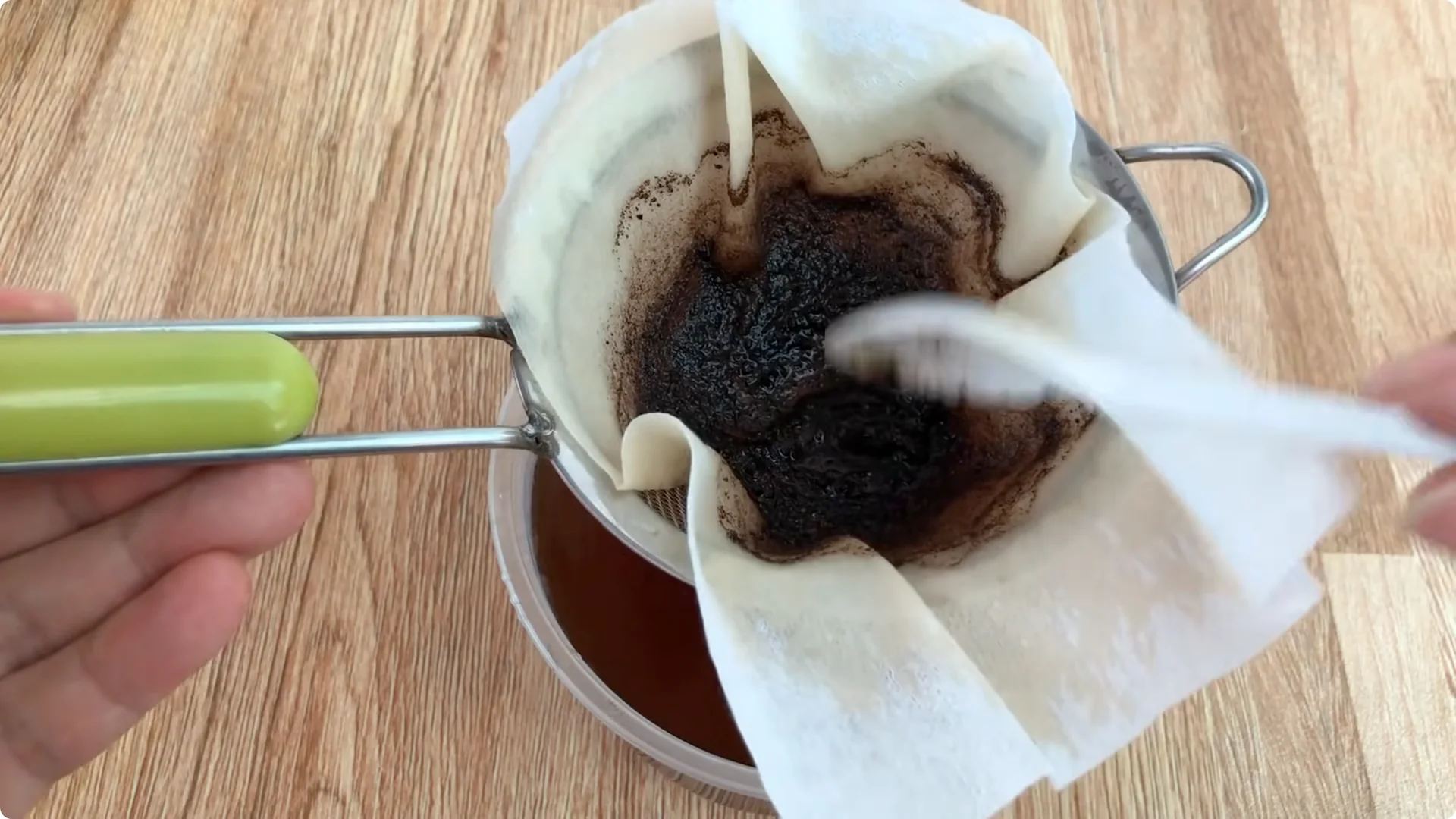
Filter the coffee solution through a thin layer of cloth to remove residue and ensure the solution has the necessary smoothness. Once you have two types of pure nourishing water – orange peel and coffee – mix them together.
This combination creates a mixture rich in vitamins, minerals, and antioxidants. It both stimulates root tissue growth and helps the rose branch increase resistance in the early stages of life.
5. Natural Rose Cutting Propagation: Prepare the Medium
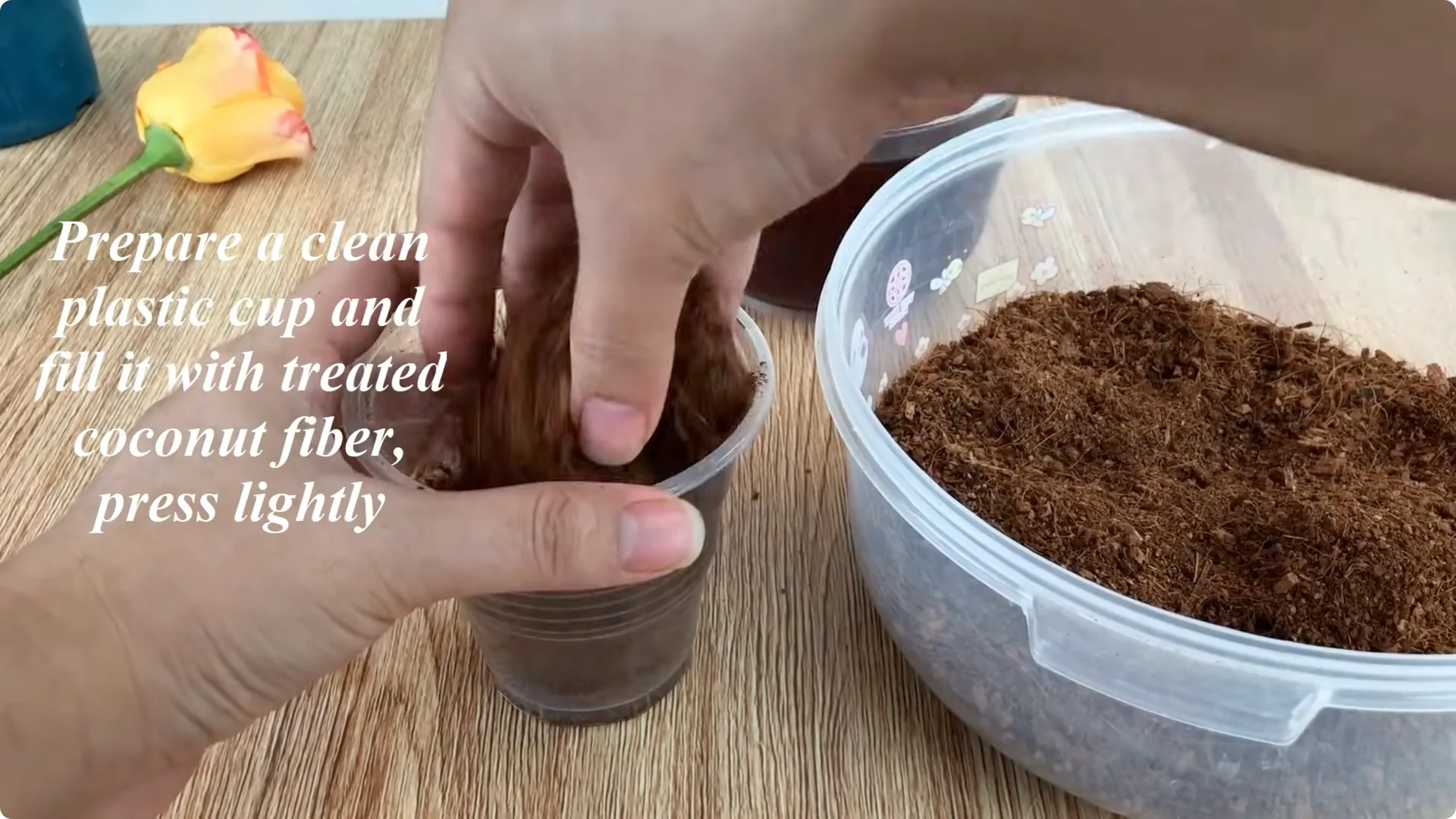
Prepare a clean plastic cup and fill it with treated coconut fiber. Coconut fiber is an ideal growing medium for cuttings because it is porous, well-ventilated, and helps young roots breathe easily.
However, coconut fiber must be carefully treated to remove tannins – astringent substances that can cause root rot. After lightly compressing the coconut fiber to stabilize it, pour in a sufficient amount of the coffee-orange peel solution. Ensure that the coconut fiber is evenly moist but not soggy.
6. Natural Rose Cutting Propagation: Plant and Maintain Humidity
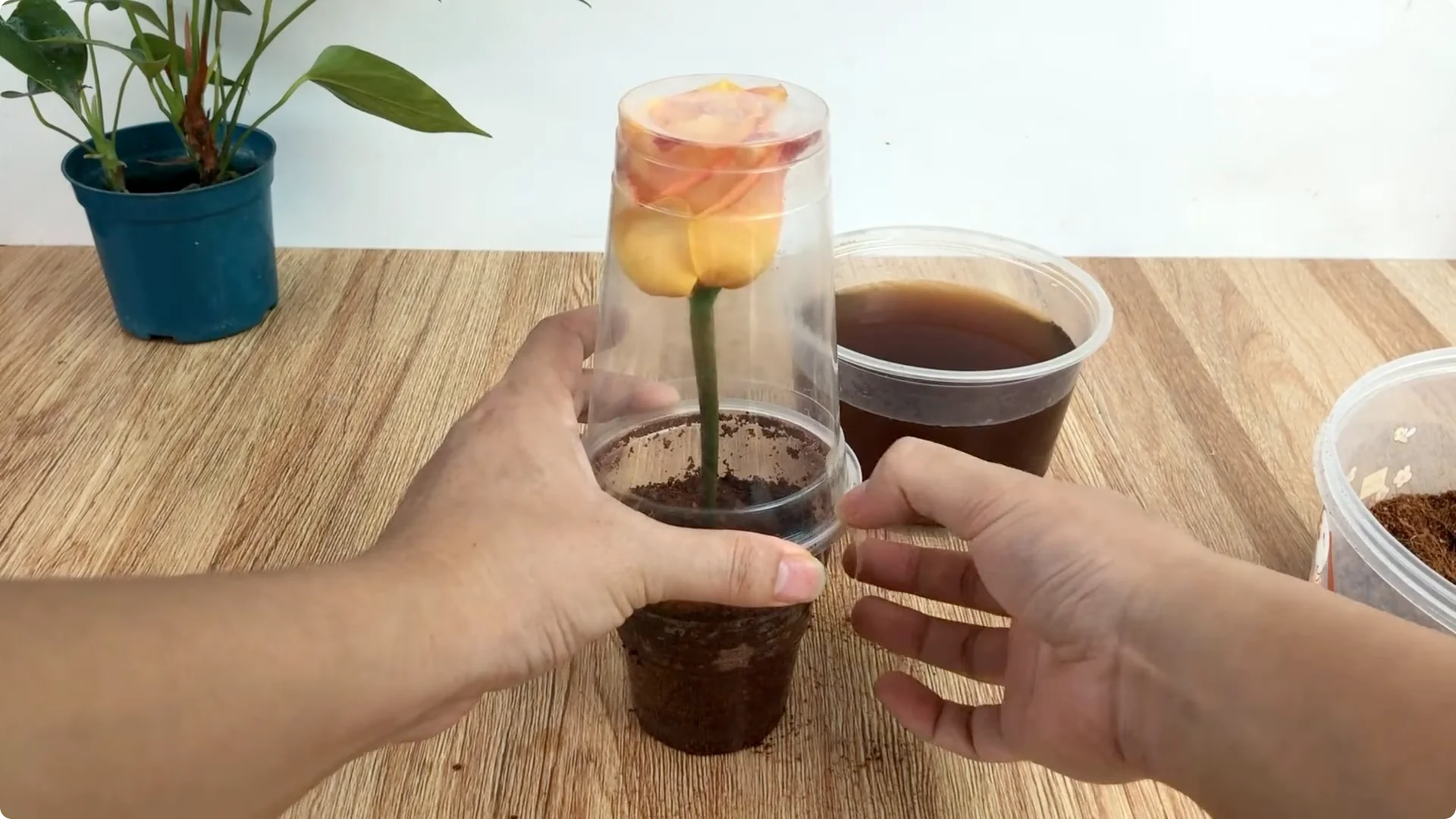
Use your finger to make a small hole in the middle and place the rose branch down. Lightly compress the surrounding area to secure the branch, avoiding shaking during the rooting process.
Use a plastic bag or a transparent plastic cup to cover the mouth of the cup containing the rose branch. This helps create high humidity and maintain a stable temperature – ideal conditions for root tissue to form faster. Place the cup in a cool place, away from harsh sunlight and strong winds.
7. Natural Rose Cutting Propagation: Results and Transplanting
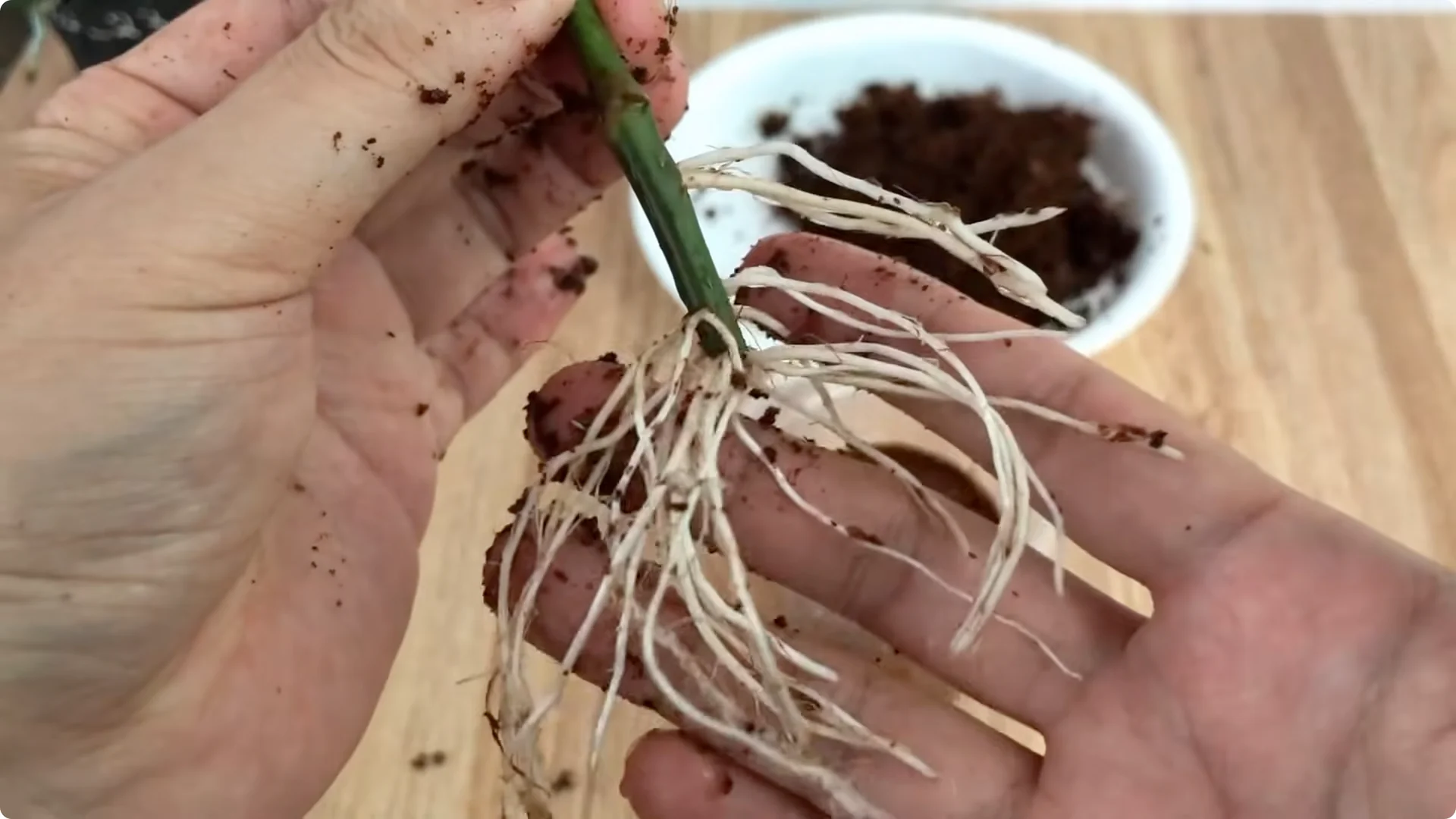
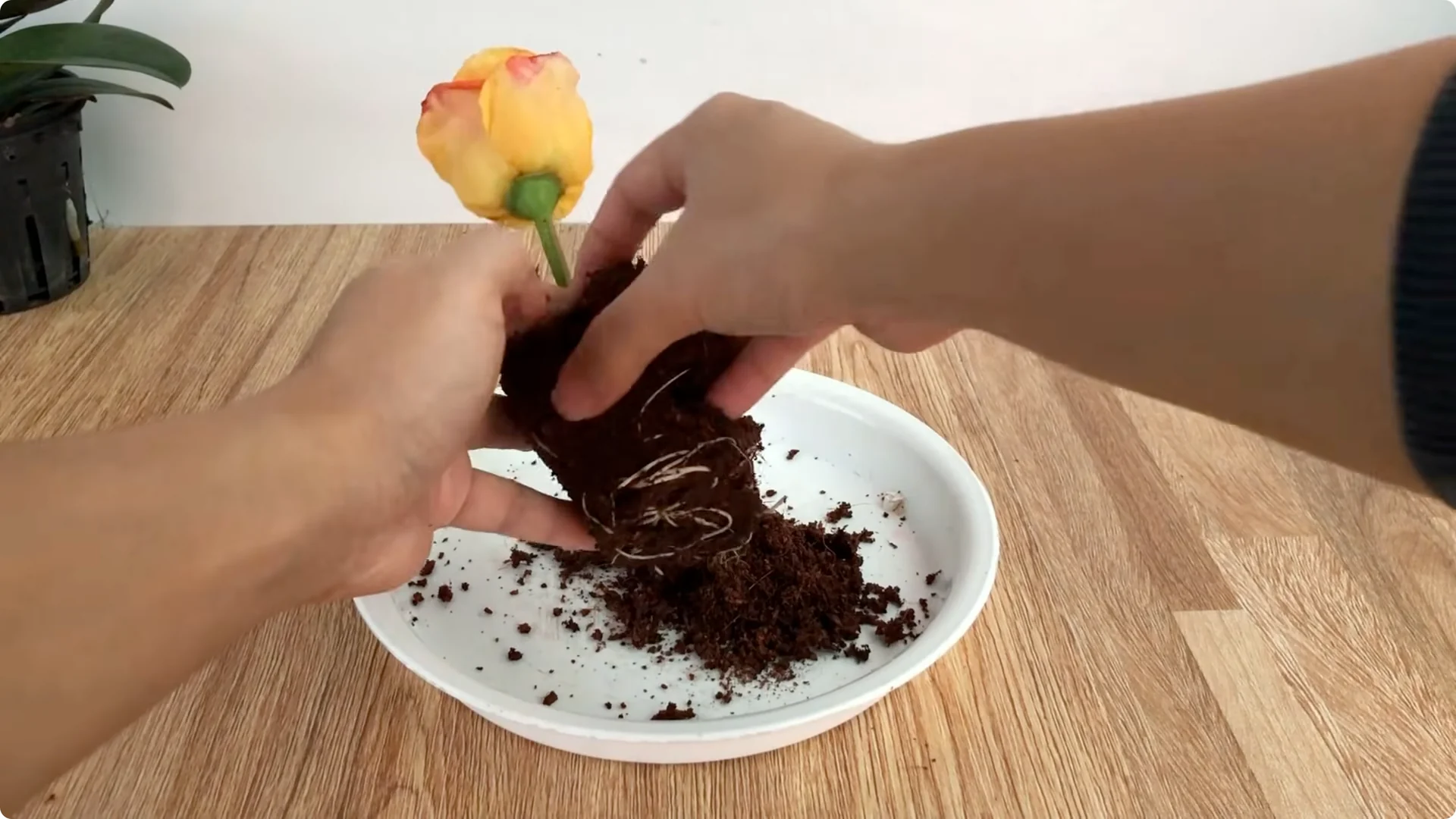
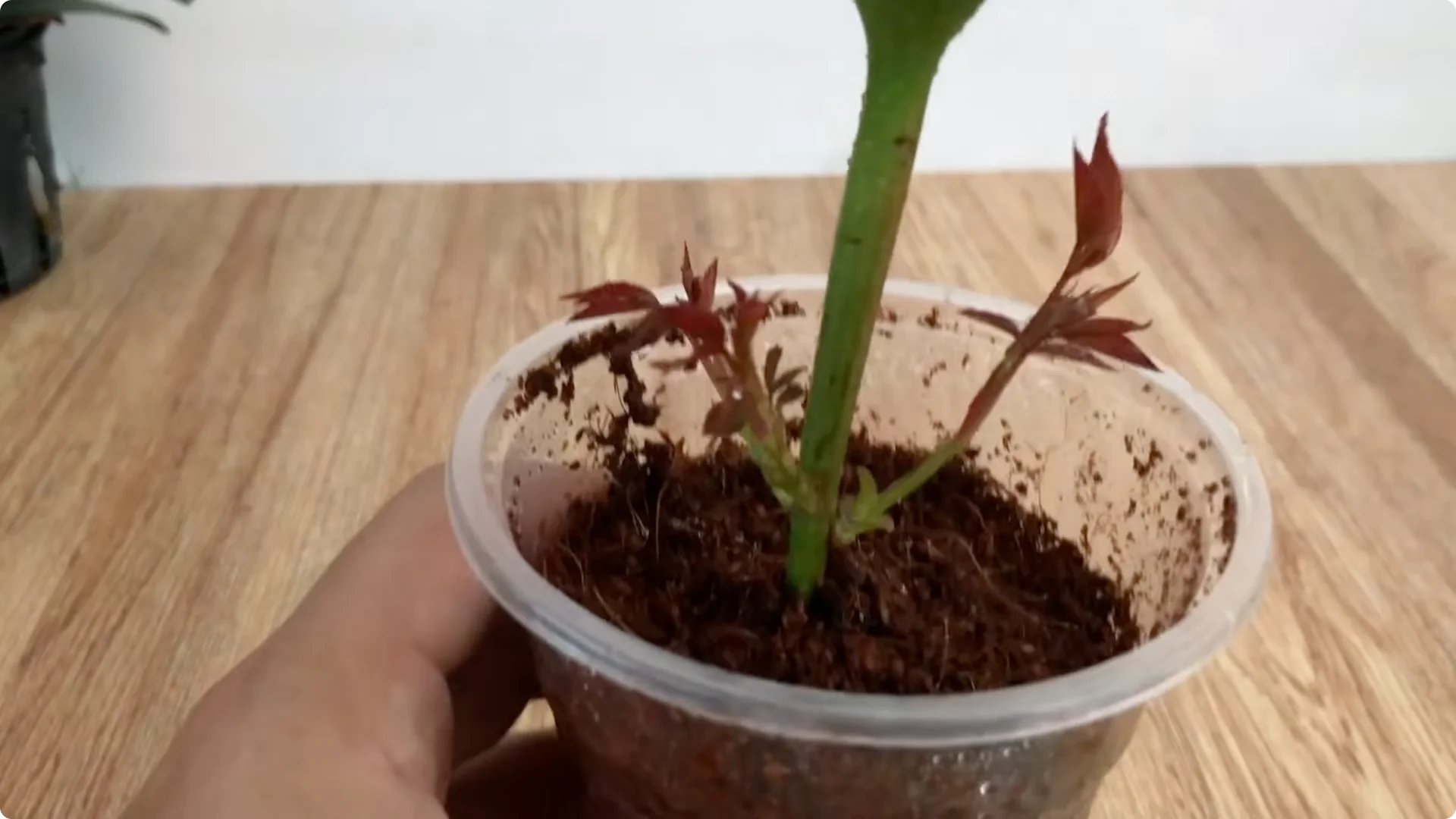
After about 10 days, you will see a miracle happen. Fresh green shoots begin to sprout, signaling that the rose branch has officially revived and is ready to enter a new growth stage.
The base of the branch will have many new roots, pure white, plump, and full of vitality. This proves that the branch has absorbed nutrients well and grown steadily. Move the plant to a new pot with good drainage and use river sand as a substrate to support stronger root growth.
Final Thoughts on Natural Rose Cutting Propagation
This method is simple, easy to do, and uses materials almost every home has. With careful preparation, clean solutions, and steady humidity, rose cuttings root reliably and grow with vigor. Wish you success propagating many healthy, brilliant rose plants in your garden.
About The Author

The Beginner’s Rose Propagation Starter Kit 🌹
A simple printable PDF guide to help you root rose cuttings successfully.
Get The Guide →